
Food-based dietary guidelines set by governments don’t emphasise the need to cut back on animal proteins and increase plant-based food intake, a new study shows.
Government recommendations on diets have several “crucial gaps” when it comes to the intake of animal and plant-based proteins, according to a review of over 100 national guidelines.
Most of these publications lack clear, evidence-based guidance on increasing plant-based food consumption, limiting meat and dairy intake, and well-planned vegan or vegetarian diets.
Published in the Proceedings of the Nutrition Society journal, the study comes at a pivotal time for climate- and nutrition-centric food policy. In November, governments will convene in Belém for the UN’s annual climate summit, COP30, where UN member states have been urged to create national plans to promote sustainable plant-based diets.
And next week, the Eat-Lancet Commission will release its highly anticipated update to its 2019 Planetary Health Diet report, which stated that animal proteins should only make up 11% of an individual’s diet to ensure food security for a growing population and safeguard the planet by 2050
The Planetary Health Diet has already inspired several governments to update their dietary guidelines in line with a sustainable and healthy food system, with Germany, Austria, Finland, Norway, and others all prioritising plant-based food.
“Most guidelines recommend mainly animal-sourced foods in the protein group and present milk and dairy as a standalone food group without providing any information about alternative, plant-based food choices,” said author Anna-Lena Klapp, head of research at ProVeg International.
The problem is, livestock farming systems account for up to a fifth of global emissions and 80% of Earth’s farmland, with one analysis calling them the leading cause of climate change.
“As nations gather in Brazil in November for the COP30 climate summit, they will be discussing how emissions from the food system can be reduced. Dietary guidelines are one of the tools that can effectively help achieve this,” said Klapp, who identified five gaps in national dietary recommendations.
1) Food group classifications aren’t inclusive

Dietary guidelines categorise foods into different groups, each of which is recommended to be part of the diet, though different items can be chosen within a group.
Many governments present meat, fish, eggs and dairy as single food groups, suggesting that animal proteins should be on the daily menu and no plant-based products are suitable alternatives, in contrast with scientific evidence.
Some countries, however, have made food groups more inclusive by making an overarching protein category that includes animal and plant proteins, as well as incorporating vegan alternatives in the dairy category.
Another helpful approach is to bundle meat and plant-based alternatives in one group, dairy and non-dairy products in another, and beans and legumes in a separate third group.
2) Advice to limit meat and dairy for better climate and health outcomes isn’t clear

National dietary recommendations should advise citizens to reduce animal protein intake by highlighting the health and sustainability benefits (and taking socio-economic feasibility into account).
Red meats like beef and pork contain high amounts of saturated fat, which is linked to increased inflammation in the heart. And processed forms of meat, including bacon, sliced ham and hot dogs, have excessive salt. These products have been directly linked to increased risks of heart disease, cancer, and type 2 diabetes.
Then there are the environmental drawbacks. “Evidence indicates that providing clearer advice on limiting the consumption of animal-sourced foods, particularly beef and dairy, has the greatest potential for improving the environmental sustainability of dietary guidelines,” the study noted.
Guidance on animal proteins needs to be well-balanced, and can be presented either quantitatively (with upper limits on portions or grams per week) or qualitatively (emphasising the benefits of reduced meat intake, like improved health and sustainability outcomes).
Governments should “prioritise simple, food-focused messaging” to enhance clarity and compliance – asking consumers to choose tofu over red meat is a much better way than suggesting they reduce saturated fat intake by selecting foods with unsaturated fats instead.
3) There’s a lack of guidance on nutrient intake from plant-based sources

Most guidelines put an emphasis on animal-sourced foods for specific micro- and macronutrient intakes, ignoring scientific evidence showing that “individuals following balanced plant-based dietary patterns often achieve more favourable diet quality”.
More comprehensive guidance on meeting micronutrient needs via plant-based diets is needed. For example, meat is emphasised as the primary dietary source of iron, but there’s limited guidance on plant-based iron sources (like legumes, pseudograins, and dark, leafy vegetables) and strategies to enhance bioavailability (such as milling, soaking, germination, and fermentation).
As for protein, the focus should shift to quality rather than quantity. “Traditional preparation techniques – such as soaking, fermenting, and cooking – can help reduce antinutritional factors and enhance protein digestibility,” the report states.
“Among plant-based protein sources, soya stands out for its high digestibility and complete amino-acid profile, making it one of the most nutritionally valuable plant-based options. As such, food-based dietary guidelines should explicitly encourage the consumption of soya and soya products as a healthy, high-quality, and sustainable protein source.”
4) Plant-based meat and dairy alternatives aren’t well-integrated into guidelines

Some vegan alternatives to meat and dairy, like soy milk, seitan and tofu, have been around for millennia, and modern technologies have allowed producers to turn a variety of crops into such products.
Research has found that these analogues match or outperform animal proteins on a host of health criteria. That said, some products are better than others – coconut oil, widely used to make vegan cheese, is high in saturated fat.
“Clear dietary guidance is essential in order to assist consumers with making informed choices that optimise the health and environmental benefits of plant-based alternatives,” says the report, highlighting how 45% of national guidelines already mention meat and dairy alternatives.
The conversation around ultra-processed foods (UPFs) also must be more nuanced, especially since the focus has turned to the degree of processing as opposed to actual nutritional value.
“Strict recommendations to avoid all ultra-processed foods risk removing affordable and accessible nutrient sources, which is impractical given that processed foods account for approximately two-thirds of global energy purchases,” the author writes.
The approach to UPFs should be one that “balances concerns about food processing with the recognition that some foods which are classified as ultra-processed can contribute positively to both human and planetary health”.
5) Governments need to offer more advice on well-planned meat-free diets
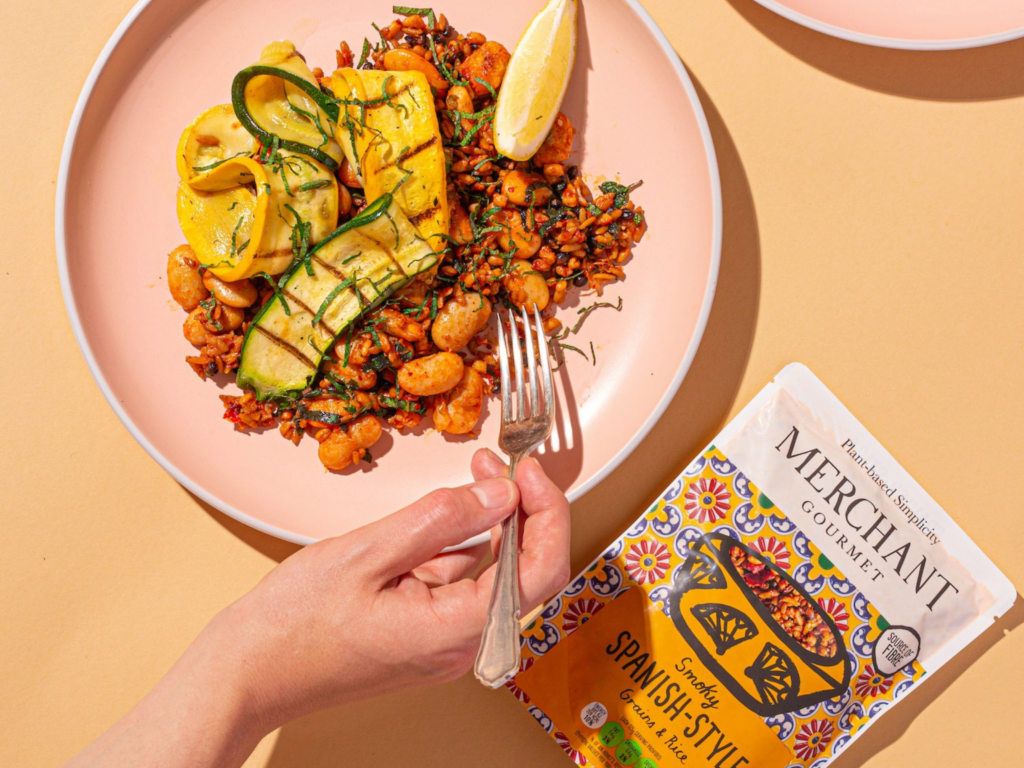
The study reveals that 18% of food-based dietary guidelines don’t even mention plant-based protein sources, and 60% don’t have a position on meat-free diets, even though 1.5 billion people globally follow some version of vegetarianism.
And among those that do contend with vegetarian diets, 30% focus primarily on the potential nutritional risks, with some even advising against avoiding meat. “Rather than focusing on deficiencies and risks, food-based dietary guidelines should adopt a positive, empowering approach to nutrition education,” the study reads.
If they fail to meet the need for balanced guidance or present information in a relevant manner, people will seek information elsewhere. Often, this would be online, where content quality and accuracy can vary widely.
“To prevent misinformation and ensure that people receive reliable dietary guidance, it is essential that food-based dietary guidelines incorporate well-structured, inclusive, and practical recommendations for vegetarian and vegan diets,” the study states.
“By integrating clear recommendations to reduce the consumption of animal-sourced foods, while expanding access to diverse plant-based options, food-based dietary guidelines can align public health objectives with environmental imperatives, ensuring that dietary policies remain both effective and culturally relevant,” says Klapp.
The post Study Finds ‘Crucial Gaps’ in National Dietary Guidelines on Meat & Plant-Based Proteins appeared first on Green Queen.
This post was originally published on Green Queen.