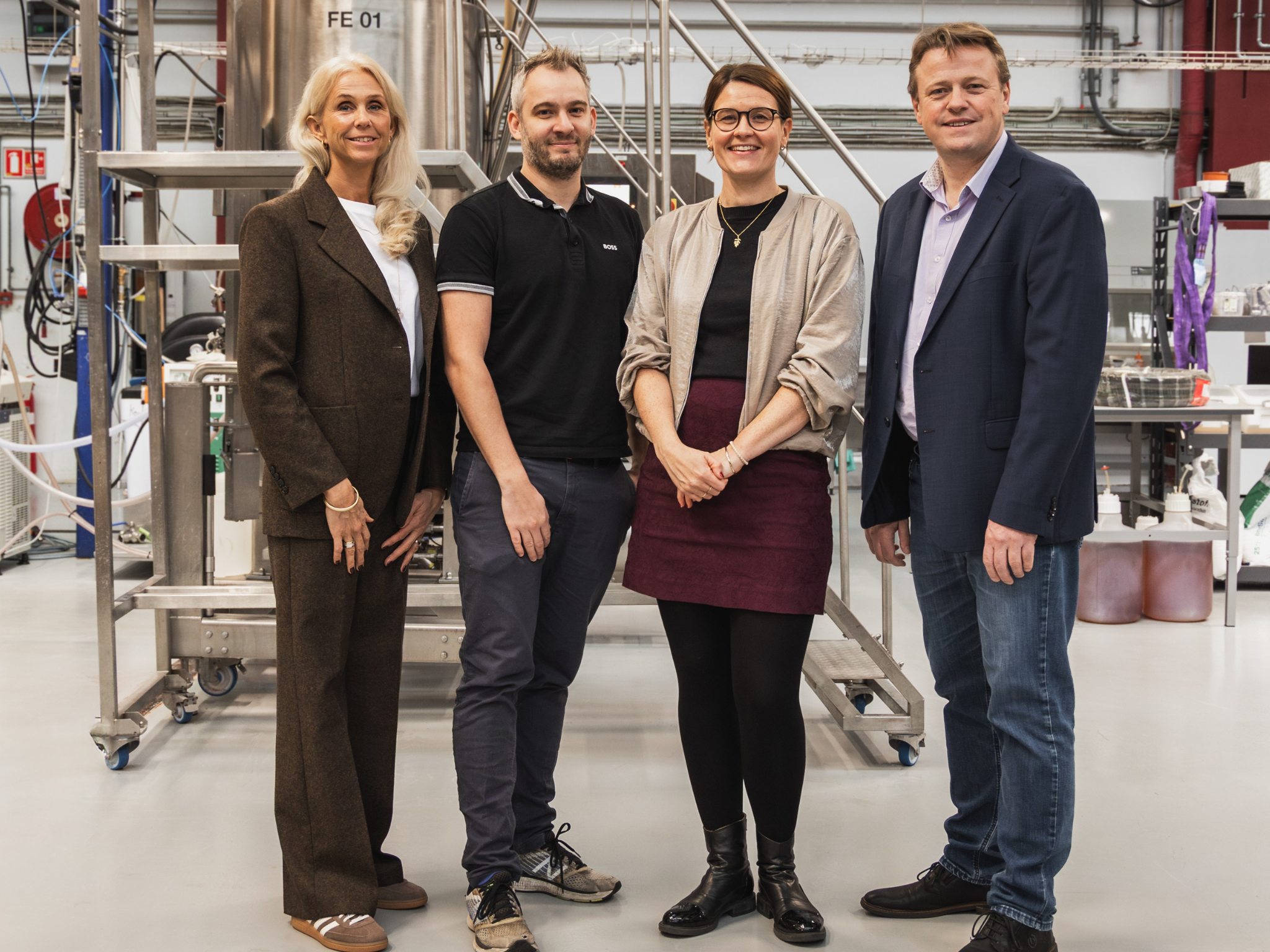
Danish precision fermentation startup Chromologics has secured €7M ($8M) in funding to commercialise its natural food-grade alternative to synthetic red dye.
Amid the rush to phase out synthetic dyes from food products, one startup has taken a big step towards bringing its natural alternative to market.
Copenhagen-based Chromologics, which uses precision fermentation to develop sustainable food colourings, has raised €7M ($8M) in fresh funding from existing backers Novo Holdings and Danish state fund EIFO, as well as new investors Döhler Ventures, Collateral Good Ventures and Synergetic.
The round takes the startup’s all-time funding to $21.7M, and will help it complete regulatory submissions for its bio-based food dye, Natu.Red, with the European Food Safety Authority (EFSA) and the US Food and Drug Administration (FDA).
Additionally, the capital will support the scale-up of its production, in collaboration with a large-scale contract manufacturer, as well as the eventual product launch.
“We continue to be impressed by the company’s ability to develop a truly differentiated red colour, and by the maturity of its technology, which has already led to a competitive cost position with potential for further optimisation,” said Thomas Grotkjær, partner at Novo Holdings’s Planetary Health Investments division.
“The constructive dialogues with strategic players suggest that we can scale the business rapidly upon regulatory approval,” he added.
How Chromologics uses microbes to produce natural food dyes

Founded in 2017 as a spin-out of the Technical University of Denmark, Chromologics has developed a precision fermentation platform to make cost-effective food dyes compatible with a wide array of dietary requirements.
Precision fermentation involves inserting a DNA sequence into microbes to teach them to produce specific molecules when fermented. The firm uses the tech to create an alternative to carmine, the red pigment traditionally derived from crushed beetles and cochineal insects.
The microbes are fed on sugar and other nutrients while submerged in water, helping them produce the red colour during the process. Chromologics can operate a circular system by recycling the water and using green energy for its fermentation runs.
The end product, Natu.Red, is tasteless, odourless and stable across a wide temperature and pH range. The fermentation process allows the startup to operate independently of traditional seasonal production cycles and geographic constraints, and also requires less land, water and agricultural inputs than existing natural colours extracted from fruits and vegetables.
The pigment can be used in a multitude of applications, from baked goods and confectionery to snacks, beverages, and plant-based meat alternatives.
Moreover, Chromologics has another colour in its portfolio, called Sustainly.Red that is designed for categories beyond food, such as textiles and cosmetics.
“In times of shifting priorities, we deeply value the continued trust in our mission. Biomanufacturing remains essential to stabilise food supply chains – an endeavour that requires patient investors who understand the realities of innovation,” said Chromologics CEO Gerit Tolborg, who founded the startup with CTO Anders Ødum.
“The support from our existing shareholders underscores the confidence in both Chromologics’ technology and its commercial potential. Chromologics has demonstrated the cost efficiency, scalability, safety, and product-market fit of Natu.Red,” she added.
Chromologics has conducted trials with 90+ companies
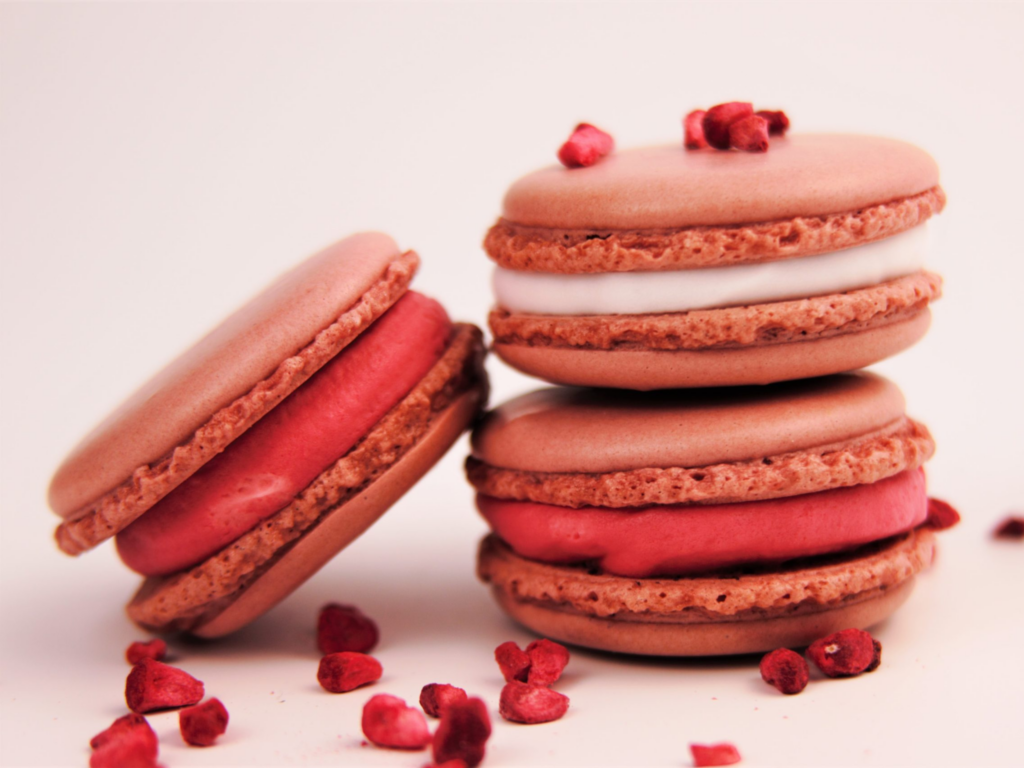
The investment in Chromologics comes during an upheaval against synthetic food dyes, thanks in large part to the Make America Healthy Again movement birthed by Robert F Kennedy Jr.
The US health secretary has called food colourings “the most egregious” type of additives, claiming that they are behind a range of health issues, including cancer, hyperactivity and possibly autism.
In January, before RFK Jr took office, the FDA announced a ban on Red Dye No. 3, a petroleum-derived hue shown to be carcinogenic in rats. He has since been calling on food industry giants to shift away from synthetic colours, a move supported by two-thirds of Americans. And Big Food has obliged, with Nestlé, Mars, Kellogg’s, General Mills and others all removing artificial dyes from various products.
“As bans on synthetic food colourants increase and current natural alternatives fall short and are not fully sustainable, Chromologics sets itself apart with proven, scalable, cost-competitive fermentation-derived colours,” said Sara Sande, partner at EIFO. “In Chromologics, we see a future technology leader with strong commercial potential in the growing natural food colour market.”
The startup has garnered interest from companies across multiple sectors, from beverages and confectionery to plant-based products. It has already conducted trials with more than 90 food manufacturers in the US and Europe over the last four years, generating insights into the performance and application potential of Natu.Red.
It is one of several firms vying for a piece of the $4.8B natural dyes market, including Michroma, Phytolon, Exberry, Vetik, and Material Futures Lab.
Rodrigo Hortega de Velasco, director at Döhler Ventures, said Chromologics is poised to lead the shift: “The sustainable fermentation technology provides a stable, scalable, and cost-competitive solution for customers to quickly transition from existing solutions to the high-quality, natural colours that are required to meet both new legislative frameworks and a surging consumer demand.”
The post Chromologics Raises $8M to Bring Fermented Red Dye to US & EU Food Companies appeared first on Green Queen.
This post was originally published on Green Queen.