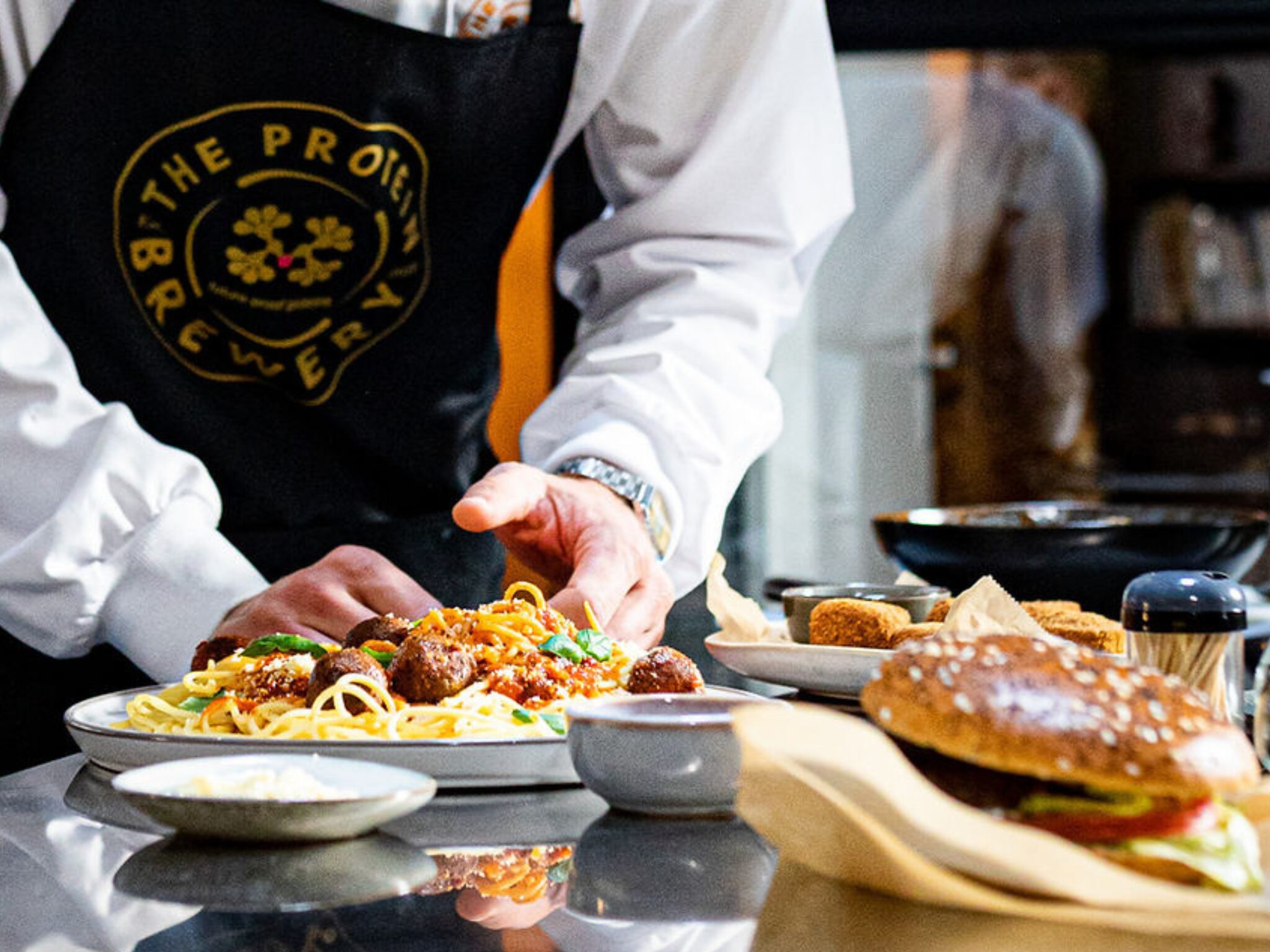
The Netherlands has become the first EU country to approve public tastings of foods derived from novel fermentation processes before they’re cleared for sale.
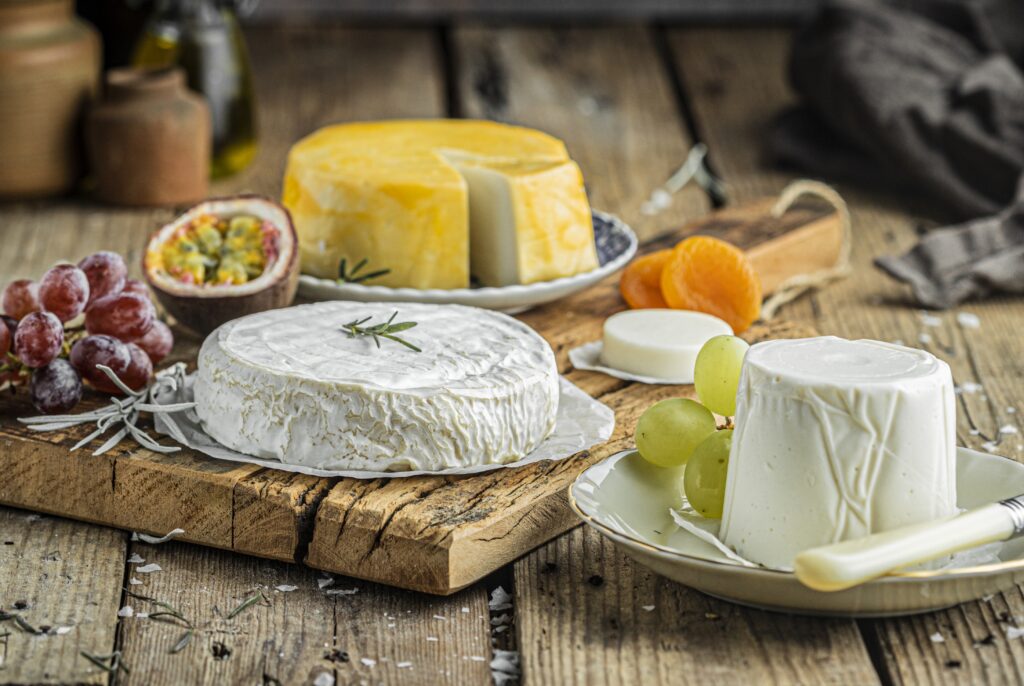
Extending its future food leadership, the Netherlands has established a streamlined process for companies to host tasting events for fermentation-derived foods, including animal-free cheese, eggs, and fats.
The government has published a Code of Practice that outlines the requirements future food producers need to meet to be cleared to conduct taste tests for these innovations, before they’re approved for general sale in the EU.
It makes the Netherlands the first nation in the bloc to allow public tastings for precision- and biomass-fermented products that fall under the EU’s novel food category, which involves innovations without a significant consumption history before 1997.
It comes two years after the country established a similar procedure for cultivated meat tastings, with Leiden-based Meatable the first startup to host such an event in 2024.
“The tastings for innovative fermentation products, just like those for cultivated meat and fish, meet a great need,” said Annemiek Verkamman, director of biotech association HollandBio, which helped develop the Code of Practice.
“This means we can let consumers taste and experience these products, and with their feedback, we can further improve them in preparation for European approval and market launch,” she added.
How the Netherlands embraced precision fermentation tastings

While novel foods are usually only allowed to be served to the public after clearing the EU’s rigorous and long-winded approval process, this hampers companies’ ability to improve the taste, texture and other elements of their products.
It’s why the Dutch House of Representatives passed a motion – nearly unanimously – to enter consultation with local food tech companies to facilitate tastings of such fermentation-derived products under controlled and safe conditions.
In response to that motion, the Dutch Ministries of Agriculture, Fisheries, Food Security and Nature, and Health, Welfare and Sport began working with Hollandbio, trade representative Cellular Agriculture Netherlands, and fermentation startups Farmless, NoPalm Ingredients, The Protein Brewery, Those Vegan Cowboys, and Vivici to develop a framework for tasting approvals.
The Code of Practice describes the process, data and conditions under which companies can organise tastings. In their application, they must provide information about the microorganisms involved (and their history of use), the production process, the chemical composition of the food, the presence of mycotoxins, as well as safe intake values.
Participants in the tasting events have to be healthy, non-pregnant adults with no food allergies or underlying diseases, who must be informed about the ingredients and given a guide for actions to take in case of adverse events.
Companies can host a maximum of 10 tastings in a one-year period, with no more than 30 people per session. They’re required to provide descriptions of the dishes, inclusion rates and recipes, and ensure the availability of an emergency response officer and a medical hotline.
Their applications will be assessed by a committee of five independent experts chosen by Cellular Agriculture Netherlands, which is carrying out the National Growth Fund programme’s €60M effort to advance cultivated meat and precision-fermented foods. The panel would need to unanimously approve the dossier before tastings can be held.
First novel fermentation tastings expected in early 2026
“Applications from innovative fermentation can make a crucial contribution to meeting the growing global demand for protein, reducing our climate impact, and minimising animal suffering,” said Verkamman, calling it “fantastic news for the Netherlands”.
“By enabling the tasting of these products, we are strengthening the Netherlands’ decades-long pioneering role in agricultural and food innovation, both in Europe and beyond,” she noted.
With the caretaker cabinet implementing the motion following the publication of a letter to the parliament, companies involved in the process expect to hold their first tasting events in Q1 2026.
That includes Those Vegan Cowboys, which employs precision fermentation to produce recombinant casein, the main protein group found in dairy. The startup is looking to obtain Generally Recognized as Safe (GRAS) status in the US by the end of 2025, before entering the EU in the next three to four years.
Speaking to trade publication Eiwit Trends in January, its CEO Hille van der Kaa remarked: “We want to show what our product can do. It’s strange, of course, that you invite people to show your product and then have to say: ‘You can squeeze it, but you can’t eat it.’”
She added that tasting events can help understand consumer perception of the product, which can help the company make improvements. “We also want to demonstrate what our ingredient can do: its stretch and melting properties. For example, sending out samples is a lot of work because it involves a lot of paperwork. It’s much more enjoyable to present it openly,” she said.
Other future foods Dutch consumers may be able to try early next year include Vivici’s whey protein, The Protein Brewery’s high-protein, high-fibre Fermotein ingredient, and NoPalm Ingredients’s palm oil alternatives.
Tastings can “ensure the tastiest products and make them accessible to everyone, without negative consequences for people, animals, or our planet”, outlined Verkamman. “This development brings us closer to that goal. We thank the ministries for their constructive collaboration and look forward to the moment when the first Dutch people participate in a tasting,” she said.
The post Dutch Govt Paves Way for Pre-Approval Tastings of Precison-Fermented Foods appeared first on Green Queen.
This post was originally published on Green Queen.