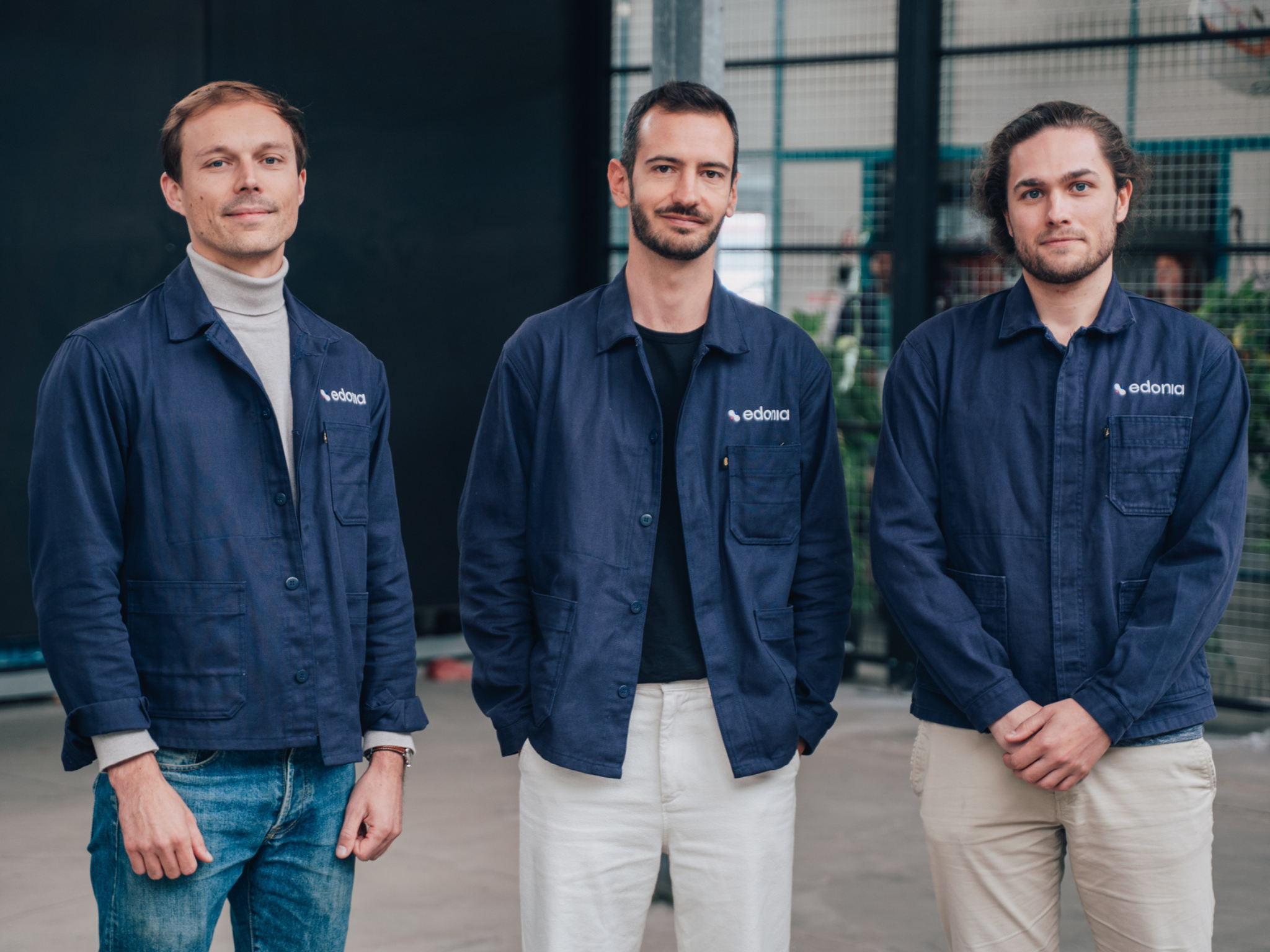
France’s Edonia turns green spirulina into a brown mince with as much protein as beef and a much smaller environmental footprint than soy. Now, it will be part of 10,000 catering meals, having secured €15M worth of commercial deals.
Can microalgae really be the answer to the protein boom?
They’ve been under Big Food’s spotlight for some years now, thanks to a virtually abundant supply of raw materials and tremendous sustainability credentials.
Now, one startup is taking things up a notch, using these marine organisms to foray into the booming protein sector. Based in Paris, Edonia has developed a process to transform spirulina (the green microalgae that has made its name as a superfood) and chlorella (a single-celled source of protein) into a complete protein with more branched-chain amino acids and iron than beef.
The technology turns the spirulina into a soft-textured brown mince called Edo-1. It is minimally processed, free from additives, and has an ultra-low carbon footprint. In just a year, the startup has scaled up from lab to production and pre-sold several thousand tonnes of its ingredients, totalling €15M in pre-contracted revenue.
Now, as it gears up to raise its Series A round, it has partnered with Newrest, a global catering giant, to deliver over 10,000 meals made from its spirulina mince across multiple sites.
“Edo-1 is a ready-to-use ingredient delivered frozen to Newrest’s central kitchen. Chefs can easily integrate it into any recipe of their choice without hydrating, cooking, or thawing it – they simply add it directly to the dish,” Hugo Valentin, co-founder and CEO of Edonia, tells Green Queen.
‘We go beyond the idea of simply replacing meat: our mission is to build a more plant-forward, appetising, and nutritious food offering.”
Edo-1 tackles UPF and fortification concerns around plant-based proteins
Valentin founded Edonia with Pierre Mignon and Nicolas Irlinger in 2023, aiming to reinvent the consumer experience of microalgae “through food science and deep technology”.
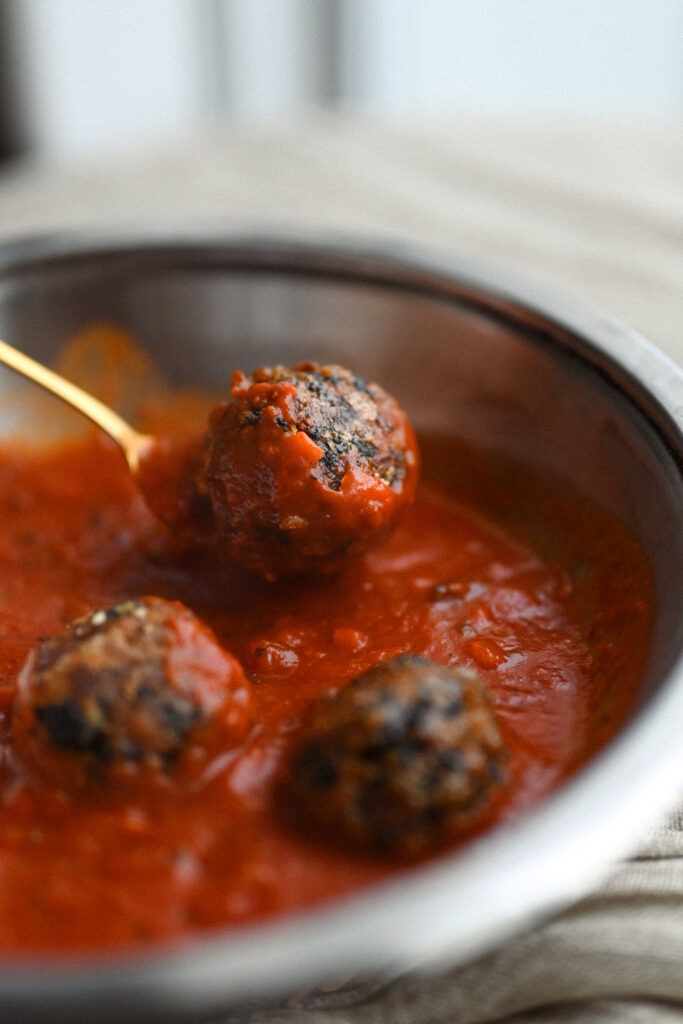
“Our patented Edonization process transforms microalgae biomass into a delicious, ready-to-use protein ingredient called Edo. Edonization changes the colour, taste, and texture of spirulina, turning it into a brown, fluffy grain with a natural umami flavour – without any of the typical algae off-notes. No one could tell it comes from spirulina,” says Valentin.
“We achieve this without using any additives: no texturising agents, no flavours. Unlike most plant-based approaches, we don’t use conventional fermentation, extrusion, or enzymatic treatments. Instead, we developed a proprietary clean process with AgroParisTech’s research lab, already scaled up at our pilot plant in France,” he adds.
“With this flavourful, textured whole ingredient (no extraction), made entirely from spirulina, we offer the cleanest and most nutritious ready-to-eat protein ingredient on the market, officially recognized under our ‘simple ingredient’ claim.”
Edo-1 has 27g of protein per 100g, with all essential amino acids and a PDCAAS score of 0.97. In addition, it boasts 20mg of bioavailable iron per 100g, much higher than beef or soy, with Valentin labelling it “the most iron-rich natural food ingredient available today”. Plus, it has a climate footprint of 1.95kg of CO2e, which is 27 times lower than beef and 2.5 times smaller than soy mince for the same amount of protein.
These attributes help fill a gap left by current plant-based protein options. More and more people are consuming protein now, and animal-derived options still tend to be the dominant sources, despite their negative impact on public and planetary health. However, meat alternatives have lost their momentum recently, with many consumers still wary about incomplete and/or insufficient protein content, as well as ultra-processing.
Most plant-based meats need to be fortified with iron, and that is a major pain point for these products, with one review suggesting that only a third of such offerings are fortified with the micronutrient. By harnessing spirulina, long recognised as a superfood, Edonia is rising to the occasion with its first ingredient.
“With Edo, we aim to make them practical for manufacturers and appealing to consumers,” says Valentin. “We are moving forward with determination to promote more plant-based eating, offering a natural and accessible alternative, far from the ultra-processed products that mimic meat.”
Edo plots Series A funding for industrial-scale facility
The partnership with Newrest is part of its scale-up plans. Edonia notes that foodservice operators are increasingly looking to add alternative proteins to their menus, especially ones that offer a blend of enhanced nutrition, taste and variety, while being easy to use and in line with tight budgets.
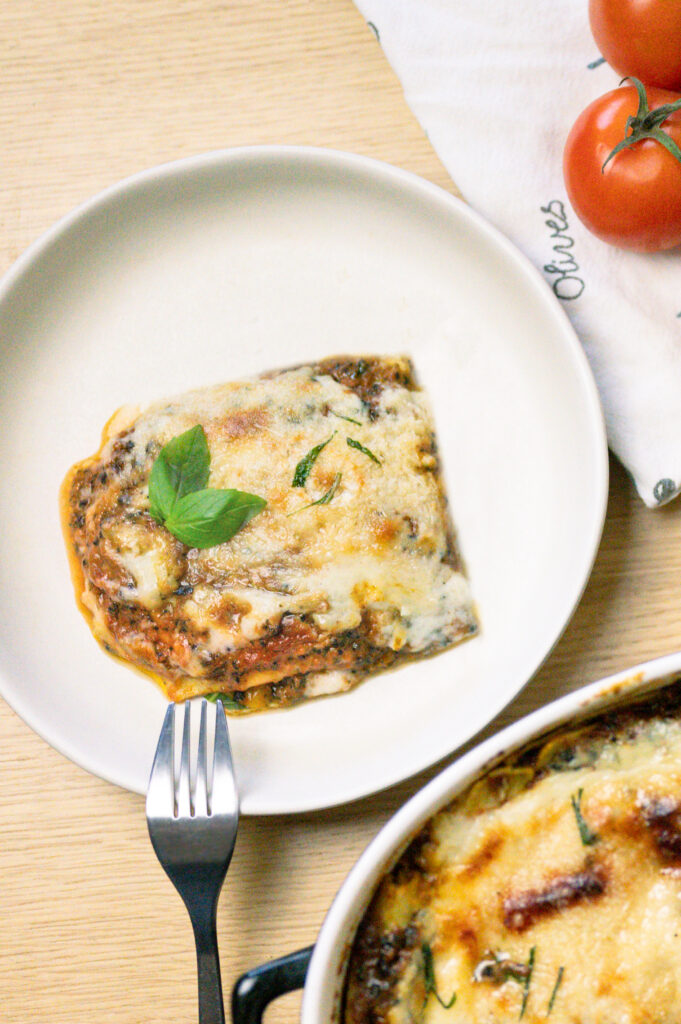
So how will Newrest’s customers, which include students and leisure centre guests, experience Edo-1 in their meals? “The first recipe is a plant-based bolognese sauce served with pasta, soon to be followed by a hachis parmentier (a French-style shepherd’s pie),” says Valentin.
“Since Edo is not a meat look-alike but a new, versatile textured protein ingredient, the possibilities are endless. It can be used in stuffed tomatoes, ravioli, dal, curry, salads, pies, soups, purées, and more. Edo is also used in combination with animal proteins to create hybrid products, or even in chocolate cakes to develop delicious protein-fortified recipes for socio-medical food.”
The Newrest collaboration is one of several agreements Edonia has signed with leading food manufacturers. “With most of them, we’ve successfully moved from R&D to pilot-scale testing and product launch preparation,” says Valentin, noting that the launch details are still under wraps. “Most of our partners are based in Europe, and we’re now beginning to sign agreements in Asia as well.”
He adds: “Some of them are among the largest food manufacturers in the world, all stating that they’ve never seen such a flavorful microalgae-based product, nor this level of nutritional performance in a clean, whole ingredient. As a result, several of them are willing to sign offtake agreements to secure volumes from our upcoming industrial unit.”
Edonia has patented its production process and finalised the design of its upcoming facility this year, and is now planning a Series A fundraise for early 2026. “The amount is still to be confirmed, but the objective is to finance the next stage of our industrial scale-up,” Valentin says.
Given the funding challenges of alternative proteins in the last couple of years, how does he manage to attract investors? “We have managed to achieve significant milestones and momentum,” he says.
“[This includes] strong market traction, as the new generation of plant-based products shifts towards naturalness, authenticity, and clean nutrition; [a] breakthrough proprietary technology redefining industry standards and addressing these trends; solid commercial proof points with major food industry players validating our offering; [and] proven industrial execution with a clear path to profitable large-scale production.”
Edonia is among a host of companies leveraging microalgae for climate-friendly foods, fuelling a market set to surpass $25B by 2033. These include Brevel, Checkerspot, Algae Cooking Club, Mewery, Quazy Foods, Ocean Kiss, Algama, Sophie’s Bionutrients, Triton Algae, Solmeyea, and more.
The post Why Edonia is Betting the Farm on Spirulina to Fill the Plant Protein Gap appeared first on Green Queen.
This post was originally published on Green Queen.