
Climate action organisation Project Drawdown has launched a new Explorer tool to classify environmental solutions based on their level of impact (or lack thereof).
There are legions of ways to fight the climate crisis, both on an individual and societal level, but some solutions are better than others. According to Project Drawdown, many may be ineffective.
To help people figure out what really works, and how well it works, Project Drawdown recently unveiled a new Explorer tool. This replaces its Solutions library, which ranked climate fixes based on assumptions about the future between now and 2050.
Building on that, its new tool showcases how environmental solutions work in the here and now, using up-to-date intelligence, high-quality regional data, and the “clearest and most actionable assessments possible”. This makes it far more actionable for policymakers, businesses, investors, philanthropists, and other stakeholders.
Unlike its predecessor, the Drawdown Explorer doesn’t rank individual climate solutions over each other. “We will have to do almost all of them, together, to meaningfully address climate change,” the organisation explains.
Instead, it categorises solutions as Highly Recommended (for truly effective solutions), Worthwhile (for smaller, niche applications), Keep Watching (for those that show promise but aren’t ready yet), and Not Recommended (for proposed solutions that aren’t scientifically plausible or pose high risk levels).
What does Project Drawdown’s Explorer tool cover?
The database has over 100 solutions, each featuring information about efficacy, adoption, climate impact, cost, speed, and additional benefits. They cover a range of industries, including buildings, electricity, transportation, carbon removal, health and education, and food and agriculture.
For instance, deploying wind turbines, shifting to cleaner cooking fuels and stoves, and enhancing public transport are all Highly Recommended solutions, and mobilising shared e-bikes is Worthwhile.
Deploying bioplastics, sustainable aviation fuels, and feed additives are classed in the Keep Watching section, as these technologies still haven’t reached a large enough scale.
However, several actions touted as viable climate solutions are actually Not Recommended by Project Drawdown’s new too. These include an increase in livestock grazing, the deployment of carbon capture and storage on fossil fuel power plants, the production of blue hydrogen, and the use of stratospheric aerosol injection.
The Explorer has so far analysed 12 solutions under the food, agriculture, land and ocean category, with four coming soon. This industry accounts for a third of global emissions, and lowering its climate impact is critical to meeting global climate goals.
So which food-based climate solutions actually work? And which ones are out of whack?
Highly Recommended: beef, food waste, nitrogen use, and rice
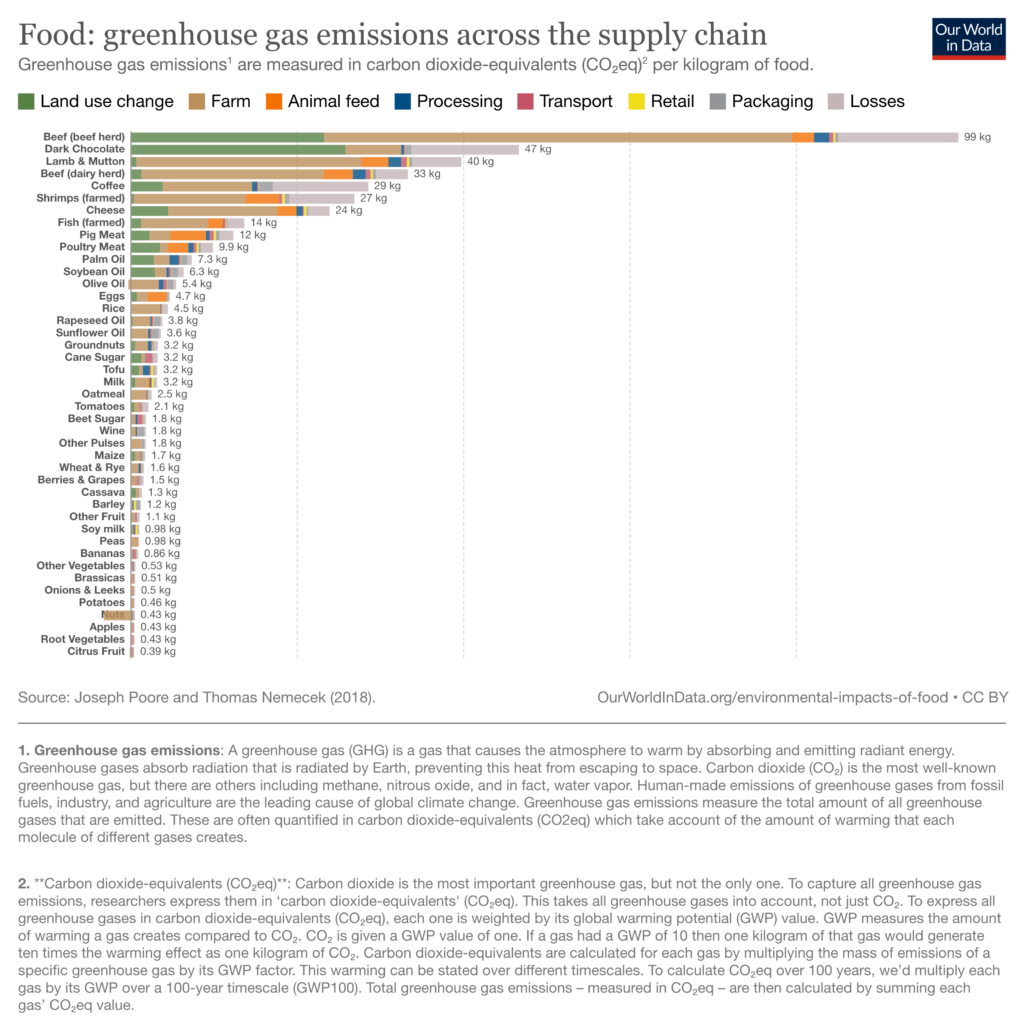
The most effective food solution is to improve diets, specifically a reduction in ruminant meat consumption (like beef and lamb) and a replacement with other protein-rich foods (including plant-based options). Replacing 1kg of these meats would lower emissions by 65kg of CO2e.
This climate solution could therefore mitigate annual global emissions by 1.4-5.3 gigatonnes of CO2e per year, with cost savings of $8.5 per tonne of CO2e. Plus, it has additional benefits for water, land, food security, public health, and more.
Another Highly Recommended solution is reducing food loss and waste. Each tonne of food saved can slash emissions by 2.82 tonnes and costs by $194, preventing 1.23-4.94 gigatonnes of CO2e per year. In addition, it has benefits for land and water resources, food security, health, income, and adaptation to extreme weather.
The Drawdown Explorer identifies improving nutrient management (by reducing excessive nitrogen use on croplands) and rice production as top climate solutions, with the latter a key source of methane emissions.
Reducing crop residue burning, improving sustainable forest management, and enhancing integrated fire management are also Highly Recommended solutions, but more information is set to be published soon.
Worthwhile: aquaculture, manure and overfishing
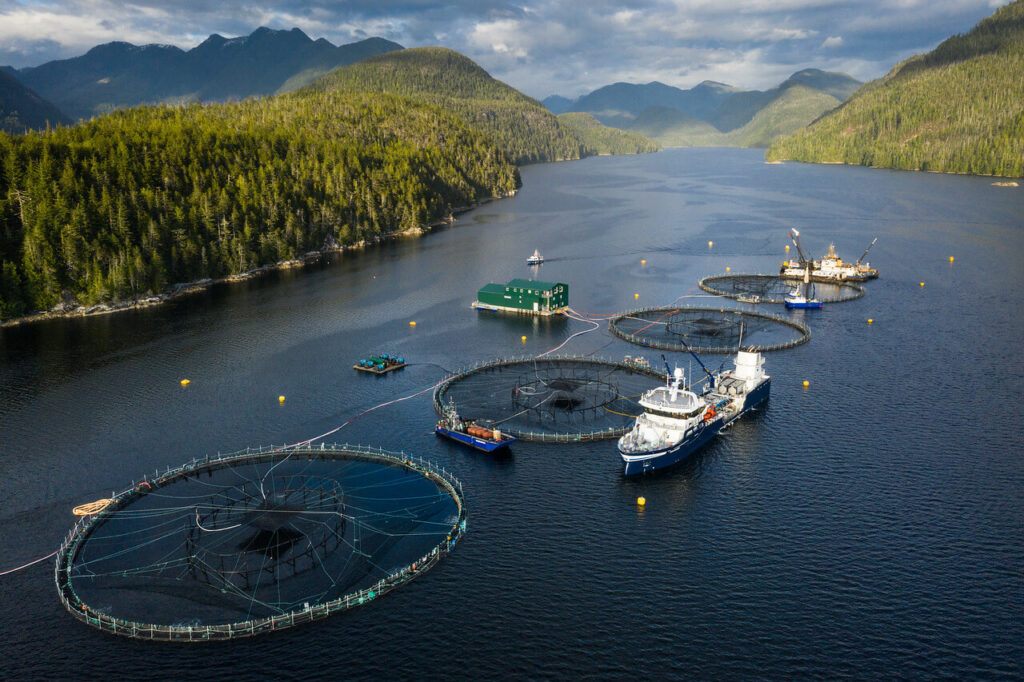
Among Project Drawdown’s Worthwhile solutions is enhancing aquaculture systems. This involves reducing greenhouse gas emissions from the production of farmed fish and other aquatic animals through better feed efficiency and the decarbonisation of on-farm energy use.
These interventions are “unlikely to lead” to globally meaningful emissions cuts, but their potential to replace high-emission protein sources and feedstock demand makes them Worthwhile.
Better manure management, a top source of agricultural methane emissions, fits into this category too. It involves techniques like impermeable covers and physical or chemical treatments applied during the storage and processing of wet manure. These can reduce methane and nitrous oxide emissions from anaerobic and aerobic storage conditions, respectively.
Addressing overfishing, by reducing fishing effort on overfished stocks, can help cut emissions from fishing vessel fuel use, replenish depleted stocks, and support ecosystem health and food and job security. This is why Project Drawdown lists this solution as Worthwhile.
Another such action is the improvement of irrigation efficiency, but the organisation will publish more information on this soon.
Keep Watching: cultivated meat, feed additives, cattle breeding and seafloors

Cultivated meat, which involves producing proteins by growing real animal cells in bioreactors, has the potential to reduce livestock emissions, but its impact depends on the energy source used. Currently, evidence about its emissions reduction potential is limited, and high production costs restrain its scalability.
The industry is still in its infancy, though, with consumer acceptance still unclear, investment uncertain, and political opposition commonplace. However, even “substituting a fraction of the beef consumed in the US with cultivated meat could have an important impact on reducing emissions”.
Many have suggested the use of feed additives as a viable methane mitigation tool for the livestock industry, and at least one product has been effective and adopted globally. But cost constraints and the need to administer additives daily confine this solution to affluent countries and make it unfeasible for the majority of global livestock, putting it in the Keep Watching space.
Another such solution is to selectively breed ruminant livestock for reduced enteric methane production, though deploying this on a global scale will take decades. The Drawdown Explorer also puts the protection of seafloors to preserve sediment carbon stocks and avoid emissions in this category, noting that more research is needed to show the carbon benefits.
Not Recommended: vertical farming
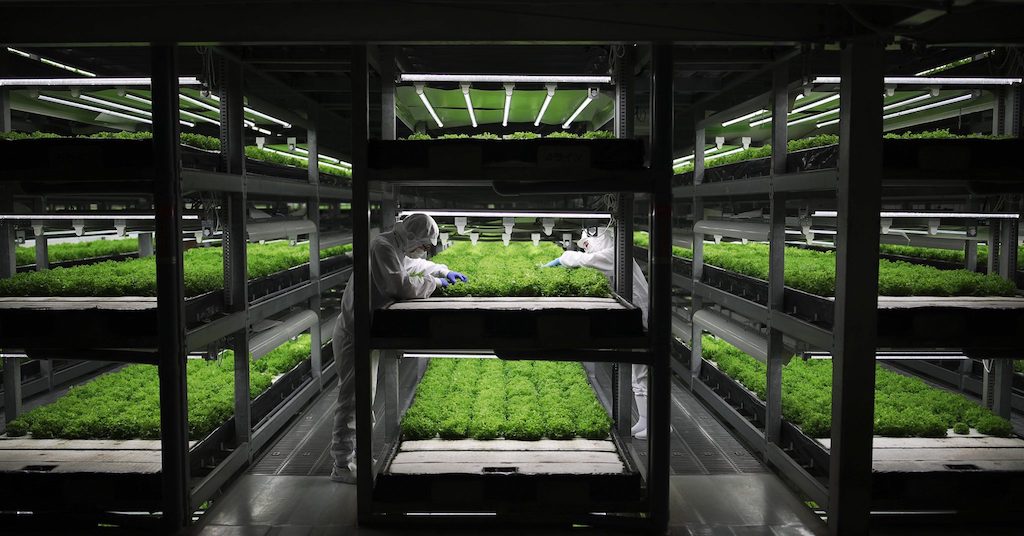
The only food industry solution discouraged by Project Drawdown so far is the deployment of vertical farms, which are facilities that grow crops indoors by vertically stacking multiple layers of plants in controlled conditions.
These farms use artificial light, indoor heating and cooling systems, humidity controls, water pumps, and advanced automation systems, and in theory, they could reduce the need to clear more agricultural land, as well as shorten food miles.
But they use “enormous amounts” of energy and materials to grow a limited array of food, and that too at high costs. And since transportation only accounts for a fraction of a food’s overall footprint, these facilities seemingly end up emitting far more greenhouse gases than conventional farms, making them an ineffective climate action.
The post Worthwhile or Trash? Project Drawdown’s New Tool Ranks Efficacy of 100+ Climate Solutions appeared first on Green Queen.
This post was originally published on Green Queen.