
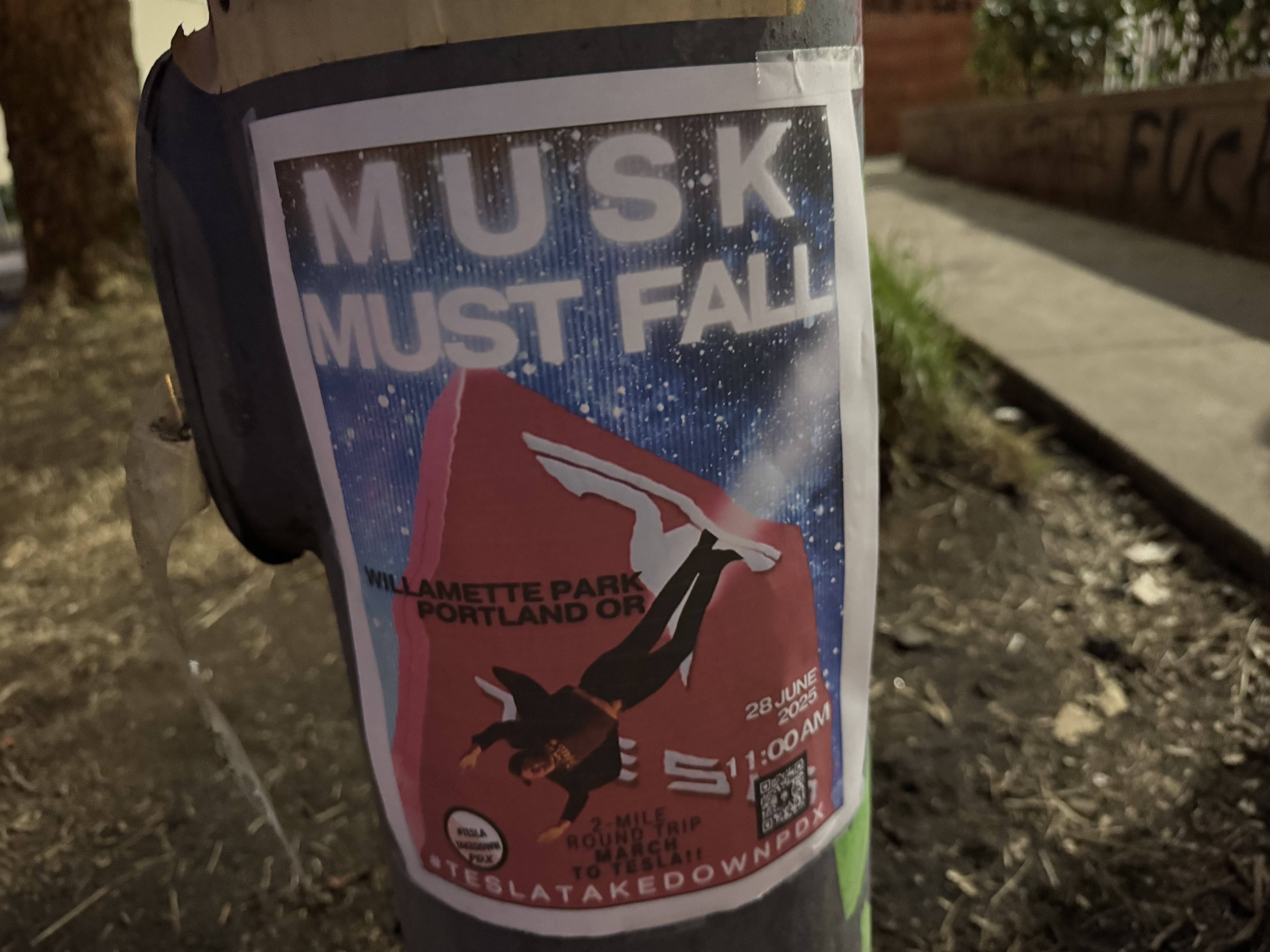


Photograph by Nathaniel St. Clair
Remember the Department of Government Efficiency? A recent Reuters piece prompted a lot of commentary on this question, because the article more or less confirmed that Elon Musk’s overhyped effort to eliminate trillions in wasteful government spending does not really exist anymore. While some might consider that a reason to celebrate, a fair accounting suggests that DOGE did none of what it was promised to do, but nonetheless managed to do substantial damage to the day-to-day functioning of the federal government, and to the vital public services it provides.
DOGE, you might recall, was launched with the promise to cut $1 trillion from the federal budget (at one point Musk doubled that goal). To say it failed to deliver on that promise would be generous. As we pointed out in June, at one point DOGE claimed $55 billion in savings, a number that was impossible to verify (one NPR analysis counted about $2 billion; others arrived at similar conclusions). And as many pointed out, in the end DOGE seemed likely to cost more than it saved – massive cuts at the IRS will shave billions in tax revenue, jobs losses at national parks would impact tourism, and the legal costs to defend DOGE’s actions will be considerable.
Some of DOGE’s most conspicuous accomplishments were the spreading of bogus stories and conspiracy theories. Elon Musk was convinced that millions of dead people were receiving Social Security checks, and that the customer service phone lines that recipients use were actually a hotbed of fraud. None of this was true, but Musk was unmoved – Social Security was to him the “biggest Ponzi scheme of all time.” These lies created havoc within the agency; at one point DOGE proposed to do away with phone service, but it had to walk away from this is ill-advised in the face of overwhelming public outcry. If there is any “good news” about Musk’s campaign against Social Security, it was the fact that they failed to uncover anything nefarious going on with the country’s most important anti-poverty policy achievement.
DOGE had its fingerprints all over similarly chaotic moves at other agencies, like the mass layoffs at the National Nuclear Security Administration, which had to be reversed once someone figured out that workers who secure the nation’s nuclear arsenal are actually very important. This level of incompetence was widespread, and pointed back to some fundamental errors in judgment: If the point of DOGE was to seriously take wasteful spending, it could have relied on existing studies of the problem, and tapped the expertise of the inspector generals who served to watchdog federal departments and agencies. Instead, they dismissed 17 of them at the start of the administration.
The Real Targets
If reducing government waste was not actually the point, what was DOGE actually for? Based on what they actually achieved, the targets were political. Musk wanted to portray the effort as taking a chainsaw to the federal government – but only the parts he and presumably the Trump administration cared about. They really did want to fire many thousands of federal workers, and on that count they succeeded. They wanted to dismantle USAID, and they have been mostly successful in those efforts – an achievement which will likely kill hundreds of thousands of people. Musk and the administration sought to “delete” the Consumer Financial Protection Bureau – which serves to hold major financial actors and corporations accountable – and they have been largely successful in achieving that goal, which will come at the expense of everyday Americans. DOGE set its sights on slashing the IRS, which will reduce government revenues and be a boon to wealthy people who would prefer not to pay the taxes they owe. And there’s plenty of evidence that Elon Musk’s presence at the highest levels of government served to bolster the personal fortunes of Elon Musk and his companies.
In short, DOGE was a con job. The government is not more efficient than before, it did not reduce overall spending, and it failed to uncover much in the way of government waste – probably because it neglected the parts of government, like military spending and Medicare Advantage overpayments, where fraud and waste is well-documented. What it did was serve as a means to achieve some key political goals that the Trump administration had championed – making the government better serve the interests of corporate interests and Trump himself. The effects of those policies will reverberate well into the future.
This first appeared on CEPR.
The post DOGE is Dead, the Damage Lives On appeared first on CounterPunch.org.
This post was originally published on CounterPunch.org.