China has granted its first approval of mycoprotein as a new food raw material, a move hailed as a “significant step forward” for the global alternative protein sector.
Chinese biotech firm Fushine Bio has received the country’s first regulatory green light for Fusarium venenatum, a source of fungal mycelium protein, as a novel food ingredient.
The approval was granted by the National Health Commission (NHC) alongside 13 other new food additives and ingredients, and marks a “turning point for fermentation-based proteins in one of the world’s most influential food markets”, according to think tank the Good Food Institute (GFI) APAC.
“This approval further validates the safety, potential, and future scale of mycoprotein, reinforcing our confidence in accelerating its adoption across the food industry,” Fushine Bio said in a statement.
Fushine Bio already Asia-Pacific’s largest mycoprotein producer
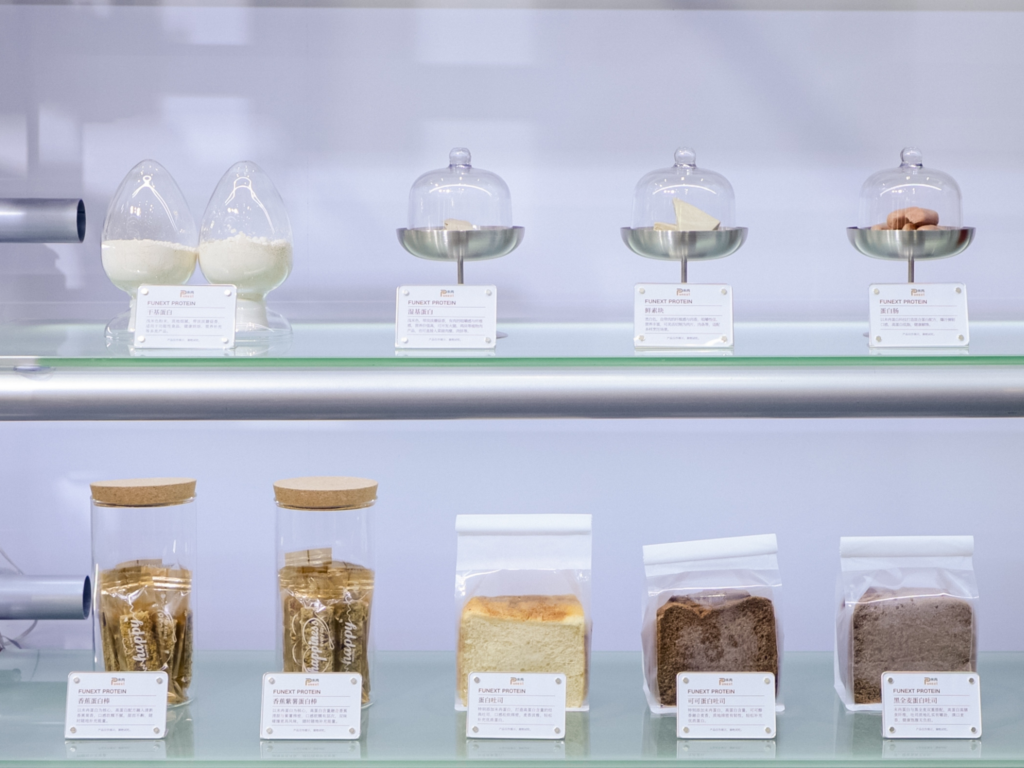
Mycoprotein is derived from mycelium, the root-like structure of filamentous fungi. Fushine Bio’s flagship ingredient, called FuNext, is produced via a biomass fermentation process with glucose and water as the primary raw materials.
Its specific strains, A3/5 or TB01, can double their biomass every five hours, enabling an output 1,000 times more efficient than livestock-derived protein, according to the company.
The ingredient is a complete protein with all essential amino acids and high digestibility. It’s rich in fibre, vitamins and minerals, low in fat, and has zero cholesterol. Beyond its nutritional benefits, FuNext offers environmental wins too, requiring far less land and water than animal proteins, with a fraction of the greenhouse gas footprint.
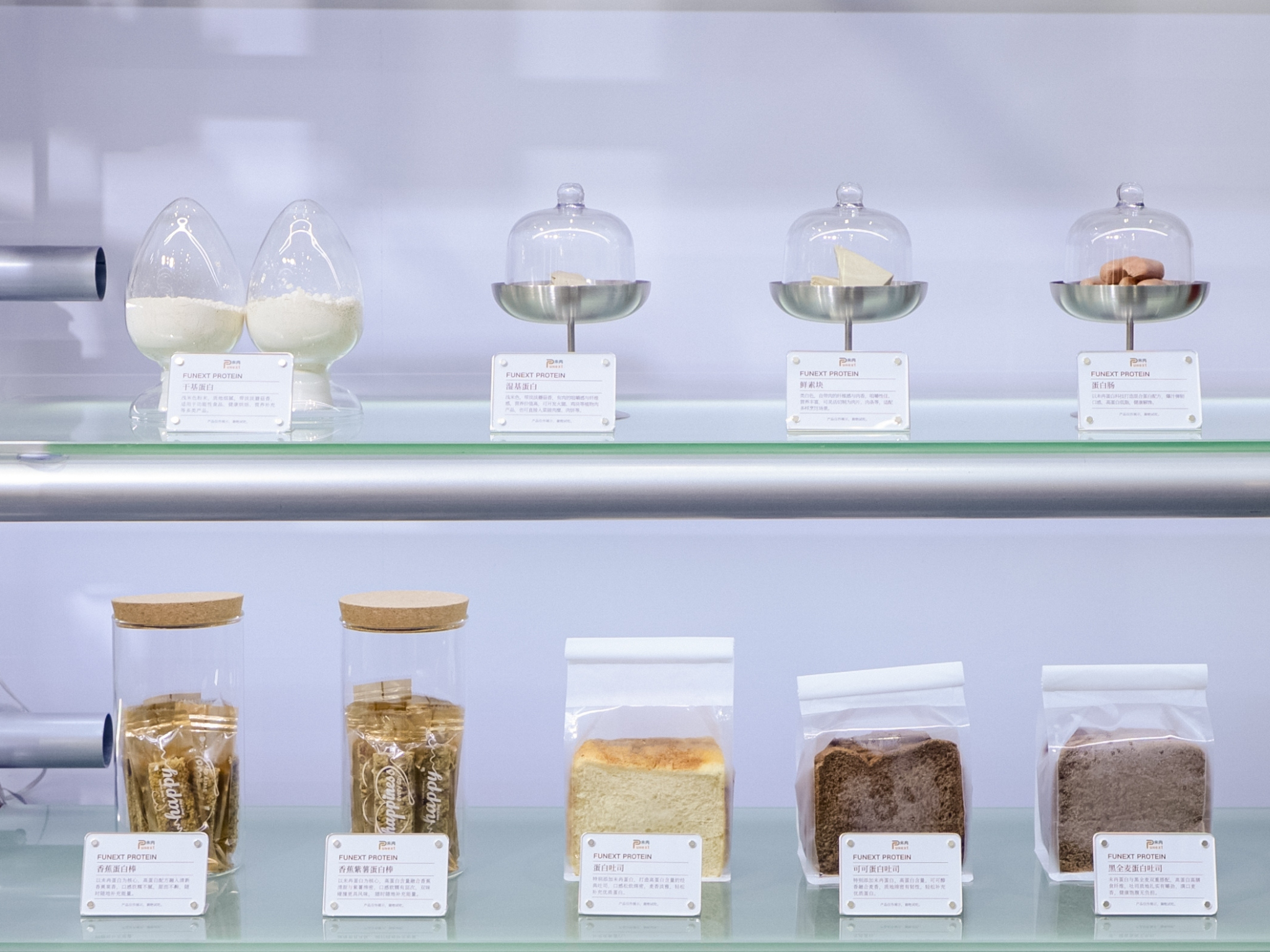
Fushine Bio sell the protein in wet, dry and whole-cut formats. The former has a light beige tint and a mild, natural mushroom aroma with a fibrous texture akin to meat. It can be used to create structured meat analogues like meatballs, nuggets, ham slices, and sausages.
The dry powdered form has an adjustable particle size and high dispersibility, and can be tailored for various processing needs. This is best-suited for functional nutrition products, protein-rich baked goods, meal replacement formulas, snacks, and nutritional supplements.
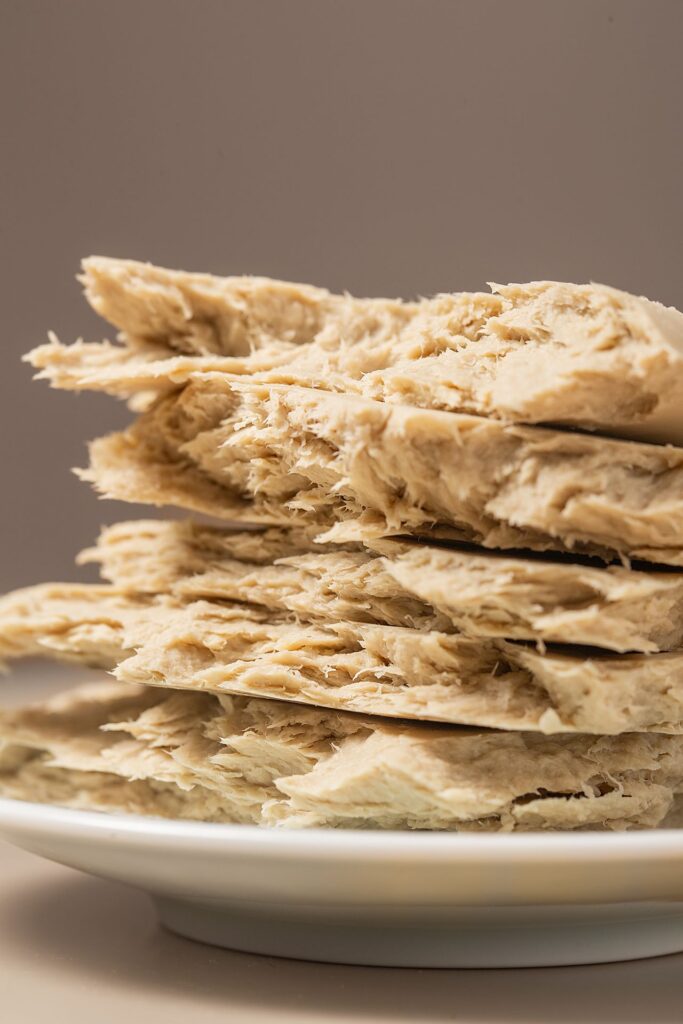
Finally, the off-white whole-cut mycoprotein has a meaty aroma and naturally fibrous texture, resembling animal muscle tissue. Fushine Bio describes this as a high-flexibility format that can be shaped into slices, strips, chunks, and more, and added to a range of dishes and next-generation meat alternatives.
The firm has earmarked several other applications for FuNext, including dairy-free cheese, pet food, medical supplements like low-sugar or condition-specific formulas, and food for consumption in space.
Fushine Bio said it would “continue collaborating with partners to bring high-quality, clean-label mycoprotein solutions to more food applications”. It claims to be Asia-Pacific’s largest mycoprotein producer, with the capability of churning out 1,200 tonnes of product per year. The company is now building an industrial-scale line with an annual capacity of 200,000 tonnes.
Mycoprotein a key opportunity for the Chinese and global future food sector
Fushine Bio has already self-determined FuNext as a Generally Recognized as Safe (GRAS) ingredient in the US, enabling its use in a range of food categories as a protein source, including meat alternatives.
Mycoprotein from Fusarium venenatum has been on sale in many countries for decades, thanks to Quorn’s suite of meat-free products. However, China’s approval of Fushine Bio’s version is unusual, according to GFI APAC, in that it provides explicit national-level specifications and guardrails, such as formal composition limits and labelling mandates for sensitive groups (like young children or pregnant women).
“With this level of detail, companies in China and abroad gain a much clearer understanding of what is required when they apply for approval in the future,” the think tank explained in a social media post.
The move provides a boost to China’s food security strategy, with the government looking to diversify its protein supply and support domestic future food production to reduce reliance on imports.
“This approval makes tangible progress towards achieving those goals, and also creates confidence and momentum outside of China, influencing ingredient demand, investment priorities, and manufacturing decisions,” said GFI APAC.
Expanding on why the decision has implications far beyond China, the organisation outlined its potential to expand the global market runway, supporting scale-up, cost reduction, and supply chains that can serve multiple regions.
Fusarium venenatum has been identified as a key opportunity to advance China’s alternative protein sector, with a group of leading scientists recognising its ability to “meet the stringent protein quality requirements of high-end markets such as medical nutrition, sports nutrition, and infant formula” in a recent blue paper.
But the fungus’s rigid cell walls can hinder protein release, digestibility, and functional and nutritional utilisation, the authors wrote, highlighting the need for CRISPR-based gene editing and multi-stage extraction processes combining high-pressure homogenisation with pH shift solubilisation.
“This systematic breakthrough in efficient cell wall disruption, separation, and extraction technologies will significantly enhance the product quality and industrial competitiveness of Fusarium venetum protein,” they said.
The post ‘Turning Point’: Fushine Bio Obtains China’s First Regulatory Approval of Mycoprotein appeared first on Green Queen.
This post was originally published on Green Queen.