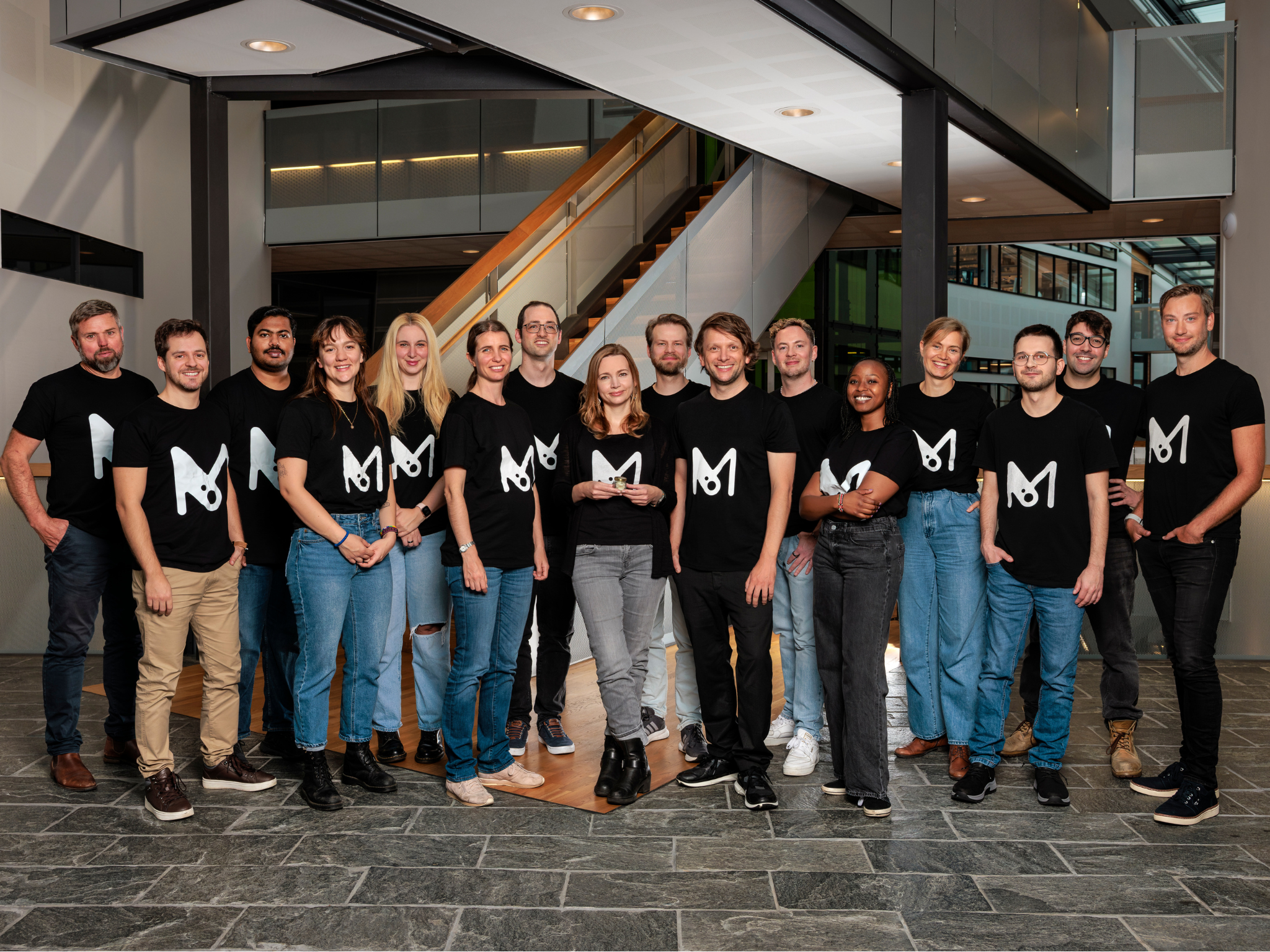
Swedish food tech startup Melt&Marble has secured $8.5M in Series A funding to scale up and launch its precision-fermented “designer fats” for use in food and personal care products.
The alternative fat category keeps sizzling, with Swedish player Melt&Marble closing an 80 million kronor ($8.5M) funding round to bring its first ingredients to market.
The Series A raise was led by Industrifonden, with participation from the European Commission’s European Innovation Council Fund, personal care giant Beiersdorf, dairy major Valio, Chalmers Ventures, and Catalyze Capital.
It adds to a €2.5M ($2.7M at the time) grant from the EIC Accelerator last year, taking the 11-year-old firm’s total raised to around $17.3M. Melt&Marble will use the capital to expand production and commercialise its fermentation-derived fats, starting with personal care applications in 2026.
“This investment marks a major milestone for Melt&Marble as we transition from R&D to commercialisation. With key scalability milestones already achieved and strategic partners onboard, we’re entering the market with the capabilities and confidence to deliver real impact, said Melt&Marble CEO Anastasia Krivoruchko.
“Our vision has always been to deliver more sustainable, high-performance ingredients, and this round brings us significantly closer to that goal,” she added.
How Melt&Marble uses yeast to create next-gen fats
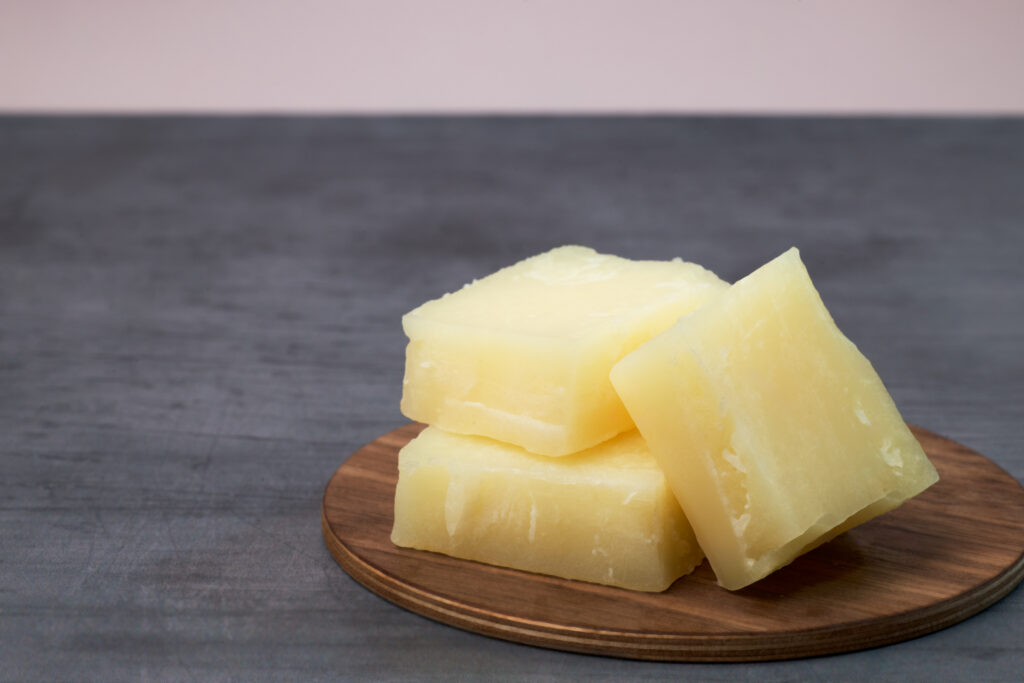
Melt&Marble employs precision fermentation to create sustainable alternatives to animal and tropical plant-based fats. The process uses yeast as a cell factory, directing the microbes to convert sugars into fats instead of alcohol.
“We grow our specialised yeast strains (that we have engineered to produce specific fats) in fermentation tanks, much like brewing, feeding them sugars and nutrients. As they grow, they produce the fats we’re targeting,” Krivoruchko told Green Queen. “After fermentation, we collect the yeast and extract the fats using standard extraction steps. This gives us a clean, consistent, and sustainable fat.”
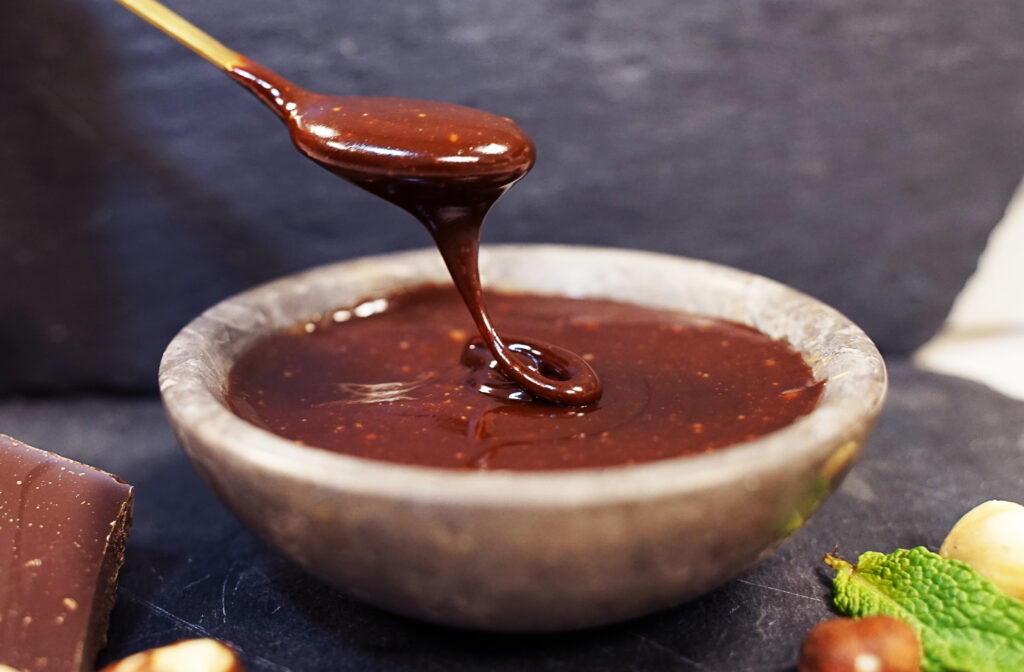
In food applications, its ingredients mimic animal fats with characteristics like slow melting and rich mouthfeel, making them ideal for improving the texture of meat and dairy alternatives, providing a cocoa-butter-like structure and melt profile in chocolates, and delivering desired textures in baked goods (from soft cakes to flaky pastries).
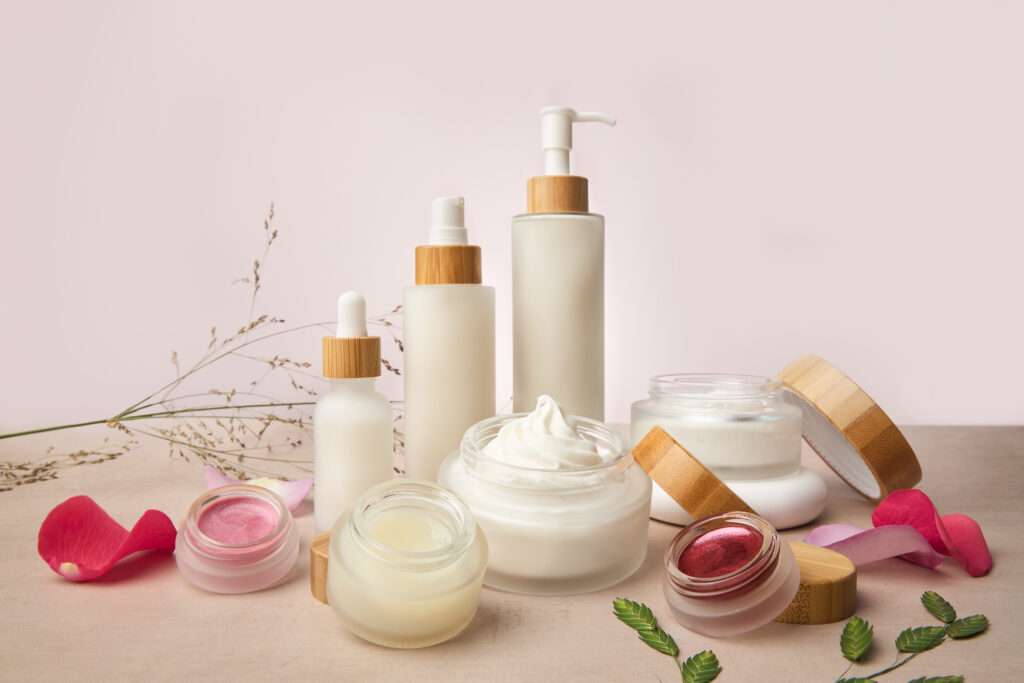
In addition, the team has developed Marble7 for personal care products. This is a functional bioactive lipid with a similar fatty acid composition to human skin sebum. It stays solid at room temperature but melts upon contact with skin to deliver long-lasting moisturisation, boosting skin barrier integrity, hydration, and elasticity.
“Our fats are currently positioned for higher-end specialty applications, where there is strong demand for locally produced, sustainable ingredients with novel functionalities. We expect to reach price parity with certain premium specialty fats over the next year, and we’re targeting broader cost competitiveness across the specialty fats category in the medium term,” said Krivoruchko.
“This approach allows us to enter the market where our differentiated functionality delivers the most value while we continue driving costs down with scale,” she added.
Melt&Marble plans 2026 personal care launch and US GRAS filing
Melt&Marble is currently manufacturing its fats through a production partner in Europe, where it has access to commercial-scale bioreactor capacity.
“This new funding will support our transition from demo-scale to full commercial production, enabling us to produce many tonnes of product and meet our projected sales needs over the next one to two years across both personal care and food applications,” said Krivoruchko.
Its process would first need to clear regulatory hurdles before the products can enter the market. “Our regulatory strategy is tailored to support an early market entry in personal care, while we progress our food clearances in parallel,” she revealed.
“For personal care, we’ve already secured the necessary registrations to commercialise our ingredients in Europe and beyond, and are preparing for a product launch at the beginning of next year. For food, we’re currently progressing through the GRAS process in the US and will have the necessary clearances in place to enable commercialisation by the beginning of next year.”
It has achieved an “impressive level of technical and commercial readiness” for a company at its stage, according to Tobias Elmquist, senior investment director at Industrifonden. “Their ability to engineer functional fats through precision fermentation addresses a clear and growing demand across industries,” he remarked.
The startup is already co-developing products with companies across various industries globally, including Beiersdorf and Valio.
“Melt&Marble’s designer fats, produced via cellular agriculture, are full of potential for developing new, interesting products for the store shelf and injecting dynamic new concepts into our food system,” said Susanna Kallio, VP at Valio, which owns plant-based dairy brands Oddlygood and Rude Health.
Sustainable fats continue to attract companies and investors
Alternative fats have become a focal point for planet-friendly food and personal care companies. They address consumers’ biggest pain point for meat and dairy alternatives, namely, inferior taste and texture, and allow beauty companies to shift away from unsustainable supply chains.
Animal-derived fats are sourced from an industry that accounts for up to a fifth of all global emissions, while using up most of the world’s farmland and freshwater resources. Tropical plant-based fats like palm oil are linked to large-scale tropical deforestation, wildfires, and threats to Indigenous populations and wildlife.
Within the EU, the upcoming deforestation regulation will ban the import of products with deforestation-linked palm oil, with manufacturers facing fines of up to 4% of their global turnover if they violate the rule.
It’s why a host of companies are creating alternatives to these unsustainable fats, both for the food and personal care categories. These include Nourish Ingredients, NoPalm Ingredients, Clean Food Group, Äio, Lypid, Time-Travelling Milkman, Terra Oleo, and Fattastic, among others.
“Fats sit at the intersection of large market demand and clear unmet needs. Many industries are looking for more stable, sustainable, and locally produced fat supplies, as well as improved functionality that conventional fats can’t always deliver,” Krivoruchko explained.
“On top of that, fats serve multiple sectors, from personal care to food to industrial uses, so the category is less exposed to the volatility seen in areas like alternative proteins. This combination of scale, necessity, and versatility is driving both interest and investment [into the category].”
“We’re entering a new era where fats and lipids are no longer seen as commodities alone, but also as precision ingredients that can drive performance, improve health, and support sustainability,” added Thomas Cresswell, its chief business officer.”
Melt&Marble is among several alternative fat startups that have attracted funding in recent months. Dutch player Time-Travelling Milkman raised $2.3M for its sunflower-seed-based oleosomes, and Singapore’s Terra Oleo secured $3.1M to scale up its waste-derived precision-fermented palm oil and cocoa butter substitutes.
The post Melt&Marble Raises $8.5M to Launch Animal-Free Fats for Food & Personal Care appeared first on Green Queen.
This post was originally published on Green Queen.