
James Petrie, co-founder and CEO of Nourish Ingredients, argues why the processed food discourse lacks nuance, and how the food tech industry can provide winning solutions.
The food industry is at a crossroads marked by confusion, corporate prioritisation of profits over health, and a lack of transparency that is troubling to consumers who are trying to understand how healthy their food is.
Processed foods have become a necessary cornerstone of feeding our growing global population (more on this later), but their complexity has reached undesirable levels. Today’s food labels often read like chemistry textbooks, leaving consumers increasingly wary of what they’re putting into their bodies.
However, a change is coming. Rather than abandoning processed foods entirely, innovative companies are taking a clean slate approach to food processing. This transformation isn’t about elimination, it’s about simplification and transparency.
Consider the current state of processed foods: manufacturers often rely on extensive combinations of artificial ingredients to achieve desired tastes, textures, and shelf stability. A single flavour component can contain more than 30 different synthetic chemicals, many of which are unrecognisable to the average consumer.
This complexity isn’t just a marketing challenge; it represents a fundamental disconnect between our food system and the natural ingredients it should be built upon.
‘Minimal intervention processing’ will shape the future

The future of processed foods lies in what we might call “minimal intervention processing”. This approach acknowledges that processing is necessary for efficient production but emphasises the integrity of natural ingredients while minimising artificial additions. It’s about finding the sweet spot between efficiency and authenticity.
New technologies are making this vision possible. At Nourish Ingredients, we are developing solutions that can replace dozens of synthetic ingredients with single, naturally-derived alternatives. This isn’t just about shorter ingredient lists — it’s about creating more honest, transparent relationships between food manufacturers and consumers.
The implications of this shift extend far beyond the label. When food processing becomes simpler and more transparent, it benefits the entire food system. Manufacturers can streamline their supply chains (and costs) and reduce their reliance on synthetic additives. Consumers gain clarity about what they’re eating. And perhaps most importantly, we move closer to a food system that can sustainably feed our growing population without compromising on health or environmental impact.
Ingredient innovation has always been a cornerstone of our food system. As we push for more sustainable alternatives, it’s time we move beyond synthetic flavour systems. Take insulin, for example. Not long ago, it was extracted from pig pancreases, a process with clear sustainable limitations. Then came a deep tech breakthrough: precision fermentation. The result? The exact same insulin molecule, but produced more efficiently and ethically.
This sets a powerful precedent. We’ve proven that we can reimagine outdated ingredients and manufacturing methods, preserving authenticity while dramatically improving how they’re sourced and made.
The problem with completely eliminating processed foods
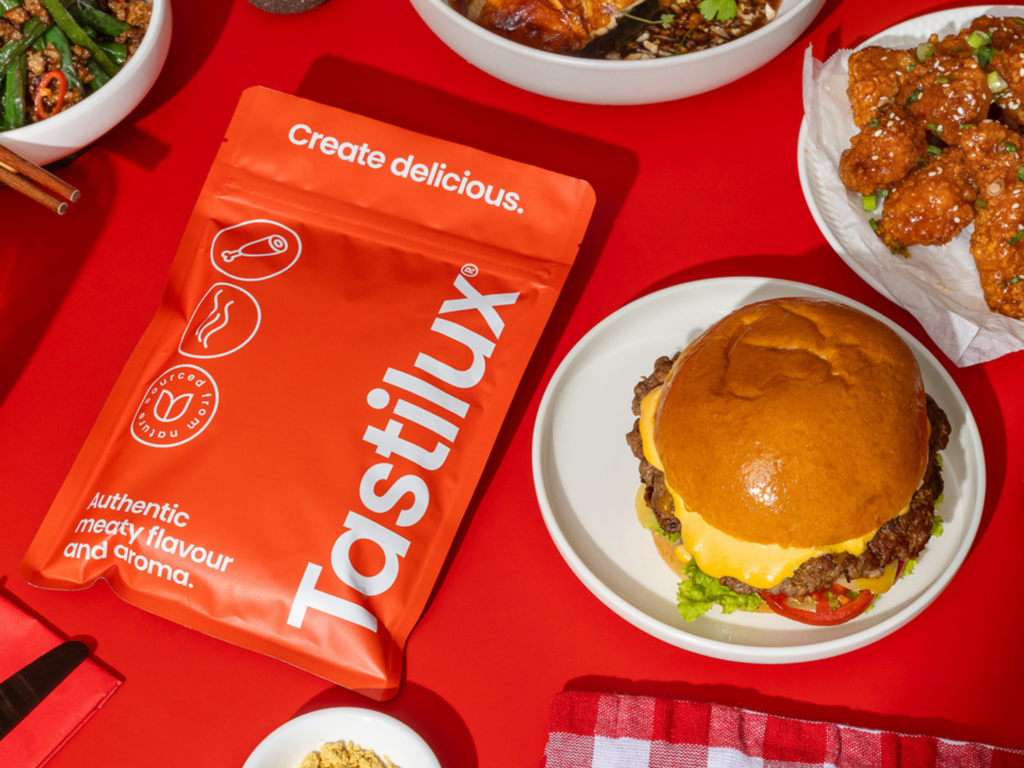
Critics might argue that processed foods should be eliminated entirely. There is some merit in this argument, but it does overlook the important role that highly efficient food production systems play in nutritional security, consumer convenience and choice.
The real solution is to refocus our hugely efficient production systems on new ingredients that minimise processing while maximising nutritional value and transparency. Such a food system serves both human health and industry needs. Looking ahead, we can expect to see a continued shift toward “clean label” foods.
This transformation will be driven by consumers demanding greater transparency and companies developing innovative solutions to meet these demands. The future of processed foods won’t be found in longer lists of artificial ingredients, but in simpler, more natural formulations that maintain the convenience and accessibility we need while honouring our connection to real food.
The challenge ahead is significant, but the path forward is clear: processed foods must evolve to become simpler, more transparent, and more aligned with both human health and consumers’ rightful expectations.
The post Op-Ed: Food Tech is Creating A Clean Slate for the Processed Food Debate appeared first on Green Queen.
This post was originally published on Green Queen.