From product labels to school lunches to regulatory progress, 2025 has seen a lot of wins and losses for alternative protein – here are the 10 standout developments (in chronological order).
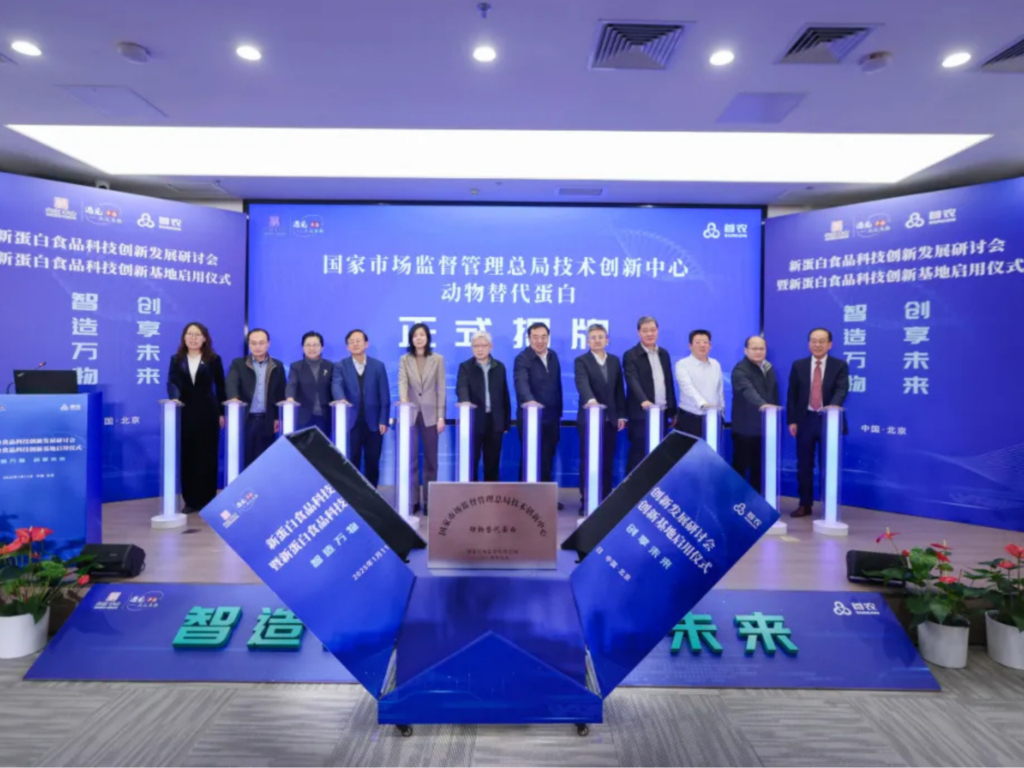
1) Beijing opens $11M alternative protein centre
In China, Beijing saw the opening of the New Protein Food Science and Technology Innovation Base, a first-of-its-kind R&D and innovation centre for cultivated meat and fermentation-derived foods, on the back of ¥80M ($11M) in funding by the Fengtai District government and meat processor Shounong Food Group.
2) China champions alternative proteins in political summit
Continuing a landmark year for alternative proteins in China, top government officials called for a deeper integration of emerging industries like biomanufacturing at this year’s Two Sessions summit, shortly after the agriculture ministry highlighted the safety and nutritional efficacy of alternative proteins as a key priority, and the No. 1 Central Document highlighted the importance of protein diversification and “novel food resources”.
3) Five more US states banned cultivated meat
After Florida and Alabama introduced the first state-level bans on cultivated meat in the US last year, the actions were replicated by Mississippi, Montana, Indiana, Nebraska, and Texas. But the latter (like Florida) is embroiled in a lawsuit over the decision.
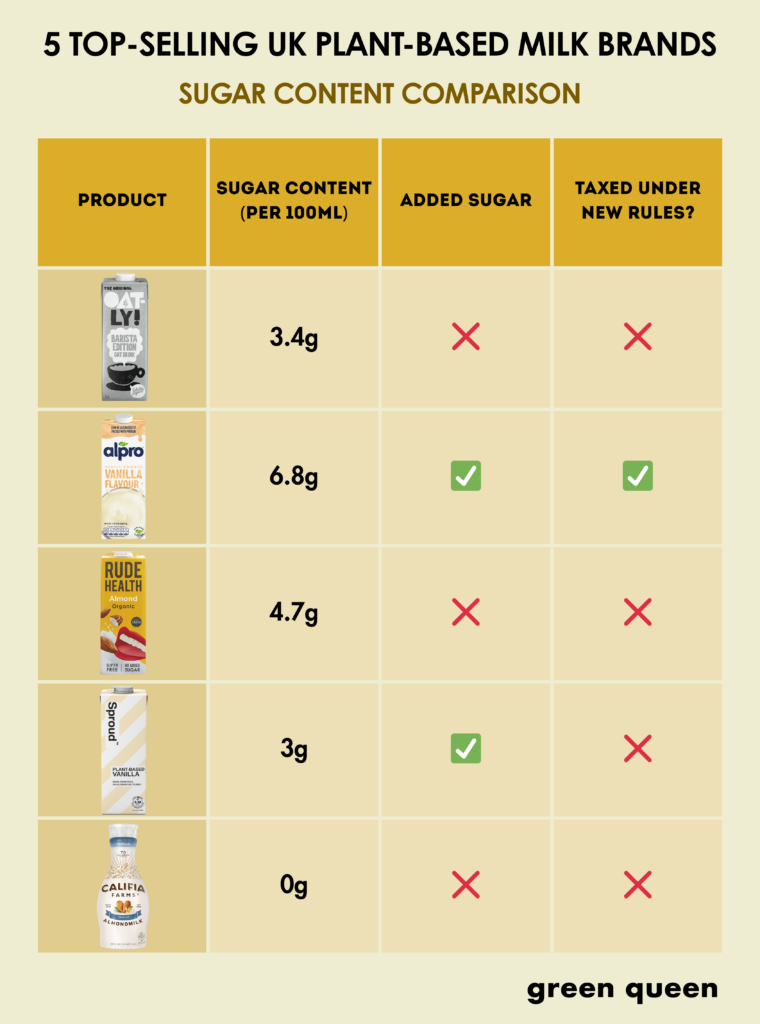
4) UK sugar tax to disproportionately impact plant-based milk
The UK government announced an extension of its soft drinks industry levy (SDIL), lowering the tax threshold from 5g to 4.5g of sugar per 100ml. While unsweetened plant-based milks with natural sugars (from oats or rice, for example) will continue to be exempted, sweetened versions will now face the new tax rate, regardless of how much sugar is natural or added.
5) Leading Islamic authority embraces cultivated meat
At the 26th International Islamic Fiqh Academy (IIFA) Conference in Doha, scholars approved the marketing and consumption of cultivated meat to Muslims, as long as they meet certain conditions. It came months before Malaysia became the first Muslim-majority country to rule that these proteins can be halal.
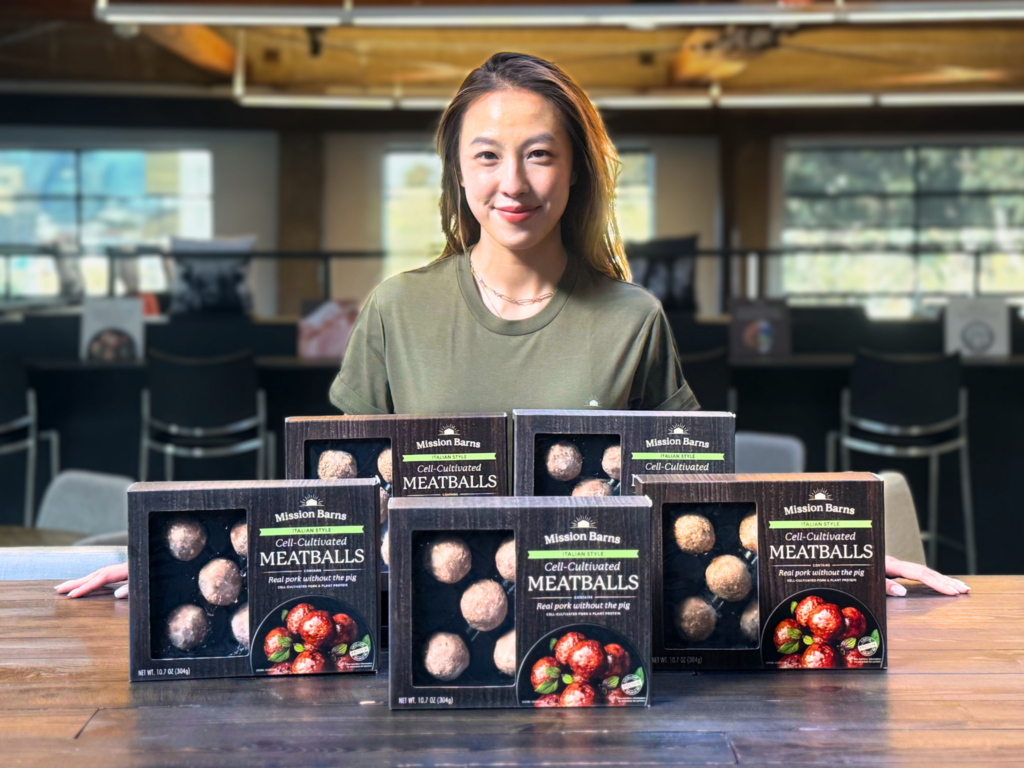
6) Mission Barns’s cultivated pork gets US approval
One of several regulatory approvals this year, California’s Mission Barns secured the green light from both the FDA and USDA for its cultivated pork this summer. It then debuted meatballs at Berkeley Bowl West, becoming the first company to sell cultivated meat in a US supermarket.
7) India cuts tax on plant-based products
As part of its sweeping reforms to the Goods and Services Tax, the Indian government lowered the tax rate on textured vegetable proteins, plant-based milks, and single-cell microorganisms from 12-18% to just 5%, bringing them on par with the levy charged on animal proteins.
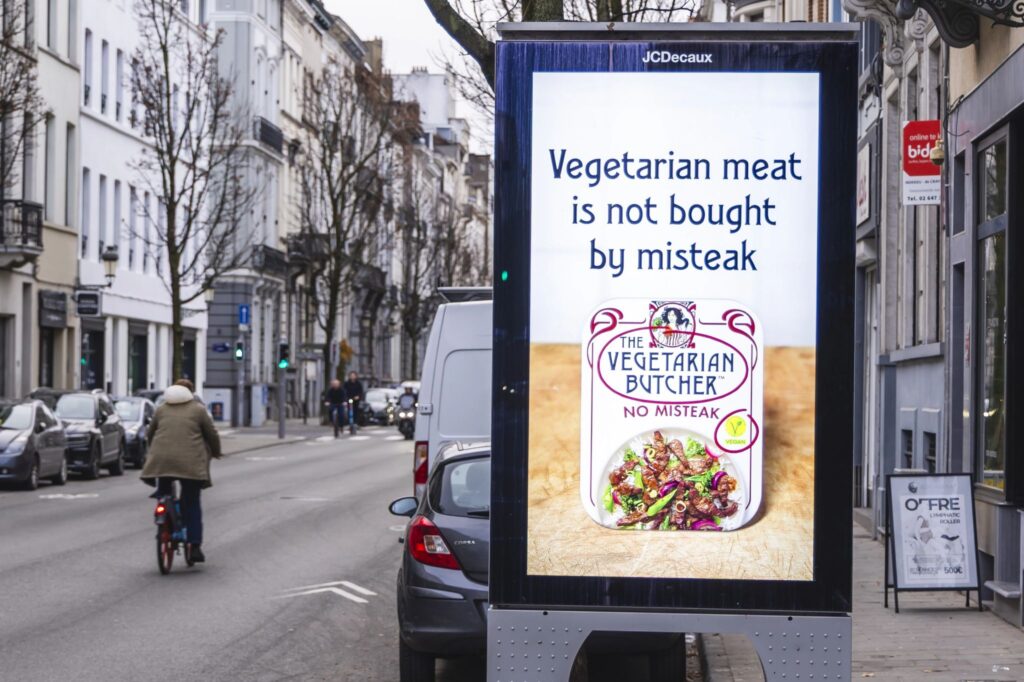
8) EU mulls ‘veggie burger’ ban
Years after rejecting a ban on the use of meat-like terms on plant-based product labels, the European Union once again floated the idea this year. And it quickly gained traction, with the Parliament voting in favour of the proposal. But during final negotiations, the EU and its member states failed to agree on the ban, delaying the issue to next year.
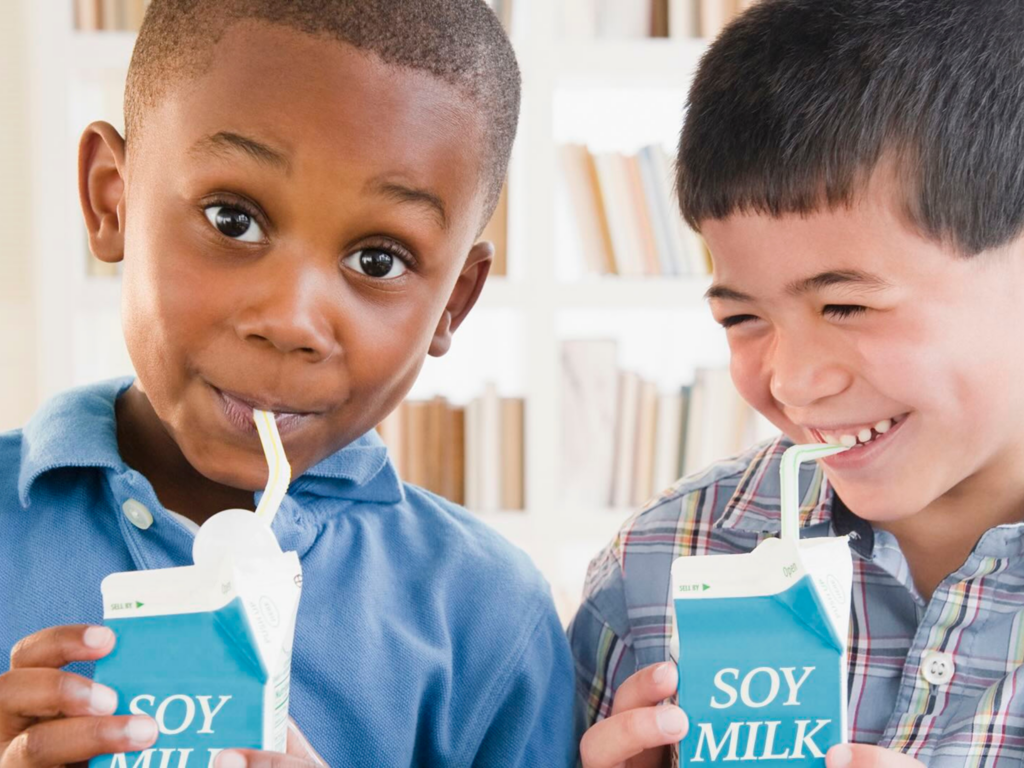
9) US Congress passes bill to offer non-dairy milk in schools
In one of the sector’s biggest wins this year, both the US Senate and House of Representatives passed the FISCAL Act, which would reimburse schools offering plant-based milk to children (as is the case with dairy) and allow kids to access them with a written note from a parent or legal guardian. President Donald Trump is expected to sign it into law.
10) EU excludes novel foods from key regulatory scheme
Throughout the year, the EU made a number of promises to advance its biotech sector, but the execution has been mixed. In the first of its Biotech Acts, it expanded the regulatory guidance given to companies looking for novel food approval, but excluded these foods from new regulatory sandboxes (controlled environments where businesses and researchers design standards for new products with regulators).
The post 2025 Wrapped: The Biggest Alternative Protein Policy Stories of the Year appeared first on Green Queen.
This post was originally published on Green Queen.