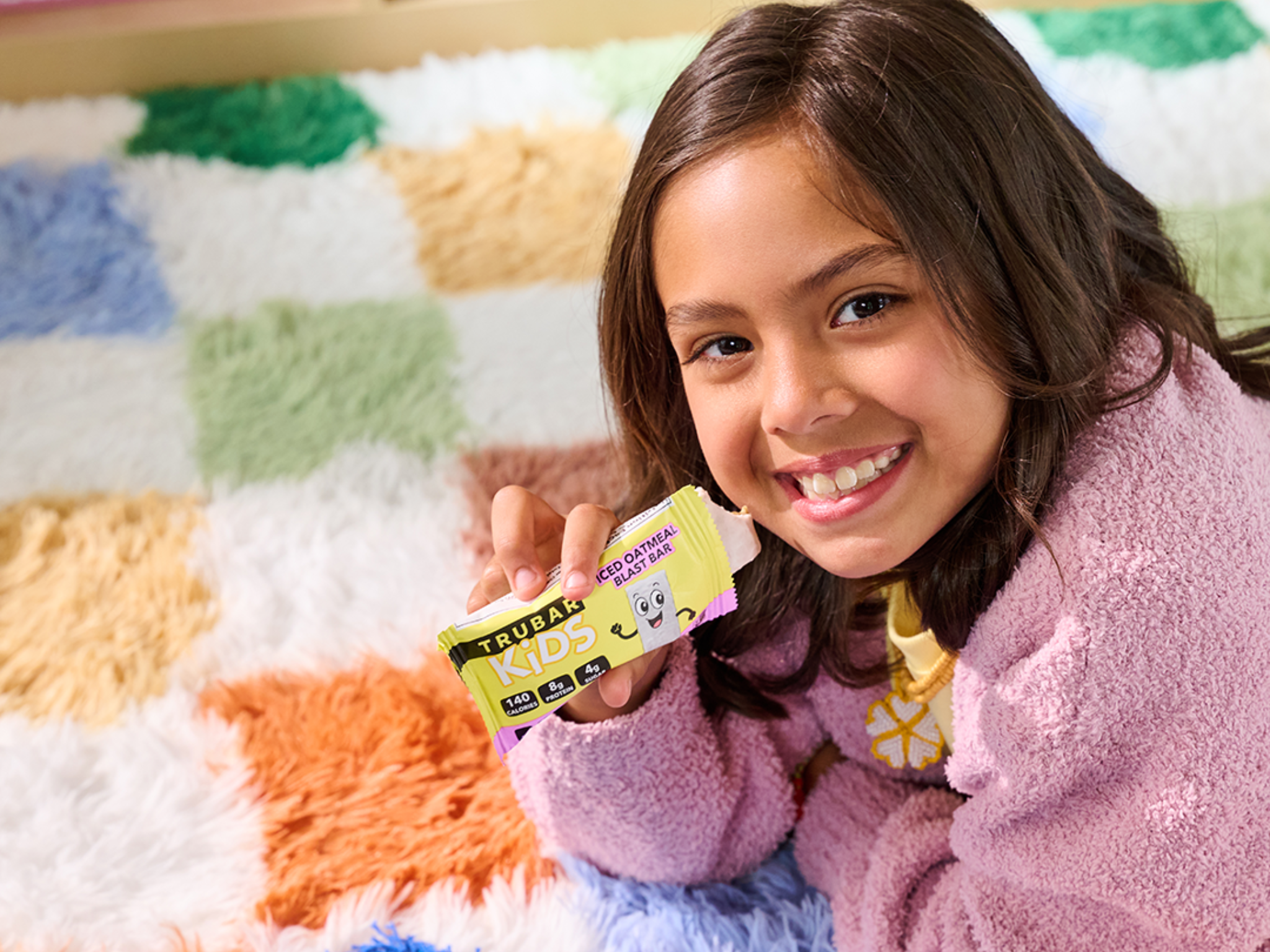
Children’s health is garnering more attention amid rising obesity and ultra-processed food concerns – here are seven brands that are truly better for kids, and simultaneously planet-friendly.
At the start of this year, the UK’s ban on junk food advertising finally came into effect, preventing companies from marketing food high in fat, salt or sugar to children on TV after 9pm, and at any time online.
The legislation is in response to the rise in childhood obesity in the country. One in 10 children aged four to five is living with obesity, as are 22% of kids aged 10-11.
The story is similar across the Atlantic, with nearly one in six Americans between the ages of six and seven living with obesity. Additionally, about a third of young people are prediabetic.
These conditions are a direct result of poor diets, and have spurred both parents and kids themselves to apply a closer lens to nutrition. What was once dubbed the climate-conscious generation is now putting health first: over a third of Gen Z and Gen Alpha teens who follow omnivore and vegan diets say health is the most important dietary driver.
Parents themselves are responding to the diet-driven health crisis by putting more effort into their kids’ meals than their own, as admitted by 28% of Brits in a survey last year. They’re increasingly on the lookout for food and drink products with low sugar, minimal processing, and high protein and fibre.
It opens a major opportunity for brands and products that walk the talk with better-for-you offerings, and those that do so without harming the planet for future generations. Here are seven companies meeting the moment with truly healthy, sustainable products for kids.
Alpro Kids
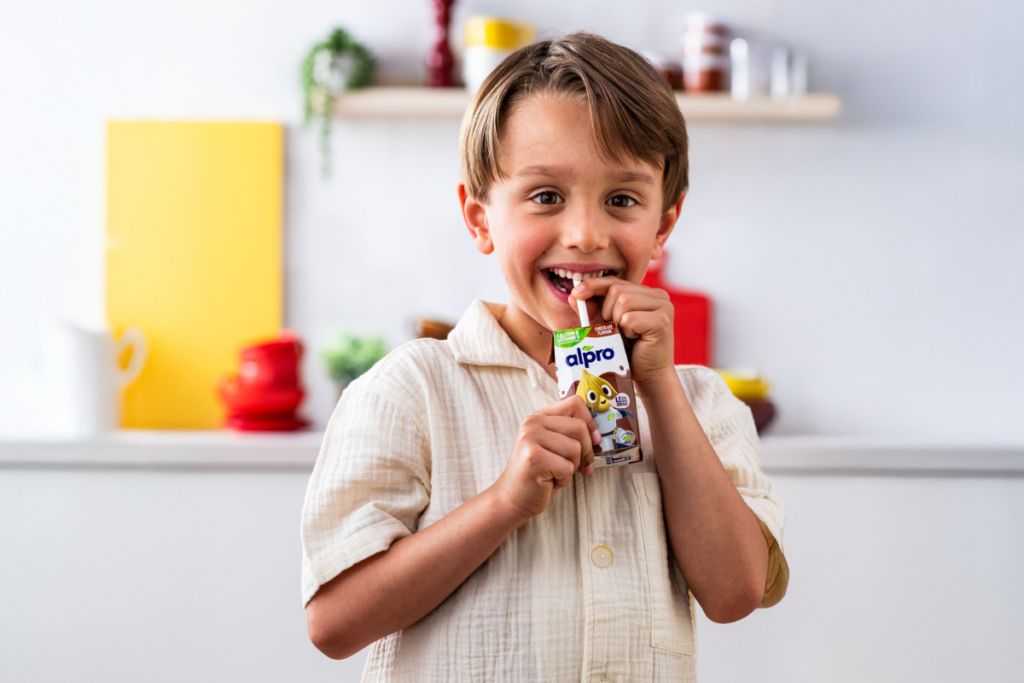
An offshoot of French dairy giant Danone, Alpro launched its kids brand in the UK last summer, initially rolling out chocolate oat milk, strawberry soy milk, and vanilla and strawberry soy yoghurts, all of which contain 30% less sugar than the market average for similar products. This is because government data shows that 91% of British children exceed the daily recommended intake of added sugar.
“The new generation, they want to have options, and we want to make sure that those consumers are used to the taste of plant-based and can really switch between plant-based and dairy proteins,” Guillaume Millet, the European VP of plant-based food for Danone, told Green Queen in September.
He added that the Alpro Kids range is “healthier than most of the ones on the market” and will be expanded to other European markets eventually.
Kate Farms
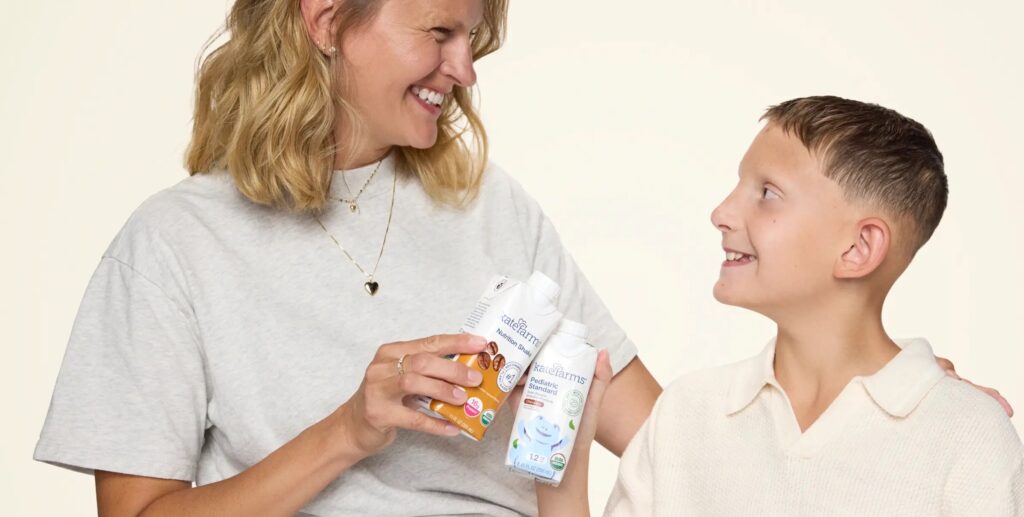
A company entirely focused on plant-based nutrition, Kate Farms was snapped up by Danone in 2025 to expand access to its pea protein shakes, pediatric blended meals, and glucose and renal support shakes to more hospitals and consumers in the US and beyond.
The firm has a full suite of products catered to kids, including a line of organic formulas suitable for tube feeding or being blended as a shake. This contains Spectra, a plant-based phytonutrient blend shown to stimulate antioxidant activity and inhibit free radical production, and a whole host of vitamins and minerals. Each serving offers 8g of plant protein, too.
Kate Farms sells pediatric peptides and blended meals for children, too. The latter products contain a blend of whole foods, 9g of pea protein, and an extensive list of vitamins and minerals.
Potina
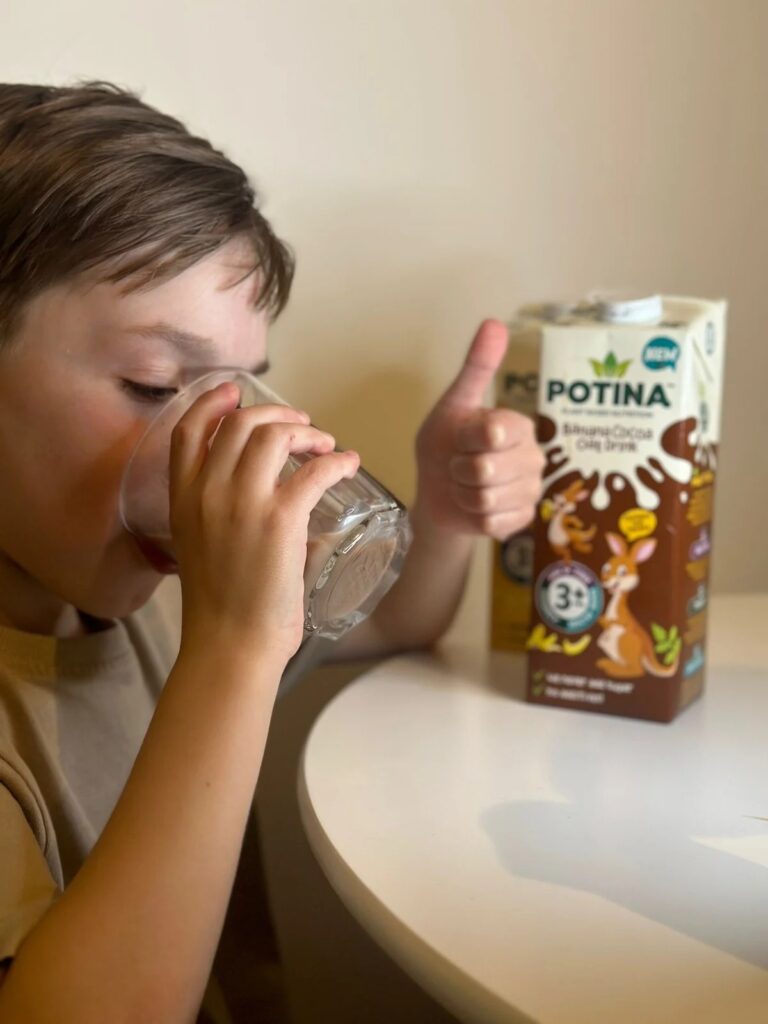
Ultra-processed foods contribute up to 80% of children’s diets in the UK. Potina, a brand that makes banana-oat milks, is addressing this issue by emphasising what its products don’t contain: added sugars, sweeteners, oils, emulsifiers, stabilisers, or flavourings.
Founded by Adam Womersley, a former sales director at Alpro, it is making a play for the gut health market by targeting fibre deficiency: only 12% of Brits aged 1.5 to three consume enough fibre, which rises to 14% for ages four to 10, and drops to just 4% for adolescents aged 11 to 18.
Potina uses soluble corn fibre and citrus fibre to amp up the macronutrient’s concentration in its banana oat milks, which come in original and chocolate flavours, and also provide 15% of the daily recommended values of calcium, vitamin B12, and vitamin D2
Trubar Kids
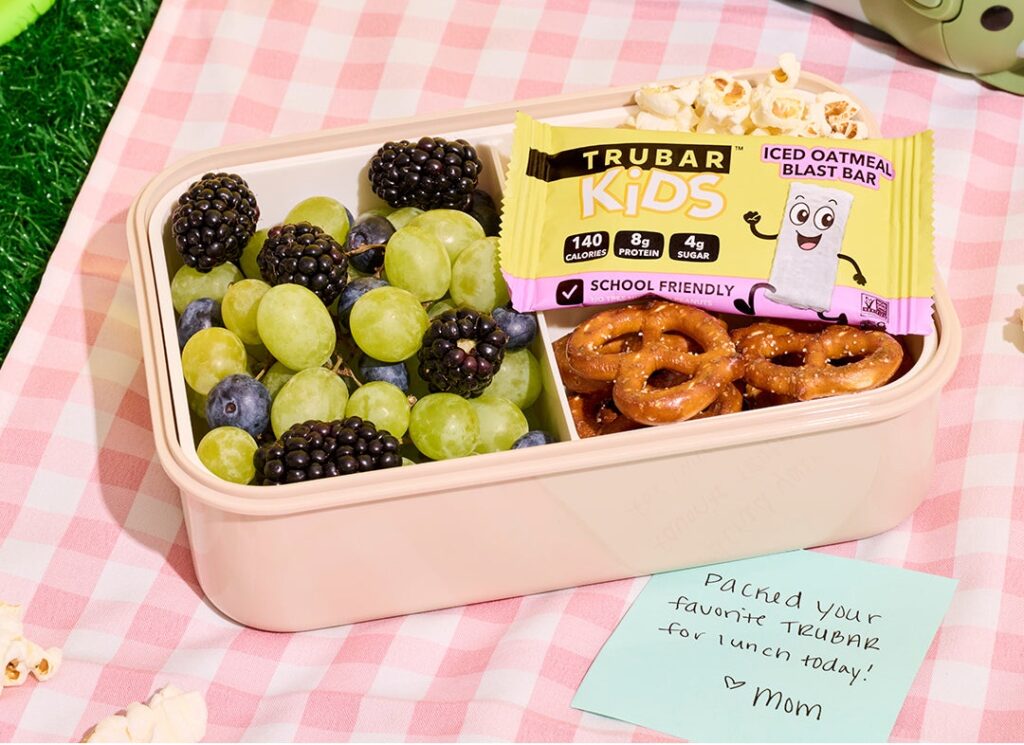
Canadian vegan protein bar company Trubar unveiled a kid-focused line in 2025, packing 8-9g of protein and 7-8g of fibre in each “school-safe” snack. As is the case with its entire lineup, the children’s bars are free from soy, seed oils, gluten, tree nuts, and peanuts, making them a truly allergy-friendly option for schoolgoers.
The lineup is comprised of an Iced Oatmeal Blast Bar, a Pop Goes Confetti Bar, and a Fudge-tastic Brownie Bar, and each product boasts clean-label ingredients like tapioca fibre, cassava, whole-grain brown rice protein, organic pea protein, and sunflower seeds.
Since then, Trubar entered an acquisition agreement with Turkish consumer goods company Eti Gıda in a C$201M ($143M) deal, which would allow it to expand beyond the 15,000-plus stores its products are stocked in.
Kiki Milk
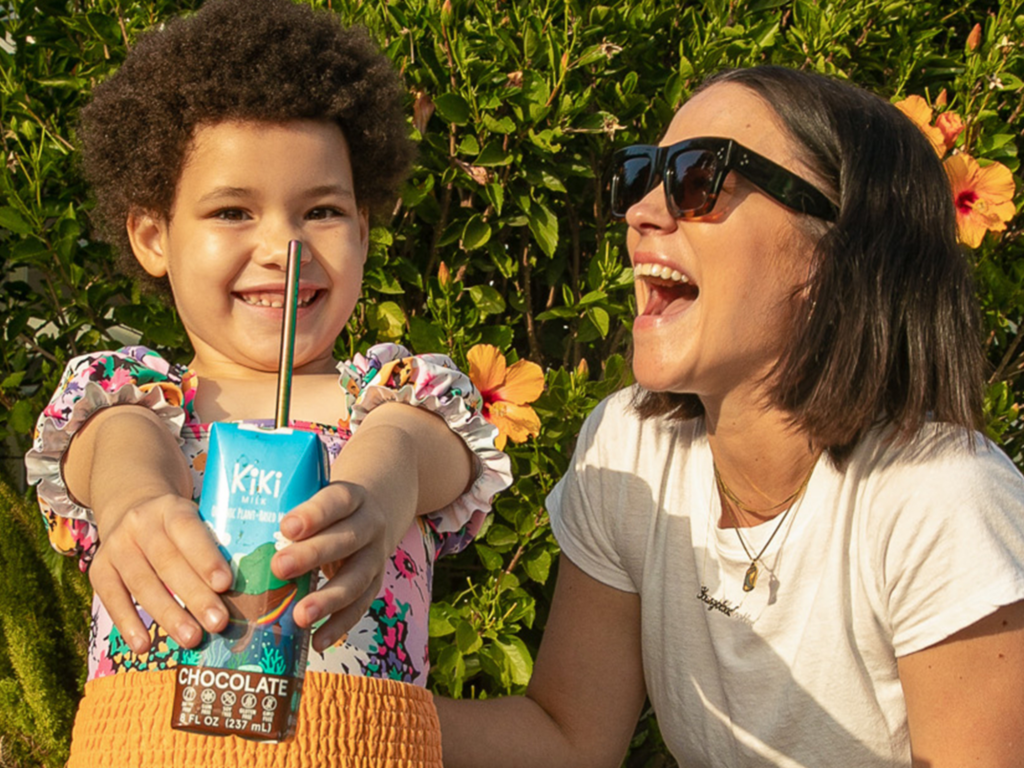
The flagship brand of Hawaiian startup PlantBaby, Kiki Milk makes plant-based milk exclusively for children. Its products have a base of oats, hemp seeds, pumpkin seeds and coconuts, and a macadamia version combines the luxury nut with cashews and brazil nuts. They contain 4-5g of protein per serving, plus calcium, magnesium, selenium and iron.
Kiki Milk’s dairy alternatives are free from seed oils, gums, preservatives, and glyphosate residue, and contain a range of whole-food ingredients like amla, blueberries, spinach, seaweed, and bananas, depending on the variant.
The company raised $4M in funding last year and has plans to expand its lineup with a grain-free milk that has more protein and fewer carbohydrates. In addition, it is exploring potential opportunities to launch shakes and smoothies, and supplement options that can be mixed with milk.
Solely Organic
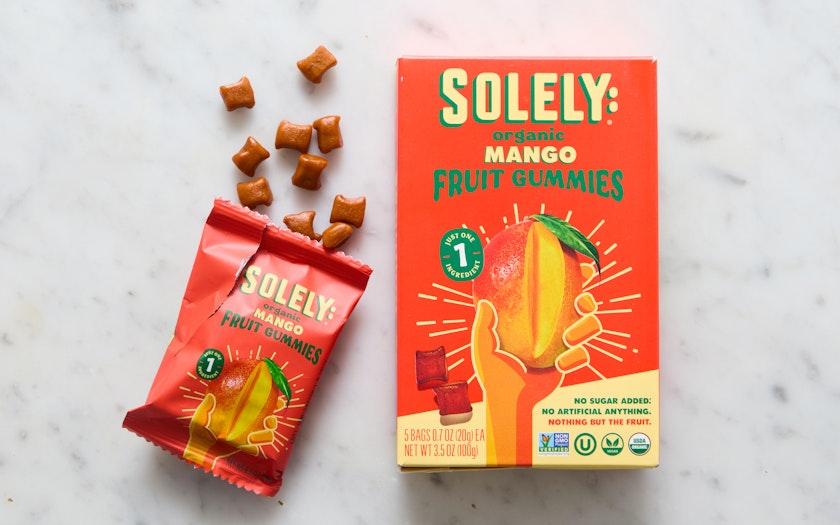
In the US, nearly a third of kids aren’t getting at least one daily fruit in their diets. To make them more appealing to this demographic, San Diego-based Solely Organic is reimaging fruits in clean-label snack formats that would keep both children and their parents happy.
It makes a range of fruit jerky products with zero added sugar or preservatives. For instance, its mango jerky is made only from one organic mango, and its pineapple jerky uses just half of one pineapple. Even flavoured versions are simple: one of the flavours is composed of just banana and cocoa, and another of mango, chilli and salt.
Solely Organic, which relies on cold-pressing to preserve nutrients, also sells a line of sugar-free gummies, whose ingredient lists contain the base fruits and nothing else.
Once Upon A Farm
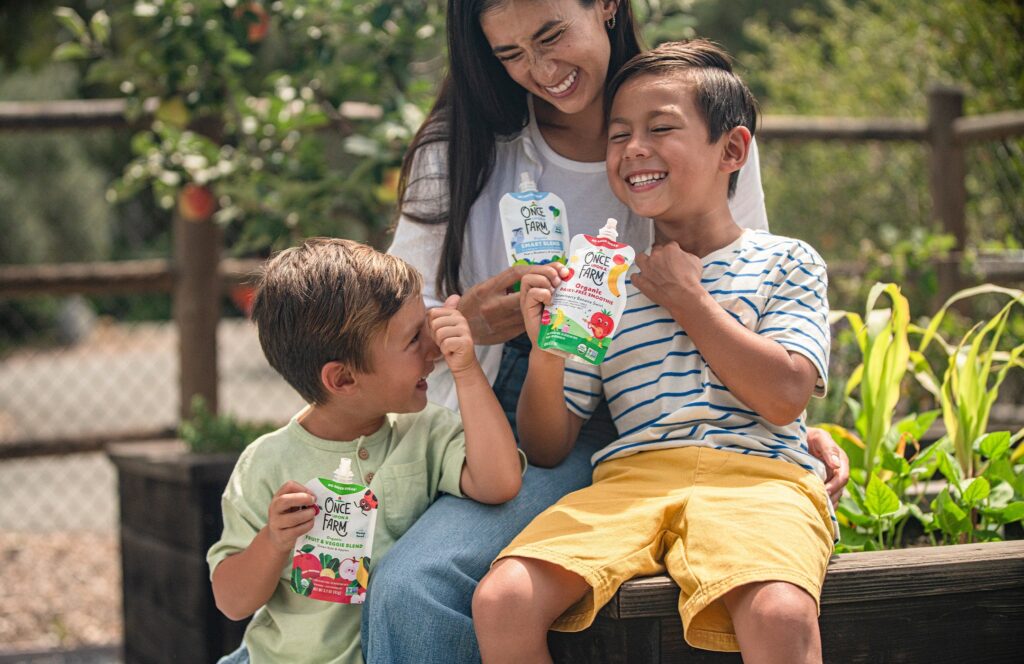
Co-founded by actress Jennifer Garner, Once Upon A Farm tackles fruit and vegetable consumption through blended smoothies, bars, innovative snacks, and veggie-packed ready meals.
Though its product lines are not entirely plant-based, it places a major emphasis on plant-based eating, alongside a focus on organic ingredients, clean labels, and zero added sugars.
For instance, its oat bars contain oats, fruit purees, and dried fruits as a base, and contain 4g of protein and fibre each. Most of its grab-and-go pouches only contain fruits, vegetables and seeds, while its smoothies use oat or coconut milk as a base. Once Upon A Farm also sells coconut yoghurts and meals like grain bowls and pasta.
The post These Better-for-You Kids Brands Are Creating Food For A Climate-Conscious Generation appeared first on Green Queen.
This post was originally published on Green Queen.