In its latest biotech drive, the Indian government has launched a new incubator for food tech startups and begun construction on a $4.5M biofoundry for alternative proteins.
India’s vision to shore up its biomanufacturing sector has resulted in the establishment of two new biotech facilities housed within government departments.
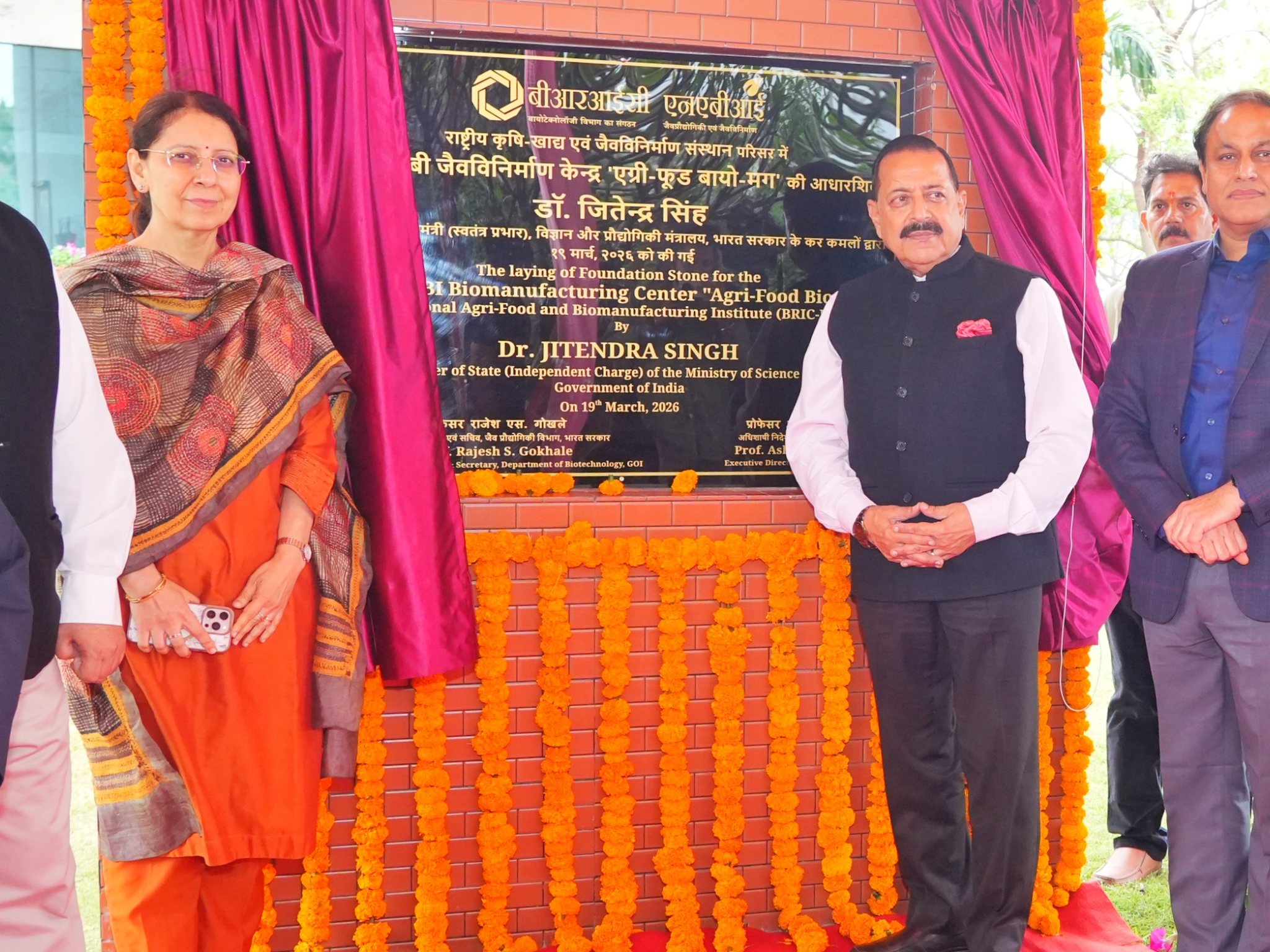
Last month, science and technology minister Jitendra Singh laid the foundation stone of an upcoming BioFoundry Centre under the Department of Biotechnology at Mohali, which will be supported by a ₹42 crore ($4.5M) investment over the next two years. It’s aimed at bridging the gap between lab research and industrial application of alternative proteins.
And last week, Singh formally launched the BIRAC-BioNest Incubation Centre at the CSIR-Central Food Technological Research Institute (CFTRI) campus in Mysore, which will help startups advance their research and achieve commercial viability for technologies like precision fermentation, CRISPR, and more.
The two new centres form part of the national government’s BioE3 strategy, which focuses on accelerating tech development and commercialisation by setting up biomanufacturing hubs and biofoundries across the country.
New biofoundry to be centred on smart proteins
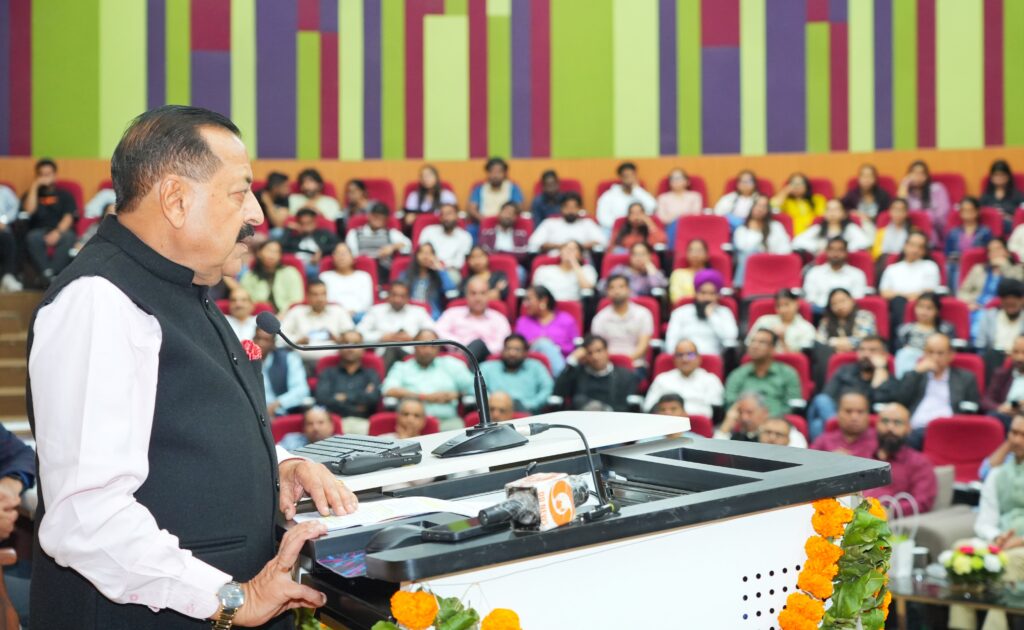
The BioFoundry Centre is designed to support startups with the scale-up, pre-commercialisation and technology transfer of advanced biomanufacturing processes, including bio-based products and ‘smart proteins’ (which include plant-based, fermentation-derived and cell-cultured proteins).
The facility will house large-scale fermenters, upstream and downstream processing systems and high-throughput experimental platforms, while also serving as a skill development hub for young biotech professionals.
It will be located at the biotech department’s National Agri-Food and Biomanufacturing Institute (NABI), which is building an entire pipeline from research to real-world application through de novo smart protein design, microbial platforms, and scalable production systems.
The minister noted that NABI’s work across areas like genomics, microbial biotechnology and food science is directly contributing to nutritional security, sustainable agriculture, and value addition in the agrifood system.
He added that the rising demand for protein and growing environmental concerns have made alternative options imperative. Smart proteins – developed through synthetic biology, microbial fermentation, and plant biotechnology – can offer a scalable and sustainable pathway for the future of food.
Singh further suggested that platforms like the Smart Protein Forum, an initiative organised by the Good Food Institute (GFI) India, can bring together scientists and industry stakeholders to accelerate innovation in the sector.
Incubator aims to help food tech startups with scale-up and regulation
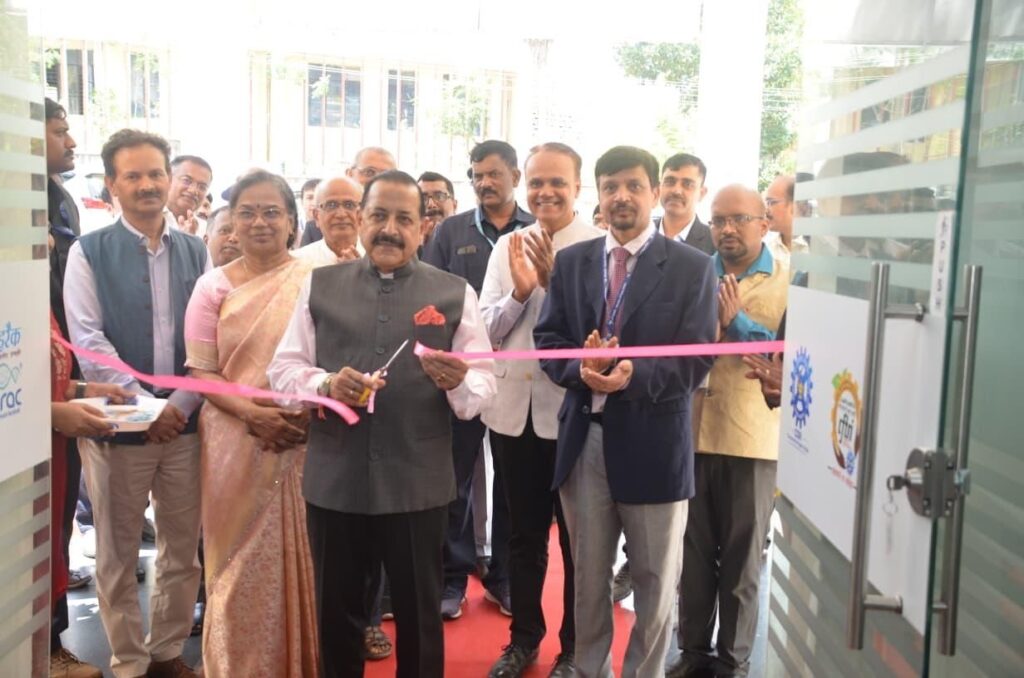
While the biofoundry is being built, the BioNest facility is already live and helps startups advance research, scale-up validation, efficacy studies, and regulatory facilitation, with the aim of converting innovative concepts into market-ready solutions.
It features dedicated incubation suites and shared infrastructure, and operates across high-value, science-driven domains such as precision fermentation, nutraceuticals, pro- and postbiotics, CRISPR-based technologies, and botanicals.
So far, the centre has already supported 26 startups, including physical and hybrid incubatees, which have collectively filed 12 patents and contributed to five research publications.
Singh called for deeper engagement between academia and the private sector, and called for aligning innovation with consumer demand, including in the ready-to-eat and convenience food categories. He also highlighted the government’s push to expand private sector participation in biotech via new funding mechanisms and institutional support frameworks to advance R&D.
The opening followed CFTRI’s signing of several MoUs, including an agreement with global AI biomanufacturing specialist DE3PBIO to transfer the know-how of 18 technologies to process fortified, low-GI, functional, high-protein foods, bakery and cereal innovations.
India’s expanding protein story
These developments align closely with the national BioE3 policy, which focuses on six growth areas: high-value bio-based chemicals, biopolymers and enzymes; smart proteins and functional foods; precision biotherapeutics; climate-resilient agriculture; carbon capture; and marine and space research.
In 2024, Bengaluru saw the launch of the Centre for Smart Protein and Sustainable Material Innovation (an incubation hub) and the Alternative Proteins Innovation Center (a scale-up facility).
And last year, the government opened the National Institute of Animal Biotechnology in Hyderabad. It’s India’s first animal stem cell biobank, and is aimed at revolutionising animal health, regenerative medicine, agricultural productivity, and cultivated proteins.
The private sector is building on this. This year, Swiss startup Planetary signed a partnership with DCM Shriram Bioseeds to bring mycoprotein production to one of the latter’s sugar mills in India, while local firm PreferCo teamed up with German biotech giant Glatt to launch a precision fermentation scale-up centre in Hyderabad.
These efforts come as the demand for sustainable protein booms in the world’s most populated country. Research suggests that 80% of the adult population in India is protein-deficient. And while some argue there’s more to protein intake than meets the eye, Indians are still consuming more protein than ever before.
India’s protein market is already valued at $1.5B, and it’s poised for explosive growth over the next decade, thanks in large part to the alternative protein ecosystem. Surveys show that 37% of citizens want to add more plant proteins to their diet, and a larger share of consumers want to increase their intake of protein from plant-based sources than from animal sources.
Some of the largest foodservice businesses are taking note. Starbucks has rolled out cold foams boosted by yeast protein from Indian startup SuperYou, as well as a Soya Protie Toastie featuring a plant-based Chettinad curry from GoodDot.
The latter startup has also partnered with iconic Indian restaurant chain Haldiram’s, which added its soya chaap – a staple soy-based meat alternative in India – to its menu in the national capital region, as well as hotel giant Hilton, which held a month-long plant protein festival across its 32 locations nationwide.
Meanwhile, McDonald’s introduced vegetarian slices that add 5g of protein each to any burger. Upon launch, it said the product contained soy, pea and whey proteins; its website now states that they’re made from “premium plant-based proteins including peas and soy protein”, with no mention of whey.
The post India’s ‘Smart Protein’ Sector Gets Another Boost with Two Govt-Backed Biotech Facilities appeared first on Green Queen.
This post was originally published on Green Queen.