
A recent study has raised concerns about the impact of egg consumption on heart health, suggesting that eating cholesterol-rich foods may increase the risk of heart attacks. Cholesterol, which is found exclusively in animal products like eggs, has long been linked to heart disease, but researchers have now found a more direct connection.
The study, which was published in the Journal of the American Heart Association earlier this year, revealed that for every 100 milligrams of cholesterol consumed daily—approximately half of a large egg—the risk of a heart attack increased by 5 percent. This finding has sparked further discussion about the role of dietary cholesterol in cardiovascular health.

Health experts have long debated whether the cholesterol in food contributes significantly to heart disease, but this new research suggests a clear link. While eggs remain a popular breakfast choice for many, this study serves as a reminder of the potential risks of consuming too many cholesterol-heavy foods.
Potential risks of cholesterol
In the US, coronary artery disease (CAD) continues to be the leading cause of death, with heart attacks—also known as myocardial infarctions (MI)—being a major complication. With more than 600,000 new cases of heart attacks each year, it’s no surprise that scientists are continuously studying the factors that contribute to cardiovascular disease.
The large cohort study involving US veterans has further highlighted the potential risks of consuming dietary cholesterol, particularly from sources like eggs and meat, in relation to heart attack risk. The study, which followed 180,156 participants over an average of 3.5 years, discovered that higher dietary cholesterol intake—specifically more than 300 milligrams per day—was associated with a 15-percent increase in the likelihood of having a heart attack.
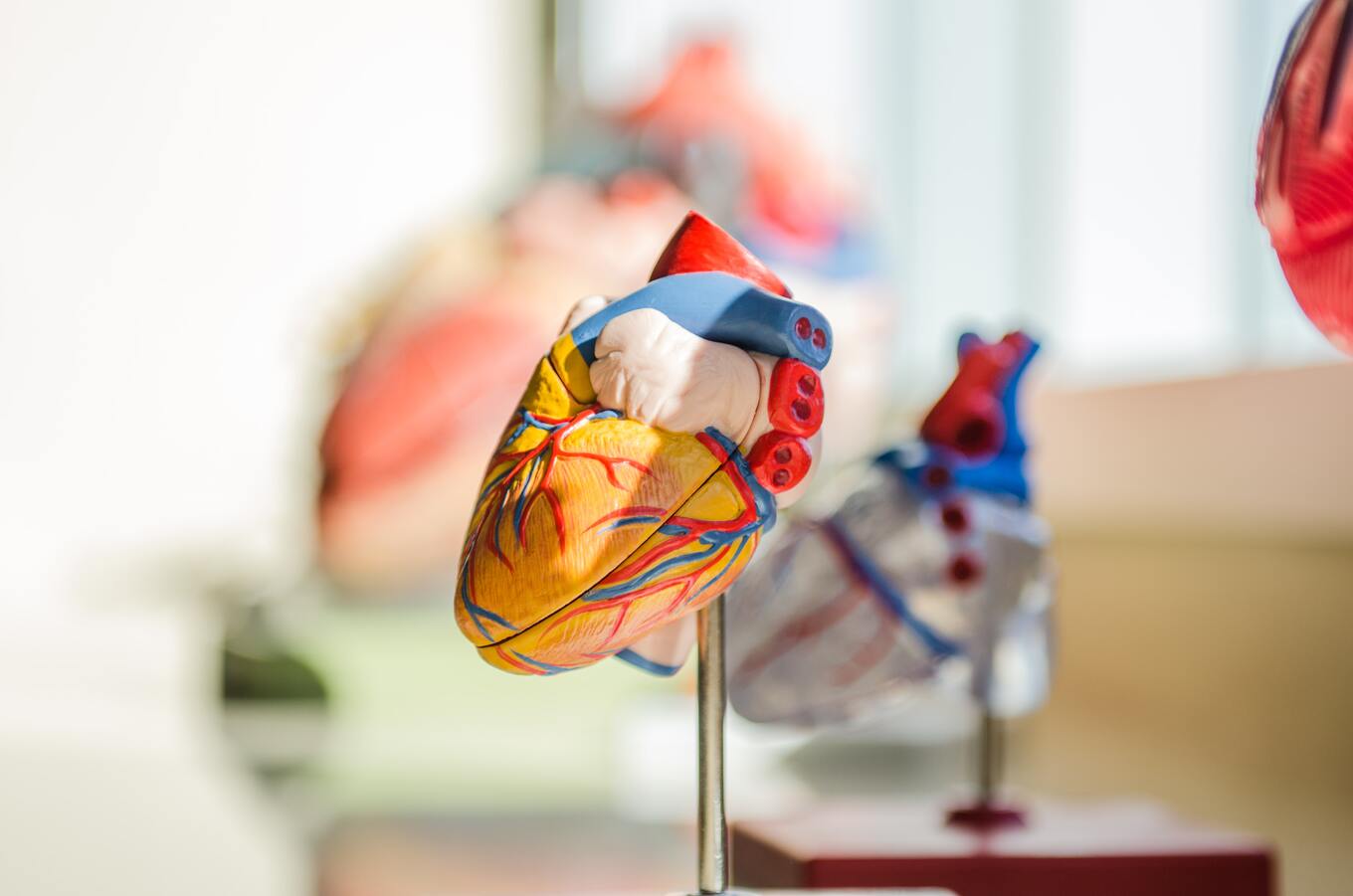
Cholesterol is known to play a role in the development of atherosclerosis, a condition where plaque builds up in the arteries, leading to complete blockages that can trigger heart attacks.
The study’s findings add to a growing body of research that suggests dietary cholesterol can have a significant impact on heart health. While some studies have shown mixed results, with no clear link between cholesterol intake and cardiovascular disease, this most recent data from veterans supports previous studies that connect high cholesterol consumption with an elevated risk of MI.
Are eggs bad for cholesterol?
For many Americans, conventional chicken eggs are a staple breakfast food, and studies have often debated the role they play in heart health. In the current study, eggs, along with other cholesterol-rich foods like meat, were major contributors to the higher cholesterol intake seen among participants. Though the exact impact of egg consumption on heart attack risk remains a topic of debate, the correlation between high cholesterol intake and heart disease risk cannot be ignored.
Based on their findings, the study’s researchers suggest that heart-healthy diets like the DASH (Dietary Approaches to Stop Hypertension) and Mediterranean diets—which are low in cholesterol-rich foods and high in fruits, vegetables, whole grains, and lean proteins—should be a primary focus to optimize cardiovascular health.
“Additionally, reductions in cholesterol intake, which can be achieved by lowering the intake of meat and eggs, may reduce the risk of incident MI,” the authors said.
Vegan eggs on the rise
In addition to concerns about cholesterol-rich foods and heart attacks, recent egg shortages in the US have opened a significant opportunity for plant-based egg substitutes. Companies like Eat Just ramped up production and expanded distribution to fill the gap.
In January, sales for Eat Just’s Just Egg product skyrocketed five times compared to the previous year, with availability expanding at major retailers like Whole Foods and Walmart. The company’s plant-based egg, made from mung beans, comes in liquid and folded forms, and has seen sales accelerate, with some stores reporting year-over-year weekly gains of up to 70 percent.
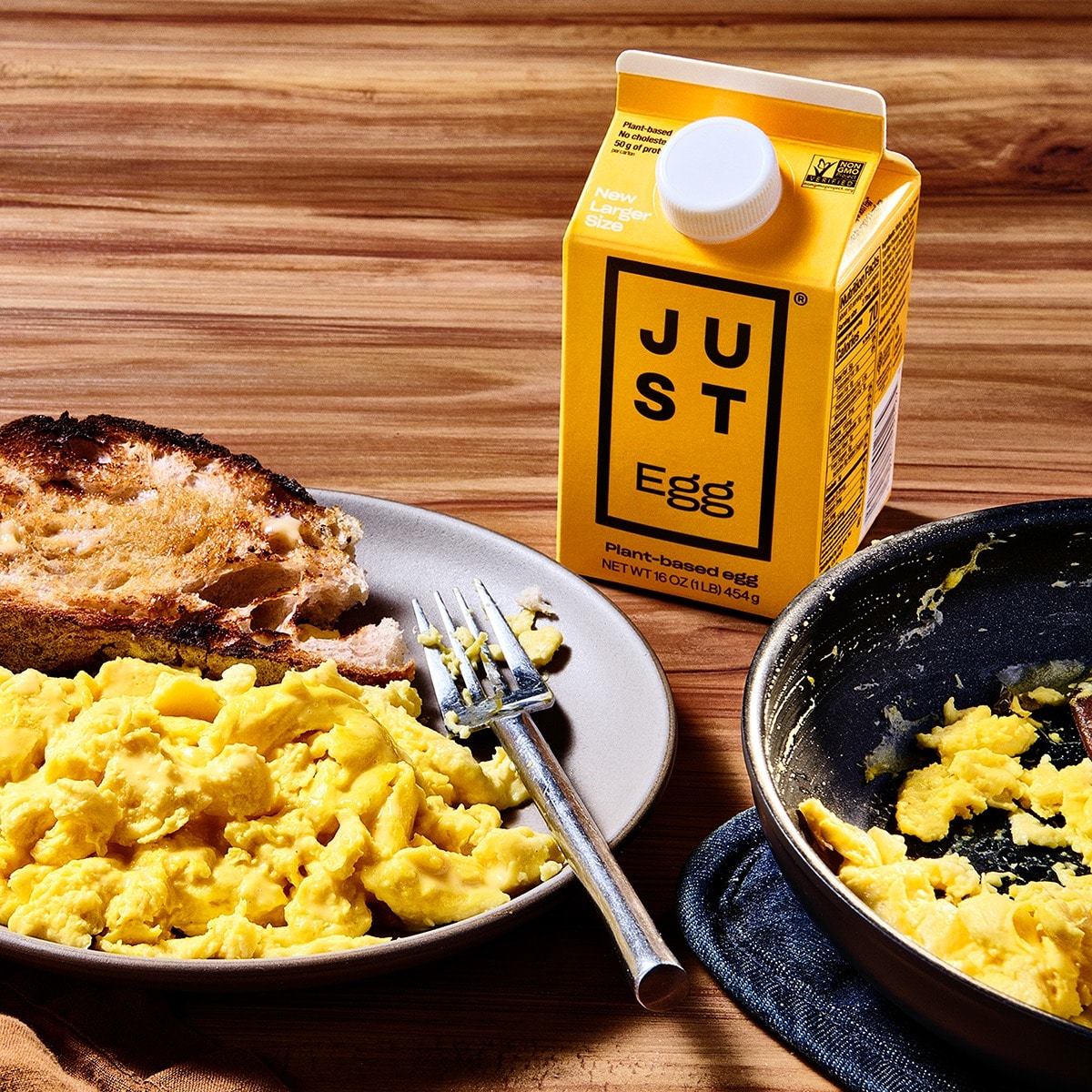 Eat Just
“This is probably the most important moment for a plant-based market,” Eat Just CEO Josh Tetrick told Bloomberg in February.
This post was originally published on VegNews.com.