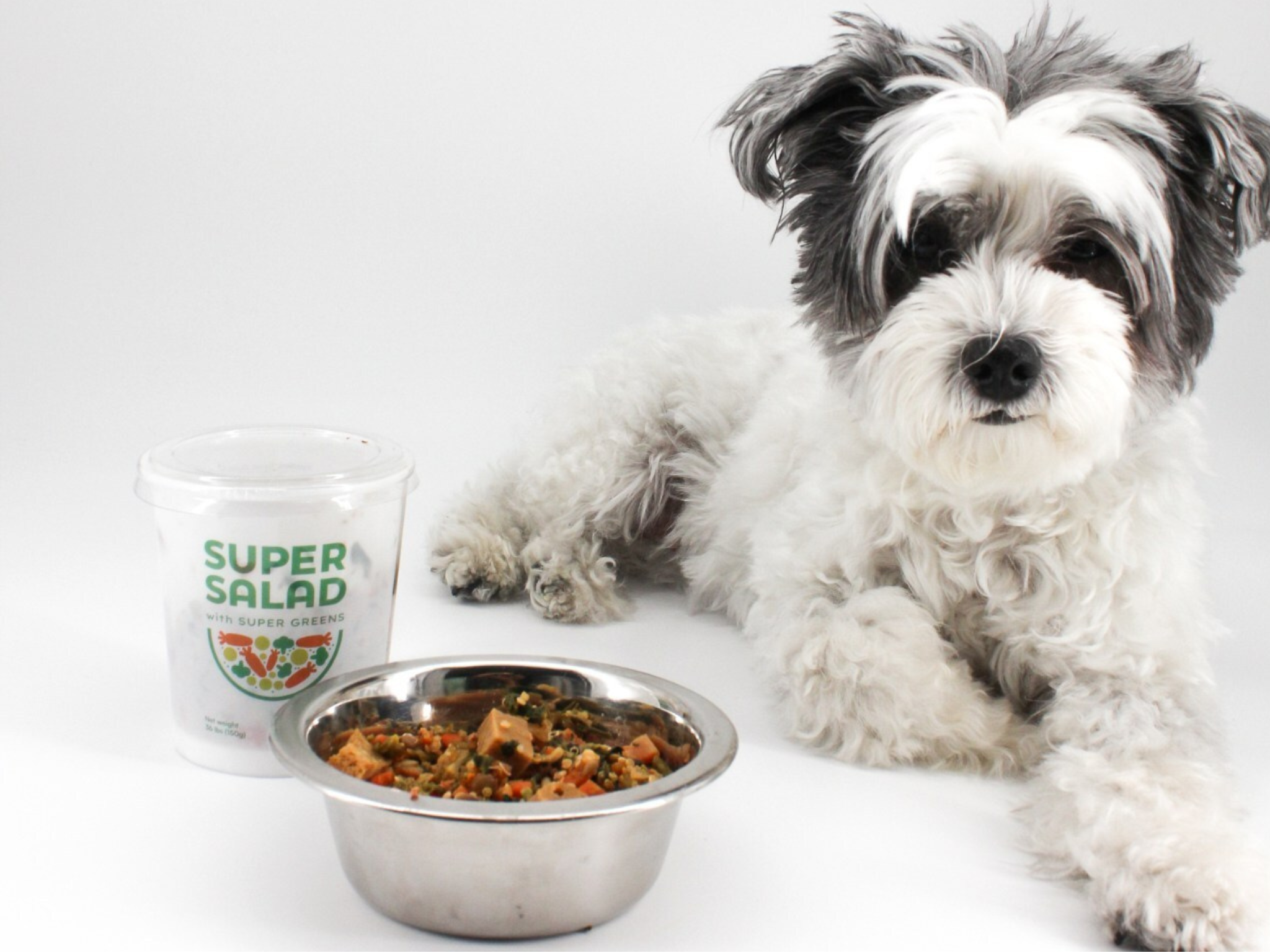
Pet owners are increasingly on the hunt for gut-boosting, clean-label food options. For California’s PawCo, salad is the solution.
Is your furry little friend a Caesar gal?
If you’d never really thought of salad as the all-conquering pet nutrition solution, San Francisco startup PawCo says now is the time, really.
The vegan pet food company has released SuperSalad, a first-of-its-kind salad for dogs. It’s described as a functional topper that promotes gut wellness and overall nutrition, with whole foods at the heart of the formulation.
“It’s not a gimmick,” promises founder and CEO Mahsa Vazin, a former food scientist at Impossible Foods.
“SuperSalad fills a real gap in the market,” she says. “It’s not a gimmick. It’s made with high-quality ingredients and visible nutrients, and formulated with expertise from board-certified animal nutritionists.”
PawCo hits on pet nutrition trends
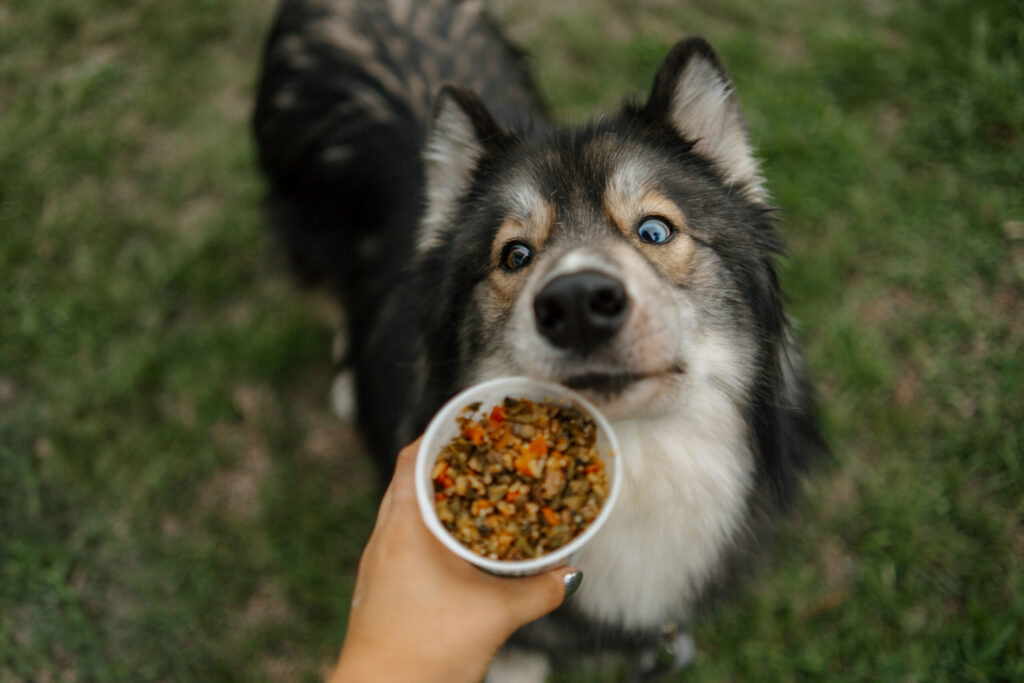
So what does a superfood salad for dogs look like? PawCo’s iteration is composed of ingredients like spinach, quinoa, broccoli, carrots, lentils, butternut squash, brown rice, wheat gluten, microalgae oil (for omega-3), yeast fermentate, and natural flavourings.
The SuperSalad is packed with functional fibre and probiotics to support digestion, gut health, and overall wellness. Plus, it has a high water content to boost moisture and help dogs stay hydrated naturally, especially those on dry or dehydrated diets.
This fits in with what pet owners want. In 2024, Americans spent nearly $66B on pet food and treats, with fresh, functional and whole-food options representing the fastest-growing segment.
In one poll, 89% of dog owners said good gut health can improve their pets’ daily lives, and 83% agreed that it could extend their lifespan. And this year, research found that gut wellness is the third-most important health concern for dog owners, after weight and joint issues.
Pet owners can add a scoop or two of SuperSalad to their dog’s daily meal, depending on their weight. It can be mixed into any meal, served on top, or even given as a side salad or treat. And crucially, it is compatible with a range of diets, like fresh, kibble or raw.
The SuperSalad marks another pet nutrition first for PawCo – earlier this year, it released Magic Bar, a protein bar for canines, packed with human-grade ingredients with a range of functional health targets, including gut and heart health.
‘Wellness must become a trend for dogs’

In 2024, Americans spent nearly $66B on pet food and treats, with fresh, functional and whole-food options representing the fastest-growing segment.
With the rise of pet humanisation, owners want to give their companion animals the same kind of clean-label, whole-food, gut-boosting options that they buy for themselves. A global survey last year revealed that 80% of people consider their pet’s health to be as important as their own, and over three in four understand that the digestive system benefits more than just the gut.
In fact, digestive health has become so important for pet parents, over 70% say they would likely switch products or brands if their pet experiences digestive discomfort.
It has led companies like London-based Omni to tease an Ozempic-mimicking supplement for dogs, and inspired a collaboration between UK startup The Pack and Germany’s MicroHarvest, which has launched gut-supporting microbial protein dog treats.
In fact, globally, the share of wet dog food launches with digestive and health claims has risen from 18% in 2023 to 25% this year. Kibble products released with these claims have gone up by 10 percentage points in this period (totalling 61%), while supplements have increased from 27% to 38% in this two-year span.
In the US, PawCo is tapping into this trend with SuperSalad, giving owners “familiar and visible nutrition for their dogs, without measuring, prepping, or guessing”.
“It’s overdue that ‘wellness’ became a trend for dogs,” says Vazin. “SuperSalad is a massive step in that direction.”
The post This Plant-Based Pet Food Startup Thinks Your Dog Needs To Eat Salad appeared first on Green Queen.
This post was originally published on Green Queen.