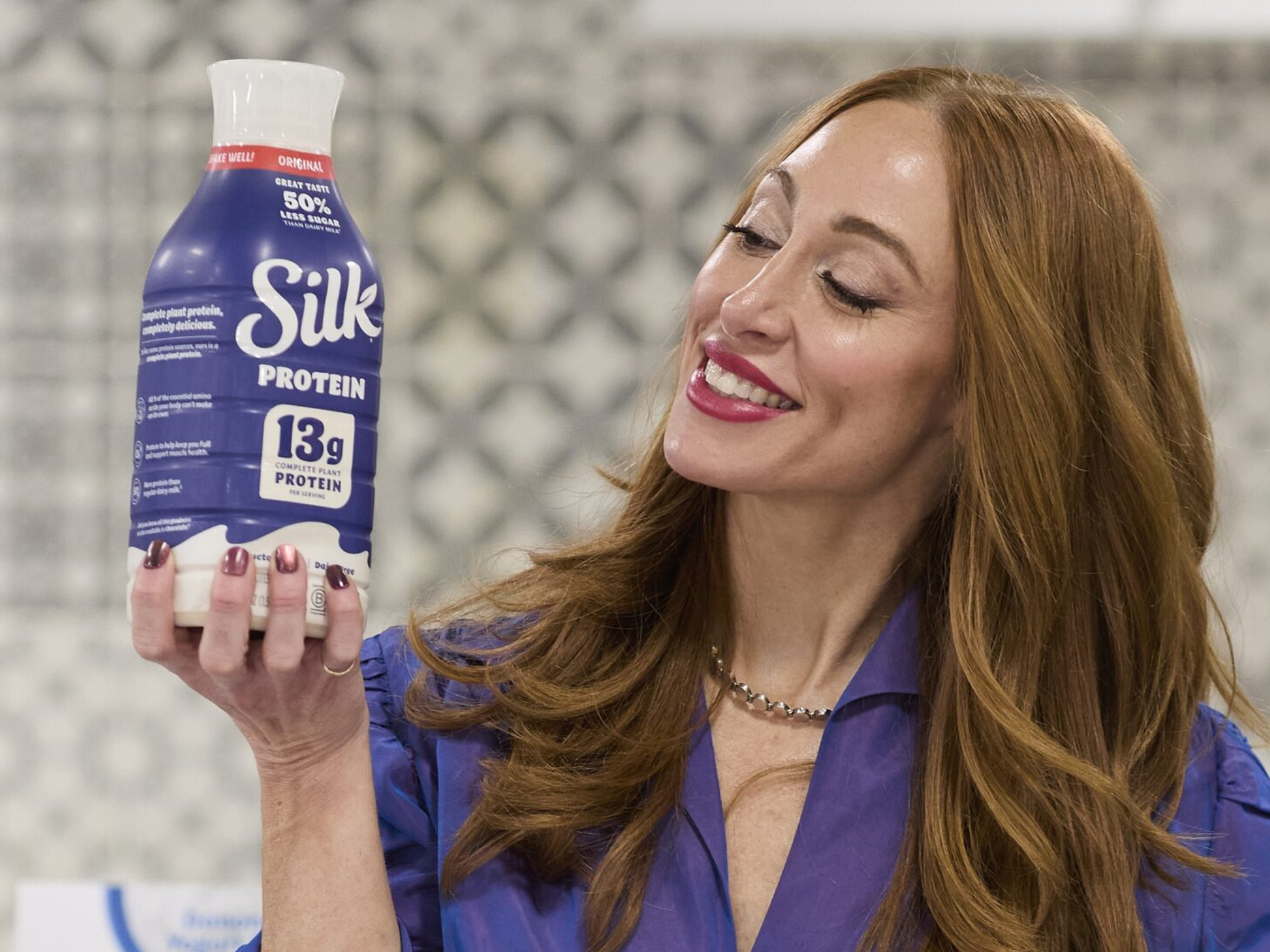
Danone has announced the launch of Silk Protein, a range of plant-based milks with 13g of complete protein and 3g of fibre per serving.
Protein and fibre are very much at the heart of consumers’ food decisions today, and one of the world’s largest food and drink companies isn’t about to miss out.
As sales of milk alternatives continue to struggle, Danone is betting on these two macronutrients to turn things around. The French dairy giant has introduced a protein-boosted milk range under its Silk brand, hoping to fill a blind spot in the plant-based category.
Protein is appearing in everything right now, from Doritos to water; crucially, fewer than 1% of protein-centric product launches occur in the plant-based drinks category, according to Mintel data cited by Danone.
This may be a key reason behind the fall in consumer interest in the segment, which Danone hopes to revive through the Silk Protein series. “There’s a clear gap for a high-protein plant-based option that consumers are actively demanding,” said Wendy Nunnelley, president of the plant-based division at Danone North America.
Silk Protein targets two key nutrients
Danone already offers two protein-boosted milks, with an oat milk featuring 8g of protein and almond milk with 5g of protein per serving. But the new Silk Protein range pumps up the macros even further.
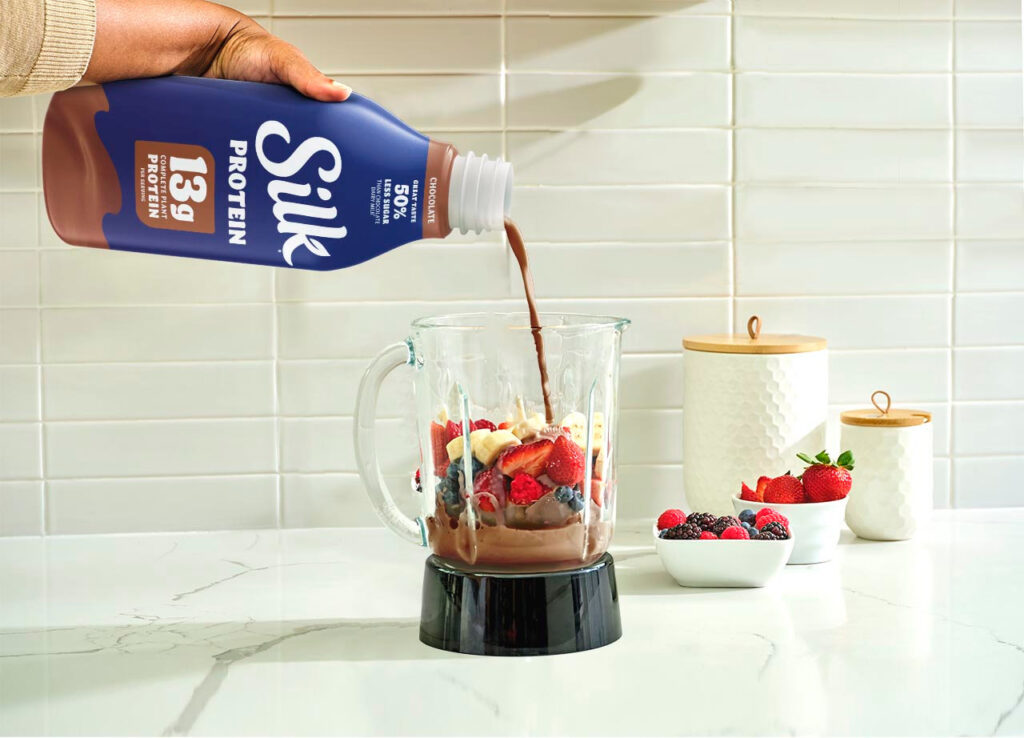
It comes in original and chocolate flavours, containing 13g of complete protein per serving, the highest among refrigerated plant-based milks in the US. In addition, they have 3g of fibre, 50% less sugar than dairy counterparts, and no artificial sweeteners.
The products are launching regionally this month, ahead of a nationwide rollout in early 2026. The rollout comes amid a rise in demand for protein and fibre, with 39% and 28% of Americans tracking these macronutrients, respectively, more closely in their diets in 2025 (a six-point increase over last year).
Meanwhile, one poll suggests that 70% of Americans are looking to consume protein this year, and another found that 85% want to increase their intake of the nutrient. Most Americans (95%) also don’t consume enough fibre, despite its benefits for the gut. At the same time, two in five US households buy milk alternatives, and 76% repeat their purchases.
“We really see a gap in the marketplace for a good plant-based, higher protein offering that just hasn’t been there, and that consumers are demanding,” Nunnelley said. “We’re seeing consumers move into protein in such a strong way.”
Danone goes big on protein and fibre in GLP-1 push
Danone’s bet on plant protein follows a period of stagnation for non-dairy milks in the US, whose sales fell by 5% in the retail sector last year. Though higher prices have caused revenues to spike, unit sales have dipped for three consecutive years.
In its latest earnings report, the French company called the plant-based category a “work in progress” in the US. That said, the volume growth of dairy drinks was flat in the 52 weeks to September 6, and declined by 0.7% in the month prior, according to Nielsen retail scanner data.
And though there were pockets of value growth, thanks in part to rising prices of high-protein products, that is slowing too, from 4% in the previous 12 months to less than 2% in the preceding four weeks.
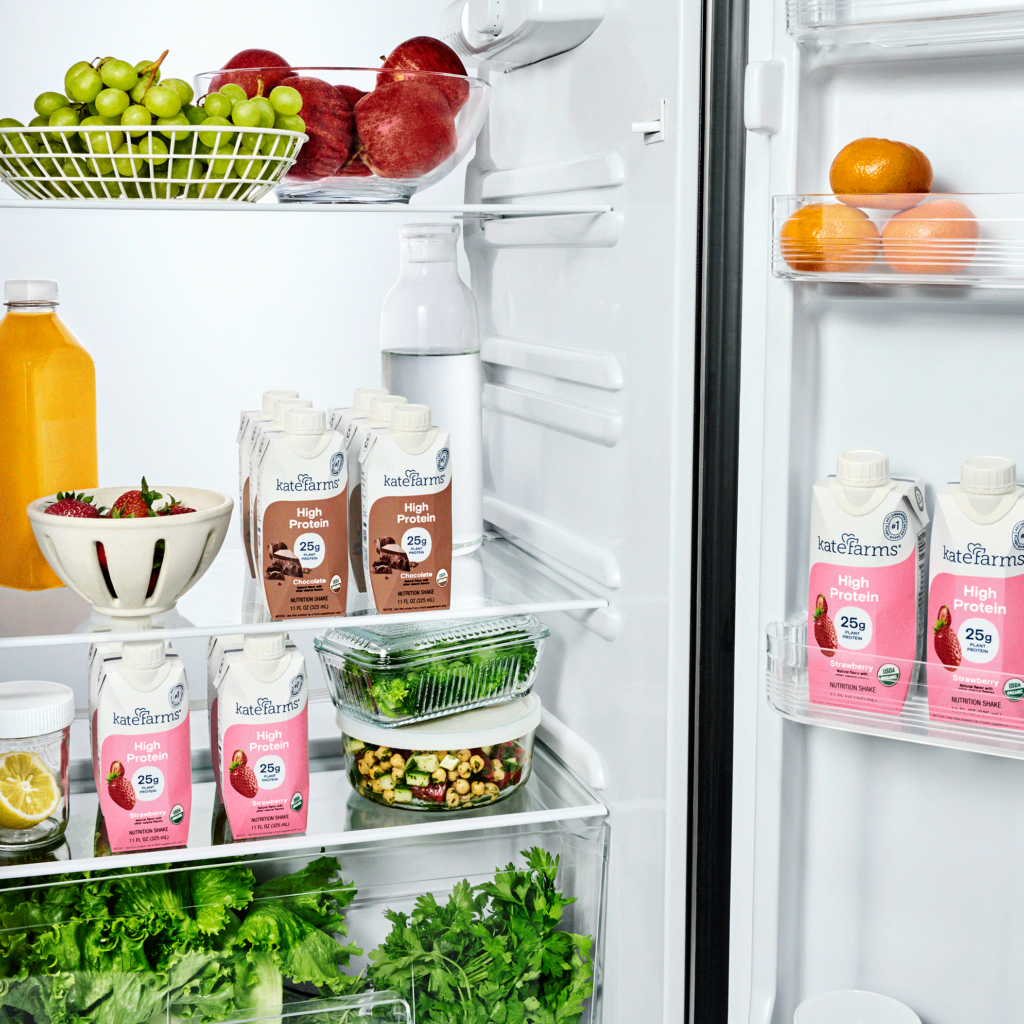
A focus on protein, both the amount and quality of it, will only help the plant-based category further. Danone isn’t alone here. Brands like Bam and Niúke Foods‘s buckwheat and quinoa milks, respectively, contain all nine essential amino acids, making each a source of complete protein. Likewise, Whole Moon blends soybeans with oats, almonds, as well as pistachios to provide complete protein.
The new Silk Protein range also hits on another key food and drink trend: GLP-1. More and more Americans are looking for fibre-packed foods, which help trigger the body’s natural GLP-1 response, and those using weight-loss drugs are after high-protein foods, given they can lead to a 25-40% decrease in muscle mass over eight to 16 months.
Danone has already been innovating in this space with yoghurts and nutrition shakes hitting the protein-fibre sweet spot. Now, the Silk Protein lineup joins that list. “Being able to directly offer what consumers are looking for is important at any time, and particularly when the macroeconomic environment might be more challenging,” said Nunnelley.
The post Danone’s Silk Debuts High-Protein Milk to Revive Plant-Based Dairy Demand appeared first on Green Queen.
This post was originally published on Green Queen.