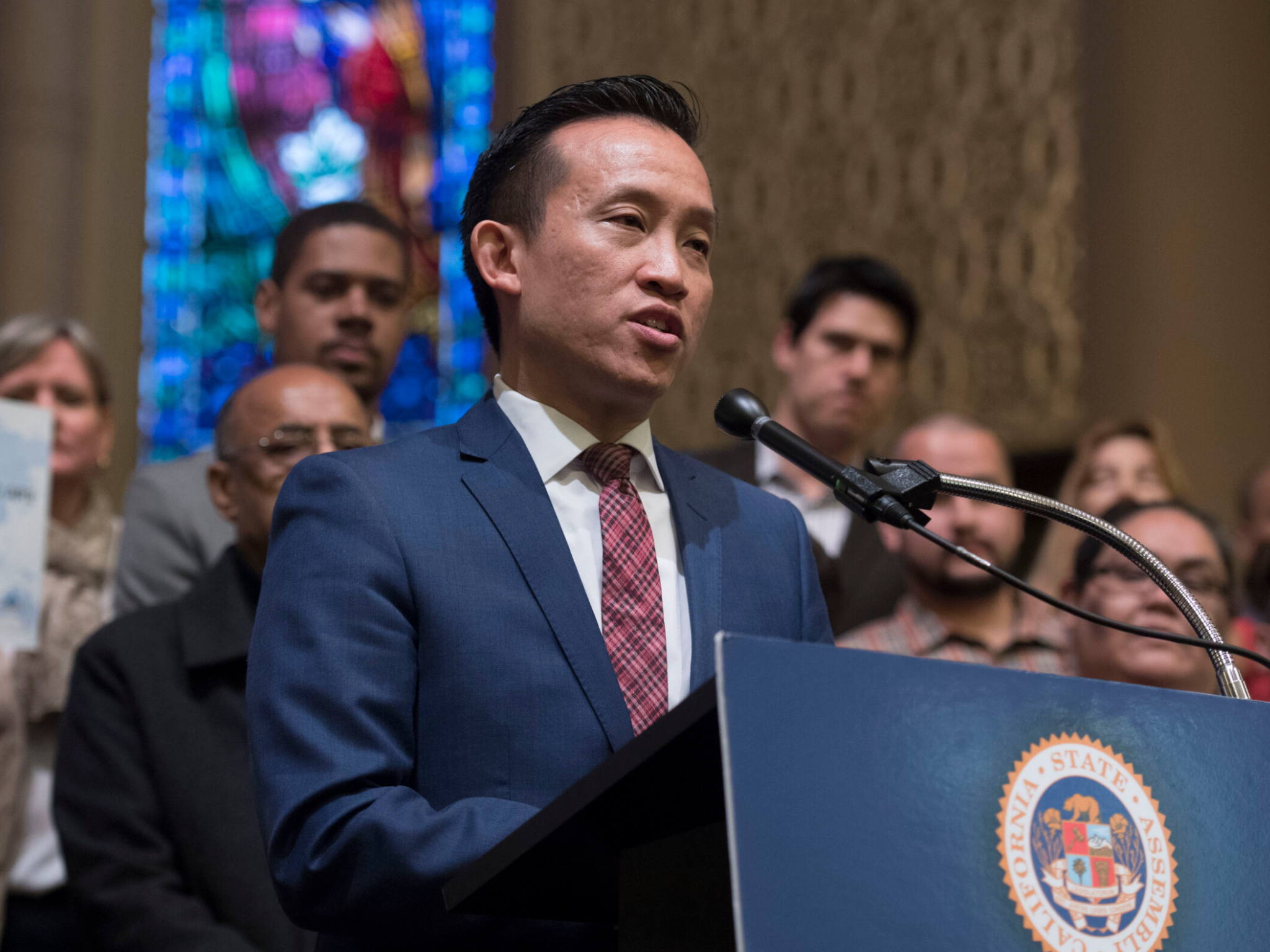
San Francisco has filed the first government-led lawsuit against ultra-processed food manufacturers in the US, an issue with rare bipartisan support.
The battle against ultra-processed foods (UPFs) has reached a new level, with 10 of America’s largest food companies now facing a lawsuit by the city of San Francisco.
Filed in the San Francisco Superior Court on behalf of the state of California, the complaint accuses the makers of Oreos, Doritos, Slim Jims and Coke of creating a public health crisis by knowingly making their products addictive and using tobacco-industry-style marketing tactics.
It’s the country’s first government lawsuit over UPFs, which have been linked to a wide range of health conditions, though many experts say the lack of a clear definition convolutes the category, unfairly pitting healthy products with junk foods.
The lawsuit alleges that companies knew their products made people sick and continued to manufacture and sell them anyway. It seeks unspecified damages to help local governments offset the costs of treating residents harmed by UPFs, and asks the defendants to course-correct and lower the health implications of their practices.
The firms facing the lawsuit are the Kraft Heinz Company, Mondelēz International, Post Holdings, the Coca-Cola Company, PepsiCo, General Mills, Nestlé, Kellogg, Mars, and Conagra Brands.
“These companies engineered a public health crisis, they profited handsomely, and now they need to take responsibility for the harm they have caused,” city attorney David Chiu, who filed the lawsuit, said in a statement.
Food companies knowingly harming Americans, claims lawsuit
The UPF category first emerged as the bottom rung of the Nova classification developed by Brazilian researchers in 2009, which described them as foods made with industrial formulations and techniques or containing cosmetic additives thought to be of little culinary use.
Today, they make up 70% of the American food supply, and 55% of its calorie consumption. Research suggests that UPFs raise the risk of developing dozens of health ailments, as well as early death. And last month, the largest review of its kind globally linked these products to harm in every major organ system of the human body.
Interest in UPFs has spiked in recent months, thanks in large part to health secretary Robert F Kennedy Jr, who has been an outspoken critic of these foods and blamed them for the national public health crisis, dedicating an entire section to the issue in his MAHA Report.
According to the city of San Francisco, the health concerns around UPFs don’t just stem from the amount of calories, salt, fat or sugar consumed. Instead, it argues that the “high levels of processing” alter the physical and chemical structure of foods, and how humans digest them. “They took food and made it unrecognisable and harmful to the human body,” said Chiu.
The complaint harks back to a meeting between Big Food executives in 1999, where they warned their companies had gone too far in engineering and marketing UPFs for maximum consumption, with annual healthcare costs surpassing $100B due to these efforts.
That presentation was ill-received by many executives, according to San Francisco, which blamed the industry for knowingly making people sick through targeted marketing towards children and making increasingly addictive products with little nutritional value.
“San Franciscans deserve transparency, real accountability, and a food system that prioritises health instead of corporate profit,” said Shamann Walton, a member of the city’s board of supervisors. “I am also introducing a resolution to examine how ultra-processed foods show up in our own city departments, so we can begin to address the harm at its source and ensure our city is leading by example.”
UPF makers accused of leveraging tobacco playbook
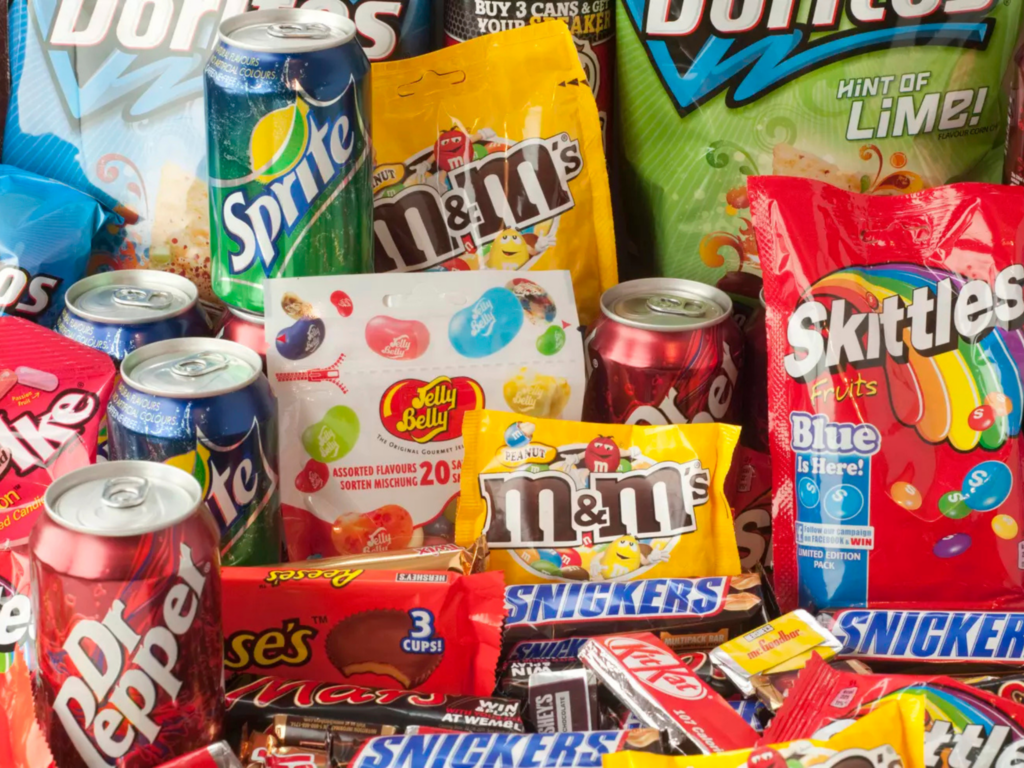
According to the city government, the food industry is taking a leaf out of the Big Tobacco playbook, citing Phillip Morris and RJ Reynolds’s acquisitions of food manufacturers that have become the modern-day Kraft Heinz and Mondelēz International.
The complaint compares UPFs to “tobacco and illegal drugs” in terms of their addictive nature. “Big Food was, and still is, using the deceitful tactics it inherited from the Big Tobacco industry to flood the market with harmful UPF products and to aggressively sell those products to children,” it reads.
It added that the defendants’ marketing campaigns disproportionately impacted Black children, who “are targeted with 70% more UPF ads than their white counterparts”.
It’s not the first lawsuit using the tobacco argument against UPF manufacturers. Last year, an 18-year-old man from Pennsylvania – represented by the same attorneys as San Francisco – sued many of the same companies for allegedly causing illnesses in kids with addictive UPFs.
That effort was dismissed by a federal judge in Pennsylvania in August, who said the plaintiff had failed to connect specific products to his health conditions. And although his attorneys have asked the judge to reconsider the ruling, this is a roadblock that many similar claims may face.
So it remains to be seen if San Francisco’s effort will be more fruitful. The city attorney’s office does have a record of winning against big companies on public health matters, including tobacco and opioid manufacturers and distributors.
Anti-UPF efforts see bipartisan support

The lawsuit reflects the public mood around UPFs. A recent survey found that 72% of Americans are trying to avoid these products in their diets, with 79% agreeing that they’re a “significant threat” to public health.
It’s an issue that has won support from across the aisle, a rarity in recent times. “Many of the perspectives of this administration are not backed by science, but this is different,” Chiu told the New York Times about his alignment with RFK Jr on UPFs. “Even a broken clock is right twice a day.”
San Francisco’s lawsuit comes months after California Governor Gavin Newsom passed a bipartisan bill that provides a statutory definition of UPFs and lays a foundation for banning them from schools. IN fact, several other states have imposed restrictions on UPFs, including Arizona, Texas, Louisiana, and West Virginia.
In response to the legal action, the Consumer Brands Association, which represents all defendants barring Mars, raised concerns about the lack of a concrete definition of UPFs.
“Attempting to classify foods as unhealthy simply because they are processed, or demonising food by ignoring its full nutrient content, misleads consumers and exacerbates health disparities,” said Sarah Gallo, its senior VP of product policy.
On that note, the US Food and Drug Administration is working to develop a definition of UPFs, and a citizen petition by the agency’s former commissioner, David Kessler, has asked it to revoke the food safety status of certain UPFs.
The post San Francisco Sues 10 Companies Over Ultra-Processed Foods – Will It Succeed? appeared first on Green Queen.
This post was originally published on Green Queen.