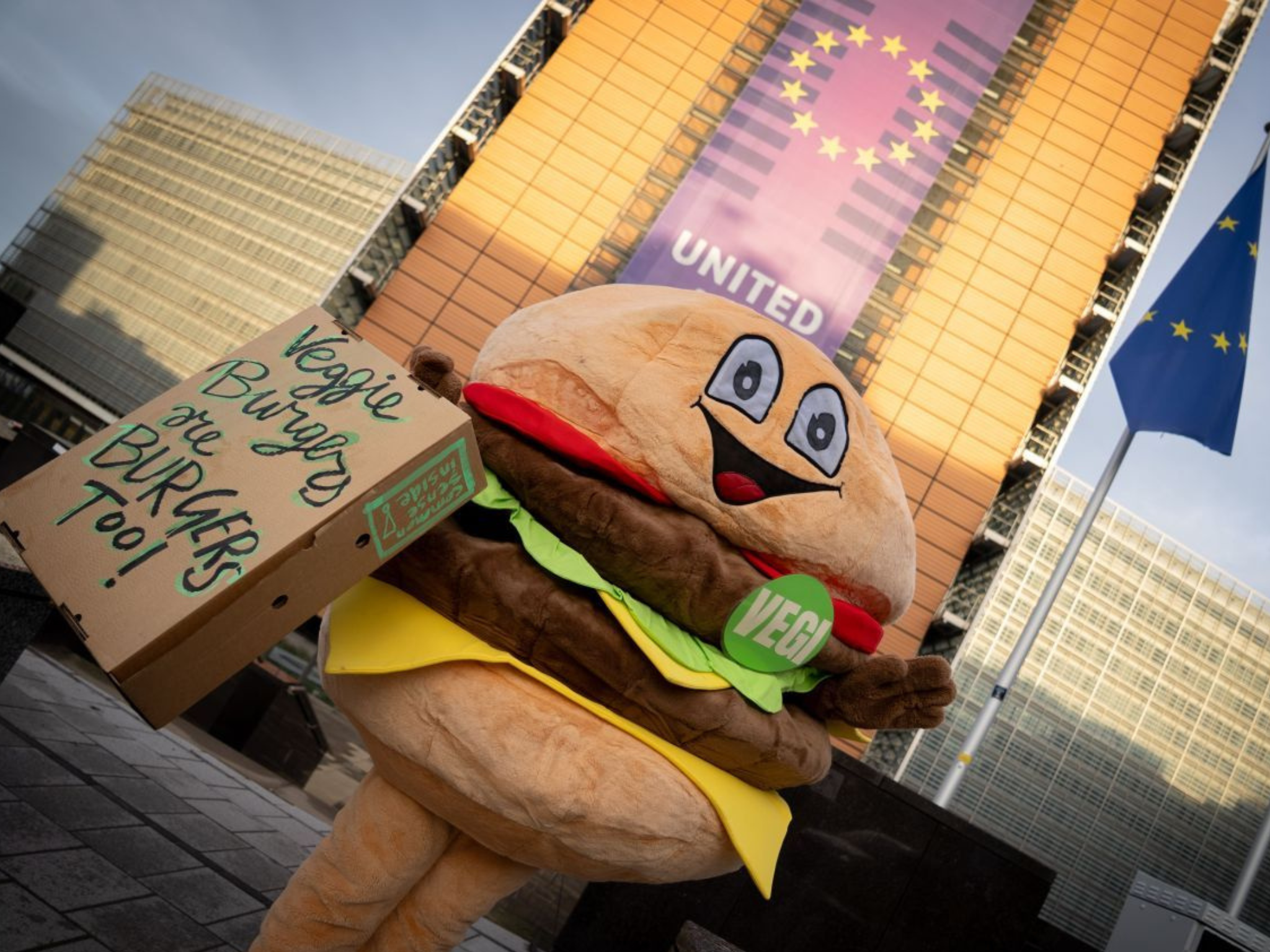
The European Union has failed to reach an agreement over the highly contentious plant-based meat labelling ban, with negotiations now delayed to 2026.
Veggie burgers can stay in the EU – for now.
After intensive talks in Brussels, the EU Parliament and its 27 member states couldn’t agree on the proposal to ban the use of meat-like terms on plant-based product labels.
The file will now move to Cyprus’s presidency of the EU in the first half of 2026, giving advocacy groups more time to campaign against the ban.
The decision comes after months of negotiations in the bloc, sparked by a review of the Common Market Organisation (CMO) regulation in July. The proposal sought to prohibit plant-based food producers from using 29 words, including ‘bacon’ and ‘steak’, across the EU, with a knock-on effect in the UK.
Many EU policymakers, supermarkets, food producers, restaurants, and consumers have spoken out against the move, with nearly 340,000 signatures collected by multiple petitions urging the EU to reject the proposal. Even celebrities like Sir Paul McCartney and his daughters, Mary and Stella, joined these calls.
While the postponement is welcome news for manufacturers of meat alternatives, who will be spared from spending significant sums on redesigning their packaging and marketing, some have rued the debate’s impact on delaying a better deal for farmers.
Anna Strolenberg, a Dutch MEP and member of the Greens/European Free Alliance, has been an outspoken critic of the ban, calling it a “waste of everybody’s time”.
Speaking after the trilogue negotiations between the EU Council, Parliament and Commission, she said: “We regret that we couldn’t agree today. Farmers’ protests asking for better incomes were more than one-and-a-half years ago. It’s frustrating that we keep losing time on a proposition of a veggie burger ban. But at least it’s good that this was not traded for weaker contracts.”
Rafael Pinto, senior policy manager at the European Vegetarian Union, added: “The fact that an agreement couldn’t be reached shows how political and legally complex this subject is. The repercussions and unintended consequences for consumers, farmers, small businesses and the whole food chain were not taken into account.
“The translation of all these words alone, to all EU languages and across regions could significantly impact the single market. The proposal could lead to several court cases across the EU as well as different levels of enforcement by different member states.”
Consumers are not confused by plant-based meat labels
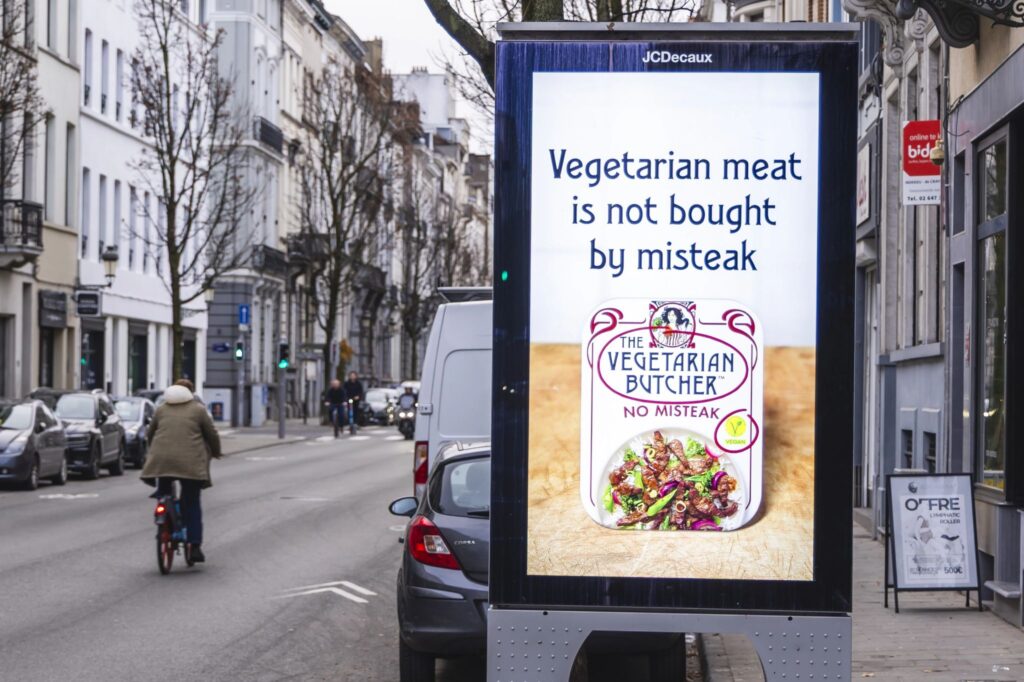
The proposal was brought by French lawmaker Céline Imart, a Parliamentary rapporteur and member of the centre-right EPP party, looking to overturn the Parliament’s 2020 decision against a ban on plant-based meat labels.
“A steak is not just a shape,” she told Politico last month. “People have eaten meat since the Neolithic. These names carry heritage. They belong to farmers.”
In September, the EU Parliament’s 49-member agriculture committee voted to move ahead with the ban, a decision replicated by MEPs in a plenary session with a 355–247 vote a month later. It moved the proposal forward to be discussed in the trilogue negotiations today.
One of the main reasons cited by supporters of the ban is that labelling meat-free products the same way as meat would confuse EU citizens. However, a host of studies have debunked that idea.
In a large survey by the European Consumer Organisation in 2020, 80% of people said plant-based meat should be allowed to use such terms. In the 2023 Smart Protein survey, only 9% of citizens from nine member states said they didn’t recognise plant-based meat alternatives.
And in a 20,000-person poll last month, 96% of Dutch consumers said a veggie sausage is, well, a veggie sausage. Moreover, nearly 70% opposed a labelling ban on plant-based meat products, and 63% didn’t think it was important to create regulations on this matter.
“We welcome the decision to postpone the discussion and hope an impact assessment is called by the legislators in the meantime,” said Pinto. “We’ll keep working to bring facts, data and common sense to the upcoming negotiations”
‘Veggie burger’ ban opposed by consumers, businesses and lawmakers alike
The ‘veggie burger’ debate, as it has come to be known, has been brewing for nearly a decade in the EU. Last year, the European Court of Justice (ECJ) ruled that no member state can prohibit companies from using these terms on vegan product labels, warning that it could create more confusion for consumers.
It noted that such bans can be implemented only if a member state legally defines meat products and descriptive terms first (a lengthy and complex process), and even then, such a ban would only apply to products manufactured within that country. The only other option would be an EU-level ban.
That’s the approach Imart had taken, though, with no agreement reached, it is unclear exactly when the negotiations will resume.
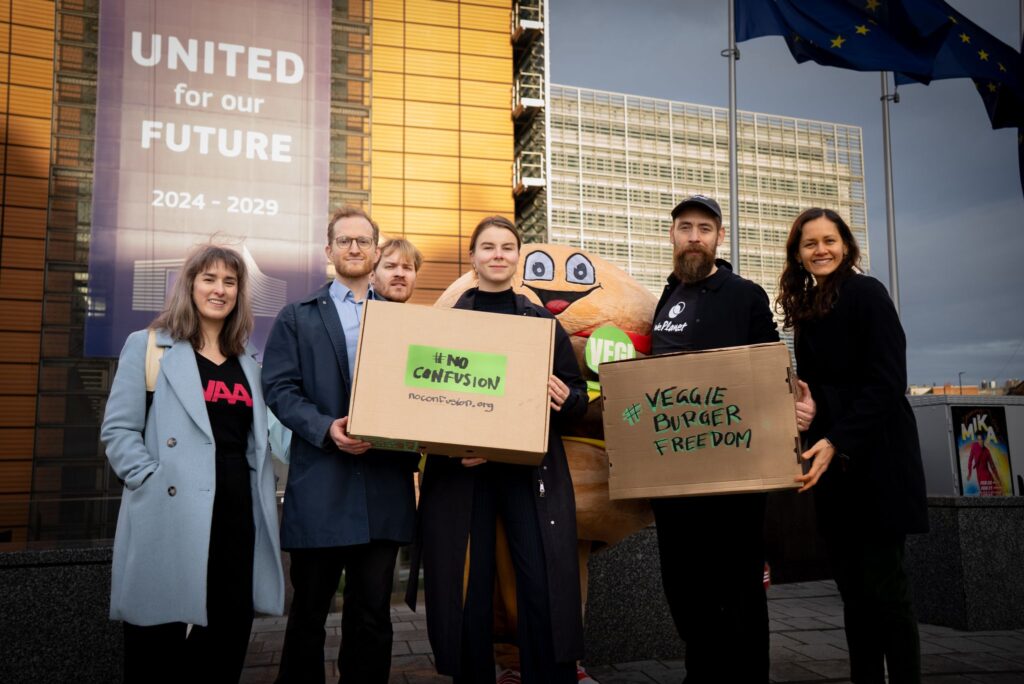
“We ask the incoming presidency of Cyprus to focus on the essential element and negotiate this file within the scope of strengthening contracts,” said Strolenberg, who yesterday delivered a symbolic petition to the Commission, highlighting the hundreds of thousands of citizen signatures and an open letter signed by over 600 companies and organisations in opposition to the proposed ban.
It’s a sentiment echoed by many lawmakers across Europe, including Manfred Weber, head of the EPP itself, who called the ban unnecessary, telling reporters: “People are not stupid, consumers are not stupid when they go to the supermarket and buy their products.”
In the UK, a group of eight MPs published an open letter urging the EU to reject the proposal, which would affect the British market thanks to a recently signed trade agreement. “Clear labelling, not unnecessary terminology bans, is the best approach for consumers, producers, and the future of sustainable European food systems,” they stated.
So, for the time being, plant-based meat can still be called plant-based meat in the world’s largest market for plant-based meat. Can the pressure from consumers, businesses and politicians convince the EU to throw out the proposal for good?
The post EU Fails to Reach Agreement on ‘Veggie Burger’ Ban, With Decision Pushed to 2026 appeared first on Green Queen.
This post was originally published on Green Queen.