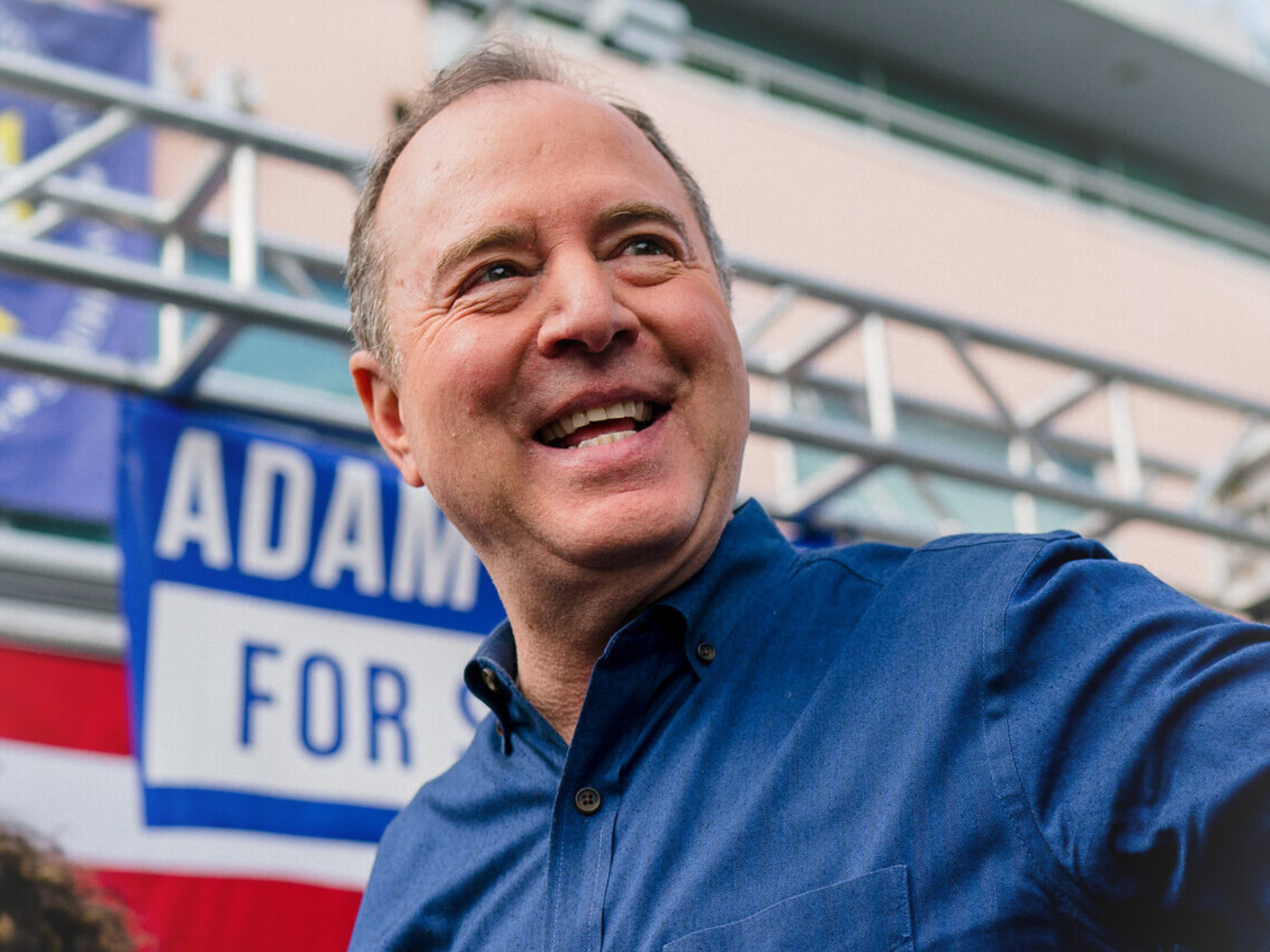
US Senator Adam Schiff has introduced a new bill to allocate over $500M in federal R&D funding and create a national strategy for alternative proteins.
A new bill calls on the US government to develop a national protein diversification strategy and deploy more than $500M in R&D funding for plant-based, fermentation-derived and cell-cultivated foods.
The Producing Real Opportunities for Technology and Entrepreneurs Investing in Nutrition (PROTEIN) Act, introduced by California Senator Adam Schiff, will seek federal support for alternative proteins over the next five years to “strengthen national security, improve supply chain resilience, and lower the risk of bioterrorism”.
“Right now in America, it seems all anyone can talk about is protein, but the exploding demand for it is not something our current food system will be able to meet,” Schiff said in a statement, first reported by Civil Eats.
How the government will fund alternative proteins under the PROTEIN Act
Endorsed by advocacy groups like the Good Food Institute (GFI), Food Solutions Action, and the Plant Based Foods Institute, the legislation states that diversifying America’s protein sources will increase domestic supply chain resilience, lower reliance on foreign commodities, and provide more choices to consumers.
The bill asks the US Department of Agriculture (USDA) to create three Centers of Excellence for Food and Agricultural Innovation at existing R&D hubs around the country, which would benefit from $15M in annual funding through to 2030.
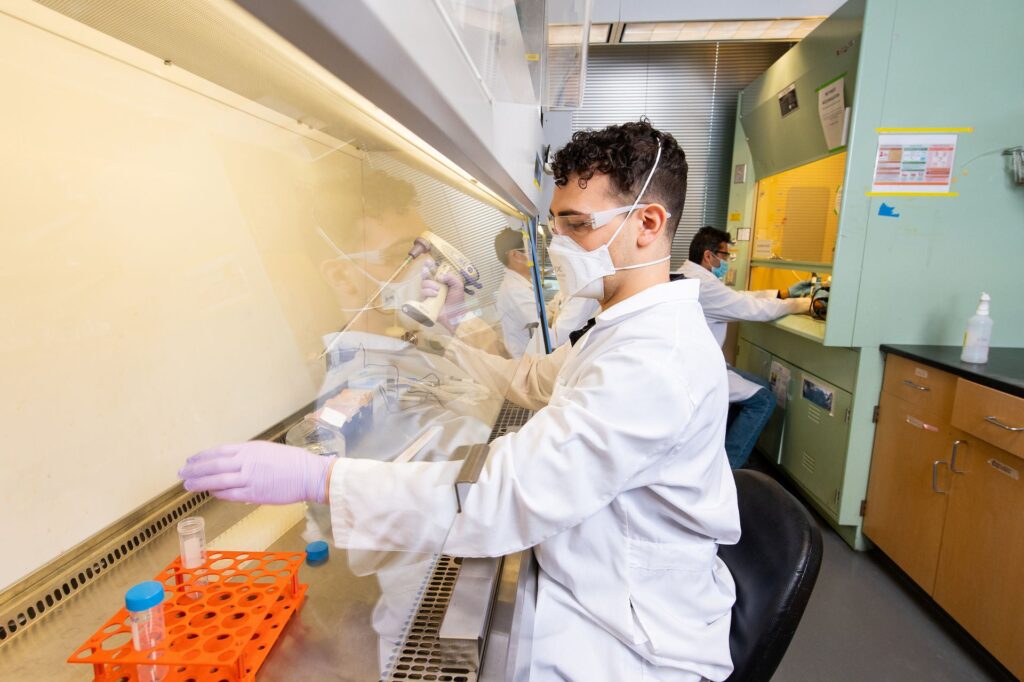
These facilities would focus on R&D to support the quality, production and cost efficacy of alternative proteins and fats, as well as carry out training and education programmes for students to work in future food industries.
Moreover, the PROTEIN Act would create a national protein security programme under the USDA’s Agriculture Research Service, which would increase rural prosperity and farmer profits. This scheme would be supported by $10M in annual funding, focusing on bioprocessing, biomanufacturing, and converting under-utilised biomass into high-value ingredients.
The legislation directs the USDA to set up a grant programme to ensure the US’s biomanufacturing capabilities can meet global protein demand. These funds could be deployed to US-based non-profits, private companies, state governments, national labs, and universities.
Grantees can use the capital to carry out demonstration projects or bioprocessing of edible proteins and fats at scale, construct commercial-scale biomanufacturing facilities, and retrofit or expand existing sites for these purposes. Each grant needs to be worth at least $10M, with the USDA asked to invest $50M in this initiative every year through 2030.
Additionally, the bill would enable the establishment of a separate competitive grant programme for workforce development in the alternative protein sector, with $25M in funding each year.
Recipients can use the money to upskill employees on biomanufacturing processes and establish training centres, provide higher-education scholarships for students to pursue careers in this field, conduct local economic development planning to ramp up biomanufacturing, provide technical assistance to gain regulatory compliance, and facilitate investment and loan opportunities.
Bill calls for national alternative protein strategy
Aside from the funding measures, the PROTEIN Act calls for a national protein security plan that considers the best available science about protein diversification and its strategic benefits, which include national security, agricultural opportunities, supply chain resilience, and future economic productivity.
When devising this strategy, the government must take into account existing federal and state policies that fund open-access R&D at educational and government institutes, incentivise private sector R&D, support farmers who produce crops and feedstocks for protein diversification, and pose as a barrier for the scale-up and regulatory progress of alternative proteins.
The national alternative protein strategy – reminiscent of measures introduced by Denmark and the UK – would use a “whole-of-government approach” to ensure the US’s biomanufacturing leadership. It will include objectives to fulfil intra-agency coordination, identify barriers to achieve these goals (and their solutions), and a plan to implement the strategy.
The PROTEIN Act also explicitly states that none of its provisions should support the production of insect protein or animal feed. Representative Julia Brownley, another Democrat from California, will introduce a companion measure in the House.
But the bill is expected to face pushback from the livestock industry, which spends millions lobbying the government each year, and has floated several attacks on alternative proteins over the years. Pressure from these groups led the Department of Defense to withdraw a call for funding applications to develop cultivated meat for military rations last year.
That said, some alternative protein policies are finding success. The FISCAL Act, which aims to expand access to plant-based milk in the school lunch programme, has been passed by both chambers of Congress, with President Donald Trump expected to sign it into law.
“Investing in protein innovation, which is already supporting thousands of jobs in California and across the US, will help us meet those needs, while investing in a climate-friendly food system and positioning the US as a global leader in a growing market that will create new revenue opportunities for American producers,” said Schiff.
The post US Senator Adam Schiff Floats Bill to Fund National Alternative Protein Strategy appeared first on Green Queen.
This post was originally published on Green Queen.