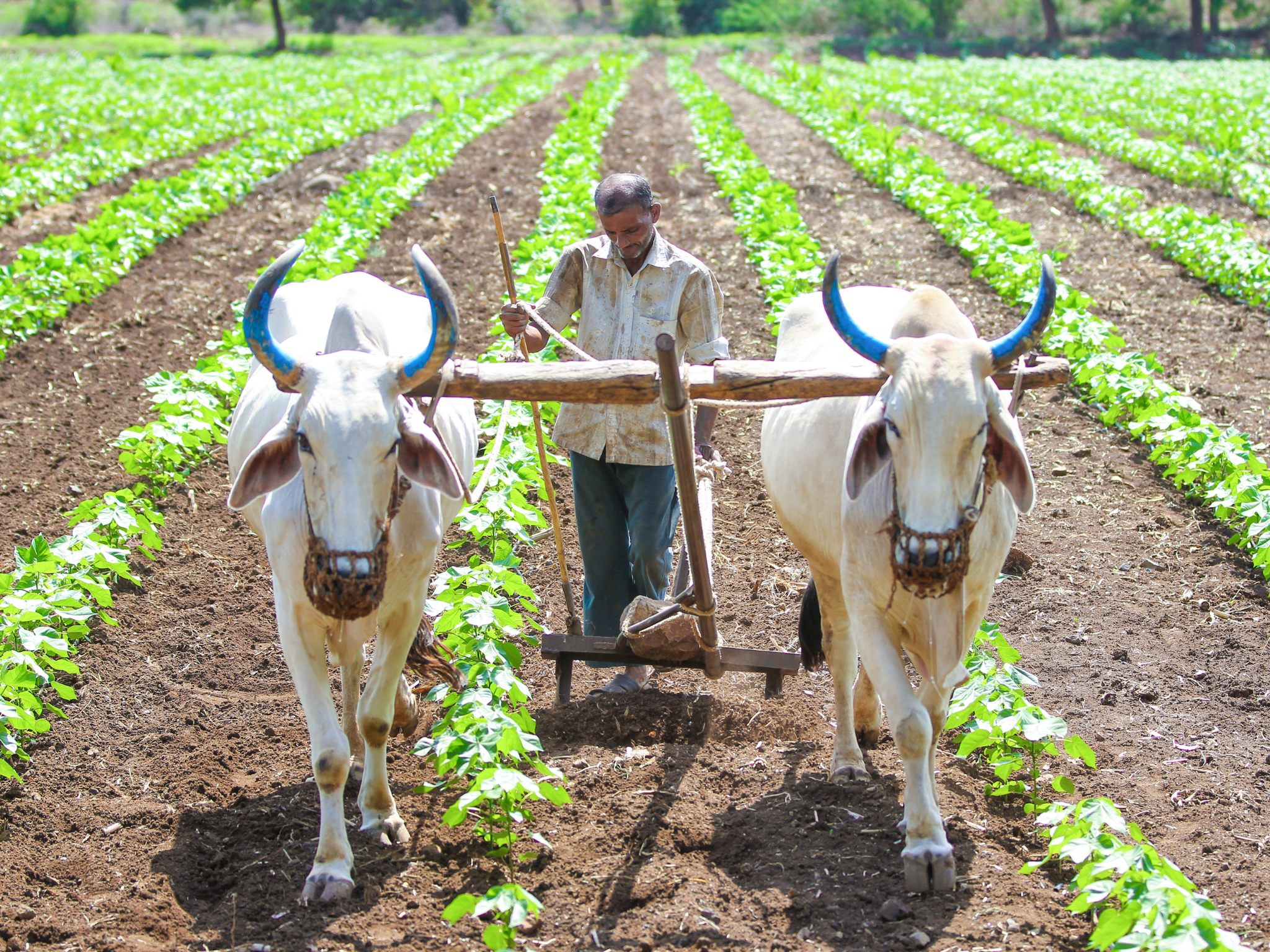
With livestock emissions a leading cause of climate change, a new sustainability challenge seeks to connect breakthrough innovators with a leading retail network to drive decarbonisation in Asia.
Sustainability startups from around the world will have the chance to help decarbonise the cattle industry in the world’s largest continent.
Born out of a collaboration between retail network DFI Group and collaborative green tech hub The Mills Fabrica, the DFI Sustainability Innovation Challenge is searching for breakthrough ideas to create a more sustainable future for the beef and dairy industries.
“In addressing Scope 3 emissions, we are prioritising four key commodities – rice, beef, dairy, and coffee,” Scott Price, CEO of DFI Retail Group. “In the beef and dairy categories, our collaboration with The Mills Fabrica reflects our commitment to fostering cross-sector innovation and accelerating the adoption of advanced technologies to drive decarbonisation efforts.”
The competition calls for innovations that address emissions, circularity, and sustainable practices across production, processing, and distribution, without compromising animal health and productivity, raising costs, or hurting farmer incomes.
Applications for the challenge are open until March 2026. They will then be screened over two months, with the finalists announced in early May, who will pitch their solutions at an event in Hong Kong in June.
Why Asia’s livestock industry needs climate solutions
Globally, animal agriculture is responsible for up to a fifth of all emissions, while taking up 80% of the planet’s farmland and 70% of its freshwater resources. According to the UN FAO, Asia is home to over 40% of the world’s livestock.
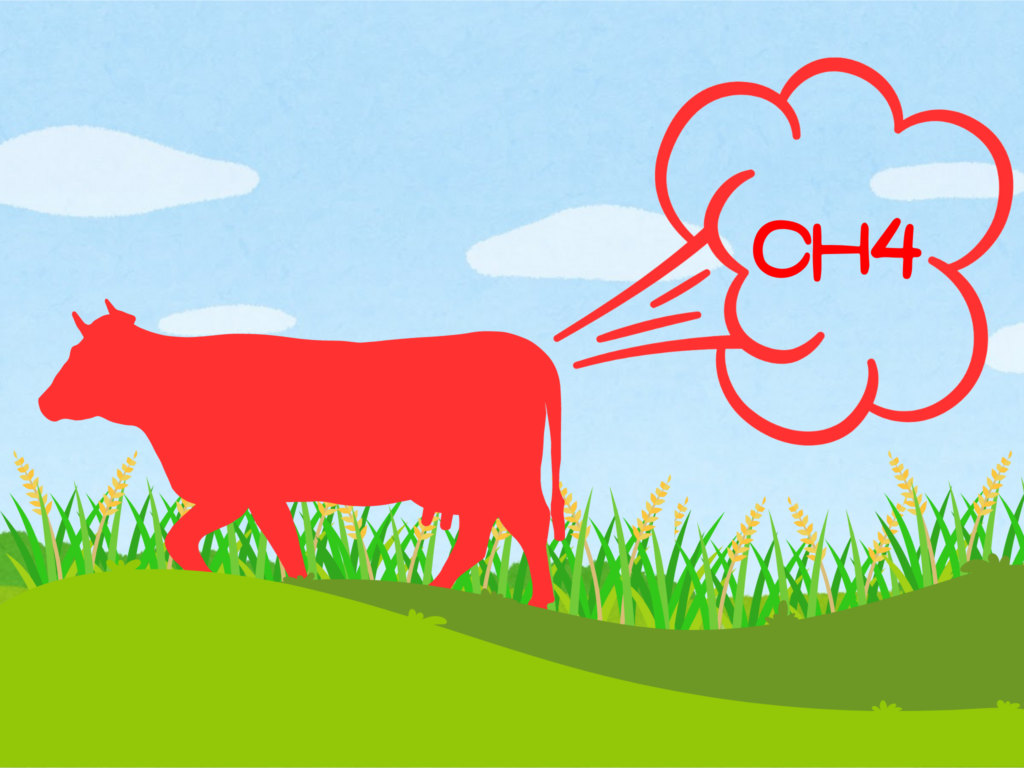
Cattle are the chief culprit of the industry’s climate impact, thanks in large part to their methane output. They are ruminant animals with specialised digestive systems that allow them to digest foods that humans and most other animals can’t. When food enters their stomach, microbes and bacteria break down the particles, which ferment in a part of the stomach called the rumen and produce methane.
Every time cows belch or flatulate, they emit methane into the atmosphere. Methane is 86 times more potent than carbon over a 20-year period. In fact, if we removed the warming effects of methane, the greenhouse gas footprint of beef production would be halved.
New research by the FAO shows that Asia is home to the largest share of agrifood emissions (43% of the global total), which have increased by 53% between 2021 and 2023.
With Asia’s appetite for meat set to rise by 78% by 2050, there is a critical need to mitigate the livestock sector’s impact on the environment. We simply don’t have enough land to meet this demand, and the rise in emissions is already hampering livestock productivity and raising meat prices.
In response, the DFI Sustainability Innovation Challenge aims to fast-track practical and scalable solutions that can significantly lower emissions from beef and dairy production. It seeks to bridge the gap between successful pilot projects and widespread commercial adoption, a common obstacle for climate tech solutions.
These projects could span multiple categories, from monitoring and data technologies that optimise emissions cuts, to novel farm practices that reduce emissions. Other areas of innovation include feed additives that curb methane formation, breeding strategies that lower emissions or improve productivity, or microbial interventions that target methane-producing pathways.
How the sustanability solutions will be judged
There are three broad criteria that judges will assess the applications on. The first is innovation, with the solution needing to show significant potential for integration with existing systems and technologies. Companies should have developed a prototype or piloted the solution with success, with emphasis placed on the novelty of ideas, advanced technologies, and effective problem-solving capabilities.
Scalability is crucial, too. Startups need to prove that their solution is commercially viable for farmers or participating organisations, and demonstrate the potential for market growth, operational capacity for larger implementation, and a clear growth strategy.
Finally, sustainability should be at the heart of the innovations. Companies must exhibit clear climate, social, and economic impacts, and their projects should minimise environmental harm, promote social equity, and present a viable long-term business model.
The winner will be offered a prize of HK$120,000 to further develop their solutions, and benefit from mentorship, networking and global exposure through The Mills Fabrica’s and DFI’s ecosystems. They will also be able to explore potential partnership opportunities with the latter, which operates over 7,400 stores and employs 81,000 people across Asia.
Do techno-fixes work?
Techno-fixes like feed additives and vaccines, alongside practices like improved manure management and rotational grazing, have been touted as ways to cut the methane impact of cattle, although studies have warned against the viability or efficacy of some of these solutions.
For instance, selective breeding could work, but currently takes too long for it to make an immediate difference. Feed additives’ effectiveness has often been vastly overstated, and cost constraints and the need to administer them daily confine this solution to affluent countries, making it unfeasible for the majority of global livestock. Still, climate action organisation Project Drawdown has identified it as a solution to watch.
Though the jury on these innovations is out, there is one surefire path to curbing livestock emissions: a just transition to alternative proteins, whether they’re plant-based, fermentation-derived, or cell-cultured. One report suggests that half of Asia’s protein supply must come from these sources by 2060 if it is to decarbonise.
“This initiative with DFI is built on a shared vision: to move beyond simply identifying problems to actively building solutions. For over seven years, we have supported dozens of clean tech developments emerging globally, such as innovative animal feed, alternative proteins, and smart farming practices,” said Vanessa Cheung, founder of The Mills Fabrica.
“Through the programme, we will leverage our global network to scout promising innovators, while DFI provides a crucial real-world pathway to scale impact in Asia’s vast supply chains,” she added.
The post New Competition Seeks Breakthrough Solutions to Decarbonise Asia’s Beef & Dairy Sector appeared first on Green Queen.
This post was originally published on Green Queen.