
A district judge has denied Texas’s motion to dismiss a lawsuit by two food tech startups over its ban on cultivated meat, allowing the case to move forward.
Four months after Upside Foods and Wildtype sued Texas for its ban on cultivated meat, a judge has rejected the state’s attempt to dismiss the complaint.
Judge Alan Albright, who sits in the United States District Court for the Western District of Texas, has allowed the case to proceed under the plaintiffs’ dormant Commerce Clause claim. Under this law, the federal government has exclusive power to regulate interstate commerce, and states have limited power to interfere.
Working with the Institute for Justice, Upside Foods and Wildtype argue that Texas’s ban violates this clause, since both companies have been approved to sell their cultivated proteins by federal food safety agencies.
“We’re grateful the court is allowing this case to move forward,” said Justin Kolbeck, co-founder and CEO of Wildtype. “Texans should be free to choose what they eat – and to decide for themselves whether they want cultivated meat on the menu.”
At the hearing on Friday, the judge also denied the companies’ request for a preliminary injunction that would have allowed them to sell their products in Texas during the case, meaning the ban remains in effect for now.
Texas’s cultivated meat ban detrimental to out-of-state innovators
The Institute of Justice filed its complaint on behalf of the two companies in September, a day after Texas’s ban came into effect.
Texas is the top producer of meat in the US, and the industry is the state’s third-largest economic generator. The anti-cultivated-meat legislation was backed by cattle ranchers and has widely been seen as a protectionist measure to safeguard their interests.
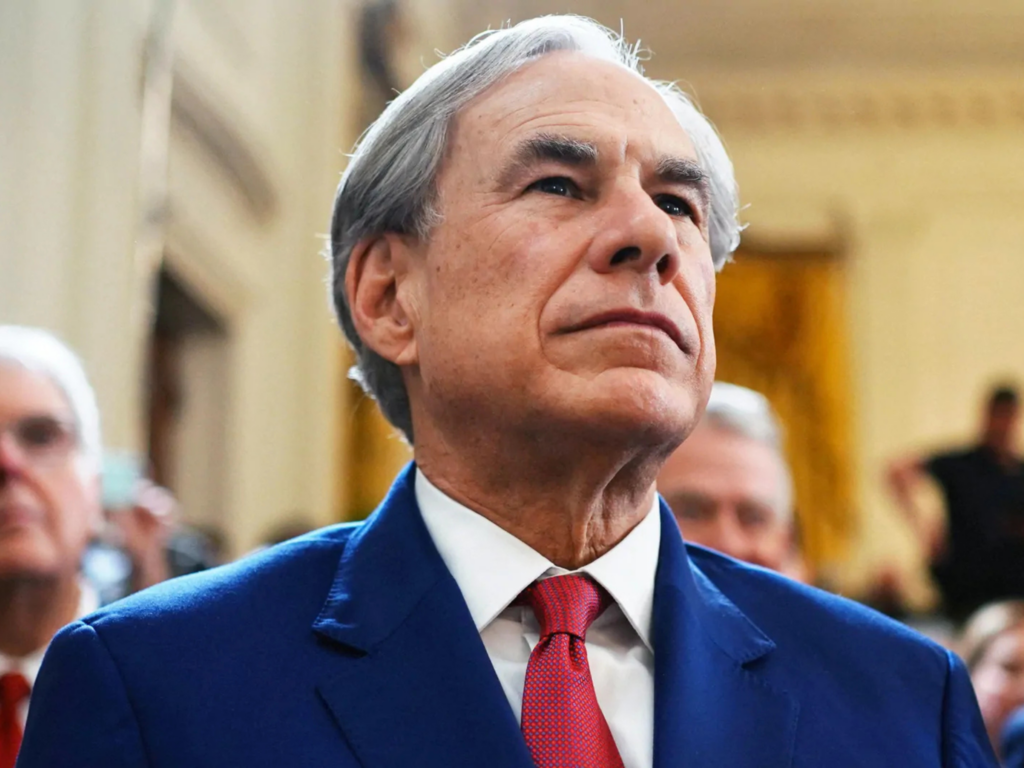
Governor Greg Abbott signed SB 261 into law in June, authorising a two-year ban on the production, sale and marketing of cultivated meat within state borders. Those found violating the law could face an administrative fine of up to $25,000 per day, a civil penalty of up to $25,000 per day, and up to one year in jail for a first offence.
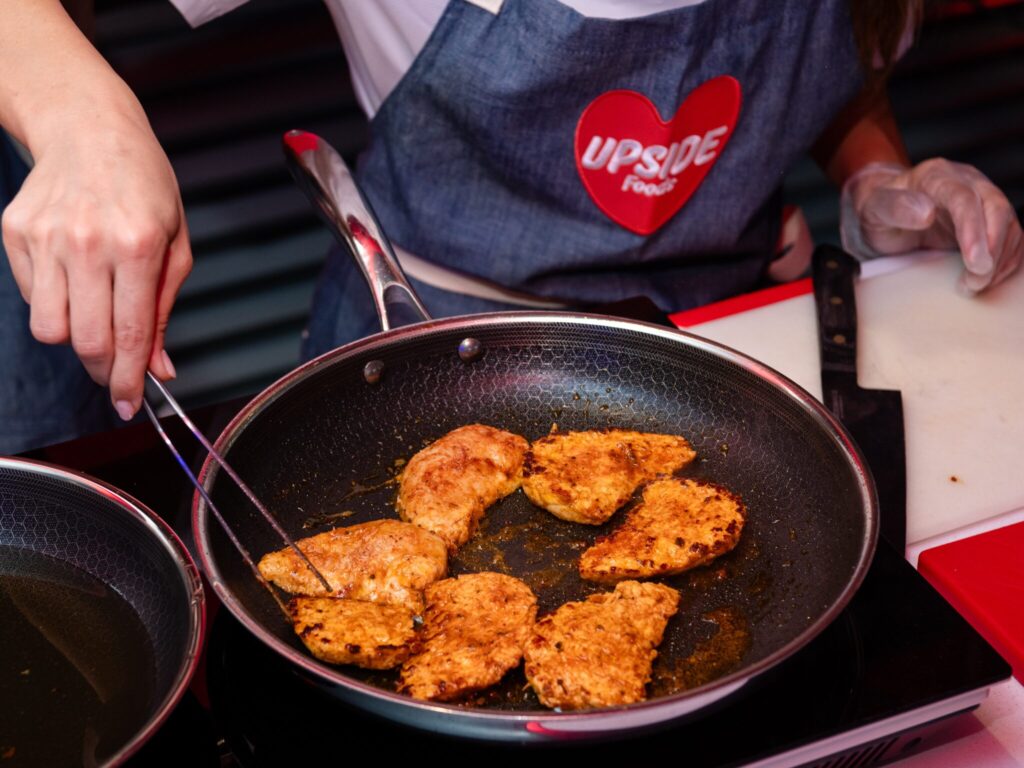
That hurt the businesses of food tech startups like the plaintiffs, both of which had already given Texans a taste of their products. Upside Foods sold limited amounts of its first chicken product at a “well-attended private event” during the 2024 South by Southwest conference in Austin.
And Wildtype debuted its cultivated salmon at Otoko, an omakase restaurant in Austin. “Following our launch in July, we had planned to build on our momentum in Austin by making Wildtype available to a number of seafood restaurants across Texas, including in Dallas and Houston, but this bill closed those markets to us,” Kolbeck told Green Queen in September.
This is why the two companies decided to sue, alleging that the state was violating the Commerce and Supremacy Clauses of the US Constitution. Albright has now ruled that the case can move forward under the first claim.
The Commerce Clause was designed to prohibit economic protectionism that benefits in-state interests. “Texas is trying to use government power to pick winners and losers in the marketplace, favouring in-state agriculture to the detriment of innovative, out-of-state competitors,” said Paul Sherman, senior attorney at the Institute for Justice.
Texas’s cultivated meat lawsuit now moves to discovery
According to the Institute for Justice, its evidence shows that Texas’s lawmakers and powerful industry interests were focused on keeping new competition out and propping up conventional meat producers.
“The Constitution doesn’t allow states to wall off their markets just to protect politically powerful industries from out-of-state competition. Texans – not politicians – should decide what’s for dinner,” he added.
The case now heads into discovery and further litigation before the ban can be permanently overturned, the Institute for Justice said.
The outcome mirrors the lawsuit it filed against Florida’s cultivated meat ban, where it is also representing Upside Foods. This was the first state to outlaw these proteins, and last year, a judge denied four of the plaintiffs’ five motions – the one that he granted, however, was the claim that Florida was violating the Commerce Clause. This case is ongoing.
Apart from Florida and Texas, five other states have imposed a ban on cultivated meat: Alabama, Mississippi, Montana, Indiana, and Nebraska. Plenty more have tried to introduce similar measures unsuccessfully – although enthusiasm for these bans has renewed this year, with lawmakers in Virginia eyeing labelling restrictions on these proteins, and those in South Dakota looking for a 10-year ban.
Such laws have been widely denounced, including by the meat industry. The North American Meat Institute, for instance, has called them an example of “bad public policy”.
“These bills establish a precedent for adopting policies and regulatory requirements that could one day adversely affect the bills’ supporters,” it said, emphasising the importance of consumer choice.
“This is a safe, new way to produce real meat,” said Uma Valeti, co-founder and CEO of Upside Foods. “The government shouldn’t ban it just to shield entrenched interests from competition. We’re eager to bring our product to Texas and let people judge it with their own taste buds.”
The post Judge Deals Early Blow to Texas in Lawsuit Over Cultivated Meat Ban appeared first on Green Queen.
This post was originally published on Green Queen.