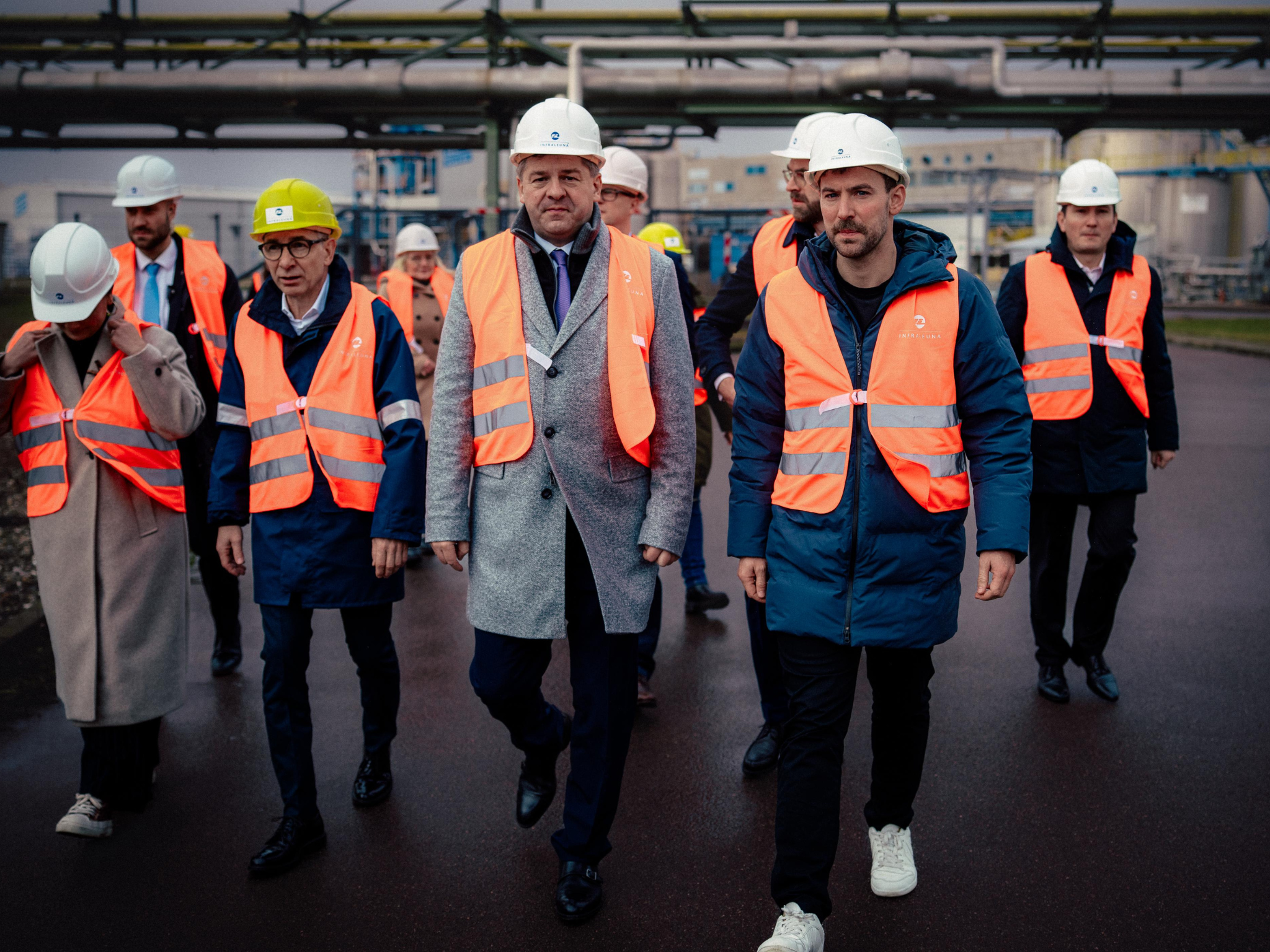
Fermentation startup MicroHarvest has received a €5.5M ($6.5M) grant from the German government to open an industrial-scale microbial protein plant in Leuna.
To take its waste-derived microbial proteins to the next level, Hamburg-based startup MicroHarvest is building its first industrial facility.
The biotech company, which ferments local agricultural waste to produce proteins, has selected Industriepark Leuna as the location for its upcoming plant, which will be able to churn out 15,000 tonnes of protein every year for use in pet food, human food, and aquaculture.
The move is supported by a €5.5M ($6.5M) grant from Germany’s federal funding programme for energy and resource efficiency in industry. The funds will help accelerate the scale-up of energy- and resource-efficient industrial biomanufacturing.
“This project is about strengthening European supply resilience by adding a new, scalable protein ingredient pathway that is independent of seasons and climate volatility,” said MicroHarvest co-founder and CEO Katelijne Bekers.
Proteins from waste and microbes in 24 hours
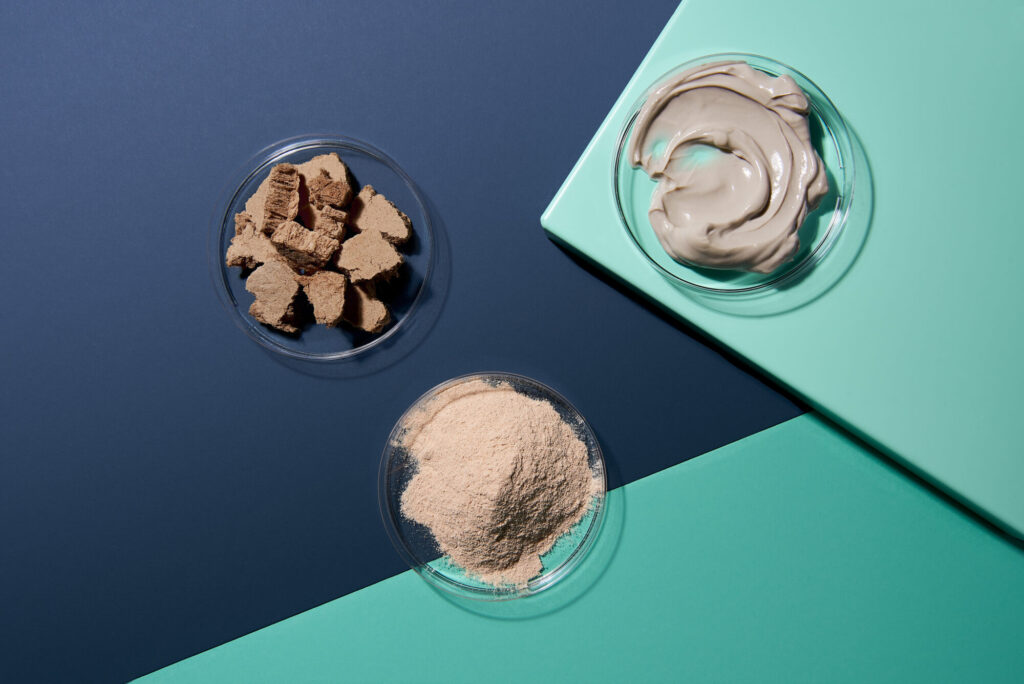
MicroHarvest makes a range of proteins for different industries, all based on a biomass fermentation process that takes just 24 hours.
The firm feeds microbes from the same bacteria found in kimchi, kefir and sauerkraut on agricultural waste. Once harvested from the bioreactor, this biomass goes through a heat treatment and is dried to produce a stable protein ingredient.
The resulting biomass has over 60% raw protein content, a complete amino acid profile, high digestibility, essential micronutrients, and an umami flavour that increases palatability.
Its MPX Care ingredient is designed for use in pet food, and palatability tests show that even selective small dogs consistently preferred food containing the microbial protein. They found that 58% of dogs chose a meal of MPX replacement formula kibble first over the reference, and ate 44% more of it too.
MPX Care has already appeared in several products over the last couple of years, including in UK brand The Pack’s oven-baked Gut Bites, and fellow German startup Vegdog’s dog and cat treats.
Its initial suite of products contains two innovations for aquaculture feed too. MPX Boost is a protein similar to MPX Care, while Hilix is made by treating cells before drying, and provides semi-essential nutrients.
Why MicroHarvest chose Leuna out of 40 other sites
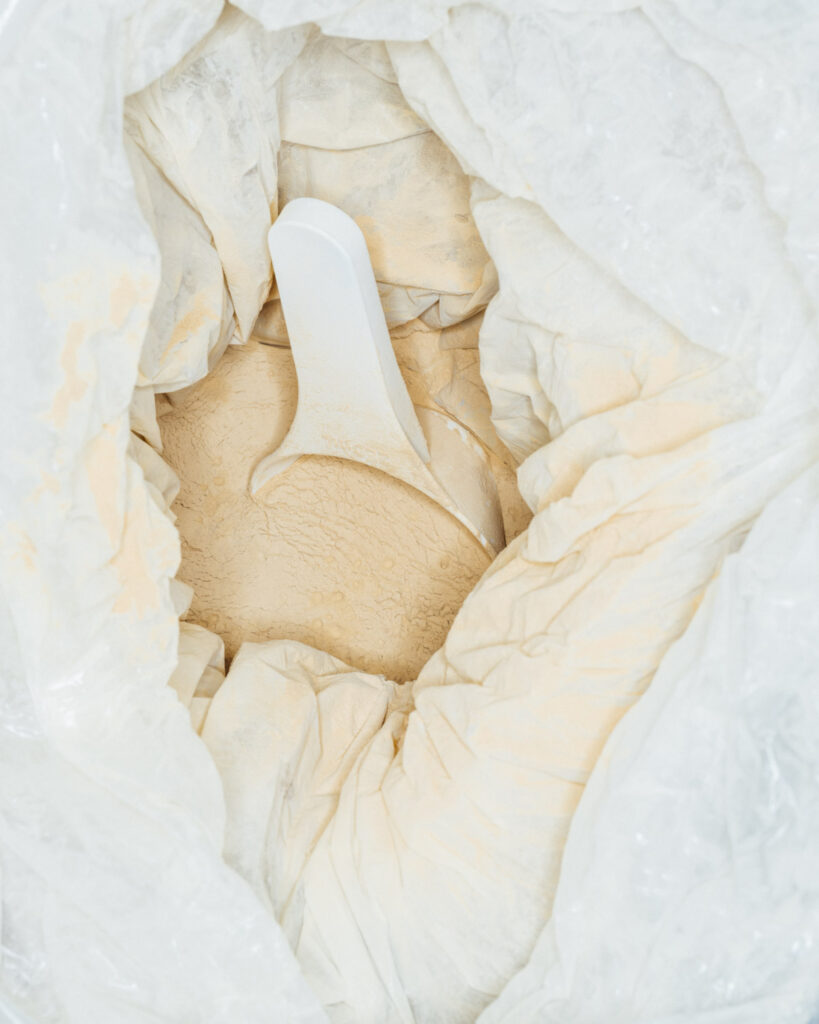
MicroHarvest plans to use molasses as its primary byproduct to feed microbes at its Leuna facility, which is expected to start production in two years. The company has already secured regional availability to support a short, local supply chain.
It selected Leuna after reviewing 40 sites across Europe, finding its strong regional feedstock proximity, high-quality industrial infrastructure and utilities, and well-established industrial cluster a winning recipe. “Our goal was to find a site where we can focus on our core biotechnology operations rather than rebuilding industrial basics from scratch,” said Jonathan Roberz, co-founder and COO of MicroHarvest.
“Leuna stood out clearly. The infrastructure quality, the utilities, and the surrounding agri-processing network create the conditions for rapid execution – exactly what you need when you’re scaling a fermentation-based production system,” he added.
MicroHarvest will work with Industriepark Leuna as the industrial park operator and utilities provider, and team up with regional agri-processing players for feedstock supply. The project is set to be supported by local and federal public stakeholders via permitting processes and investment incentives.
The company, which had raised over $10M from investors before this latest grant, is now witnessing strong demand visibility for its planned capacity and advancing discussions with both multinational customers and mid-sized white-label manufacturers.
“Selecting Leuna is a decisive step as we move from building the technology to building industrial capacity,” noted Bekers. “Leuna gives us the industrial backbone and the regional ecosystem to execute.”
The post German Govt Awards $6.5M to MicroHarvest to Open Large-Scale Microbial Protein Factory appeared first on Green Queen.
This post was originally published on Green Queen.