Category: Alt Protein

  • Nomoo burger
    3 Mins Read

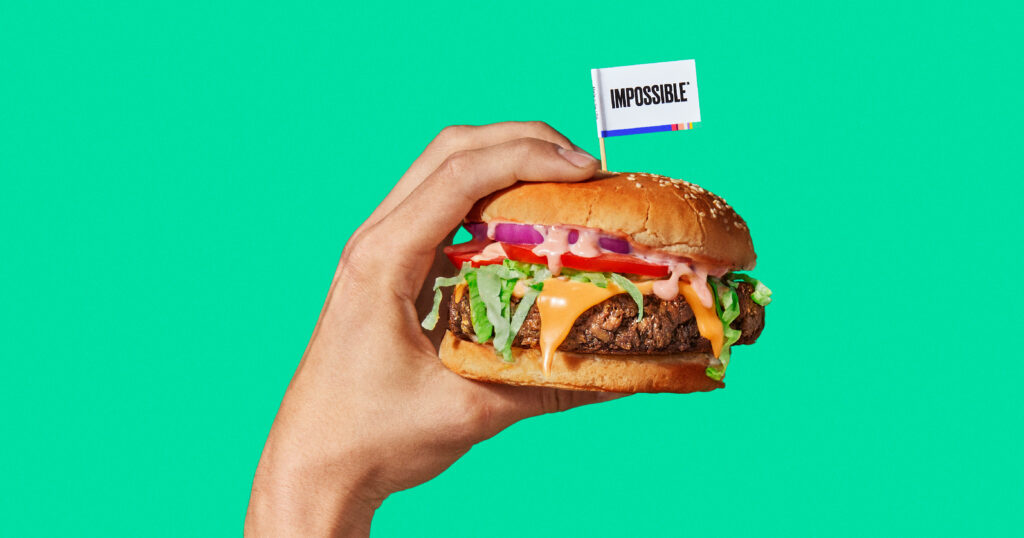
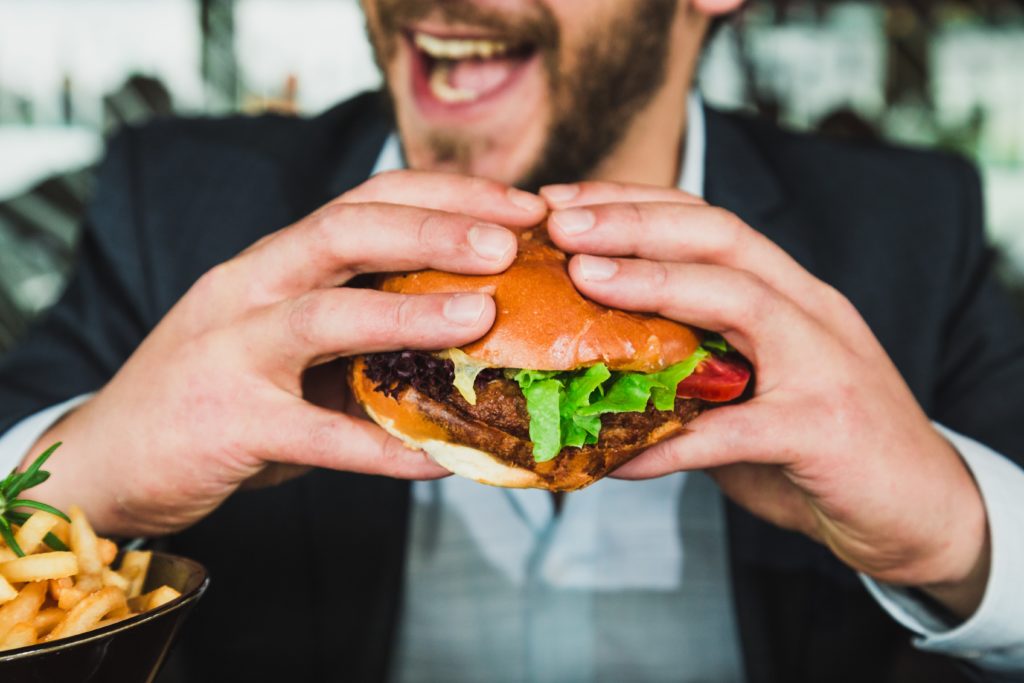
    Could multinational food giant Nestlé become the first name in vegan fast food burgers? With its newest partnership with plant-based burger chain Nomoo, that could be the case.

    California-based vegan burger restaurant Nomoo says it plans on being the fastest-growing vegan franchise in the U.S. Its new partnership with Nestlé is aimed at further streamlining that goal.

    The companies have announced a new partnership that brings Nestlé Professional’s pea-protein burgers to the restaurant later this year. They’re also working to develop vegan chicken and cheese.

    Vegan burger franchise

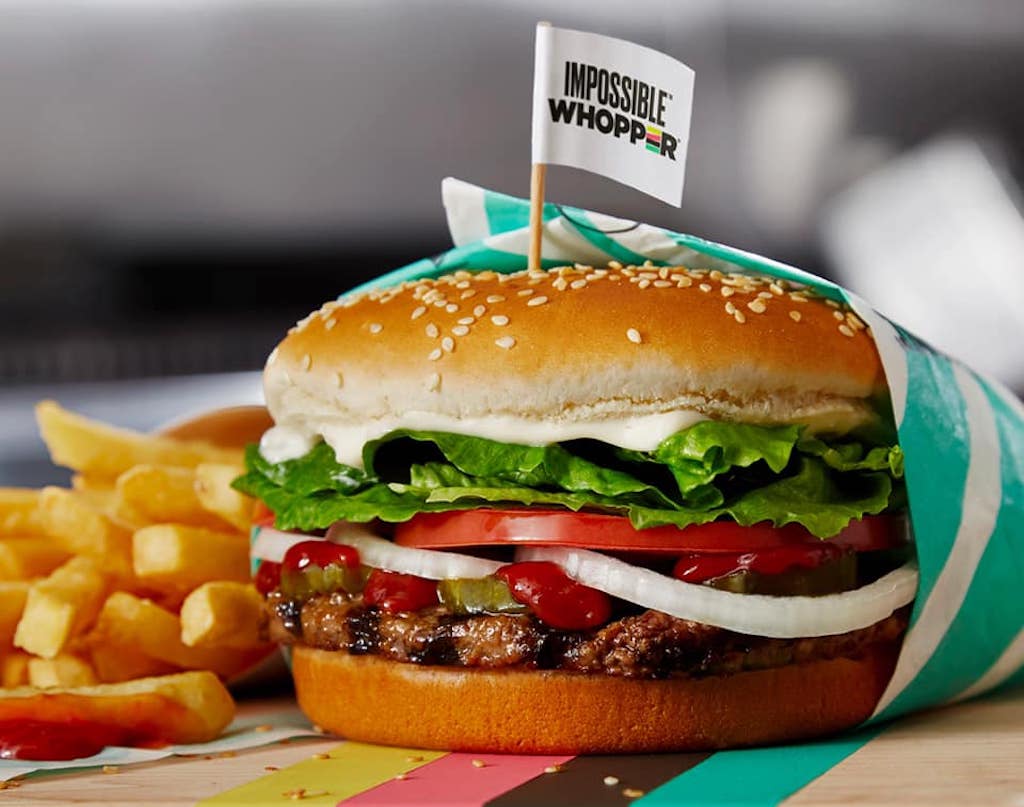
    Nestlé, which owns vegan brands including Garden Gourmet in Europe and Sweet Earth in the U.S., has developed vegan burgers for McDonald’s. It launched the “Incredible Burger” in Europe and Israel in 2019. (A lawsuit by Impossible Foods forced the brand to rename it to the “Awesome Burger.”)

    The partnership with Nomoo marks its first major effort to go toe-to-toe with the vegan burger leaders in the U.S., Beyond Meat and Impossible Foods.

    “With a partner like Nestlé, renowned for its commitment to the finest ingredients, operational knowledge and uncompromised support to foodservice operations, Nomoo is sure to attract the right multi-unit franchise partners to accelerate our national growth,” Nomoo founder George Montagu Brown said in a statement.

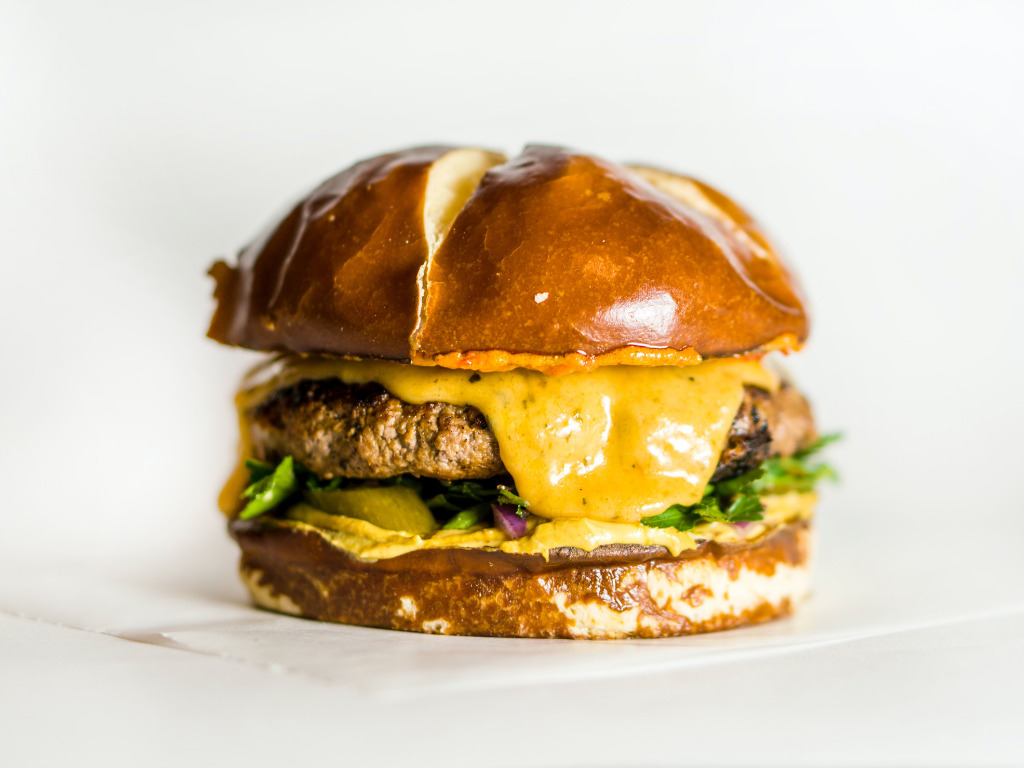
    Nestle Awesome Burger | Couretsy

    According to Brown, Nomoo was born from the idea that fast-food favorites can be 100 percent plant-based without sacrificing flavor, “so it was critical that we not only had the right partner, but also a proprietary, great-tasting, better-for-you product that surpasses rivals Impossible and Beyond Meat.”

    Brown says with Nestlé, Nomoo has created “the most flavorful plant-based beef patty in the business.”

    “Nestlé Professional is committed to plant-based innovation that is crafted in a kitchen and leaves a smaller footprint on our planet—a major reason consumers are choosing more plant-forward meals,” said Perry Miele, President and CEO of Nestlé Professional USA. “We are thrilled to be able to leverage our plant-forward manufacturing expertise and align with Nomoo on our vision of bringing nutritious and sustainable products to the out-of-home industry.”

    Better burgers

    The propriety line of vegan food supports Nomoo and Nestlé in their environmental commitments, the companies say. The vegan burger includes “a significant reduction in labor, lower food cost, less waste, more consistency, improved safety, and sanitation and extended shelf-life and storage time,” the companies said. “These key operational benefits, coupled with Nomoo’s impressive unit economics, simple and streamlined operations, focused menu, and lower than average start-up costs further solidify Nomoo’s status as an attractive, scalable, and highly profitable emerging franchise concept.”

    Nomoo burgers
    Courtesy

    Nomoo, which currently has one location in operation in Los Angeles, partnered with Fransmart, the leading franchise development company, earlier this year. It helped chains including Five Guys, The Halal Guys, and Qdoba expand.

    “Plant-based is the next big thing and I believe that nomoo is poised to become the next (plant-based) Five Guys,” said Dan Rowe, CEO of Fransmart. “With a partner like Nestlé, Nomoo has the ability to drive profitable growth because of its streamlined operations and supply, making it one of the most attractive fast-food franchise opportunities at this time.”


    Images Courtesy Nomoo

    The post Nestlé Eyes National Fast-Food Opportunity for Its Vegan Burgers With Nomoo appeared first on Green Queen.

    This post was originally published on Green Queen.

  • Impossible Nuggets

    3 Mins Read

    Bay Area vegan meat brand Impossible Foods is debuting its chicken nuggets in Asia with a Hong Kong launch this month.

    Impossible Foods entered the chicken wars last year with its vegan nuggets across the U.S. Burger King trialed the nuggets at locations in Iowa, Boston, and Miami last year. Earlier this summer, Impossible debuted kid-sized vegan chicken patties following California’s recent announcement that it was earmarking $700 million to upgrade school kitchens to introduce more plant-based food.

    Now, the Beyond Meat rival is bringing its vegan nuggets to Hong Kong as it identifies expansion opportunities across Asia where its competitor has dominated for the last several years.

    Impossible Nuggets in Hong Kong

    “Our nuggets are one of our most popular products because they taste amazing,” Heidi Nam, General Manager of Impossible Foods Hong Kong, said in a statement. “They’re also extremely convenient and they happen to be better for you and better for the planet, making them a perfect choice for adults and kids alike. We can’t wait for people in Hong Kong to try them.”

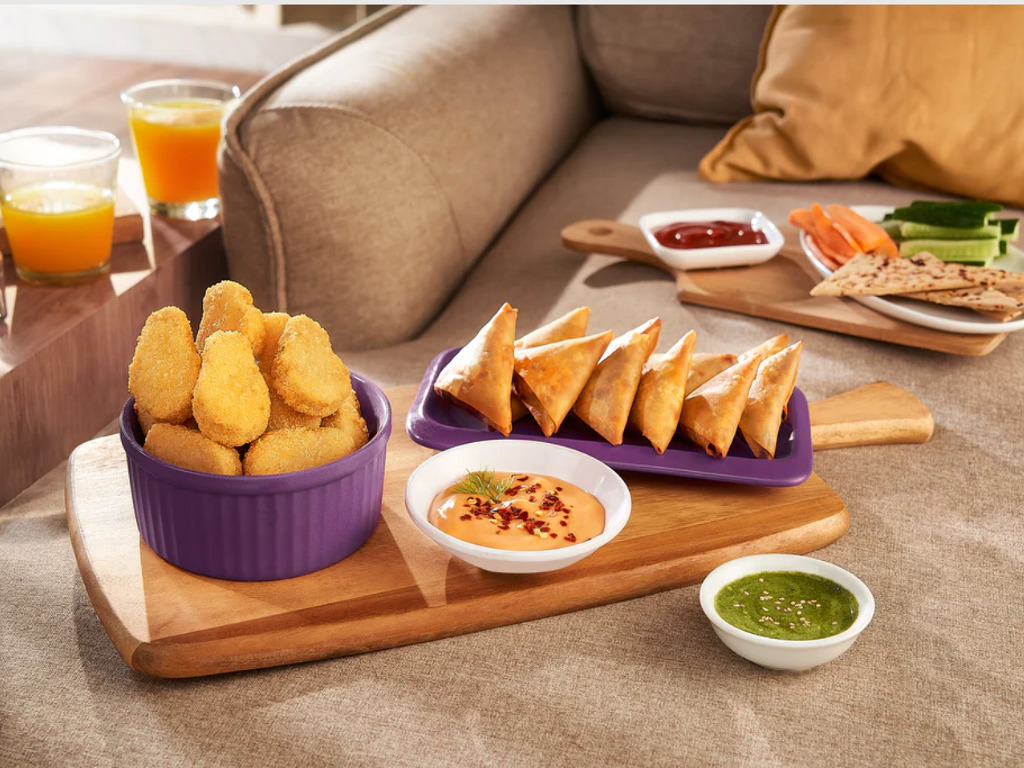
    Impossible Nuggets Hong Kong
    Impossible Nuggets Hong Kong | Courtesy

    The vegan chicken market has become saturated in recent years with offerings from Impossible as Beyond as well as a slew of competitors including Hungry Planet, Daring, Nuggs, and Gardein, among others. In Asia, Singapore’s TiNDLE is ramping up its vegan chicken empire with a recent U.S. debut. The U.K.’s VFC is also poised for global expansion following its recent U.S. launch as well.

    But it’s Impossible’s nuggets that have seen the biggest success thus far. The company reports that Impossible Chicken Nuggets have become the fastest-growing chicken nuggets in the U.S.

    Plant-based demand

    Consumers are increasingly seeking out plant-based versions of their favorite foods. Chicken is the number-one selling protein in the U.S. Impossible says its vegan nuggets are similar to conventional nuggets in taste and nutrients, with 13 grams of protein. They contain 55 percent less saturated fat than the top-selling chicken nuggets.

    Impossible’s nuggets come with a smaller environmental footprint, too. The company says its nuggets require 49 percent less land, 44 percent less water, and produce 36 percent fewer emissions than conventional nuggets.

    Impossible Europe
    Courtesy

    Hong Kong residents and visitors can try the nuggets at several pop-ups happening throughout the city at Little Break Cafe at K11 Musea Donut Playhouse, The Butchers Club food truck in West Kowloon Art Park, and ROOOT at The Mills.

    Impossible’s vegan nuggets will be available starting this month at select Hong Kong grocery stores including PARKnSHOP’s fusion, TASTE, Great Food Hall, U Select, CitySuper, HKTV mall and HOME+.

    The post Impossible Foods Debuts Vegan Chicken Nuggets In Asia With Hong Kong Launch appeared first on Green Queen.

  • Zero Acre Farm oil

    3 Mins Read

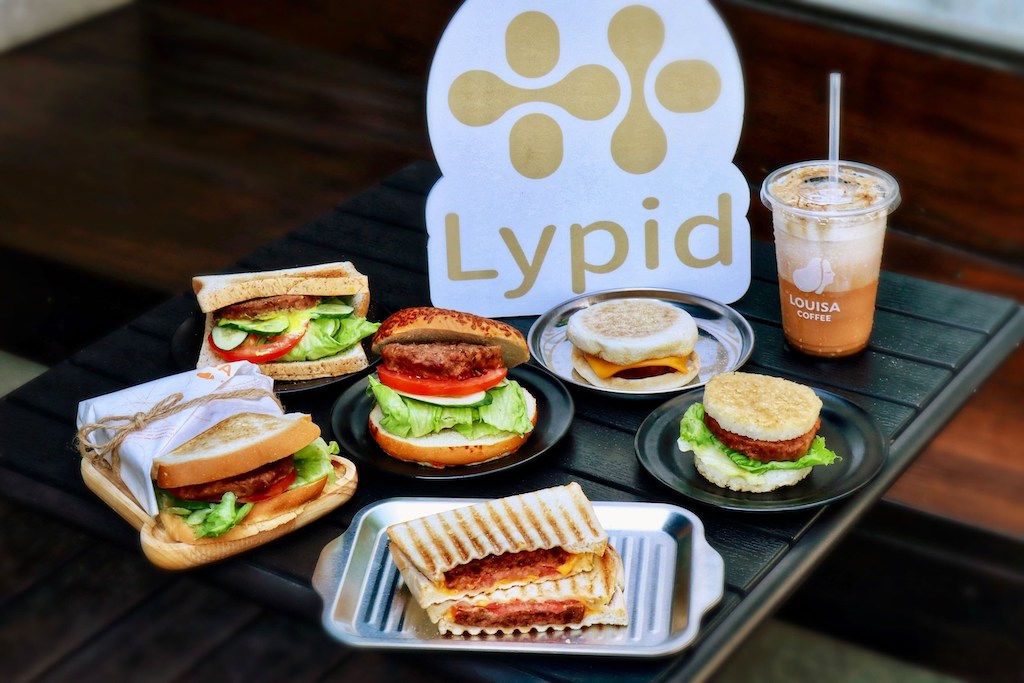
    More than 500 Louisa Coffee shops across Taiwan now offer vegan burgers made with Lypid’s proprietary vegan PhytoFat. And after months in stealth mode, Zero Acre Farm brings its cultured oil to market.

    With a taste and texture that replicates animal fat, Taiwan’s largest coffee chain now offers six new menu items featuring Lypid’s PhytoFat, including sandwiches, rice burgers, muffins, and bagels.

    Lypid x Louisa Coffee

    “We are thrilled to work with such an incredible partner to bring delicious alternative food to our daily life and show the infinite possibilities that PhytoFat™ can offer for sustainability initiatives. This is an amazing achievement for our efforts in advancing the plant-based movement,” Dr. Jen-Yu Huang, Co-founder and CEO of Lypid, said in a statement.

    “With the early success and highly positive feedback from consumers, we aim to take our innovation to more channels in the following months,” Huang said.

    According to Louisa Coffee founder and chairman Chris Huang, the new meat-free menu items are aiming to “provide delicious food that is better for the body and the planet.”

    Lypid Louisa Coffee menu
    Lypid works with Louisa Coffee to add six plant-based items on to the menu. | Courtesy

    Lypid achieves its vegan fat with vegan oil and water; it says it has created “animal fat-like qualities” when heated about 329°F (165°C), enhancing both texture and flavor of whatever plant-based meat it’s added to. Lypid also says its proprietary fat offers a better nutrition profile than animal fat, reducing calories and saturated fat.

    The San Francisco-based Lypid says while there are a number of innovations in the plant-based meat category—including fellow Bay Area food tech company, the vegan meat leader Impossible Foods—fat is the missing ingredient in many of the products.

    “Vegan oils used today simply melt and leak out of the food matrices due to lower melting points,” said Dr. Michelle Lee, Co-founder and CTO of Lypid, “With our PhytoFat, we are bringing the secret sauce back.”

    In March, Lypid secured $4 million Seed funding from the Green Generation Fund, with Big Idea Ventures and SOSV’s Indie Bio participating, amongst others. The funding is going to further develop its proprietary fat technology.

    Lypid is seeing early success, winning first place in the CPF Innovation Challenge at the Asia-Pacific Agri-Food Innovation Summit 2021 and the Hello Tomorrow Challenge: Bayer’s Crop Science Division.

    Zero Acre Farm

    Last week, Zero Acre Farm, which closed a $37 million Series A funding round earlier this year, released its first product, a cultured oil, after months in stealth mode.

    “The day has finally arrived. Cultured Oil is here, and officially for sale,” Co-founder and CEO Jeff Nobbs said in a statement last week. “It’s time to start saying goodbye to the era of unhealthy, unsustainable, and not-very-tasty vegetable oils.

    “Cultured Oil is a cooking oil made by fermentation. We call it the all-purpose cooking oil with a purpose. Cultured Oil has even more healthy fats than olive oil and a 90 percent smaller environmental footprint than vegetable oil, with a super high smoke point and a clean, light, delicious taste. Cultured Oil is our first step toward a food system that doesn’t do so much harm,” Nobbs said.

    The company has received backing from a number of celebrities including members of the rock band Coldplay, Sir Richard Branson, and Robert Downey Jr.’s Footprint Coalition.

    The post Zero Acre Farm and Lypid Bring Their Designer Vegan Fats to Market appeared first on Green Queen.

  • 3 Mins Read

    What’s the healthiest diet for humans? And the healthiest diet for the planet? New research says they’re one and the same: a plant-based diet.

    The Mediterranean Diet continues to top the best diet list put out by U.S. News and World Report every year for its focus on fruits and vegetables, whole grains, and moderate consumption of dairy and fish. But according to a new review published in the journal Future Foods, leave off animal products if you want the best diet for your health and the planet.

    The findings

    “Increasingly we’re seeing how plant-based products are able to shift demand away from animal products by appealing to three essential elements consumers want: taste, price, and convenience,” study author Christopher Bryant, a psychologist at the University of Bath, said in a statement.

    “This review demonstrates overwhelming evidence that, as well as being far more sustainable compared to animal products in terms of greenhouse gas emissions, water use, and land use, plant-based animal product alternatives also have a wide range of health benefits,” he said.

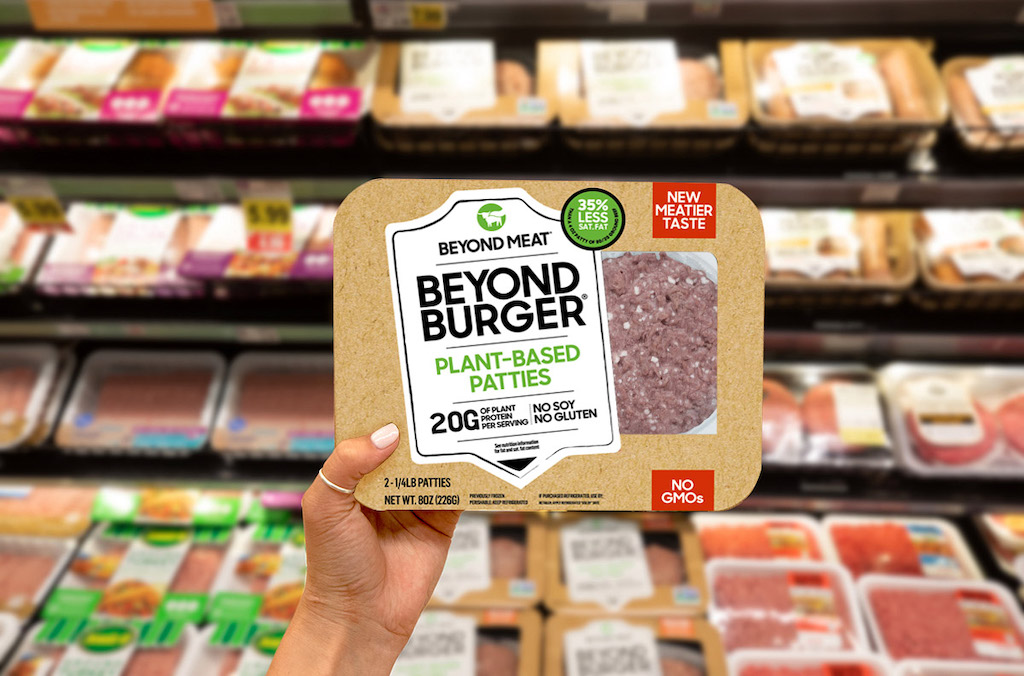
    Photo by Beyond Meat.

    The research team looked at more than 40 studies focused on both the environmental and human health impacts of plant-forward diets. According to their findings, the plant-based diets generally have better nutritional profiles than animal products, are linked to improved overall health, increased muscle mass, and healthy weight loss.

    Plant-based diets rich in nutrient-dense foods such as fungi, microalgae, and spirulina, amino acids, antioxidants, and vitamins B and E can be higher and support a healthier diet.

    “There are increasingly strong reasons to move away from industrial animal agriculture for the good of the environment, animals, our personal health, and public health,” the researchers wrote. “Plant-based animal product alternatives (PB-APAs) represent a highly feasible way to reduce animal product consumption, since they address the core consumer decision drivers of taste, price, and convenience.”

    Environmental impact

    The researchers also confirmed claims made by a number of manufacturers of plant-based alternatives to conventional animal products—that they have a lower environmental footprint. They also require less water and land and can play a critical role in the fight against global warming. The recent IPCC Sixth Assessment report called for urgent reductions in greenhouse gases, namely methane. Animal agriculture is a leading producer of methane, which traps more heat than carbon dioxide.

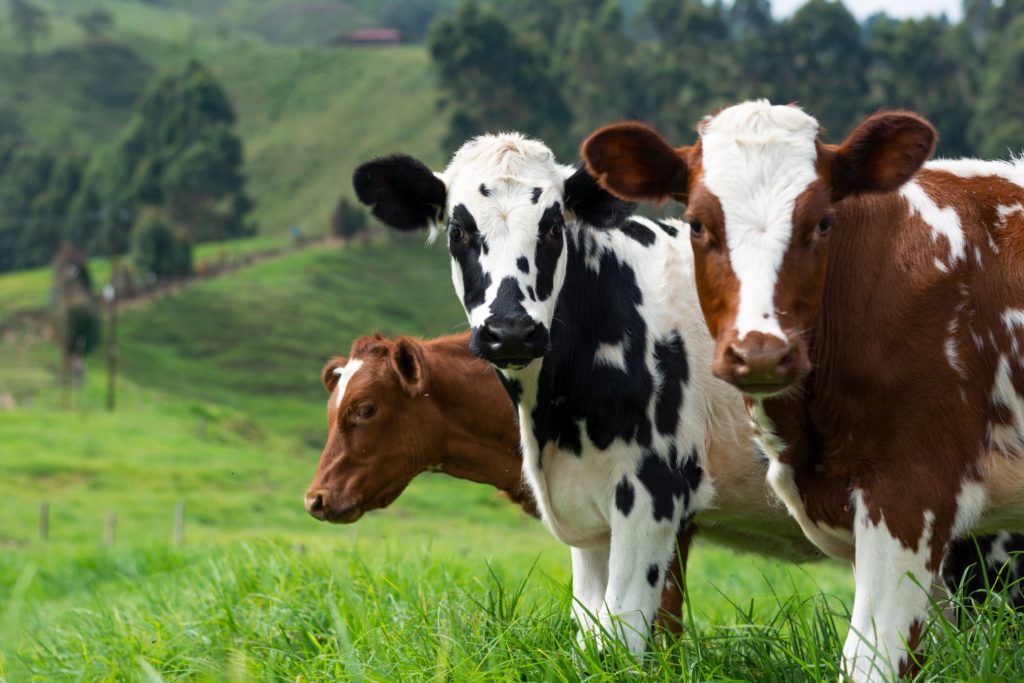
    Photo by Daniel Quiceno at Unsplash.

    When compared to conventional beef burgers, one of the studies found plant-based burgers produced 98 percent fewer greenhouse gas emissions. Another research paper examined found replacing just five percent of German beef consumption with pea protein could reduce CO2 emissions by up to eight million tons a year.

    The findings come as research in the Netherlands found vegan meat was priced lower than conventional meat.

    While the researchers say the industry has made “incredible advances” in plant-based protein options, they note there’s still room to improve the category, “there is still huge potential to improve their taste, texture, and how they cook,” Bryant said.

    “There’s also enormous potential to innovate with ingredients and processes to improve their nutritional properties—for example by boosting vitamin content.”

    The post New Research Says a Plant-Based Diet Is Best for Humans and the Planet appeared first on Green Queen.

    This post was originally published on Green Queen.

  • Vegan eggs from Just made from extracted mung protein
    3 Mins Read

    Gavan Technologies, an Israel-based food tech startup, says it has developed a “waste-free” extraction method for plant-based protein.

    “Our new, multistep technological platform enables us to take any plant source, isolate and extricate multiple proteins and other valuable components until the source is fully consumed,” Itai Cohen, CEO and co-founder of Gavan, said in a statement.

    Plant waste

    According to Gavan, up to 80 percent of a plant source can be wasted or relegated to compost or animal feed from conventional protein extraction methods. Common methods can be heavily reliant on chemicals that erode quality and yield. The company says its waste-free technology is a viable and scalable solution. It anticipates a gradual market rollout of its tech in 2023.

    “No part of the plant is left out,” says Cohen. “Moreover, the proteins maintain their original form—there is no resulting modification to their physical structure. All of the source’s nutritional and functional qualities are fully preserved.”

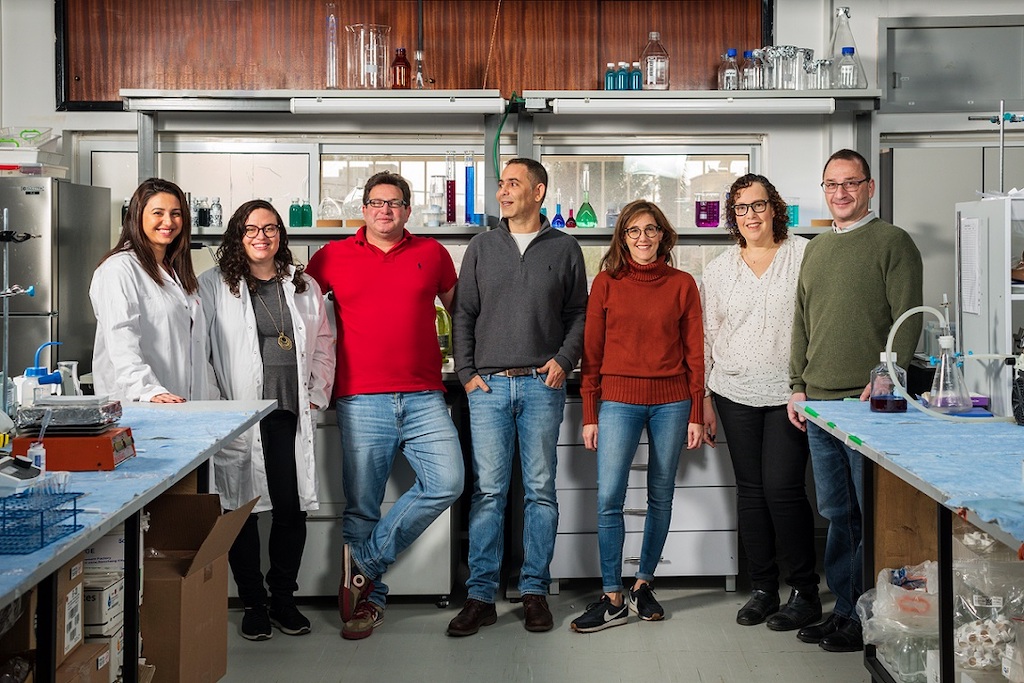
    Gavan Team, courtesy

    According to Gavan, its proprietary modification platform uses zero to minimal heat in extraction—a tenfold reduction in energy consumption compared to conventional plant protein extraction methods. The technology works with a range of characteristics including natural colors, protein isolates, flavor enhancers, gluten substitutes, and other compounds.

    “Over the last decade, food industry players have been consciously shifting their industrial processes to more sustainable standards,” says Cohen. “They have actively been striving to align their operations to meet the European Commission’s Green Deal call for greater resource efficiency in response to consumers’ efforts to adopt more sustainable lifestyles. Consumers want to know how their food is manufactured, where the ingredients come from, and what is the environmental footprint of the products they are buying.”

    The company recently demonstrated the technology in a pilot trial with lentils. It yielded a 92 percent protein isolate extraction that included complex carbohydrates, fiber, minerals, and fat that were turned into a neutral, gluten-free flour. It also extracted a “high-functioning, protein-rich” emulsifier with properties similar to aquafaba, made from chickpea water, that performs like egg whites.

    Plant tech innovation

    Gavan says its technology can be used on a range of plant sources including a variety of beans and legumes as well as algae, among other sources.

    “Innovation within alt protein production focuses predominantly on finding more exotic sources of protein and processing them into innovative, palate-friendly alternatives to animal proteins. Many of the methods used, however, fail to glean the full value of the plant source in terms of functional components and holistic goodness,” says Cohen. “They end up wasting valuable raw material.”

    Gavan is also working with spirulina, the protein-rich blue-green freshwater algae.

    algae
    Photo by Vita Marija Murenaite on Unsplash

    “Spirulina is made up of 70 percent high-value protein and hosts a naturally rich content of chlorophyll and the bright blue pigment protein complex phycocyanin,” says Yael Leader, head of product for Gavan. “After extracting the phycocyanin blue colorant, the remaining mass yielded a range of clean-label, protein-based flavor enhancers; a brown colorant offering a better-for-you alternative to the commonly used caramel colorants; residual carbohydrates; and a lipid fraction rich in essential fatty acids and carotenoids,” Leader says.

    “Our technology signifies a paradigm change, demonstrating how focusing on sustainable and circular production enables higher efficiencies and presents a better economic model,” Cohen says. “This, for Gavan, defines a true, positive ecological—and economical—impact and makes sustainability profitable.”

    The post ‘No Part of the Plant Is Left Out’: Tech Startup Creates Waste-Free Protein appeared first on Green Queen.

    This post was originally published on Green Queen.

  • 3 Mins Read

    Singapore’s Shiok Meats and Vietnam’s Minh Phu Seafood have signed a memo of understanding to develop a combined R&D facility to help bring cultivated seafood to Asia.

    The new R&D facility will be based in Vietnam in a move Shiok and Minh Phu, Vietnam’s largest conventional shrimp producer and exporter, say is paving the way for conventional seafood companies to diversify their portfolios with sustainable alternatives.

    ‘High-quality’ cultivated shrimp research and technology

    “Setting up a joint R&D facility with Minh Phu Seafood is a major milestone for us,” Dr. Sandhya Sriram, Group CEO, Chairman and Co-Founder of Shiok Meats, said in a statement. “Our vision has always been collaborating with established seafood companies and hatcheries to add variety to the portfolio and food security narrative through aquaculture innovation, research, and tech transfer. Our satellite R&D facility in Vietnam will focus on high-quality cultivated shrimp research and technology.”

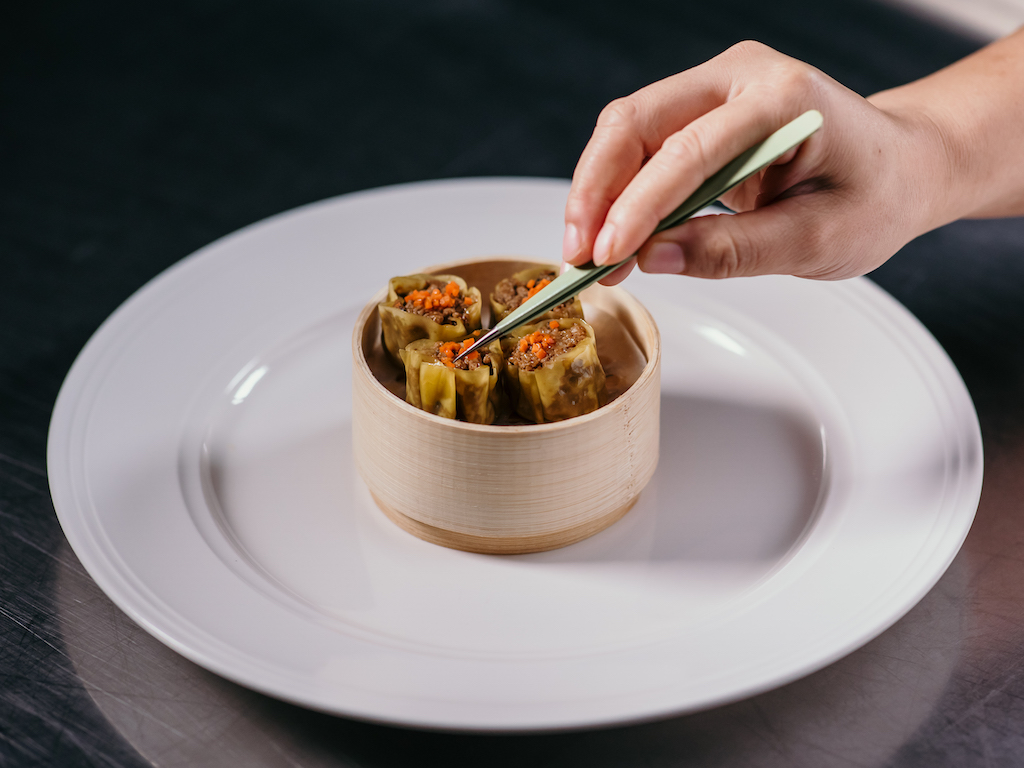
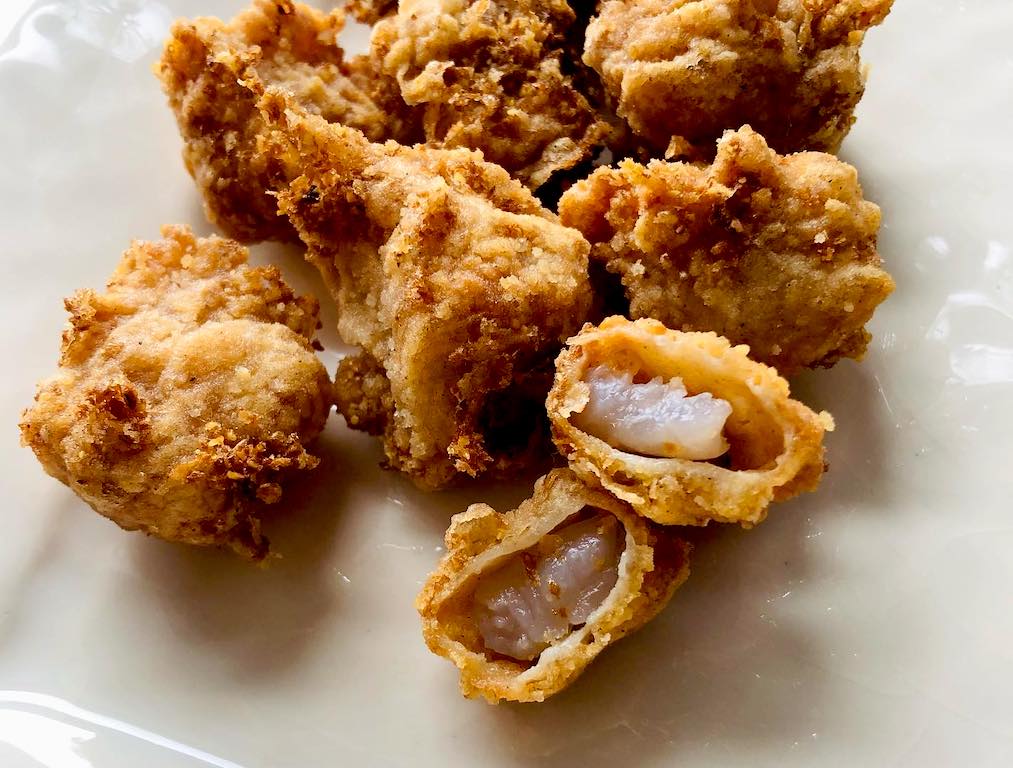
    Shrimp dumplings, courtesy Shiok Meats

    Since launching in 2018, Shiok, which means “pleasure” in Malay slang, was the first company to produce cultivated shrimp, crab, and lobster.

    The companies say they will explore the development of cultivated shrimp, starting with a feasibility study. The move is aligned with Minh Phu’s vision for developing state-of-the-art technologies for Vietnam’s seafood industry, eventually leveraging the tech for the global market. It has been developing an integrated shrimp value chain from hatchery to farming, processing, logistics, import, distribution, and retail.

    The new facility will be Shiok’s third; it currently operates two satellite R&D facilities in Thailand and Australia. Last November, Shiok opened Singapore’s first “mini plant” for cultivated meat development.

    Cultivated seafood

    In 2020, Shiok debuted the world’s first cultivated lobster meat. Last August, Shiok launched the world’s first cell-based crab meat, prepared by Chef José Luis Del Amo of TheTasteLab. He created two crab dishes, Crab Cake and Chilli Crab, from cultivated crab meat and powder along with vegan pork mince OmniMeat. 

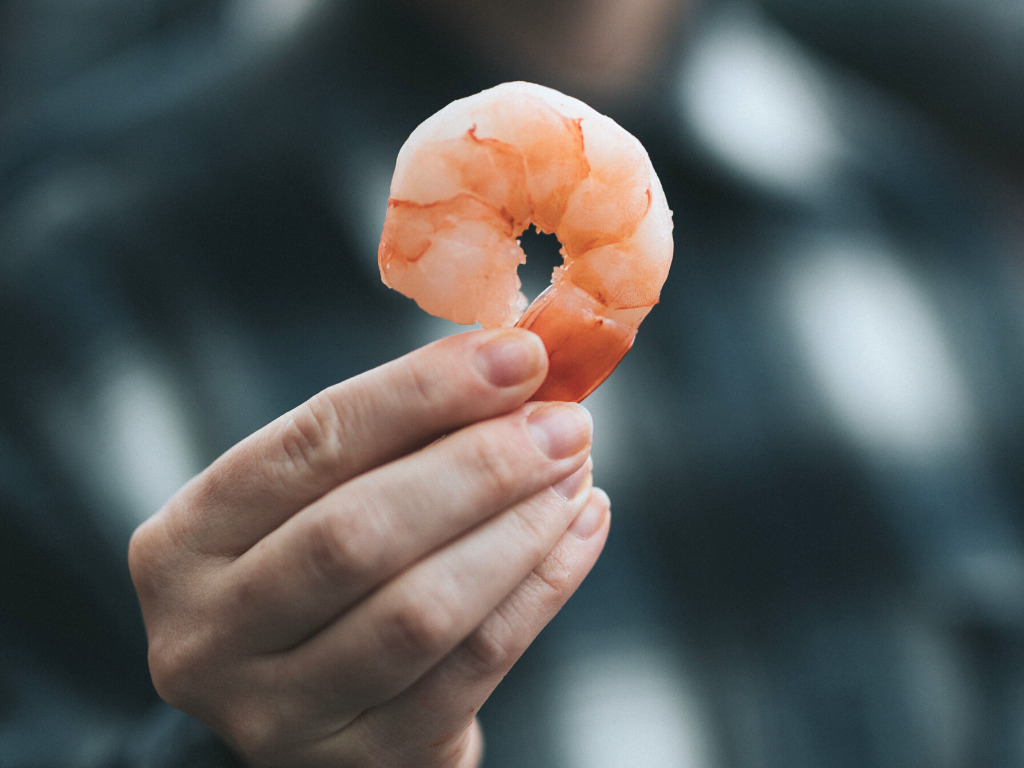
    shrimp
    Photo by Nathan Dumlao on Unsplash

    Earlier this month, South Korea’s Cellmeat debuted its cultured shrimp at the Seoul-based restaurant Sigolo in dishes prepared by Chef Kyong-Ho Lee. Also this month, U.S.-based Pearlita debuted its plant and mushroom based oysters, a step toward its aim of producing cultivated and plant- and fungi-based hybrid seafood. It also developed a biodegradable shell for the full oyster experience.

    Singapore is currently the only country in the world that has approved cultivated meat for sale and consumption. But that wasn’t granted to a Singapore or Asian-based brand; approval went to California’s Eat Just in 2020 for its cultivated chicken. It has been sold in the country ever since.

    Singapore is expected to greenlight more brands in the cultivated meat and seafood space. The U.S. and E.U. markets expect approvals within the next two years.

    The post Shiok Meats Partners With Vietnam’s Largest Shrimp Producer on Cultivated Seafood R&D appeared first on Green Queen.

    This post was originally published on Green Queen.

  • bao
    3 Mins Read

    Over the next three years, DayDayCook and Brinc will invest $10 million in 45 food tech companies working to address global food sustainability, specifically bringing game-changing tech to Asia’s food systems.

    Applications are now being accepted for the next cohort of the Good Food Accelerator Program led by venture accelerator Brinc and content-to-commerce culinary platform, DayDayCook. Green Queen’s founder Sonalie Figueiras will serve as an advisor.

    The program is focused on addressing food security issues across China and Asia across several key areas including alternative protein, functional and novel ingredients, sustainable packaging, food supply chain innovation, and AgriTech consumer solutions.

    China’s food system

    China in particular plays a critical role in the global food system. It supplies 20 percent of the world’s food and is home to seven percent of all farmland. The country has struggled to keep up with demands in recent decades, though; grain consumption has increased from 125 million tons in 1975 to more than 420 million tons in recent years. Despite the boom in production, more than 150 million people in the country are classified as malnourished.

    Courtesy Beyond Meat

    Climate change is only expected to complicate the situation further as drought conditions could see crop yield losses for corn, wheat, and rice, of eight percent by 2030.

    Alternative protein is expected to play a significant role in Asia’s future where meat consumption is on the rise as people migrate from villages into cities for higher-paying jobs. The country is already facing a meat deficit, which is expected to grow to 53 million tons by 2030. According to think tank Good Food Institute APAC, the year-on-year investments in alternative protein grew by 92 percent between 2020 and 2021.

    “China’s five-year agricultural development plan sets out an agenda to establish a sustainable food supply system nationwide,” Manav Gupta, founder and CEO of Brinc, said in a statement. “Brinc’s Food Tech accelerator expertise, investor and mentor network along with DayDayCook’s wide reach, commercial network and distribution reach in Mainland China will take us a bold step closer towards attaining this goal.”

    Tech-forward solutions

    The program is focused on assisting food tech companies with commercial launches across Asia, in both online and offline markets. Brinc and DayDayCook say their combined network of food corporations, hospitality groups, and investors will help accelerate the market readiness for the cohort brands.

    “Addressing deep-rooted inefficiencies in our regional and global food systems, creating a sustainable food supply chain, plus tackling food security issues all in all help mitigate against the growing effects of climate change—which is the need of the hour and our lifetimes,” said Gupta.

    OmniPork in McDonald’s Hong Kong | Courtesy

    “The Good Food Accelerator Program’s mission is to build a leading food tech ecosystem in Hong Kong,” Norma Chu, founder and CEO of DayDayCook, said.

    “By sourcing innovative startups from the Greater Bay Area, Southeast Asia and areas beyond, the program will make a global splash as it carries out Hong Kong’s ambition of transforming into a key innovation hub for food tech talents worldwide.”

    The minimum investment ticket is $200,000, and qualifying companies also have access to the companies’ network of later-stage investors and assistance for follow-on funding.

    The post The Good Food Accelerator Program Brings $10 Million In Solutions to China’s Food System appeared first on Green Queen.

    This post was originally published on Green Queen.

  • lagos food
    3 Mins Read

    African nations are expected to embrace a shift away from conventional meat for more alternative options as alternative proteins become more widely available by mid-century.

    By 2050, a quarter of the world’s population will be African. The continent’s population boom will account for 1.3 billion of the estimated 2 billion increase in the global population between 2019 and 2050.

    Plant-based boom

    A number of African nations struggle to feed their current populations, and experts say climate change’s impact will only bring more challenges to food systems. But a shift in protein preferences could help feed more people. And new research suggests African consumers are already embracing plant-based protein.

    According to new data from North Mountain Consulting Group and South Africa-based Credence Institute, three of the continent’s most populated countries are leaning into plant-based protein. In Egypt–the third most populated country in Africa, with more than 100 million people currently—62 percent of Gen Z and Millennials consumers say they’re likely to try plant-based protein; in Kenya, the seventh largest African nation by population, it’s 80 percent; and in Nigeria, home to Africa’s largest population, it’s 76 percent. These consumers also say they’re not only likely to try vegan options, but highly likely to purchase plant-based options, too. In Kenya, 72 percent, 63 percent in Nigeria, and 46 percent in Egypt.

    Photo by Amevi Wisdom on Unsplash

    “The high degree of openness to plant-based, cultivated, and hybrid products signals an opportunity to reduce reliance on conventional meat, improving public health, environmental, and animal welfare outcomes,” Dr. Keri Szejda, Principal Research Scientist, North Mountain Consulting Group, said in a statement accompanying the report.

    “Current dietary patterns are also an important consideration,” reads the report. “Nearly all participants ate meat, but their consumption varied: Nigerians are heavy meat eaters, Egyptians are moderate meat eaters, and many Kenyans are flexitarians. Purchasing patterns differed in that most Nigerians purchased meat from informal markets or street side vendors, whereas Kenyans and Nigerians most often purchased from butcheries. Supermarkets, presumably where plant-based meat would likely be sold, were used less often overall, but were used more often in Egypt, followed by Kenya, and quite infrequently in Nigeria. Beef, chicken, and fish were the most regularly consumed types of meat in all countries. Family members were considered to be the most important influence on the trial of new foods, while friends and medical professionals were also considered influential.”

    Africa’s changing appetite

    According to the research, both plant-based and conventional meat are already becoming more accessible to larger population segments. The research says as these alternative protein options become more widely available, conventional meat consumption could drop. In Egypt, the researchers expect meat consumption to drop to half its current rate. In Nigeria and Kenya, the numbers are even higher—a 66 percent drop in Nigeria and 75 percent in Kenya.

    Mogale Meats chicken | Courtesy

    “Meat consumption is expected to rise substantially in many African countries over the coming decades, which would have severe effects on animal welfare, food security, public health, and the environment. Our work in Kenya, Nigeria, and Egypt found that plant-based meat and other alternative proteins may help mitigate some of these effects, as consumers are ready to embrace these products,” says  Moritz Stumpe, Researcher, Credence Institute.

    While meat consumption historically rises with income levels, the research found that lower-middle-income countries are some of the biggest markets for alternative protein. Kenya is particularly receptive to the opportunity, with many nationals already reducing their meat consumption.

    The continent is also expected to see cultivated meat become accessible as widespread regulatory approval is expected by 2025. Two South African companies, Mogale Meat Co. and Mzansi Meat Co., have developed cultivated meat. Mogale, which has already successfully produced cell-based chicken, is now working on game meats. Mzansi is aiming to bring its cultivated beef burgers to fast food restaurants by next year.

    The post As Africa’s Population Soars to 2.5 Billion By 2050, Alternative Protein Is Key, Report Finds appeared first on Green Queen.

    This post was originally published on Green Queen.

  • Meati Foods
    3 Mins Read

    Colorado-based Meati Foods has closed a $150 million Series C funding round. The round, led by Revolution Growth and Chipotle’s Cultivate Next Fund, will help the mushroom-focused brand accelerate its production, develop new products, and support its rapid retail expansion plans.

    Meati isn’t shy about its goal of becoming the U.S. market leader in vegan meat by 2025. That’s no small task given the current landscape controlled by Impossible Foods and Beyond Meat. There are other brands vying for dominance too, though, namely Chile’s NotCo and Singapore’s TiNDLE. But Meati says its mushroom-based meat products are delivering on taste and texture in ways unparalleled.

    ‘Financial firepower and ethos alignment’

    “The continued growth and momentum that Meati is experiencing underscores how differentiated and scalable our products and vision are,” Meati Foods CEO and co-founder, Tyler Huggins, said in a statement. “Revolution Growth and our new and existing investors bring not just the financial firepower and ethos alignment, but deep and diversified expertise that will be instrumental in building a brand and organization that will truly change how people eat in a way that’s better for our bodies and better for our planet.”

    Courtesy Meati

    Meati is part of the first cohort in Chipotle’s new fund aimed at investing in companies that align with the Mexican-inspired fast-casual chain’s mission. It says Meati’s mushroom meat mirrors its own Food with Integrity standards. Curt Garner, Chief Technology Officer at Chipotle, says Meati is bringing an “exciting, new alternative protein to market.” 

    Fazeela Abdul Rashid, a Partner at Revolution Growth who is also joining the board, says Meati is poised to be the leader in this large and growing category with the whole food advantage. “The company is meeting an unmet demand for products that are delicious, healthy, and good for the planet.”

    Healthier vegan meat

    The company’s products are 95 percent mushroom meat, which gives them a whole-food distinction and “unmatched nutrition” that its closest competitors can’t offer. Despite the number of environmental and ethical benefits of vegan and plant-based meat, many have been criticized for high sodium levels and genetically modified ingredients, among other concerns.

    Meati says it’s the whole package: vegan meat that’s better for the planet and your health. Its mushroom steak, for example, contains only 240 milligrams of sodium—35 percent less than an Impossible Burger. Compared to conventional steak or chicken, it provides 17 grams of protein—about the same as a beef burger—along with 42 percent of the recommended daily fiber intake as well as 45 percent of the RDI for zinc and 90 percent of the RDI for B12.

     Meati chicken
    Courtesy Meati

    Its first launch of chicken cutlets earlier this year sold out in less than 24 hours.

    Since it launched in 2017, Meati has earned the support of a number of food industry icons and chefs, including chef and founder of Momofuku, David Chang, former White House senior policy advisor for nutrition, Sam Kass, and Whole Foods Market’s former CEO, Walter Robb, among others.

    Meati is working to complete its 100,000-square-foot ‘Mega Ranch’ in Colorado, which is expected to be operational by the end of the year. According to Meati, it can produce “tens of millions of pounds” of its mushroom meat per year. It’s also developing its first ‘Giga Ranch,’ which is expected to be a plug-and-play operation it can replicate both domestically and in global markets. Each ranch can produce hundreds of millions of pounds of mushrooms annually.

    The post Meati’s $150 Million Series C Pulls Support From Chipotle for Mushroom Meat Development appeared first on Green Queen.

    This post was originally published on Green Queen.

  • TiNDLE at Schmatz
    3 Mins Read

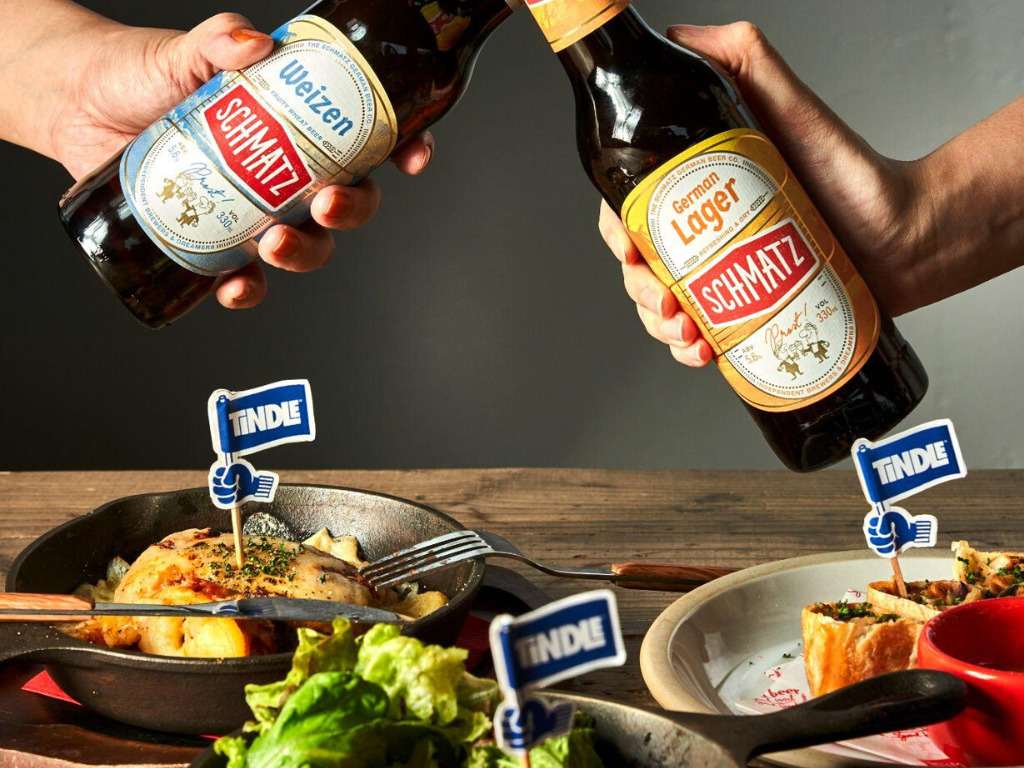
    Singapore-based TiNDLE is debuting its vegan chicken in Tokyo with launches at several Schmatz German beer pub locations this month.

    Starting this week, Tokyo residents and visitors can test-drive TiNDLE’s vegan nine-ingredient chicken at the Schmatz restaurants in Nakameguro and Yokohama, with Ark Hills and Shimokitazawa locations adding the plant-based protein later this month.

    TiNDLE in Tokyo

    “We’re looking forward to bringing TiNDLE to Schmatz in Tokyo and introducing that same chicken experience that people know and love to Japanese diners,” Alex Ward, Chief Operating Officer at Next Gen Foods, the company behind TiNDLE, said in a statement.

    “We are grateful for the opportunity to partner with a celebrated restaurant group like Schmatz—showcasing TiNDLE as a special menu offering —as we work to bring TiNDLE to new parts of the globe and gather deeper intel on what consumers are craving when choosing a plant-based meat over the traditional, animal-based option,” he added.

    Tindle Tokyo
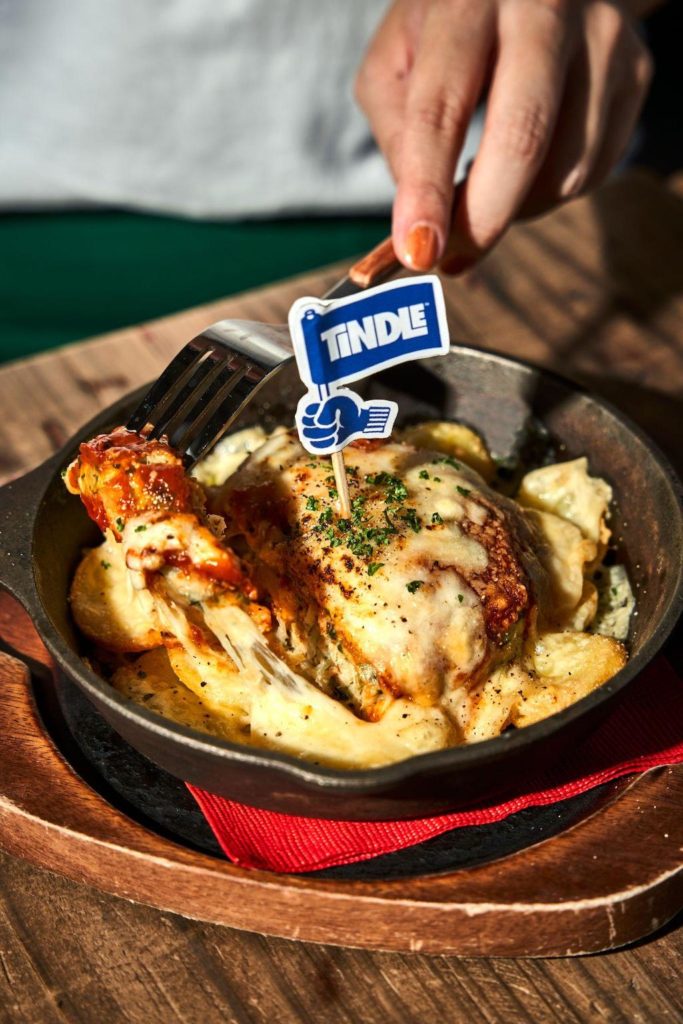
    TiNDLE Hamburg Steak at Schmatz

    Marc Luetten, CEO and co-founder of Schmatz, says the chain is “always trying to innovate and bring fun, original elements” into the dining experience. “Our chefs are proud to have created not only delicious menu items using TiNDLE, but also those that are sustainable and inspire new possibilities for creating a better future for our planet.”

    Schmatz, which started as a food truck in 2013, is widely considered one of Japan’s top casual dining restaurants. With 40 locations across the country, the German-inspired chain serves up iconic German-style sausages with local influences, among other dishes.

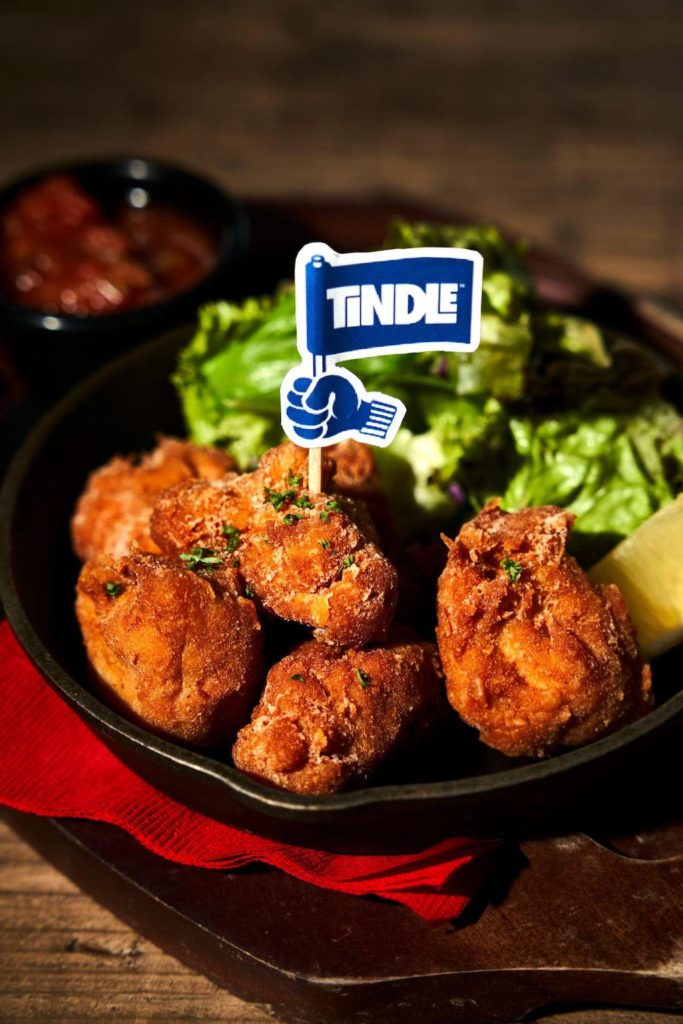
    TiNDLE will appear in two Schmatz dishes: a German-style TiNDLE Karaage, battered and fried with an original Schmatz seasoning, and the TiNDLE Hamburg Steak that sees the vegan chicken mixed with onions, a blend of herbs and spices, and baked with potatoes and cheese. 

    Vegan meat demand

    According to TiNDLE, Tokyo is seeing rising consumer demand for sustainable food options, responsible food production, and healthier eating. Home to more than 1.4 million restaurants that embrace a range of cooking styles and cuisines from the ancient to the modern, the city is expected to see a surge in demand for plant-based protein in the coming years. The Asia-Pacific meat substitute market will reach more than $17 billion by 2024. Japan’s plant-based sector will surpass $300 million next year, according to Euromonitor.

    Tindle at Schmatz
    TiNDLE Karaage at Schmatz

    Last September, former Impossible Foods CCO Rachel Konrad joined TiNDLE’s board. It’s seen aggressive roll-outs since, with launches spanning locations across Asia, Europe, the Middle East, and the U.S.

    In February, TiNDLE raised a record $100 million in a Series A for its vegan chicken and expansion plans. It brought its chicken, which it says is the first vegan chicken made “by chefs, for chefs,” to the U.S. in a limited-edition partnership with California-based vegan fast-casual chain, Veggie Grill.

    The post TiNDLE Takes on Tokyo With Help From German Chain Schmatz appeared first on Green Queen.

    This post was originally published on Green Queen.

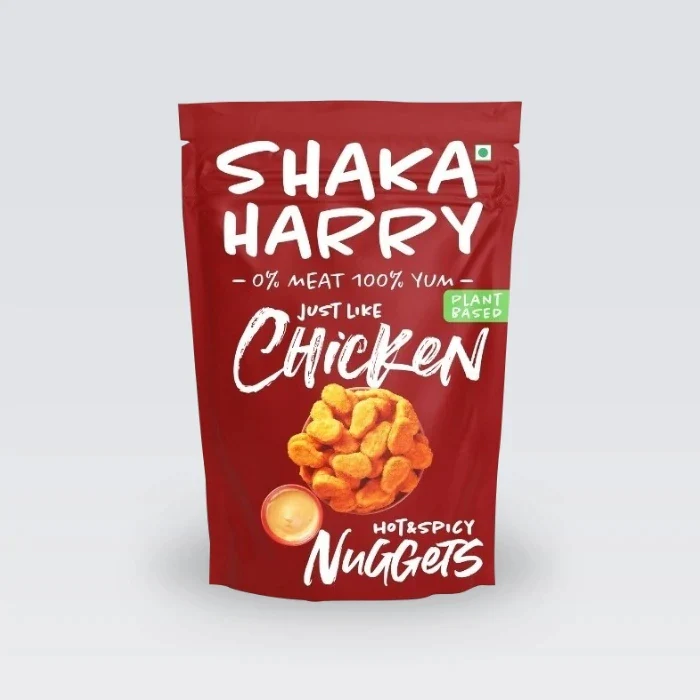
  • Shaka Harry
    4 Mins Read

    Shaka Harry, an Indian-based plant-based meat brand, has raised $2 million in a Seed funding round led by Better Bite Ventures, Blue Horizon, and Panthera Peak among others, including celebrity chef Manu Chandra.

    Designed around the Indian palate, Shaka Harry says it’s one of the fastest-growing vegan meat and snacks brands in South Asia. The funding will help the brand move from online sales into retail spaces as well as expand its R&D.

    ‘Best-performing brand’

    “It is the most exciting time to launch a consumer brand on the smarter protein platform,” Anand Nagarajan, Co-founder, Shaka Harry said in a statement. “We are already the best performing brand in the online stores where we have presence,” he said.

    According to Nagarajan, Shaka Harry is outperforming its competitors on taste. That’s due in large part to the involvement of chef Manu Chandra, who brought India its first gastro-pub, Monkey Bar.

    “If I could convert from a skeptic to a believer in plant-based futures, I’m sure, so could a lot of you,” said Chandra, who helped develop the recipes for the ready meals.

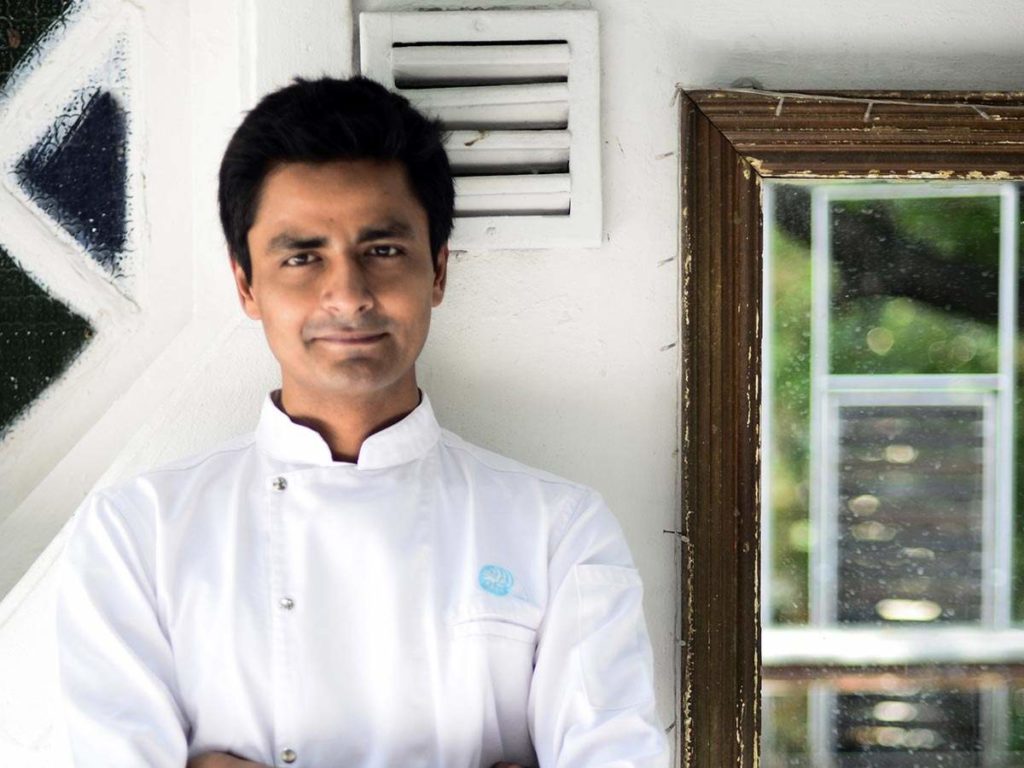
    Chef Manu Chandra | Courtesy

    “We’ve come such a long way from the once dreaded rubbery substitutes with dubious processes to clean labelled and delicious alternatives. Intervening as a chef to take the Shaka Harry product ranges to the next level of taste and texture has been an enriching experience, in realising how far this category can be pushed. The future is plant-based, start now,” he said.

    Taste is indeed a driver. According to a recent study funded by Blue Horizon, taste, nutritional value, and health aspects “rank highest” when consumers are considering increasing their consumption of alternative proteins, said Bjoern Witte, Blue Horizon’s CEO. “Shaka Harry addresses all these points,” Witte said.

    “Plant-based meats have a huge scope of acceptability in India, particularly among the growing flexitarian population,” says Sandeep Devgan, Co-founder, Shaka Harry.

    “Yet not many brands have been able to make a mark due to the inability to replicate real meaty tastes in vegetarian profiles. That’s where Shaka Harry has been able to make a difference,” Devgan says.

    “By partnering with top flavourists, who are masters in recreating impactful meaty top notes using vegetarian ingredients, we have been able to offer Indian consumers a first-of-its-kind ‘just-like-chicken’ and ‘just-like mutton experience’ minus the guilt.”

    Shaka Harry has been working closely with the Good Food Institute India to develop the brand and market. GFI is a leading organization supporting the development of plant-based and cultivated alternatives to animal products.

    Courtesy

    “With leading companies like Shaka Harry bringing plant-based meats to consumers across India, the last year has been smart protein’s breakout moment in the country,” said Varun Deshpande, Managing Director, Good Food Institute India. “But funding in Indian smart protein companies continues to lag far behind, remaining at a tiny fraction of the $11b invested globally over the last decade.”

    Deshpande says the funding raise supports the momentum swing happening for alternative protein in the country. While India currently has the world’s second-lowest rates of meat consumption behind Bangladesh, meat consumption continues to rise with the country’s rising income levels. Recent statistics from India Today show that nearly half of the population consumes non-vegetarian meals at least once a week.

    India vs. climate change

    The rise of alternative proteins is critical for India, according to Nagarajan, particularly when it comes to the country’s struggles with climate change. In March, Mumbai, India’s largest city by population, announced plans to go to net-zero 20 years ahead of the country’s targets.

    The city said it will reach net-zero by 2050, if not sooner, as its slums and villages are particularly vulnerable to climate change. Climate models predict rising sea levels will bring floods to the region by mid-century.

    mumbai slum
    Photo by Adityan Ashokan on Unsplash

    “When we think about sustainability, we usually think about energy and transportation,” says Nagarajan.

    “Food is an area that can move the sustainability needle much more. Winning a consumer segment in the food space needs a well-designed product range, deep expertise in taste and flavour, and consistent customer experience.”

    Simon Newstead, founding partner of the alt-protein fund Better Bite Ventures says there’s reason to be optimistic about India’s future. “The nation has a clear opportunity to become a regional leader in plant-based foods and leapfrog other countries in adopting climate-friendly smart proteins, driven by a growing movement of conscious consumers motivated by taste, health, and the environment.”

    The post Shaka Harry Shakes Up India’s Growing Vegan Market With $2 Million Seed Raise appeared first on Green Queen.

    This post was originally published on Green Queen.

  • meatballs
    3 Mins Read

    Meatballs made from cultured meat are ready for commercial scale—and they’re more nutritious than conventional meatballs, say Chinese researchers.

    Researchers from Tsinghua University and Nanjing Agricultural University say they have produced a “cell factory” that can make cultivated lab-grown meat at a large enough scale to take to market. Their findings are published in the recent issue of the journal Biomaterials.

    The research

    According to the researchers, they have developed a 3D gelatin-based “micro-carrier” that can serve as the scaffolding for cells. They grew pig muscle cells and fat separately, then combined them in a 3D printed molding to produce the pork-based meatballs. They say that can increase the cell expansion by 20-fold per week.

    “Such meat engineering method enables robust and scalable bio-fabrication of ground meat alternatives such as meatballs or sausages, which may innovate the future meat menu,” the researchers said.

    Upside Foods' cultivated meatball
    Upside Foods’ cultivated meatball | Courtesy

    A number of cultivated meat producers have recently announced cost-reducing measures, namely the replacement of the fetal bovine serum (FBS) medium. Dutch-based Meatable, which announced its first lab-grown sausage earlier this week, said it was achieved without FBS. In January another Dutch company, Mosa Meat, made details of how it replaced FBS public in the journal Nature Food.

    “This is really a milestone for us and for the cultivated meat field, because there’s no method out there that describes the differentiation of primary satellite cells if you don’t want to use FBS or genetically modify your cells,” Mosa Meat scientist and corresponding author on the publication, Dr. Joshua Flack, said in a statement.

    California-based Upside Foods has built a facility that it says can make 400,000 pounds of cultivated meat a year. Taking production to that scale also reduces costs.

     Dr. Konrad Müller-Auffermann, Senior Director of Engineering at Upside called the facility a “game-changer” both for the company and the food system. “I’m so proud of our team for helping to define the future of food, and I can’t wait to share our delicious, real meat with the world,” he said last year.

    Cultivated meat vs. conventional

    Cost hasn’t been the only barrier to entry; cultivated meat has only received regulatory approval in Singapore to date. While its approval in the U.S. is expected within the next year, manufacturers also face challenges with public perceptions and scrutiny over the tech even despite its lower environmental footprint.

    Mosa Meat FBS
    Courtesy Mosa Meat

    According to the researchers behind the new lab-grown meatballs, there may be another upsell that gets consumers excited about the tech: the cultivated meatballs are healthier, they say.

    When compared with conventional Chinese pork meatballs in shizitou, a classic regional dish, the ones grown in a lab were higher in protein and lower in fat.

    “Therefore, engineered PSC [muscle satellite cell] meatballs can be a nutritious alternative for ground pork products,” the researchers said.

    The post Researchers Say They Can Produce Cultivated Meatballs At Scale appeared first on Green Queen.

    This post was originally published on Green Queen.

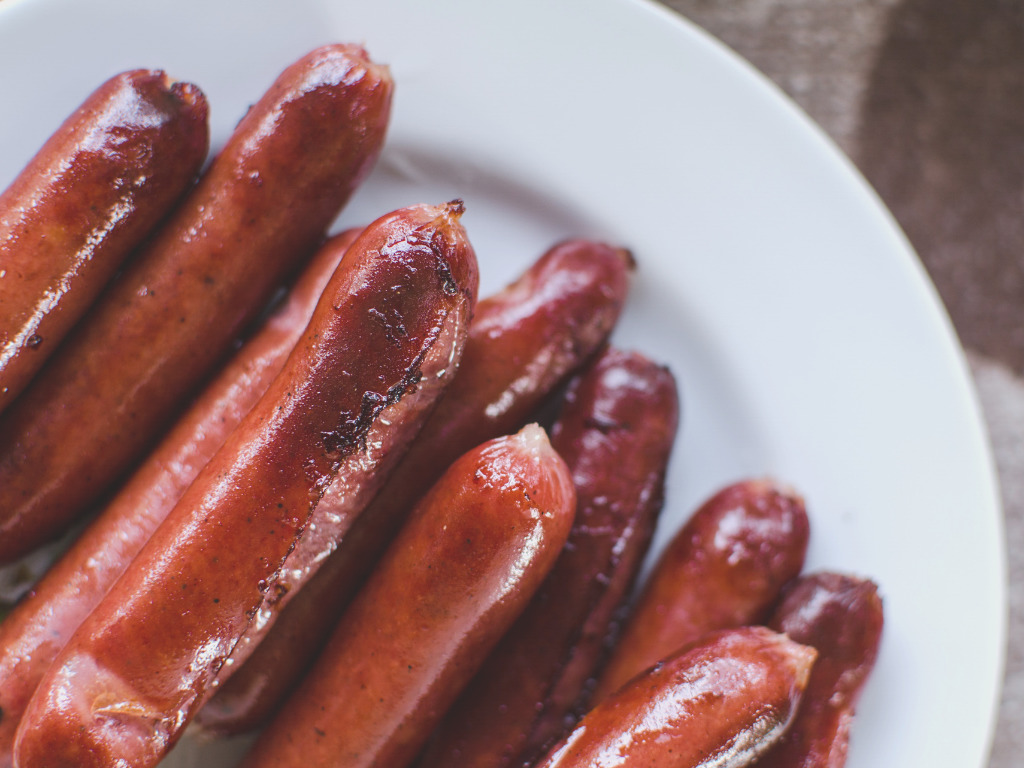
  • sausage
    3 Mins Read

    Dutch food tech company Meatable says it is using a groundbreaking technology to produce cultivated pork for the first time.

    With a target go-to-market date before 2025, Meatable has revealed its newest cultivated meat product: pork sausages.

    “This is a truly exciting moment for the entire Meatable team,” Krijn de Nood, co-founder and CEO of Meatable, said in a statement. “To be able to see and cook our sausages for the first time was an incredible experience especially as my co-founder Daan and I were able to finally have our first taste.”

    According to de Nood, the launch was particularly exhilarating for the team. The company launched in 2018 with a belief that cultivated meat is the future of food, de Nood said. “We can’t wait to enable more people to taste Meatable meat on the next step of our journey to create the new natural meat.” 

    FBS alternatives

    Meatable joins a growing number of cultivated protein producers opting out of using fetal bovine serum as the growth medium. The controversial ingredient brings up animal welfare concerns. It’s also cost prohibitive. Meatable says all it needs to produce its meat is “one single cell sample, taken harmlessly from an animal,” in order to replicate its protein potential.

    Photo by Annie Spratt on Unsplash.

    “In the last few months, huge steps have been taken by the team to create the cultivated sausages which have the same structure, texture, glossiness and pronounced pork flavour that customers know and love,” the company said. “The product even produces the signature sizzle in the pan, just like traditional sausages—this is because it isn’t like meat, it is real meat.”

    The cultivated pork can be grown in just a few weeks’ time—an achievement Meatable says demonstrates the technology’s sustainability. Meatable points to research that found cultivated meat could reduce the meat industry’s environmental impact by as much as 92 percent. Animal agriculture accounts for more than 14 percent of total global greenhouse gas emissions.

    Market opportunity

    While a lack of regulatory approval prevents a market launch, Meatable is eyeing Germany, which is about 27 percent of the sausage market. The company says it hopes that its sausage will be the first step to making cultivated meat more accessible to the wider public. And its recent funding rounds may help it do that. It raised $47 million in its Series A financing round last year.


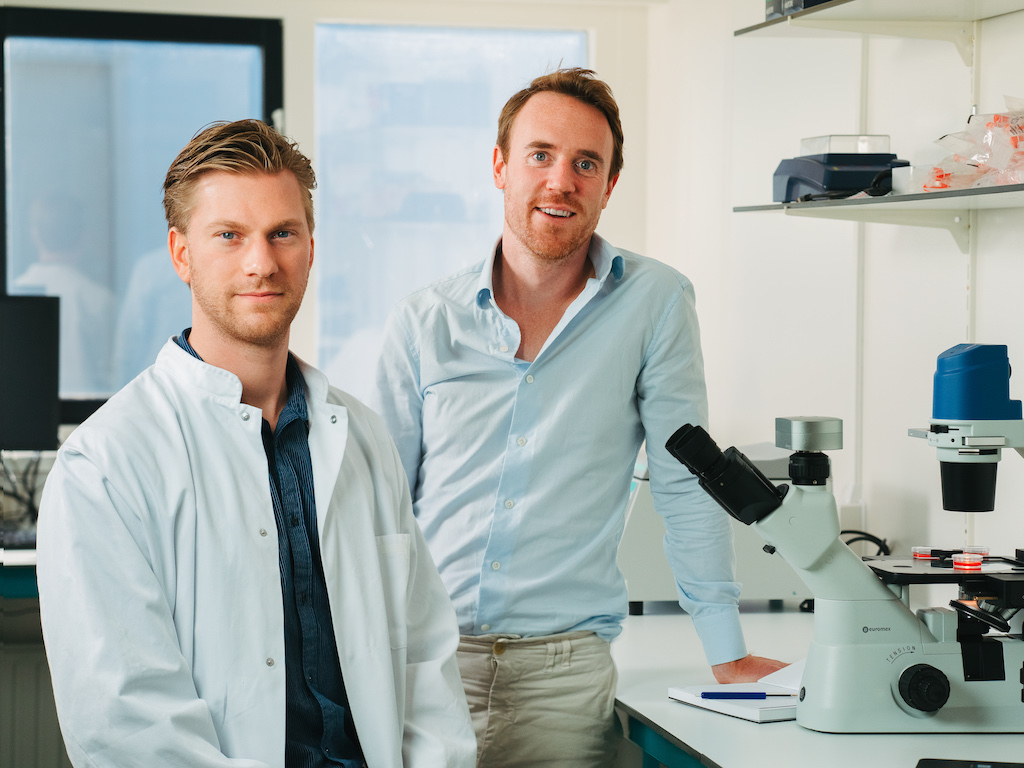
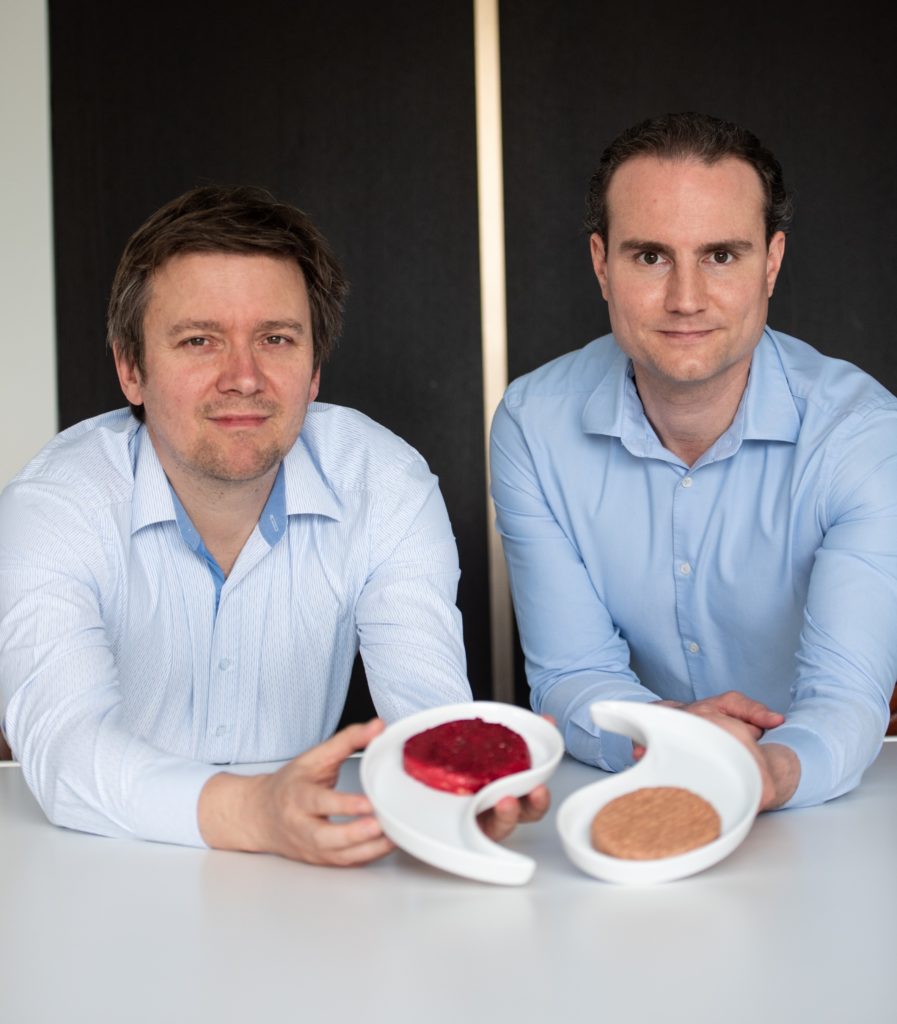
    Meatable co-founders Daan Luining and Krijn de Nood

    “Over the past four years, we’ve been constantly innovating and developing our technology to get it to this stage today where we can hear the sausages sizzle in a pan, see and, for Krijn and I, even taste this incredible product that we’ve created,” Daan Luining, co-founder and CTO of Meatable, said.

    “I hope more people can taste it soon following the Dutch government’s motion to enable controlled tastings. This will ensure that people can experience that this isn’t just like meat, it is meat—100 percent delicious meat, identical on every level, but without any of the drawbacks,” Luining said. “This is one step on our journey to creating the new natural meat and I’m looking forward to seeing how the product develops before we can bring it to consumers in the next few years.” 

    The post Meatable Only Needs One Cell to Grow the ‘Sausage of the Future’ appeared first on Green Queen.

    This post was originally published on Green Queen.

  • shrimp
    3 Mins Read

    Ahead of its Series B fundraising round and following a restaurant press event, South Korea’s Cellmeat says its cell-based Dokdo Shrimp is market ready pending regulatory approval.

    It’s been a busy year since Cellmeat closed its $4.5 million pre-Series A funding round to accelerate production and reduce costs for its cell-based shrimp. In May, it bagged another $8 million, bringing its total funding to more than $14 million.

    The biotech startup, which launched in 2019, has accelerated the development of its lab-grown shrimp, doubling to 10 kilograms per day. It has also expanded its offering to include other cultivated seafood options like lobster and crab meat.

    Taste-testing

    It recently presented its work at the Seoul-based restaurant Sigolo, where Chef Kyong-Ho Lee prepared a range of dishes featuring the shrimp.

    The menu featured appetizers, salads, tacos, cold pasta, and mini burgers that all received rave reviews, the company said.

    Cellmeat’s Cultivated Dokdo Shrimp

    The company is gearing up to increase production with the launch of a new facility Cellmeat says could be operational early next year.

    “We’ve been planning to build the Seoul center of 3,600 sq ft and have a mass production capacity of about 220,500LB per year in the first half of 2023 to promote commercialization of prototypes and products,” CEO Gil-Jun Park said in a statement.

    “Although it is difficult to make a simple comparison with other companies that are leading the cultivated meat industry, Cellmeat has evaluated that it is taking the lead in technology through its very own technology that has improved production efficiency. If the Cellmeat Seoul Center with the technology developed through the efforts of the past, is built in the first half of next year, it will cause a global sensation in terms of production efficiency.”

    Animal-free FBS

    The company is doing all of this without the use of the controversial medium, fetal bovine serum. Cellmeat says it developed a proprietary animal-free technology that will also reduce costs, dropping shrimp meat’s price to less than $20 per kilogram.

    Photo by Cellmeat

    “In order to produce cost-efficient cultured meat, we need to ensure that our cells can be cultured at a low price. Additionally, further development of our technology is necessary in order to reproduce the physical texture and nature of meat,” Park explained last year.

    Go-to-market

    The sampling event’s success comes on the heels of another tasting event in the seafood arena. Aqua Cultured Foods recently sampled its mycoprotein-based fish for industry executives to rave reviews.

    Jen DiFrancesco, Director of Culinary Innovation at food service giant, Sodexo, said the whole muscle cut, sushi-grade alternative seafood samples “were absolutely incredible.”

    Cellmeat is aiming to bring its Dokdo shrimp to market in Singapore, which is currently the only country that has approved cultured meat for sale and consumption.

    The post Cellmeat’s Cultured Shrimp Shows Strong Go-To-Market Potential Following Restaurant Debut appeared first on Green Queen.

    This post was originally published on Green Queen.

  • 3 Mins Read

    Cell-based 3D-printed seafood could soon be on your plate courtesy of a new partnership between Umami Meats and MeaTech.

    Singapore’s Umami Meats has been working to develop cultured seafood since its launch in 2020. Its most recent pre-seed funding round of $2.4 million will help it to scale its technology and prototypes. Through the partnership with Israel’s food tech company MeaTech, the companies say they’ve opened the door to the Asian seafood market.

    3D cultured protein

    “We are delighted to establish this collaboration with MeaTech to expand our product range with their 3D printing capabilities,” Mihir Pershad, Umami Meats’ Chief Executive Officer and Founder, said in a statement.

    “This partnership will enable us to build upon our technology platform for cultivating fish muscle and fat to produce a variety of structured products that meet the desires of discerning consumers,” Pershad said.

    “We believe cultivated seafood holds tremendous potential to provide a local, sustainable source of healthy protein and to address many of the challenges facing our food system and our oceans.”

    MeaTech steak
    MeaTech steak | Courtesy

    Singapore is already ripe for entry as the only country that has approved the production and sale of cultured meat. California’s Eat Just brought its cultivated chicken meat to the market nearly two years ago.

    Through the new collaboration, MeaTech’s 3D bioprinting will be used to produce the complex protein structure of various seafood items. MeaTech has been strategic in its collaborations, working with its tech to develop a wide range of proteins from species including bovine, avian, and porcine.

    “We are very pleased about this new agreement which reflects our commercialization strategy of industry collaboration using our unique 3D printing capabilities,” Arik Kaufman, MeaTech’s Chief Executive Officer and Founder said. “We are excited about entering into the seafood sector and believe it will lead us to new market pathways throughout Asia and worldwide.” 

    The seafood market

    The global seafood market is valued at more than $110 billion and growing at a CAGR of 3.6 percent. But the industry faces a number of threats including climate change, overfishing, ocean pollution, and increasing consumer demand.

    Courtesy Mike Bergmann via Unsplash

    An increasing number of companies are innovating in the alternative seafood space, from cultivated whole-cut seafood to plant-based options. Recently, Aqua Cultured Foods debuted its whole-cut fish made through microbial fermentation.

    “The feedback and discussions with companies we’re meeting have made us extremely optimistic about go-to-market and co-branding opportunities,” Aqua CGO Brittany Chibe said after a recent taste test of the product. “Whether it’s rising costs, supply chain concerns, or sustainability goals, we are seeing major interest from potential partners that want to develop products with our seafood or offer it on menus.”  

    The post Umami Meats and MeaTech Partner to Bring 3D-Printed Cultivated Seafood to Singapore appeared first on Green Queen.

    This post was originally published on Green Queen.

  • cows
    2 Mins Read

    The next big sustainable protein could come from the methane emissions of the animals it’s aiming to replace as String Bio and Woodside Energy announce a protein collaboration using methane emissions.

    Indian-based String Bio, a biotech innovator, has partnered with Australia’s Woodside Energy Technologies to further develop a methane-based technology platform that turns trapped methane emissions into protein.

    Tackling methane emissions

    Methane is a leading contributor to climate change; the greenhouse gas is a byproduct of energy production, agriculture, and waste and traps 27 times more heat than carbon dioxide.

    A steady stream of recent reports has highlighted the issues with methane and the urgent need for solutions. Reducing methane can play a significant role in meeting climate targets, but a recent report found not enough funding is going toward the solution, despite its impact being greater than other green tech solutions.

    cow
    Courtesy Flash Dantz via Pexels

    “Our fundamental ethos is to enable supply and establish demand for our diverse product portfolio. The partnership with Woodside will be a defining milestone to enable carbon-friendly products in the global marketplace,” Vinod Kumar, Co-Founder and Managing Director of String Bio, said in a statement.

    “Our investment in String Bio builds on our ability to potentially abate greenhouse gases through the conversion of carbon into useful products,” Woodside Energy CEO Meg O’Neill said. “We believe String Bio’s technology could eventually be used to recycle methane at Woodside facilities. It could also be deployed at third-party sites with available biomethane such as landfill facilities and farms.”

    String Bio Series B

    The partnership with Woodside overlaps with the first close of a $20 million Series B funding round that also includes Ankur Capital, Dare Ventures, Redstart, and Zenfold Ventures among others. The new funding will help increase the market growth and strengthen its decarbonization imact, String Bio says.

    Photo by No One Cares at Unsplash.

    String Bio’s technology incorporates biology, fermentation, chemistry, and process engineering to convert methane into products including protein ingredients, crop inputs, and biodegradable polymers while also helping to achieve global decarbonization targets.

    “The vision for String has been to leverage cutting edge advances in biotechnology to enable better living at significantly reduced environmental footprint.,” said Dr. Ezhil Subbian, Co-Founder & CEO, String Bio. “With the Woodside collaboration and Series B raise, we are taking a giant step forward to bring such solutions to market – solutions that are better for people and the planet.”


    The post String Bio and Woodside Energy Partner on Sustainable Ingredients Made From Methane Emissions appeared first on Green Queen.

    This post was originally published on Green Queen.

  • HIgh tea
    3 Mins Read

    New research shows nearly 25 percent of Brits are eating less meat—a trend that started during the beginning days of the covid lockdown and shows little sign of slowing down.

    Findings reported by The Vegan Society show a consistent trend in reducing meat consumption. The UK-based organization has been tracking consumer data on shopping and eating since March 2020 to better understand the changes as a result of the pandemic and overall shifts in dietary preferences.

    The findings

    According to the Vegan Society’s latest findings, there’s been a steady shift away from animal products since the start of the pandemic. Seventeen percent of Brits surveyed say they’ve actively reduced their meat consumption, and eight percent have decreased their egg and dairy consumption over the last two years. Three percent have made reductions in all three categories. 

    The McDonald’s McPlant UK

    The researchers also looked at fish consumption for the first time, with six percent of British consumers surveyed saying they cut back on their seafood intake since the pandemic began. 

    Many cited price as a key barrier to buying animal products as Brexit, covid, and the cost of living have all changed finances for a growing number of Brits. But the three main factors driving the shift include health concerns, which accounted for the biggest reason, at 36 percent; 28 percent cited the environment, and 20 percent cited animal rights issues for leaving animal products off of their plates.

    Louisianna Waring, Senior Insight and Policy Officer at The Vegan Society, says the events of the last two years have “highlighted to shoppers that there are more ethical and compassionate ways we can live—and these days supermarkets are only too happy to provide them.”

    Changing consumer preferences

    The findings build on other data sets obtained during the pandemic that found 53 percent of consumers have tried meat alternatives while in lockdown, and 78 percent said they would buy them again in the future. More than one-third of consumers said they tried beans and legumes during lockdown, and 69 percent said they’re planning to continue purchasing them. Twenty percent of Brits also tried tofu for the first time during lockdown, and 61 percent say they’ll continue shopping for it. 

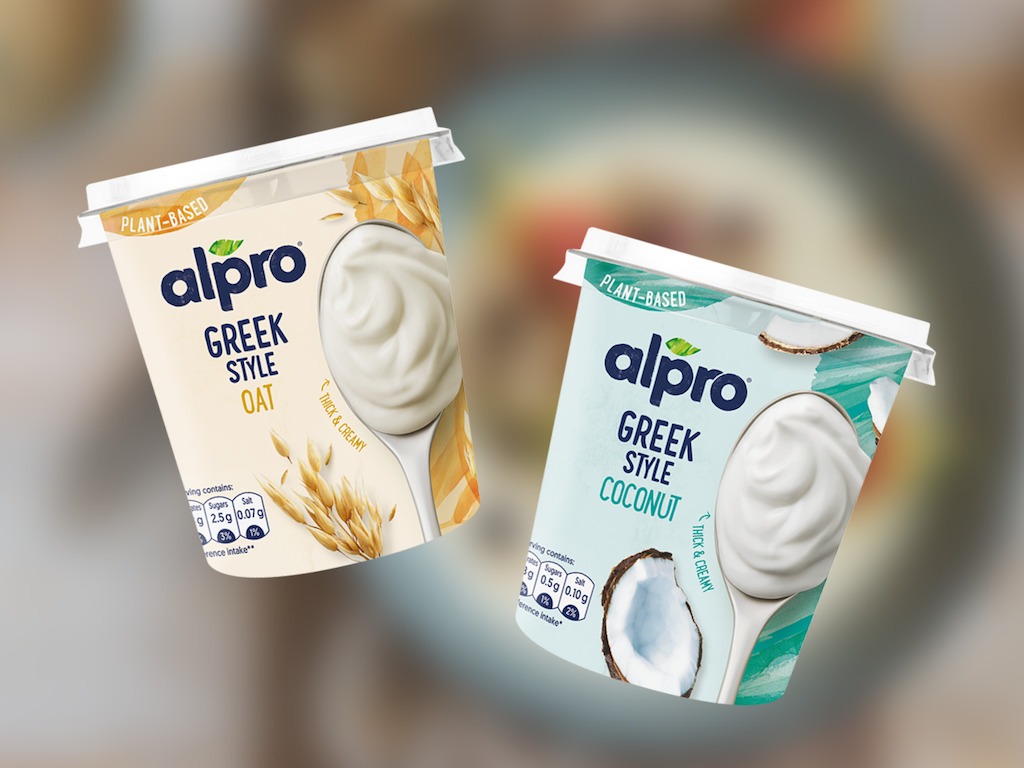
    Alpro vegan yogurt

    Consumers weren’t just opting to replace meat, eggs, and dairy, though; 25 percent said they tried vegan chocolate for the first time, and more than half said they’ll try it again. 

    The findings come as global demand for plant-based alternatives to meat, eggs, and dairy demonstrates a growing shift away from animal products. A recent survey by dairy giant Arla found that 49 percent of Gen Z were “ashamed” to order dairy in public even if they still regularly consume it at home. The survey pointed to social media’s influence as well as concerns of being categorized as not doing their part to reduce global warming by opting for dairy-free milk.

    The post 25% of Brits Started Eating Less Meat During Covid and Haven’t Stopped, Survey Finds appeared first on Green Queen.

    This post was originally published on Green Queen.

  • SCiFi Foods co-founders
    4 Mins Read

    Bay-Area food-tech startup SCiFi Foods has emerged from stealth mode with a game-changing announcement for the cultivated meat sector. The company says it has achieved price parity with beef using a proprietary tech combination involving its own high-throughput cell line engineering and CRISPR technology.

    “We’ve known from day one that by opting to work on cultivated beef, we were choosing a much bigger challenge in terms of the science and technology required,” SCiFi Foods CEO and co-founder Joshua March said in a statement. “However, beef is the ultimate prize—with both the biggest market demand and the biggest climate impact. This breakthrough illustrates the power of our bioengineering strategy, and is a huge testament to our team and the platform they’ve built.” 

    Price parity

    According to SCiFi, its first R&D announcement is also a world’s first achievement—the company, which has raised more than $29 million to date, is the first to produce edible cultivated beef cell lines that grow in a single-cell suspension. “This not only validates SCiFi Foods’ cell line engineering strategy and platform, but also allows the company to reduce the cost of growing its beef cells at scale by at least one thousand times—the biggest zero to one in cultivated meat,” the company said.

    burger
    Photo by amirali mirhashemian on Unsplash

    The milestone cements cultivated meat as a viable alternative to conventional meat production and its environmental and ethical issues. SCiFi says the tech has allowed it to reduce the cost of cultivated meat by more than 1,000 times current production costs—this development achieves price parity for cultivated beef grown at scale. The result is a “blended burger” that’s part plant-based and part cultivated meat, for less than $10 per burger.

    The achievement comes less than a decade after the first cultivated beef burger was introduced in The Netherlands. That burger, developed by Mark Post and Peter Verstrate, cost $330,000 to produce.

    SCiFi says most companies working to produce cultivated meat are attaching cells to a surface or using microcarriers. This poses some barriers, the company says, including limits on cell density, is more expensive, and has not been demonstrated at large scale. The new single-cell breakthrough allows the use of standard large-scale bioreactors, which is more economical to produce, the company says.

    The single-cell tech has been used in producing cultivated chicken and fish cell lines, but this is the first time a company has successfully produced beef.

    CRISPR

    Part of the development comes by way of the controversial CRISPR technology. That tech, developed by American biochemist Jennifer Anne Doudna, a Fellow of the Royal Society, was adapted from a genome editing system that bacteria use for immunity. By capturing and inserting small pieces of DNA from the attacking virus into their own DNA, bacteria create what’s called CRISPR arrays.

    The technology has been eyed as a potential embryonic treatment for a number of hereditary diseases including hemophilia, cystic fibrosis, Alzheimer’s, and Parkinson’s, among others.

    But for all of its potential, the tech has also brought controversy as studies have found that altering the DNA of embryos or eggs and sperm could cause mutations that create other health threats. The risks don’t just impact the embryo at hand, either; genetic changes would alter the health and health risks of future generations, too, research has found.

    Photo by Talha Hassan on Unsplash.

    The tech is unlikely to pose risks to humans who consume CRISPR-edited cultivated beef, however. Just in the same way that eating meat from an animal with brown eyes doesn’t change the consumer’s eye color, the tech would be unlikely to alter human DNA.

    SCiFi isn’t the first to explore CRISPR in developing cultivated meat. Fellow California-based company Upside Foods patented a CRISPR tech in 2017 which it said could modify cells into perpetual replicative states.

    SCiFi says the new achievement will see cultivated beef prices drop even further; it says with a large-scale production plant coming, it can reduce the cost to just $1 per burger.

    “Cultivated meat has the potential to disrupt the trillion-dollar meat market and help build a more sustainable future, but cost has always been its biggest challenge. With this milestone, we’ve proven that potential is realistic with our ability to engineer beef cells that grow at low cost and large volumes,” said SCiFi Foods CTO and co-founder, Kasia Gora, PhD.

    “A decade ago, when the first lab-grown burger debuted in the press, it seemed like a pipedream,” she said. “So we are proud to be taking a major leap towards making cultivated meat a reality for everybody.” 

    The post How Cultivated Meat Startup SCiFi Foods Used CRISPR to Achieve Price Parity With Beef appeared first on Green Queen.

    This post was originally published on Green Queen.

  • 3 Mins Read

    California public schools will soon have more plant-based options for students thanks to $700 million earmarked in the recent $300 billion Budget Act of 2022 signed by Governor Newsom ahead of the state’s new fiscal year.

    California’s new budget sees funding for a number of state-funded programs, including what Governor Newsom called “core values at a pivotal moment.”

    In a statement, the Governor said the budget will help safeguard a women’s right to choose, “expanding health care access to all and supporting the most vulnerable among us.”

    Feeding California students

    The $308 billion budget includes a significant chunk for the state’s public schools; $600 million goes to kitchen infrastructure, upgrading, and training, and $100 million is going toward securing plant-based ingredients.

    Last year, California became the first state to offer a free breakfast program as well as lunch. Ahead of the return to classes last fall, it also made all school lunches free, regardless of family income, becoming the first state to offer such a program. There are more than six million public school students across the state. Several U.S. cities have offered this for some time, but a state-wide effort has historically been too challenging.

    Courtesy Max Fischer via Pexels

    The free meals were added due to a budget surplus that arose as a result of the pandemic and cafeterias being closed for extended periods. The decision was applauded by lawmakers, parents, and anti-hunger organizations. For millions of children across the state, their free school lunches are often their only hot meal of the day. 

    The new funding to add plant-based meals comes by way of efforts from Assemblymember Nazarian (D-Van Nuys), as well as vocal parent groups and school districts that wanted to see healthier options on campuses. Impossible Foods, a California company, recently announced two new cafeteria-ready products in support of the funding; pre-cooked vegan burgers and whole grain-coated nuggets will be available to foodservice providers.

    “I am very excited to see plant-based school meals included in this year’s budget. Having this optional program for schools, in addition to their existing meat and dairy menus, will allow for an inclusive selection for our students,” Assemblymember Nazarian said in a statement. “Many school districts across our state have a sizable student population that requires or wants plant-based or restricted diet options and cannot afford the sometimes-higher prices. This year’s budget is a sizable step towards empowering schools to respond to their students’ needs.”

    Impossible Nuggets
    Courtesy Impossible Foods

    Judie Mancuso, founder and president of Social Compassion in Legislation, a co-sponsor of AB 558 praised Assemblymember Nazarian for the four-year effort. “We are grateful to see both the legislature and the Governor recognize the cultural shift towards plant-based choices by supporting our children to eat healthier, more climate-friendly, and humane diets.”

    Vegan meat funding

    The state’s Budget Act also recently allocated $5 million to the research and development of cell-based and plant-based meat. That funding is spread across three University of California campuses: Los Angeles, Berekely, and Davis.

    The funding for the schools and the research comes as California is in its third consecutive drought year, with record-breaking heat and water shortages plaguing the state. Plant-based meat in particular was recently cited as the most sustainable investment option for reducing climate impact, even more so than switching to electric vehicles. 

    The post California Public Schools to Receive $700 Million to Add More Plant-Based Food appeared first on Green Queen.

    This post was originally published on Green Queen.

  • The NotCo chicken sandwich
    3 Mins Read

    Chile’s NotCo expands its presence in its backyard with new vegan chicken options in Burger King Chile.

    It’s been a busy year since NotCo, the Chilean food-tech startup known for its AI technology dubbed Giusseppe, raised $235 million in a Series D funding round that included backing from tennis star Roger Federer, F1 Driver Lewis Hamilton, and Oscar-winning musician and filmmaker, Questlove.

    NotCo expands

    Last year’s funding took NotCo into unicorn territory, earning a $1.5 billion valuation—a first for a Chilean company. That valuation came just a year after the startup was valued at $250 million. NotCo was launched in 2015 by Matias Muchnick whose vision has been to move the needle for plant-based food in its Latin American base as well as all other corners of the globe.

    Courtesy

    Despite pandemic setbacks for much of the sector, it’s been a busy year for the brand; NotCo expanded its U.S. presence with a Shake Shack milkshake collaboration featuring NotCo’s dairy-free milk earlier this spring. It also opened up its Canadian presence with its NotBurgers. 

    The company kicked off the year with plans to expand into Asia, where it says it’s planning to bring seafood to market. But perhaps most notably is the partnership it announced in February with Kraft Heinz. The companies created a new joint venture to develop plant-based products.

    “The joint venture with TheNotCompany is a critical step in the transformation of our product portfolio and a tremendous addition to our brand design-to-value capabilities.,” Miguel Patricio, Kraft Heinz CEO said in a statement. “It helps deliver on our vision to offer more clean, green, and delicious products for consumers. We believe the technology that NotCo brings is revolutionising the creation of delicious plant-based foods with simpler ingredients.”

    NotCo x Burger King

    Now, NotCo has announced its vegan chicken, which debuted last year, is on the menu in two new Burger King sandwiches and nuggets across locations in Chile. It has worked with Burger King before on menu items in Chile and Paraguay.

    Burger King says the growing demand for vegan options has made the partnership an easy decision. 

    “[They] ask for a variety of vegetable options without compromising on taste,” Jaime Ponce, Burger King Chile’s category manager said in a statement. “We are sure they will love [the NotCo menu items].”

    Vegetarain Burger King menu items in Madrid.

    The launch of the chicken coincides with Burger King making its entire menu meat-free at two of its Chilean locations for a limited time. The fast-food chain has done this before, most recently in Europe at two locations in Switzerland. That followed a vegan turn at its London flagship location. It’s a nod to the growing demand for vegan food even in traditionally meat-heavy sectors such as fast food that companies like NotCo are perpetuating. 

    Like Burger King’s most notable North American partner, Impossible Foods, NotCo is building name recognition with consumers, which it hopes will lead to increased demand for vegan options.

    “We want to reach every corner of the world,” Maximiliano Silva, NotCo’s country manager in Chile, said in a statement. “We are in a complex environmental moment and we believe that, through these alliances, we can make a difference to make an impact on the planet.”

    The post Celebrity-Backed NotCo Brings Its AI-Developed Vegan Chicken to Burger King appeared first on Green Queen.

    This post was originally published on Green Queen.

  • precision fermentation technology
    6 Mins Read

    Precision fermentation has been around for decades, and most of us eat foods that contain ingredients made using the technology on a daily basis. Animal-free dairy makers are now using it to bring you the cheese and milk you love without the environmental cost.

    As the alternative protein industry matures, it is increasingly under attack from food industry lobbies and interest groups. Of late, precision fermentation technology, used to create animal-free dairy foods, has been the target of the Non-GMO Project, a U.S. based non profit organization focused on alerting consumers to the presence of genetically modified organisms (GMO) in food products. In a press release published during National Dairy Month in the U.S., the organization described animal-free dairy made from precision fermentation as unregulated and dangerous.  We thought it would be prudent to address the allegations as a matter of separating fact from fiction.

    Let’s start with the most important facts: precision fermentation (PF) is a technology that has been around for 30 years, is entirely safe and is used in dozens (if not hundreds) of products you interact with every day. That cousin of yours that’s Type 1 diabetic? Her insulin is made using PF. The cheese you buy at the grocery store? The enzymes are made using PF. The vitamin supplement you give your teenager for their skin? PF again. That naturally flavored grapefruit soda you love? That’s right, it’s made using PF.

    Here’s the thing. Until Perfect Day and its peers crash landed onto our food scene, most of us had never heard of precision fermentation. Now, this technology that we interact with regularly (though perhaps unknowingly), has been put under the microscope by everyone from chefs to media personalities to lobby groups. When something feels or sounds new, it’s entirely natural to have questions. Particularly when it’s related to the food we eat.

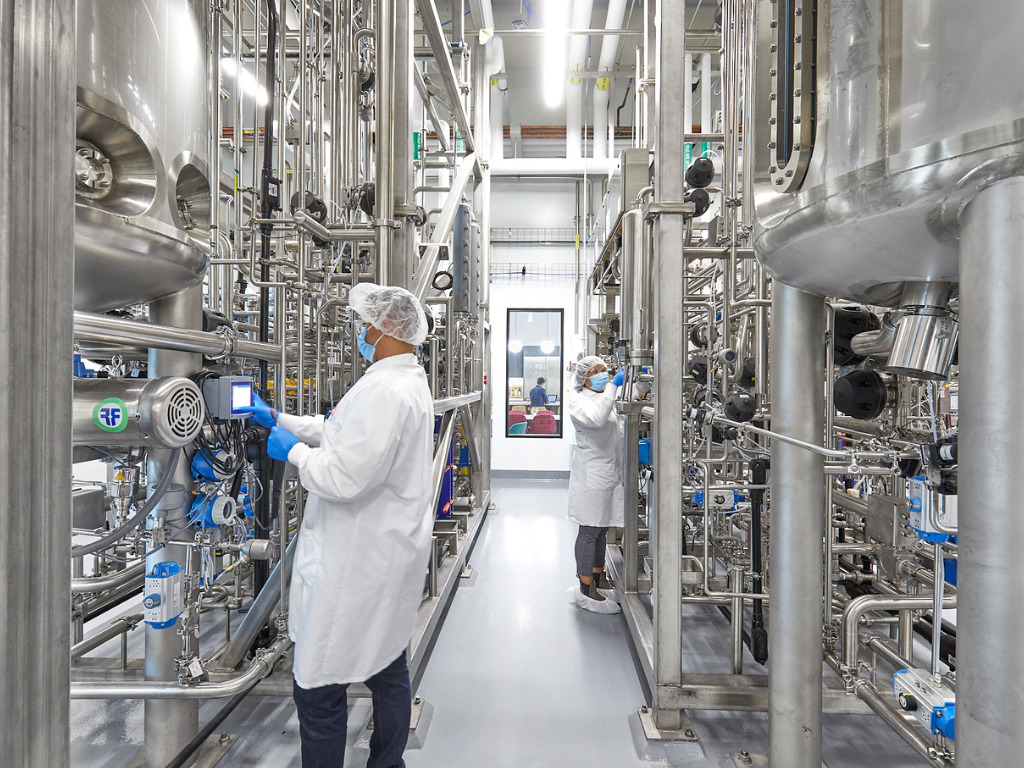
    When it comes to animal-free dairy, precision fermentation refers to a process used to produce bio-identical milk proteins like casein or whey, without the use of animals. It is done by encoding milk protein DNA sequences into microorganisms, like yeast or fungi, and then fermenting them with nutrients and sugar in fermentation tanks, much like those used to brew beer. During the fermentation process, these unique microbes produce proteins, identical to those found in cow’s dairy milk. These proteins are filtered into a pure milk protein isolate that can be used to create our favorite dairy products such as cheese, yogurt and ice cream, without the use of animals. 

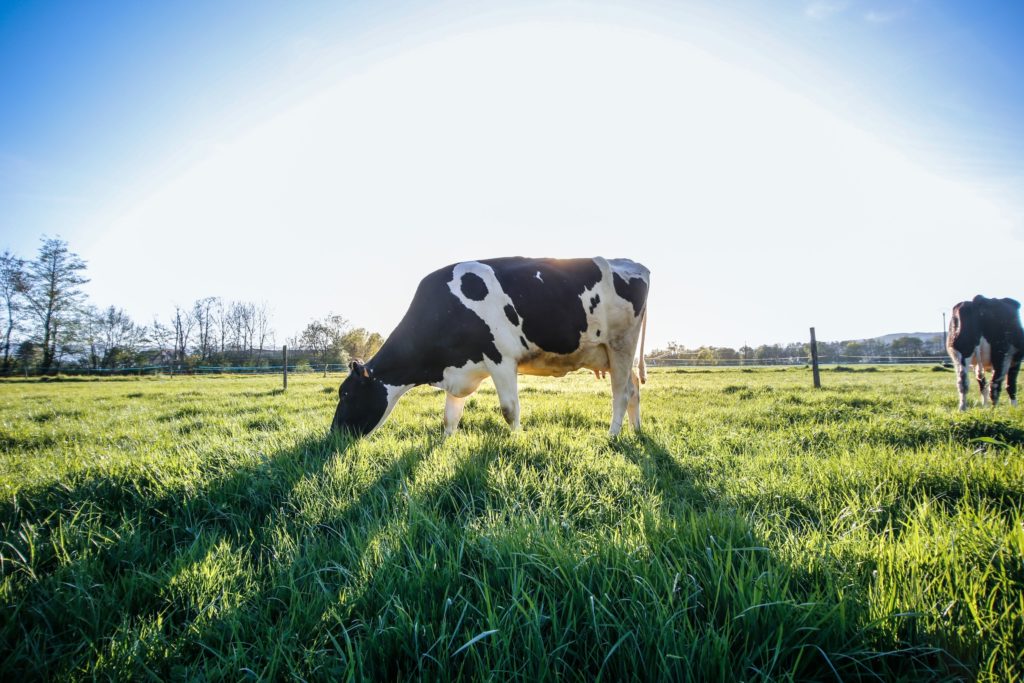
    The whole point of using precision fermentation is to produce the dairy products we love (think milk, cheese, yogurt) with a fraction of the carbon emissions, land requirements and water usage that the conventional dairy industry requires. This means the hundreds of millions of people who consume dairy products daily can do so without causing global warming. 

    FACT: Conventional dairy has a global warming problem

    Let’s be clear, we are at a critical point in the climate change fight. Unless we significantly reduce the outsized climate impact from conventional agriculture, and that includes dairy farming, we will not be able to achieve the Paris Agreement goals. With half of all habitable land already being used for agriculture and 77% of that devoted to raising animals for food, anyone who is serious about creating a sustainable food industry knows that we cannot go on with the status quo. We certainly cannot nourish a growing global population with an agricultural system that already consumes too much land and water resources and drives biodiversity loss, while also emitting a third of global greenhouse gases. If global animal agriculture continues to expand, it will prevent the decarbonization of our agricultural system and perpetuate the increase of methane emissions, a greenhouse gas that is 86 times more powerful at warming the planet on a 20-year scale than carbon dioxide. 

    When it comes to conventional dairy production, it’s hard to argue with its environmental cost.  Producing just one litre of milk releases 3.15kg of CO2, while one kilo of cheese releases a whopping 23.88kgs of CO2- about the same as burning 10kg of coal!

    On the water front, things are not much better. To get one litre of milk requires 628 litres of water. A kilo of cheese demands an incredible 5,606 liters of water, the highest among all foods.

    Beyond water and emissions, producing conventional dairy foods involves heavy use of antibiotics, a huge amount of arable land and GMO corn/soy animal feed, not to mention that the fields where these are grown are sprayed with pesticides and glyphosate. 

    FACT: You are already consuming precision fermentation foods and products

    Precision fermentation is safely used to make insulin, most vitamins, flavors and countless enzymes found in nearly all commercially produced foods. We’ve all been eating foods produced with the aid of precision fermentation for decades. This is not new. Here’s an overview of common foods and supplements made using PF: 

    Enzymes: PF is used to make all sorts of enzymes used in food production, from amlysases to keep bread soft and prevent staleness, pectinases to make fruit juices clear instead of cloudy,  transglutaminases to make deli meat products such as salami hold together better.

    Vitamins: Almost all of the common vitamins we use to fortify foods (in powder form) or to supplement our own diets (in pill form) such as B vitamins (B2 and B12 in particular) and vitamins A, C, D, E and K, are made via precision fermentation technology. 

    Natural Flavors: Many flavorings and aromas regularly used in food are made via PF such as vanilla flavoring. When you see the term ‘natural flavors’ on an ingredient list? That’s PF too. The U.S. Food and Drug Administration (the FDA)’s own definition of “natural flavor/flavoring” includes ingredients made using precision fermentation. 

    Medicine: Specifically, insulin for Type 1 Diabetes patients to inject themselves with. Until the 1980s, we used to have to inject diabetes patients with insulin obtained from pigs and cows. 

    Cheese (this one is ironic, given the conventional dairy industry’s anti-PF stance): Rennet is a key ingredient in most cheeses. It is composed of the enzyme chymosin, which helps to separate the milk solids (the parts used in cheesemaking) from the liquids. In other words, rennet enables the formation of firm curds and is crucial in helping cheesemakers achieve their desired cheese texture. 80% of rennet used in global cheese produced comes from precision fermentation using microorganisms as host factories (the rest comes from the stomachs of ruminant animals). So chances are, if you have eaten dairy cheese, you have eaten PF-made rennet.

    FACT: Animal-free dairy is regulated by the US FDA  

    Animal-free dairy is a regulated industry. The U.S. FDA oversees and regulates any substance that is intentionally added to food as an additive through the GRAS Notification Program. This is also how enzymes, vitamins and flavors are regulated. To date, both Perfect Day and Remilk have followed this process prior to launching products in the U.S. market. 

    Animal-free dairy proteins do not fall under the USDA National Bioengineered Food Disclosure Standard, because the final product (animal-free milk protein) does not contain any detectable genetic material. 

    While genetic engineering techniques are used in creation of the microorganisms that produce the dairy proteins, they are filtered out at the end of fermentation. The resulting product is a high purity milk protein isolate, which is bio-identical to milk protein from cows.

    FACT: Animal-free dairy has a lower carbon and water footprint than conventional dairy 

    The planetary toll of the conventional industry when we are in the midst of a worsening climate crisis that is threatening our global food security is exactly why we need to rethink how we produce food and support nascent industries like animal-free dairy made from precision fermentation. This will allow consumers to continue enjoying the milk and cheese they crave and love at a lower cost to the planet. 

    In the RethinkX report on agriculture, the authors write that “modern alternatives will be up to 100 times more land efficient, 10-25 times more feedstock efficient, 20 times more time efficient, and 10 times more water efficient. They will also produce an order of magnitude less waste.”

    According to a Life Cycle Assessment commissioned by Perfect Day, their technology allows for “a reduction in environmental impact of up to 99% less water use, up to 97% fewer greenhouse gas emissions, and up to 60% less renewable energy use compared to traditional (dairy) production methods.”

    The future of our planet and the ability to feed next generations depends greatly on our ability to bring these new solutions to life. Precision fermentation is part of a broader ecosystem of sustainable food solutions, which include regenerative organic farming, plant-based foods and animal-free dairy. Without them we are at risk of losing the battle against climate change and in the years ahead, we will face unrelenting challenges to affordably feed 10 billion people.


    Lead image designed by Green Queen Media.

    The post You’re Already Eating Foods With Ingredients Made Using Precision Fermentation, So Why The Fuss About Animal-Free Dairy? appeared first on Green Queen.

    This post was originally published on Green Queen.
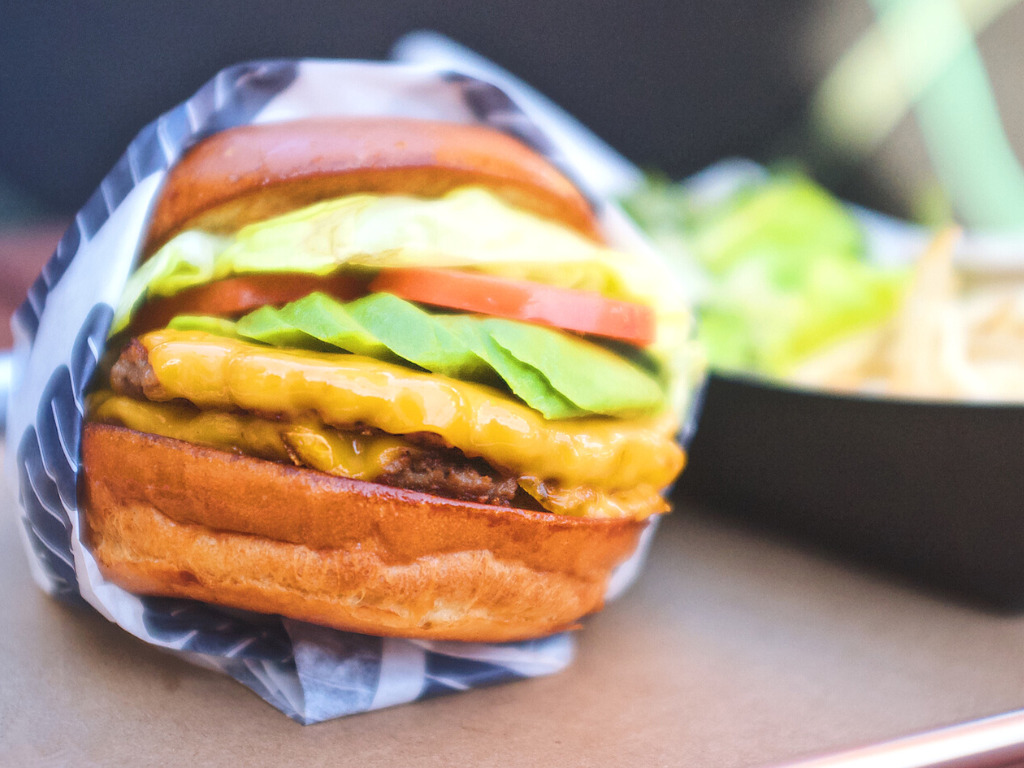
  • 5 Mins Read

    While experts continue to argue over whether or not plant-based meat is healthy, the science appears to be indisputable when it comes to its benefits in fighting climate change.

    According to a new report from the Boston Consulting Group, a plant-based diet is the best investment for reducing the impact of climate change. Beef, for example, produces six to 30 times more emissions than the same amount of tofu, the report notes.

    The findings

    But the gains from a plant-based diet, particularly plant-based meat, aren’t just in a smaller environmental footprint than animal products. The report, entitled Food for Thought: The Untapped Climate Opportunity In Alternative Proteins, found that plant-forward diets yield bigger results than other sustainable technologies aimed at addressing climate change—some of which are receiving more funding than plant-based foods despite lower yields.

    When compared to green cement, plant-based alternatives reduced greenhouse gas emissions by three times. Compared to green buildings, it’s seven times, and when it comes to emissions-free cars, like the ever-present Tesla—the number jumps to 11 times the reduction in emissions.

    “There’s been a lot of investments into electric vehicles, wind turbines and solar panels, which is all great and helpful to reduce emissions, but we have not seen comparable investment yet [in alternative proteins], even though it’s rising rapidly,” Malte Clausen, a partner at BCG told the Guardian. “If you really care about impact as an investor, this is an area that you definitely need to understand.”

    Photo by Mark Stebnicki at Pexels

    The findings come after recent calls from the scientific community to urgently and drastically reduce methane gas emissions; animal agriculture is a leading cause of methane emissions. 

    “Widespread adoption of alternative proteins can play a critical role tackling climate change,” Clausen said. “We call it the untapped climate opportunity – you’re getting more impact from your investment in alternative proteins than in any other sector of the economy.”

    Switching to a predominantly plant-based diet is easier than its ever been with supermarkets, cafeterias, and restaurants adopting plant-based options. The diet is also far more popular and more widely accepted than it was just a decade ago; long-time critics of the diet like Gordon Ramsay have become some of its most vocal supporters.

    Market opportunity

    The report says that despite its accessibility, alternatives to meat, eggs, and dairy make up just two percent of the total protein market. That number is expected to rise to 11 percent by 2035. That shift alone will reduce the emissions produced by nearly the equivalent of the entire aviation sector, which produces about 2.5 percent of total global emissions. By comparison, agriculture is responsible for more than 15 percent of total emissions, and animal agriculture is responsible for at least 60 percent of that. 

    But according to BCG, the growth could be faster and bigger than its projected 11 percent. Consumer habits are shifting fast; a recent report found nearly half of Gen Z consumers were “ashamed” to order dairy products in public, for example. 

    GOOD Meat cultivated chicken. Photo by Eat Just.

    The alternatives market is also accelerating with the development of new technologies like cell-based meat and precision fermentation that can replicate animal products in taste, texture, and nutrition profile, with a much smaller carbon footprint. The cultivated meat sector, which has only received regulatory approval in Singapore to date, went from a valuation of $1 billion in 2019 to more than $5 billion last year. With U.S. regulatory approval expected within the next year, the cultivated meat market is expected to take off once consumers warm to the tech.

    Cell-based tech promises a win-win scenario for the die-hard meat- and dairy-eaters who want to reduce their carbon footprint without sacrificing their favorite foods. These cultivated products are not plant-based knock-offs like the Impossible Burger or Beyond Burger but contain actual animal cells grown in bioreactors instead of animals so they offer the taste and texture of animal foods, without the environmental footprint or ethical concerns.

    ‘Peak meat’

    According to another BCG report, Europe is heading toward a 2025 “peak meat” apex point, where consumption will shift to alternatives in larger numbers, be they plant-based or engineered. Experts in the sector, including Impossible Meat founder Pat Brown, have made predictions that the “end” of meat will come before mid-century. Brown predicts animal products will be obsolete in little more than a decade.

    His prediction mirrors a 2019 report from consultancy AT Kearney that said most of the world’s meat products will not come from animals by 2040. 

    Both Impossible and Beyond have made big strides in converting meat-eaters to plants with placement in fast food chains including the top two burger chains, Burger King and McDonald’s.

    Courtesy

    But despite the benefits of reducing the agricultural dependence on animals, BCG says alternative proteins have received only “a fraction” of the investments into other sectors such as renewable energy and electric vehicles. 

    “Buildings have received 4.4 times more mitigation capital than food production, even though building emissions are 57 percent lower than those tied to food production,” reads the report.

    The researchers underscore that opting for plant-based alternatives is easier and less expensive than virtually any other switch consumers can make to reduce their carbon footprint.

    “You are cutting out the ‘middleman’, whether it’s a cow, a pig or a chicken,” Clausen said. “It’s just mathematics: if instead of feeding all of these crops to animals, and then eating the animals, you just use the crops directly for human consumption, you need less crops overall and therefore alleviate the constraints on the system.”

    The post Plant-Based Meat Is the Best Investment to Slow Climate Change, Report Finds appeared first on Green Queen.

    This post was originally published on Green Queen.
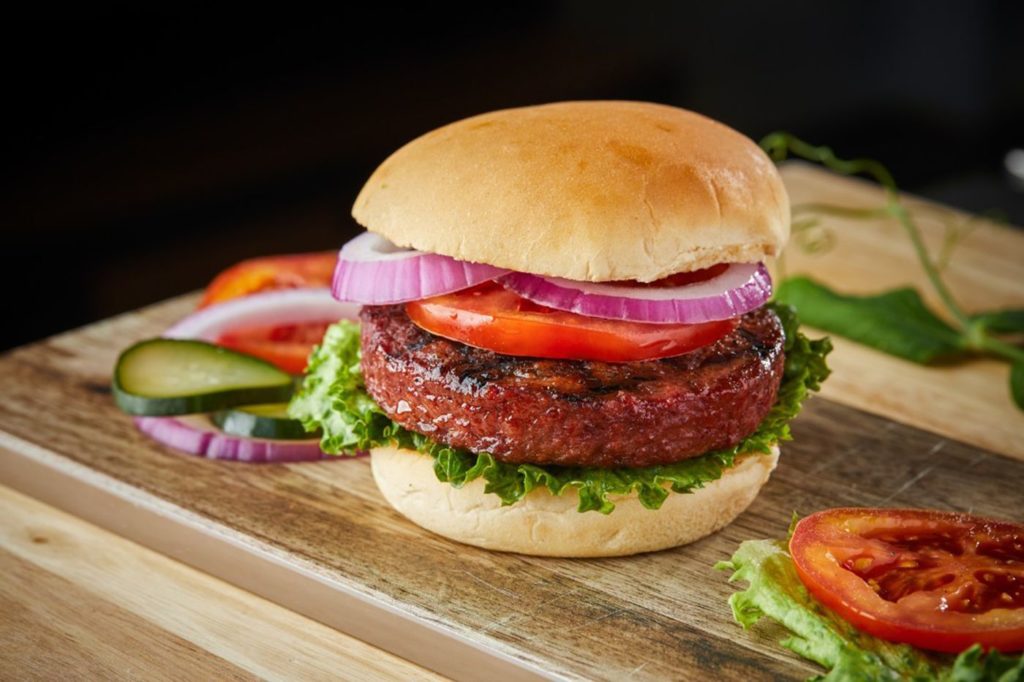
  • burger
    3 Mins Read

    Japan’s DIC Corporation, one of the world’s leading fine chemicals companies, has completed an undisclosed investment into U.S.-based biotech startup Back of the Yards Algae Sciences, which has developed a vegan heme alternative to genetically modified soy using spirulina.

    The Chicago-based Back of the Yards Algae Sciences (BYAS) was launched in 2018 by Leonard Lerer, an MD MBA with almost 30 years of life sciences R&D, finance, and management experience. The company is working to develop innovative extracts and sustainable proteins. It’s an area of interest for DIC, which says it’s working to shift toward more sustainable and circular algae-derived products including food colorants, additives, and biostimulants that can help improve farming yields.

    Sustainable development

    DIC works across a number of sectors including packaging materials as well as materials for smartphones, automobiles, and televisions. The company has been prioritizing sustainability in recent years, looking also at products that it says “respond to social change and which help address social imperatives.”

    BYAS offers DIC access to its proprietary technology for the extraction of active ingredients from biobased materials, including algae and mycelia—the root structure of mushrooms.

    Courtest Burger King

    The company has developed a heme analog from the blue-green algae spirulina. according to BYAS, it’s receiving industry interest for its ability to “enhance the alternative meat taste and aroma, without the use of genetically modified organisms.”

    That development could play a big role in future vegan meat options. Bay Area vegan meat producer Impossible Foods has come under fire for its use of genetically modified soy for its heme element. Heme is what gives the company’s vegan meat that meaty and bleeding texture and appearance. While a hit in the U.S., with placement in Burger King among other chains, heme has slowed the company’s expansion plans outside of the U.S., while its chief competitor, Beyond Meat, which does not use heme, has sped into European and Asian markets in recent years.

    Spirulina research

    DIC has been a leader in spirulina research since the 1970s. The multinational corporation developed a natural and edible pigment from the algae, a food color product called Lina Blue. It’s been used in food products as well as livestock feed.

    algae
    Photo by Vita Marija Murenaite on Unsplash

    BYAS says its platform is also ‘zero-waste,’ and that it “effectively utilizes all ingredients obtained from biobased materials.” This, the company says, contributes to improved consumer health as well as the circular economy, which it says is “perfectly aligned” with DIC’s vision.

    The investment will see DIC and BYAS share their algae tech to develop new products, improve efficiency, reduce waste, and increase sustainability efforts. There’s also a go-to-market plan with DIC Group member Sun Chemical Corporation.

    The post Japan’s DIC Corporation Bets Big on Algae to Replace GMO Heme in Vegan Meat appeared first on Green Queen.

    This post was originally published on Green Queen.
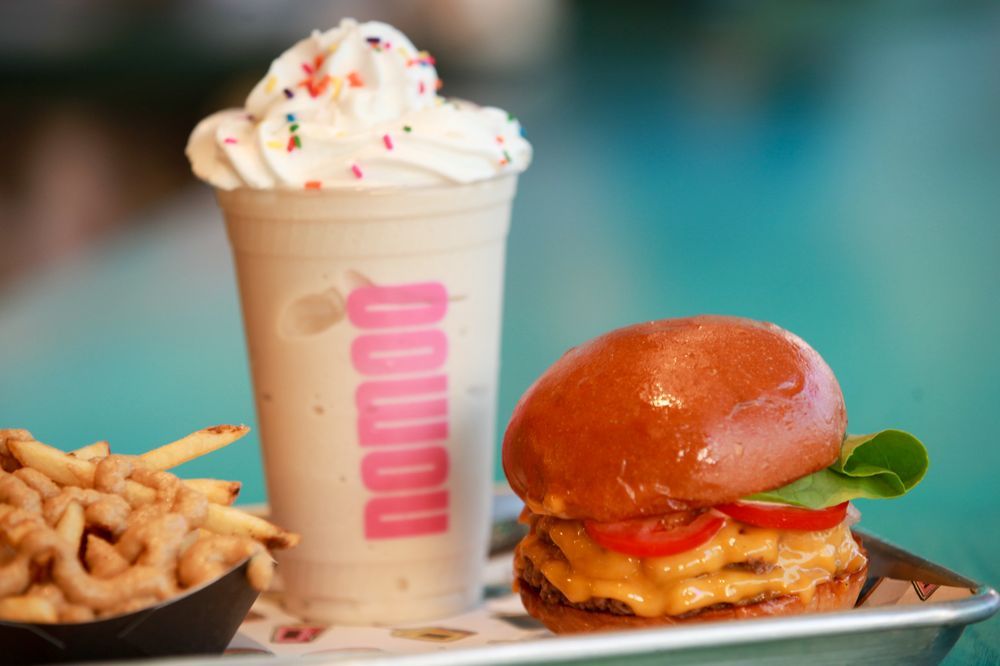
  • Revo Foods salmon
    3 Mins Read

    Vegan salmon may be healthier than conventional salmon—at least when it comes to contaminants including mercury and PCBs, according to a recent test funded by vegan salmon startup Revo Foods.

    “Many people believe that vegan products are unhealthier than animal products, but is that actually true?” asks Revo Foods. The Austrian vegan seafood producer, which developed the world’s first 3D printed plant-based salmon, says it had an independent lab compare its plant-based smoked salmon to three different conventional smoked salmon brands.

    The results

    According to Revo Foods, while the conventional salmon samples were all high in mercury and PCBs (polychlorinated biphenyls), those contaminants were “not or hardly detected in plant-based Revo salmon.” This, the company says, shows a significant health benefit and reason to consider making the switch to plant-based seafood.

    Mercury and other contaminants are among the leading reasons consumers avoid seafood. It’s a particular cause for concern for pregnant and breastfeeding women. The World Health Organization classifies mercury as one of the top ten chemicals or groups of chemicals of major public health concern because of its link to damage to the nervous, digestive, and immune systems. Its also been shown to have risks to lungs, kidneys, skin, and eyes.

    Courtesy Revo Foods

    Revo says the lab results on the three conventional salmon brands showed an average mercury concentration of 37 micrograms per kilogram. The concentration for Revo Salmon was below the detectable limit, less than 10 micrograms per kilogram or 0.01 parts per million. “This shows a clear benefit of plant-based salmon for preventing the intake of heavy metals,” Revo says.

    The presence of dioxins and PCBs is another reason consumers are reducing their seafood consumption. High and consistent exposure to PCBs has been linked to an increased risk of type-2 diabetes, obesity, cardiovascular disease, nervous, reproductive, and immune risks, as well as certain types of cancer.

    According to Revo’s lab results, the vegan salmon contains 106 picograms per kilogram (a picogram is one-trillionth of a gram), while conventional salmon was close to 493 pg/kg. Major health organizations recommend keeping PCB levels to below 140 pg per week. That means a single 8-ounce serving of fish, about 250 grams, may contain more than a week’s worth of the chemicals.

    Salmon 2.0

    The findings come after Revo Foods, which launched at the beginning of the pandemic, debuted what it calls an “ultrarealistic” plant-based ‘salmon 2.0’ fillet. It shared the vegan fish at a public tasting at the end of May in Vienna.

    Courtesy Revo Foods

    “It’s all about structure and creating the perfect bite,” Robin Simsa, CEO of Revo Foods, said in a statement.

    The tasting followed the launch of Revo Foods’ smoked salmon, which is currently sold in 16 countries across Europe including supermarkets in Austria and Germany.

    The company is the recent recipient of €2.2 million in equity-free grant funding from the Austrian Research Promotion Agency to further develop its vegan seafood. Revo says its whole-cut vegan salmon will be in stores by the beginning of next year.

    The post This 3D-Printed Vegan Salmon Is Just Like Fish Only Without the Mercury appeared first on Green Queen.

    This post was originally published on Green Queen.
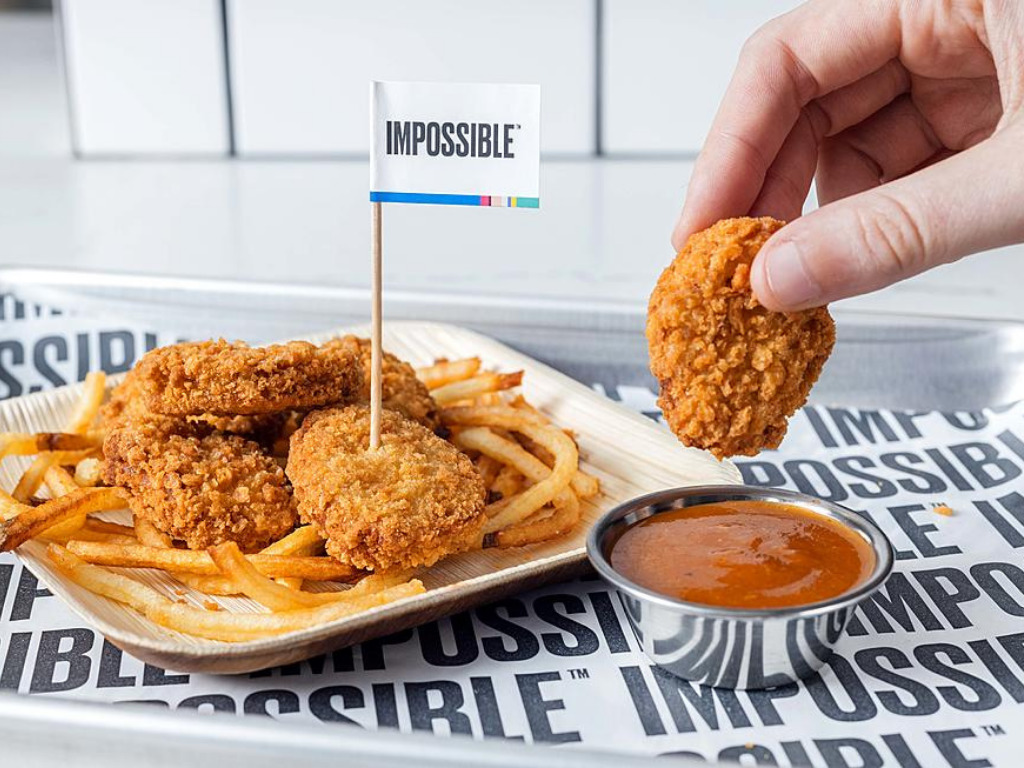
  • barista
    3 Mins Read

    Could your next dairy-free latte be made with chickpea milk instead of oat? Food tech startup ChickP says you may want to consider replacing your dairy-free barista staple with its state-of-the-art milk.

    Chickpea protein is the secret to ChickP’s plant-based creamer that it says works to provide a superior froth without any bitter, grainy, or chalky textures or flavors, and without the addition of additives or questionable ingredients.

    Chickpea milk

    “Plant-based barista drinks set new challenges,” Liat Lachish Levy, CEO of ChickP, said in a statement. “Consumers want a holistic, better-for-you, yet full flavor experience. Our technologists took full advantage of our new state-of-the-art application lab to overcome organoleptic and technical challenges in creating creamy, dairy-free ‘milk’ for the perfect cappuccino.”

    With the company’s new chickpea milk, Lachish Levy says the company has accurately recreated the flavor, texture, and nutritional value of dairy milk.

    Chickpea water, also called aquafaba, has found a market as a replacer for egg whites. It’s been used in fluffy meringues and baked goods. ChickP uses the beans for its egg replacer and eggless mayonnaise.

    Photo by Markus Winkler via Unsplash

    “We currently are developing over twenty plant-based applications with leading food and beverage companies with our pure ChickP protein,” reports Lachish Levy. “Our customers turned to us to solve major challenges of plant-based products and we were able to provide comprehensive solutions in terms of flavor, complete nutrition profile, and functionality. Together with our customers and partners, we are unlocking the potential of our ChickP protein to offer the best solutions across multiple applications. Our customers confirm that ChickP isolate offers the best dairy-like solution on the market today.”

    The new creamer comes with a neutral flavor that requires fewer additives including sugar, while also offering “excellent foaming capabilities,” making it ideal for barista applications, the company says. The chickpea milk is also higher in protein than most at three percent per serving compared to the typical one percent. It also reduces the risk of allergens that nuts, soy, and even oats—which can be contaminated with gluten–can’t offer.

    “Consumers are looking for plant-based milk, but they also demand great taste and texture,” notes Maor Dahan, application manager of ChickP. “Our chickpea S930 and G910 isolate are the most refined form of protein with the advantage of matching color, flavor, and functional properties to food and beverage applications. This protein has great solubility, exhibiting excellent water dispersion properties across a wide range of pH. It has a low viscosity and an optimized flavor.”

    ChickP

    The new barista milk is the latest offering from the company founded in 2016 by Ram Reifen, MD, a pediatric gastroenterologist, and professor of human nutrition. It developed a proprietary technology for producing chickpea protein.

    The company completed an $8 million Series A raise earlier this year led by Genisys Capital Private Ltd. Singapore-based strategic partner Growthwell Foods.

    “Our ChickP protein ticks all the boxes,” says Lachish Levy. “It’s packed with highly nutritious complete protein containing all nine essential amino acids. But more than that, it has a rich texture, and provides smooth, stable full foaming, with a white color, perfect for showcasing the most artful barista’s skills.”

    The post Ready to Replace Your Latte’s Oat Milk With Chickpeas? This Company Says They Froth Better. appeared first on Green Queen.

    This post was originally published on Green Queen.
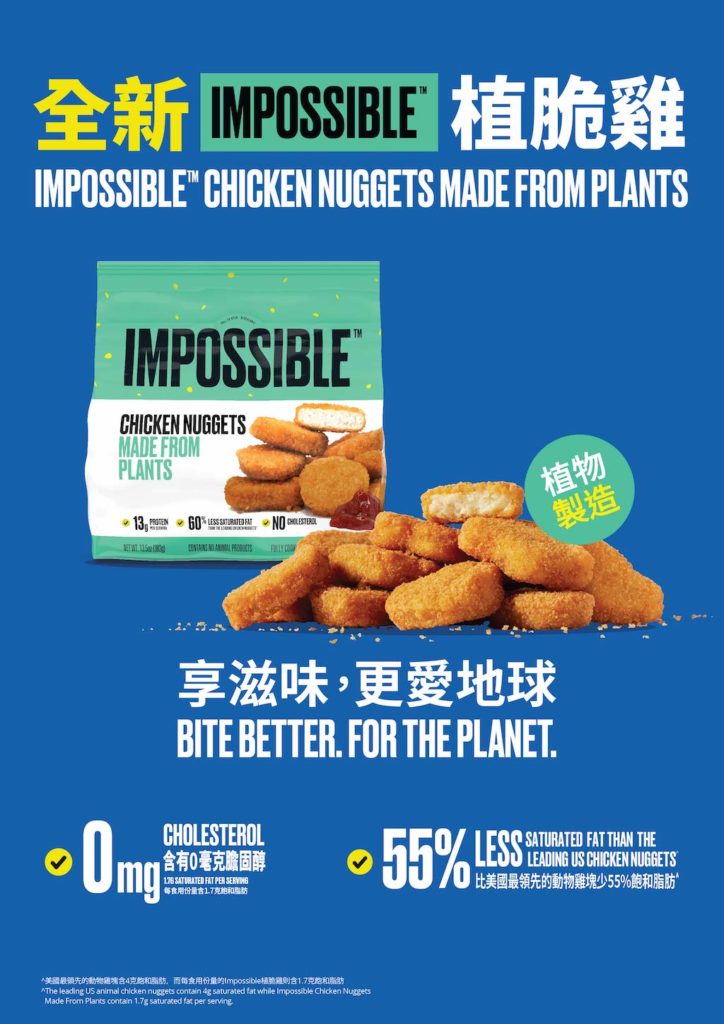
  • Avant cultivated fish
    3 Mins Read

    Greater China’s first cultivated seafood startup Avant has closed its Series A funding round of nearly $11 million.

    Hong-Kong-based Avant launched in 2018 and closed a $3.1 million seed fund at the end of 2020. It was recognized as a Technology Pioneer by the World Economic Forum last year. The company boasts a patent-pending proprietary technology. The new round was led by S2G Ventures and includes participation from Blue Ocean of SWEN Capital Partners, Regal Hotels, and Thia Ventures, as well as existing investors including Lever VC, CPT Capital, ParticleX, Artesian, Good Startup, and Alwyn Capital.

    Courtesy, Avant

    “We are very grateful for the huge support of new investors and the ongoing commitment from existing investors,” Carrie Chan, CEO and Co-founder at Avant, said in a statement. “We look forward to scaling up production for commercialization and sending our products to customers by late 2023.”

    “We are excited to support Avant in its mission to sustainably address the global demand for seafood with cutting-edge innovations,” said Larsen Mettler, Managing Director at S2G Ventures Oceans and Seafood. “Avant has a highly dedicated team and international group of co-investors who are ready to tackle overfishing and responsibly feed markets around the world.”

    Disrupting the seafood industry

    Avant says it’s working to replace seafood products to help protect the oceans while offering “delicious, nutritious, sustainable, traceable fish and seafood.”

    “We are delighted to continue to back Avant, a leading cultivated fish company with a great track record and a strong base in Asia, the world’s biggest seafood market and the most important one for global impact,” said Nick Cooney, Founder and Managing Partner of Lever VC.

    China is one of the largest seafood-consuming nations—consuming more than two million tons per year.

    Courtesy, Avant

    “Fishing practices are emptying the oceans at a rate of 1-2 trillion fish per year, with nearly 90 percent of the world’s marine fish stocks now fully exploited, overexploited or depleted,” Avant says. “Simultaneously, the consumption of fish is rising at a rapid rate. World food fish consumption in 2030 is projected to rise by 18 percent from 2018.”

    The seafood market

    The current global fish and seafood market is valued at more than $580 billion, with a CAGR of 5.3 percent expected through 2027.

    Avant says it has developed a multi-pronged approach to address the costs to scale, which includes its patent-pending technology. It says it’s able to reduce costs by 90 percent. It’s also doing it with an animal-free growth medium. The company is now working to open a pilot plant in Singapore next year with bioreactors that can produce up to 2,000 liters.

    Cultivated fish filets and fish maw are expected to be Avant’s first products to market once it receives regulatory approval. The company is also working on a marine peptide for use in skincare.

    The post Asia’s Cultivated Fish Company Avant Closes a $10.8 Million Series A appeared first on Green Queen.

    This post was originally published on Green Queen.
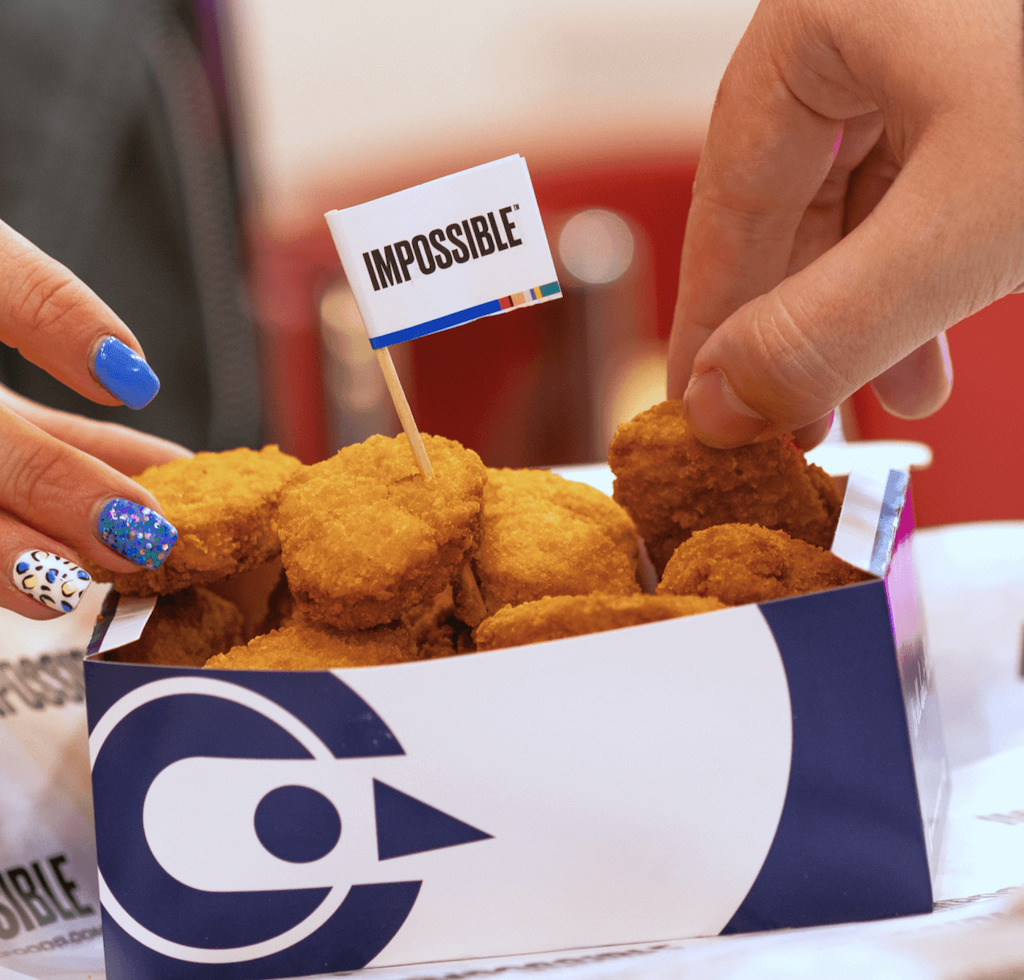
  • Buhler vegan burger
    4 Mins Read

    Swiss multinational plant equipment manufacturer Bühler is going all-in on the sustainable food system, particularly the alternative protein sector.

    At its recent 2022 Networking Days event in Uzwil, Switzerland, Bühler announced several key initiatives that focus on the changing protein landscape. The timing is crucial as approval for cultivated meat is likely to happen in key markets within the next 12 to 18 months after the successful Singapore approval of Good Meat’s cultivated chicken in 2020.

    Demand for plant-based protein continues its climb in developed markets such as the U.S. and Europe, and in new markets including Asia and Latin America.

    “We’re not against meat. We’re pro-choice and pro-solving problems,” said Ian Roberts, Bühler CTO.

    The Cultured Hub in Kemptthal

    To that end, the company is launching The Cultured Hub in Kemptthal near Zurich, which it says is nearly complete. It’s a joint venture between flavor giant Givaudan, Swiss supermarket giant Migros, and Bühler. The facility will support the acceleration of large-scale fermentation and cultivated food production.

    “We want to accelerate fermentation and cultured meat by offering startups the opportunity to test their products earlier, and not have to invest in a huge facility to do so,” Roberts said.

    Future home of The Cultured Hub in Kemptthal, courtesy

    “The challenges posed by climate change, increasingly depleted resources, and a growing global population expected to exceed 10 billion people by 2050 require a reimagination of our food system,” the company says on its website. “Sustainable food cultivation is key in meeting these challenges. Increased global customer demand for sustainably and ethically produced healthy, and tasty food products further substantiates the need for change.”

    Embracing biotech

    It will also explore partnerships that bring biotechnology, precision fermentation, and cellular agriculture to a number of key areas, namely animal feed, in a move it says will support a more sustainable value chain worldwide. It recently launched a joint venture with Austrian pharmaceutical and biotechnology company ZETA for that project.

    “Harnessing bioprocessing for the food and feed industry is not new, but it needs to be applied at scale,” Roberts said of the launch. “Technologies such as precision fermentation and cellular agriculture offer the potential to drastically reduce the land and CO2e footprints of food and feed production. This is a potential pathway to produce food and feed for a growing world population whilst respecting the limits of the planet.”

    Accelerating plant-based

    But for Bühler, it’s not just the controversial, complicated food tech of cultivated meat that’s on the table. In a partnership with Germany’s Flottweg SE, Bühler is working to accelerate plant-based products as demand rises, with an emphasis on protein isolates. Flottweg specializes in mechanical separation technology, a process Bühler says supports its production processes. This will accelerate the development of sustainable proteins.

    It’s a move that Andreas Risch, Head of Business Unit Special Grains & Pulses at Bühler, says will increase offerings to its customers in the whole protein processing space, “in particular toward protein isolation but also for all the applications where a solid-liquid separation step might be required.”

    Buhler plant-based
    Bühler plant-based patty, courtesy

    Where all of these technologies intersect is the booming demand for alternatives to the current protein systems. Consumers are seeking healthier options, which include a shift away from red and processed meats that have been classified by the World Health Organization as likely and probable carcinogens. Consumers are shifting away from animal protein because of the impact on the planet, too. As evidence of human-caused climate change is becoming increasingly more evident, more consumers, particularly the climate-sensitive Millennials and Gen-Z, are opting for smaller-footprint foods.

    For Bühler, that means a shift to its entire value chain. The market leader in dry processing technology says it wants to improve its sustainability efforts and reduce its carbon footprint. It recently partnered with the German engineering company Endeco to help achieve that goal. The partnership includes a Protein Lab aimed at developing value chain solutions.

    Aligned with Endeco, Bühler says it will be able to not only meet the growing demand for alternative protein sources and develop processing solutions with a lower carbon footprint, but it will also be able to offer its customers end-to-end solutions including wet and dry processing.

    “Endeco provides the final missing piece for Bühler between the mill and pulse processing,” says Johannes Wick, CEO Business Grains & Food at Bühler.

    “Together with Bühler we will not only help meet growing demand for more sustainable sources of protein, but also improve the environmental footprint of the processing technology itself,” says Karl-Heinz Bergmann, owner and CEO of Endeco.

    The post How Swiss Manufacturer Bühler Is Pushing Sustainable Protein to the Food System’s Front Lines appeared first on Green Queen.

    This post was originally published on Green Queen.
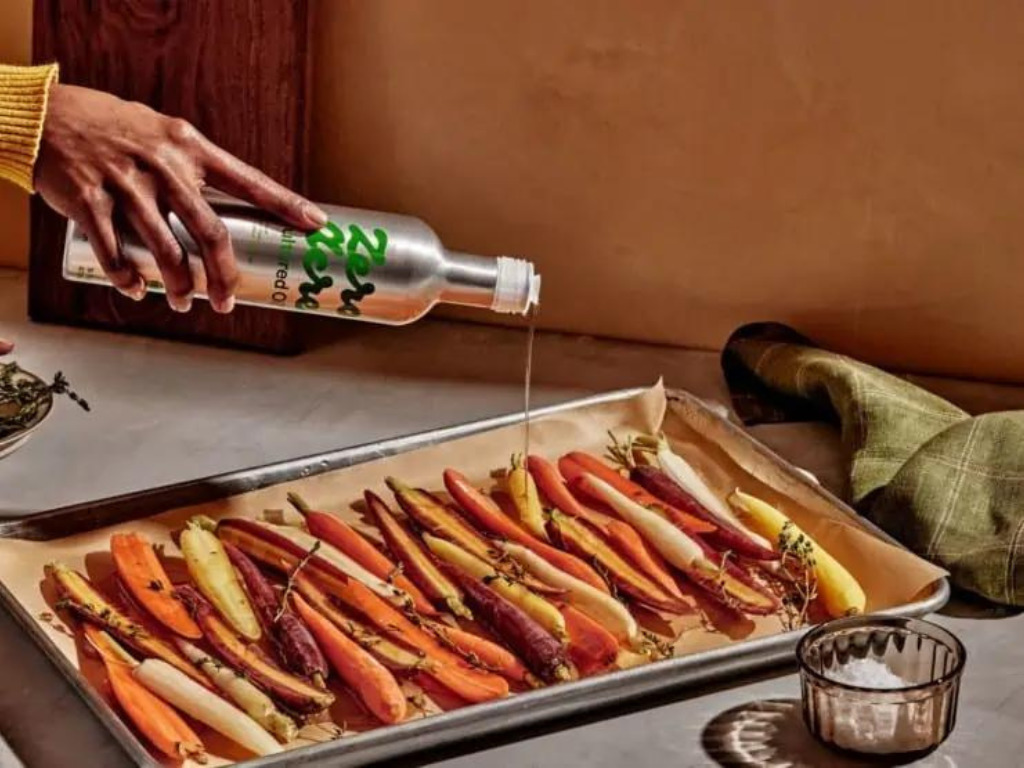
  • 3 Mins Read

    California’s recently passed Budget Act of 2022, signed into law by Governor Newsom last week, includes $5 million for the development of cultivated and plant-based meat. It’s the first time the state has put funding toward R&D for sustainable alternatives to conventional protein.

    The $5 million in funding is allocated to The University of California’s Berkeley, Los Angeles, and Davis campuses. The provision specifies it’s a “one-time” basis, specifically to support “research and development of plant-based and cultivated meats.”

    The funding comes as California is currently in its worst drought in history. Animal agriculture uses about 20 percent of freshwater globally. Cultivated and plant-based meat offer large-scale alternatives that require significantly less water and require fewer resources in general.

    University of California protein research

    The UC campuses have all been active centers for research into new protein sources in recent years.

    Berkeley launched an Alt Meat Lab in 2017 to support the Bay Area’s cultivated and plant-based meat boom.

    Wildtype’s cultivated salmon | Courtesy

    Davis, which is already home to the Agricultural Sustainability Institute, will use funds to support alternative protein efforts that started in 2020. Helmed by Professor David Block, the consortium received a $3.55 million National Science Foundation grant aimed at developing cell lines for cultivated meat.

    The Los Angeles campus began researching cultivated meat in 2018, and has received funds from both The Good Food Institute and New Harvest. Last year, it received a $250,000 grant from the California NanoSystems Institute for cultivated meat research.

    Alternative protein in California

    California is home to a number of cultivated meat producers. In the Bay Area, Good Meat, a spin-off of the plant-based Eat Just brand, was the first cultivated meat producer in the world to receive regulatory approval for its meat. That approval came by way of Singapore in 2020, where its meat is currently sold.

    BlueNalu, Finless Foods, and WildType are all producing cultivated fish in the state.

    Silicon Valley startup Upside Foods, which is positioning itself to be the largest producer of cultivated meat in the state once there’s U.S. regulatory approval, applauded the funding.

    “This historic investment in research and development across the University of California system will ensure that California remains a leader in food and innovation,” the company said in a statement.

    Impossible Foods burger, courtesy

    The company said it recently hosted members of the legislature at its Emeryville, Califonia, Engineering, Production, and Innovation Center, which it says will be capable of producing 400,000 pounds of cultivated meat per year.

    “We walked through the most advanced cultivated meat production facility on the planet and discussed the importance of this funding proposal,” the company said. “We appreciate the leadership and dedication of Assemblymember Ash Kalra and the vision of Governor Newsom to build a sustainable future.”

    The Budget Act funding also goes to support plant-based research. The state is home to the nation’s two biggest names in plant-based meat: the Bay Area’s Impossible Foods and Southern California’s Beyond Meat.

    The post California’s Budget Act Allocates $5 Million for Alternative Protein Research appeared first on Green Queen.

    This post was originally published on Green Queen.

  • This Women-Led Startup Is Growing the 'Holy Grail' of Vegan Seafood From Microbes
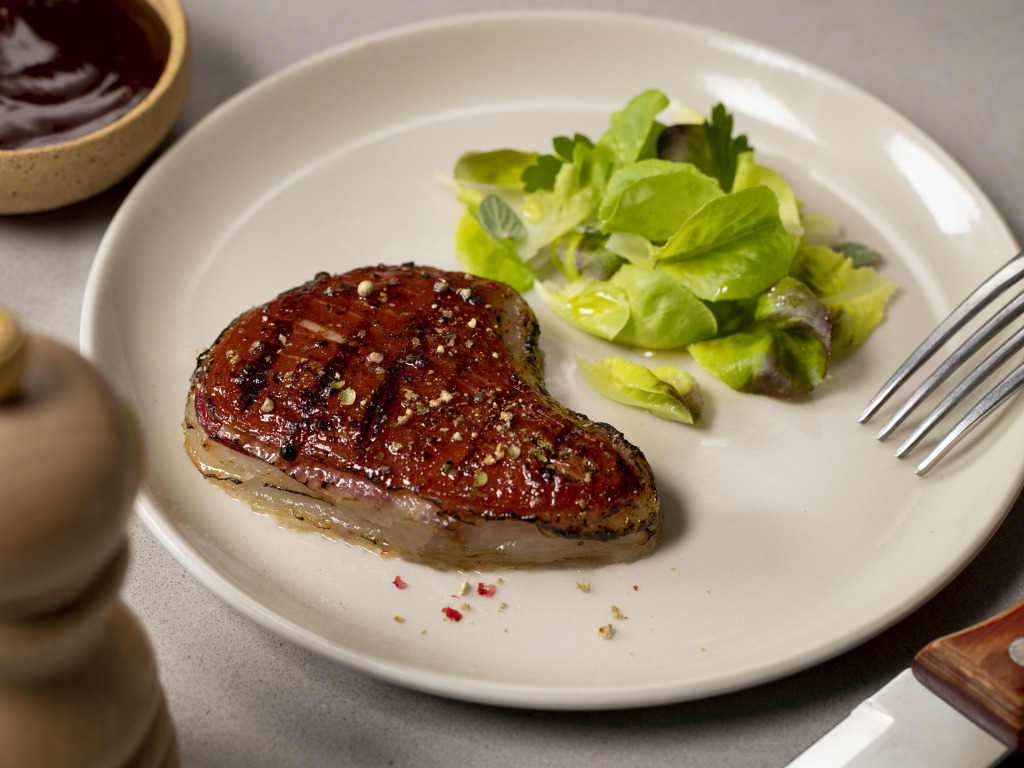
    3 Mins Read

    With the first whole-cut microbial fermentation seafood coming to market, Aqua Cultured Foods is gearing up for a category disruption. And based on recent consumer feedback, success could rival that of Impossible burgers or Just Egg.
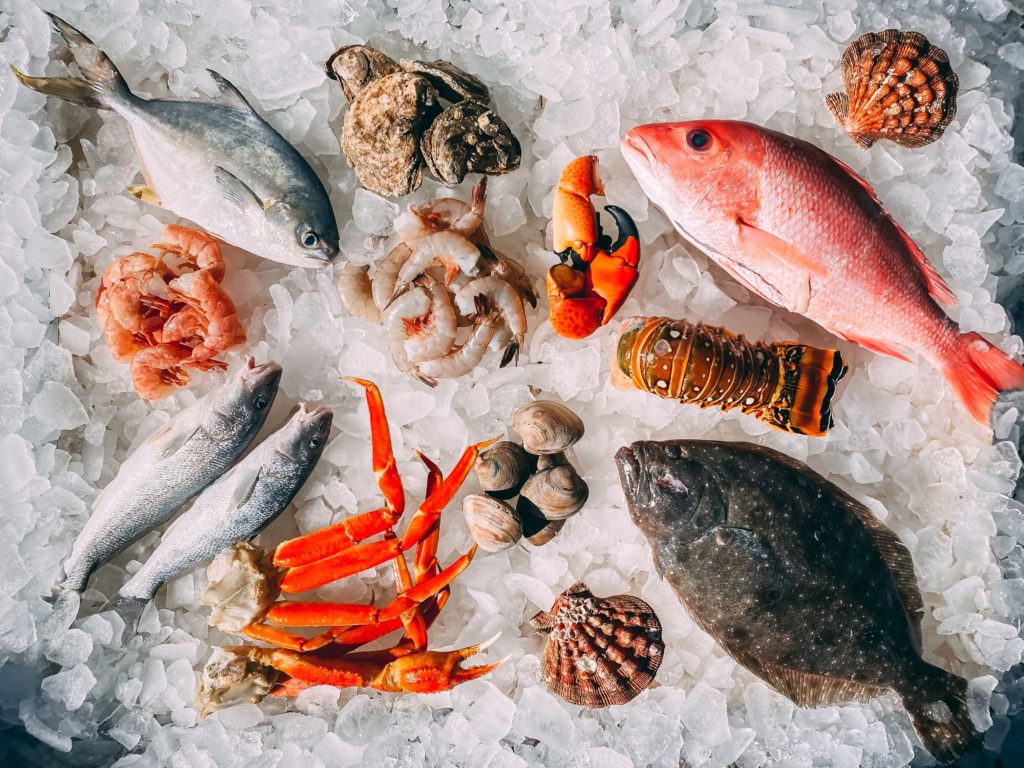
    Following a series of private tastings for industry members, food tech startup Aqua Cultured Foods says the response to its microbial fermented whole-muscle cut tuna, whitefish, and calamari signal strong go-to-market opportunities.
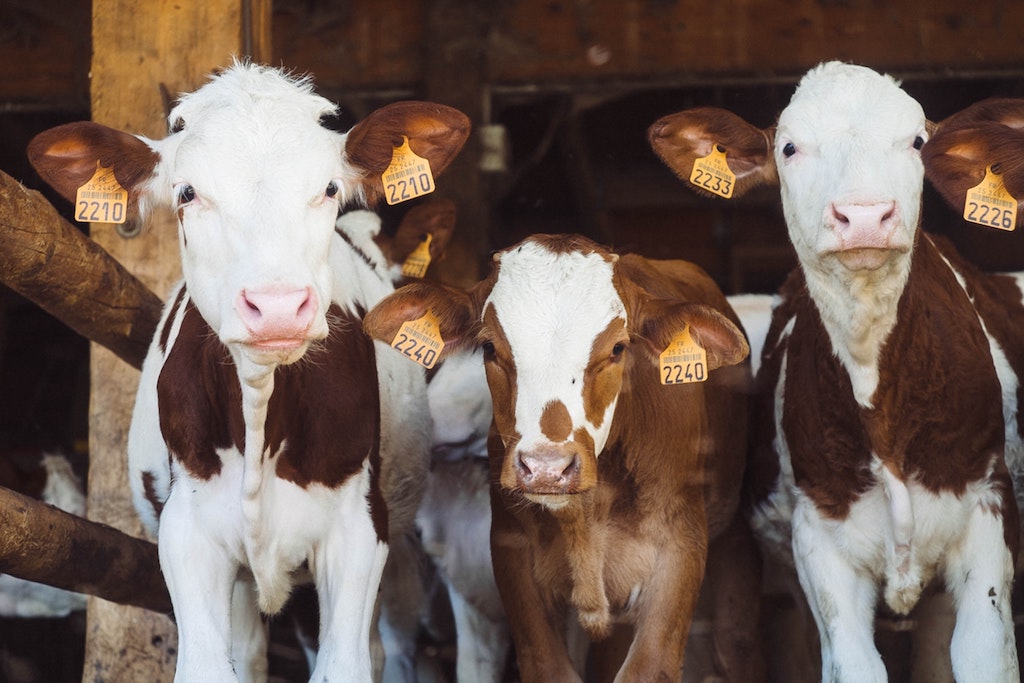
    ‘I couldn’t stop eating it’

    Aqua Cultured Foods, which uses mycoprotein to develop its vegan seafood options, brought its seafood offerings to foodservice distributors, chefs, and organizations in the retail and restaurant space. It showcased its seafood to potential partners across Europe, Asia, and North America.

    Fermented seafood. Photo by Aqua Cultured Foods.

    “The plant-based whole muscle cut, sushi-grade alternative seafood samples I tried today were absolutely incredible. INCREDIBLE!!,” Jen DiFrancesco, Director of Culinary Innovation at Sodexo said of her tasting experience. “I was completely blown away, I couldn’t stop eating it. We’re still talking about it!” 

    “The feedback and discussions with companies we’re meeting have made us extremely optimistic about go-to-market and co-branding opportunities,” said Aqua CGO Brittany Chibe. “Whether it’s rising costs, supply chain concerns, or sustainability goals, we are seeing major interest from potential partners that want to develop products with our seafood or offer it on menus.”  

    Market potential

    Aqua Cultured says it’s now ready to launch public tasting events following the success of the private tastings as it gears up to launch its products later this year. It’s working on shrimp, scallops, and filets in addition to the recently sampled items.

    The company says it’s capable of producing 50,000 pounds of seafood per month at a 15,000-square-foot factory. In addition to the U.S., factories are being planned in key markets across Asia and Europe.

    Microbial fermentation, while not plant-based because it’s made from fungi, offers many of the benefits of plant-based and conventional seafood including protein, omega-fatty-acids, and fiber, which is only found in plants and fungi.

    Courtesy Aqua Cultured

    Last October, Aqua Cultured Foods closed the biggest pre-seed funding round for whole muscle sushi-grade vegan fillets. The female-led startup raised $2.1 million in an oversubscribed round—one of the largest in the entire fermented protein sector.

    “Interest at this stage has frankly exceeded our capacity to bring in partners, leading to an oversubscribed round, but it’s left us in a good position for future investment and very optimistic about our approach to delivering more sustainable protein,” Aqua CEO Anne Palermo said last year.

    “Our next step is to work on commercializing our products from lab-scale to bring to the foodservice and retail channels,” Palermo said, “including the fresh refrigerated set for grocery, so that our products can reach both restaurant tables and the seafood counter.”

    The post Are Flexitarians Ready for Fungi-Based Seafood? Here’s What a Taste Test Found. appeared first on Green Queen.

    This post was originally published on Green Queen.

  • A Woolly Mammoth Burger
    4 Mins Read

    With what it’s calling a breakthrough for plant-based meat, food tech startup Paleo is opening up the opportunity for a range of sustainable proteins including an extinct woolly mammoth “paleo protein” via its novel precision fermentation heme technology.

    Beef, chicken, pork, lamb, and tuna join the paleo-era mammoth protein in the new patented line-up that Paleo says is the world’s first. The announcement follows the company’s $2.5 million seed raise last December.

    “When we set out to create the ultimate animal-free meat or fish experience, we quickly zeroed in on heme,” Hermes Sanctorum, CEO and co-founder of Paleo, said in a statement. “Without exaggeration, we can say that we cracked the code of heme, allowing us to produce GMO-free heme that’s bio-identical to the most popular meats and tuna—as well as mammoth.”  

    Paleo founders Hermes Sanctorum and Andy de Jong, courtesy

    Paleo is not the first company to want to resurrect the woolly mammoth in order to help save the planet. Bioscience and genetics company Colossal made headlines last September after announcing it wanted to use CRISPR technology to bring back the animals last seen on the planet about 10,000 years ago. The company says resurrecting mammoths (which would be a hybrid with an Asian elephant) could play a vital role in protecting ecosystems that trap carbon. Since the mammoths’ disappearance, arctic permafrost has been melting as forests have been allowed to grow. Mammoths historically help tundra grasslands thrive by stomping and chomping down forests.

    Paleo’s not advocating for turning Colossal’s animals into burgers—its option is entirely plant-based—but it is aligned with the mission. Paleo wants to solve the climate crisis by creating an alternative protein source that reduces the impact on the environment compared to conventional animal protein. In this case, it’s replacing beef and other proteins that contribute to human-caused climate change with more sustainable options. Animal agriculture is responsible for about 15 percent of heat-trapping emissions.

    Heme

    Heme is the novel tech first brought to market by vegan meat brand Impossible Foods for use in its popular burgers. The meaty taste and texture of Impossible Foods’ burgers come from heme. It gives the burgers their “bleeding” texture that turns brown once cooked. It’s also responsible for improving the taste of the vegan meat and offers nutritional value, namely heme-iron that’s more easily absorbed than iron from vegetables.

    But it sources its heme from soy root via genetic modification, a controversial gene-editing practice that has been a contributing factor to Impossible’s slow entry into international markets where there are stricter regulations on the technology.

    Impossible Foods burger, courtesy

    Paleo says it’s achieved its heme without the need for GMO tech. It is relying on precision fermentation, the same tech seeing widespread success for Perfect Day’s whey. The Bay Area food-tech company has launched its own brand of dairy-identical products with its fermented whey as well as wholesaling the ingredient to other manufacturers such as Brave Robot.

    A better-tasting burger

    According to Paleo, the difference is “immediately clear” in a side-by-side taste test between a conventional plant-based burger and a burger using its heme. “The burger with bio-identical beef heme smells like a burger, changes colour when cooked like a burger and tastes like a beef burger—the other one just doesn’t,” the company said.

    “If we want people to adopt meat and fish alternatives, they will have to taste good. We offer more choice and better taste.”   

    Courtesy Sander Dalhuisen via Unsplash

    Paleo says current plant-based meat offerings are stuck in an “uncanny valley” where they taste “almost” like their conventional counterparts. With its new patented precision fermentation tech, Paleo says it offers a compelling answer to the problem.

    “If we want to meet the 2025 and 2030 forecasts for meat and fish substitutes, we need game-changing technology like Paleo’s,” Sanctorum said. “Current technologies just can’t deliver on the projections of the market for 2030 or even 2050. With Paleo, a true flexitarian lifestyle does become possible.” 

    The company says it is ramping up production of its heme and products will be making their market introduction next year in the U.S., Canada, Europe, Latin America, and Asia. It’s currently preparing for its Series A funding to support production and development.

    “Paleo heme production is only the beginning,” says Andy de Jong, COO and co-founder of Paleo. “Using our technology, we can also create other ingredients that are essential to the meat or fish experience and mouth feel, like fats. We’re very excited about the possibilities that our technology offers.” 

    The post Paleo Secures Patents for 6 Heme-Based Precision Fermentation Proteins Including Woolly Mammoth appeared first on Green Queen.

    This post was originally published on Green Queen.