Pizza Hut continues its expansion into dairy-free and vegan options with the addition of three new options at locations across Germany.
The new vegan ‘Chik ‘n’ Cheez’, ‘Smokey BBQ’, and ‘Tuscany Spicy’ are now available. The launch is a first for Pizza Hut Germany, a move it said it made due to increasing customer demand.
Vegan pizza options in Germany
The vegan chicken includes a “cheese-flavored sauce”, red onions, pepper mix, mushrooms, and the vegan chicken meat’ the barbecue option also includes vegan chicken, barbecue sauce, corn, onions, and peppers; and the Tuscany Spicy includes corn, jalapenos, bruschetta, and balsamic vinegar. All of the pizzas are topped with Violife’s dairy-free cheese. The chain also launched a vegan penne pasta with vegan cheese sauce and Violife’s vegan cheese.
“It is time! Pizza Hut goes vegan,” the chain said in an Instagram post earlier this month. “You wished for it [and] we made it happen. We have created not just one, not two, but three vegan pizzas for you.”
In January, Pizza Hut launched a vegan chicken and Violife pizza in the U.K. for Veganuary. That pie, the Vegan Flamin’ Buffalo, was topped with Frank’s Red Hot Sauce.
“We are thrilled to announce our latest collab with the iconic Frank’s RedHot® Sauce, and can’t wait for our guests to try it!,” Kathryn Austin, Chief People and Marketing Officer at Pizza Hut Restaurants, said in a statement at the time.
“Expanding our already extensive vegan range has been on our radar for some time, and we’re so excited to be able to offer our Vegan guests even more choice when they eat with us.”
Pizza Hut’s vegan options
The three new pizzas build on Pizza Hut’s expansion into vegan offerings. Part of the Yum! Brand family, which also includes Taco Bell, Pizza Hut has partnered with Beyond Meat in a number of markets.
Pizza Hut locations in Belgium now offer Beyond Meat as a permanent menu item, also with Violife cheese.
In January, Pizza Hut Canada made Beyond Meat’s Italian Sausage Crumbles a permanent menu item. That followed a similar launch in the U.K. last year.
Pizza Hut’s Vegan Flamin’ Buffalo with Frank’s Red Hot Sauce | Courtesy
Pizza Hut tested two Beyond Meat Pan Pizzas in the U.S. in 2020, then added vegan pepperoni from Beyond Meat to select locations last year for a limited time. It marked the first time a major pizza chain launched vegan meat in the U.S. market, but all of those options still came with conventional cheese options.
Despite increasing vegan options in Europe, Asia, and Australia, fully vegan options in the U.S. still haven’t materialized for any of the big three pizza chains; neither Pizza Hut, Domino’s, nor Papa John’s have launched dairy-free cheese in the U.S. It’s not for lack of options, either. Violife, Daiya, and Follow Your Heart are all widely available in the U.S.
But the vegan cheese drought may soon change as a growing number of regional U.S. pizza chains including Blaze Pizza, Fresh Brothers, and Zpizza all currently offer vegan cheese.
A new petition launched by vegan dairy producers and nonprofits is urging the European Union to add dairy-free milk options to its subsidized school lunch options.
“If Europe is serious about offering students a healthy and sustainable diet, it should offer calcium-fortified plant-based milk drinks in the EU School Scheme,” read the petition. It has already secured close to 40,000 signatures after launching earlier this month. That’s more than halfway to its goal of 60,000.
The petition cites several reasons for the demand: dairy allergies and lactose intolerance, sustainability, and animal welfare.
EU school subsidies
The signatures come ahead of a review of the EU’s subsidy programs. The EU has subsidized a number of healthy foods for children over the last five years including fruits and vegetables. It’s also subsidized cow’s milk, as does the U.S. government for American schools. According to the petitioners, the EU subsidizes more than 160 million liters of cow’s milk every year. But the lack of dairy-free options has been called “dietary racism.” Up to 75 percent of Black people and up to 90 percent of Asian populations cannot tolerate dairy.
Dairy is also linked to climate change, a growing global concern. Animal agriculture produces about 15 percent of total global emissions.
“Every year, about 160 million liters of subsidized cow’s milk is served in schools all over Europe within the EU school scheme, amounting to a massive chunk of C02e emissions and building a preference for dairy products while children’s eating habits are being established,” Oatly, one of the brands behind the petition, said in an Instagram post earlier this month. That “massive chunk” is about 220,000 tons of CO2 each year, the oat milk producer says.
“At the same time, the EU cares about people’s lifestyles and health and wants us to increase the consumption of plant-based foods as one of the ways to achieve the United Nations’ Sustainable Development Goals. Not including plant-based drinks in the scheme is irrational and counterproductive,” Oatly said.
The petition also cites animal welfare concerns, “animal welfare is an increasing concern in Europe, including among its young people. For this reason, some students opt for plant-based milk because it’s cruelty-free. On many dairy farms, cows live in cramped stalls, unable to walk, turn around, groom, look to the side, or interact with other herd members in a natural way. There is a growing awareness among children of the animal-welfare implications of drinking milk. Having access to plant-based alternatives allows students to drink milk that does not negatively affect the welfare of animals.”
A recent survey found nearly half of younger people were embarrassed or ashamed to order dairy in public.
Europe and the UK have been leading the global shift to plant-based food with Michelin-starred restaurants, fast-food chains, and supermarkets all leaning into sustainable and ethical options.
To support the petition, Oatly launched a commercial across the EU showing kids sneaking its dairy-free oat milk into school. “Should kids have to take it into their own hands?” the ad asks. “Include plant-based milk in the school milk scheme!”
Headquartered in North Carolina, biotech startup Jellatech has announced the successful production of cell-based collagen. The company, founded two years ago, claims to have created full-length, triple-helical collagen that functions identically to conventional sources. The development has been made using the company’s proprietary cell lines.
Used across multiple industries, including cosmetic, pharmaceutical, and food production, collagen reportedly contributes to an $8.4 billion dollar sector. Jellatech set out to create a clean and sustainably superior version of the protein, which doesn’t rely on animals for sourcing.
Jellatech accomplishes its collagen goals
“This is a major milestone for us and I am beyond proud and excited that we are already here. Being able to see our clean cell-based collagen with the naked eye – it brings happy tears,” Stephanie Michelsen, CEO of Jellatech said in a statement.
With consumers increasingly scrutinising the sustainability credentials of the brands they support, cruelty-free alternatives to necessary ingredients are becoming more vital. Traditionally, collagen is found in animal skin, bones and connective tissues, requiring the slaughter of said creature. Horses, cows, pigs, rabbits and fish are common sources of collagen collection. Add in supply chain disruptions caused by Covid-19, travel restrictions and other unforeseen outbreaks, including African swine flu, and a stable provision becomes hard to guarantee.
Jellatech has positioned itself to offer an alternative to conventional animal-sourced collagen. In April last year, the startup secured $2 million in a pre-seed funding round, to support ongoing collagen and gelatine R&D. The investment allowed Jellatech to send out samples of its collagen development, with a view to commercialising within 18 months. That ambition is closer than ever to being realised, with the new announcement that it has achieved bioidentical results with cell-based collagen.
“We’re thrilled to see that our cell-derived collagen appears bio-identical to collagen derived from animals. Because of this, we have a wide range of exciting applications from biomedicine to cosmetics to food and beverage,” Rob Schutte, head of science at Jellatech said in a statement.
Taking the cell-based path
Jellatech is not the only startup looking to take animals out of the collagen production system. The company states that it decided against plant-based or fermentation-derived investigations due to the limitations both have. Jellatech claims that both are unable to fully mimic the range of functionality that animal-based collagen contains, therefore its cell-based innovation is a step ahead.
“Collagen formation is a complex process that requires specialized machinery found only in mammalian cells,” Christopher Gilchrist, senior scientist at Jellatech said in a statement. “We’re working to harness the innate ability of these cells to produce collagen that is bio-identical to native collagen and do it in a sustainable and animal-free way.”
The race for cruelty-free collagen
In February, biodesign startup Geltor announced it has successfully completed its first commercial run of fermented animal-free collagen. Dubbed PrimaColl, the vegan product was manufactured in partnership with Arxada to test scaling capabilities. The company reported no loss of precision, with all produced PrimaColl being hailed as a bioidentical alternative to animal-sourced collagen. Despite announcing a capacity increase from 10,000 litres in 2019 to millions in 2021, The company states that it has a long way to go to replace the conventional protein, which currently sees kilotonnes of demand every year.
In March, Israeli cultivated meat innovator Aleph Farms revealed it is adding cell-based collagen to its portfolio of developments. The move forms part of the company’s commitment to replacing all bovine proteins currently used commercially, in a bid to offer a sustainable alternative to animal farming. An in-house incubation accelerator, dubbed Aleph Frontiers, looked into the potential for collagen as part of an 18-month stealth investigation, with the results being favourable. 2024 has been floated as a potential launch date for finished collagen products.
Israel further cements itself as a global alt-protein leader as its largest food manufacturer and dairy giant, Tnuva, is opening a dairy-free R&D center following its plans to launch into cell-based meat.
As Israel continues its ascent as a leading food-tech hub, driven in recent years by cultivated meat giants including Aleph Farms and Super Meat, the mainstream sector is diving in as well with Tnuva’s latest announcement. The dairy giant says it’s establishing the first R&D center in Israel focused on non-dairy products.
R&D Center
“Our center is dedicated to the end product. And I think that’s what makes it more unique. Because all food tech companies are usually dedicated to the ingredient. And we are taking that special ingredient and combining it into the end product,” Pnina Sverdlov, manager of Tnuva’s R&D and projects division, said in a recent interview. “The food tech creates the ingredients but our job is to make sure they come out as a nice end product for the consumer.”
Tnuva is also vying for a slice of the country’s booming cultivated meat sector; in January it announced a partnership with biotech firm Pluristem Therapeutics to bring lab-grown meat to market by next year. Tnuva’s VC arm NEXT invested $7.5 million into the project in February.
Courtesy SuperMeat
The news was followed by the creation of a cultivated meat consortium in Israel, announced in April. Tnuva is part of the project, dubbed The Israel Innovation Authority, which is granting $18 million over three years to 14 companies and 10 academic labs in the cultivated meat space.
“This is an unprecedented governmental commitment on a global scale, in a cellular agriculture consortium and more particularly cultivated meat which will enable Israel to maintain its leadership in one of the most significant areas in Foodtech,” Shai Cohen, chief innovation officer at Tnuva Group and chairperson of the consortium said in a statement at the time.
Tnuva’s aim at dairy innovation also includes an investment in cultured milk startup, Remilk. The company raised $120 million in its Series B earlier this year.
A ‘new approach’ to food
With its new R&D center, Tnuva says it’s working with food tech startups on a “new approach” to food to meet the rising demand for sustainable options.
Courtesy Remilk
“In the last year, we began to understand that we need to extend our capabilities to be more flexible with new ingredients,” says Sverdlov. She says that as a 100-year-old manufacturer, Tnuva has a deep understanding of the consumer, the market, and how to handle new product roll-outs both from the manufacturing side and consumer side.
“With dozens of product launches a year, we have the most advanced infrastructures, capabilities, and knowledge in all categories to move Tnuva and its partners forward to the technological forefront in the alternative protein field,” Sverdlov said. “Our expertise are in developing large scale production processes and reaching relatively fast a final product, unique production facilities and our profound understanding of marketing.”
San Francisco’s Current Foods, formerly Kuleana, has closed an $18 million seed funding round as global appetite for plant-based seafood continues to grow. Investors included GreatPoint Ventures, Union Grove Venture Partners, Astanor Ventures and Electric Feel Ventures, amongst others. Funding has been earmarked to support the retail launch of Current Foods’ smoked salmon analogues. Alongside, finding distribution within Japan and continued R&D into realistic whole-cut fish alternatives. Will be bolstered.
Current Foods likens itself to Beyond Meat in that it tries to capture the most realistic texture. The startup seeks to recreate the taste and texture of tuna and salmon, using plant combinations that often prove surprising. Bamboo, algae, and potatoes have been used together to create seafood that competes on a nutritional level with conventional seafood, but with no toxins or cholesterol.
Current Foods widening its net
The alternative seafood market is growing exponentially. As meat analogues become less novelty, startups are turning their attention to replacing fish and seafood, in a bid to save the oceans and tempt different consumers to the plant-based side.
“[We] feel we have invested in the Beyond Meat of seafood,” Ray Lane, managing partner at GreatPoint Ventures said in a statement. “With the earth’s growing population eating the foods we love, we are paying the ultimate price: global warming, eroding health, and dwindling protein sources.”
Current’s smoked salmon, alongside its sushi-grade tuna analogue, was made available directly to consumers in February this year. The move followed products largely only being available to foodservice partners previously, though the whole-cut tuna was sold at Los Angeles-based health food shop Erewhon. At the time, Adrienne Han, vice president of consumer marketing for Current Foods, stated that the company was on a mission to make its products as accessible as possible. Direct to consumer and, eventually, retail channels were listed as priorities.
Market conditions helping alternative seafood companies
Fresh seafood has been hit by the soaring rate of inflation. Rising diesel costs and unavailability of containers mean that trawlers are increasingly being kept in port, leading to a shortage of products hitting the market. Those that are presented are demonstrating far higher prices than normal. This presents an opportunity for alternative seafood manufacturers, who can satisfy domestic appetites for seafood, without having to hike their costs.
“Seafood is by far the largest segment of price increase because it has such a wild supply chain…but we can afford to grow our business with healthy margins,” Jacek Prus, founder and CEO of Current Foods told Forbes.
Consumers are playing their part too. A surge in plant-based seafood interest has been widely attributed to savvy eaters looking for healthy alternatives to fish meat, which has been identified as a source of heavy metals, microplastics and toxins.
Photo by Revo Foods.
Snaring salmon aficionados
Plant-based salmon is proving to be a highly competitive market, especially in the ultrarealistic niche. Multiple players are seeking to bring products to market that replicate not just the taste, but also the structure and nutrition of conventional salmon fillets.
Austria’s Revo Foods unveiled its most realistic analogue to date earlier this month. The startup claims that in a public tasting, diners questioned if the fillet was actually vegan, as they were so convinced it was real fish. The product unveiling came alongside Revo scooping €2.2 million from the Austrian Research Promotion Agency, to continue its work with 3D-printed seafood.
Over in Israel, Plantish is looking to speed up its route to market. The alternative seafood startup debuted its hyperrealistic salmon fillet on social media at the start of the year and has since gone on to bag $12.45 million to scale production. The raise represented the largest seed round ever completed by an alternative seafood interest and followed a $2 million pre-seed round. Plantish hopes to be launching commercially within two years, starting with foodservice channels.
Burger King U.S. is launching two new Impossible Burger menu items beginning today: the Impossible King and Southwest Bacon Impossible Whopper.
The Impossible King is a flame-grilled Impossible patty topped with American cheese, sliced white onions, pickles, ketchup, and mustard on a toasted sesame seed bun. It’s essentially the existing Single Quarter Pound King with the Impossible patty. The Southwest Bacon Impossible Whopper includes avocado spread, seasoned tortilla strips, bacon, and a creamy spicy sauce.
As a way to tempt meat-eaters to consume less animal protein, the two new Impossible launches are a positive step forward, though the inclusion of cheese and bacon could be observed as a step back.
Specifically, it could be shortsighted to not source plant-based bacon, especially as Burger King France has just entered into a domestic partnership with La Vie, to use its vegan bacon in its vegan Steakhouse sandwich. The collaboration came after La View marketed directly to the fast-food giant, taking out a full-page advert in Le Parisien and courting it with compositions of its products in existing burgers.
Leicester Square earlier this year.
Plant-based at Burger King
Despite the apparent flexitarian angle of the new U.S. launches, Burger King has previously aligned itself with the plant-based community, including its pledge to make at least 50 percent of its menu meat-free by 2031.
In a significant show of vegan solidarity, London’s largest Burger King restaurant was transformed into a fully plant-based outlet for a full month, back in March. The whole 25-item menu at Leicester Square was vegan-friendly, including bacon, provided by French startup la Vie, and cheese. This was not the first location to be trialled as a meat-free destination and followed in the footsteps of similar initiatives in Madrid and Cologne.
Madrid’s dalliance with ’Vurger King’, in October last year, was supported by meat analogues from Unilever-owned The Vegetarian Butcher, mirroring an earlier event in Germany. Combined, the three meat-free pop-ups confirmed to Burger King that there is demand for veganised or at least plant-based versions of their popular menu items. So much so that Basel and Geneva now play host to meat-free Burger King restaurants.
The burger chains that aren’t compromising
It was just announced that former Burger King chef Michael Salem is working with actor Kevin Hart on his new 100 percent vegan Hart House burger chain. The chef was poached from Burger King, after developing the Impossible Whopper. Salem’s reason for making the switch is likely to be a sting in the tail for his former employer. “I’ve seen too many animals die,” he told Los Angeles Mag. “I’ve been too guilty about the food I’ve been serving the community, making people really unhealthy for a long time, and I just don’t think it’s necessary. I think this is really the future of fast food, so that’s why I took the gig.”
In May, it was confirmed that Stand-Up Burgers, an off-shoot of Veggie Grill, is opening a fourth location. The Culver City restaurant is the first Los Angeles spot for the brand, which specialises in veganised versions of classic American fast food. Burgers, hotdogs and homely sides including tater tots are menu staples. Like Burger King U.S., Stand-Up Burgers works with Impossible Foods for its patties, housing them in brioches buns and creating seven signature styles.
The South African Department of Agriculture, Land reform and Rural Development (DALRRD) has imposed stringent labelling rules on plant-based foods. With immediate effect, all references to ‘meaty’ terms must be removed from product packaging, or manufacturers face being banned from sale. The move stems from what is being considered an extreme interpretation of existing regulations surrounding the labelling of processed meat, with the Food Safety Agency instructed to seize all products not adhering to the rules and represents a victory for the country’s pro animal meat lobbies.
On June 22 the DALRRD sent out a letter to “all processors, importers and retailers of meat analogues”. It stated in clear terms that no products are allowed to use “product names prescribed and reserved for processed meat products”. The move has been met with disappointment and confusion, as it appears to defy South Africa’s imminent plans to launch climate change legislation.
Photo by Heura.
The paradox of South African sustainability
The South African government has admitted that industrialisation and agriculture are creating an irreversible legacy of climate damage. In the National Climate Change Response White Paper, the government writes that “land-based human activities, such as forest clearing and unsustainable agricultural practices, are not only increasing Green House Gas (GHG) emissions from these sources, but are also reducing the earth’s natural ability to absorb GHGs. [t]he evidence that current global warming is due to human activities associated with industrialisation and modern agriculture is overwhelming”.
Despite this acknowledgement, the same government is now looking to shackle a growing market sector that offers opportunities for individuals to lessen their carbon footprint. ProVeg South Africa commented that the white paper failed to address that farming and meat consumption are leading causes of emissions and that evidence suggests switching to plant-based alternatives could reduce them by up to 50 percent.
“This is a huge step backwards in the Government’s fight against climate change,” Donovan Will, country director at ProVeg South Africa said in a statement. “Regulation such as this is exactly what we don’t need when the world’s scientists are telling us we urgently need to reduce our meat consumption to help brake dangerous global warming.”
The latest IPCC report confirms that a global majority shifting to a more plant-based diet is essential if we want to stand any chance of staying within the Paris Agreement global warming limit.
Photo by Burger King SA.
The terms no longer allowed in South Africa
Under the new legislation, multiple terms have been banned. These include vegan/veggie biltong, vegan nuggets, vegan BBQ ribs, plant-based meatballs and plant-based chicken-style trips, amongst others. All are named in the letter from the DALRRD. It is unknown if outlets such as Burger King will be forced to rename their Plant-Based Whopper.
In an extension of the act, a non-meat product has been forced to bear the brunt of the DALRRD’s ire. Following a claimed meeting between the department and the Food Safety Agency, a further letter was distributed to Woolworths. One of the largest grocery chains in South Africa, Woolworths was informed that it was no longer allowed to sell Just Egg as an egg product owing to the fact that it doe snot come from “domestic fowl”. The letter highlighted Just Egg’s intention “to substitute or imitate eggs as defined in regulation R.345 dated 20 March 2020, and the vegan product thus competes directly with eggs as defined in the said regulations.” It also stated that the packaging was “misleading” in that it refers to “plant eggs”.
ProVeg has commented that such acts are claiming a monopoly on “meat” and “egg” as terms for food labelling, which is unjust given plant-based items’ ability to faithfully replicate the eating experience.
Photo by Eat JUST.
“The regulation disrespects consumers. There is no evidence to show that people are confused by meaty names for plant-based foods. In fact, evidence from Australia, Europe and the US prove they are not confused,” Will said in a statement. “We really urge the government to overturn this regulation. At a time when countries are seeking ways to tackle climate change, we must do all we can to encourage a vibrant and innovative plant-based sector.”
Similar labelling concerns have not yet been levelled at the plant-based dairy sector in South Africa, though are anticipated to follow. If they present themselves, this will have serious ramifications for those who can’t drink cow’s milk and rely on easy access to alternatives. Up to 95 percent of BIPOC individuals suffer some form of lactose intolerance, which poses a serious problem for South African consumers.
British brand The No Meat Company has conducted a survey of 2,000 U.K. adults to gauge attitudes around plant-based meat. The key takeaway was that 46 percent of the participants had previously harboured disinterest in ‘different’ foods, but were pleasantly surprised when they tried them; 48 percent of those asked stated that they didn’t consider a meal complete unless it contained meat, while 38 percent cited doubts about ever eating plant-based alternatives.
Individuals who had been pleasantly surprised by plant-based meat products cited sausages, mince and beef-alternative burgers as the best options. Participants already more open to animal-free foods noted that they enjoy plant-based ice cream, chocolate, nuggets and sausage rolls.
Putting meat devotion to the test
Researchers from The No Meat Company asked three hardcore meat fans to sample a range of vegan alternatives from its own portfolio. Sausages, sausage rolls and chicken wraps were offered, to get a sense of how they perform in the sense of taste and texture. The results were positive, with the company revealing that one was shocked they weren’t eating conventional pork sausages and another claiming they wouldn’t miss meat for a meal if they could substitute with the products tried.
“There are sometimes preconceptions around plant-based foods, but our study shows that even the biggest meat fans can be pleasantly surprised by the taste and texture of meat alternatives,” Neville Tam, brand lead at The No Meat Company said in a statement. “With so many great options now available on the market, it’s easier than ever before to include plant-based alternatives in your everyday food shop. Meat-free meal choices can be kinder to the planet, and in many cases better for you too.”
Pushing through existing assumptions of plant-based meat
More pertinent findings from the study include the fact that 36 percent of meat-eaters claim they know they won’t like a meal unless it contains animal products and seven out of 10 predict they would be able to spot a meat-free alternative to pork sausages. 38 percent of participants revealed they think all foods, both savoury and sweet, are hard to replicate without animal products.
There was a surprising overwhelming perception of the potential positives of meat-free food items; 63 percent of people interviewed stated that they know plant-based foods play an important role in protecting the environment, though health remained the primary motivation to eat less meat, with 31 percent of people choosing it as a reason.
In terms of flexitarianism, three in ten Brits polled claimed to already be reducing their meat intake, with another 19 percent thinking about making the move, while 33 percent admitted they don’t see themselves eating more vegetarian foods in the future, as they enjoy meat too much.
What the study proves
Overall, the research findings indicate that plant-based companies still have a lot of work to do, if they want to convince ardent meat fans to reduce their intake. However, there is optimism that all it can take is one pleasantly surprising meal to kickstart a new healthier habit.
“The research highlights there is still a way to go in changing people’s perception of meat-free food, but when people do make simple swaps to their everyday meals, they are often pleasantly surprised,” Tam said in a statement. “Switching out meat for plant-based even once or twice a week can make a huge difference, with small steps towards a lifestyle that is better for the planet and for your health. Plant-based eating should be accessible for all so we’d encourage everyone to give it a try – you might just surprise yourself with how much you enjoy it!”
Changing attitudes elsewhere
In 2020, it was revealed that people in Germany who identify as full meat-eaters had become a minority. 45 percent still self-attributed the label of meat-eater, while 31 percent claimed to be actively embracing flexitarianism. In March this year, a report was released that doubled down on Germany’s shifting food preferences. It revealed that 51 percent of people polled claimed to have reduced their meat intake within the last year, with 32 percent looking to also cut their dairy.
The Japanese government has announced that it is pulling together a team of experts to analyse the safety of cultivated meat. The move is seen as a precursor to implementing a regulatory framework for future commercial product approvals.
The team will be curated by the Health, Labor, and Welfare Ministry. Its endeavours will be focused around establishing if there are any risks to human health from consuming cultivated meat products. The entire cultivation process will be analysed ahead of the anticipated industrialisation of cell-based meat production.
Photo by Afif Kusuma at Unsplash.
Japan setting future foods in motion
Japan currently has a food sanitation law in place. It prescribes specific conditions for the production, processing, and sale of conventional meat items. Due to cultivated meat still being unapproved for sale, these guidelines do not apply to the cultivated sector, which now needs its own framework.
The team of experts, when in position, will be charged with understanding the entire cultivation process, collecting data about each stage of the process to write a report as to the potential risks involved. Toxic substance contamination and potential consequences to human health are considered priority focal points. Once the report has been submitted, the Health, Labor, and Welfare Ministry will conduct a panel to decide on necessary safety precautions.
Frameworks from other countries, where cultivated meat is making meaningful progress, will be taken into consideration. This will necessarily include Singapore, which remains the only country to approve cultivated meat products for commercial sale. The U.S. and Israel are expected to be used as reference points alongside, as both have burgeoning cultivated sectors and multiple players within the niche vying for regulatory approval.
Photo by IntegriCulture.
Japan’s cultivated innovators
In April, IntegriCulture announced that it had successfully cultivated chicken and duck liver cells. The breakthrough allowed the company to move from research to prototyping stage, using its proprietary CulNet system. The startup revealed that it had made progress without the use of animal serums and for 1/60 of conventional costs. Having scooped $16 million in funding to date, the company is now looking to produce cultivated foie gras as its first commercial product.
Nissin Food Holdings and the University of Tokyo are working together to make cultivated beef. The two have apparently succeeded in creating Japan’s first edible cell-based meat earlier this year. The research team is now engaged in trying to produce a two-centimetre-thick, 100-gram piece of beef by 2025. If the project is successful, mass production will be attempted.
In 2021, it was announced that Israeli cultivated pioneer Aleph Farms signed a working agreement with Mitsubishi’s food industry arm. The ultimate aim of the partnership is to bring cultivated meat to Japan, with Aleph’s manufacturing platform being seconded out. Mitsubishi is bringing in biotech experts and working with relevant officials to secure distribution channels.
Another key partnership is a collaboration between Israel’s SuperMeat and Japanese food giant Ajinomoto. The two have agreed to work together to expedite the development of cultivated products. Ajinomoto brings scaling capabilities, extensive R&D expertise and streamlining prowess to the partnership. SuperMeat offers its proprietary technology. The two hope to reach commercialisation within two years.
Photo by IntegriCulture./
Getting consumers on board
Japan has the shortest history of eating meat out of all Asian countries. Traditionally, consumers favour domestically produced meat and look for marbling as an indicator of quality. An underlying preoccupation with meat safety remains and as such, could provide a stumbling block to cultivated meat acceptance. However, as a nation, a lot of faith is placed in relevant governing bodies. If the ministry can formulate a stringent framework for the safe production of cell-based meats, consumers might be willing to try locally manufactured products.
ProVeg has become the first non-governmental organisation engaged in the promotion of alternative proteins to be given approval for a permanent presence in China. The NGO will now open an office in Shanghai, to work with country officials to promote plant-based activities and support international collaboration within the meat-free sector.
ProVeg was granted approval for its office by the Shanghai Council for Promotion of International Trade (CPIT) and the Administrative Office of Overseas NGOs of the Shanghai Public Security Bureau. The permission is yet another sign that China is warming up to the alternative protein sector, following an optimistic speech from President Xi and a future foods-inclusive five-year agricultural plan for the country.
Photo by Christian Lue at Unsplash.
China as a key market for change
The new office is heralded as an opportunity for ProVeg to improve its outreach in China, where it has been working already. To date, the NGO has launched five campaigns in the country. Chief amongst them was the Plant-Based Food Innovation contest, which aims to hasten future food developments by supporting upcoming university talent.
“We are delighted to be able to open an office in Shanghai and to work more closely in China promoting the benefits of plant-based diets as well as highlighting the environmental benefits and commercial opportunity offered by both plant-based products and cultured meat alternatives,” Sebastian Joy, founder and CEO of ProVeg said in a statement.
Last year, the NGO hosted a New Cuisine conference. The event was designed to educate and support foodservice professionals who are open to incorporating more plant-based foods and sustainable ingredients into their businesses.
President Xi photo courtesy of Canva.
ProVeg making more inroads into China
This year will see ProVeg working with the European Union to conduct market research. The two are looking to gauge attitudes toward plant-based foods as a starting point for identifying market drivers and the commercial potential of specific niches of smart protein. The research is still subject to CPIT approval. The new Shanghai office will provide a convenient base of operations for the initiative.
“The opening of the new office allows us to promote the new green food economy and establish exchange around plant-based foods and cultured meat between China and international cross-sectors,” Shirley Lu, managing director Asia for proVeg said in a statement. “Chinese consumers are sophisticated and demanding in food flavours and textures. I expect they will be the key driver for breakthrough innovation here and beyond.”
Photo by Zhenmeat.
China as an alternative protein powerhouse
Historically, China has been a meat-centric country and efforts to encourage a reduction in consumption have been largely unfruitful. Meat has been connected to notions of health and wealth for so long that breaking the connotation is difficult, but attitudes have started to change following Covid-19 and an outbreak of African swine fever. The result of the two has been a demonstrable shift towards foods deemed healthier and less prone to supply chain woes.
China’s five-year agricultural plan made specific reference to cultivated meat and future foods as sectors to be actively participated in. This includes plant-based meats, which are already gaining traction in the country.
In January this year, Starfield Food Science & Technology made history by scooping the largest ever investment for a vegan protein startup. The company netted $100 million in a Series B funding round launched to support company-wide expansion. Alongside funding significantly increased production capabilities, a generous budget was set aside for awareness campaigns surrounding the brand and plant-based meats as a whole.
Alongside Starfield, Hero Protein and Zhenmeat are both on a mission to increase China’s access to realistic meat analogues. The latter, once dubbed China’s version of Impossible Foods, is currently engaged in developing plant-based crayfish and pork tenderloin.
New York fermentation-based breast milk startup Helaina has announced the appointment of three new leadership hires. Expansion of the team follows a successful $20 million Series A raise back in November. A CTO, head of infant formula, and head of talent have all been confirmed, with Helaina stating that their arrival heralds a new growth phase for the company.
Anthony Clark joins as the chief technology officer, formerly of MycoTechnology, while Marie-Clause Tremblay takes up position as head of infant formula, coming from Perrigo Company. Ashley Larkin is taking the head of talent role, bringing experience from H&M, Whole Foods Market, and Rent the Runway. The three are thought to bring the missing puzzle pieces that will allow Helaina to earnestly embark on commercialisation.
Photo by Kevin Liang at Unsplash.
A dream team for a future food solution
Helaina uses precision fermentation to recreate proteins previously only found in human breast milk. This will allow infant formulas to be more akin to conventional breast milk, without allergen issues. It is not a cell-based development but is still subject to regulatory hurdles. The expanded leadership team is hoped to make light work of accounting for these and find a path to faster commercialisation.
“These three significant hires mark a milestone for Helaina,” Laura Katz, founder and CEO of Helaina said in a statement. “This group of all-star leaders bring industry expertise to Helaina as we accelerate our growth and work toward bringing our advanced infant formula to market, which will provide infants with crucial bioactive properties that traditional formula lacks. In the middle of a national infant formula shortage, it’s now more important than ever to deliver more options for parents to feed their babies, and I’m confident this team will make that a reality.”
As chief technology officer, Anthony Clark is a particularly significant hire. An inventor of more than 30 global patent applications and a recognised leader in biotech and fermentation processes, he has trodden the regulatory path before and knows what it entails.
“I understand the regulatory challenges Helaina will face,” Clark said in a statement. “And, I’m excited to help guide the team to more effectively and more nimbly negotiate those challenges, ultimately bringing Helaina’s enhanced infant formula to market quicker.”
Similarly, Marie-Claude Tremblay brings immeasurable experience in the development of infant formula products, including overseeing pilot production facilities and coordinating product development with teams of scientists. As head of infant formula, she will build Helaina from the ground up, readying it for launch.
Ashley Larkin brings 15 years of talent acquisition experience, driving recruitment, training and development programmes. She will oversee strategic hires as Helaina gets closer to commercial release.
Photo by Jaye Haych at Unsplash.
Precision fermentation as a solution to formula shortages
While others in the alternative breast milk space are seeking to leverage cell-based technology, Helaina has stayed true to its precision fermentation roots. The process is the same as that used by Perfect Day to create whey protein for alternative dairy products; but instead of a bovine protein, Helaina recreates those found in human breast milk. The proteins have been clinically proven to boost infant immunity and will offer parents an alternative to standard formula products.
With Perfect Day already commercially available, the regulatory framework for precision fermentation is further along than for the cultivated sector. Once Helaina is ready to court approval, the process could be quick and the path to market expedited. The new hires were made as a result of the startup’s $20 million Series A raise, with a view to making commercialisation a priority. To date, no official launch targets have been cited.
Photo by Sprout Organics.
The alternative infant formula market diversifies
Infant nutrition progress is being claimed by a number of startups globally. Earlier this month, in a coup for the cultivated breast milk sector, Israel’s Wilk confirmed it had successfully produced human lactoferrin proteins. The breakthrough represents a major step forward due to the protein being responsible for the development and growth of children. The startup states that regular formulas are not able to claim the same level of authenticity as a product containing lactoferrin proteins. Once approved for commercial release, Wilk will offer its proteins to formula partners to create hybrid products more akin to conventional breast milk.
In the plant-based sector, Australia’s Sprout Organics just announced it is working with Amazon as a distribution platform, following a surge in demand for allergen-free formula options. The startup has revealed that formula shortages during the Covid-19 outbreak led to an uptick in plant-based sales and they have stayed stable enough to expand visibility and availability.
These seven Shark Tank appearances proved significant for plant-based entrepreneurs and made for exciting viewing.
ABC’s Shark Tank has become synonymous with cutthroat deals and investors circling for prime opportunities. As consumer demand for vegan foods increases, the panel of experienced entrepreneurs, particularly Mark Cuban, alongside a range of celebrity guest investors, have shown greater interest in the booming plant-based sector.
After going vegetarian in 2019, Cuban has led offers for numerous plant-based startups on the show. He has even championed some to appear in the past (see below).
Best vegan Shark Tank Pitches
Not all founders have walked away from Shark Tank with a deal in place, but most have conceded that the exposure from a Shark Tank appearance did their companies no harm. Chief amongst them is Deborah Torres, founder of Atlas Monroe, who turned down Mark Cuban’s offer of $1 million to buy her company outright. But deal or no deal, all of these pitches are worth a re-watch.
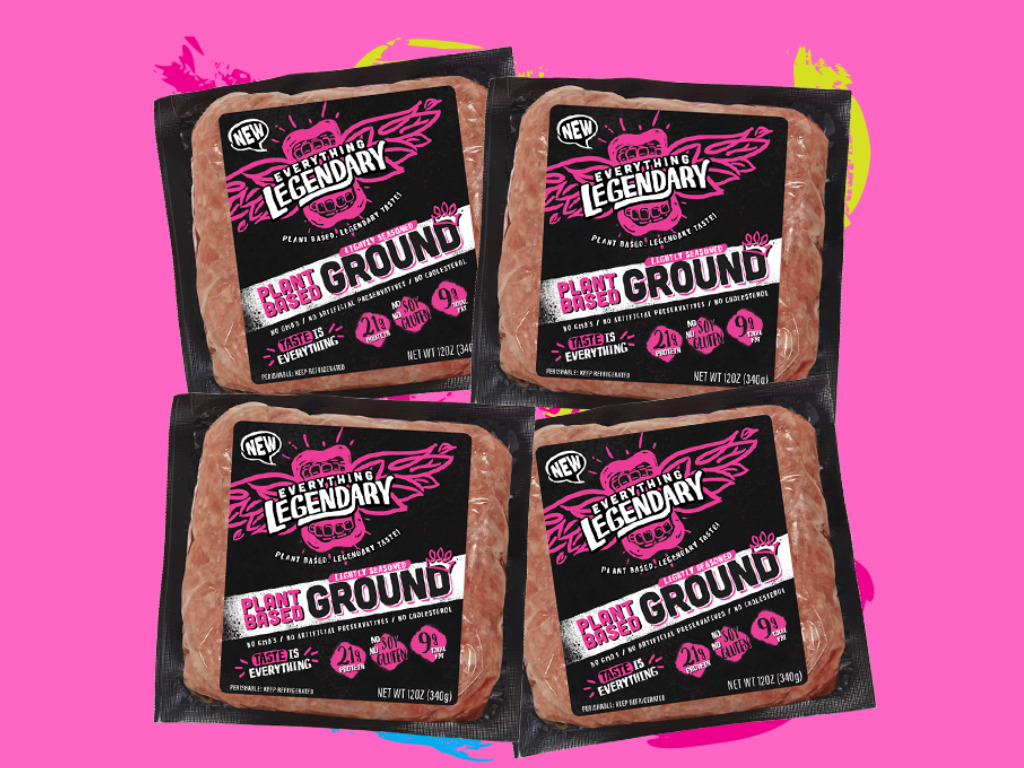
Image by Everything Legendary.
1. Everything Legendary
Pitch: Vegan beef burgers “made in a kitchen, not a lab”.
Deal scooped: $300,000 from Mark Cuban for a 22 percent equity share.
Significant successes: Widespread distribution into Publix, Sprouts, Ralphs, Safeway and Target and a recently announced partnership with Live Nation to supply vegan food at summer concerts.
Maryland-based Everything Legendary is a Black-owned startup that set out to change the impact of fast food, particularly on BIPOC communities. Using pea and hemp protein, products are usually lower in calories and higher in protein than competitors’ alternatives. Earlier this year the brand confirmed it has closed a $6 million Series A funding round for total company expansion, including the development of multiple new product lines.
Pitch: Plant-based chicken sold on a ‘pay what you can afford’ basis and in locations that used to be conventional fast-food restaurants. Founder Lucas Bradbury has been vocal about putting Chick-fil-A out of business.
Deal scooped: None, despite Kevin O’Leary calling the product the “best fake chicken” he had ever eaten.
Significant successes: More than a dozen restaurants opened in Bradbury’s home state of Texas and multiples are planned for completion out of state, later in 2022. Bradbury received an email from mark Cuban suggesting that he go on the show. Despite completing the rigorous application process, he left without a deal due to the company’s speed of growth. He wasn’t deterred and stated that he acts in ways that are best for Project Pollo only. Investors have been secured since the show aired.
Pitch: Vegan pork rind snacks that are healthier than their conventional counterpart at 90 calories a serving.
Deal scooped: $250,000 from Mark Cuban for a five percent equity share and five percent of advisory shares.
Significant successes: Expansion of its Rockville factory, due to a surge in demand following the television appearance and distribution into more than 2,500 stores across the U.S.
It has been reported that when he first appeared on Shark Tank, Snacklins’ founder Samy Kobrosly’s company was seeing around $5,000 in online sales per week. Following the episode airing, this shot up, with the Washington startup now surpassing $5.3 million in total sales. Additional distribution is expected to come this year, with new flavour lines being added to the roster as well.
Deal scooped: $550,000 from Mark Cuban, for 10 percent equity share.
Significant successes: Targeted expansion to include vegan supplements for dogs that target joints, digestion and skin.
Ryan Bethencourt presented his Californian plant-based dog food product to the sharks. His focus on clean protein quickly gained Cuban’s interest and a slew of future investors as well. In 2021, one year after the Shark Tank appearance, Wild Earth netted $23 million in a Series A Plus funding round, with Cuban investing again. Some of the funding will be diverted to Bethencourt’s new interest: cultivated meat for dog and cat food products.
Pitch: Freshly baked vegan cinnamon rolls, finished with a range of toppings.
Deal scooped: $200,000 from Robert Harjavec for a 40 percent equity share.
Significant successes: Opening 69 franchise locations throughout the U.S. and Canada.
Cinnaholic combines Cinnabon with every ice cream parlour that’s ever existed and a few artisanal doughnut shops too. It creates large, gooey cinnamon rolls that can be topped with a variety of sweet treats, including brownie pieces, fruit, peanut butter and cookie dough, all vegan of course. The Californian startup has moved into catering, cakes and DIY cinnamon roll bars, to keep things interesting.
Deal scooped: $300,000 from Mark Cuban for an 18 percent equity share.
Significant successes: Creating a bidding war between Cuban and fellow sharks Lori Greiner and Blake Mycoskie, who wanted to partner up and offer a joint deal. Nationwide distribution has also been secured since the show aired, with Kroger, Fresh Thyme, Whole Foods and Foxtrot market coming on board.
Oregon-based Pan’s was inspired by founder Michael Pan’s experience of a mushroom snack in Borneo, which he claims tasted exactly like conventional jerky. Recognising the opportunity to bring a beloved snack to vegan audiences, he develop a line of shitake mushroom-based jerky using clean, protein-rich ingredients. Pan has spoken fondly of his appearance on Shark Tank, calling it a validating and humbling experience.
Pitch: Vegan deli meats based on classic New York offerings.
Deal scooped: $250,000 from Mark Cuban for a 20 percent equity share.
Significant successes: A switch from wholesale-only to retail sales that allowed for a pivot into new lines including turkey and steak slices, alongside the classic vegan corned beef.
Founder Jenny Goldfarb has commented that she applied for Shark Tank because one ‘Shark’ dollar is worth five consumer dollars, due to the widespread media exposure that follows. Goldfarb founded her company to veganise the classic new York deli sandwiches that she grew up with. Corned beef was her first product launched, with exclusive distribution to food service partners.
Hawaii-based PlantBaby has announced the closure of a $4 million seed funding round. It was led by Big Idea Ventures and with participation from The Fund LA, Two Culture Cap, Springbank Collective and Western Technology Investment and notable private investors including actor Daniella Monet and Athletic Greens president and COO Kat Cole. The investment will be used to support ongoing R&D into existing and future lines.
PlantBaby launched its first product in December. Kiki Milk is a drink specifically designed for children, made using whole and superfoods. It was developed in partnership with paediatrician Dr Joel Warsh and nutritionist Vicki Kobliner. No new products have been confirmed or speculated on to date.
Founders Lauren and Alex Abelin.
Founded out of a personal need for baby milk alternatives
PlantBaby co-founders Lauren and Alex Abelin identified a gap in eth market for safe plant-based foods for children after their own son needed specialist nutrition. Looking for vegan, soy-free infant formula proved unsatisfying, resulting in the two choosing to launch their own brand. The couple state that they are looking to accommodate the 40 percent of children who have health conditions that are not supported by nutritional products already on the market.
“Since launching just six months ago, we’ve seen constant consumer demand,” Alex Abelin, co-founder of PlantBaby said in a statement. “This fundraising round will support continued research and development of new plant-based culinary innovations and continued growth of the brand to make PlantBaby itself a vehicle to create positive change for children’s health and well-being of children everywhere.”
The growing demand for vegan baby nutrition
An increasing demand for vegan and organic infant nutrition has been identified. The overall baby food sector is expected to grow by $17.66 billion between 2021 and 2026, driven in large part, by the demand for alternative products. The market is expected to prove increasingly competitive, as plant-based and cell-cultured startups seek to offer alternatives to conventional formula products. Securing significant funding now will allow PlantBaby to compete.
“We are thrilled to support the great work being done by Lauren, Alex, and the rest of the PlantBaby team,” Tom Mastrobuoni, chief investment officer for Big Idea Ventures said in a statement. “The non-dairy space is highly competitive, but the PlantBaby team has created a unique product that features cleaner label ingredients and appeals to the most precious consumers of all, our children.”
PlantBaby claims to negate refined sugars, preservatives, protein isolates, gums and GMO ingredients in favour of whole food options. Organic oats, hemp seeds and coconuts are confirmed ingredients, alongside superfood plants, blueberries and spinach. To date, Kiki Milk has been released in original and chocolate formats.
Photo by Sprout Organics.
Preparing plant-based babies for adulthood
Australia’s Sprout Organic announced that it has partnered with Amazon to make access to its plant-based infant formula as accessible as possible. The startup has also acknowledged the critical baby formula shortage being experienced in the U.S. It is working with the FDA and Austrade to try and speed up market entry and give more parents access to animal-free formula products. Made from pea and rice protein, Sprout’s formula is cited as being free of all major eight allergens and a potential option for parents of children with soy issues and dairy intolerances.
Earlier this year baby food giant Gerber unveiled its new carbon-neutral vegan toddler range. It came after the company made a pledge in 2021 to look at more ways to make its products earth-positive. The range includes pouches, snacks and meals and has been eyed as a sign that plant-based demand is rising at a significant rate. Gerber remains the largest baby food company by virtue of annual sales and was bought by Nestlé, a formula giant in its own right, in 2007.
Leading confectionery brand Hershey has debuted an oat milk version of its popular Reese’s Peanut Butter Cups and a new oat milk chocolate bar with sea salt and almonds.
Hershey has confirmed the launch of the new products following a viral image spotted on the RiteAid website last month. The new products are expected to hit stores next month.
‘Plant-based options’
“We are excited to introduce these delicious, plant-based options,” Teal Liu, brand manager of Better For You at Hershey, said in a statement announcing the launch. Liu said that the new products offer more options for “chocolate lovers looking for plant-based alternatives.”
While the news of the vegan peanut butter cups has created quite the buzz, it’s not Hershey’s first vegan chocolate. The company debuted Oat Made — chocolate bars made with oat milk — in 2021, which also garnered positive consumer reviews.
Photo by Hershey
The company announced it had long-term plans to make plant-based and healthier chocolate, as part of the ‘Better-for-you’ category in 2021. It followed a co-investment into Bonumose, a startup that develops plant-based food ingredients, including natural sugars.
Last summer, Hershey applied for a patent for using roasted grains including corn, oats, millet, rice, sorghum, or wheat in its vegan chocolate products as a replacement for dairy.
Hershey said that nut and seed oils, which are commonly used in dairy-free chocolate, produce an inferior end product and that it is engaged in R&D to make allergen-free recipes that are healthier than conventional chocolate. Hershey says its specially milled and roasted flours can replicate the authentic mouthfeel and texture of conventional chocolate.
Vegan chocolate demand
The vegan chocolate market is expected to reach $1 billion by 2027. Other confectionery giants including Mars, Lindt, and Cadbury’s have all launched vegan chocolate.
Mars and Perfect Day partnered on a precision fermentation milk chocolate | Courtesy
Last year, Mars partnered with Perfect Day to launch chocolate bars made with precision fermentation dairy. Lindt uses oat milk, and Cadbury uses an almond paste. Food giant Nestlé launched a vegan version of the popular KitKat bar in the U.K.
According to the listing on Rite Aid, the vegan Reese’s Cups will cost a bit more than conventional ones. It lists a 1.4-ounce package of two plant-based Reese’s Cups at $2.49 — about $1 more than a regular package.
The new products are dairy-free but they aren’t a low calorie food. While Hershey has not yet released the full nutrition facts for the oat milk cups, it did confirm they will have the same number of calories as traditional Reese’s Cups’ 210 calories.
French food tech HappyVore has raised €35 million in funding led by Invus with the family group Artal, Adrien de Schompré, BPI France and Philippe Cantet all participating. The raise has paved the way for the acquisition of the largest specialist vegan meat factory in France. This comes ahead of a new product development phase designed to expand the currently 12-strong portfolio.
To date, HappyVore, formerly known as Les Nouveaux Fermiers, claims to have secured more than 2,000 points of sale and in excess of 1,000 restaurant partnerships. The new funding will be used to ramp up the industrial scale of the operation, with the new Chevilly facility playing a major role in expansion plans. HappyVore is engaged in a full-scale renovation of the site.
Vegan meat volumes to soar
“We are very proud to launch this production site, with a capacity of more than 10,000 tonnes, which will allow us to increase our production capacities, innovate more and increase the distribution of our products in France,” HappyVore co-founder Guillaume Dubois said in a statement. “We have been convinced, since our beginnings, that it is possible to create projects which both have a positive impact on the environment and which create jobs in France. We are very grateful for the help and support of local actors such as the Prefecture and the Region and have a strong desire to move forward together.”
HappyVore has reported significant growth in the last year. The domestic brand, focussed entirely on its local market, has concentrated on finding presence within all major retail chains in the country, including Carrefour and Auchan.
“For the past year, we have been one of the main players in the growth of plant-based alternatives,” co-founder Cédric Meston said in a statement. “Since the beginning of June, our food truck has been traveling the French roads to [test] the products and meet consumers.”
Leading a French plant-based revolution
HappyVore, a certified B Corp, claims to be the first company within France aiming to reinvent meat with 100 percent vegetable ingredients, sourced locally wherever possible. Its ultimate goal is to help consumers transition away from conventional protein to cleaner, healthier, and more environmental alternatives. It states that its products use 10 times less water during production than standard animal meat while creating 11 times less CO2.
Products already launched cover a spectrum of French-appropriate ingredients, plus internationally-inspired dishes to appeal to more consumers. The strapline of 100 percent plant-based meat, for all French people, has led to meatballs, kebabs, mince, aiguillettes, steak, nuggets, and sausages being released.
Photo by Carrefour.
France opens up to vegan eating
Once a meat eater’s paradise, France is seemingly embracing the plant-based trend. Last month it was announced that Burger King France has added fellow domestic alternative meat brand La Vie’s plant-based bacon to its menus. It came after La Vie directly targeted the fast-food chain with suggestive marketing to secure a partnership.
Carrefour made a bold step by confirming it had opened the first vegan meat counter in France. Products from Dutch brand The Vegetarian Butcher were displayed, meat counter style, allowing consumers to enjoy the novelty and see plant-based meats more clearly.
Last month, Alain Ducasse confirmed he has opened a vegan burger kiosk in Paris. Choosing to showcase patties made using vegetables and legumes, over meat substitutes, he is gauging demand before considering putting the recipe on his other menus. The 21-time Michelin-starred chef is no stranger to sustainable food initiatives and has been an anti-food waste advocate for years. He discusses this in length, alongside the power of food within activism, in his book, Manger est un acte citoyen.
Global confections company Mars has partnered with Perfect Day to launch its first ‘earth-positive’ animal-free chocolate. Dubbed CO2COA, it uses Perfect Day’s animal-free whey protein to capture the taste and feel of conventional chocolate while tapping into the flexitarian and vegan consumer trend.
To double down on its sustainability credentials, Rainforest Alliance Certified cocoa has been sourced and the packaging is all paper-based. The CO2COA launch was on June 16 with the chocolate bars available while stocks last, throughout the U.S.
Adopting alternative proteins in the confectionery world
“At Mars, we bring our consumer-passion to innovation, developing on-trend innovations that support a world where both people and the planet thrive,” Chris Rowe, global vice president of research & development, Mars Wrigley said in a statement. “The creation of CO2COA is an inventive example of how we partner with technology innovators, like Perfect Day, to bring great new offerings to our consumers. We’re excited to collaborate with Perfect Day and continuing to explore the potential of alternative proteins to help create a more delicious and sustainable future.”
Mars is not the first to identify Perfect Day’s potential applications for the sweet treats sector. In March, Betterland Foods added Perfect Day’s whey protein to a new chocolate bar, following on from the two working together on an animal-free milk development. Designed to taste like traditional Snickers (made by Mars), it is claimed that the Woo bars have half the sugar and twice the protein.
“Partnering with a forward-looking leader like Mars to accelerate their innovation and sustainability initiatives is a hallmark example of how we’re extending our impact,” Ryan Pandya, Perfect Day co-founder and CEO said in a statement. “Today, companies big and small need to deliver on the needs of their consumers, who won’t compromise on taste or the future of our planet. We’re thrilled to help a world-class company like Mars do just that as we champion a path towards a more resilient food system for all.”
Mars’ ongoing sustainability efforts
Working to its Sustainable in a Generation Plan, Mars has already made inroads into improving its overall operational footprint. In October 2020, the company claimed to have made good on a promise to remove deforestation-linked palm oil from its entire supply chain. It is slated to have managed the endeavour by condensing its global value chain and implementing increasingly rigorous mapping and monitoring of those that remain.
Last year, Mars announced its plan to sell its Skittles brand in fully biodegradable wrappers, by early 2022. It revealed that it was working with Danimar Scientific to produce home compostable packets that would be soil and marine-friendly.
Poto by WNWN Food Labs.
Making chocolate more ethical
While Mars focuses its attention on upping the sustainability credentials of its chocolate, startups around the world are looking to circumnavigate traditional unethical practices linked to the sector.
U.K.-based WNWN Food Labs launched a dark chocolate product last month. The startup claims it produces 80 percent less emissions than conventional alternatives and is supremely more ethical. Looking to remove child and slave labour, farmer exploitation and deforestation from the supply chain, the company uses fermentation to recreate flavour compounds found in cacao. This can be used to make bon bons and chocolate bars.
Also looking to make exploitation-free chocolate is California’s Voyage Foods. Using reverse engineering techniques, the company talks about breaking the links between source materials and end products. Using molecular analysis, they create blueprints for popular foods before recreating them with more sustainable and exploitation-free ingredients which are frequently surprising. Its chocolate product contains grape seed, shea butter, and salt.
South Korea’s Simple Planet has announced a breakthrough by developing cultivated meat with a higher content of unsaturated fatty acids. The move has been claimed as a first for the country. Unsaturated fatty acids are hailed as effective in preventing vascular diseases, making meats with more of them preferred over varieties containing large doses of saturated fats.
The breakthrough has led Simple Planet to announce that it sees a path to creating cultivated meat products with higher levels of unsaturated fatty acids than are possible with conventional meat. It states that this shows promise for both cell and plant-based meat markets and will propel Korea to the forefront of the alt-protein sector.
Photo by Misael Moreno at Unsplash.
How are the good fats isolated?
Simple Planet has been transparent in its approach. It was revealed that by isolating adipose stem cells, taken from bovine adipose tissue, it was able to cultivate them to create a fat product. It contains the same composition as regular bovine fat, with oleic acid, a healthy unsaturated fatty acid observed. Using this, in place of unhealthy fats allows for future cultivated meat developments to be further tweaked to enhance nutritional profiles, alongside taste and aesthetics.
“Based on the results of this study, we will continue additional research and development for sustainable future food, share core technologies and values through active collaboration with companies, and secure market competitiveness with a differentiated system,” a spokesperson for Simple Planet said.
The startup will now use recently acquired technology to undertake follow-up R&D, to better understand how controlling the content of unsaturated fatty acids can positively impact cultivated meat. It has stated that it hopes this breakthrough will lead to the growth of the domestic Korean food industry and help to claim a prominent position within the cultivated sector.
Photo by Daniel Bernard at Unsplash.
Korea’s cultivated meat sector gathering pace
South Korea has already been identified as a country to watch for alternative protein developments. Alongside continued plant-based innovation, numerous advances in cultivated meat and seafood have happened over the past twelve months.
In December last year, CellMEAT announced two significant steps forward. The first was the unveiling of a fetal bovine serum-free cell culture media. It came just one day ahead of major U.S. cultivated brand Upside Foods announcing a similar breakthrough. CellMEAT revealed its development and claimed it would drive down costs associated with cell-based meta production and circumnavigate lingering ethical concerns. Little more than a week later, the startup debuted the world’s first cultivated Dokdo shrimp. The prototype paved the way for CellMEAT to continue prioritising expensive seafood varieties that cannot be sustainably farmed. Future products are expected to include king crab and lobster.
Cultivated beef meatballs. Photo by SpaceF.
In February, SpaceF announced that as well as improving on its original pork prototype, it had also successfully cultivated Korea’s first chicken and beef products. The new developments came almost a year after the first pork debut, with all products presented as finished food items. Meatballs, patties, fillets and nuggets were created, alongside a German white sausage. The startup revealed that its pork 2.0 was a far more realistic representation of conventional animal meat, due to improved fibrosity.
CJ CheilJedang announced its plans to enter the cultivated sector by revealing its burgeoning partnership with KCell Biosciences. The two are constructing a cell culture media plant in Busan, later this year. When complete, the facility will be the largest of its kind in Korea and the second largest in the whole APAC region. The two hope to meet at a cost-efficient intersection that will allow cultivated progress to continue, without having to remove price parity hurdles later.
Malaysian plant-based meat producer Phuture has announced multiple new distribution partnerships. The startup, which recently secured $1.5 million in funding to fine-tune its meat analogues, lists restaurants, retail outlets, and hotels as coming on board to serve animal-free meat. Korean chicken chain KyoChon is confirmed, as is the Grand Hyatt hotel. Convenience store chain CU Malaysia will help make products accessible directly to consumers.
Phuture has stated that it hopes the new partnerships will pave the way for plant-based meals to become affordable alternatives to conventional dishes. This has become extra pertinent in the face of rising food costs and a bottleneck in the Malaysian chicken supply.
Plans for plant-based chicken rollout
The hero product being distributed is Phuture’s independently successful high fibre chicken alternative. A critical ingredient in many Asian dishes, chicken is increasingly becoming hard and expensive to source. As access to plant-based alternatives remains stable, consumer mindsets are beginning to shift in earnest to healthier options.
“Plant-based meats were previously not popular here in Malaysia but we are beginning to overcome perceptions with our ability to customise products according to the preference of our B2B clients,” Jack Yap, CEO of Phuture said in a statement. “With our recent sign-ups including KyoChon and CU Malaysia, we are strategically enabling Malaysians to experience plant-based meals affordably.”
As an additional benefit, Phuture claims that its product availability increases at the right time for country-wide health. Malaysia currently registers a 50.1 percent obesity rate. The startup presents to high fibre chicken alternative as a wellbeing-conscious choice.
Chef Wan.
Bringing in new faces to support growing demand
With its regional distribution significantly increasing, Phuture has bolstered its team. Anabelle Co-Martinent has joined as chief marketing officer, following pivotal positions in companies including Super Saigon and Hawker Hall. Chef Wan has also been brought in to act as a celebrity chef for sub-brand Phuture Daging.
With new Malaysian distribution finalised, Phuture is looking to wonder territories. It has stated that it plans to enter both the Philippines and Indonesia this year, identifying both as having huge plant-based market potential. The startup cites compound annual growth figures of 8 percent and 33 percent respectively, for the plant-based trend in each country. If expansion goes ahead, Phuture will be making significant inroads into the Southeast Asian market. It already counts Hong Kong, Macau, Thailand and Sinagpore as countries it has found presence within.
Is APAC ready for more plant-based products?
The APAC region is expected to witness a 200 percent increase in plant-based food and drink consumption, by 2025. Malaysia is expected to play a meaningful role in this development. As such, domestic companies and platforms are looking to maximise visibility now. Recent research suggests that up to 68 percent of Malaysians have already tried plant-based food, indicating a growing acceptance and need for wider access.
Plant-based food delivery platform Zesty Clickz has just revealed a unilateral rebrand to Veg-Hub. What was once a one-stop opportunity to source plant-based meals has evolved into an all-encompassing vegan, vegetarian and flexitarian platform. It comes as demand for clear access to ethical products has increased within Asia. Veg-Hub claims it currently stands as the only fully plant-based marketplace in Malaysia. Users of the platform will now be able to access groceries, self-care products and in the future, clothing, all alongside the original prepared meals.
Big conglomerates are seeing the potential in Malaysia, as well as domestic brands seeking t leverage market share. Last year, Nestlé opened a new production facility specifically geared towards manufacturing its Harvest Gourmet plant-based range.
Canadian plant-based cheesemaker Nuts For Cheese has netted $5.35 million in a fresh funding round led by Forage Capital Partners. CPG experts Mike Fata and Dror Balshine are confirmed to have participated alongside. The investment has been earmarked for expanding the company’s vegan cheese manufacturing capabilities, plus its distribution network.
Nuts For Cheese manufactures its range of cashew-based cheeses and butter in-house, all of which are certified organic and made without starches, filler, artificial flavours or gums. In line with increased product demand, the startup, founded in 2015, is looking to exponentially increase its production facilities, including acquiring new equipment and upgrading existing lines. A board of directors will also be put in place, led by Fata.
The evolution of an alternative dairy brand
Nuts For Cheese started life in a vegan home kitchen. Gaining traction, the company was quickly in a position to construct its own manufacturing facility. This was considered a common sense next move, to preserve the “integrity of the recipes and chef-grade quality” that came from developing house-made cultures for use in products. Today, Nuts For Cheese is regarded as a respected name within the vegan dairy sector and is ready for its next growth phase.
“From the early days I’ve worked hard to surround myself with the right partners,” Margaret Coons, CEO and founder of Nuts For Cheese said in a statement. “It’s been such a journey, from a rented commercial kitchen to building out our current 25,000 square foot facility. What once looked huge to me is now quickly becoming ready for more expansion. This investment comes at a perfect time for us to be able to keep pace with our growth and I couldn’t be happier partnering with a company like Forage which has extensive experience in the food space and such an incredible team.”
Forage confirms that it is similarly excited by the partnership, hailing the startup as a real food alternative to traditional cheeses for discerning consumers.
Nuts For Cheese is currently stocked in more than 1,900 outlets in Canada, including Sobey’s and Save On Foods. The U.S. boasts close to 2,000 locations with Whole Foods Market and Sprouts Farmer’s Market included. The new funding will be used to secure more distributors.
The need for unconventional dairy products
The global cheese market was valued at more than $77.6 billion in 2021 and is predicted to reach more than $113 billion by 2027. Meat and dairy combined account for 14.5 percent of all greenhouse gas emissions, with cheese ranking third after lamb and beef in the CO2 stakes. A life-cycle analysis performed by the Environmental Working Group revealed that 13.5 kilos of CO2 equivalent is generated for every kilo of product eaten. This is worse than pork, chicken and salmon.
Reducing intake of dairy has environmental and health benefits but lovers of conventional cheese frequently cite it as the last hurdle that prevents them from embracing a fully plant-based diet. The rise in artisanal vegan cheese, made using traditional cheesemaking techniques, brings consumers a step closer to animal-free dairy without compromising on taste or texture.
Photo by La Fauxmagerie.
Fancy plant-based cheeses becoming more accessible
Just as Nuts For Cheese is looking to widen its distribution network, so too are other artisan startups. In the U.K., La Fauxmagerie recently confirmed it is working with supermarket chain Waitrose to offer high-end plant-based cheeses to shoppers. The brand has been creating artisanal cheeses for four years, initially selling via local food markets. The distribution deal with Waitrose is indicative of the massive shift in consumer demand for plant-based alternatives.
Earlier this month, Swedish alternative dairy startup Stockeld Dreamery revealed it has successfully made its first vegan cream cheese analogue. Using fermented chickpeas and lentils, amongst other ingredients, the product follows a successful launch of vegan feta.
U.K.-based Moolec Science, a food ingredients company engaged in molecular farming of animal proteins, has merged with special purpose acquisition company (SPAC) LightJump. The two have confirmed the start of their business combination agreement, which sees Moolec valued at $504 million. Once the merger is complete, the new company is anticipated to be listed on Nasdaq under the ticker “MLEC”.
At present, Moolec is engaged in hybrid developments, making animal proteins using plants as production factories. It has already gained patent protection for its molecular technology and has gained regulatory approval for its first two products – a plant-based dairy ingredient and GLA oil. Scaling was undertaken earlier this year, to accelerate its successes with soy and pea-based hybrids that can replace conventional meat with animal-free alternatives.
Photo by Moolec.
Changing the landscape of alternative protein
Moolec and LightJump are expected to complete their transaction in the later part of 2022, with Nasdaq listing following soon after. If it happens, the listing will be the first of its kind for a molecular farming food tech. The startup has rarely followed the path most travelled, however.
Claiming self-designated pioneer status, Moolec uses plants to produce genuine animal proteins. It has designed technology that allows the synthesis of animal proteins to be completed within any seed crop. Proteins produced line up with specific functions necessary for consumer-accepted alternatives to conventional foodstuffs, such as dairy. The result will be animal-free, affordable and nutritionally comparable products, fuelled by molecular farmed ingredients.
“Moolec Science is a category creator in the alternative protein landscape. Our Molecular Farming technology focuses on providing real animal proteins without using any animals, based on the genetic engineering of seeds to produce proteins the same way animals do,” said Gastón Paladini, CEO and co-founder of Moolec said in a statement.
“As fourth generation of a family business that is one of the largest meat players in the Southern Cone, I have first-hand knowledge of the challenges faced by the industry. Moolec’s goal is to use science in food to overcome current global food security issues, building a more sustainable, resilient, and equitable food system.”
Photo by Moolec.
The science of food security
Plants used for Moolec’s molecular farming developments will be grown through traditional farming methods, allowing for high volumes and reduced costs for end products. The same methodology has the potential to be used for other markets, other than meat proteins. Dairy, poultry and fish alternatives have already been cited, alongside other biomaterials and cosmetics. The commercial scope of this, plus environmental benefits appears to have caught LightJump’s attention.
“LightJump Acquisition Corp. is excited to be partnering with Moolec Science, a FoodTech pioneer in Molecular Farming,” Robert Bennett, CEO of LightJump Acquisition Corp said in a statement. “We believe Moolec’s differentiated technology platform will be able to address the worldwide growing demand for animal proteins while delivering them at a small fraction of the cost and environmental impact of existing approaches. We are committed to working alongside Moolec’s outstanding management team to support its expansion plans and its transition to becoming a Nasdaq-listed company.”
Photo by Miruku.
Molecular farming as a growing niche
Moolec is not alone in seeking to leverage the power of plants as natural manufacturing facilities. Miruku, founded by New Zealand and Israeli food industry experts, is looking to use molecular farming to create animal-free dairy products. The startup announced the closure of a $2.4 million seed round in March of this year after coming out of stealth. Operating out of APAC it is reported to be the region’s first molecular operation, with only a few others globally.
Indian vegan seafood startup SeaSpire has unveiled a plant-based snapper fish analogue created using bio-printing. The company says the seven-ingredient alternative is clean label and the first of its kind in the APAC region. It was created using a proprietary printing platform that has sought to capture the texture of conventional fish using AI for precision results.
The startup was founded to fill a gap in the alternative protein sector. SeaSpire cites a lack of whole-cut products that can act as a 1:1 substitute for conventional seafood as its driving motivation. Tackling what it identifies as a major challenge within the APAC region, SeaSpire has developed technology that can combine plant and synthetic biomass into one realistic whole-muscle analogue, on a commercial scale.
SeaSpire’s co-founders.
Bringing alternative seafood to the APAC region
SeaSpire is currently working on creating a fully operational base within India, specifically to cater to the APAC region as a whole. To date, it has undertaken its R&D activities in New Zealand. An expansion to India is key, as the country has been specifically noted as a key driver for the plant-based meat sector. SeaSpire is hoping to replicate the trend with alternative seafood.
“We see greenfield opportunities when it comes to alt-seafoods in the largest seafood consuming regions like India and south-east Asia and aim to drive category growth in this region with a range of healthy and delectable alt-seafood starting with our whole-muscle whitefish filets,” Shantanu Dhangar, co-founder of SeaSpire said in a statement.
The company hopes to benefit from product development and testing within New Zealand, a country renowned for its seafood with commercial-scale manufacturing to follow in India. From here, it claims it will look to roll out finished products across both. It has also named Australasia and Singapore as markets it is keen to move into as part of an APAC-wide expansion.
“We need smart proteins and even a smarter production infrastructure to address sustainable food transition for future generations,” Varun Gadodia, co-founder of SeaSpire Said in a statement. “Reducing supply chain stress, ingredient innovations and upcycling feedstock are supporting pillars for our success at SeaSpire.”
SeaSpire will be debuting its snapper analogue at the Tomorrow’s Protein Summit, an event hosted by XPRIZE, later in the year. 2023 is slated for the startup’s first commercial launch.
The new wave of alternative seafood
2022 has seen multiple new seafood analogues unveiled by startups from around the world. Each is looking to remove the need for commercial fishing by developing increasingly realistic alternatives that look, taste and function like their conventional counterparts.
With up to 90 percent of the world’s fish stocks already depleted, the need for alternative protein sources is clear. Marine biodiversity is in a perilous state but so is human health. Consumers are starting to understand that seafood, while often touted as a healthier alternative to red meat, contains toxins, heavy metals and microplastics that have an impact on wellbeing.
Taking a different tack from many, tempeh startup Better Nature is looking to use traditional fermentation techniques to create mycelium biomass-based alternative seafood products. The company is looking to use food industry by-products in its process and has been awarded a £350k grant from Innovate U.K. to continue its R&D. Better Nature says that its seafood will be equivalent, if not superior to conventional fish across all metrics, including nutrition.
Paris-based startup Seafood Reboot closed a €3.2 million pre-seed funding round in May to support its alternative seafood efforts. The company is looking to leverage seaweed as a key ingredient in its developments and hopes to have a pilot production facility completed by early 2023. So far, Seafood Reboot has been careful not to release too much information but it does state that its end products will be vegan and non-GMO.
The New Technology Conference in Nanjing National Agricultural High-Tech Industry Demonstration Zone recently played host to a tasting of China’s first cultivated pork belly. The development, presented by domestic startup Joes Future Food, was unveiled during the conference’s Second Cultured Meat New Product Tasting Ceremony.
Alongside pork belly, co-culture of muscle and fat cells, cost-effective serum-free growth mediums and other new technologies were introduced. Guests of the conference were invited to taste Joes’ cultivated pork belly and pigskin noodles, prepared in a variety of dishes.
Professor Zhou Guanghong.
Is China saying yes to cultivated meat?
Joes’ claims that conference attendees noted that the startup’s pork belly was “very chewy”. Alongside, the cell-based fat was described as “delicious when fried” and the pork kebabs were heralded as “authentic”.
China is the world’s largest consumer of conventional pork, and garnering a positive reception from Chinese consumers bodes well for Joes. The startup is in the midst of building a pilot production line, which it hopes to use to promote the commercial potential of cell-based meats.
China has been making tentative steps toward the acceptance of alternative proteins, including cultivated meat. In March, it was reported that President Xi referenced China’s burgeoning alt-protein sector in a speech given to key industry figureheads. President Xi specifically noted that the country needs to develop its own unique proteins. Alongside plant and fermentation methodologies, he specifically paid lip service to biotechnology and bio-industry developments. This led observers to speculate that he is, potentially, open to cultivated meats. If President Xi is on board with the idea of cell-based meat development, it could lead to startups such as Joes being subject to simpler legislation and faster routes to commercialisation.
Cultured Pigskin Noodles by Joes Future Food.
Sustainable solutions for meat consumption
Prior to President Xi’s speech, China’s five-year agricultural plan made reference to cultivated meat for the first time. The blueprint for China’s future developments and national economic strength, the plan is considered a sign of things to come in the food sector. The inclusion of cultivated meat, alongside talk of increasing sustainability credentials, offered optimism to cell-based startups.
At the end of the New Technology Conference, Professor Zhou Guanghong of the Nanjing Agricultural University concluded that people will be able to eat pork without raising pigs. He stated that cultivated meat, such as that presented by Joes, is the “answer to national strategies of sustainable development and low-carbon agriculture”.
President Xi photo courtesy of Canva.
The road to cultivated pork for China
Back in October last year, Joes raised $10.9 million in a Series A funding round. The money was earmarked for continued R&D into cultivated pork, alongside technology scaling. It followed a $3 million raise in January of the same year. The startup spoke of wanting to be the first company to be able to offer sustainably-made pork to Chinese consumers. It won the prototype race, debuting a cultivated meat item in 2019 but now faces competition to get to market first.
Shanghai-based CellX announced it had scooped $10.6 million in a Series A raise, last month. The cellular agriculture startup has raised in excess of $15 million in total to accelerate its cultivated developments. It is looking to produce pork, beef and chicken with whole cuts being given priority. The startup notes that it considers this as the best route to consumer acceptance, as the end products will look familiar. Taking a four-pronged approach, CellX is aiming to produce cultivated meat, while slashing the costs of the sector as it progresses. It claims to have produced a low-cost media formula already and secured an immortalised cell line for its work.
Lead image: cultured pork belly by Joes Future Food.
Singapore’s alternative chicken giant TiNDLE has announced it is working with U.S. restaurant chain Veggie Grill. The eatery will become the first nationwide distribution partner for TiNDLE, with 30 locations using its vegan chicken products across New York, Oregon, California, Washington, and Massachusetts.
Veggie Grill states that it is on a mission to help consumer shift to a sustainable food system. The 100 percent plant-based restaurant chain is now introducing TiNDLE as its “featured grilled chicken option” for the summer. The chain has devised new menu items specifically to showcase the products, including a Grilled BBQ Chick’n Sandwich and Chinese Chick’n Salad.
TiNDLE’s Timo Recker and Andre Menezes.
TiNDLE ready to take the U.S. by storm
TiNDLE’s collaboration with Veggie Grill gains the brand instant presence across the U.S. The restaurant chain is visible across five states, with ambitions to enter more in the future. Adding its 30 storefronts to TiNDLE’s confirmed outlets brings the brand’s restaurant total to more than 500 globally.
Back in February, TiNDLE announced it had closed a record-breaking $100 million Series A. The funding was earmarked to support rollout across all U.S. states, in the brand’s biggest expansion exercise to date. The U.S. was identified as a must-enter market due to its sheer size and reputation for hosting some of the best food cities in the world. Veggie Grill is present in many of them.
“Veggie Grill has long been a frontrunner in the path to creating a more sustainable food system, and we couldn’t be more thrilled to team up on this incredible milestone for TiNDLE,” Andre Menezes, CEO and co-founder of TiNDLE said in a statement. “Our growth is that much more meaningful in our ability to align with partners that share in our mission to make plant-based foods accessible, delicious and enjoyable.”
Veggie Grill as the perfect food service partner
Founded in 2006, Veggie Grill has become a stalwart of the plant-based restaurant sector. It claims to have been founded on the premise of helping consumers to begin or progress their animal-free diet. Its operational mantra is to help people eat the foods they love, in a more sustainable way and without sacrificing enjoyment.
“At Veggie Grill, we have always prided ourselves on delivering the very best the plant-based world has to offer and partnering with TiNDLE allows us to continue to do exactly that with their high quality products,” T.K. Pillan, chairman and founder at Veggie Grill said in a statement. “And because TiNDLE is such a versatile product, it allows us to expand our offerings and give our guests a completely new grilled chicken menu experience that we know they will love.”
Green Queen’s Alessandra Franco was at the Veggie Grill launch: “I tried both the Grilled BBQ Chick’n Sandwich and the Chinese Chick’n Salad. This was my first time eating TiNDLE chargrilled and the smokiness really brought out the ridiculously good chicken flavor in both dishes. The taste, texture, and mouthfeel were so spot on I had to remind myself I was at Veggie Grill and I wasn’t eating real chicken. I also loved the contrast of the two very different cuisines, which are both super popular and great additions to the Veggie Grill menu.”
News of the Veggie Grill partnership follows immediately after TiNDLE revealed it has entered the German market for the first time. Four major cities are set to gain access to the plant-based chicken, with Munich, Stuttgart, Dusseldorf and Berlin all confirmed. The German entry marks TiNDLE’s third wave of its European rollout. Amsterdam and the U.K. have also received the alt-chicken products.
Photo by Dynamic Foodco.
Plant-based chicken for Singapore
While TiNDLE looks to continue its global expansion, a fellow Singaporean startup wants to provide food security on home turf. Dynamic Foodco has emerged, revealing plans to offer plant-based chicken, motivated by food security concerns, by the end of 2022. It claims it will do so through its Dynameat brand, which will expand to include other meat alternatives in the future. An undisclosed seed funding round was completed to support ongoing R&D ahead of commercial launch, alongside the construction of a scaled production facility.
Kourtney Kardashian-Barker and Travis Barker have starred in a promotional campaign for plant-based chicken brand Daring Foods. The campaign was conducted by notable fashion photographer Ellen von Unwerth and tells the story of lovebirds tucking into animal-free fried chicken during a night out in West Hollywood. Unwerth went on to shoot Kardashian and Barker’s official Italian wedding.
The images were shot two days after the celebrity duo eloped to Las Vegas for the first of three weddings held this year. Barker has been vegan since escaping death in a plane crash in 2008. Kardashian claims to be 90 percent vegan and has been regularly depicted on her family’s reality series talking about healthy foods and meat-free eating. She founded the Goop-ish media and e-commerce platform Poosh, which regularly posts about her commitments to mindful eating.
Photo by Ellen von Unwerth.
Staying on-brand to promote clean label foods
Kardashian and Barker gained notoriety during their courtship for frequent public displays of affection and unabashedly intimate behaviour. They have continued this theme in their partnership with Daring. The images released show the pair in various states of undress, devouring Daring chicken straight from a bucket, a room service trolley, and a hotel mini-fridge. The location was the penthouse suite in the Chateau Marmont hotel.
“From the moment our partnership with Kourtney and Travis began there was clear synergy between Daring’s mission and their personal beliefs on plant-based eating and the positive impact it has on the environment,” Ross Mackay, Daring’s founder and CEO said in a statement. “I could not be more proud to partner with them for Daring’s latest campaign and am grateful for their support and genuine love of our Plant Chicken.”
Daring sets itself apart from competitors by focussing on its clean label, short ingredients list credentials. Last October, the brand closed a $65 million Series C raise, bringing its 12-month funding total to $120 million. It secured support from celebrity backers including Naomi Osaka, Steve Aoki, and Chase Coleman, illustrating it already found popularity with influential figures. Welcoming Kardashian and Barker on board as ambassadors doubles down on this.
Photo by Ellen von Unwerth.
Barker’s vested interest in Daring
Travis Barker is an investor in Los Angeles vegan restaurants Crossroads Kitchen and the In-N-Out style burger chain, Monty’s. The latter has just launched Daring Plant Chicken Tenders in all of its locations, making the new promotional images a seamless tie-in.
“I haven’t eaten meat since I was 13 years old, so really good plant protein is important to me. Daring is awesome, because it’s super clean and has all-natural ingredients.” Barker said in a statement. “When I went fully vegan 15 years ago, the options were basically straight vegetables, so I’m excited to see more plant-based choices on menus – That’s why I invested in Crossroads Kitchen and Monty’s and why this partnership with Daring felt so right for Kourt and Me.”
For her part, Kardashian has commented that she finds the Daring chicken comparable to conventional protein and is keen to find clean label alternatives to feed her children.
Photo by Beyond Meat.
Testing the sisterly bond
The Daring campaign comes after Kim Kardashian starred in a campaign as Beyond Meat’s “chief taste consultant.” The reality megastar has lent her influence and endorsement to the brand, claiming to have used the products at home for some time. She appeared in a video, promoted across social media, in which she tastes a range of the brand’s meat alternatives, declaring all of them delicious and asking viewers to consider swapping to plant-based alternatives. Kardashian joins the likes of Snoop Dogg, Leonardo DiCaprio, and Kevin Hart in her role as a Beyond ambassador.
Israel cell-based breast milk startup Wilk has confirmed a significant breakthrough: the company says it has successfully replicated lactoferrin, a key protein for the development and growth of children and a major step towards being able to offer formula partners access to authentic and vital breast milk components.
The news secures Wilk’s position as one of the first biotech startups in the world to edge closer to commercial production of cultivated human breast milk. It comes after the startup secured U.S. patent approval for its procedures and technology associated with cell-based animal and human breast milk production.
Photo from Pexels.
Why lactoferrin was the missing puzzle piece
In human breast milk, lactoferrin proteins are present at a concentration of up to 50 times more than in cow’s milk. As a protein, it is an essential carrier of iron and other key nutrients to nursing children, which support projected growth curves and developmental milestones. Being able to add lactoferrin to baby formula will allow products to be far more comparable to actual breast milk. Wilk has stated that dairy and plant-based formulas would not be able to offer the same level of authenticity.
“This breakthrough brings us one step closer to our goal of providing all infants with the full range of nutritional benefits that can only be found in breast milk,” Tomer Aizen, CEO of Wilk said in a statement. “This is significant news for both the infant formula industry and parents who may soon have access to the optimal product for ensuring their infants’ growth and development.”
Photo from Pexels.
Lactoferrin as a health booster
Aside from the benefits for formula-fed infants, lactoferrin has been identified as offering wider health benefits. Wilk states that studies have shown its effectiveness in preventing and treating conditions including coronary heart disease and, topically, coronavirus. Recent research has, apparently, confirmed that the protein is able to bind to some of the receptors that coronavirus traditionally uses to attack human respiratory and digestive systems. The binding process prevents the virus from being able to cause infection.
Wilk states that with further R&D, it anticipates being able to produce lactoferrin in unlimited amounts. It is unclear if the startup will offer its proteins to partners outside of the formula sector.
Photo by Sprout Organics.
Disrupting the infant formula industry
The global baby formula sector is anticipated to reach $125.2 billion by 2030. Market growth is thought to be driven by increased disposable income in emerging markets, alongside greater awareness of the nutritional properties of formula recipes. However, this leaves the door open for supply issues, especially in the wake of the Covid-19 outbreak.
The U.S. is currently experiencing an unprecedented infant formula shortage. Parents have been taking drastic steps to ensure they have enough at home, including paying extortionate shipping fees to bring in products from overseas. The shortage has hit parents of children with special dietary needs extra hard, with dairy-free formula proving almost impossible to source.
Australian formula startup Sprout Organics is hoping to move into the U.S. market soon. The plant-based company has just launched on Amazon, shortly after debuting in the Middle East. Sprout has directly addressed the current shortage, stating that it is talking with the FDA and Austrade, in an attempt to hasten its U.S. entry. Parents in the States have already confirmed bulk orders from Sprout, incurring $500 shipping fees, which they have been happy to pay for a large supply.
In the cultivated sector, Wilk is joined by at least three other breast milk-focussed companies. Biomilq, from the U.S., Singapore’s TurtleTree Labs and Australia’s Me& are all looking to progress their cell-based breast milk developments. TurtleTree has already announced its own human lactoferrin protein, with regulatory approval currently being sought in Singapore and the U.S.
Bill Gates is a repeat investor in the alternative protein sector. He has cited the industry as crucial to helping solve the climate crisis, with alternatives to animal agriculture heralded as essential developments. Not one to just talk about his opinions, Gates has doubled down on his assertions by investing in multiple alt-protein startups, across an array of niches.
Below, we have rounded up Gates’ alt protein investment portfolio, which covering all bases across multiple verticals and manufacturing technologies including fermentation, cell-based and conventional plant-protein processing.
Participation from Gates: Breakthrough Energy Ventures, Gates’ investment arm, led a $75 million Series B funding round in 2021.
Nobell Foods is engaged in programming soybeans to produce casein, the protein in dairy that allows cheese to melt, stretch and retain a tangy taste. The startup has been operating under stealth conditions but hopes to have vegan mozzarella and cheddar to debut by the end of 2022. The two varieties have been selected to make the biggest impact on the U.S. market, with the two accounting for 60 percent of all conventional cheese consumed.
Participation from Gates: Breakthrough Energy Ventures participated in an $80 million Series B funding round in 2020.
Nature’s Fynd has developed a plant-based protein that it calls Fy. Made using fungi, the biomass fermented protein is slated to have an exceptionally low carbon footprint. In 2021 it gained FDA approval and has since launched vegan breakfast patties into Whole foods Market.
Wider global rollout is in the works, with the Asian market a particular focal point for the startup. Vegan meat and cheese products are slated for release.
Participation from Gates: The specifics remain unknown. Rumours were floated that shares were sold or transferred to a foundation, ahead of stock price crashes in 2021.
Beyond Meat has been an alternative meat leader, landing partnerships with KFC, Pizza Hut, and McDonald’s, among others. The company is currently eyeing expansion in Asia as a route to success, plus expansions with its numerous partnerships with fast-food chains.
Participation from Gates: Repeat investment totalling a reported $50 million+.
Arguably Beyond Meat’s biggest competitor, Impossible Foods produces meat alternatives designed to taste and cook more realistically. This is thanks to its development and use of heme, a novel ingredient from the soybean plant root, which imitates the bloody appearance of conventional meat. Impossible has manufactured the full gamut of popular meats, including beef, pork, and chicken. It has also partnered with grocery giant Kroger to develop private label alternative meat lines.
Participation from Gates: Repeat investment, including in the most recent $400 million Series C raise.
Upside Foods is a serious contender in the cultivated meat sector. The company has built a large production facility, dubbed ‘EPIC’, given the public tours to start leveraging positive opinion and is eagerly awaiting regulatory approval for its chicken products. It had hoped to secure said approval before the end of 2021 but progress has been slow. Chicken has already been successfully produced and the company states that beef and duck are being developed as well.
Upside was one of the first companies to formally declare it had developed a fetal bovine serum-free growth medium, to drive down costs and raise ethical standards within the cell-based meat scene.
Participation from Gates: Confirmed repeat participation, including in the most recent $226 million Series B funding round.
Motif FoodWorks started as an ingredients innovator and has moved into the plant-based meat sector itself. The startup gained FDA approval for its ‘HEMAMI’protein, which adds an ‘authentic’ meaty taste and smell to plant-based products. It also landed the company in hot water with Impossible Foods, which claimed a patent infringement. Motif has strongly denied the claim and has filed its own complaint that Impossible’s patent is meaningless and should be revoked. The case is ongoing.
The most recent move into commercial product sales is said to be an ongoing evolution that will see a staggered rollout pushing through to 2023. Beef, chicken, and pork analogues have all been confirmed, with foodservice partners, retailers with private-label ranges and distributors being targeted.
Participation from Gates: Early participation has been confirmed but Eat Just does not disclose all of its fundraising efforts, so exact amounts and timescales are unknown.
Eat Just’s latest funding round came in March 2021, when the plant-based egg pioneer scooped $200 million. The raise was earmarked to support its plant and cell-based activities, accelerating R&D capabilities for both sides. Since then the company has announced plans for two large production facilities, in the Middle East and Asia, plus gained regulatory approval for E.U. sales of its flagship JUST Egg line.
The cultivated meat side of the company, dubbed Good Meat, has gained regulatory approval for a second cell-based chicken product to be sold in Singapore, which remains the only country in the world to give the green light to cultivated meat.
Lead photo by the Bill and Melinda Gates Foundation.
Don Lee Farms has launched another lawsuit against Beyond Meat. The former co-manufacturer of the plant-based leader are already due to meet at trial in September, with Beyond accused of breach of contract, fraud and unpaid monies, amongst other allegations. The new lawsuit accuses Beyond of unfair competition through misleading advertising claims.
Don Lee states that Beyond is making “misleading claims” as to the nutrition and ingredients featured in its products. The manufacturer goes on to claim that this leads to uncompetitive consequences and impacts consumers and competitors.
Beyond Meat burger patties.
The allegations
Don Lee has released a statement that details its motivation for bringing its newest lawsuit against beyond. In it, it says that it aims to “restore competitive equilibrium” while preventing Beyond from building its brand on “deception”.
The two have been embroiled in a legal tug-and-war since 2017 when Don Lee filed in California’s Supreme Court. The company claims that after its manufacturing contract was terminated by Beyond, the alternative protein giant failed to pay invoices, committed a breach of contract and fraud and took advantage of Don Lee. This ongoing case spurred an offshoot lawsuit, also filed against beyond, by its own shareholders. This was settled in April 2022.
Previously, Don Lee has exclusive sought to be compensated for direct dealigns with Beyond, as a client. The new lawsuit widens the scope of accusations and includes references to Beyond CEO Ethan Brown directly. Don Lee alleges that both the company and Brown personally have acted disingenuously to gain an enormous advantage over other plant-based meat producers in the sector.
Photo by Beyond Meat.
The lawsuit that points to a company in trouble
“Beyond Meat’s problems are many, but they trace to one root cause: the company’s tendency to ‘over-promise and under-deliver,’ then scramble for excuses,” the lawsuit from Don lee states. “With the company reeling due to operational failures, CEO Ethan Brown has offered up ‘excuses’ described as ‘laughable’ and that industry insiders pan as ‘difficult to take . . . seriously’ and as flunking ‘the smell test.’ Others have noticed Brown’s habit of ‘point[ing] the finger’ at everyone but himself, describing Brown as having ‘an appetite for excuses. But there are no excuses for the conduct revealed below. The indisputable science now shows that Beyond Meat was built on and has grown because of deception and lies.”
Don Lee has submitted 24 pages of third-party lab test results with its suit. The company claims that the tests prove an exaggerated protein claim by Beyond of up to 30 percent. This is underscored by a claim that the alt-meat producer looks to stand apart from fellow meat substitutes due to its protein levels and compares itself to conventional meat. If the protein claim is substantiated, Beyond will have misled consumers and used falsified labelling on products sold in the U.S.
In addition to protein qualms, Don Lee has also taken umbrage at Beyond’s claims that it uses no synthetic ingredients. It points to the inclusion of methylcellulose, an FDA-approved ingredient used to improve texture in plant-based meats. Don lee claims that Beyond labelling its products as ‘synthetic ingredient free’ boxed it out of the market when it brought out its own methylcellulose-free burger.
“The allegations in the filing lack merit and we are prepared to vigorously fight this in court,” a spokesperson for Beyond told Food Dive.
Vegan meat extrusion. Photo by Keen 4 Greens.
Clean labelling on the rise
In a 2020 consumer study, 73 percent of alternative meat consumers stated that they expect products to be all-natural. If Beyond is found guilty of misrepresenting its constituent additives, it has the potential to create stricter regulations for the entire plant-based meat sector. It also runs the risk of undermining consumer trust at a time when the alternative protein sphere is looking to get supporters on side. On the flip side, companies already committed to creating clean label foods could set to benefit.
German startup Keen 4 Greens is gearing up to produce clean label vegan meat at scale. The company recently scooped $2 million to fund its investigation into mycelium-based whole cuts. Current product lines are made using wheat but the startup aims to switch to an entirely mycelium-based methodology free from wheat and soy. It states that in the future, its products will contain only mycelium, pea protein, oil, salt and water.
Ingredients manufacturers are looking to develop clean products to supply the alternative protein sector with products that don’t diminish brands’ natural ideals. In March, it was announced that Atlanta’s CP Kelko and Emeryville-based Shiru are working together to create new clean proteins. Prototype testing is slated to begin at the end of 2022.
Founded in 2021, Brown Foods claims to have developed “real” whole milk in a laboratory setting. The breakthrough took less than three months for the Boston and India-based startup, which just closed a $2.36 million seed round. Participation has been confirmed from Y Combinator, AgFunder, SRI Capital and Amino Capital, amongst others.
A Y Combinator alumnus, Brown Foods was founded by a group of friends who met at the Indian Institute of Technology, Delhi. Motivated by a lack of access to nutritious milk alternatives the group claims to be the first company in the U.S. to have made “real cow’s milk”. Similarly to cultivated meat, regulatory approval has not yet been granted for cultivated dairy in the U.S., or anywhere else.
Photo by Daniel Quiceno at Unsplash.
Mapping the profile of cow’s milk
Using bovine mammary cells, Brown Foods has been able to prototype its UnReal Milk development.
“We validated for the major macronutrients, the proteins, the fats and the carbs,” Sohail Gupta, co-founder and CEO of Brown Foods told TechCrunch. “We could see that the profiles for those were similar to milk at large-scale quantities, and as a result, we could say that we have a superior product from the lab.”
The startup claims that, even at scale, it can compare to the taste and texture of conventional milk. UnReal Milk is also slated to be suitable for converting into other dairy products, including cheese, ice cream and butter.
Photo by Ave Calvar at Unsplash.
Dairy, minus the environmental impact
Brown Foods cites the desire to produce a milk alternative that prevents further climate change and cruelty to animals as a motivating force. The dairy manufacturing sector accounts for around 30 percent of all livestock production emissions. This translates to 2.1 gigatonnes of carbon dioxide equivalent a year. With the global demand for dairy increasing, at least up until 2030 if predictions come true, alternatives to conventional milk production need to be found.
The alternative dairy sector is expected to be worth $50 billion by 2028. Plant milk is anticipated to dominate the sector, at least until newer developments have been proven as more than just viable concepts and accepted by consumers. Cultivated milk is being looked at as a less emissions-intensive way to get cow-derived dairy. It should not be confused with entirely animal-free milk such as those developed through precision fermentation. Brown Foods claims that its UnReal Milk product has a 90 percent smaller carbon footprint when compared to conventional milk.
Support to scale
As with cultivated meat startups, Brown Foods is looking at the complexities of scaling for meaningful production. The recently acquired seed funding will be funnelled into a modest initial scaling project, anticipated to begin within the next 12 months. Product development will also be funded by the recent raise.
“The top-level roadmap of how we are thinking is doing some kind of sampling where we can actually get feedback and learn what things look like and then go toward the kinds of products we will have for commercialization,” Gupta told TechCrunch.
Photo by Jagoda Kondariuk at Unsplash.
Other players in the cultivated milk space
In March, Montreal-based Opalia revealed that it has successfully developed cell-based milk, without the use of fetal bovine serum. Formerly called Bettermilk, the startup uses all the necessary components of conventional cow’s milk to create a product that is not bio-identical but is comparable in taste. The company was founded in line with animal welfare concerns and environmental impact awareness. It secured $1 million in pre-seed funding and is currently continuing its R&D cycle and looking to start costing scaled production.
Israel’s Wilk Technologies is pushing ahead with its development of cultivated animal and human breast milk. The startup secured U.S. patent approval for procedures and technology associated with both and is looking to develop processes fr commercial scale-up.
Beyond Meat scores a win in Europe with retail placement in 1,600 German supermarket locations.
Despite recent layoffs and cooling sales in the U.S. across the vegan sector, Europe’s demand for plant-based food continues. It’s good news for Beyond Meat, one of the hardest hit by lackluster U.S. sales, recently laying off 19 percent of its workforce as a result.
The California-based company may be picking up steam across the pond, with the new expansion announcement in Germany that seea its flagship burger find placement in 1,600 REWE stores, one of the leading retailers in the country.
“At Beyond Meat, we work tirelessly to make our delicious plant-based meat products accessible to everyone,” Jaap Veth, Sales Manager Retail DACH at Beyond Meat, said in a statement.
Beyond Meat’s Beyond Burger | Courtesy
“Half of Germans now eat less animal meat than they did five years ago; one in five now consume plant-based meat at least once a week. We are very proud to bring our popular Beyond Burger to more REWE supermarkets. This way, people across Germany can benefit from the advantages that plant-based meat has and continue to eat what they love,” Veth said.
The news follows a German debut from Singapore’s vegan chicken giant, TiNDLE, earlier this year. The brand landed in restaurants across Berlin, Munich, Dusseldorf, and Stuttgart over the summer.
Germany embraces plants
Germans have continued to reduce their meat and dairy consumption in recent years, even despite scoring low on a recent index looking at global dietary guidelines, which saw it rank 50th out of 95 countries for promoting a sustainable and plant-forward diet.
But despite the lacking government guidelines, and despite its history of meat-heavy foods, a recent survey of more than 7,500 Europeans also found that Germany is second only to Romainia in reducing meat consumption.
Earlier this year Berlin-based Perfeggt announced an add-on pre-seed funding to accelerate its distribution plans. The startup uses fava bean protein to create its signature product. So too does The VGN, a startup founded by previous Aldi supermarket managers with a passion for animal-free foods.
Burger King has also been aggressive with its plant-based options in the German market. Last year, it opened its first meat-free pop-up in Cologne. That location offered plant-based nuggets, burgers, and a plant-based version of The Long Chicken sandwich.
Summer 2022 marks the start of Live Nation partnering with Everything Legendary to offer plant-based burgers to concertgoers. The vegan company rose to fame following a successful pitch on Shark Tank, which saw Mark Cuban invest $300,000 for a 22 percent stake. The Black-owned startup has since found visibility in Publix, Target, Safeway, and Ralphs.
Everything Legendary was founded by three friends who wanted to empower the Black community to enjoy healthy food. The startup will now be providing the majority of Live Nation events with its pea and hemp-based burger patties. The collaboration was announced earlier this month, with Live Nation citing investment into Everything Legendary as a route to securing its products.
Catering to plant-based concertgoers
“Fans create lifelong memories enjoying live music, and everything they enjoy while at the show has the potential to make that memory even better,” Tom See, COO of Venue Nation told The Root. “By partnering with Everything Legendary we’re excited to bring plant-based items to our events so fans have even more sustainable options to choose from.”
For Everything Legendary, the partnership allows the thrill of healthy food to be shared outside the Black community, contributing to widespread dietary change. The brand will be put in front of millions of potential new consumers. This is a neatly cyclical nod to the fact that the entertainment sector initially helped it to gain prominence and now, continues to do so.
“We’re on a mission to not just win over taste buds but also eating habits, encouraging people across the country to adopt healthier alternatives, and I’ve been especially proud that we’ve helped power this movement in the Black community where veganism is on the rise,” Duane “Myko” Cheers, Everything Legendary’s co-founder told The Root. “With the investment and partnership of Live Nation we’ll be serving up our amazing flavor to millions of music fans.”
The appointment of Def Jam Recordings co-founder Russell Simmons to the Everything Legendary board cements the connection between the startup and the music sector.
Growing the Everything Legendary brand
In February, the plant-based meat manufacturer closed a $6 million Series A raise. Mark Cuban participated again, facilitating company-wide growth. Everything Legendary cited intentions to significantly increase its retail presence while developing brand new product ranges.
At the time, the startup was exclusively engaged in the production of burger patties and ground beef analogues. The founders revealed that with the fresh funding they planned to move into chicken wings, sausages and breakfast patties. Every line will follow the company’s clean label mandate, alongside the inclusion of surprising ingredients. Its beef substitutes contain raisins and orange peel, amongst other unconventional additions.
Shark Tank as a plant-based launchpad
Though not always intentionally, Shark Tank is increasingly becoming a viable platform for plant-based companies to gain the exposure they need to disrupt the meat industry.
Last month, Project Pollo was pitched to the panel of sharks, following Mark Cuban personally suggesting the founder should apply to appear. Founder and CEO Lucas Bradbury represented his startup but came away without a deal. The sharks cited concern over the speed at which Bradbury is trying to grow his company, who then doubled down on his assertion that he is aiming to put Chick-fil-A out of business. Project Pollo operates a pay-what-you-can pricing structure and takes over locations vacated by meat-centric fast-food companies. The startup aims to have 100 operational restaurants by 2025.
Also leaving the show without a deal was Deborah Torres, in 2019. The founder of vegan fried chicken brand Atlas Monroe refused a $1 million buyout offer from Mark Cuban. The decision proved prudent as today, the company is the world’s largest plant-based fried chicken manufacturer, producing more than one million pounds of product every year.
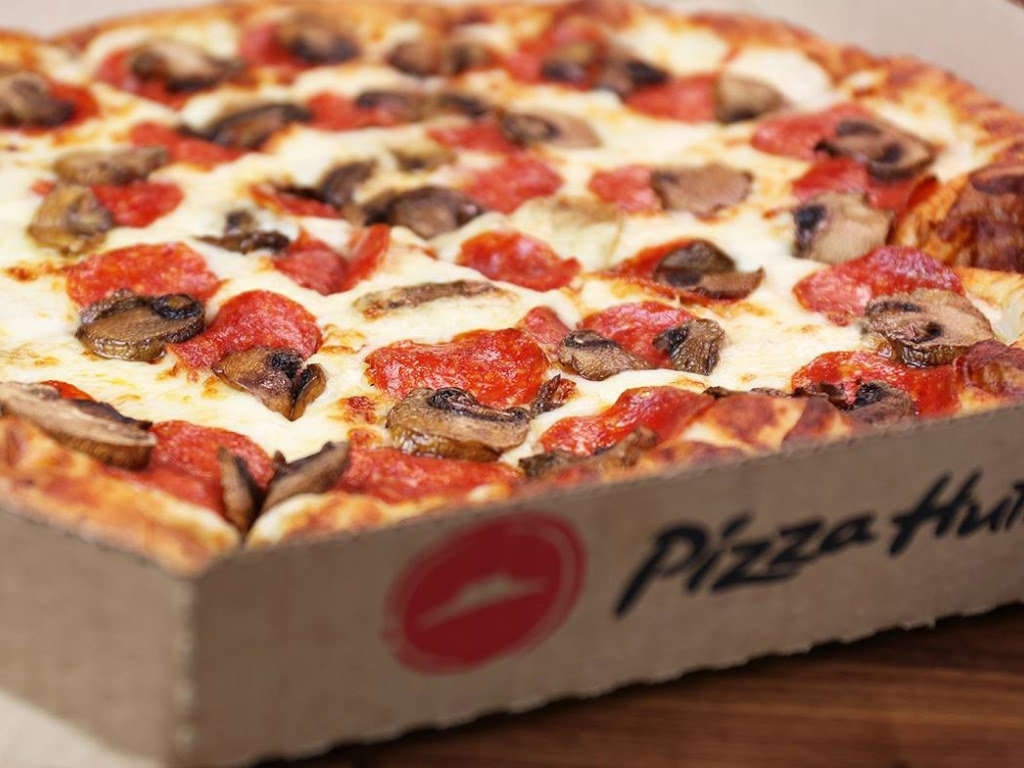
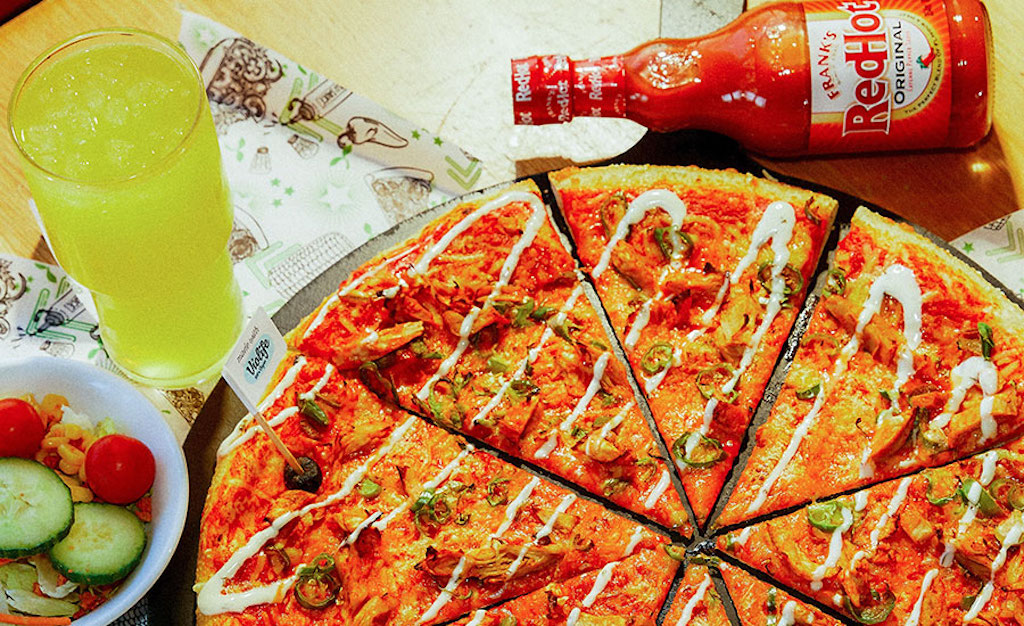
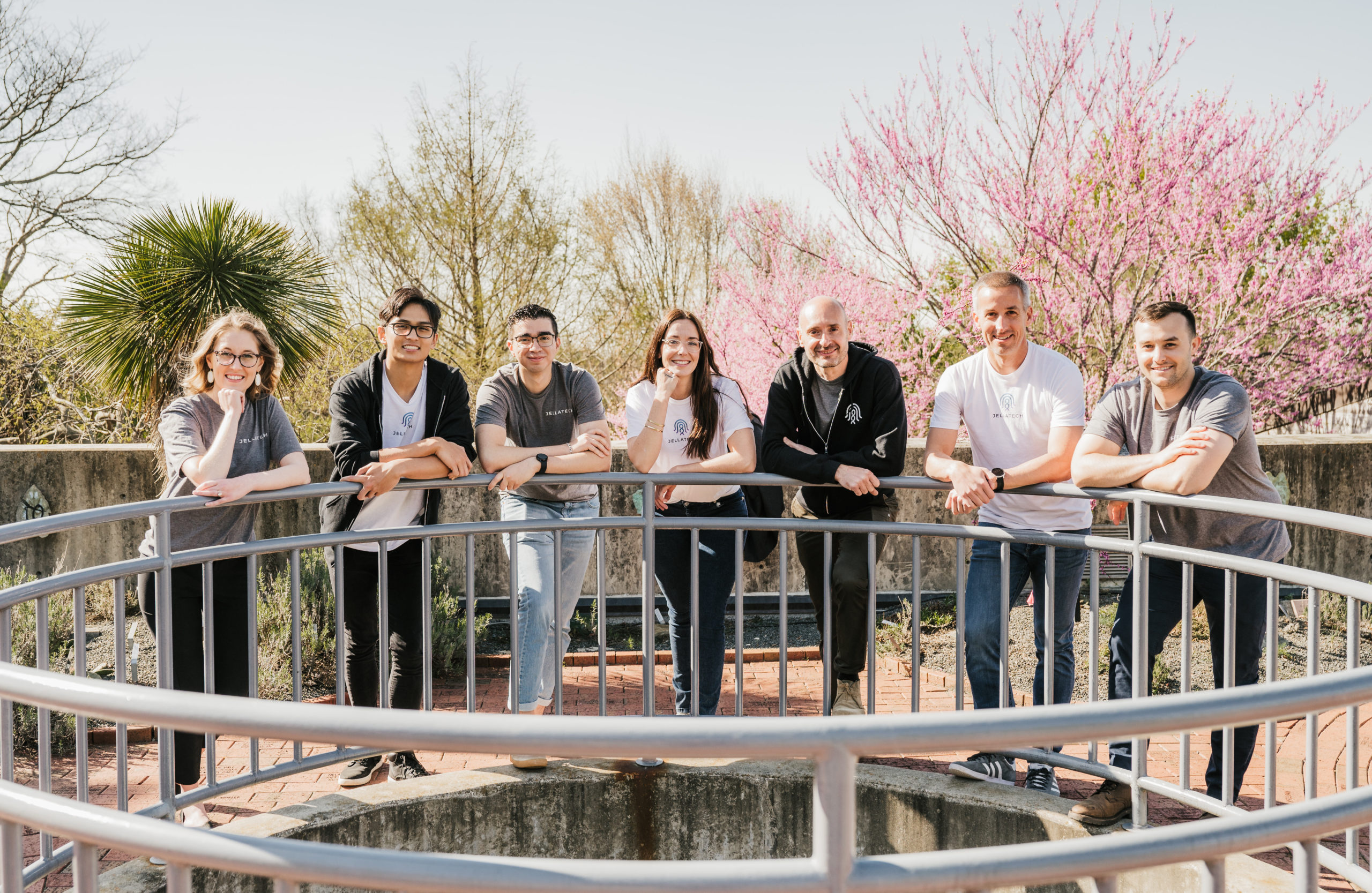
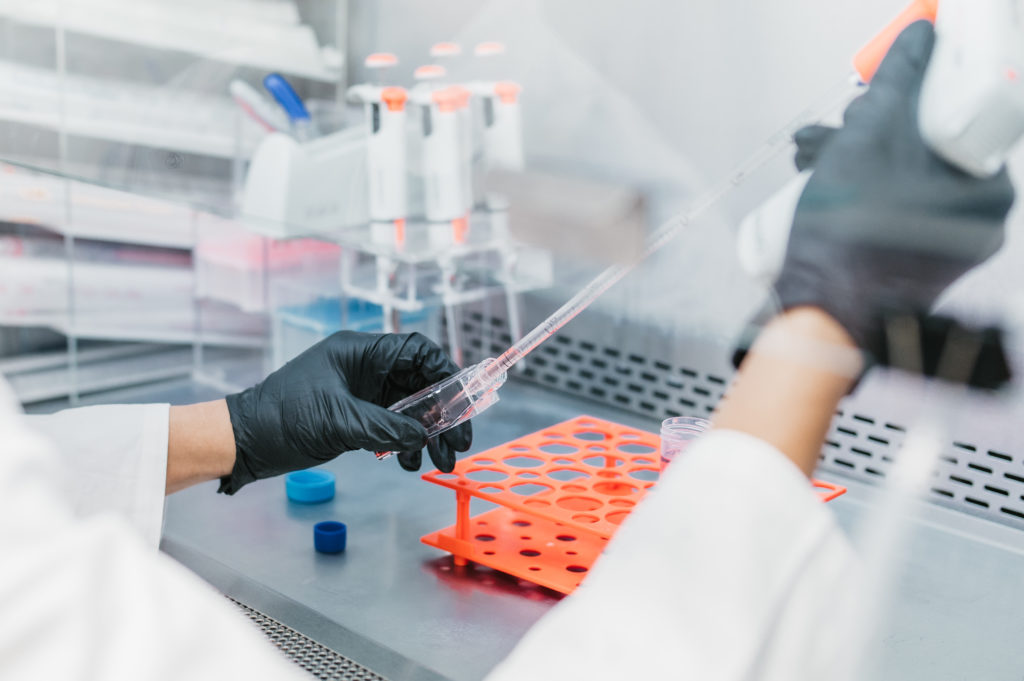
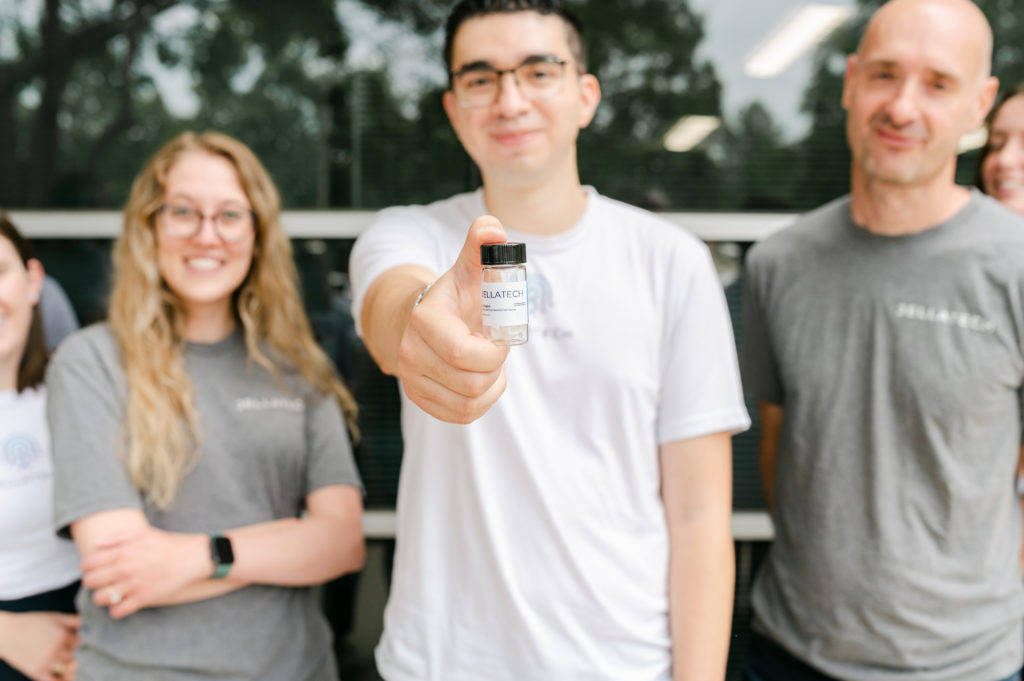
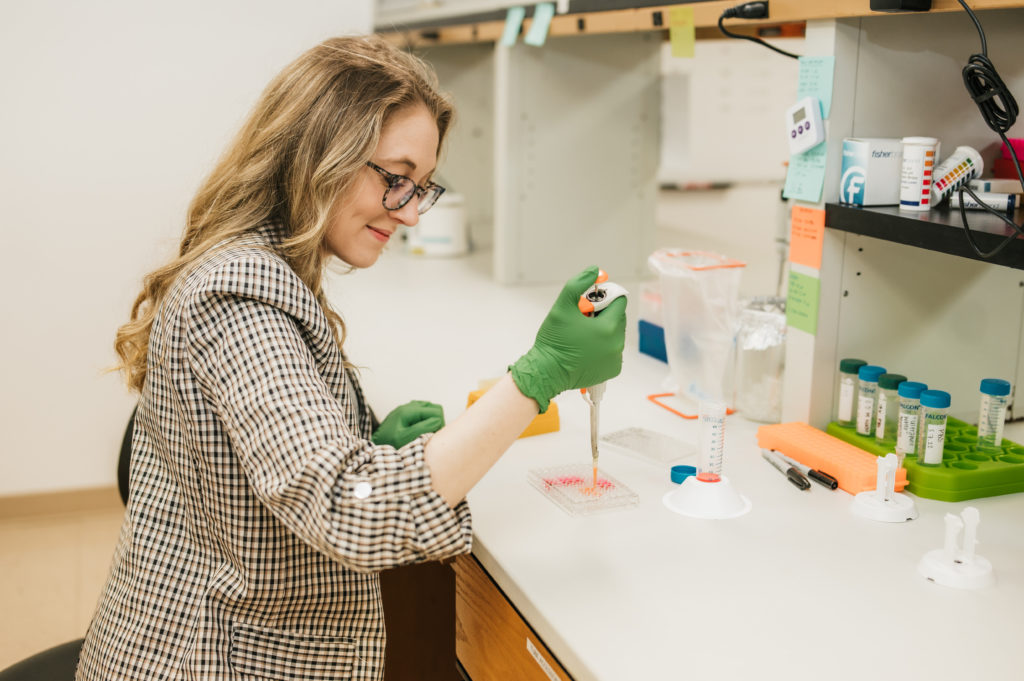
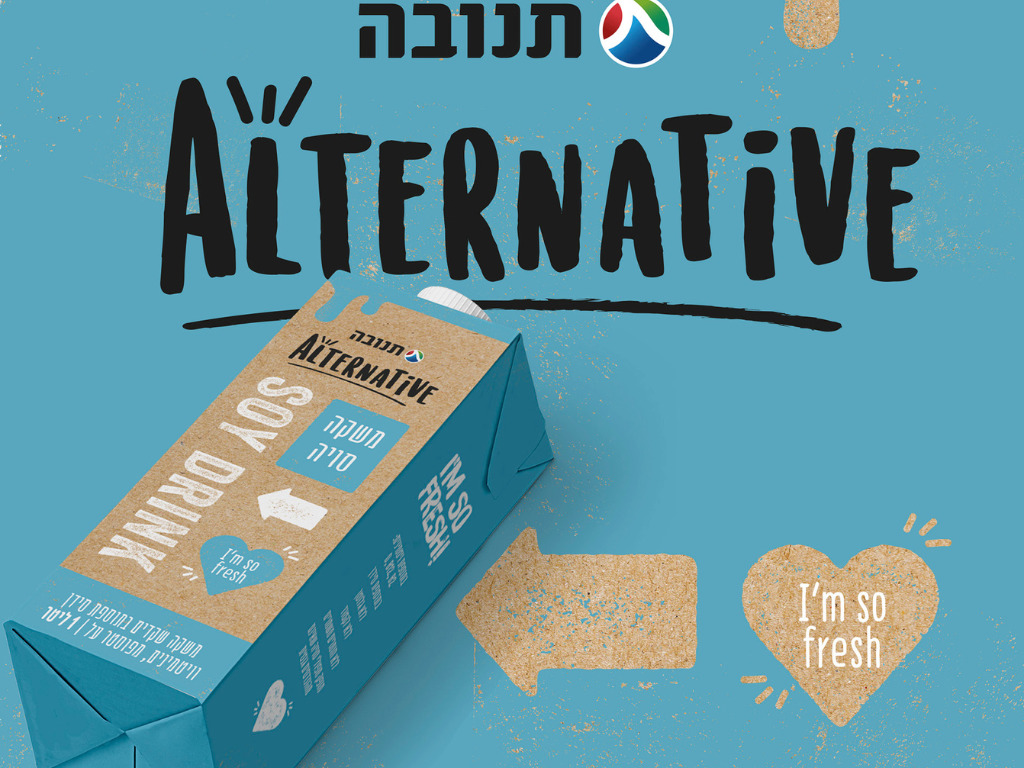
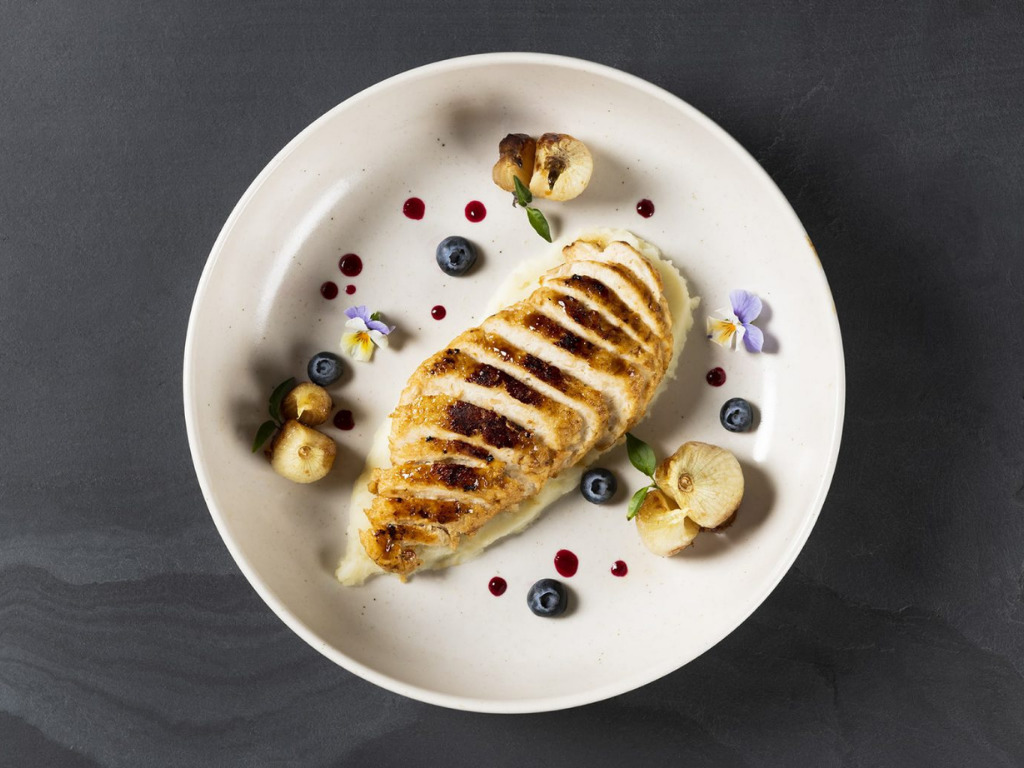
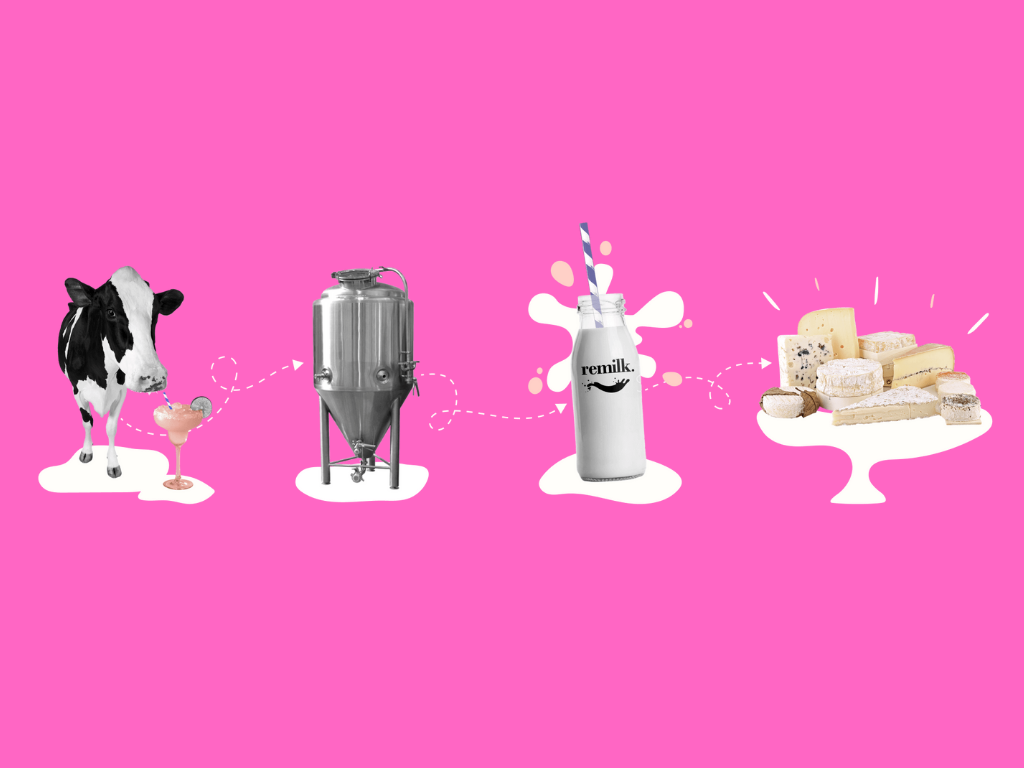
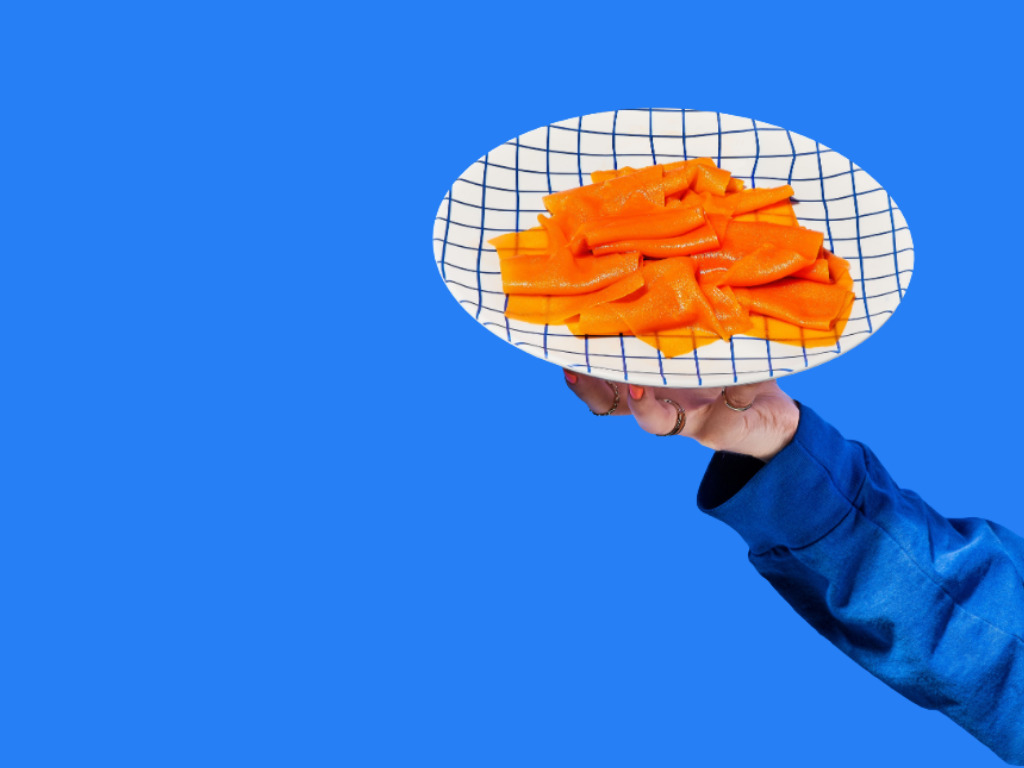
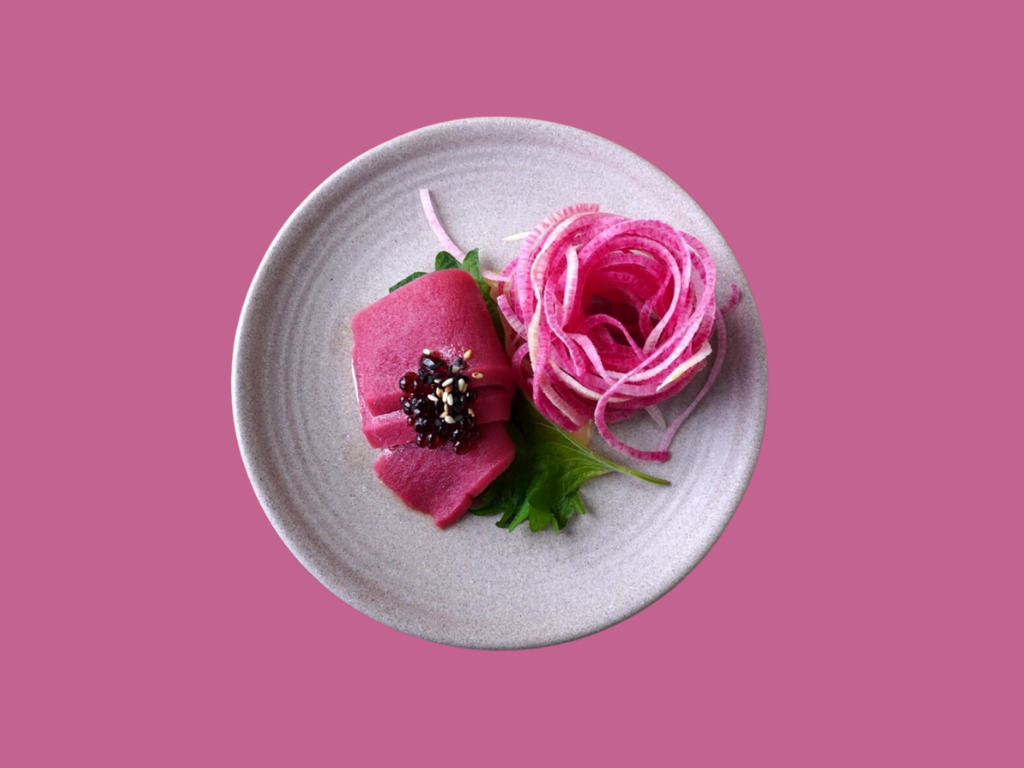
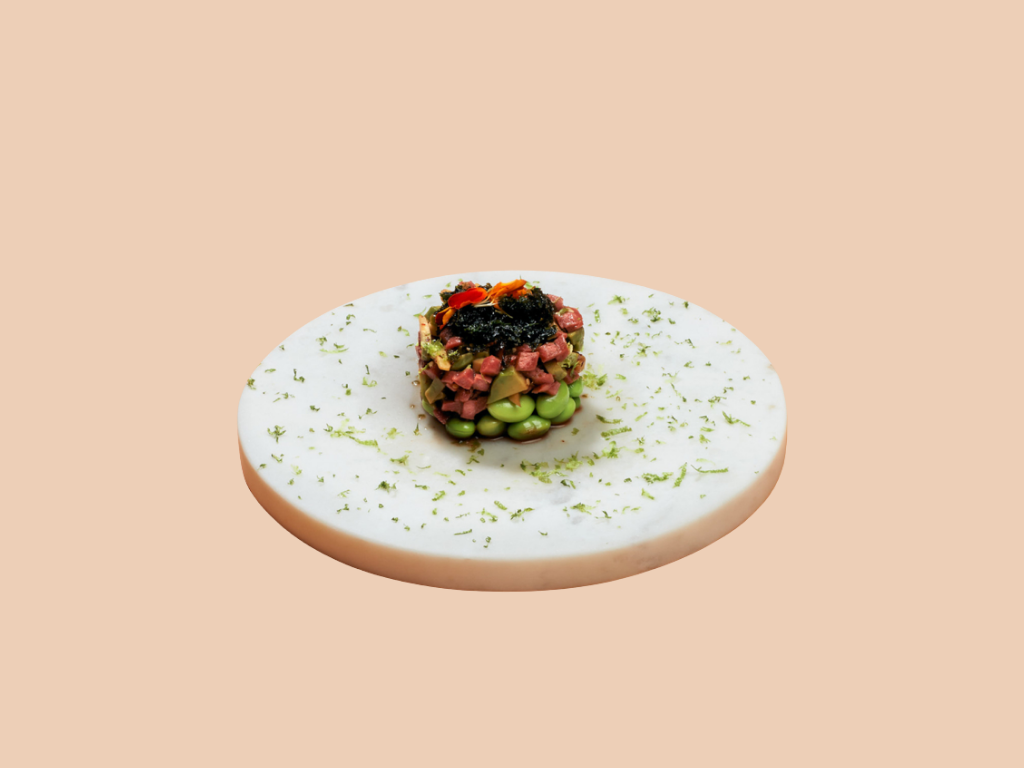
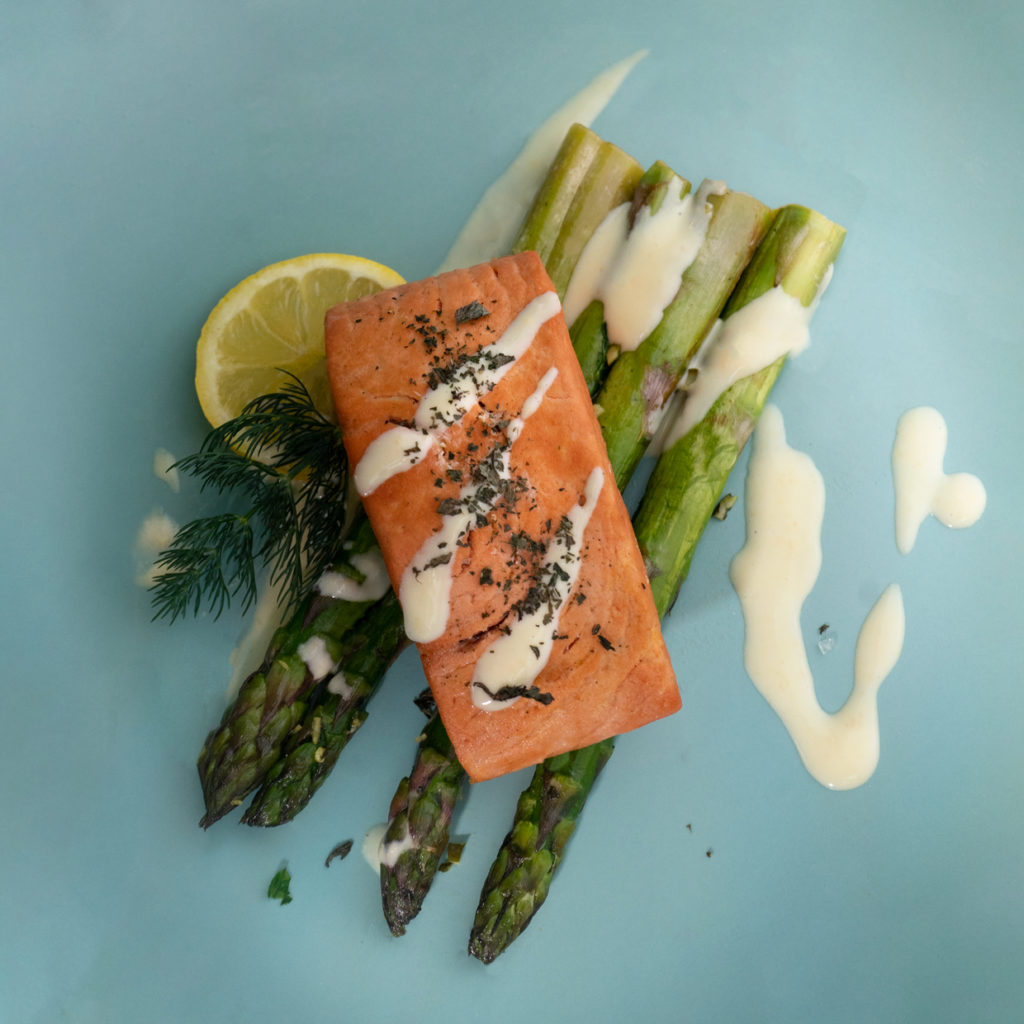

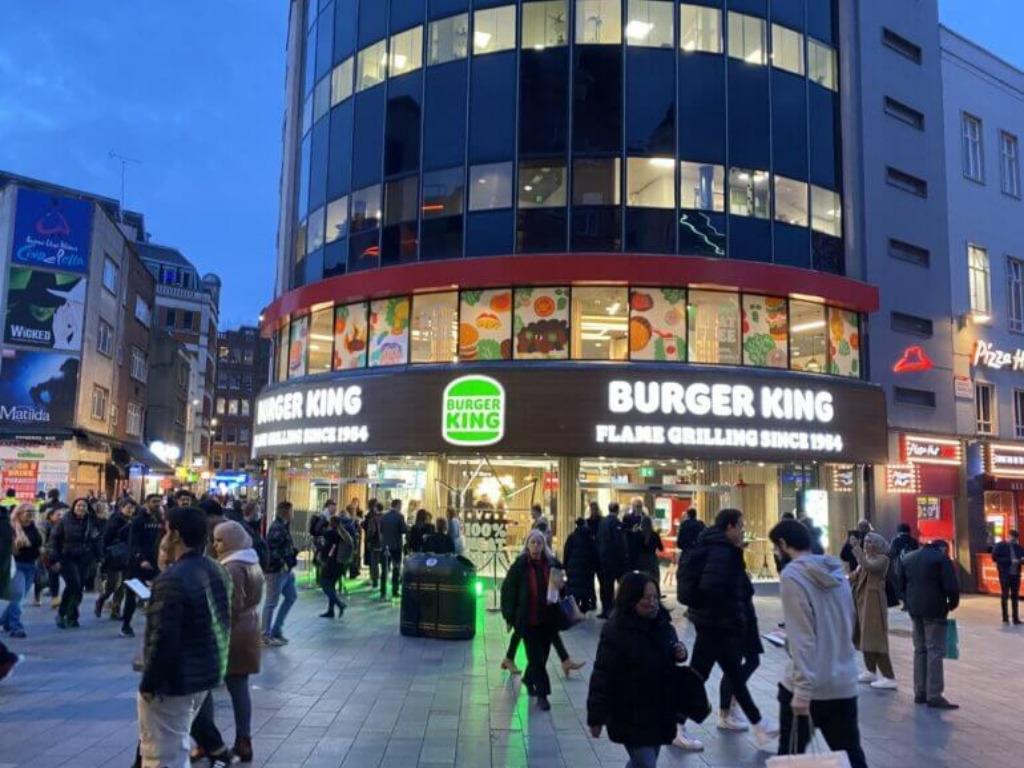
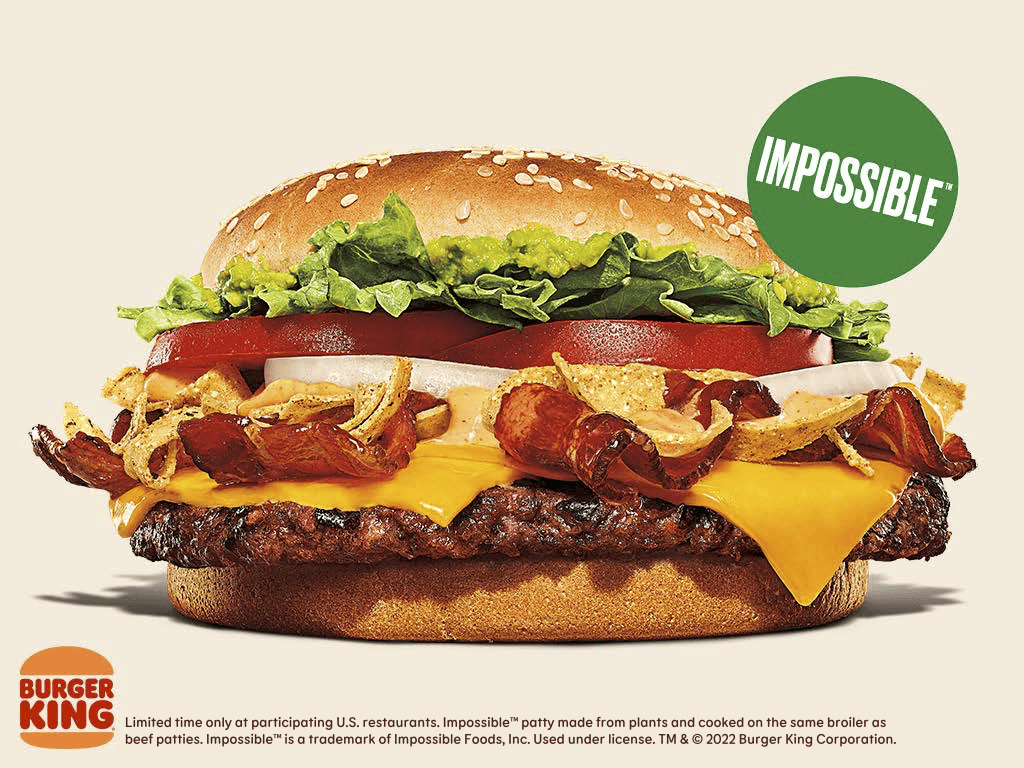

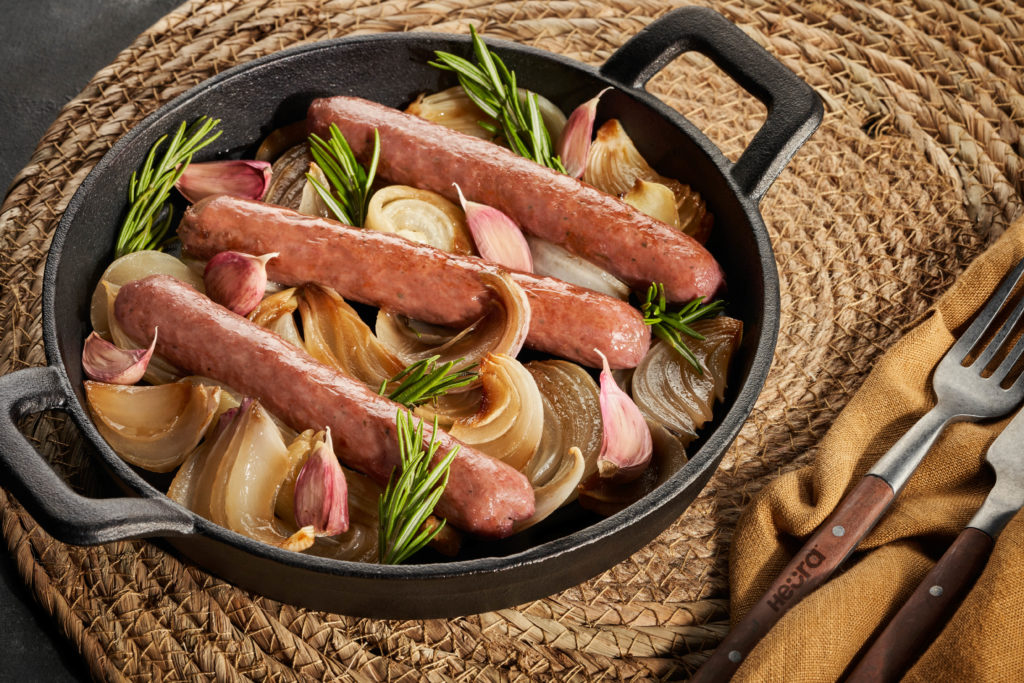
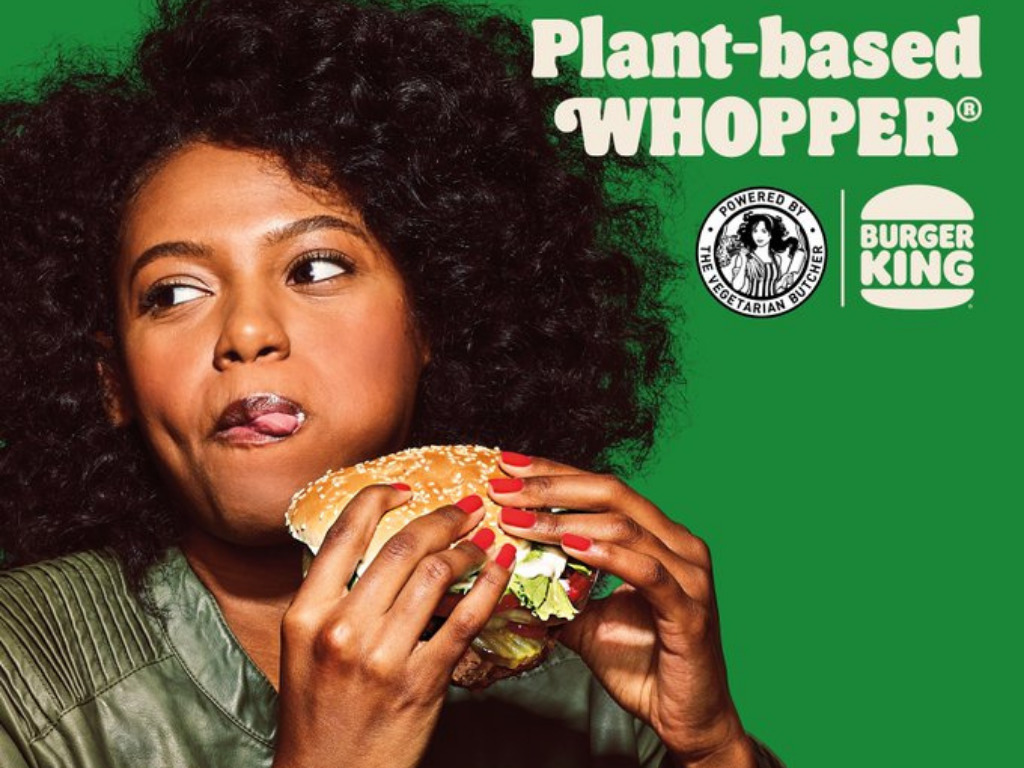
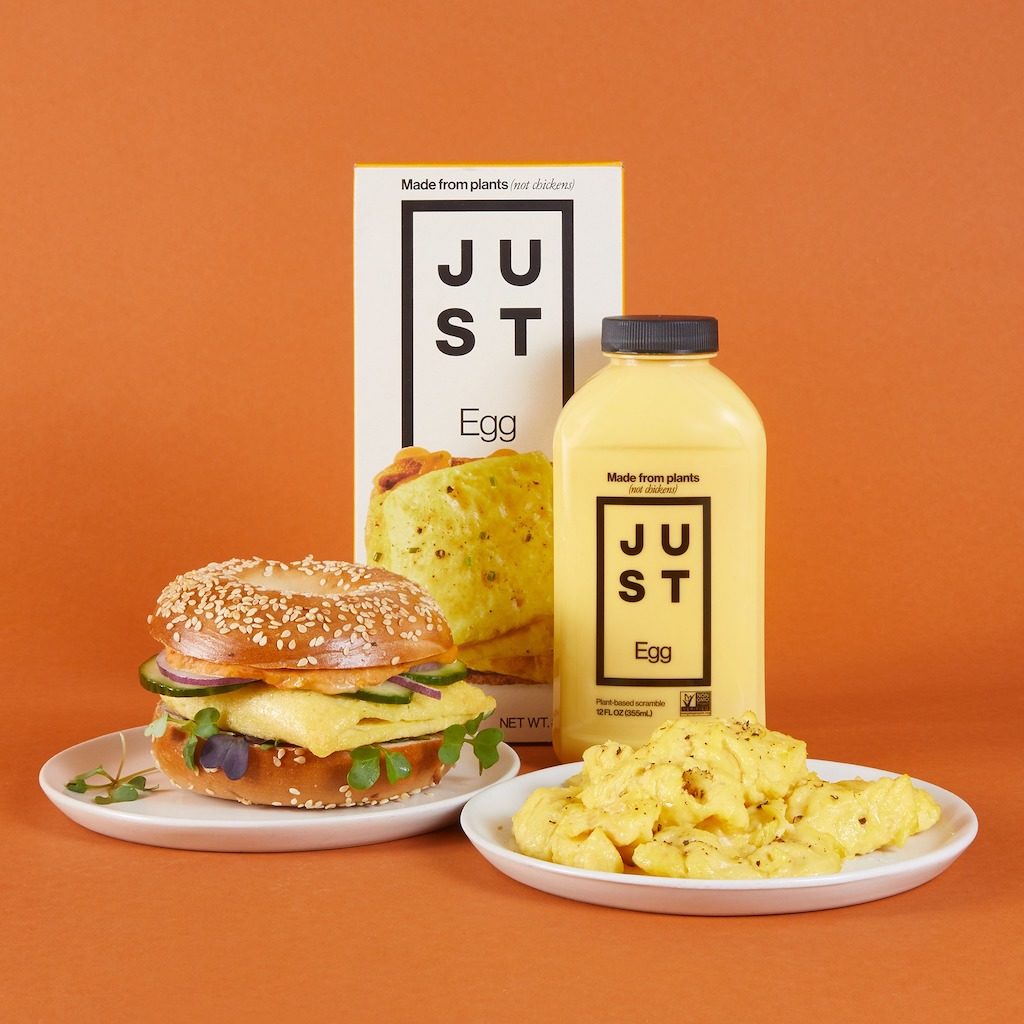

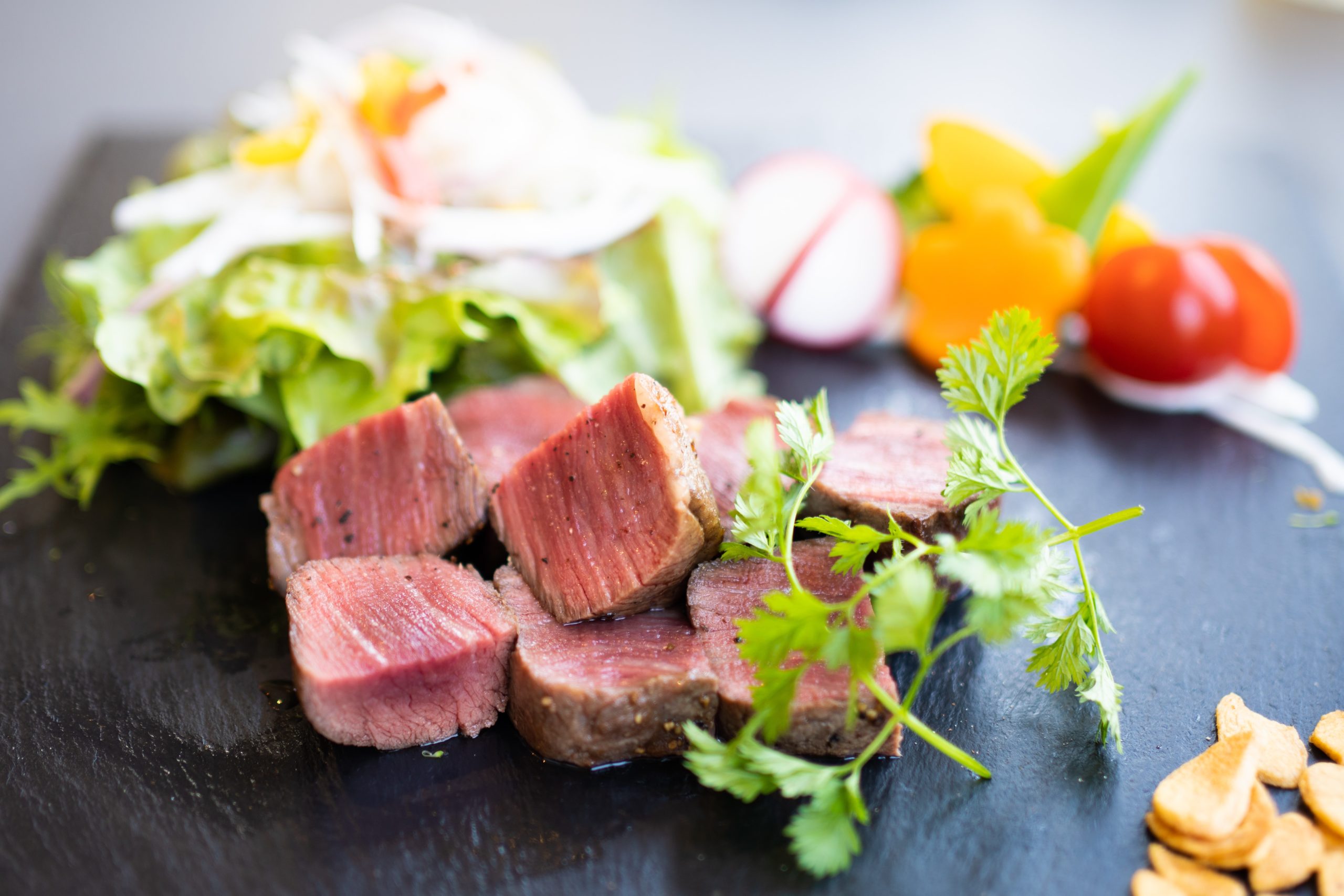
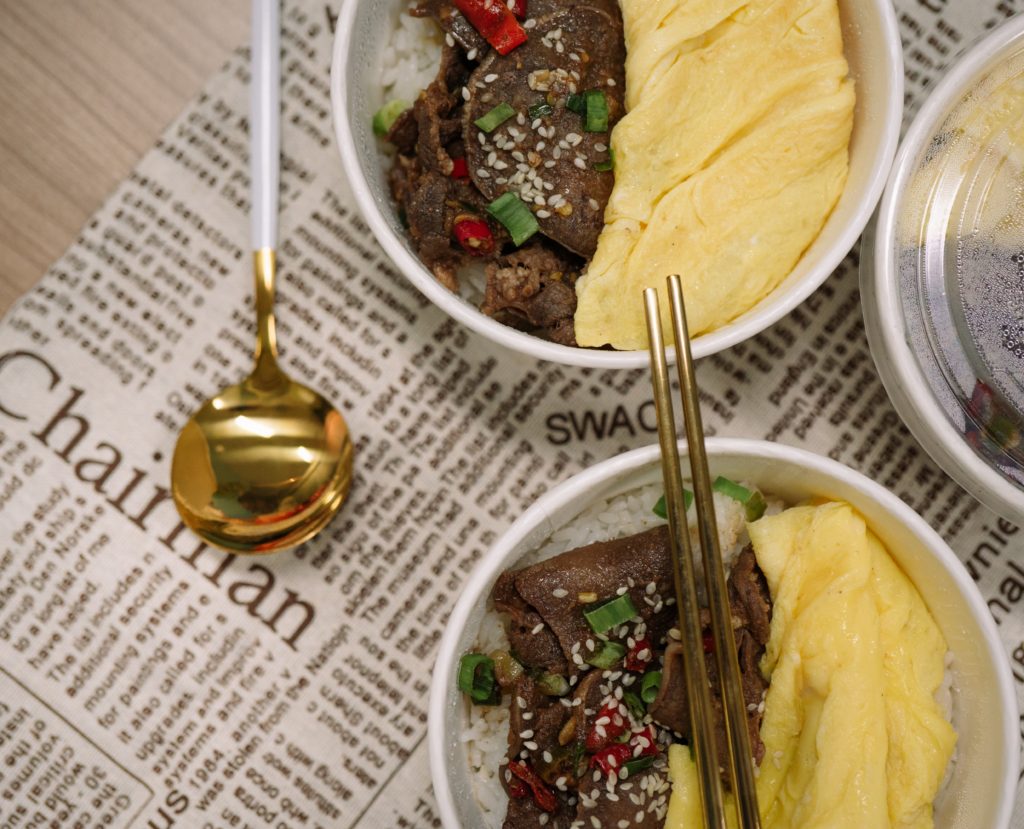
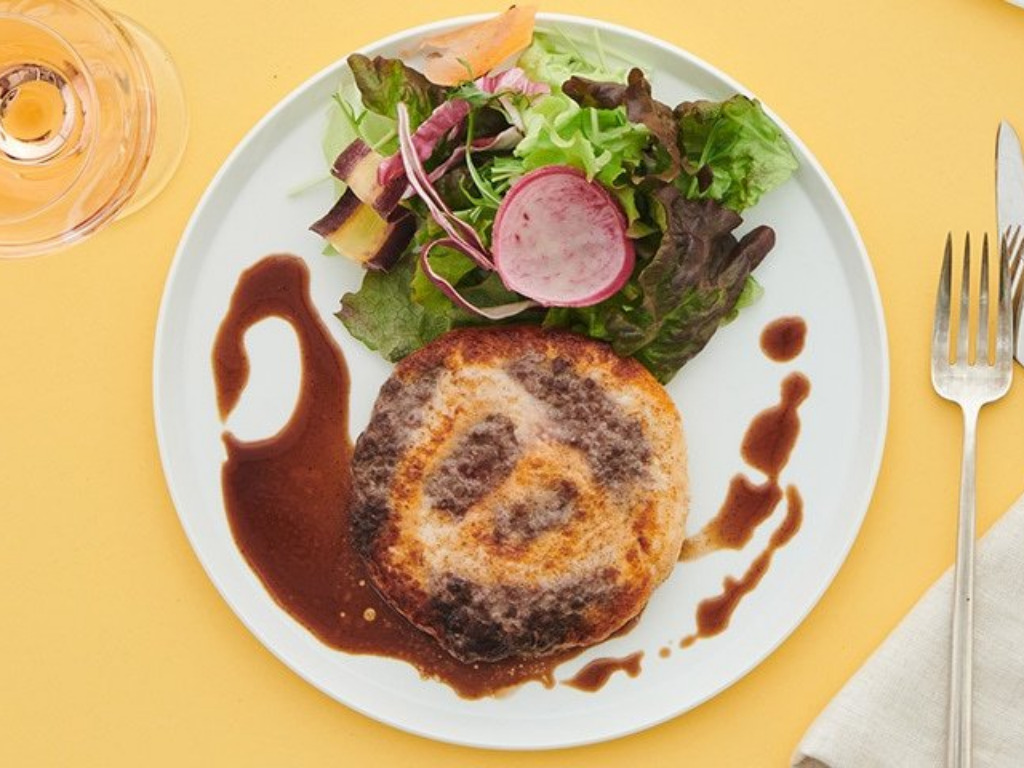
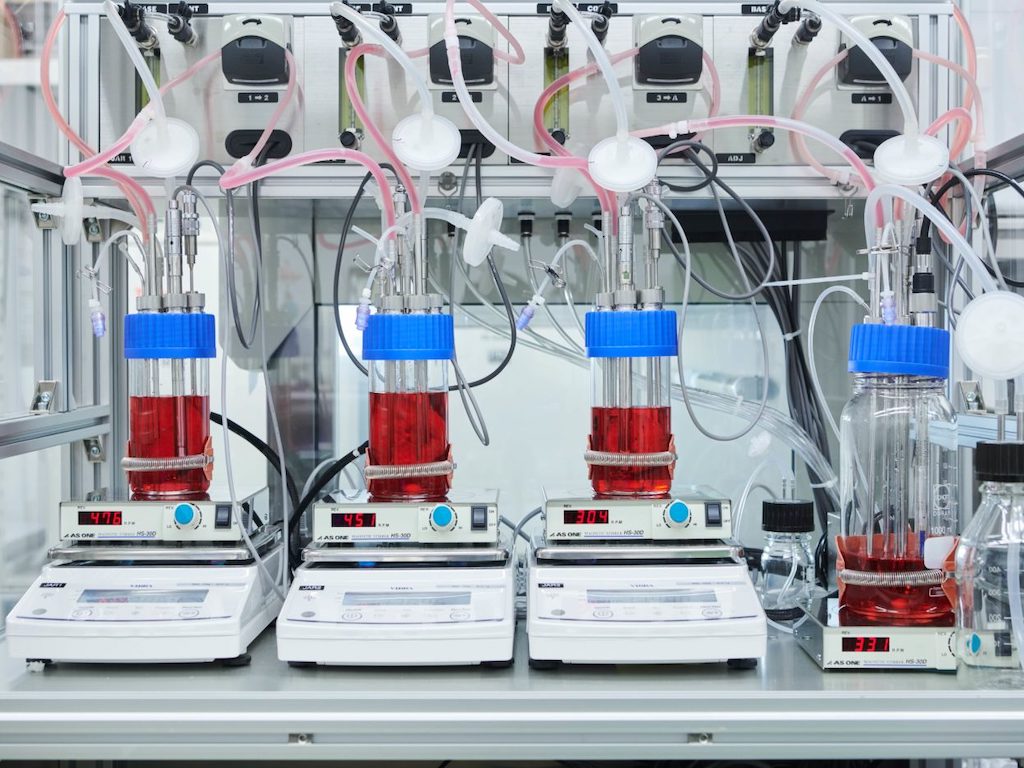
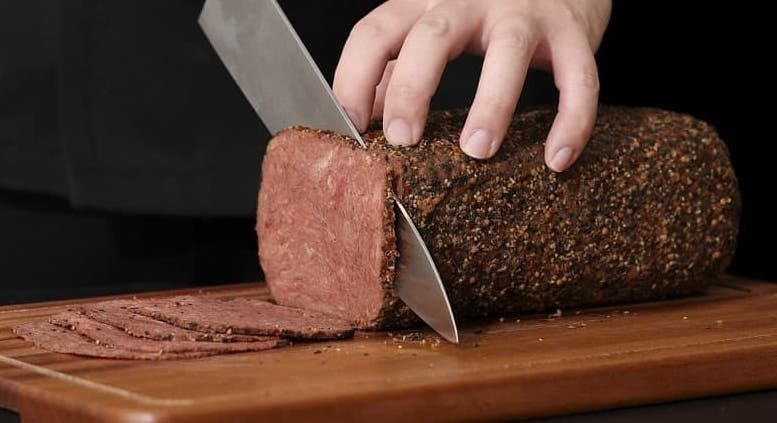


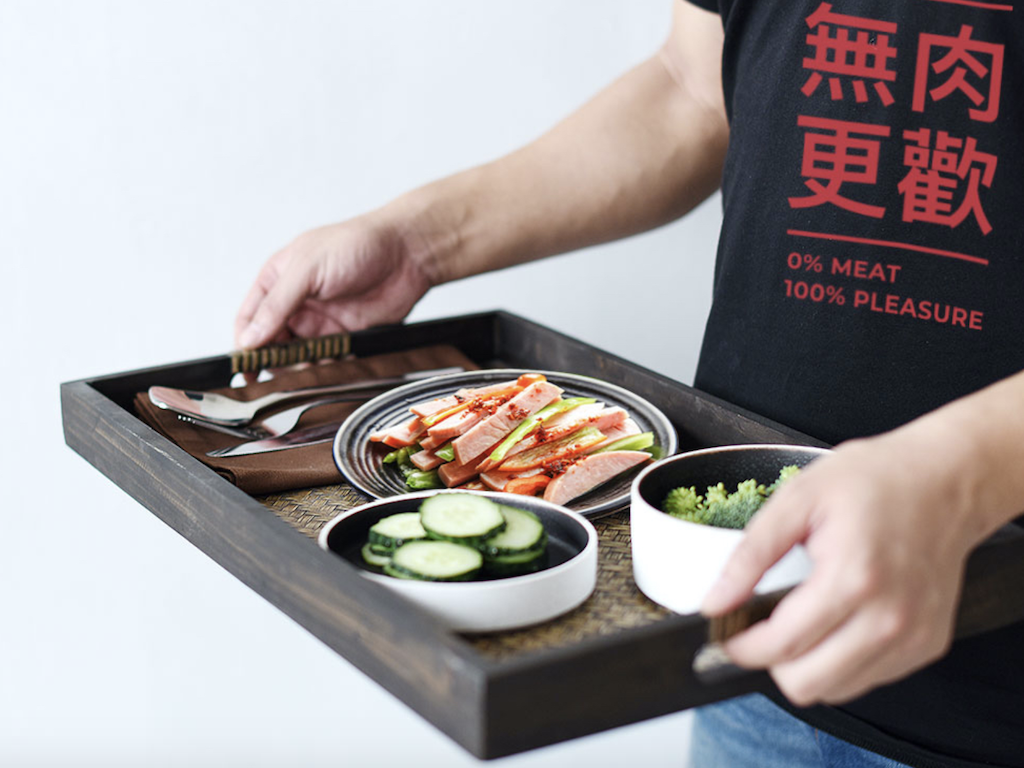
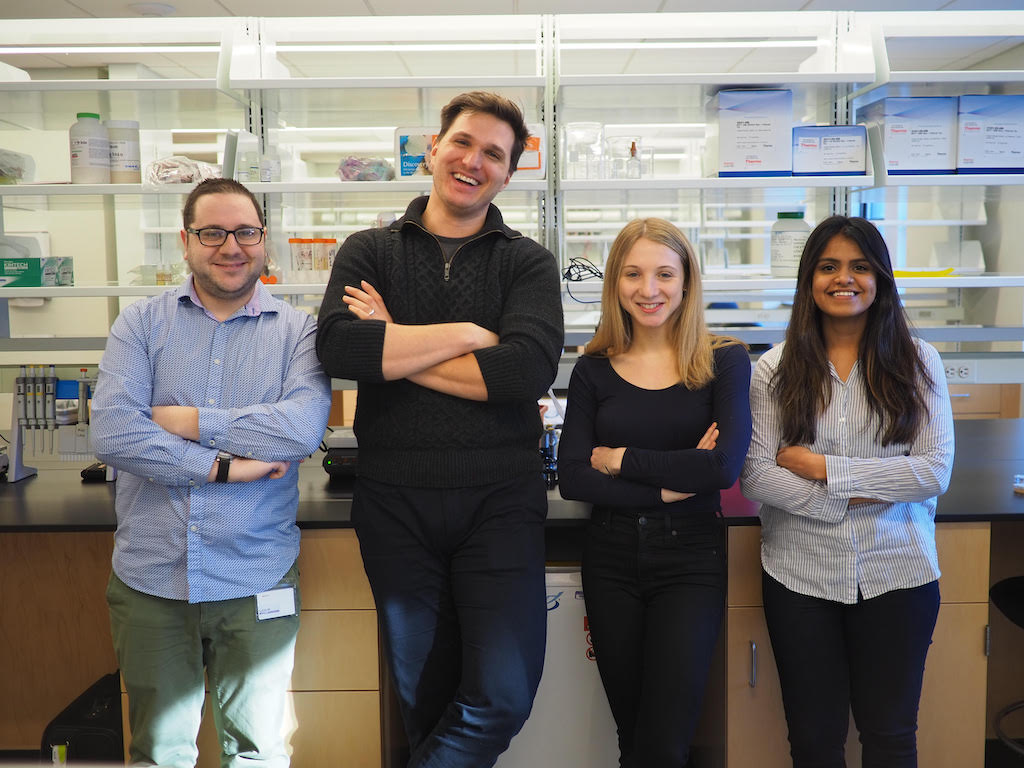

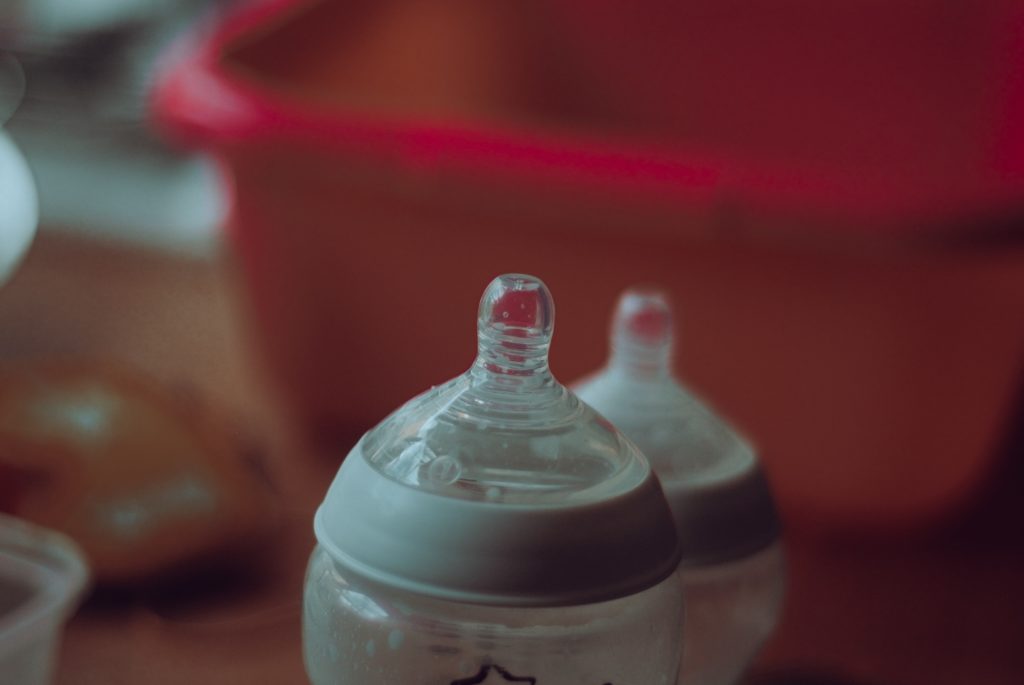

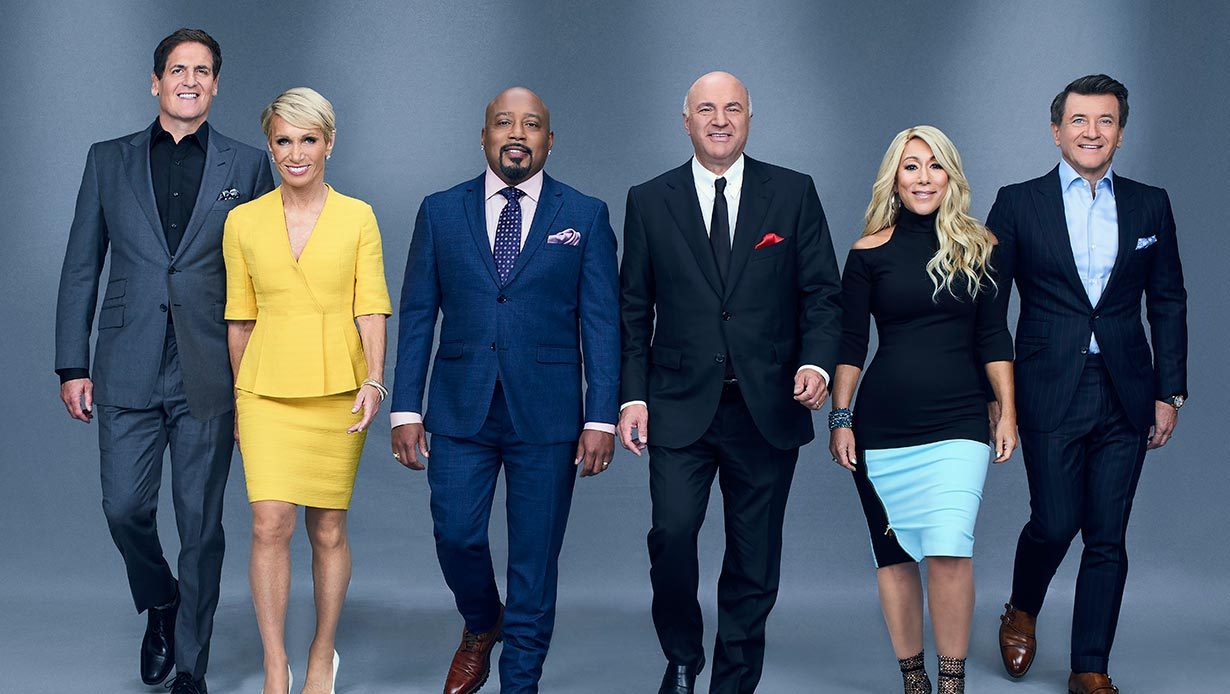
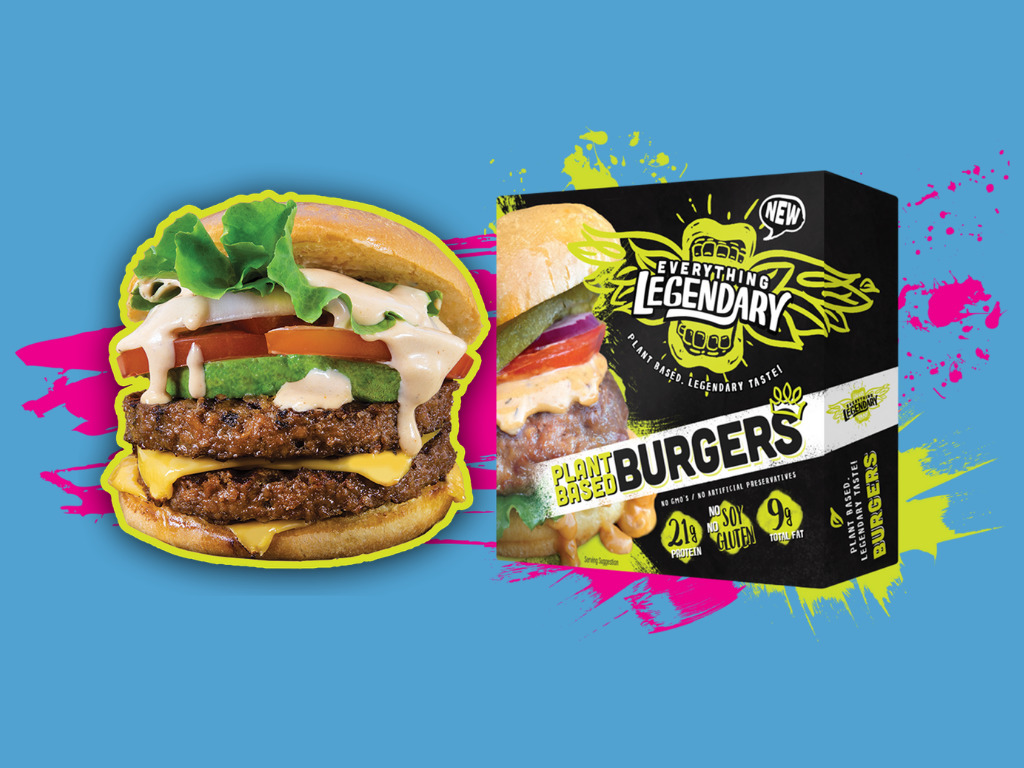
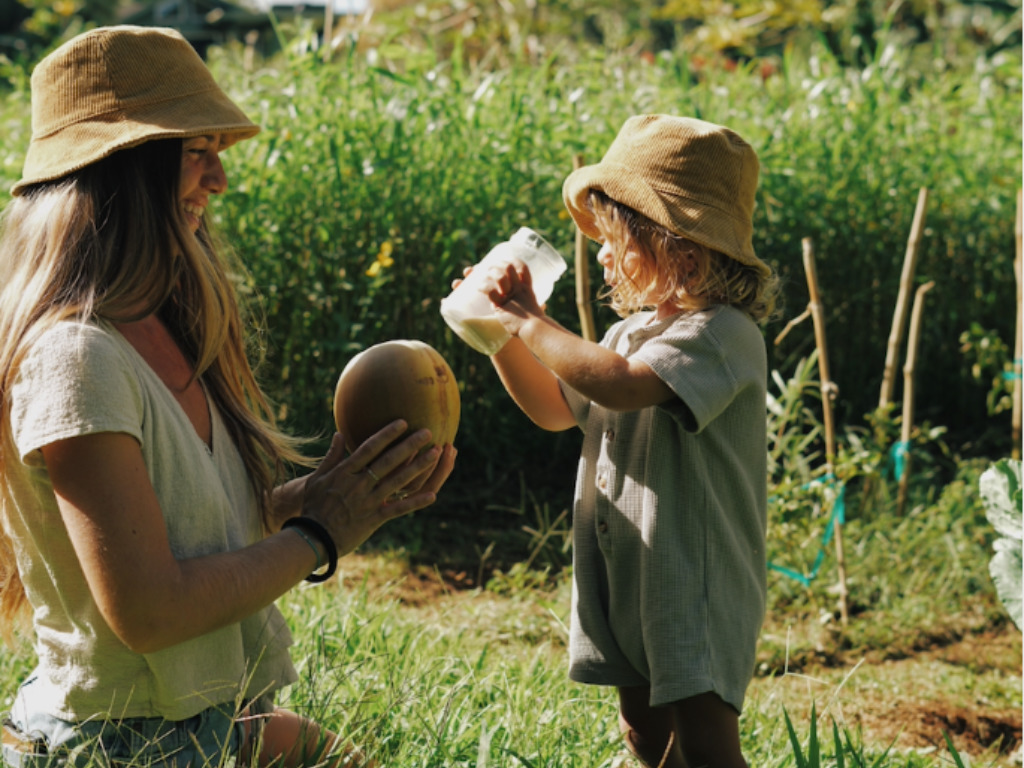

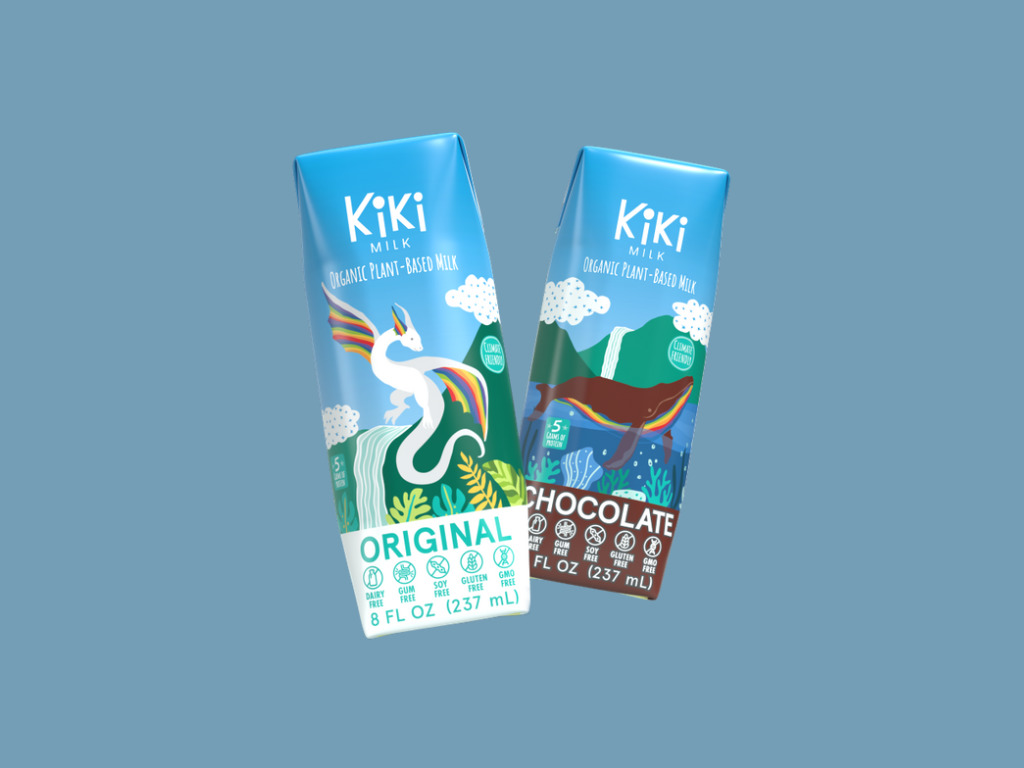
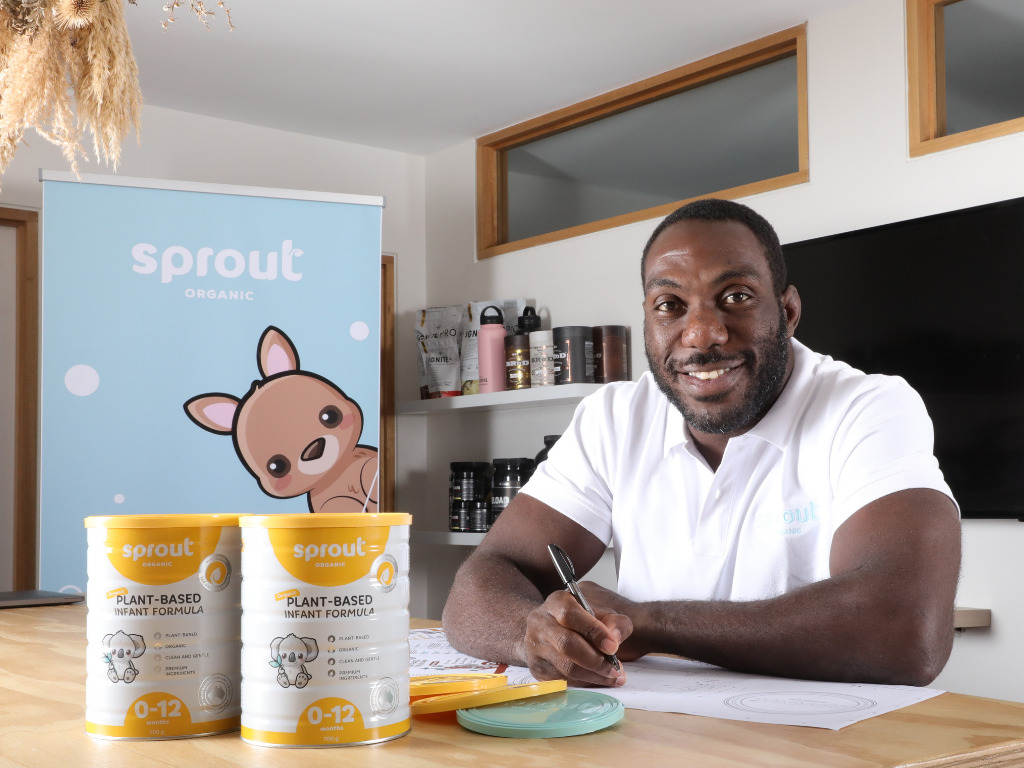
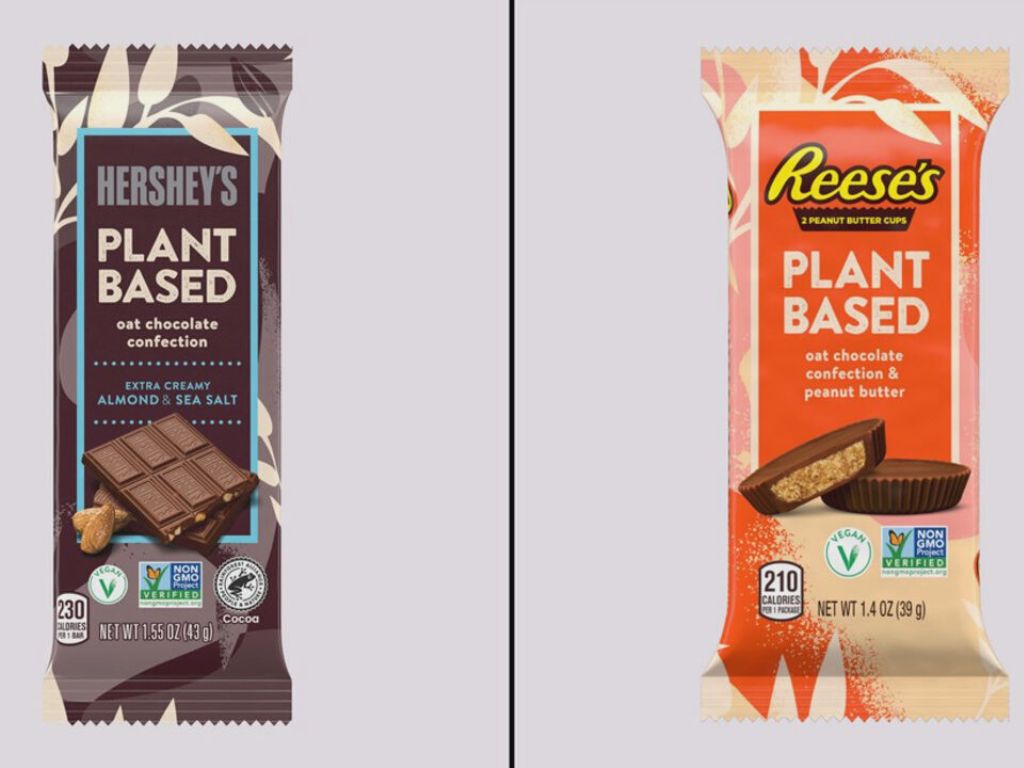
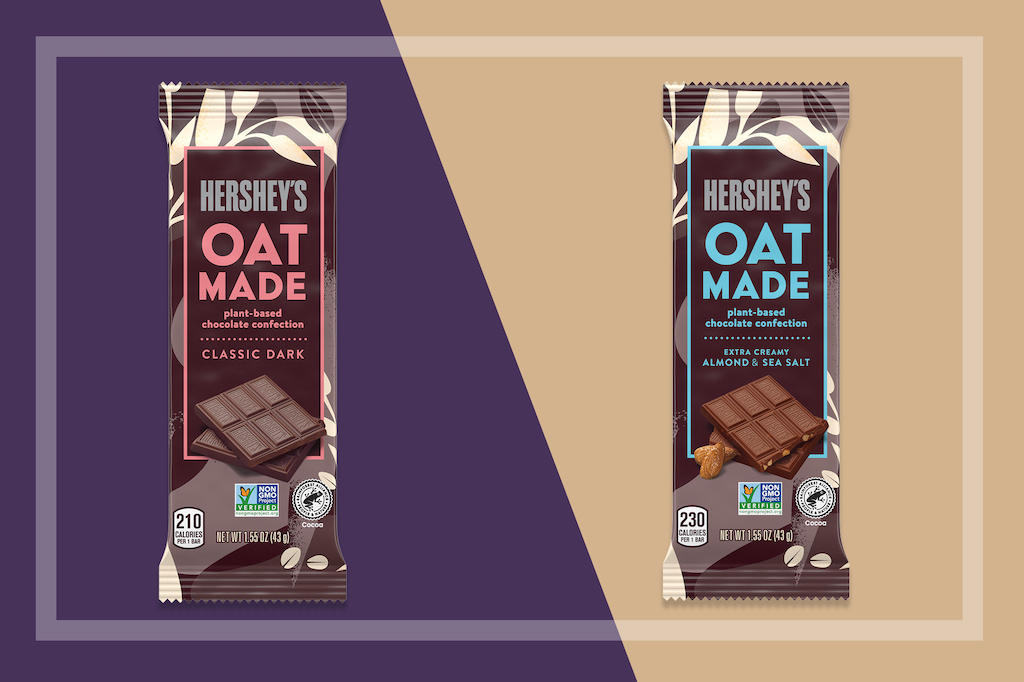
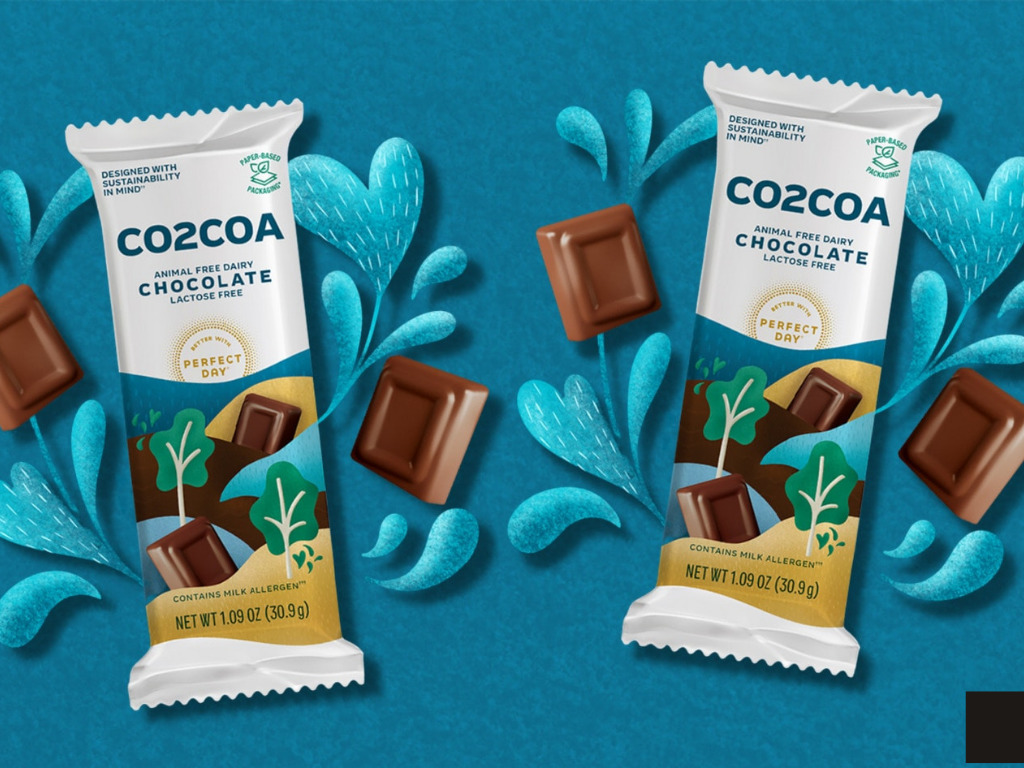
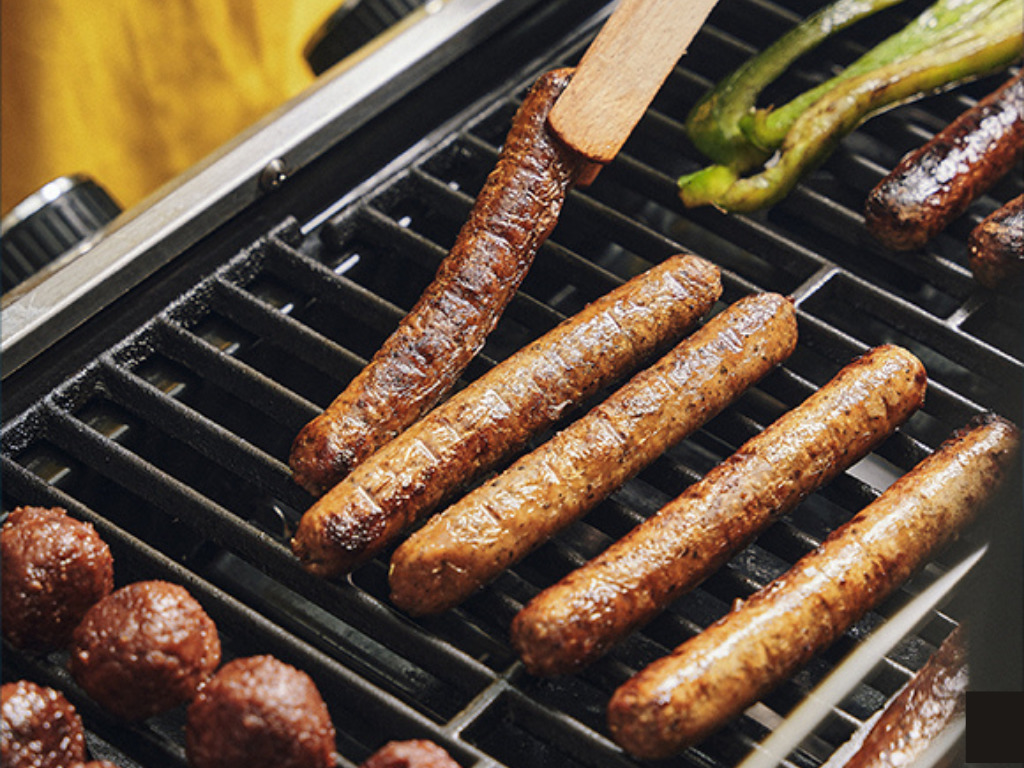
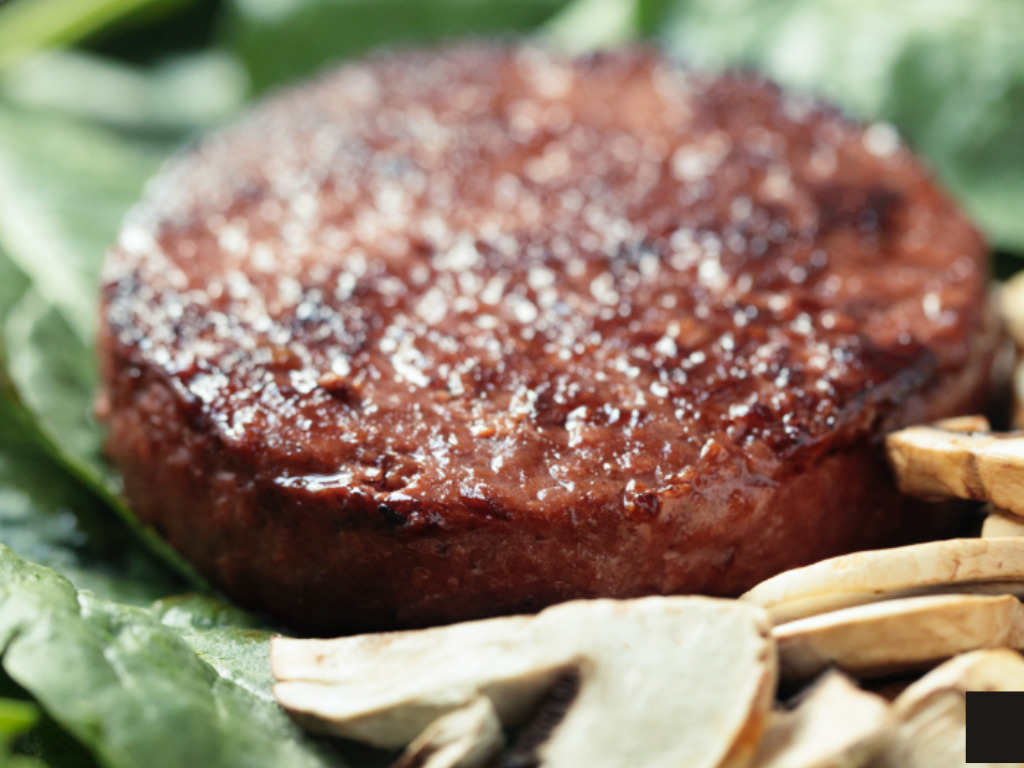
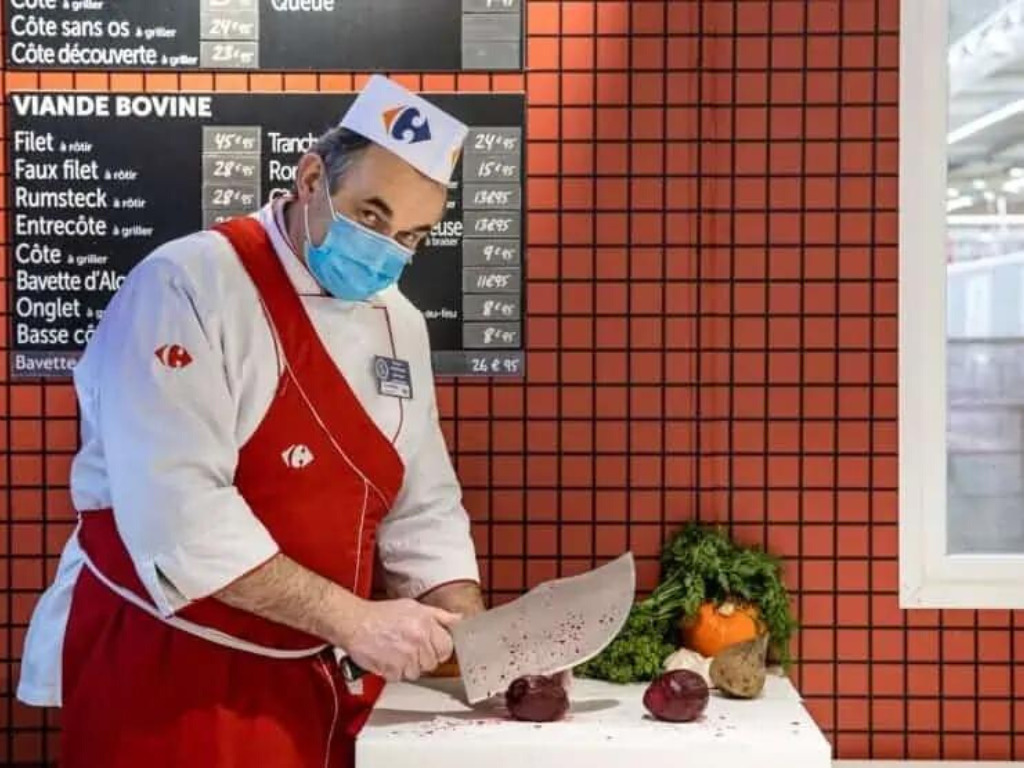
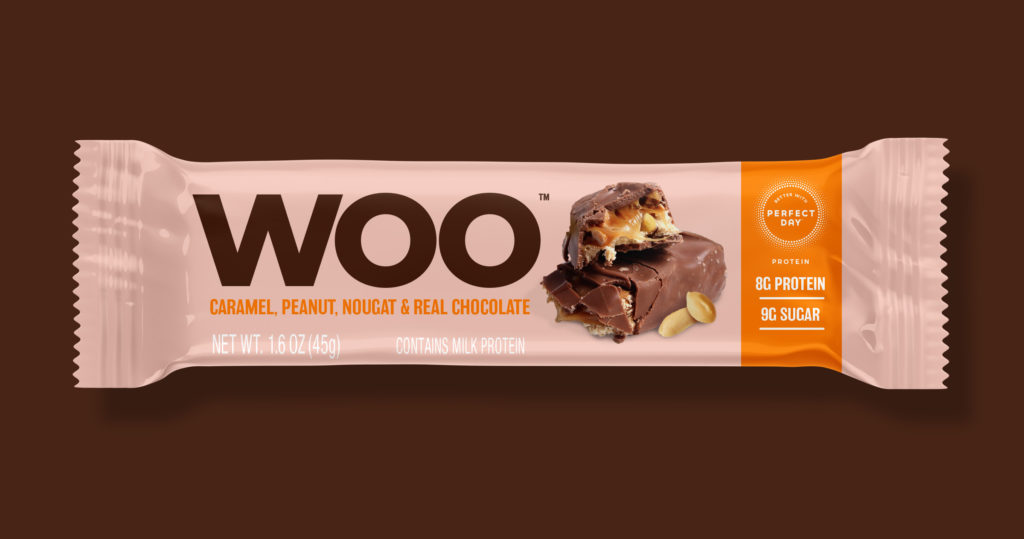
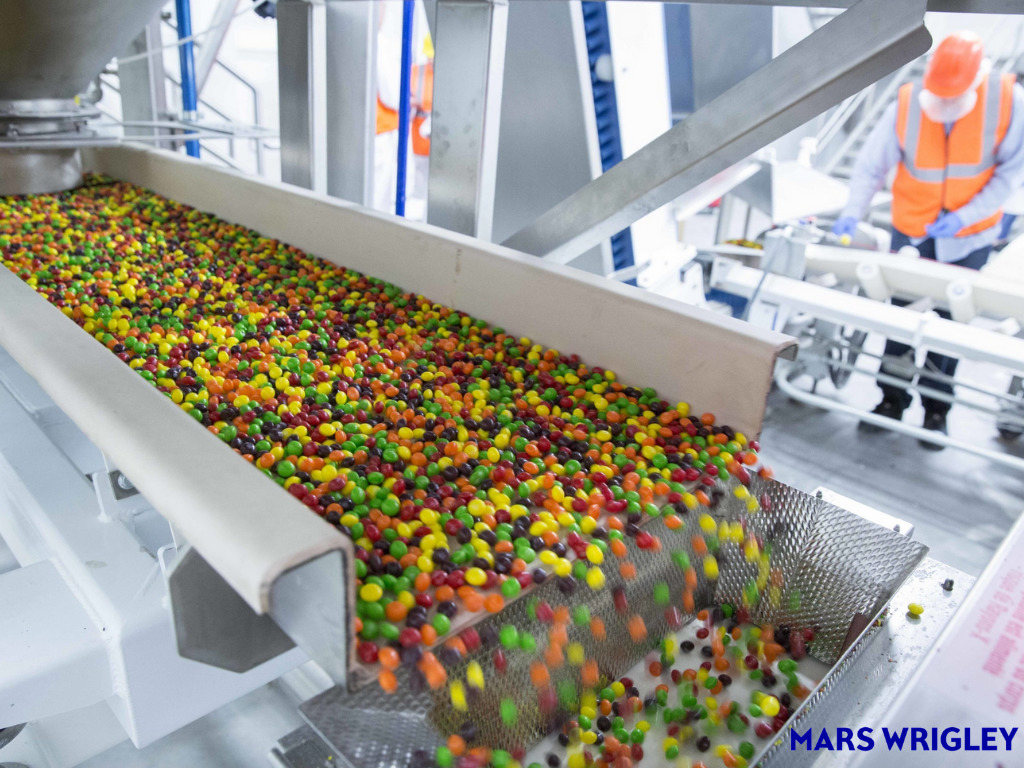
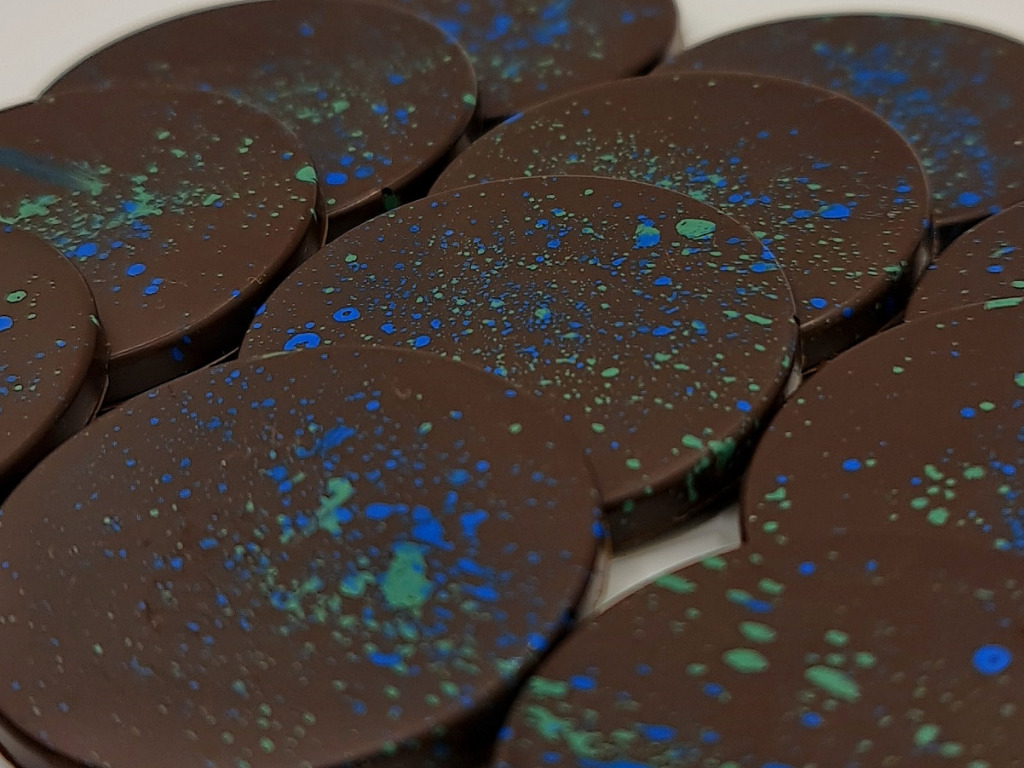
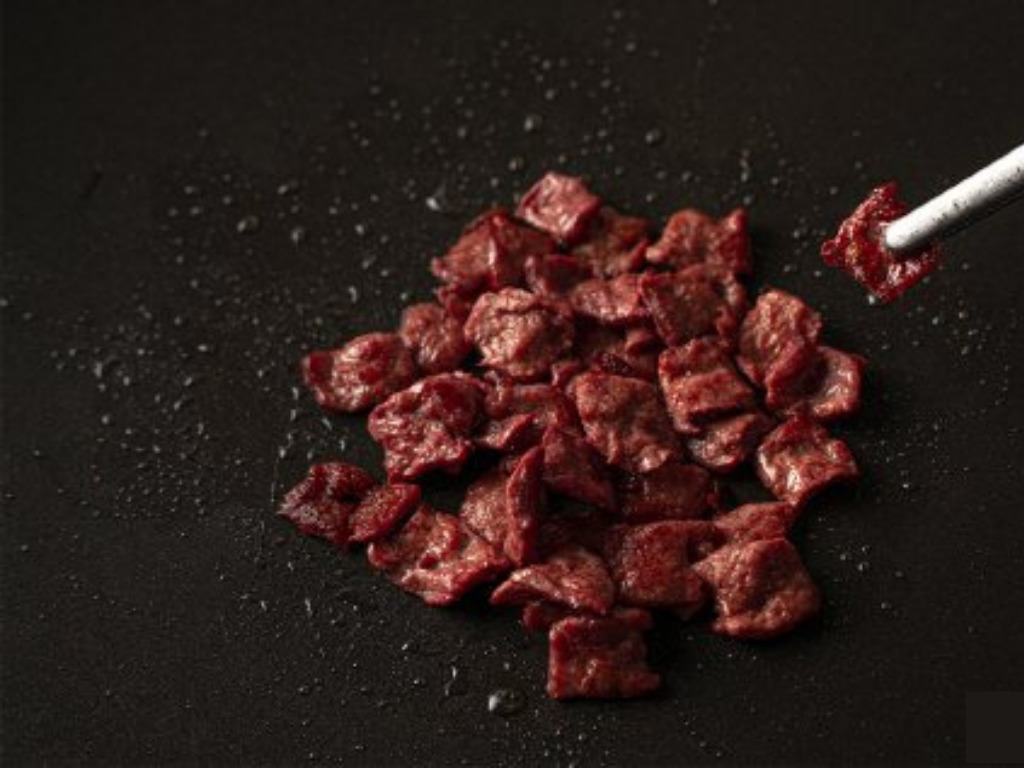

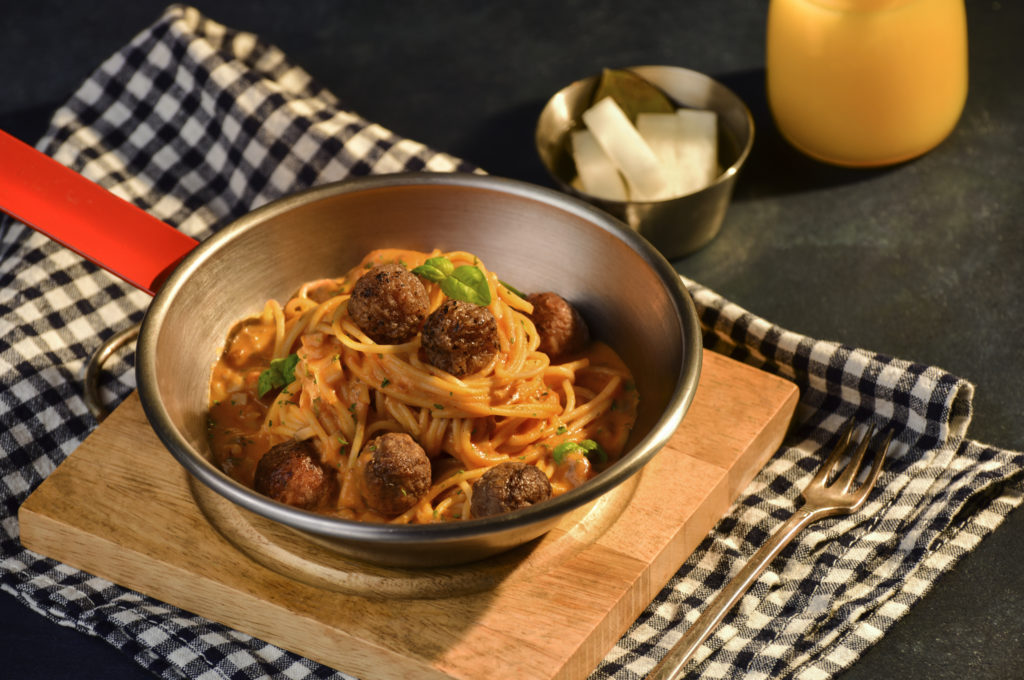
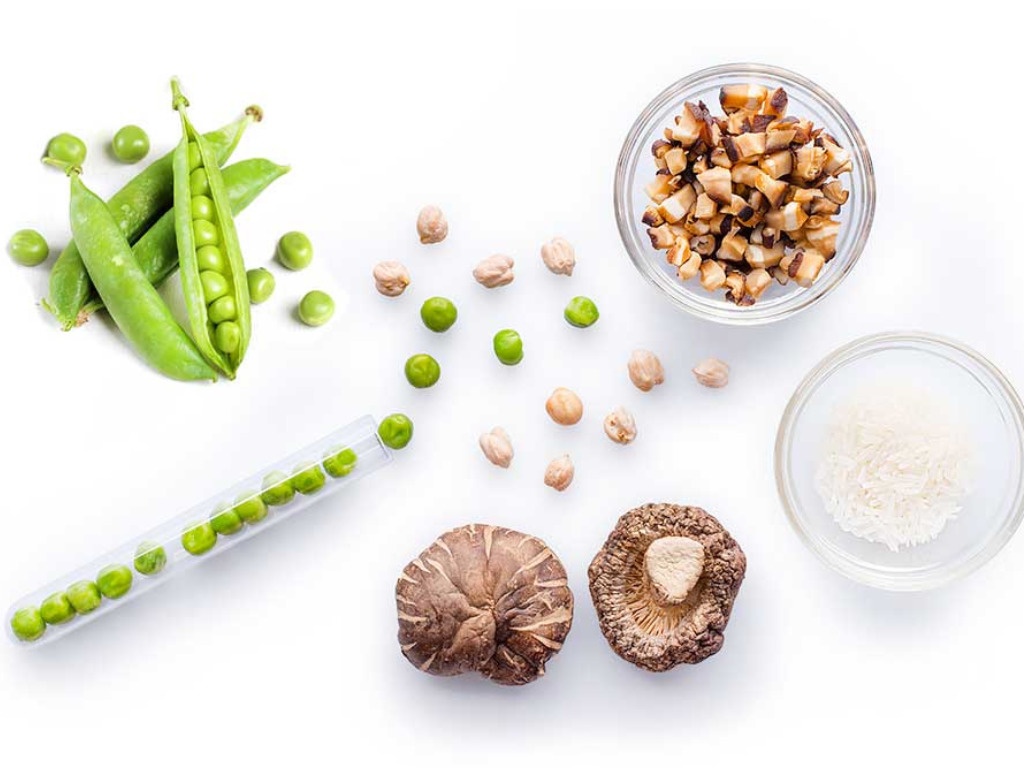

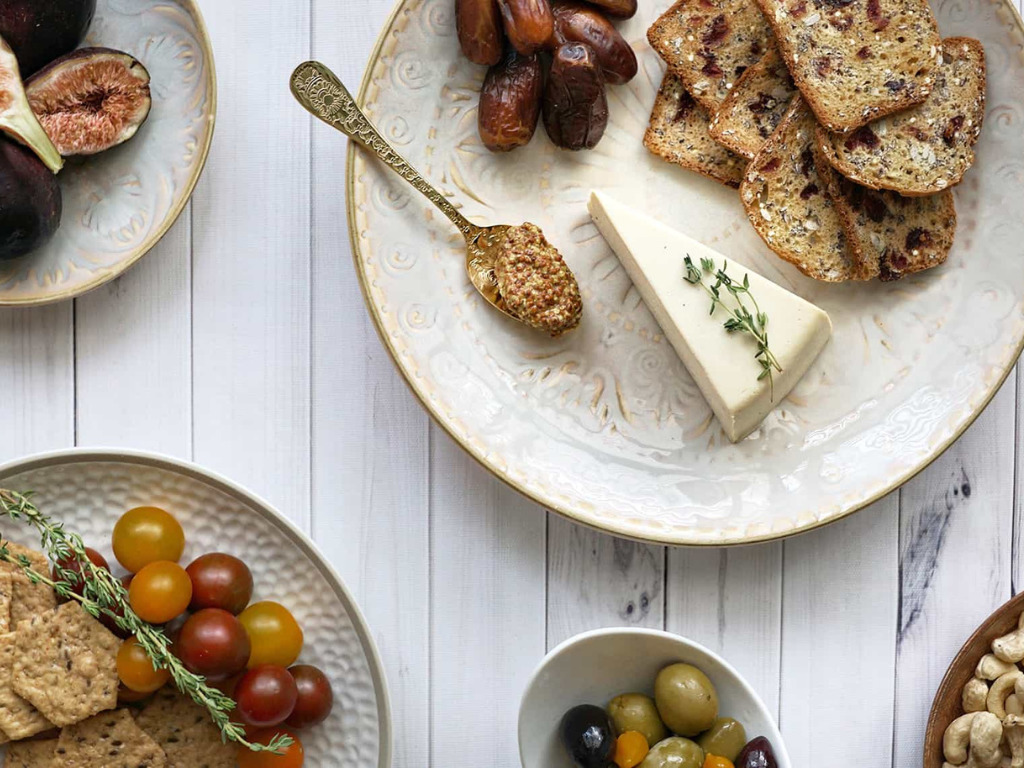
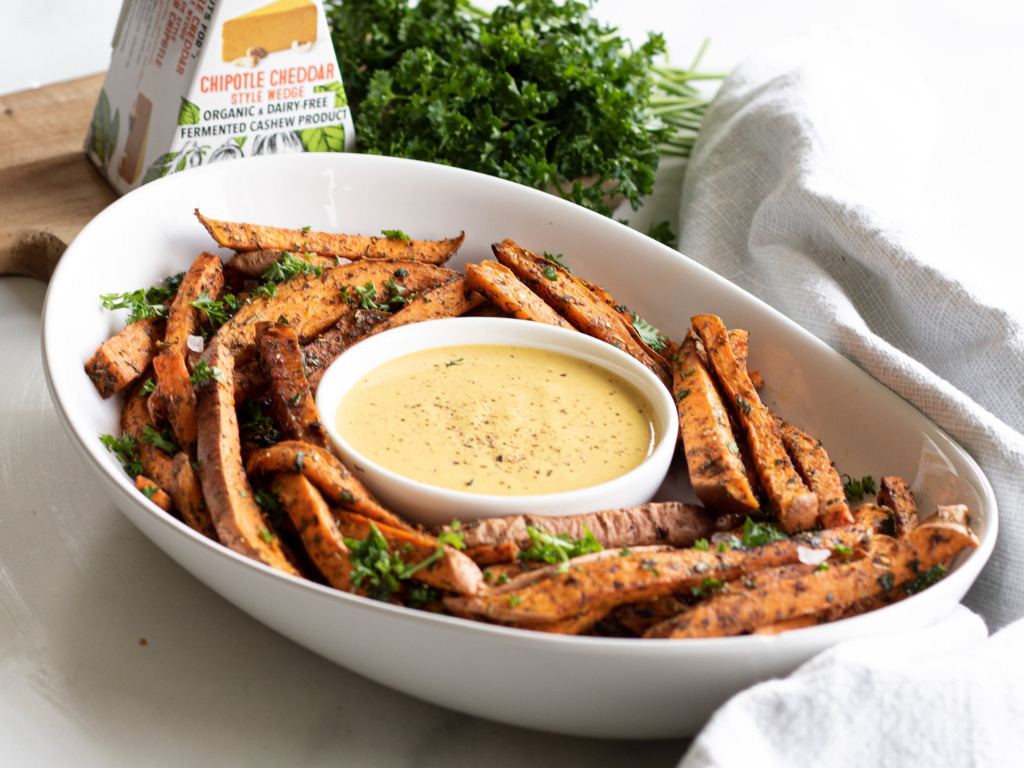
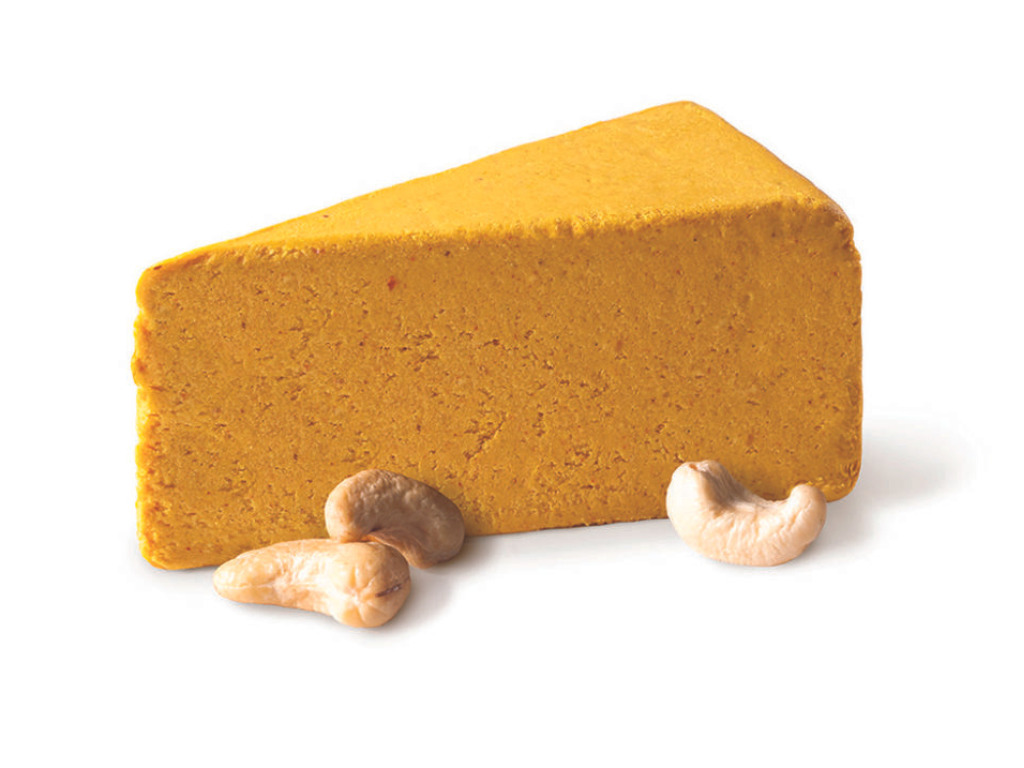
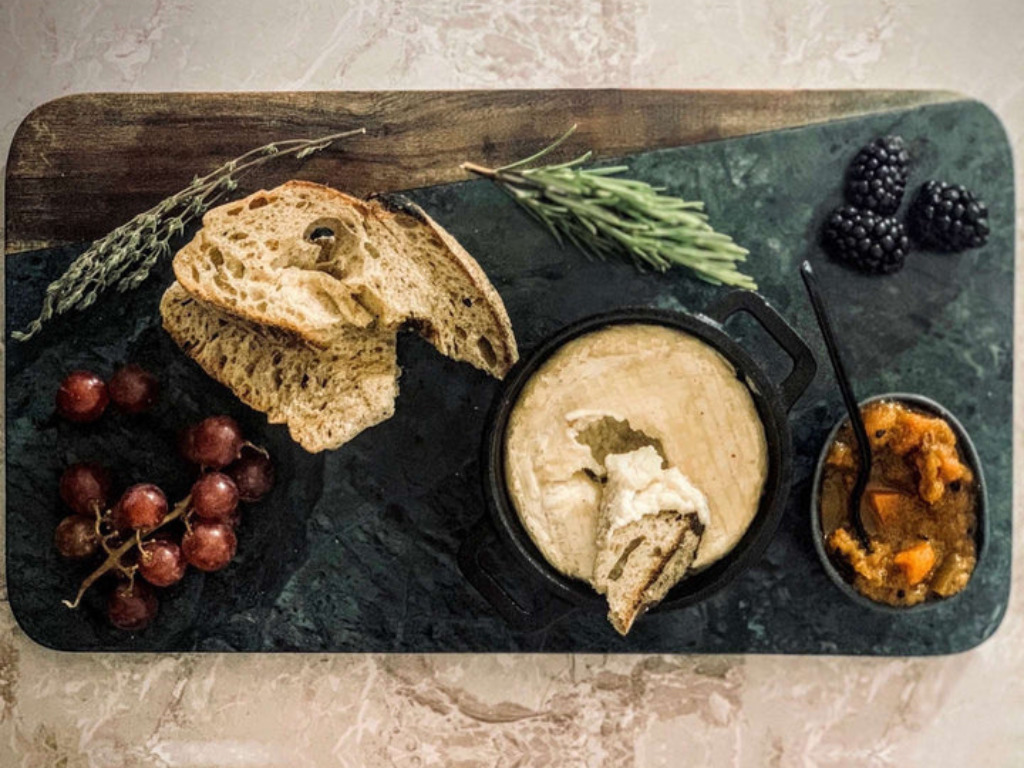
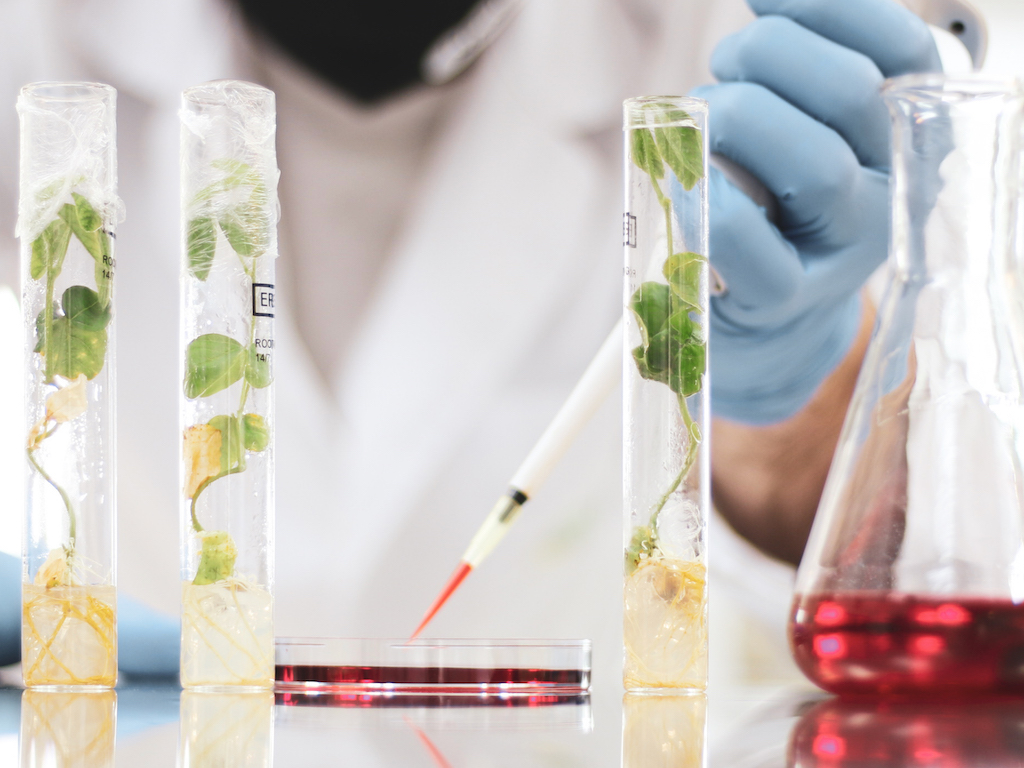
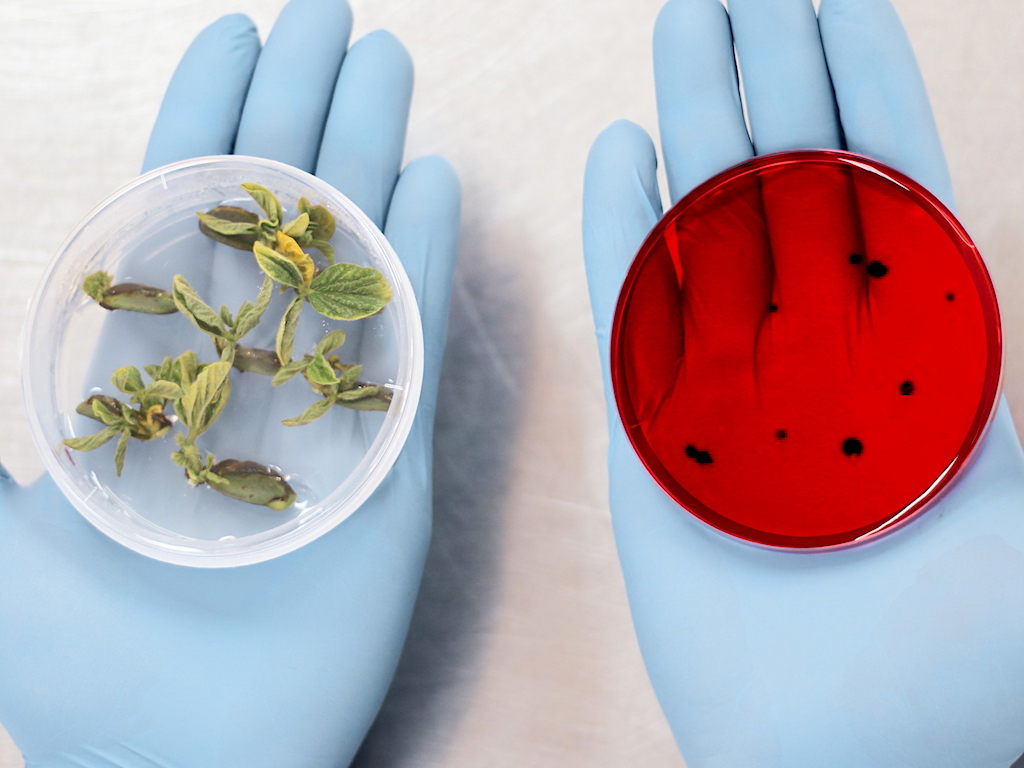
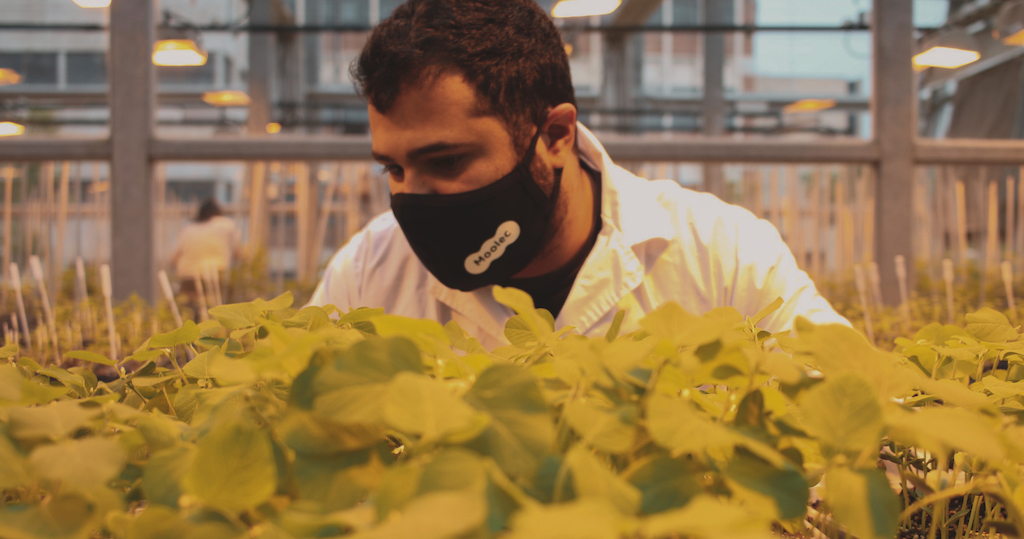
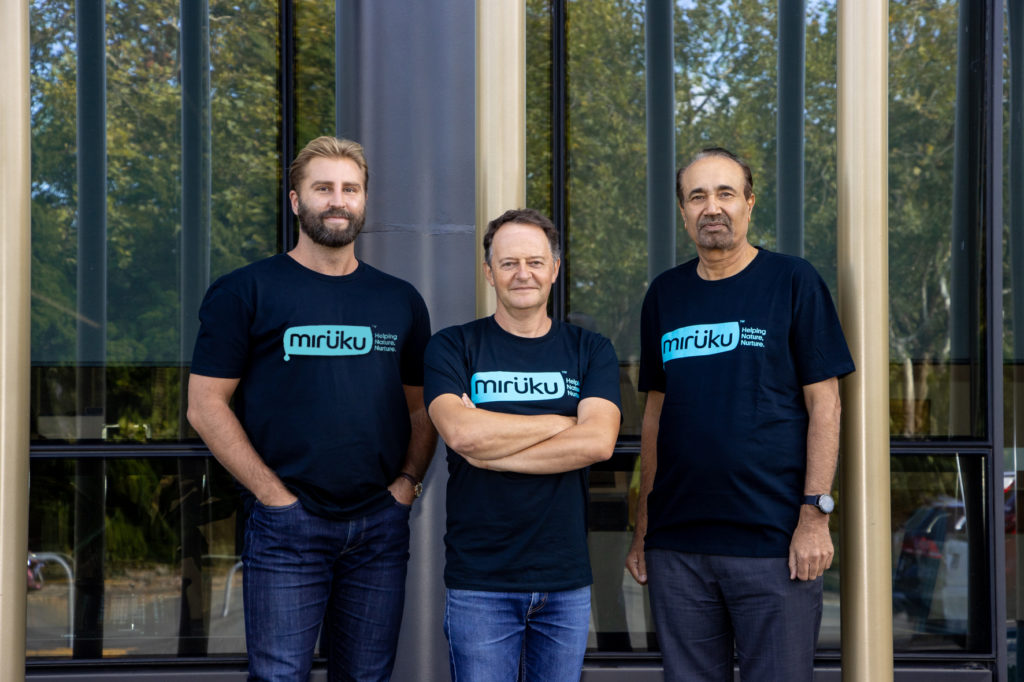
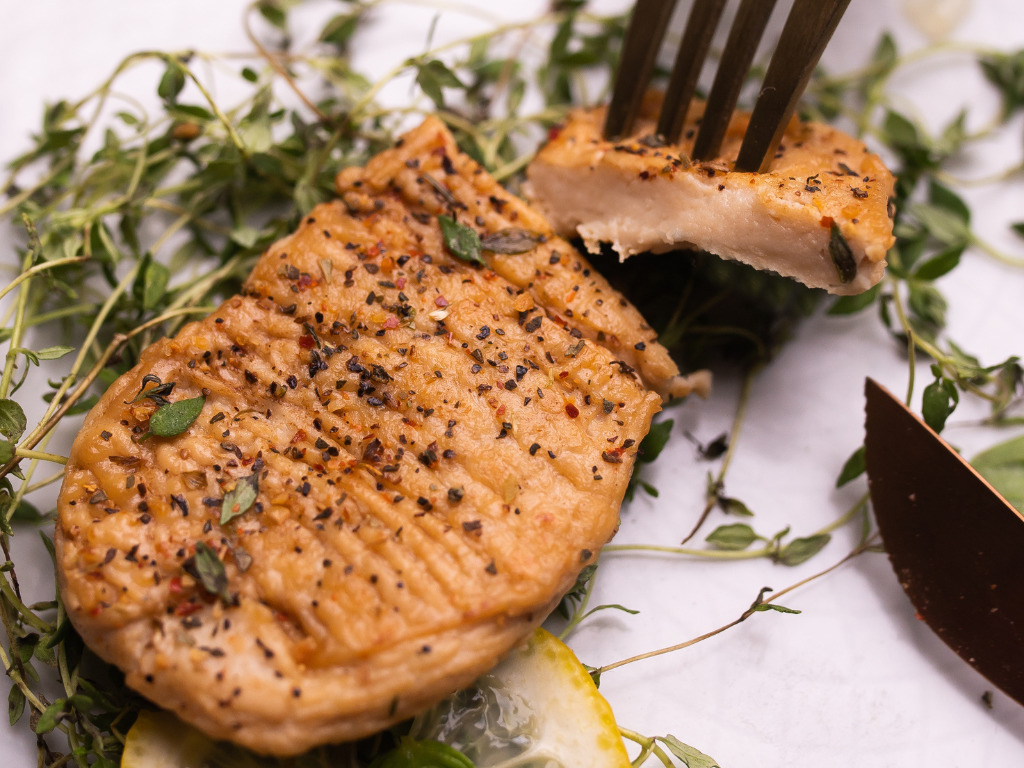
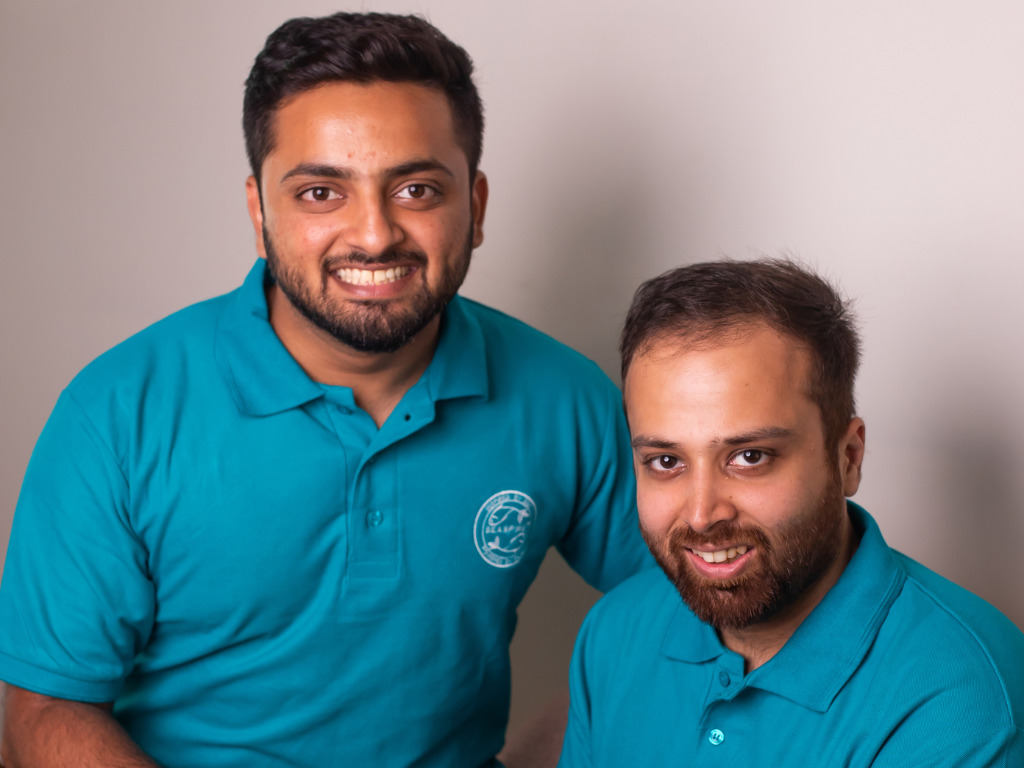
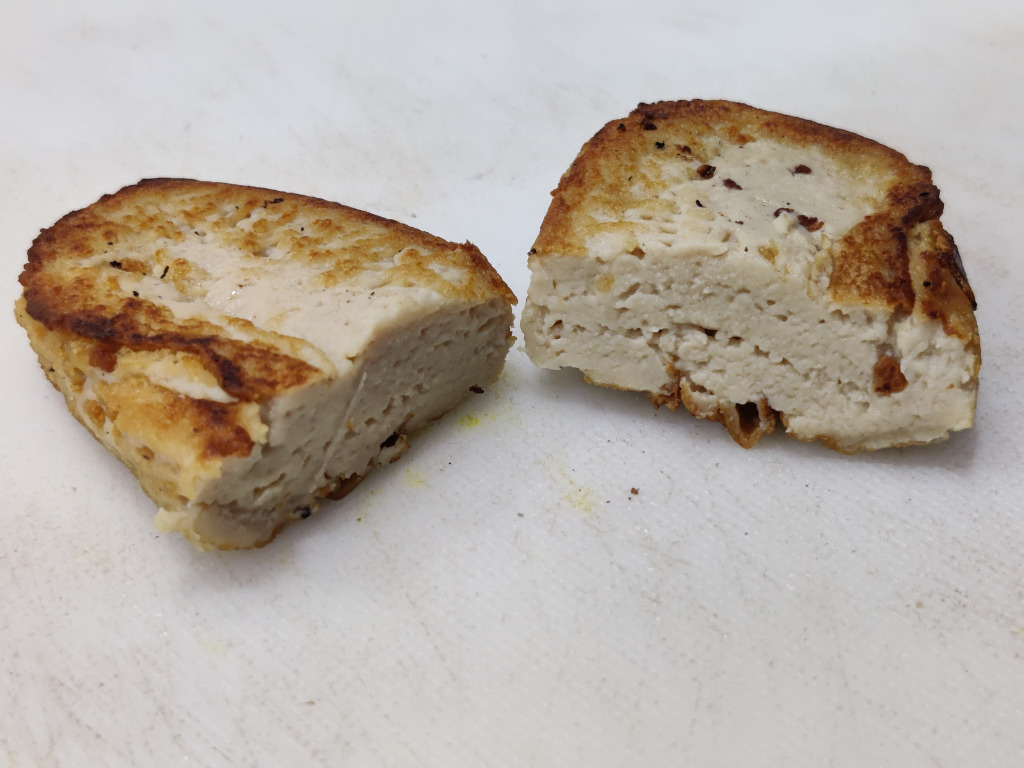
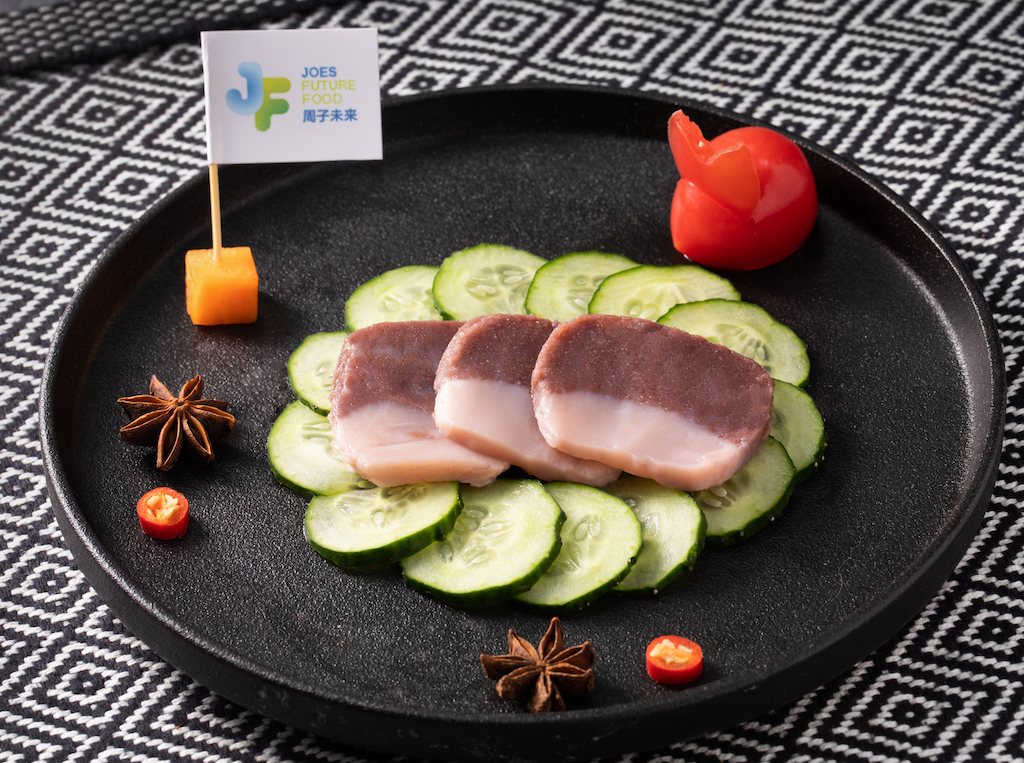
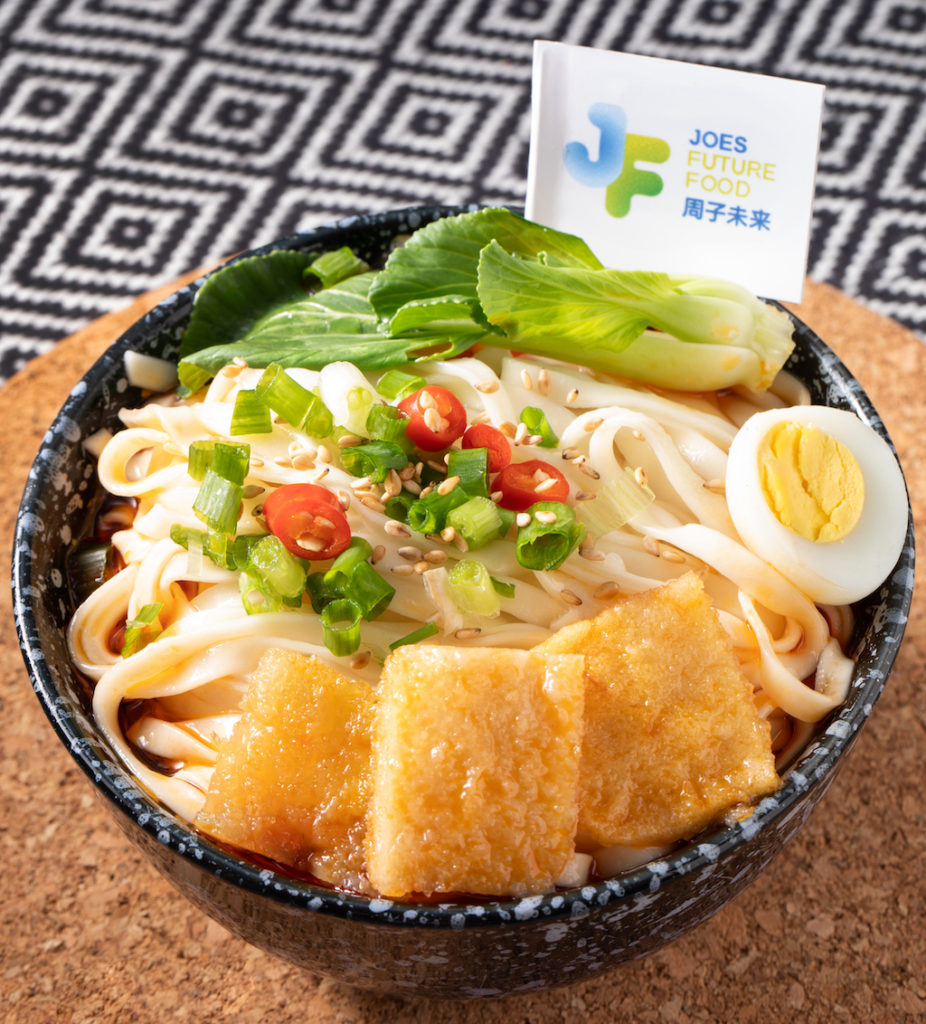



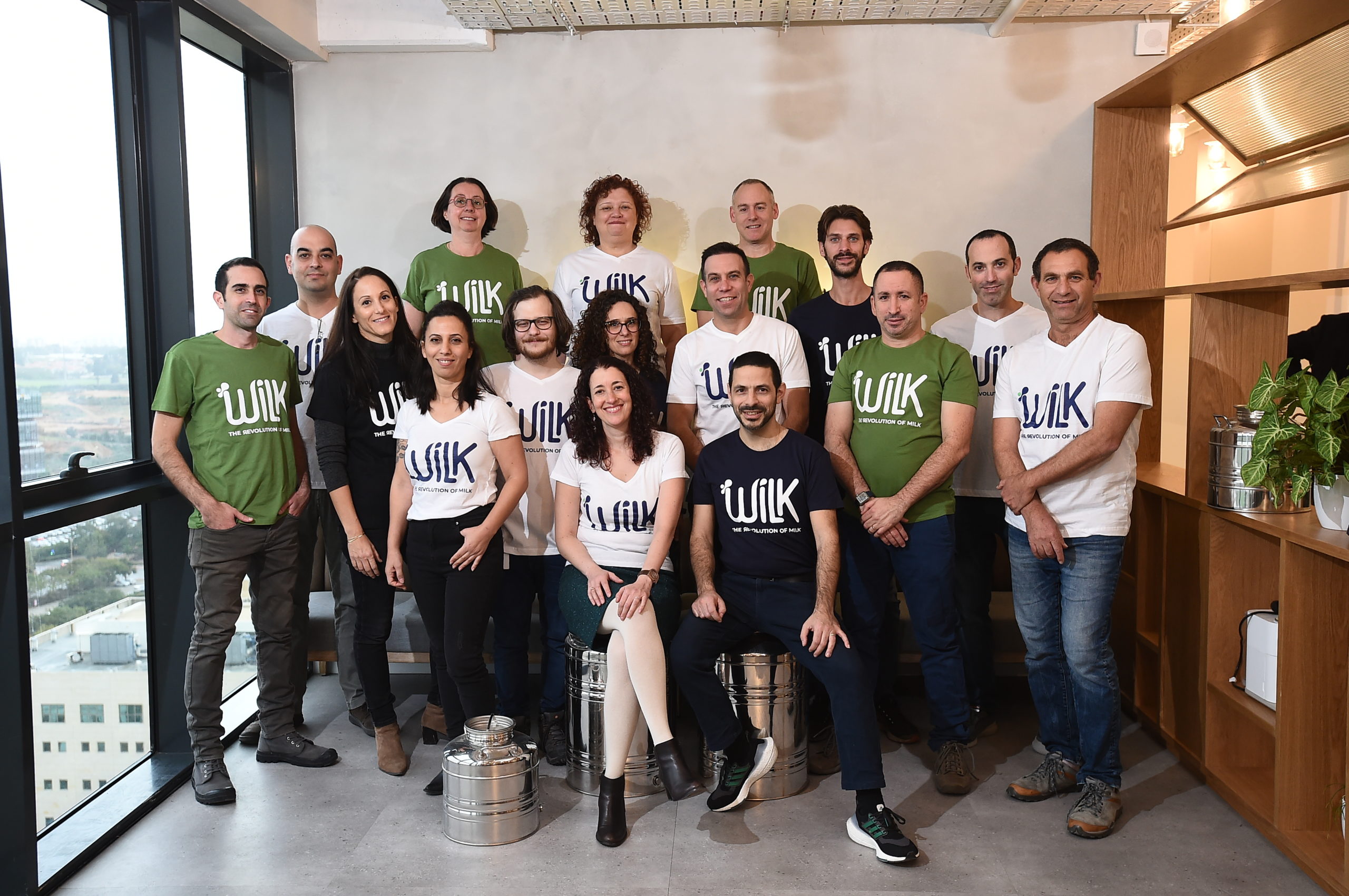


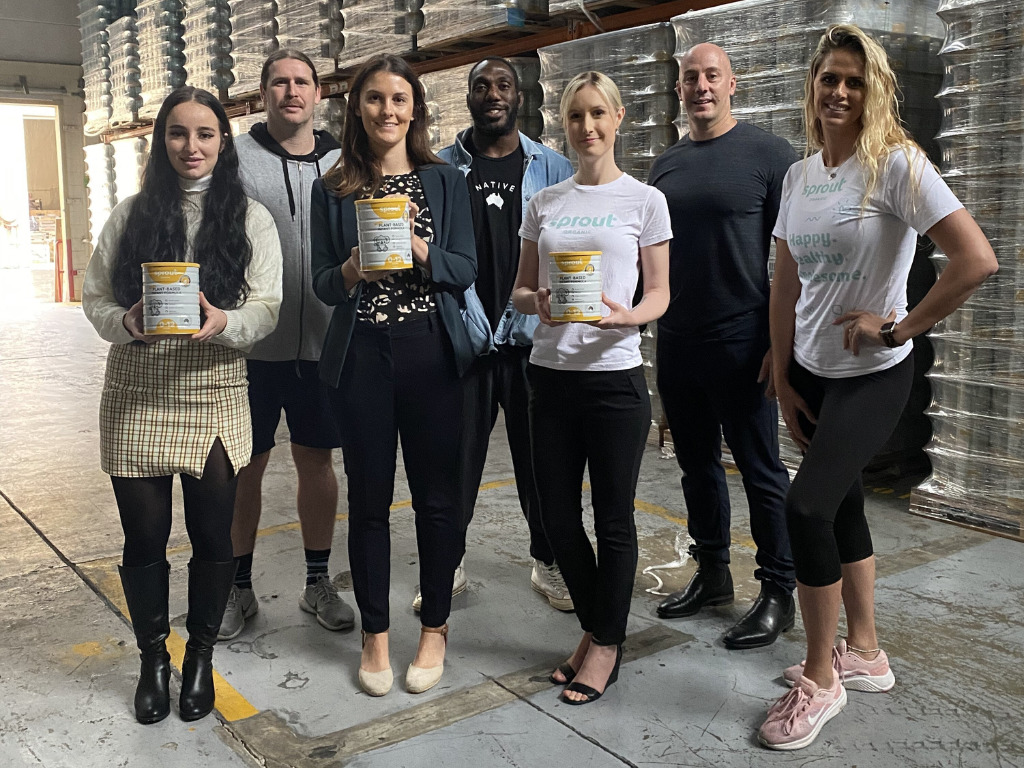

 (@kel_eats_chicago)