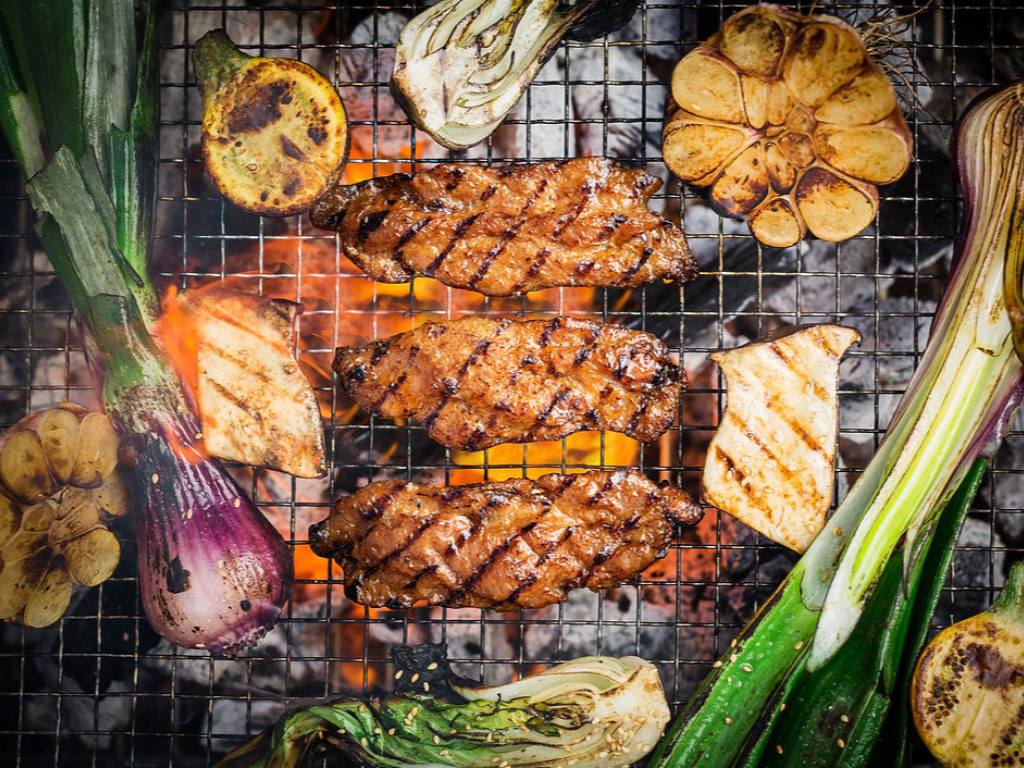
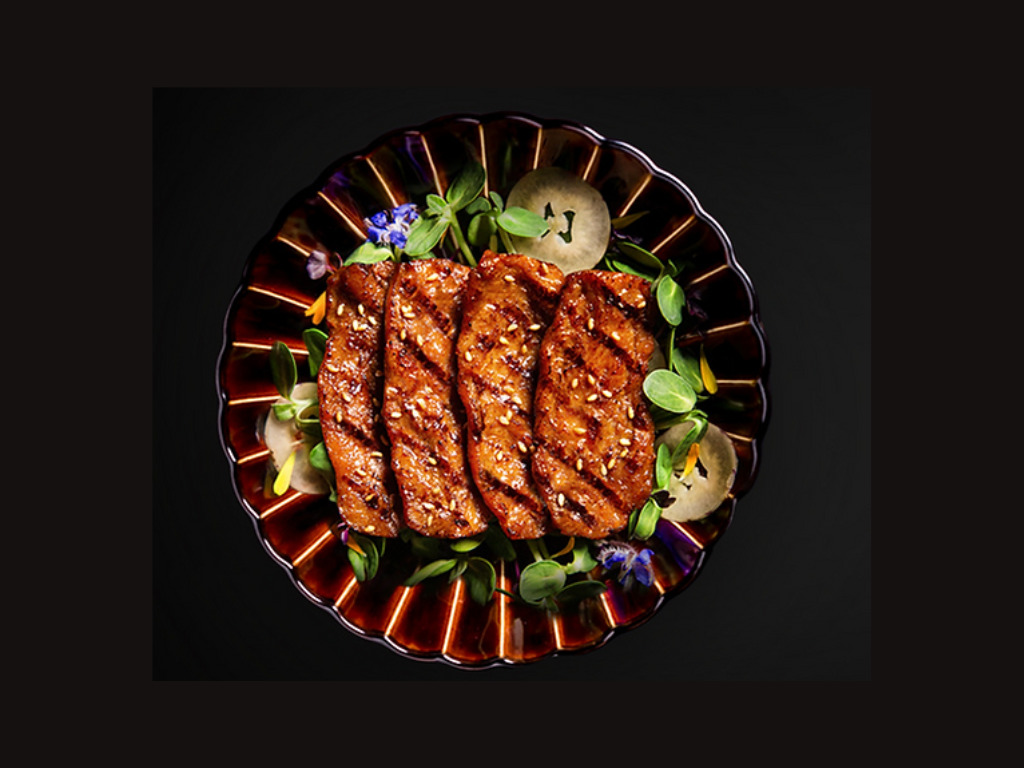
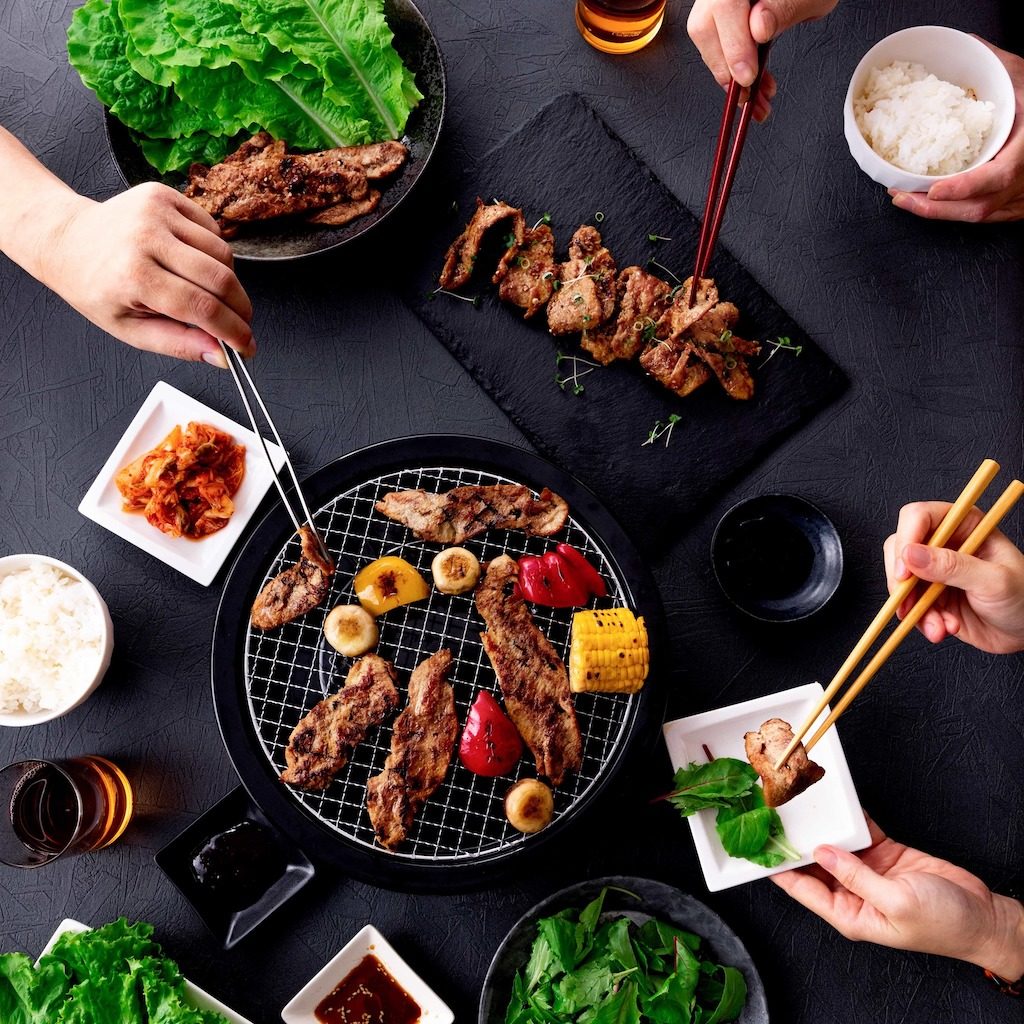
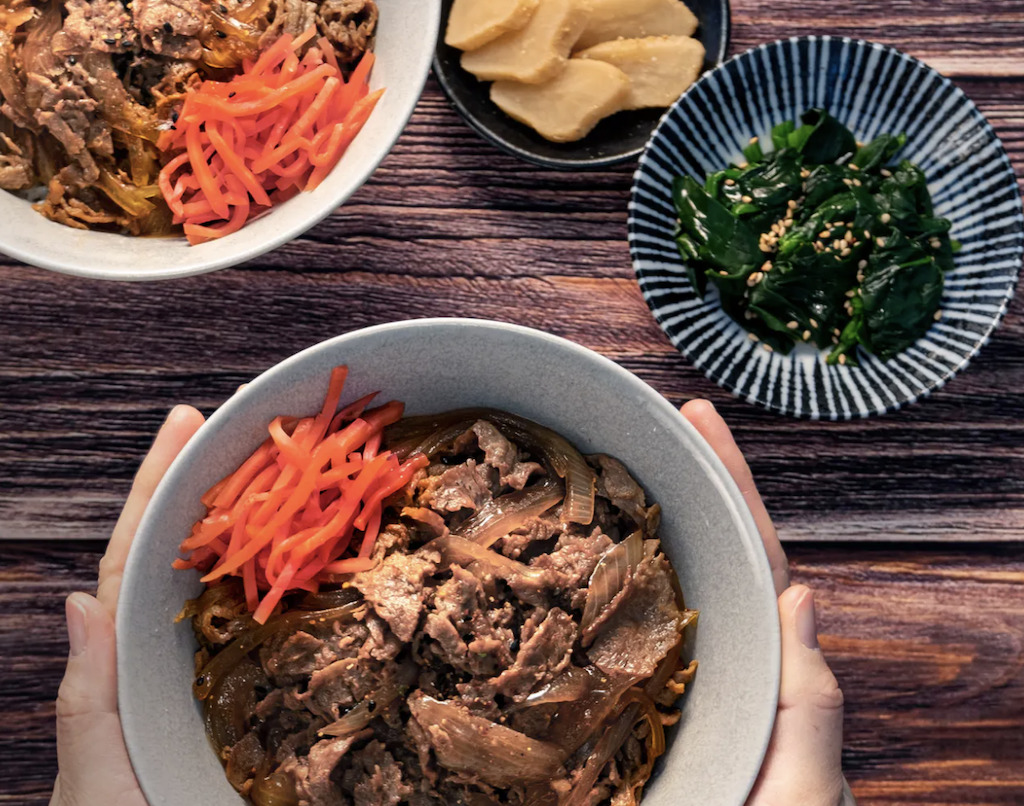
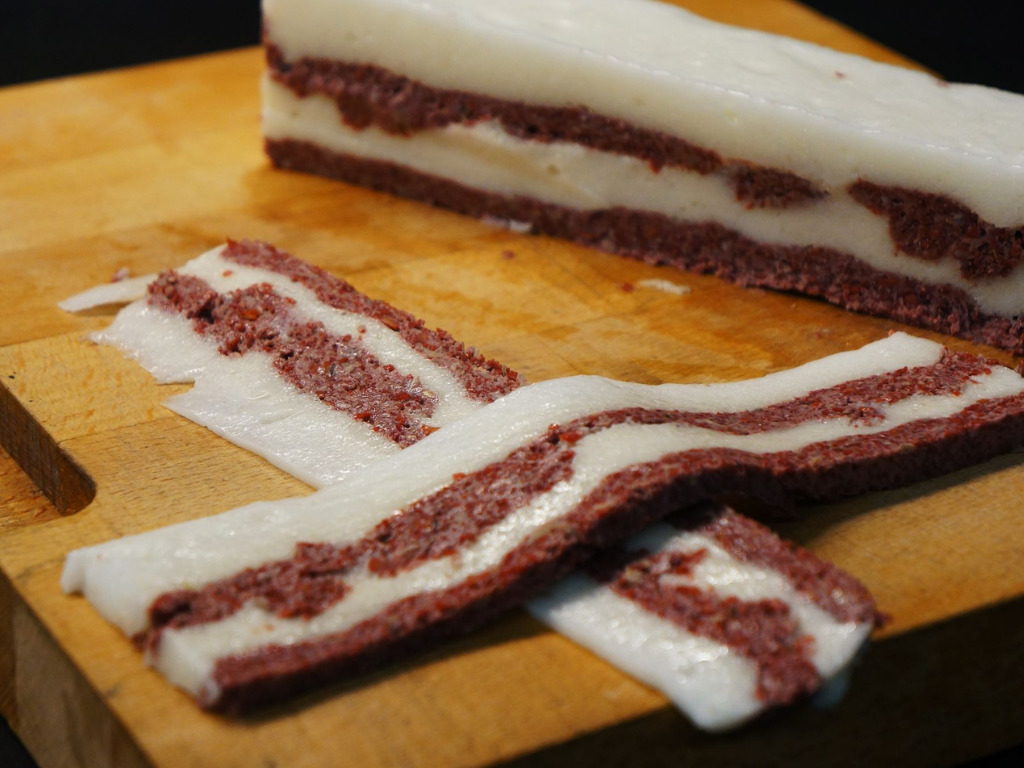
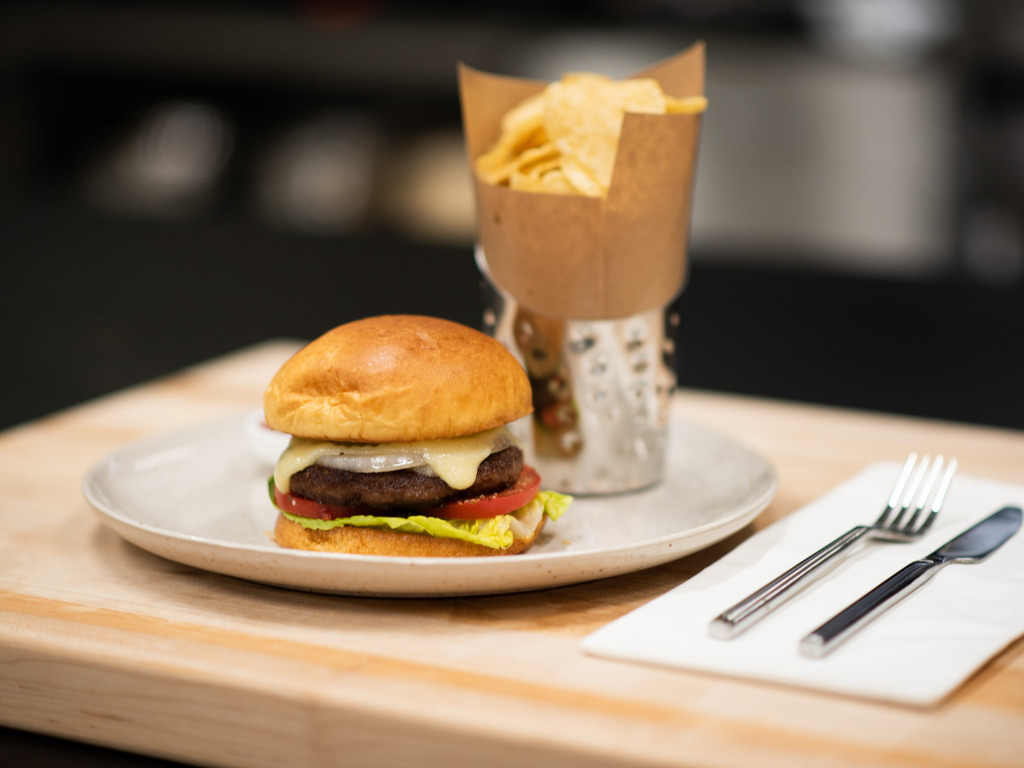
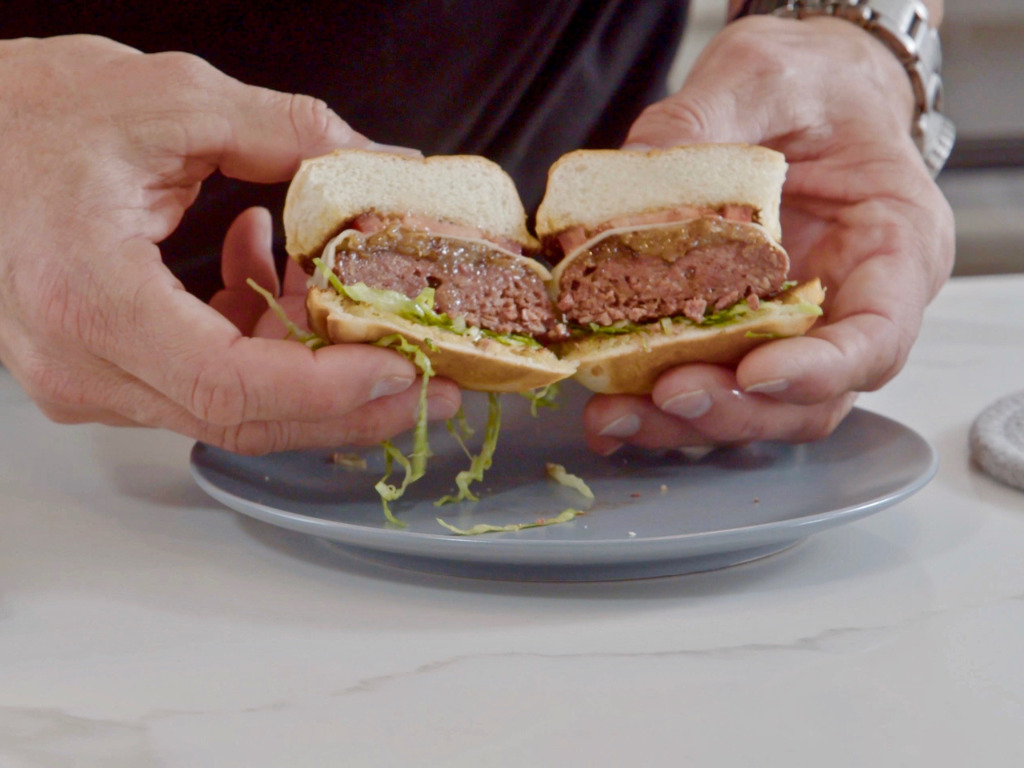
Japanese plant-based manufacturer Next Meats has announced a new product line to be manufactured in its San Jose, Calif., facility. The Next Wagyu Japanese Premium Brisket is the company’s first meat analogue with carbon-negative packaging. The location has previously manufactured existing product ranges with standard packaging options.
The wagyu is made from non-GMO soy without any artificial flavours. Direct-to-consumer preorders have opened, with bulk wholesale options for the hospitality trade confirmed alongside. The product will ship across the U.S. and Canada.
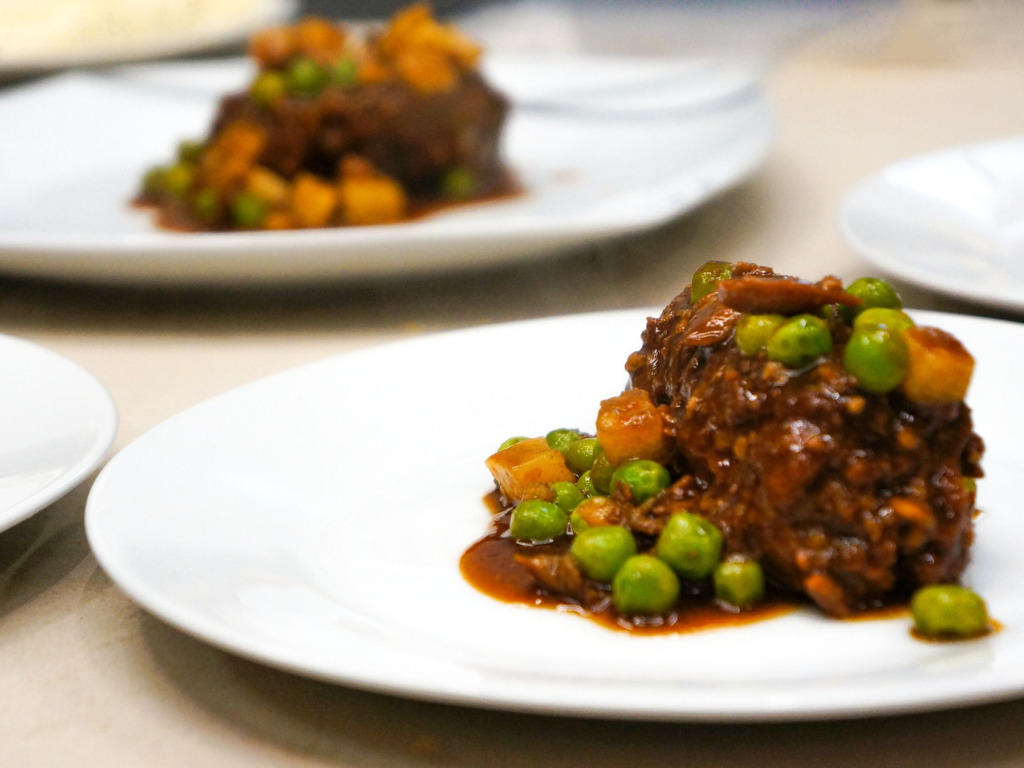
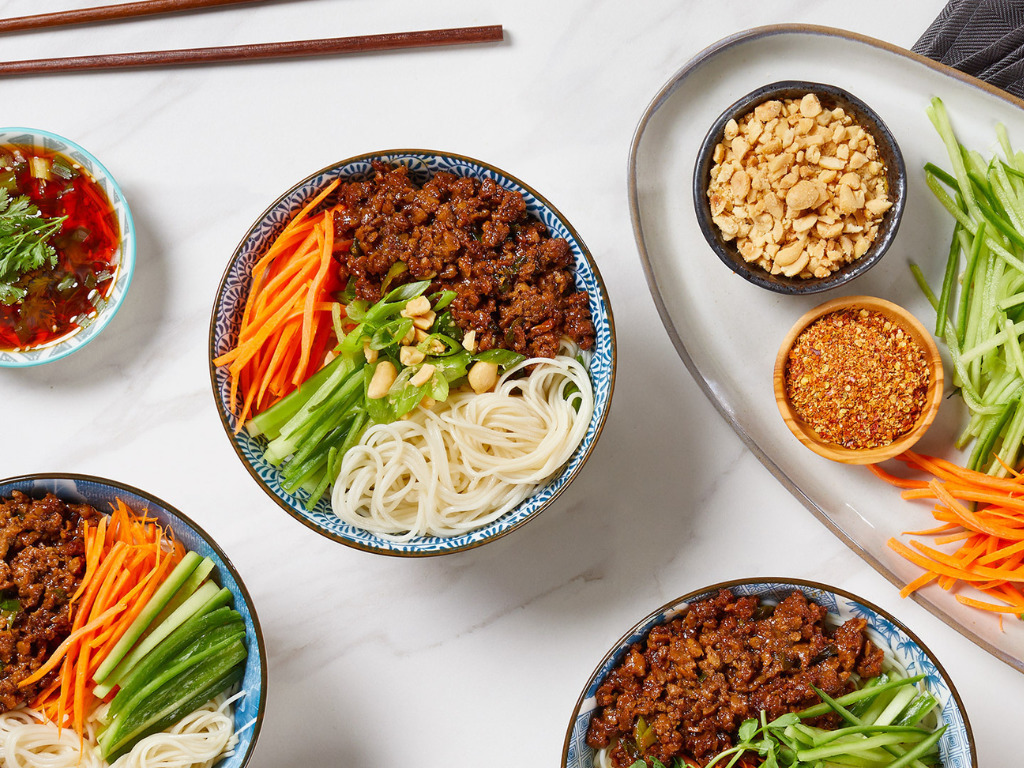
Next Meats USA vegan wagyu.
Sustainability on the Next Meats menu
News of Next Meats’ eco-friendly packaging ties in with the company’s intention to embrace carbon negativity. It follows last year’s announcement regarding plans to build a solar-powered alt-protein factory and R&D hub, in Niigata, Japan. If construction is on track, the facility is anticipated to open this summer. It will feature “a range” of sustainability-inspired technology designed to eventually create a carbon-free production system.
Extending sustainability ambitions to the U.S. production site has allowed for product and packaging innovation to come simultaneously.
“Next Meats’ versatile, plant-based products are a delicious addition to any diet, and we are thrilled to expand this journey in the United States and Canada,” Koki Terui, Next Meats USA CEO said in a statement. “With the Next Wagyu line of products now being produced in California, we can bring the quality and craftsmanship known from Japan, with flavors that cater to a North American palette while taking our first steps towards a carbon negative impact with our new packaging.”
The founding of Next Meats USA
Next Meats’ products are available D2C, via its own webstore and in an increasing number of grocery locations in California, Oregon, Nevada, Texas, and New York. The company claims that professional chefs are getting on board as well with Michelin-starred Chef Josef Centeno’s Bar Amá, Chef Reina Montenegro and Celebrity Private Chef Supreme Dow were specifically named.
The U.S. subsidiary of Next Meats was founded in December 2021, to facilitate global sales of plant-based short rib, skirt steak chicken, and dairy.
Vegan wagyu as a gastronomic trend
High-end plant-based meats are gaining traction as a popular alt-protein niche. From vegan fillet mignon to whole-cut salmon fillets, realistic analogues are getting more prevalent. Even one of the most expensive conventional meat varieties is getting the plant-based treatment with a handful of startups looking to perfect vegan wagyu.
Hong Kong’s Alt Farm announced that it is looking to perfect 3D printed vegan wagyu for commercial launch. It has identified China and Australia as key markets to initially enter, hopefully in 2023. The startup is developing A5 wagyu using proprietary printing techniques and specialist nozzles that it claims effectively replicates the marbled structure of animal wagyu.
Canada’s Top Tier Foods has brought a vegan wagyu product to market, through its Wamame Foods subsidiary. The product was first served to attendees of the TED2022 Conference in Aril this year, before being rolled out for general consumers. The development was considered ready for launch following a select trial launch. The startup looked to remain as respectful and true to conventional wagyu as possible, by working with Japanese development teams. Top Tier claims that its final presentation was so realistic that it fooled Japanese chef Hidekazu Tojo.
Not vegan but sustainability-driven, Y Combinator-backed Orbillion is developing cultivated wagyu beef. The San Francisco-based startup recently claimed it foresees reaching price parity with conventional meat by 2026. This is relative to the fact that the company focuses on expensive meat varieties including Japanese wagyu, bison, and elk.
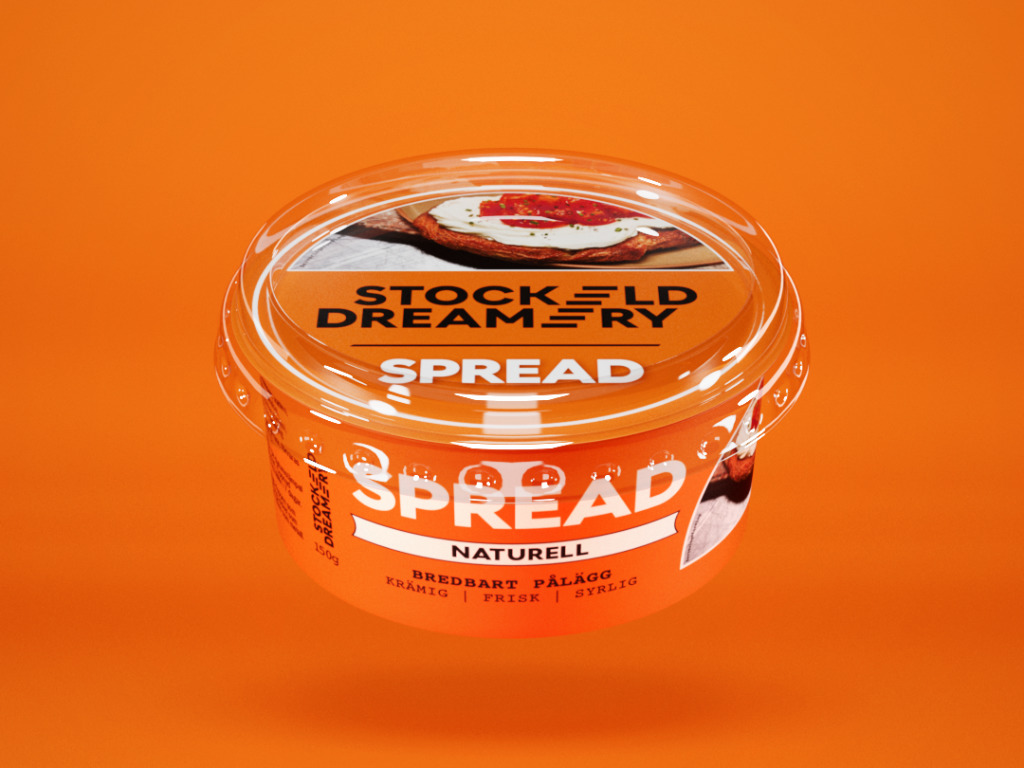
Swedish alternative dairy startup Stockeld Dreamery has realised a company ambition of developing vegan cream cheese. The company states that it has been actively engaged in the development for two and a half years. Initial brainstorming resulted in plans to create a product so authentic that non-vegan restaurants would switch from dairy-based cream cheese to the animal-free option.
Stockeld claims that its product is a “new but same cream cheese experience”. This means that it is suitable for 1:1 substitutions with conventional spreadable cheese, but can be used in new ways as well. The cheese is made from fermented chickpeas and lentils.
Ticking cream cheese off the bucket list
“As you probably know, we’ve been obsessing with this cheese-making for more than three years now,” Sorosh Tavakoli, Stockeld Dreamery co-founder said in the company’s Medium announcement. “We love cheese but we believe using milk from animals to make it is both wasteful and destructive. We are convinced there’s a better way, even though it’s bloody hard.”
Stockeld Spread is slated to match conventional cream cheese in terms of nutrition. It packs 5.1 percent protein and 20 percent fat into every serving. Where it raises the bar, according to the startup, is in terms of environmental footprint. Stockeld has stated that its spread has a 70 percent smaller carbon footprint than conventional counterparts, though final greenhouse gas emissions data is still pending.
Previously, Stockeld has launched a feta cheese alternative, dubbed Stockeld Chunk. The product was successful enough to help the startup scoop £20 million in a Series A funding raise, four months later. Investment was earmarked for rolling out new product lines, of which the Stockeld Spread is the first.
Overcoming developmental hurdles
As with other modern food manufacturing methodologies, Stockeld encountered red tape during its R&D phase. The startup has been transparent about a key ingredient not being approved by the E.U., which led to two new prototypes being unveiled. Neither was exactly what was hoped for, with in-house food scientists claiming there was no way forward. Eventually, a breakthrough came and a suitable prototype was debuted.
“The feedback from chefs, friends, consumers and peers in the industry started to lean towards “WOW!”. And when we got Emmanuel Faber, former CEO of Danone, to call out “the best cream cheese I’ve ever tasted” we felt we were getting very close,” Tavakoli said in his announcement. “We then conducted a 130+ consumer side-by-side blind test with various cream cheese products, coming out at the top of our plant-based peers. We were ready, at least for a 1.0 launch and to see in real life how well Spread could deliver on our dreams for it!”
Stockeld is now scaling its production capabilities ahead of securing distribution channels. At present, the spread is being used in two Swedish restaurants. It can be found on a limited-edition pizza at Mellqvist and a burger offered by ChouChou’s. Retail rollout is anticipated to begin in late summer, limited to Sweden. Version 2.0 is in development now, with flavoured varieties due to follow shortly.
Vegan cream cheese competition heating up
The alternative dairy sector has seen companies vying for the top position, especially within the cream cheese sphere. Consumers now have access to a large number of brands, letting them find the most authentic schmear for their bagels and many are taking different approaches.
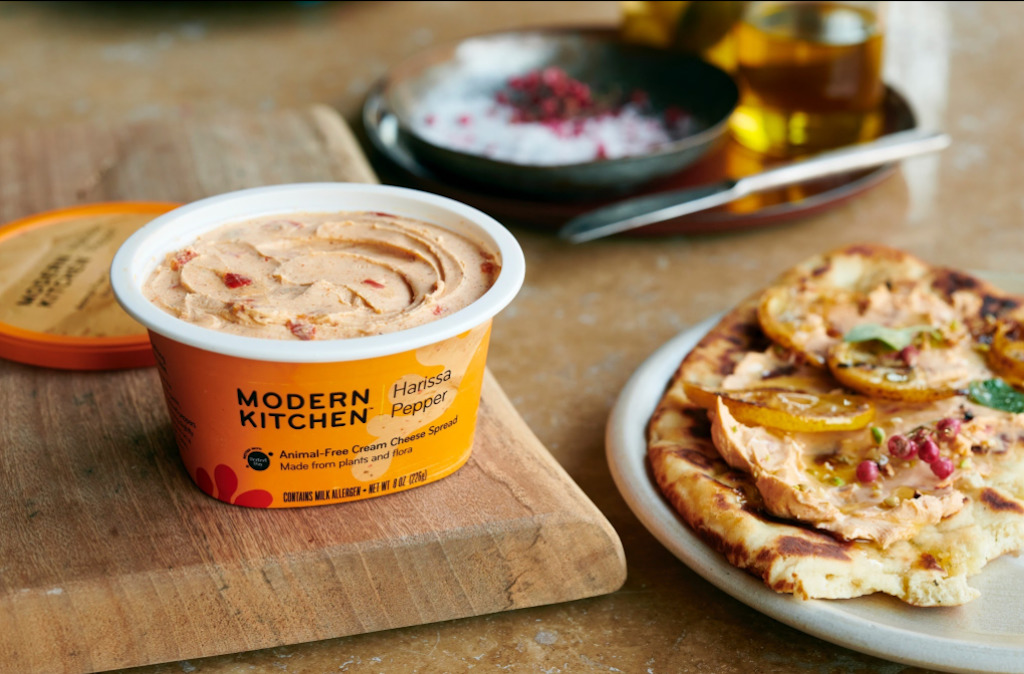
U.S.-based Modern Kitchen uses Perfect Day’s precision fermented animal-free dairy proteins to create its cream cheese. Launched in late 2021, with three flavours, the range claims to have captured the texture and creamy taste of conventional cream cheese.
Segment stalwart Philadelphia looked to capture vegan consumers with its own plant-based launch, at the start of this year. Timed to coincide with Veganuary, the debut came after two years of development. The result is an almond and oat-based cream cheese that is packaged in 100 percent recyclable materials.
The current U.S. baby formula shortage has brought into sharp focus a need for alternatives to be brought to market. The U.S. has been attempting to increase its supply of infant nutrition products, but with little success. The result is growing panic over children’s development and health concerns for those with specific metabolic needs.
Reports of a growing black market for baby formula highlights the seriousness of the issue. Observers have noted that the monopoly of the U.S.’s supply by a handful of manufacturers has caused the bottleneck, resulting in calls for more options to be available for parents who are unable or unwilling to chestfeed.
The cultivated and precision fermentation breast milk sectors, though niche, offer optimism for parents globally that there will be other choices. The following five startups are pressing ahead to make sure that every child is fed, with sustainable and allergen-free alternatives to conventional baby formula.
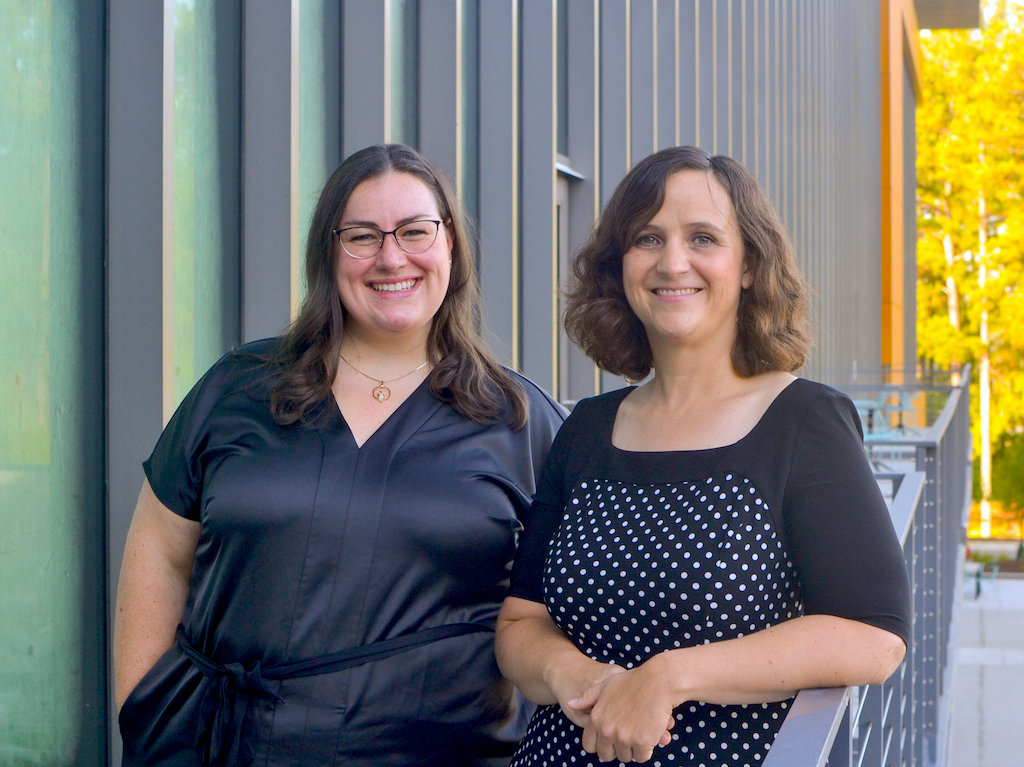
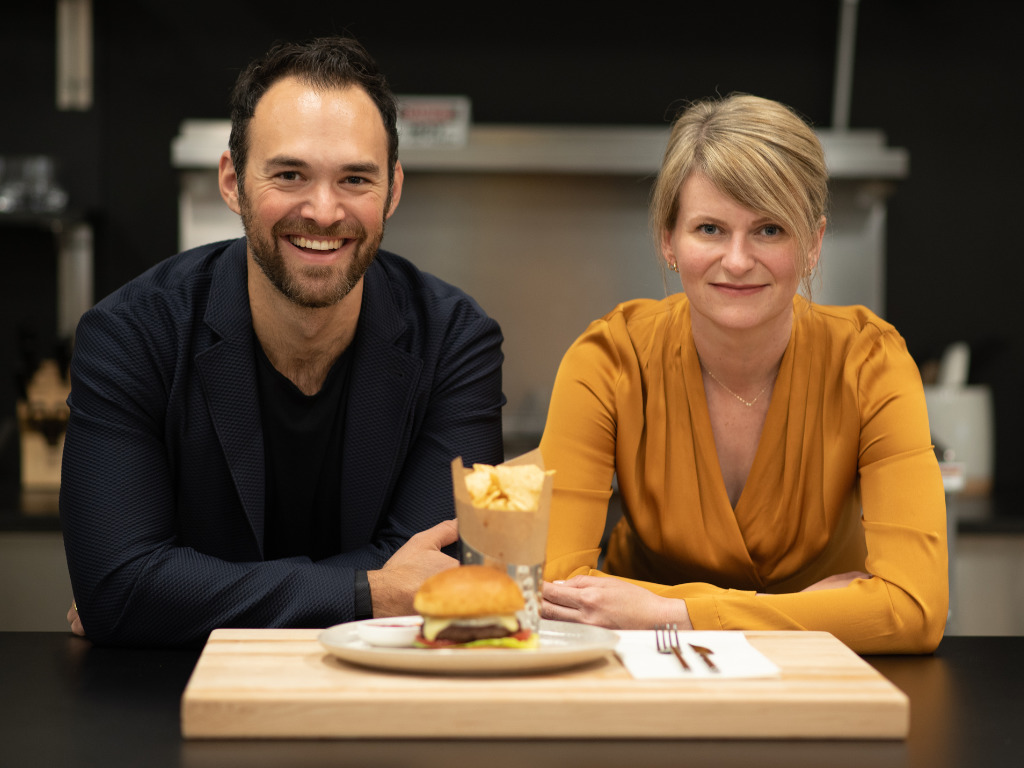
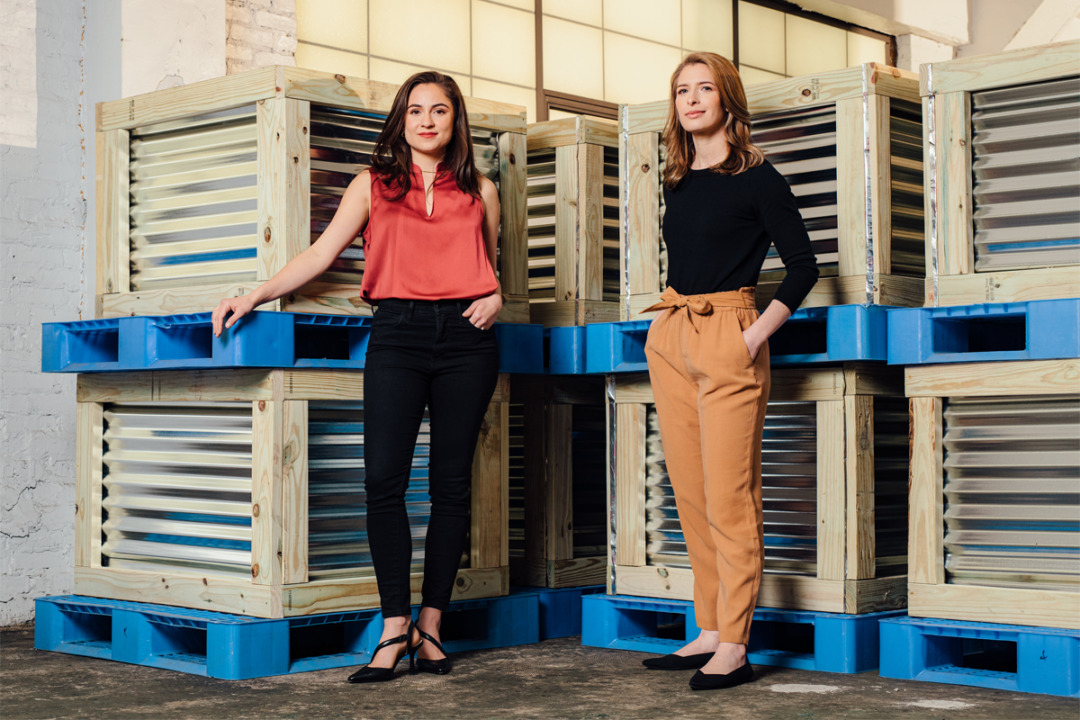
Michelle Egger and Leila Strickland. Photo by Biomilq.
1. Biomilq
Founders: Leila Strickland and Michelle Egger.
Country of origin: U.S.
Funding to date: $24.5 million.
Manufacturing method: Cell cultivation.
Significant developments: Moving from proof-of-concept to proof-of-complexity in 2021.
Projected launch: Within four years.
Biomilq was founded specifically to disrupt the profit-driven baby formula sector by placing the focus back on parents and their children. Work began on the project in 2013, with a prototype confirmed in 2021, allowing the startup to claim it was the first to make “cell-cultured human milk outside of the breast”.
Bill Gates has invested more than once in the staunchly female-founded and led company that has stated a team of men in suits would not have been able to secure as much funding for such a development.
Photo by Helaina.
2. Helaina
Country of origin: U.S.
Founders: Laura Katz.
Funding to date: $24.6 million.
Manufacturing method: Precision fermentation.
Significant developments: Recreating immune-equivalent proteins that have previously only been found in breast milk.
Projected launch: Unconfirmed.
Helaina uses precision fermentation to produce what it calls a nature-equivalent breast milk solution. Following its latest funding round, a $20 million Series A in November last year, the startup is scaling its production technology to make meaningful movements towards commercialisation. The company uses the same technology as Perfect Day, which has recreated nature-identical whey proteins for cow-free dairy.
Helaina has successfully reprogrammed microbes to produce breast milk proteins which have been clinically proven to increase infant immunity. These will be used to produce the first product slated for launch: a “humanised” infant formula.
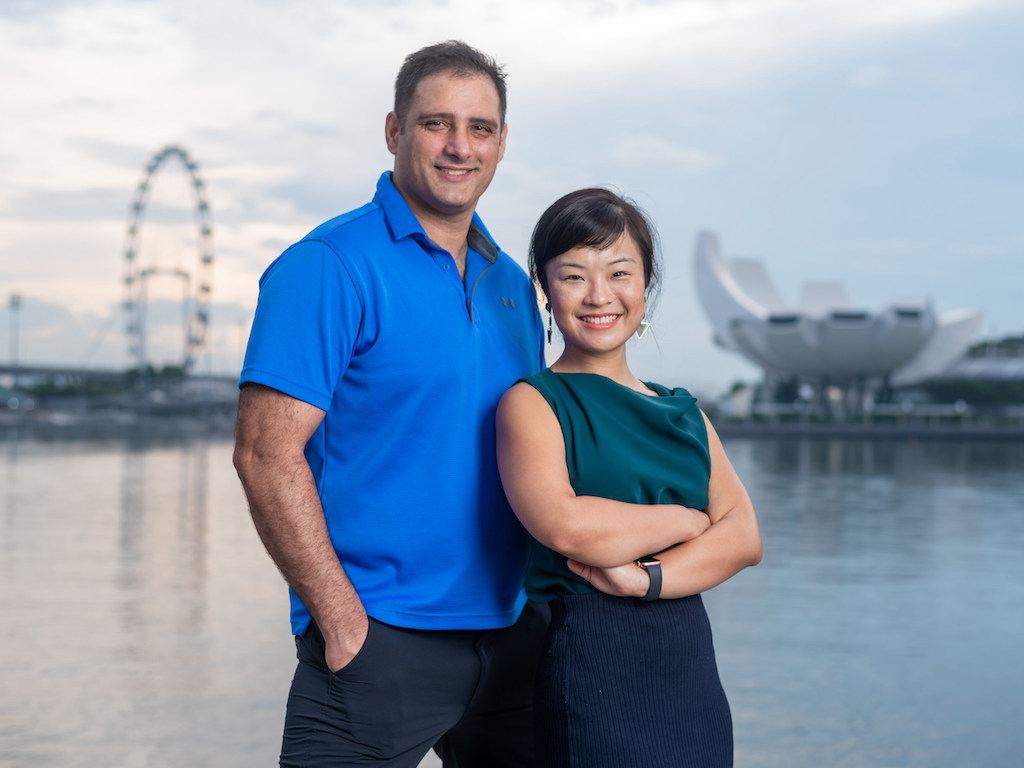
Co-founders Fengru Lin and Max Rye. Photo by TurtleTree Labs
3. TurtleTree Labs
Country of origin: Singapore.
Founders: Fengru Lin and Max Rye.
Funding to date: $39.4 million
Manufacturing method: Cell cultivation.
Significant developments: Moving from a singular focus on producing dairy milk without cows to include human breast milk for children.
Projected launch: By 2023, following commercial delays for initial 2021 ambitions.
In 2020, TurtleTree announced it was looking to work with leading baby formula brands to create human breast milk products. At the time this was a lateral move from the startup’s existing success with cow-free dairy. The announcement came after a successful pre-seed funding round in January the same year. It projected the ability to unveil a cultivated breast milk product by 2021, costing $26 per litre.
In December 2020, TurtleTree closed a $6.2 million pre-Series A funding round, specifically to accelerate its cultivated breast milk R&D. In June 2021, the startup unveiled its first commercial product, a cell-based human lactoferrin. The ingredient has been shown to offer immunity and developmental benefits. The ingredient is expected to be approved for sale far quicker than cultivated whole milk, allowing TurtleTree to start disrupting the infant formula sector more quickly. Approval is being sought in Singapore and the U.S. simultaneously.
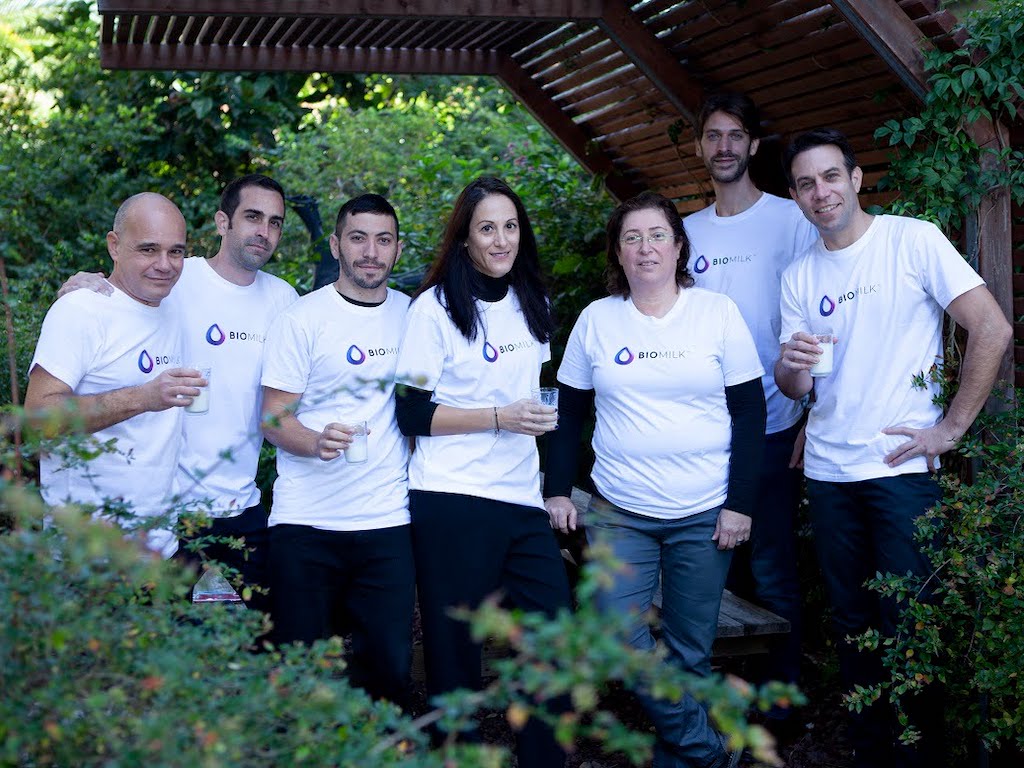
Wilk team members. Photo by Wilk.
4. Wilk (formerly BioMilk)
Country of origin: Israel.
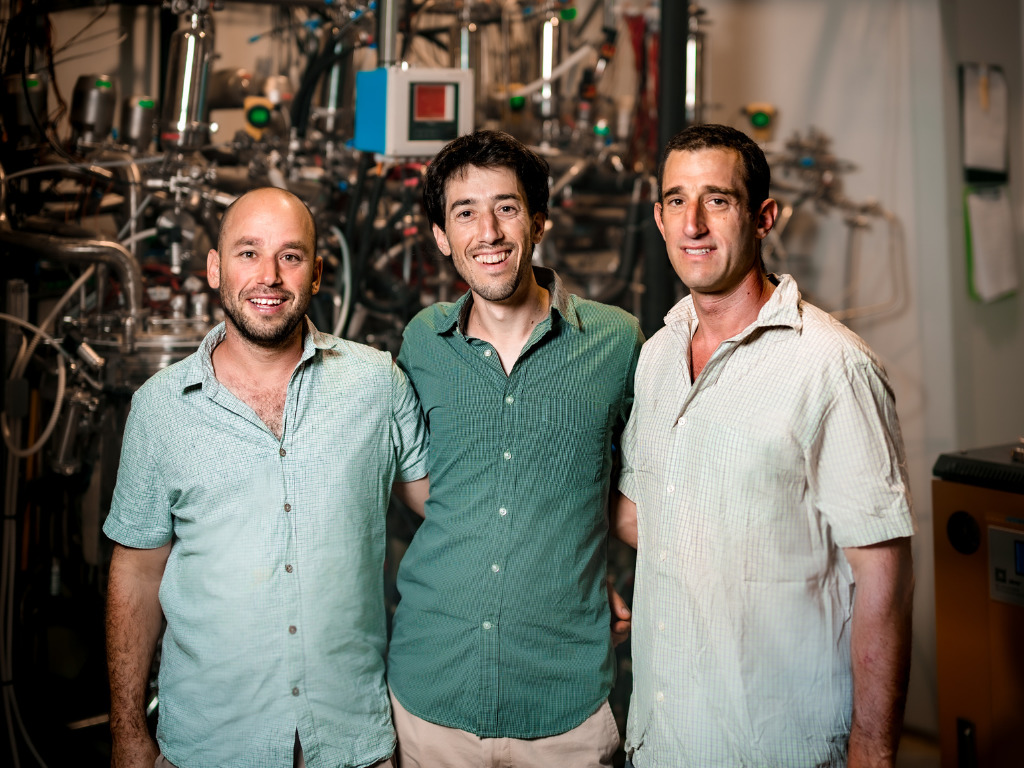
Founders: Arik Kaufman, Kobi Buxdorf and Tomer Aizen.
Funding to date: $1 million.
Manufacturing method: Cell cultivation.
Significant developments: Earning U.S. patent approval for cultivated breast milk processes in 2022.
Projected launch: Initial samples are anticipated by 2023.
Similarly to Turtle Tree, Wilk was initially founded to look at the possibilities of cultivated dairy milk. This evolved to include human breast milk in a bid to break into the $45 billion global infant milk sector. In 2021 the company became the first cell-based milk manufacturer to go public.
Following successful patent applications earlier this year, Wilk is submitting more to protect its intellectual property while R&D continues. Current focus is on identifying the best ways to maximise milk yield from cultivated mammary cells.
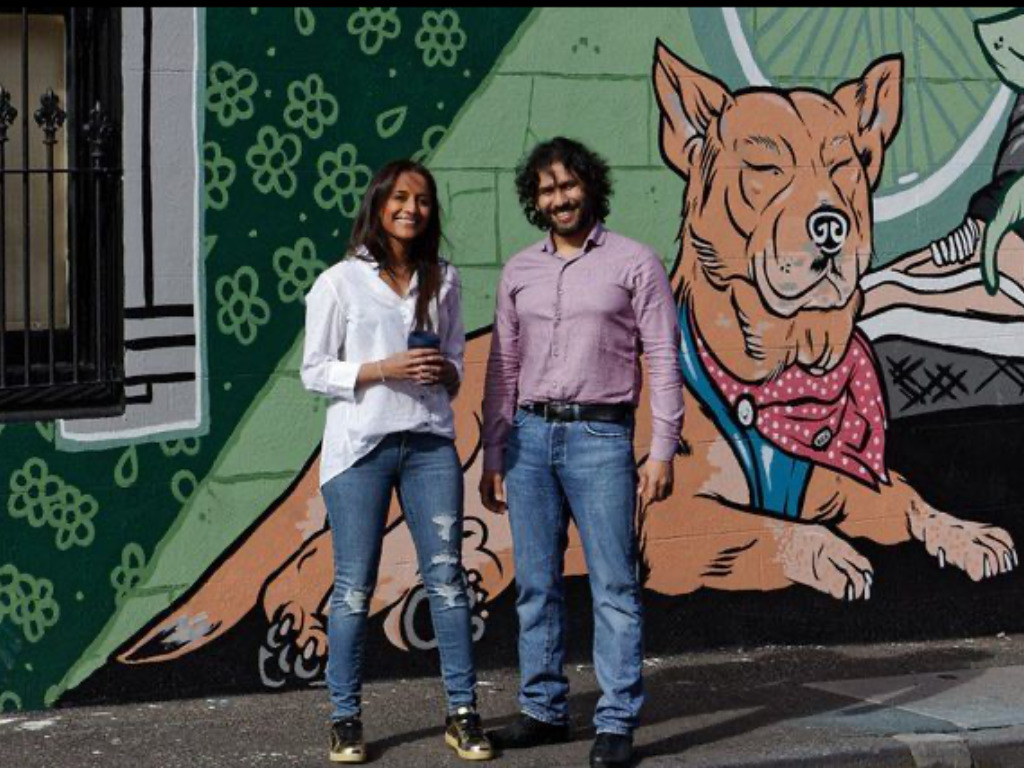
Esha Saxena and Luis Malaver-Ortega. Photo by Me&.
5. Me&
Country of origin: Australia.
Founders: Esha Saxena and Luis Malaver-Ortega.
Funding to date: Unconfirmed.
Manufacturing method: Cell cultivation.
Significant developments: Unconfirmed.
Projected launch: Unconfirmed.
New kid on the block, Me& has been launched to amplify the benefits of breast milk without excluding parents unable to chestfeed. The startup lists a number of health conditions that have been proven to be improved by feeding children breast milk, including asthma and diabetes. The company is looking to use cultivation technology to capture and replicate complex components of human breast milk to develop products that can be given in place of conventional formula.
Eat Just’s Good Meat has broken ground on the largest cultivated meat factory in Asia.
Building on its success in Singapore after becoming the first company to earn regulatory approval for cultivated meat in the city-state, Eat Just’s Good Meat is moving forward with its bioreactor facility in JTC Bedok Food City.
The target launch date is set for early 2023, and according to Eat Just will be able to produce tens of thousands of pounds of meat.
Cell-based meat in Singapore
The increased production capacity is due to what Eat Just says is ” the single-largest bioreactor in the cultivated meat industry to date.” Cultivated meat is grown in labs via media fed to cells, replacing the need to raise and slaughter animals.
Singapore is still the only place in the world that has approved the sale of cultivated meat. Eat Just has worked with several distributors across the region to sell its cell-based chicken since it received approval in 2020.
“Less than two years ago, Singapore made history, and since that moment, consumers have enjoyed the world’s first and only commercially available slaughter-free meat at high-end restaurants, hawker stalls and in their own homes,” Eat Just co-founder and CEO Josh Tetrick said in a statement. “We view Singapore as vital in our plans to build this new approach to making meat. We’ll launch new products here, distribute to other countries in Asia from here and learn from consumers here who have proven themselves to be at the cutting edge of what’s next.”
GOOD Meat cultivated chicken. Photo by Eat Just.
Mr. Chan Hian Lim, Deputy CEO (Corporate, Industry and Technology) of the Singapore Food Agency, Singapore’s regulatory authority entrusted with ensuring a safe food supply, said that as consumer trends and technology evolve, alternative proteins such as plant-based, microbial and cultured meat “could contribute meaningfully to the ‘30 by 30’ goal. SFA will continue to work closely with the industry and research entitles to grow its capacity to produce a wide variety of food, including our protein needs, locally,” he said.
“We are excited to welcome GOOD Meat to JTC Bedok Food City, where there’s a growing ecosystem of food companies pursuing sustainable food innovation and manufacturing. As an industrial developer, JTC sees the importance of curating industry ecosystems in our estates to accelerate business growth. We are seeing a growing number of companies exploring innovative food solutions and believe that GOOD Meat’s presence will help catalyze new partnerships and synergies in alternative protein and other emerging innovative areas,” said Alvin Tan, Assistant CEO of JTC’s Industry Cluster Group, the government agency charged with championing sustainable industrial development in Singapore.
The facility will also house scientists and researchers, and help to boost Singapore’s efforts to develop urban food solutions, said Mr. Damian Chan, Executive Vice President, Singapore Economic Development Board.
“This facility will also provide many good job opportunities for Singaporeans to be at the cutting edge of novel food technologies. We look forward to working closely with such like-minded companies to develop Singapore into a hub where innovative agri-food solutions can be developed to feed the world,” he added.
Eat Just expansion
The groundbreaking ceremony comes after Eat Just announced a partnership with ABEC, Inc. on developing the largest bioreactors known for producing avian and mammal cell cultures.
Tetrick calls the Singapore facility a major step for the cultivated meat industry, which now includes about 200 companies around the world. Regulatory approval in the U.S. is expected by 2024, if not sooner.
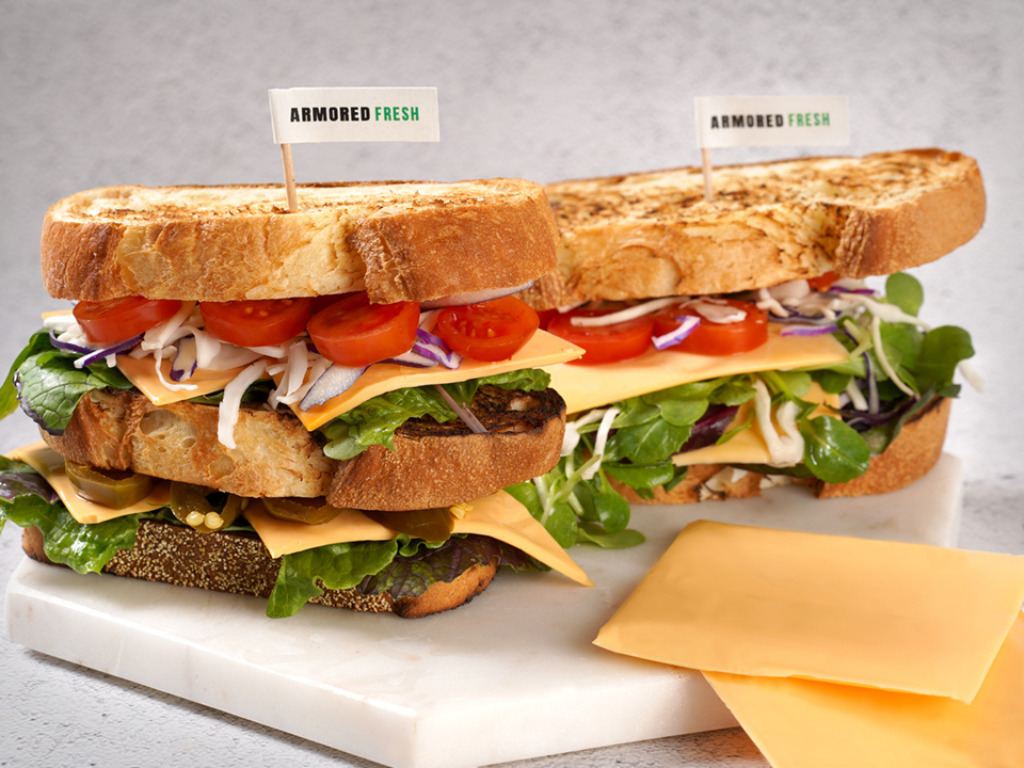
South Korea’s Armored Fresh, formerly known as Yangyoo, has confirmed a successful pre-Series B raise totalling $23 million. The round was led by previous investor the Korea Development Bank with supporting participation from Hanwha Investment & Securities, Daesung Startup Investment, Collaborative Fund and Sejong Venture partners, amongst others.
The funding has been earmarked to support a move into the U.S. market which will see the startup unveil its vegan cheeses. Initially, only a limited selection of plant-based dairy goods had been debuted, to South Korean audiences. However, during a trade show in Las Vegas, Armored Fresh reported that its stand at the Customer Electronics Show 2022 was “hugely successful”.
Securing the means to make a mark in the U.S.
Armored Fresh’s cash injection comes five months after its initial raise of $10 million, also led by Korea Development Bank. New and existing backers joining the pre-Series B raise demonstrates an awareness that alternative dairy is on the rise.
“Investors believe in the growth potential of Armored Fresh. They are convinced we could be a leader in the market. Their confidence and enthusiasm is reflected in the amount we were able to raise,” Andrew Yu, Armored Fresh CEO told NutritionInvestor. “The funds received in this round will help us to penetrate the US market and accelerate our growth to become a world-class foodtech innovator.”
Vegan cheese for global palates
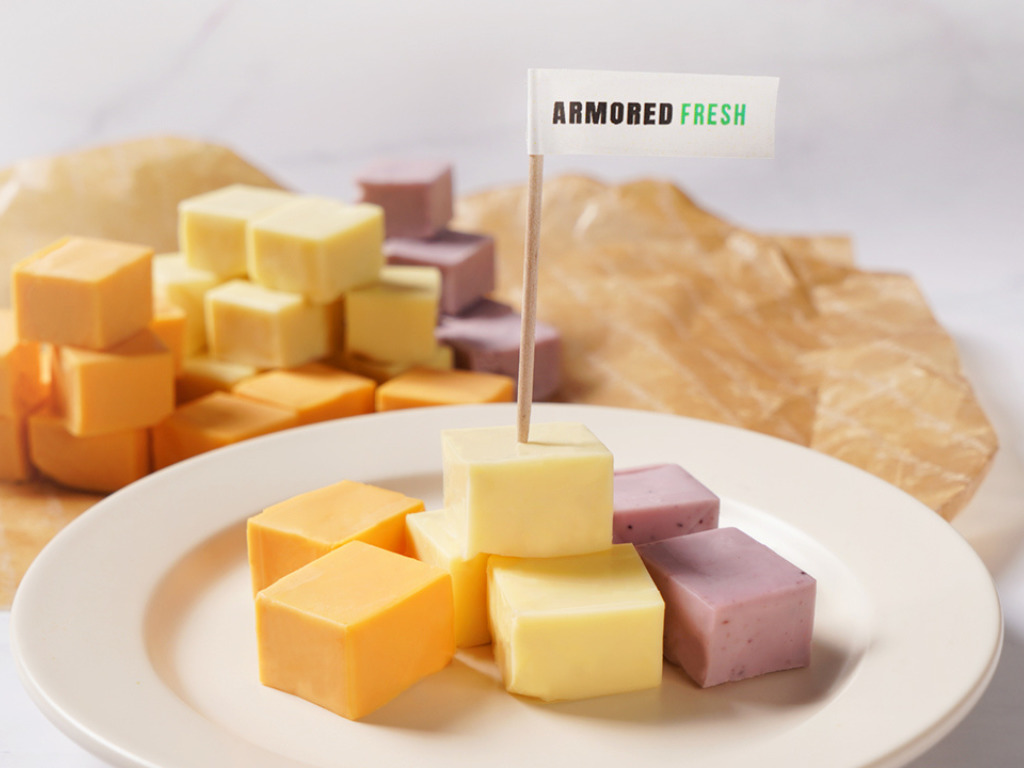
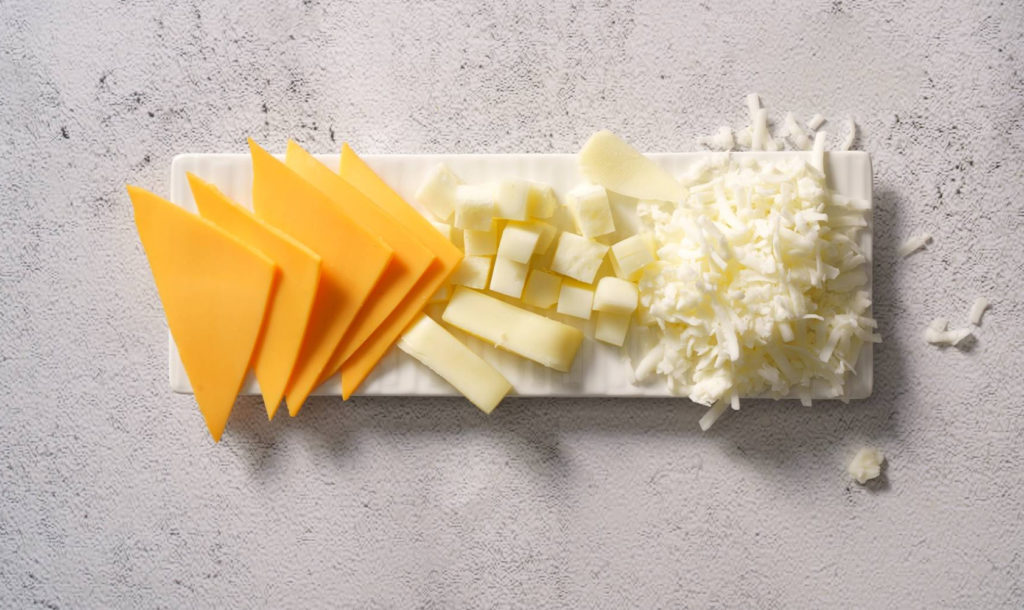
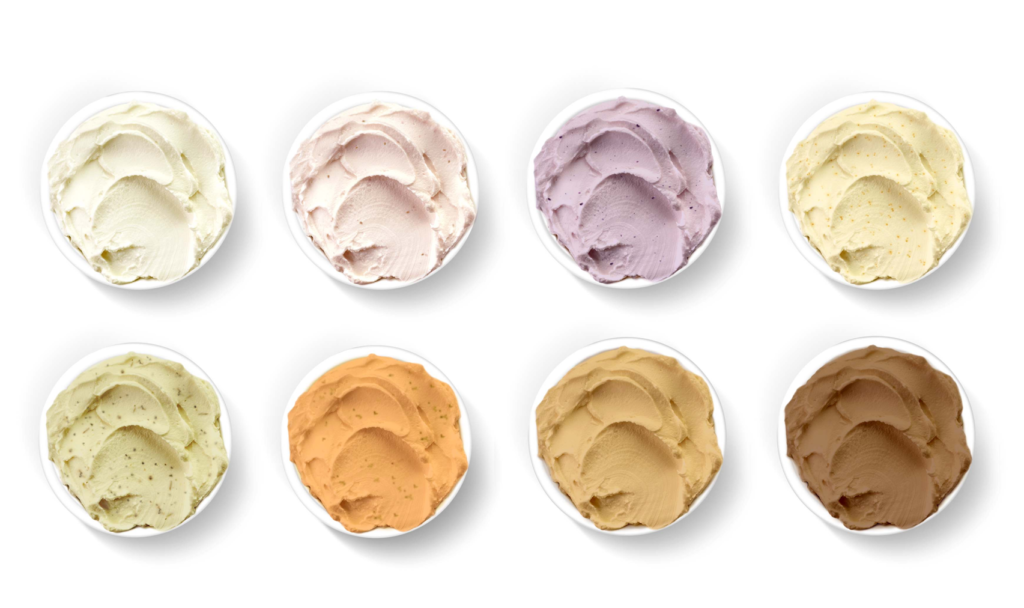
Armored Fresh has previously laid out plans to launch its portfolio with almond milk-based cheeses that boasted high protein levels. Four varieties are slated to be in the works, with cheddar slices, shredded mozzarella, cubed cheese and cream cheese all listed. Various flavours of each incarnation will be explored with unusual options, including salted caramel and chocolate confirmed. The recipes have been well received and instrumental in securing investment.
“When we invest in food companies our number one requirement is taste, especially in this crowded plant-based dairy market,” Brain Chang, principal at Collaborative Fund, said in a statement. “If the taste is not exceptional, we would not pursue the investment.”
Now official launch dates have been confirmed, nor have any product range details. U.S. entry is anticipated to commence in Q3 of this year. The startup is still reportedly planning an ambitious move into wider dairy production, with plant-based yoghurt and ice cream on its radar.
“Our mission is clear. We want to guard and protect people’s health by guarding and protecting our environment and our animals. We do what we do for sustainability, for food security and for our future,” Yu said in a previous company statement. “We’ve succeeded in making super vegan cheese that surpasses nutritional value of any of our competitors without compromising taste. We will continue to add technological capabilities, R&D, and innovation to bring crave-worthy vegan products to market.”
Plant-based cheese picking up pace
Global acceptance of vegan cheese appears to be driving access to more products, through conventional channels. In the U.K., it was revealed earlier this month that Waitrose is partnering with La Fauxmagerie to sell a range of artisan plant-based cheeses. To begin, 20 stores will sell the smoked, blue and camembert styles, with nationwide rollout anticipated to follow quickly.
Dutch startup Willicrofy announced the completion of a successful pre-seed funding round last month. The vegan cheese manufacturer scooped €2 million to bolster a European expansion plan that will see the U.K., Germany and nordic regions specifically targeted for widespread distribution.
In a dramatic show of faith in plant-based dairy, Australia’s Change Foods netted two government grants within the space of a month. The animal-free cheese maker has received $4.1 million in total, to continue the development of its precision fermentation platform that creates dairy-identical proteins.
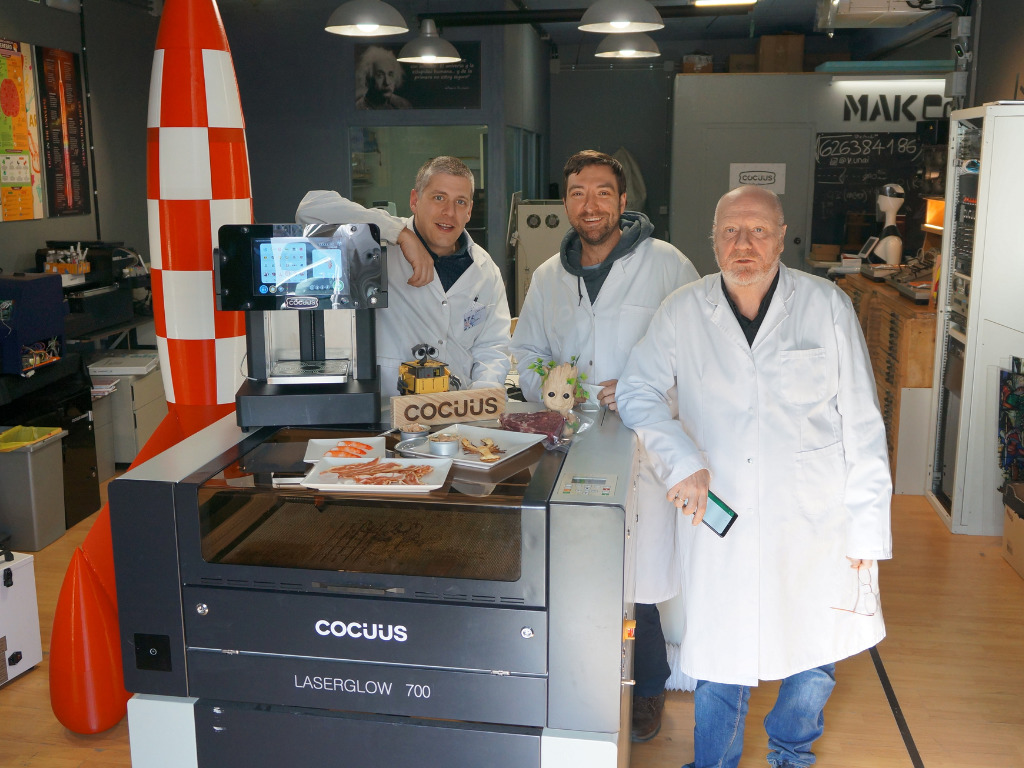
Spanish startup Cocuus has confirmed a successful €2.5 million pre-Series A raise. Big Idea Ventures led the investment with participation noted from Cargill Ventures and Tech Transfer UPV. The news comes shortly after the company completed the Eatable Adventures acceleration programme, also listed as an investor.
Cocuus is engaged in the production of technology to facilitate plant and cell-based meat manufacturing. The new funding will support scaling its business model ahead of expansion into new global markets. The startup hopes to use its 3D bioprinting technology and automated innovations to disrupt the food system by supporting increasingly realistic substitutes for conventional meat.
Ready to replace meat
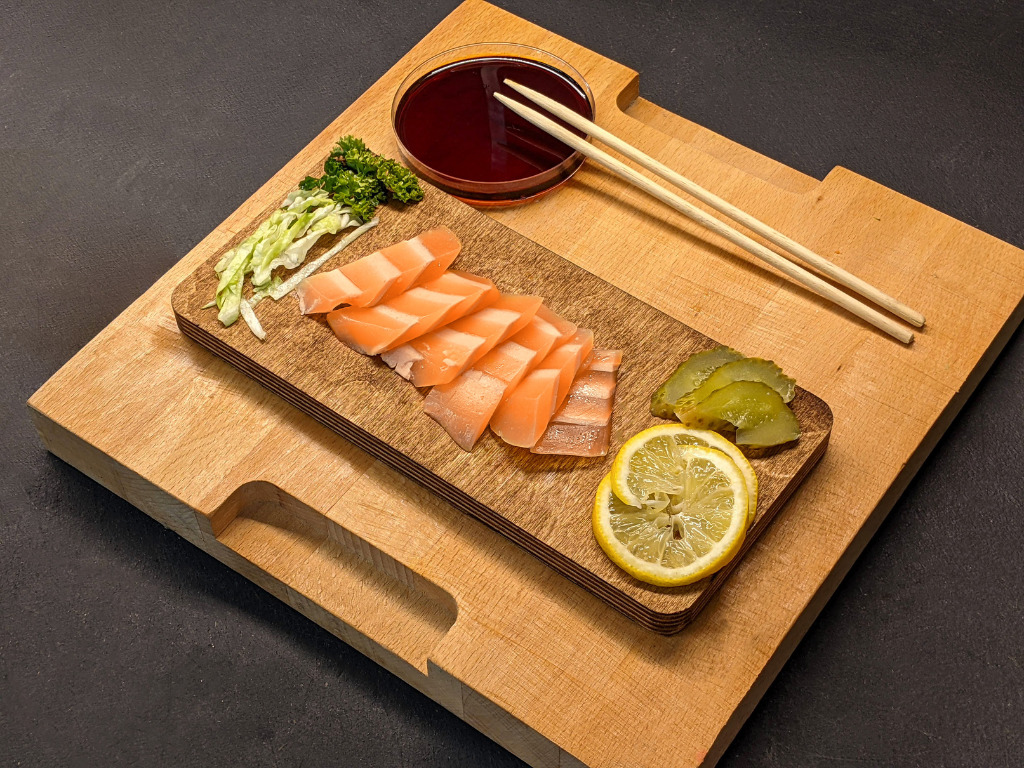
In 2021 Cocuus announced it had developed a proprietary 3D printing technique suitable for use with plant or cell-based ingredients, offering versatile production opportunities. At the time, the startup unveiled a 3D printed ribeye steak alongside salmon sashimi to prove the realistic aesthetic it was capable of creating.
Dubbed Mimethica, Cocuus’ platform uses AI to analyse the composition of existing foods. It then uses mathematical models to recreate the same structures but using new ingredients that have been converted into bio-inks. It was hoped that the platform could be developed to such an extent that replication could be carried out at scale. The new funding is a step towards this goal.
“We are very proud to have attracted the interest of international investors with this round of financing,” Patxi Larumbe, CEO and co-founder of Cocuus said in a statement. “Thanks to this capital injection we will be able to bring our technology within reach of corporations that want to print proteins on an industrial scale.”
Facilitating a new global food system
The FAO previously released data that suggests if we reach a global population of 9.1 billion by 2050, food production will have to increase by 70 percent. Specifically, meat manufacturing will have to increase by more than 200 million tons per year. This will fly in the face of emissions reduction targets that are widely set to see drastic improvements by 2050. Experts have predicted a population of closer to 9.8 billion by 2050, with updated birth and death rates taken into account.
Plant-based diets and cultivated meat developments are being viewed and promoted as potential solutions to the emissions crisis. Both require significantly less land and energy during production, compared to conventional meat, but are struggling to compete with the scale of existing animal protein production systems. Cocuus aims to remove this bottleneck.
“At Big Idea Ventures, we invest in technology which impacts the alternative protein industry’s entire value chain,” Andrew D Ive, founder and managing general partner of Big Idea Ventures said in a statement. “Cocuus’ technology addresses a major pain point of structured plant- and cell-based meat production methods: scalability. We are thrilled to support this innovative team and we look forward to seeing their scalable food technology making an impact across the world.”
3D printing’s traction in the alternative protein market
3D printing technology has become a key player in the quest for realistic meat analogues with numerous startups seeking to utilise it. In April, Hong Kong-based Alt Farm announced that it is hoping to capture APAC success, by 2023. Its flagship development is a 3D printed plant-based wagyu beef, thanks to a specially-designed printing nozzle that mimics complex structures.
Israel’s SavorEat welcomed a robot chef to its team in January this year. The alternative protein startup uses the technology to manufacture custom plant-based meat analogues and partnered with BBB to offer its diners tailored burger patties. Consumers are able to tweak the protein, fat and density of their burgers at the time of order, before having the item printed and cooked in front of them. Even retail outlets are looking at the possibilities connected to 3D-printed food. In February, Ikea revealed it was using printed vegan meatballs in a recruitment drive for sustainable tech professionals.
San Francisco-based Artemys Foods has emerged from stealth with a new name. Now dubbed SCiFi Foods, the startup that counts British rock bank Coldplay as one of its early backers has announced its rebrand along with a renewed mission: to debut hybrid cultivated beef burgers that contain plant protein. To this end, the company has welcomed a new board member and closed a $22 million Series A funding round.
Andreessen Horowitz (a16z) led the latest investment round. Participation was confirmed from Valor Siren Ventures, Box Group and Entree Capital, amongst others. Total funding to date now stands at $29 million. The Series A raise will support company-wide expansion including R&D capabilities, marketing strategies and new personnel.
Making a (new) name in the cultivated meat sector
SCiFi is looking to overcome a recognised hurdle within the cultivated meat sector of producing commercial products at a price point that is appealing to consumers. It uses what it calls a unique bioengineering technique to grow meat from animal cells, at scale and without prohibitive costs. To date, it has focussed on ground beef products, with a view to releasing hybrid burgers that will also contain plant-based protein. SCiFi states that this offers a vastly improved flavour, when compared to exclusively plant-based meats, and brings down the cost of the cultivated element.
The hybrid approach relies on both proprietary bioengineering techniques and established CRISPR gene-editing technology. The latter is being used to experiment with cell behaviour, in a bid to encourage maximum growth and stability in the shortest amount of time possible. Together, they paint the picture of a futuristic food production company, which led to a total startup rebrand.
“We’ve devised the technology to grow real meat without the need for an animal — an astounding feat,” Joshua March, CEO and co-founder of SCiFi Foods said in a statement. “This innovation is the future we once only imagined could be a reality. I believe it’s important to be open and authentic about what we’re doing, and our new name reflects exactly that. Consumers value transparency, and I would rather be bold than hide behind a bland, corporate moniker. As a company creating food, there are two things we absolutely can never compromise on: trust as a brand and the taste of our products.”
Catching the eye of seasoned investors
Andreessen Horowitz has a history of investing in big-ticket brands. It counts Airbnb, Facebook and Pinterest in its list of early-stage investment successes.
“Cultivated meat will disrupt the trillion-dollar global market for meat products, with huge benefits to the planet,” Vijay Pande, general partner at Andreessen Horowitz said in a statement. “However, there are major cost hurdles, and SCiFi’s technology and approach was the first we felt that truly has the potential to both scale quickly and to drastically reduce cost.”
With funding secured, SCiFi, which recently moved into a new 16,000 square foot R&D location in the East Bay, can put its plans to build a pilot facility into action. A deadline of year-end has been set to allow for finalisation of products, ahead of commercial launch. The pilot production unit will ensure consistent quality, to, hopefully, expedite the regulatory approval process.
Scaling cultivated meat production
Scale and cost are the main issues facing cultivated meat producers. SciFi has acknowledged that it is unknown where the ‘sweet spot’ is in terms of the perfect size of large bioreactors.
“We’ve spoken with a lot of experts in biopharma, and there’s no fundamental reason that they stopped at 20,000 liters other than that they just didn’t need to [go bigger],” March told FoodNavigator-USA. “But is that [sweet spot] 50,000 or 100,000 liters or more? No one really knows. We think that for our approach it will be commercially viable to grow our cells in 20,000 liter bioreactors, which is about the scale that you see today in biopharma.”
Good Meat, Eat Just’s cultivated meat brand, is looking to embrace a similar scaling mindset. The company announced, last month, that it has partnered with ABEC in a multi-year agreement. ABEC will be assisting with the production of the “largest known” bioreactors for cell culture production. Ten 250,000-litre units have been slated to be in the works, allowing for 30 million pounds of slaughter-free meat to be created every year.
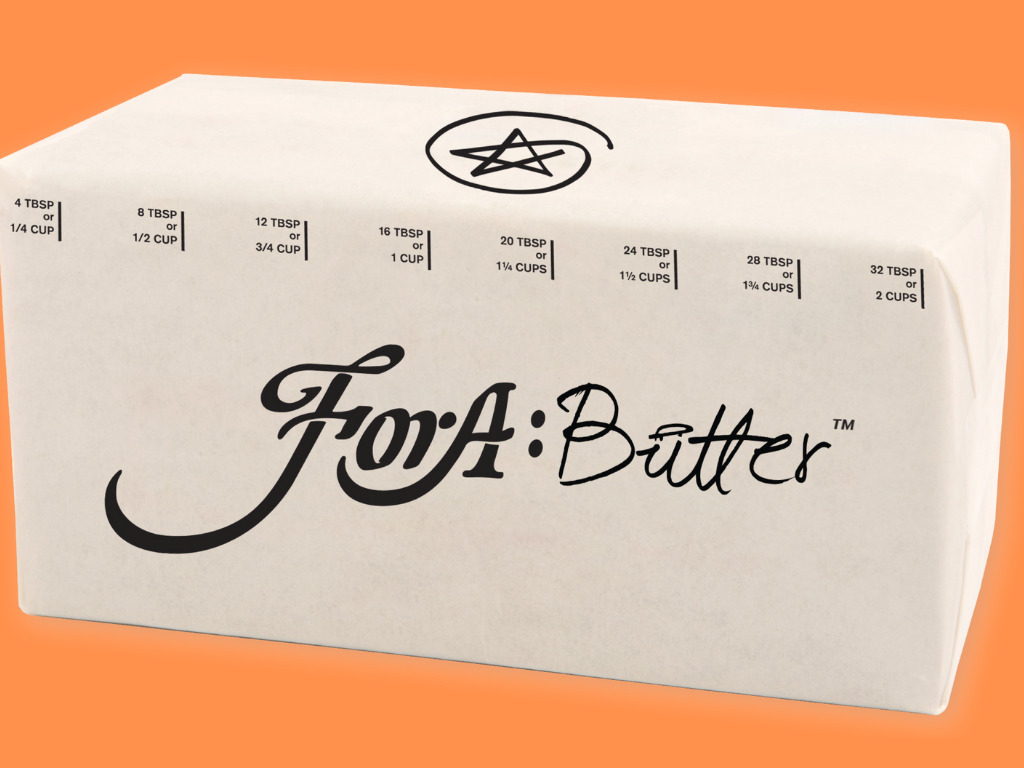
AAK Foodservice has taken over ForA:Butter, a brand developed by New York-based startup Fora Foods. The flagship product is butter made using aquafaba, which delivers performance that professional bakers look for in their ingredients. The butter has been steadily gaining presence within the foodservice sector, alongside some movement within retail.
Formerly dubbed ‘Faba Butter’, ForA:Butter is made from a combination of aquafaba, cocoa butter, coconut butter, coconut cream, and sunflower oil. AAK has been manufacturing it for ForA, before choosing to acquire the brand entirely. Financial details of the purchase have not been revealed.
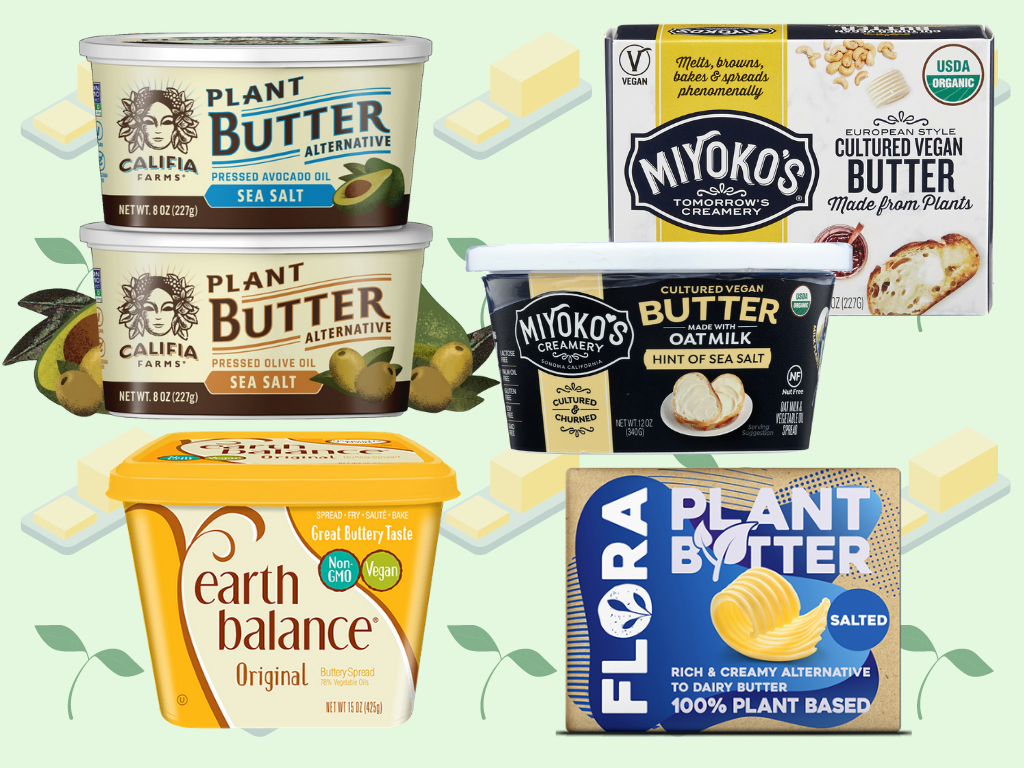
Vegan butter brands
Adding to the plant-based portfolio
A spokesperson for AAK said that “[ForA:Butter is a] very good fit to our plant-based expansion with premium plant butter products and will provide an addition complementary to our Green Oasis plant-based product line.”
The manufacturer states that the butter is an entirely different product from margarine and not comparable to it, being more akin to dairy butter. It claims that a 1:1 substitution for conventional butter is possible, even in technical applications. It cites laminated dough, such as that used in croissant baking, as not faltering when made with ForA:Butter.
Waiving goodbye to a brand
Fora co-founder Aidan Altman has previously secured investment from New Crop Capital and Blue Horizon, amongst others. Backing was used to develop the butter, which was put through rigorous R&D testing.
“We’ve gone through hundreds of different iterations to get where we are today,” Altman said in a statement. “The cocoa butter and coconut cream have that really nice fat profile and provide a similar melting point and smoking point to butter and then the aquafaba is a way to tie it all together and emulsify it, but it also creates a unique kind of umami flavor profile.”
Altman has been quoted by FoodNavigator-USA as stating that he can’t comment on AAK’s motivations for the ForA:Butter acquisition or the company’s future plans for the brand. He did maintain that the product stands out in the plant-based dairy market, thanks to its professional capabilities and unique flavour.
Photo by Miyoko’s Creamery.
Butter by any other name
Vegan butter is a growing niche within the alternative dairy market. Consumers are no longer satisfied with margarine and are driving demand for authentically decadent and functional butter alternatives. Cow-free spreads are usually healthier, due to containing no cholesterol, and offer environmental benefits alongside, with claims that they can help reduce a personal carbon footprint by up to 30 percent. However, not everybody is delighted by the rise of plant-based butter.
In August last year, Miyoko’s Creamery secured a landmark legal victory. The vegan dairy brand took the State of California to court for attempting to impose labelling restrictions that would prevent terms such as “butter”, “lactose-free” and “cruelty-free” from being used. The case was initially launched in 2020, with Miyoko’s suing for an infringement of its right to free speech. A preliminary injunction was secured the same year and in 2021, permanent rights to use the traditionally dairy-related words were granted. It offered optimism to the wider plant-based sector, especially in light of other ongoing labelling issues.
Miyokos announced it was launching a vegan butter cooking channel last November; the YouTube-hosted channel features recipes and tips for cooking with plant-based butter, with a focus on the science of baking. Different hosts and plant-based chefs will feature. The channel was announced shortly after the dairy manufacturer closed a $52 million Series C raise.
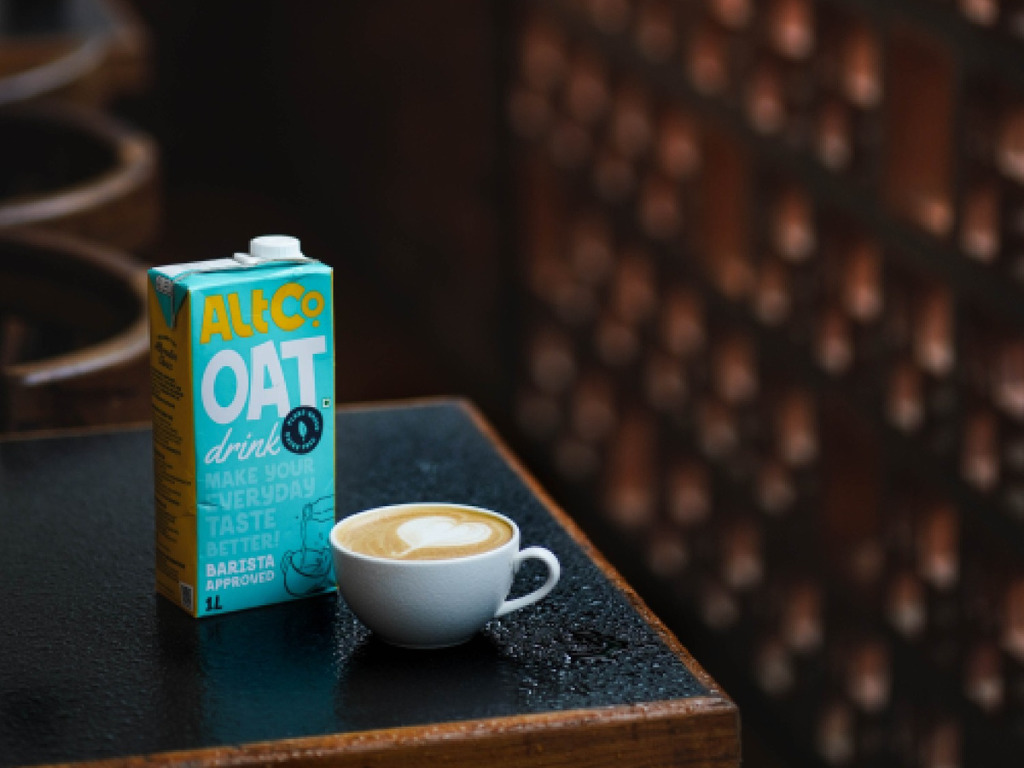
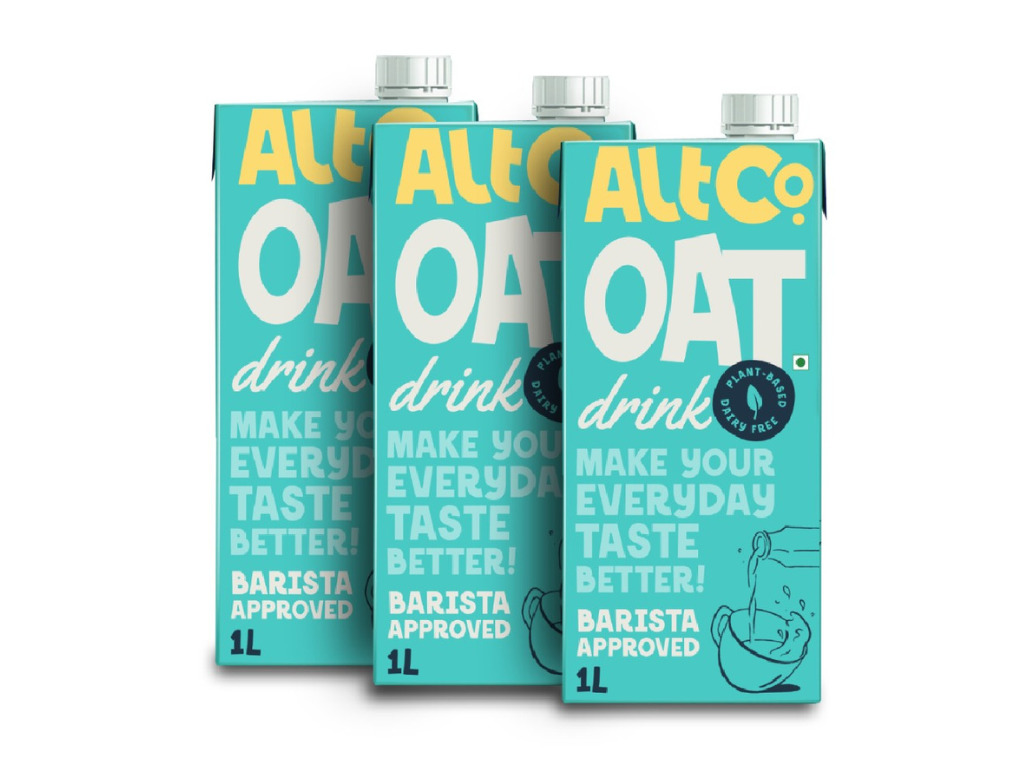
Bengaluru-based Alt Co. has confirmed a $1 million raise led by undisclosed major investors from Singapore, the Middle East and India. The plant-based brand intends to use the cash injection to increase its size, reach and product portfolio. Chief amongst new product developments is a line of alternative dairy. Plant-based eggs and nutritional supplements have also been mentioned.
Ahead of launching its recent fundraising effort, Alt Co. secured a new presence in retail outlets and saw an uptick in online sales. With money in the bank, the startup intends to keep connecting with fellow food and beverage companies, while investigating new R&D opportunities. The end goal is to become the leading plant-based innovator within the APAC and APMEA regions.
Zoning in on growing plant-based trends
Alt Co.’s plant-based dairy alternatives plans have been mapped out- they include ice creams, yoghurts, hot chocolate and chocolate bars, there is a focus on sweet treats. These will sit alongside its existing oat drink in a bid to move consumers towards healthier plant-based foods.
“More and more of us are realizing every day the importance of sticking to a healthy diet, a diet that takes nature as its inspiration,” Basan Patil, Co-Founder, Alt Co. said in a statement. “We at Alt Co. have been going out of our way to ensure that Indians have meal options that are animal-friendly and dairy-free, and have been incredibly heartened by the response to our products.”
The $1 million raise has been heralded by Alt Co. as an opportunity to keep living up to its ‘green aisle philosophy’. It states that consumers of all ages should have access to sustainable, healthy and animal-free foods that are enjoyable to eat.
No details have been released regarding the new ranges, but they are anticipated to be oat-based.
Photo by Sylvia Bartyzel at Unsplash.
India wants more plant-based dairy
“The appetite for plant-based dairy is growing rapidly and gaining acceptance all over the world, and is now picking up in India as well,” Varun Deshpande, Managing Director, GFI India said in a statement. “The plant-based dairy sector in India is projected to grow at a compound annual growth rate (CAGR) of 20.7%, which will triple the industry’s current market size by 2024. With companies like Alt Co. expanding their product ranges and continuing to create alternatives to dairy that are better tasting, better for you, and better for the planet, we’re confident that these projections will hold true.”
In a move that will potentially strengthen India’s relationship with animal-free dairy, Perfect Day was recently confirmed as the winning bidder in an auction for Mumbai-based Sterling Biotech. The Californian alt-dairy giant has acquired three manufacturing plants within India, as part of the deal. No plans have been released for the facilities but it is anticipated that the locations will support India-specific and Asia-wide expansion while reducing operational costs.
Photo by Imagine Meats.
Growing demand for Indian plant-based products
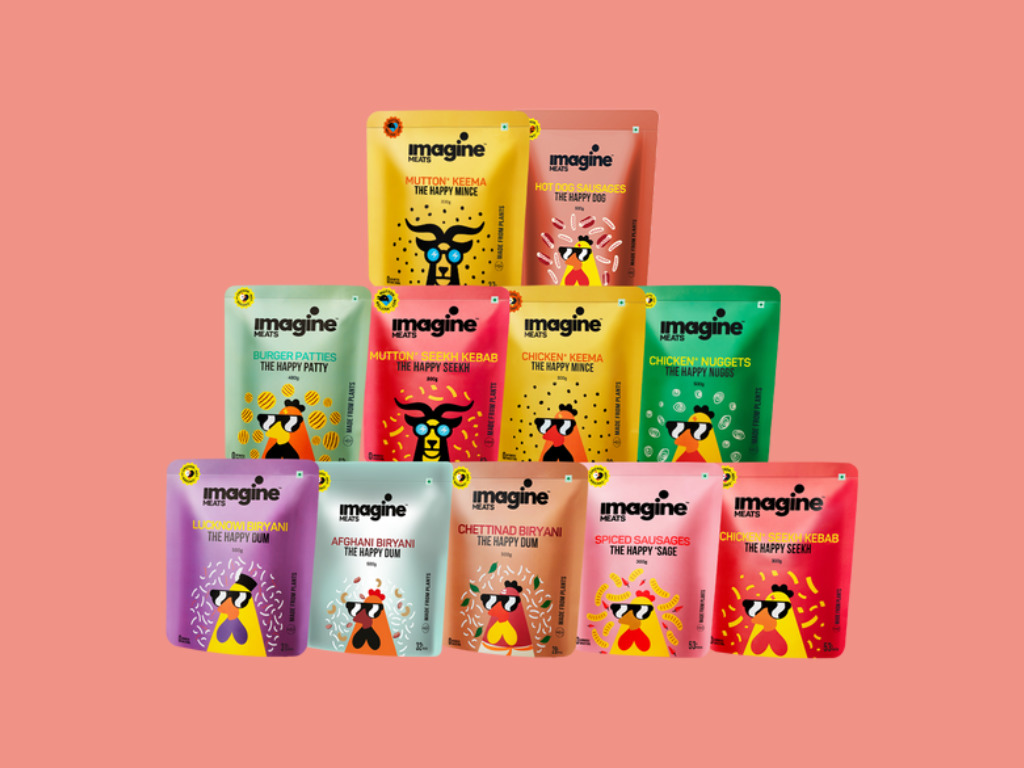
The domestic alternative protein sector is growing in India. From collaborations with global names, as seen in Tata Starbucks’ partnership with Imagine Meats, to new developments, a lot is happening. Approximately 50 companies are thought to be engaged in product development.
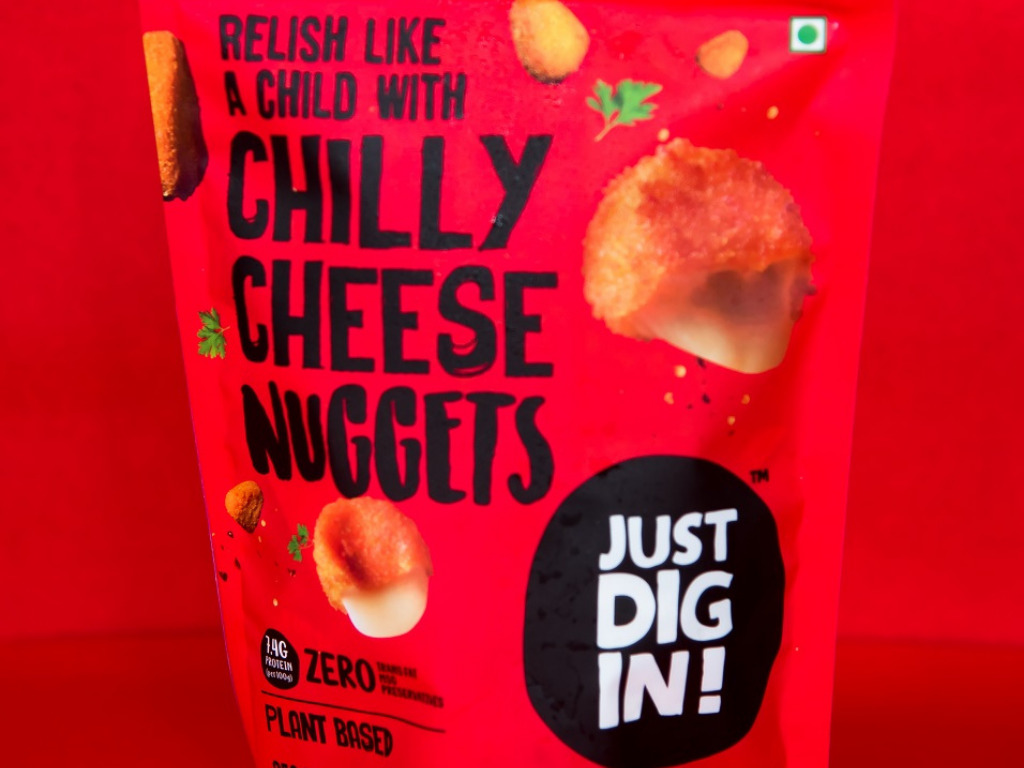
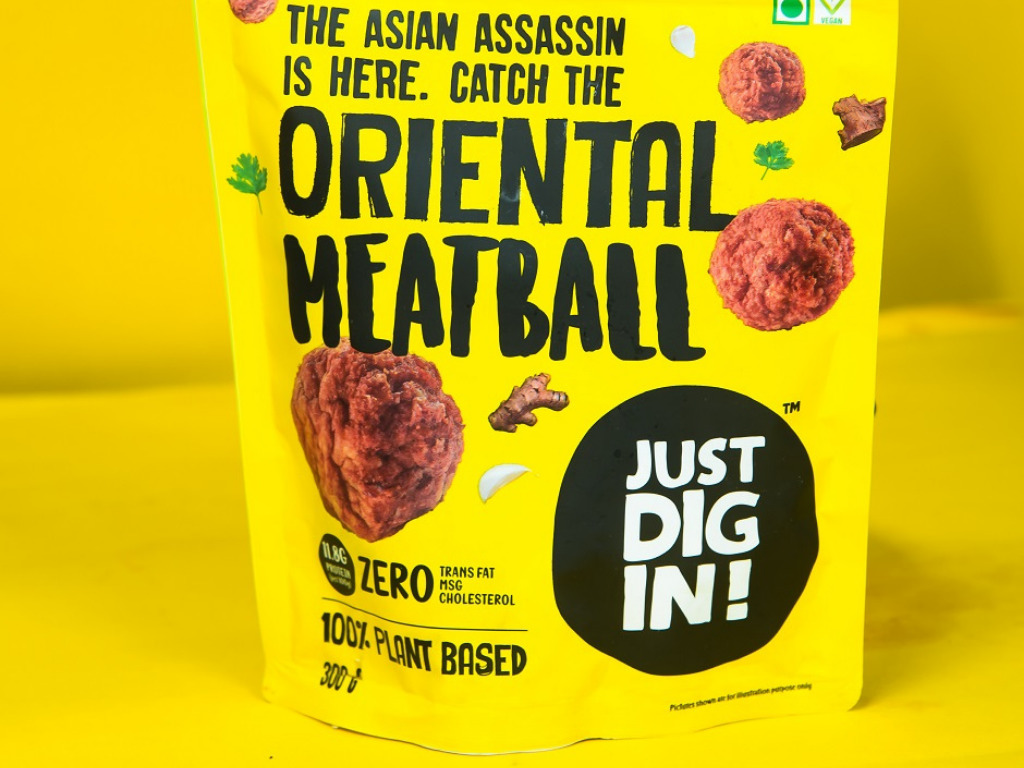
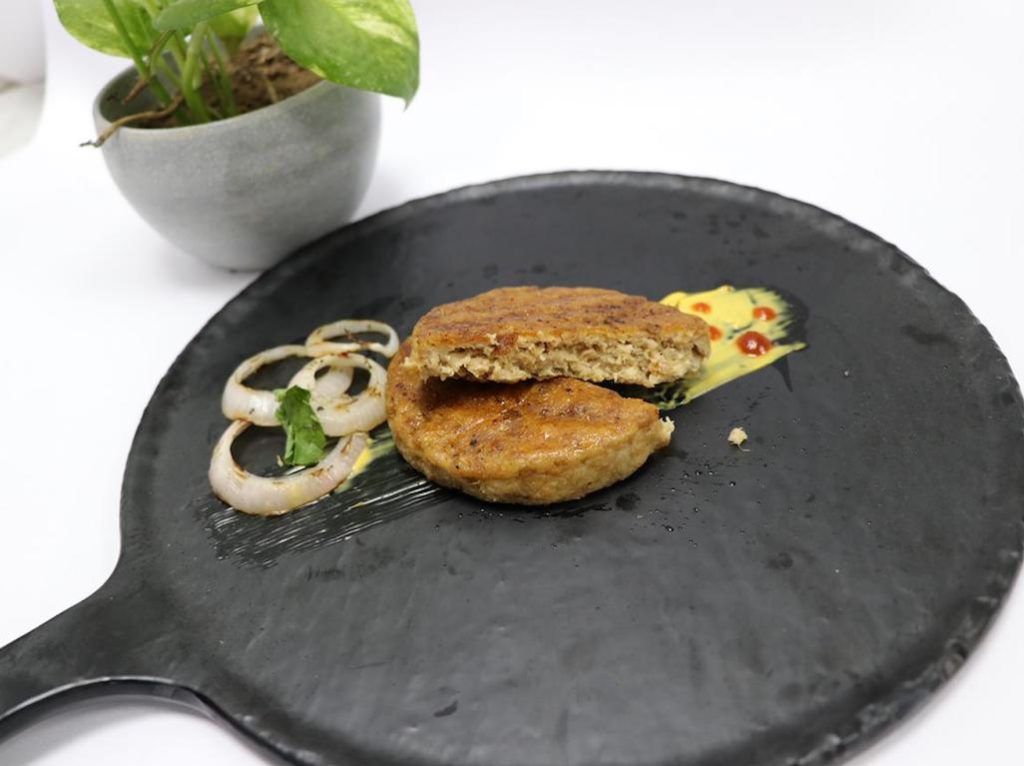
Novolutions just announced it is expanding from mocktail drinks into the vegan meat market. The foodtech startup has made its market debut with new brand Just Dig In!, across New Delhi. The plant-based range is currently focussed on chicken analogues, distributed by Modern Bazaar.
In April, BVeg Foods announced it is working with Switzerland’s Bühler. The latter is supplying high moisture extrusion equipment that will allow BVeg to create what it calls ‘indistinguishable’ vegan meat for Indian consumers. The startup will construct a specialist production facility for enhanced protein manufacturing. The move has been made to capture more realistic meat textures, to sway consumers toward plant-based eating.
Alternative dairy startup Bon Vivant has announced a strategic partnership with fellow French operation Abolis Biotechnologies. The latter is a European leader in industrial biotechnology. The two will co-develop production methods for the scaled manufacturing of animal-free dairy proteins created via precision fermentation.
News of the partnership comes shortly after Bon closed a €4 million funding round. The startup hopes to develop an effective production system for the mass manufacturing of its dairy-identical proteins. From here, they will be offered to the alternative dairy sector on a B2B basis.
Photo by Nikolai Chernichenko at Unsplash.
Unlocking fermentation’s full potential
Bon has successfully proven its concept but remains at lab development stage due to production constraints. Its next phase will see the startup looking to mass-produce its proteins that are “100 percent identical to those produced by the cow”. In April, it was reported that Bon’s next step would be to secure meaningful partnerships within the industry. Its confirmed partnership with Abolis is a realisation of this and a sign that taste and texture evolution is on the cards.
“Our partnership was born out of the desire to offer, on a large scale, healthy dairy products with organoleptic and nutritional qualities identical to those produced by animals and accessible, whose development must be environmentally friendly,” Hélène Briand, co-founder and director of innovation and product development at Bon Vivant said in a statement. “We are pleased to join forces to meet a global need: to feed a growing population, while producing in a sustainable way. Abolis’ highly specialized expertise will enable us to realize our joint ambitions.”
Previously, Bon has stated that unless it can replicate the look, feel and functionality of conventional dairy perfectly, it would consider its platform a failure. Having prototyped its innovation, it now requires the assistance of a precision fermentation specialist to take its milk proteins to the next level.
“Enriching and diversifying the range of protein sources while limiting our ecological impact is a major challenge for the future of humanity. Following the example of our commitment to major industrial groups to offer them new production solutions compatible with their ecological transition objectives, we want to help them meet this new challenge,” Valérie Brunel, managing director of Abolis said in a statement. “We are more than ever committed to working with our partner to develop these new sources of protein and we are counting on its expertise to make them healthy, accessible products that are in keeping with our culinary culture”.
Photo by Andra C Taylor Jr on Unsplash.
Sustainable food without cultural sacrifice
Dairy is big business in France. One of the major national economy drivers, it recorded $21.4 billion in 2019. Alongside the profit comes a price for the planet. Dairy is thought to account for 30 percent of all livestock emissions and demand is increasing. Predictions cite growth up until at least 2030.
Bon claims that its primary motivations are maintaining French gastronomic heritage while helping consumers to move toward a plant-based diet. It has previously hailed California’s Perfect Day as its inspirational model.
Leading by example
Perfect Day has been announcing new developments and partnerships consistently. Its latest, the startup revealed, is working with Strive Nutrition to produce a new sustainable milk alternative. Kansas-based Strive uses perfect Day’s animal-free whey to bolster its plant-based developments. Unusually for the sector, the whey has been added to oat and almond varieties, alongside more realistic cow milk analogues.
Last month, Tomorrow Farms announced it had also been developing milk drinks, using Perfect Day protein. Its new Bored Cow range will feature three flavoured kinds of milk, following a successful $10.5 million seed funding round.
Which vegan eggs are the best? We put nine leading options to the test.
It’s crazy to think that just a decade ago, there were no animal-free alternatives to chicken eggs. If you went vegan, it meant saying goodbye to eating, cooking, and baking with eggs. So, the fact that I reached out to about 20 different brands making alt protein egg products for this review is a clear sign of how far along the industry has come.
It’s not just about the perfect egg scramble or egg breakfast sandwich at brunch. Eggs are a major cooking and baking ingredient. As an avid baker, I know that the struggle is real when it comes to finding the right egg replacement for your popover or Il Flotante. Not to mention eggs over easy or a hard-boiled egg you can make deviled eggs and egg salad with. The good news? There are lots of options and new players in the space working hard to give you animal-free alternatives no matter how you like your eggs.
You can have your fried egg or your hard-boiled egg and eat it too! From frozen pourable to ready-to-eat patty and instant powder mix, with ingredients that span mung beans and lupin beans to pea and tofu, I researched it all, and by research, I mean ate, of course. Here’s my cheat sheet on how they taste, cook, and compare with one another.
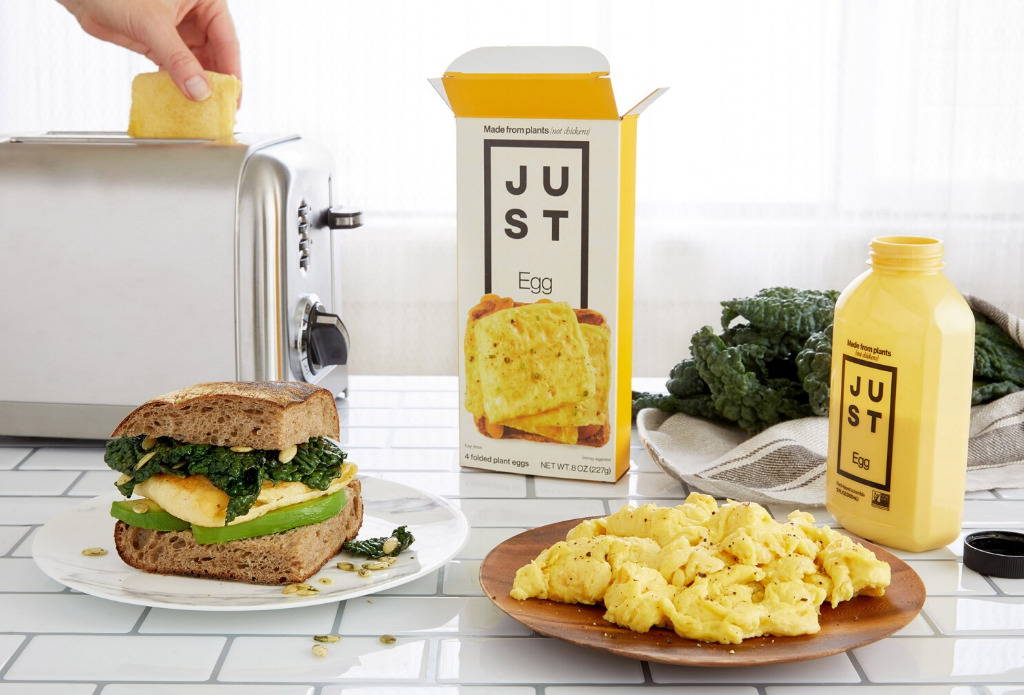
Source: JUST Egg
1. JUST Egg – Best Taste & Best Patty
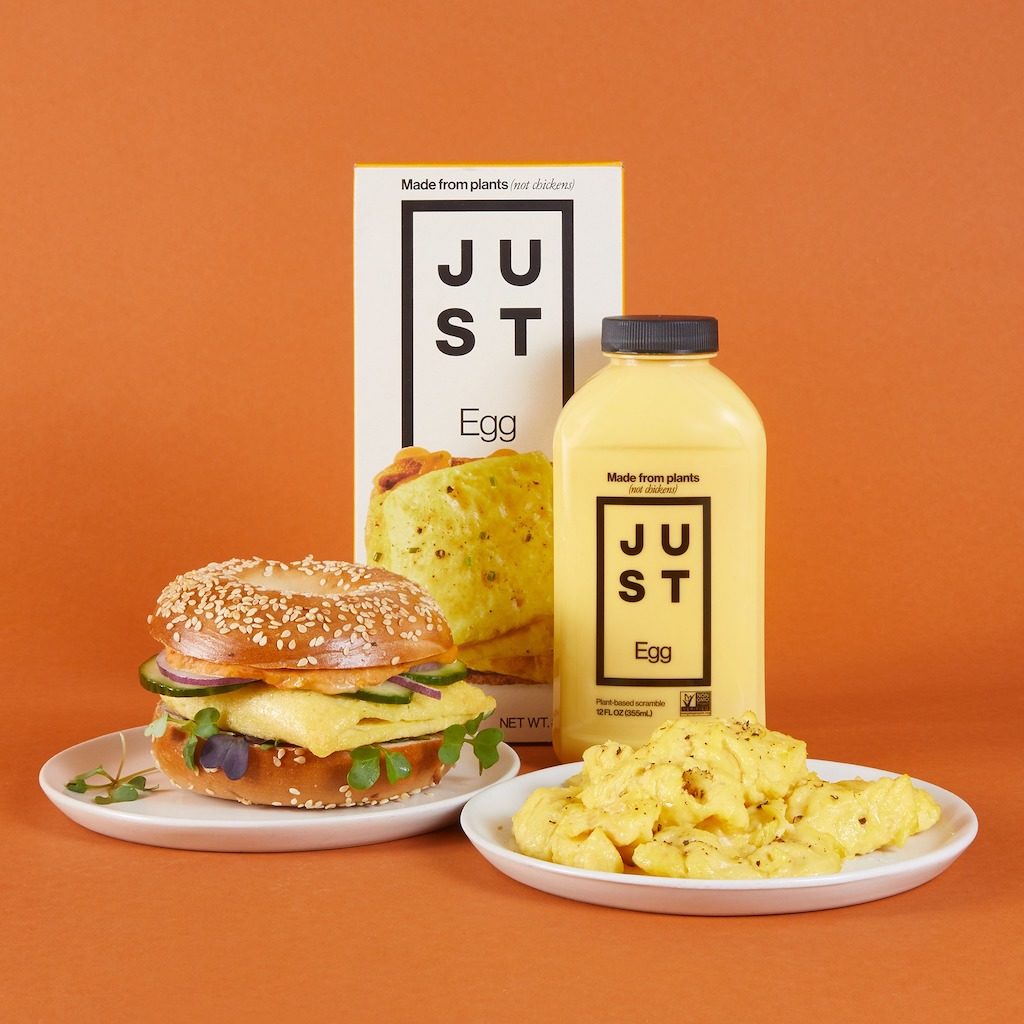
When it comes to vegan eggs, the time-space continuum can be split into ‘Before JUST Egg’ (BJE) and ‘After JUST Egg’ (AJE). BJE, if you wanted a vegan scramble, your options were a powder mix or tofu. Eat Just’s mung bean pourable egg replacement was a game-changer and the first to achieve mainstream status. It’s now widely used in both retail and food service with a star-studded roster of celeb investors, including Serena Williams and Jake Gyllenhaal.
JUST Egg set the standard for vegan eggs and is the plant-based egg to beat when it comes to mouthfeel, versatility, easiness of preparation, and even price. In addition to the original JUST Egg 12oz bottle, The JUST Egg line also includes the JUST Egg Folded and the JUST Egg Sous Vide – in Roasted Potato Red Pepper Dill and Roasted Poblano Black Beans Chili Powder varieties.
Cooking: JUST Egg needs to be refrigerated and used within 5 to 7 days once opened. It takes longer to cook than conventional eggs and I, for one, have a difficult time figuring out when to start scrambling or when it’s done. I get this cheesy consistency that makes it stick all over my nonstick frying pan and I end up wasting a lot of product. It would be really helpful if it came with some basic cooking instructions.
That said, it’s by far the one that gives you the closest mouthfeel to a chicken egg in terms of taste, fluffiness, texture, and even smell. If you’re eating it plain scrambled, it is the most egg-like and tastes as eggy as conventional eggs. So much so that if you add other ingredients, like cheese and veggies, or make a breakfast sandwich or burrito with it and serve it to your friends, they’ll never know they’re not eating real eggs.
JUST Egg’s original pourable liquid version is also super versatile. You can scramble it, make omelets and frittatas with it, or even use it as a baking replacement for eggs. Both the Folded and Sous Vide products can be kept frozen, then microwaved (no defrosting required), and ready within minutes.
Mouthfeel: 10
Versatility: 9
Easiness of Preparation: 8
Overall: 9 out of 10
Bonus Points: I love the convenience of popping the JUST folded in the toaster or microwave when I’m having a lazy morning. The JUST Folded also stands out from its competitors because it is, as the name says, folded so you get a double patty. Their Sous Vide makes for the perfect on-the-go vegan frittata.
Protein Source: Mung bean
Price: $3.99-$5.99 for a 12oz bottle, $4.29-$4.49 for a box of four JUST Folded, $5.98-$6.99 for a box of four Sous Vide (the most expensive of the 3 options)
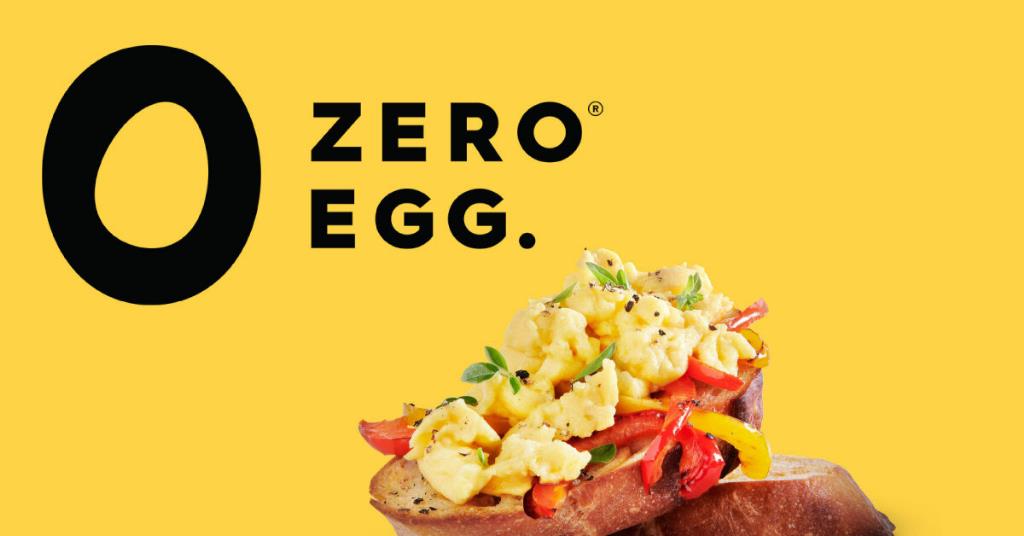
Source: Zero Egg
2. Zero Egg – Most Versatile
Even though Zero Egg is currently only available to the food service industry, you can have a sneak taste of their vegan egg in the Alpha Foods breakfast bowl sold at Costco in California and Hawaii. Zero Egg currently comes in two formats: frozen pourable form and as a ready-to-eat patty.
Cooking: I defrosted the Zero Egg Liquid in the refrigerator overnight. Like JUST Egg, it needs to be used within 5 to 7 days once defrosted. The first thing I noticed is that it has a pancake batter consistency and it’s thicker than JUST Egg or Simply Eggless. Because of that, it cooks way faster than both. The taste is not 100% quite there when you eat it plain scrambled, but it was delicious when I made an omelet and added my favorite vegan cheese. You can make a few ahead of time, refrigerate, then just heat them up and add fillings when you’re ready to eat. Perfect for a brunch party!
Mouthfeel: 8
Versatility: 10
Ease of Preparation: 10
Overall: 8 out of 10
Bonus Points: The peanut butter cookie recipe their ambassador chef shared with me in our cooking demo is a show stopper and I’m officially hooked!
Protein Source: A proprietary blend of plant proteins that include pea, chickpea, potato, and soy
Price: You can purchase a four-pack of Alpha Breakfast Bowls at Costco for $12.49
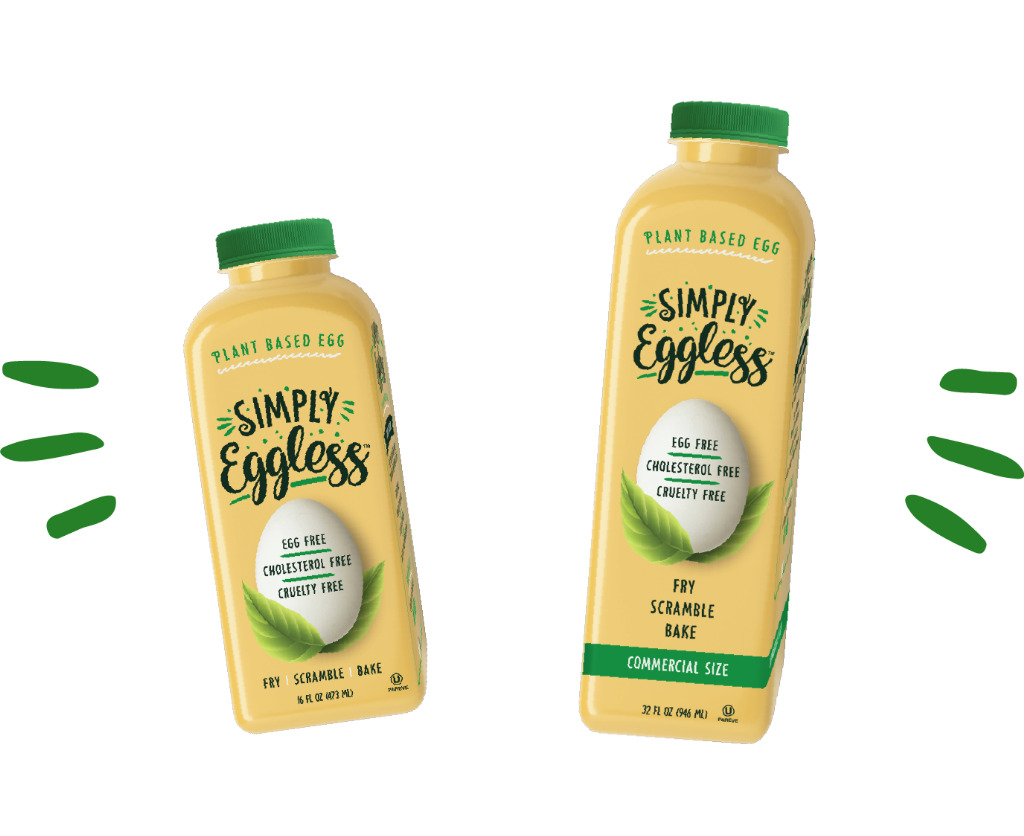
Source: Simply Eggless
3. Simply Eggless – Contains Prebiotics
JUST Egg, Zero Egg, and Simply Eggless all offer liquid and ready-to-eat patty options. Simply Eggless has the same liquidy consistency as JUST Egg and also needs to be used within 5 to 7 days once opened.
Cooking: Even though it has the same consistency, it bubbles up and cooks faster than JUST Egg. It’s also easier to scramble and tell when it’s done. I liked the taste and the texture of the scrambled, but out of the 3, the Simply Eggless patty was my least favorite. Even though I followed the heating instructions on the box, the patty never got warm or firm enough. The texture was quite creamy, and the mouthfeel just wasn’t really there.
Mouthfeel: 8
Versatility: 10
Easiness of Preparation: 8
Overall: 7 out of 10
Bonus Points: Simply Eggless has 3 grams of prebiotics per serving, unlike its competitors or even actual eggs.
Protein Source: Lupin beans
Price: $6.49 for a 16oz bottle or one box of four frozen patties
Source: Puris Foods
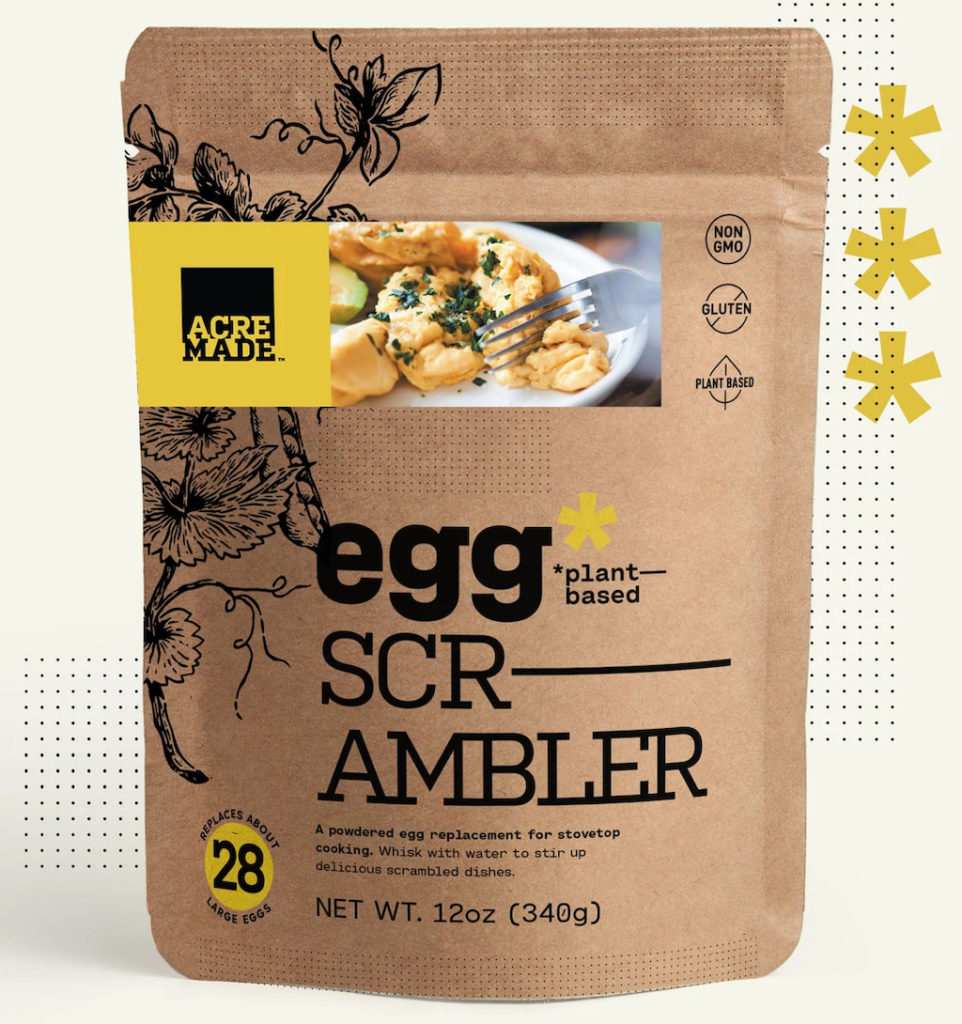
4. Acremade Plant-Based Egg Scrambler – Best Value & Ease-of-Use
I was blown away by Acremade Plant-Based Egg Scrambler. I wasn’t expecting much from a powder-based vegan egg, but boy oh boy, was I pleasantly surprised! I mean who knew a powder mixed with water could give you such spot-on eggy flavor and fluffiness? This is the new hot product to watch for and it’s going to give JUST Egg a serious run for its money once it hits the retail shelves.
Cooking: All you have to do is add ¼ cup to a cup of water and whisk it. I like that it requires whisking the same way real eggs do. It has the thickest consistency by far, think cake batter, which makes it a bit harder to scramble but still easier than JUST Egg! Once it started cooking in the frying pan, my entire kitchen smelled just like bird-based scrambled eggs. The taste, the texture, and the fluffiness are all there. NOTE: Their other product, the Acremade Egg Replacer is being discontinued because you can do it all with the Plant-Based Egg Scrambler. They’ll be rebranding and renaming the Scrambler soon.
Mouthfeel: 10
Versatility: 10
Easiness of Preparation: 9
Overall: 10 out of 10
Bonus Points: It’s shelf-stable so you don’t have to worry about using it up within a week. It’s also the best value for your buck since $5.99 gets you a 12 oz bag and ¼ cup gives you the equivalent of 2-3 eggs!
Protein Source: Pea protein and lupin bean flour
Price: $5.99
Source: Hodo Foods
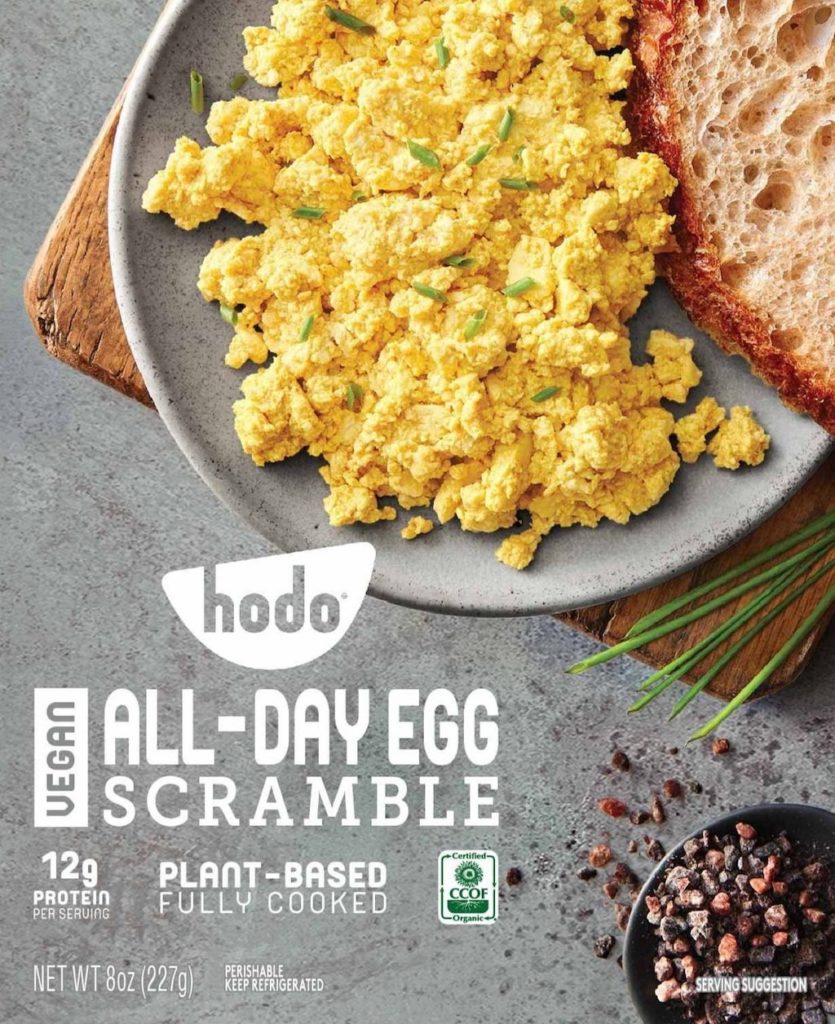
5. Hodo Foods All-Day Egg Scramble – For Tofu Lovers
Hodo Foods All-Day Egg Scramble is more of an egg alternative than an egg replacement. It’s yellow, but it doesn’t have the same taste or texture of a real egg and I think calling it ‘All-Day Egg Scramble’ is a bit misleading. It’s made with tofu and if tofu scramble is your jam, this is the product for you. It’s not versatile because it comes already seasoned and ready to eat, but you can eat it in a jiffy since it only needs to be heated up on a frying pan or in the microwave.
Mouthfeel: 5
Versatility: 5
Easiness of Preparation: 10
Overall: 5 out 10
Bonus Points: It is by far the easiest one to prepare as it doesn’t require defrosting or cooking.
Protein Source: Soybean
Price: $8.79 online
Source: Be Leaf
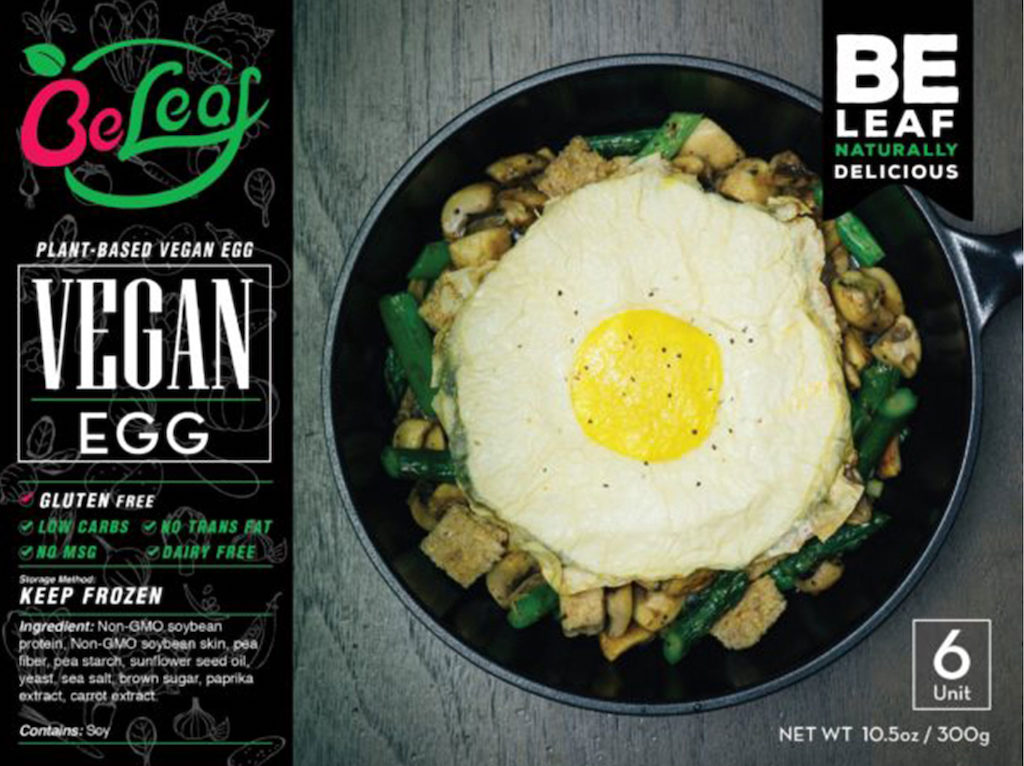
6. Be Leaf Fried Eggs – Best Ready-to-Eat
I was really impressed with the Be Leaf fried egg. It delivered the same taste, texture, and mouthfeel you get from eating a fried chicken egg. The yolk’s consistency and taste were surprisingly identical to the real deal. It’s also super easy to make. All you have to do is defrost it in the refrigerator overnight, heat it up in a frying pan or microwave, and voila! While it’s the perfect fried egg replacement, it’s not as versatile as a pourable egg alternative.
Mouthfeel: 10
Versatility: 5
Easiness of Preparation: 10
Overall: 9 out of 10
Bonus Points: Unlike most of the other brands reviewed here, Be Leaf’s vegan range also includes meatless products like shrimp, chicken, bacon, and steak as well as jerky, seasoning, and dried soy.
Protein Source: Non-GMO soy
Price: $13.99 – $15.89 online
Source: Crafty Counter
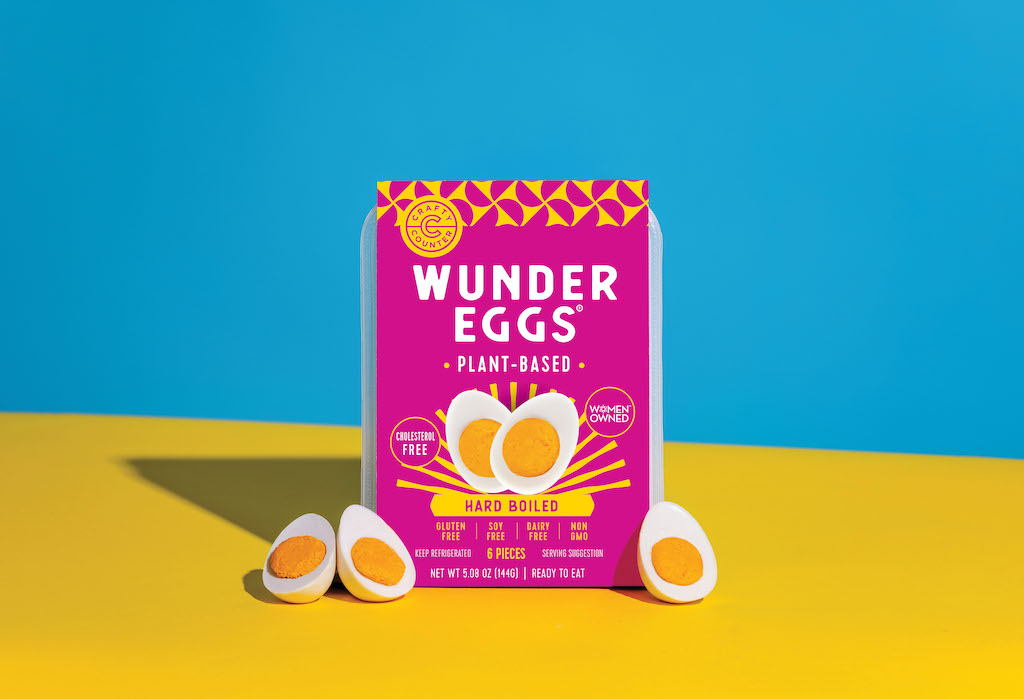
7. Wunder Eggs – Best Hard-Boiled Egg
I was really looking forward to trying Crafty Counter’s Wunder Eggs and it didn’t disappoint. It has the same texture and appearance of a hard-boiled egg. You also get the same exact sensory experience of holding a chilled hard-boiled egg in your hand. The egg white mouthfeel was spot on while the egg yolk was a bit creamier than a real egg yolk. I very much enjoyed eating it plain with just a dash of salt and also chopped up in an egg salad.
Mouthfeel: 9
Versatility: 5
Easiness of Preparation: 10
Overall: 8 out of 10
Bonus Points: Clean label and requires no peeling, which was always the most annoying part of eating hard-boiled eggs!
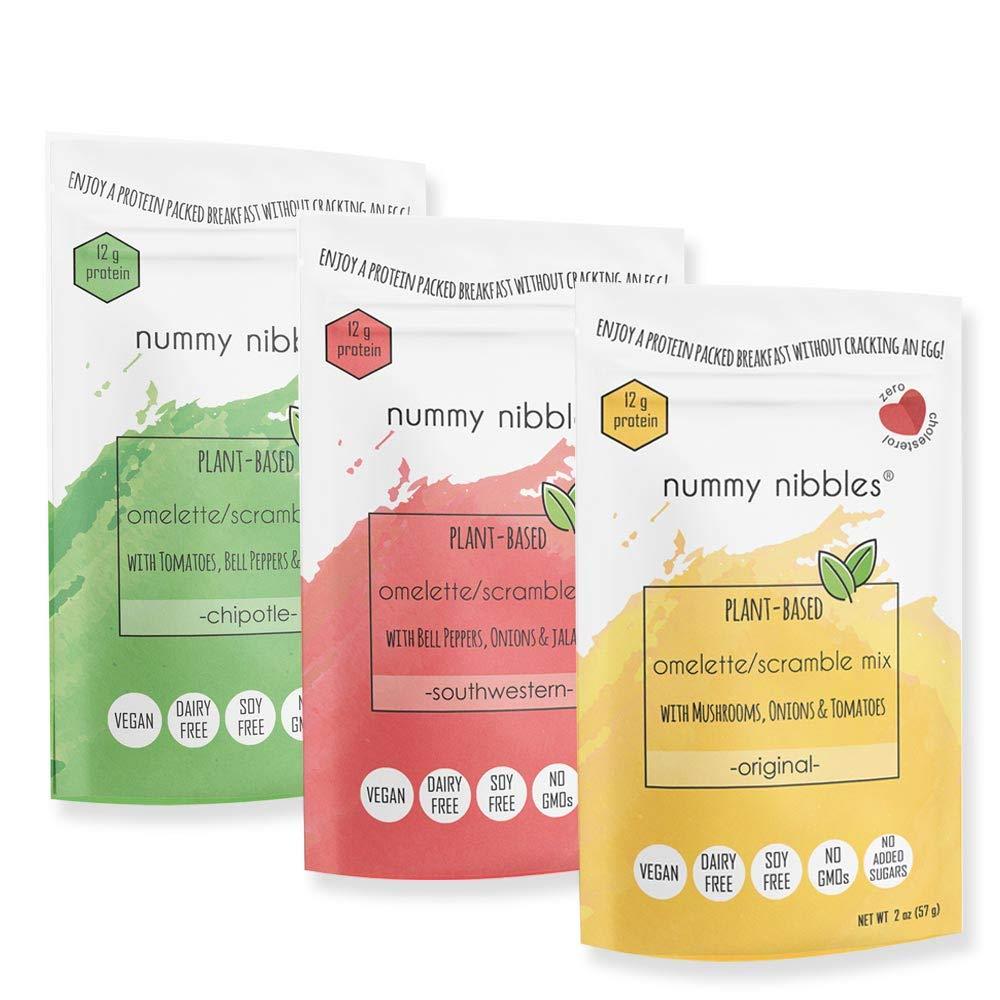
The Nummy Nibbles Plant-Based Omelette/Scramble Mix comes in packs of three and you can mix and match the flavors, Original (with Mushrooms, Tomatoes & Black pepper), Southwestern (with Bell Peppers, Jalapenos, Onion, Garlic, and Cayenne), and Chipotle (with Bell Peppers, Jalapenos and a hint of Smoky Chipotle). It’s a bit hard to compare it to other plain vegan scrambled eggs since all 3 mixes come with added veggies. The eggy flavor was not quite there, and the texture was slightly pastier than I’d want my scramble or omelets to be. It is easy to make because all you have to do is whisk it with water and cook, but not as versatile as other mixes since the veggies limit you to savory dishes.
Mouthfeel: 5
Versatility: 7
Easiness of Preparation: 9
Overall: 6 out of 10
Bonus Points: It’s shelf-stable and probably the one in this review with the cleanest label – no additives, artificial flavorings, or fillers at all.
Protein Source: Chickpea
Price: $10.99 for a pack of 3
Source: The EVERY Co.
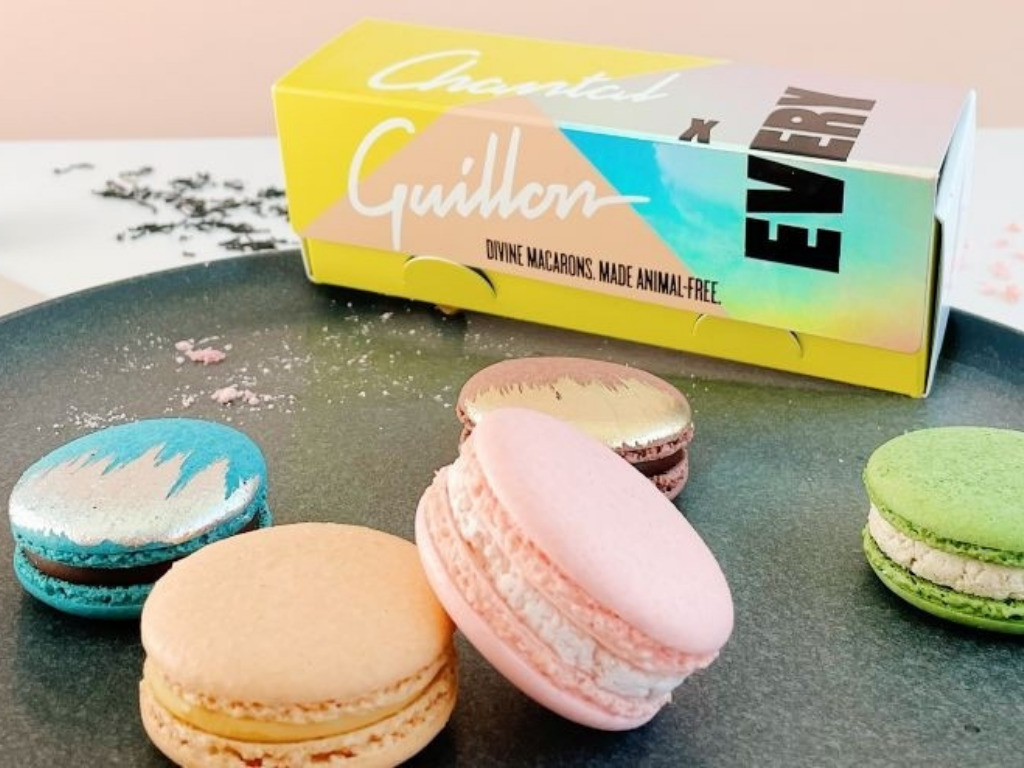
9. Special Entry: EVERY EggWhite Macaron
The Every Co. uses precision fermentation to create its animal-free egg white replacer that mimics the functionality and versatility of egg white proteins. EVERY EggWhite is designed to be used as an ingredient in anything from delicate desserts, like the French macarons I tried made in partnership with Chantal Guillon, to dry mixes and protein shakes. I fancy myself quite the connoisseur when it comes to macarons, having sampled every single one I’ve ever come across back when I was a vegetarian. The perfect macaron should be light and airy with a smooth filling sandwiched between the two crisp, yet slightly soft, meringue shells. These were just that and sure to satisfy even the toughest macaron critic like me. It’s no surprise they sold out!
Mouthfeel: 10
Versatility: 10
Easiness of Preparation: 10
Overall: 10 out of 10
Bonus Points: Eye-catching and hip package design!
Protein Source: Real egg proteins made without chickens (the proteins are produced in fermentation tanks by genetically engineered microbes)
Price: The box of 6-piece macarons at the Chantal Guillon website sells for $28.00
After writing this review, there are at least three vegan eggs I’ll make sure to have at home at all times. Being a household of one, I’m very partial to anything that I can keep frozen and/or is shelf-stable so I don’t have to worry about using it all up within a week. JUST Egg Folded is a must for the perfect vegan breakfast sandwich, Acremade Plant-Based Egg Scrambler for basically anything you want to make with eggs, and Be Leaf Fried Egg for anyone who loves a good old-fashioned fried egg sandwich like me.
A few brands I reached out to and wish I could have tried for this review are: Follow Your Heart, Nabati Foods, Yo Egg, Evo Foods, and Pepita Egg. Oh well, maybe next time!
Cell-based egg comes to a new skincare line as Japan’s IntegriCulture expands its Cellament reach, demonstrating the power of its tech.
It’s been a busy year for cellular agriculture startup IntegriCulture. It kicked off January with a $7 million Series B funding round to further its efforts to decrease the price for cultivated protein. In April, it announced it grew cultivated chicken and duck meat without an animal-based media—and at a fraction of the cost compared to using animal-based growth factors. Now, the company says its cell-based egg-derived skincare ingredient, Cellament, is being used by the Japanese skincare brand Essencebase in a new line dubbed L’Oeuf.
“Cellular agriculture is often spoken in the food context, but what must not be forgotten is that opportunities of cellular agriculture go beyond food,” Yuki Hanyu, CEO at IntegriCulture said in a statement. “Examples include solid materials like leather, fur, and fluid substances like cosmetics and pharmaceuticals.”
Cellament
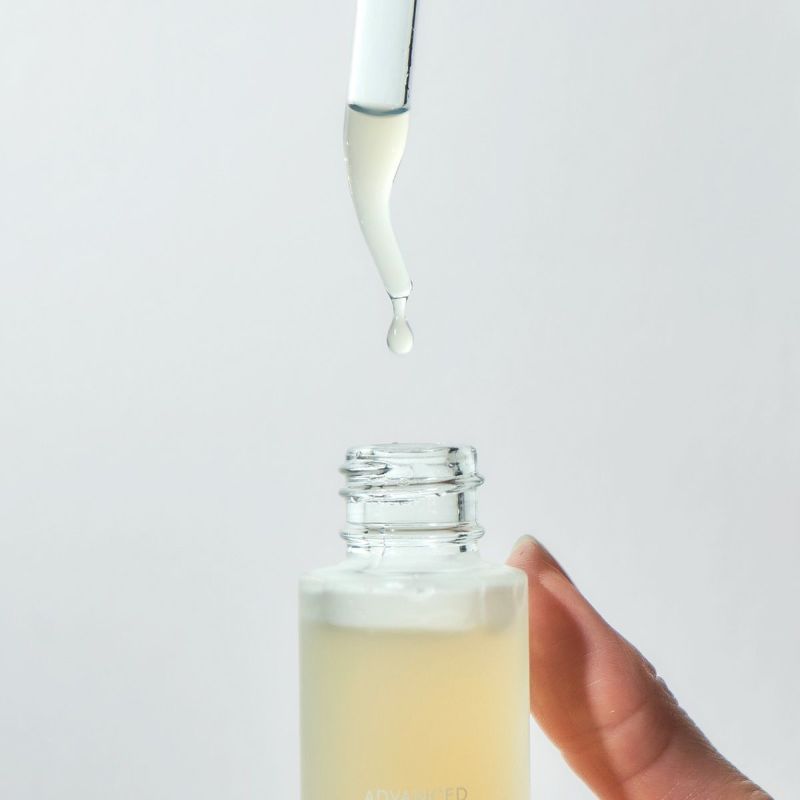
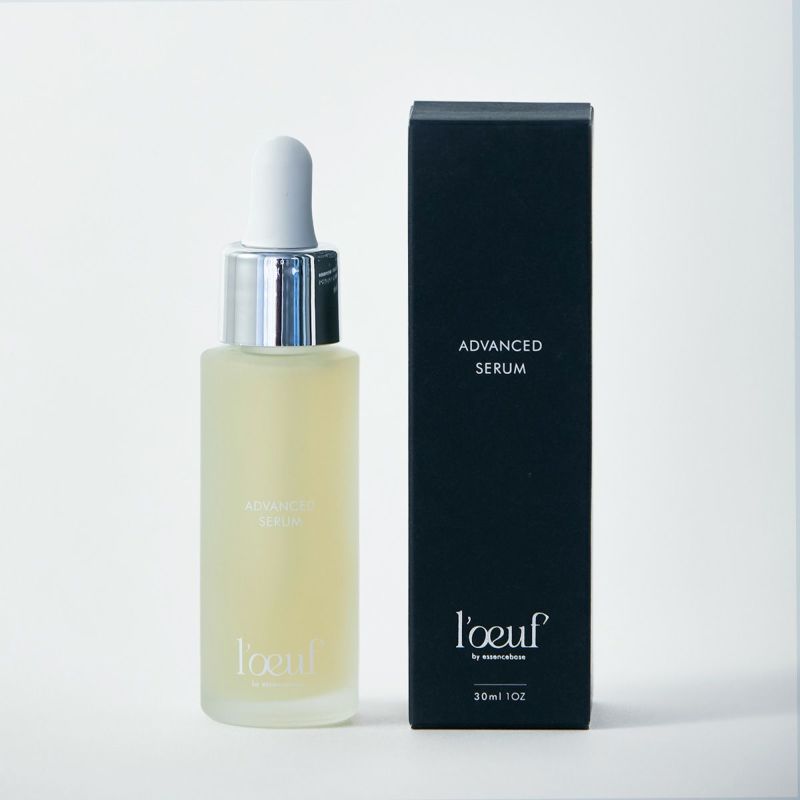
The L’Oeuf products, which include a serum and a moisturizing cream, use Cellament for its ability to promote skin repair. According to IntegriCulture, it “unleashes” the previously untapped power of eggs. IntegriCulture first launched Cellament last year in a skincare product from Japan-based Euglena.
L’Oeuf serum | Courtesy
IntegriCulture says it spent years researching cell-cultured serum applications in cosmetics. It says eggs offer a range of benefits to the skin. The tech allows for selective cultivation of egg cells—the amnion, yolk sac, and plasma membrane—”amplify” the potency of the nutritional elements in eggs.
The company says this proprietary ability makes its serum nutritionally superior to the same extraction from conventional chicken eggs, while also being more sustainable. According to IntegriCulture, Cellament can reduce the enzymatic activity that degrades skin elasticity by ten to 70 percent. It can also accelerate skin cell turnover, which increases smoothness and helps to prevent wrinkling.
Cellament is also linked to an increase in keratinocyte moisture retention—90 percent of the skin’s outermost layer is made of keratinocytes. IntegriCulture says the ingredient can also target free radicals that speed up signs of aging. The egg proteins also reduce the presence of damaging inflammatory cytokines that create redness. An eight-week trial saw the egg reduce sebaceous pore size and sebum secretion leading to a decrease in acne and blackhead formation.
Cell culture growth
“Cell-culture technology doesn’t just change how we source traditionally animal-derived ingredients, it also enables us to unlock nutritional and functional power that was previously inaccessible,” Hanyu said last year. “There’s never been a product like Cellament before, and certainly not one ready for scalable commercialization. This is a significant milestone for cellular agriculture and for the skincare industry.”
L’Oeuf serum | Courtesy
While cultivated meat focused brands like Upside Foods and Eat Just’s Good Meat say they’re also ready to scale, there’s currently no commercial approval outside of Singapore for cultivated meat. Eat Just earned approval there in 2020 and has been selling its cell-based chicken through select vendors since. Best estimates put U.S. approval at another 18-24 months out, though. For the E.U., it could be even longer.
The delays may be worth the wait, though. IntegriCulture says it thinks its CulNet platform can drop the cost of growth factor from current prices of upwards of $200,000 per kilogram of meat to under $3 by 2025, and under a dollar soon after that, which would make cell-based meat as accessible as conventional animal products.
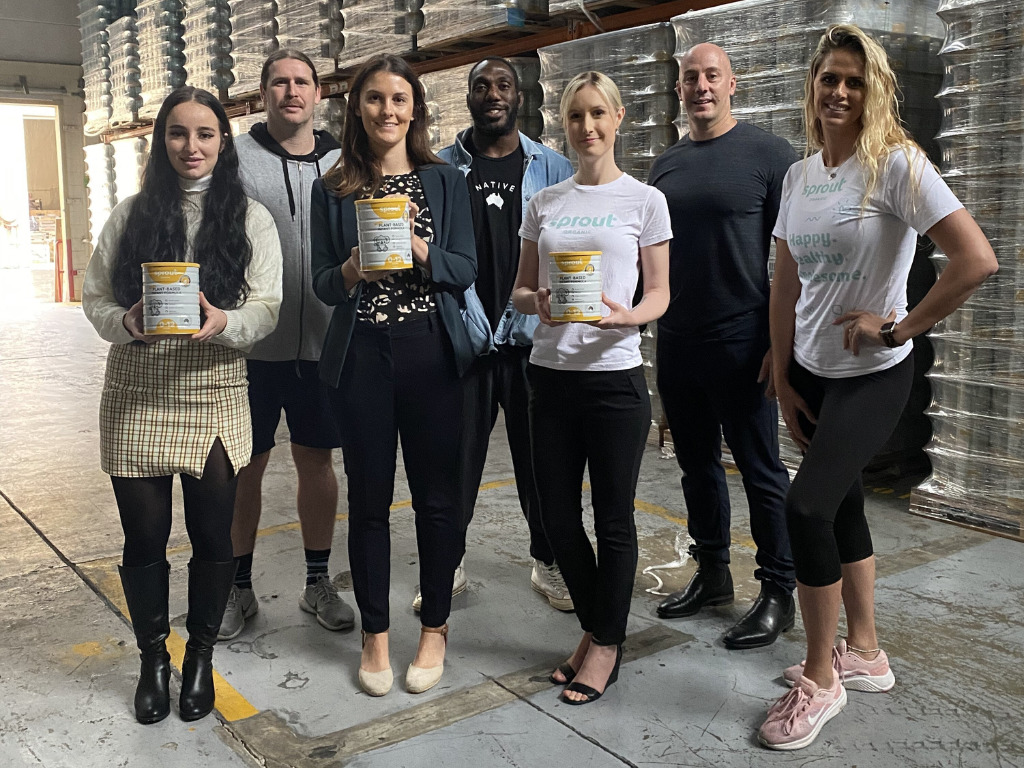
Australian infant nutrition startup Sprout Organic has partnered with the world’s largest e-commerce platform, Amazon to bring their plant-based baby formula to more parents. The move comes after online sales of formula have increased exponentially and following the global Covid-19 outbreak that saw grocery supplies in short supply. Now, as the U.S. battles a nationwide baby formula shortage, increased online choice is essential for parents.
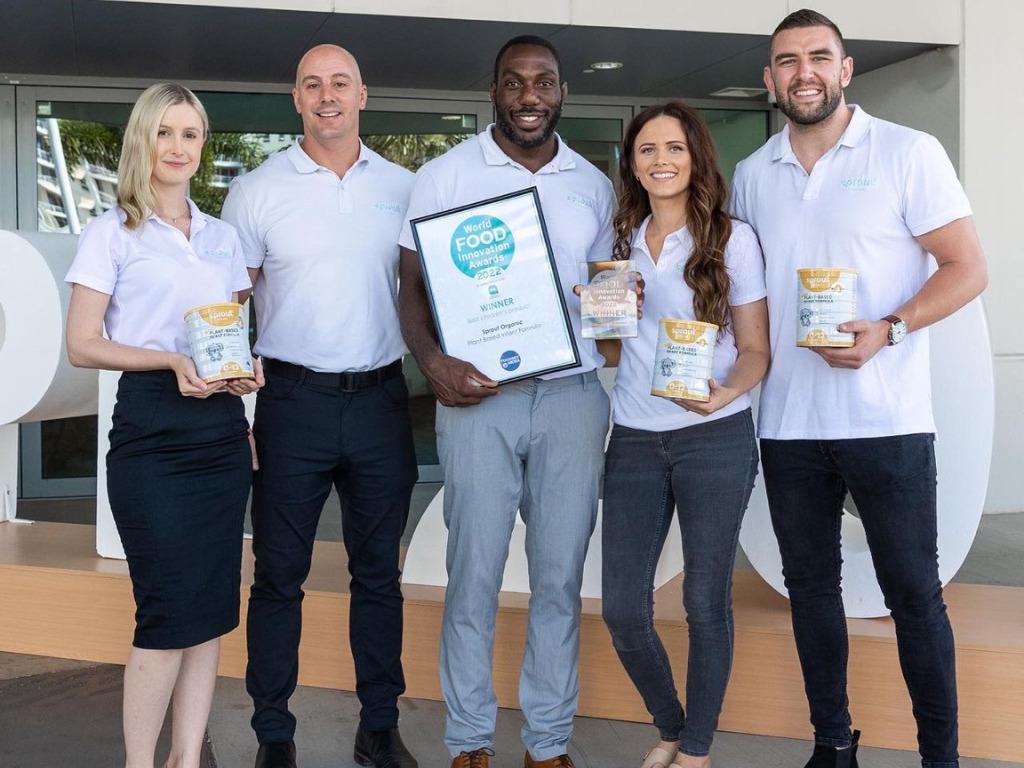
Sprout’s signature product is a vegan baby formula made from pea and rice protein. It was developed to offer an option to parents of children with dairy and soy allergies. Both are among the eight most common allergens in the world. The launch with Amazon comes shortly after Sprout’s unveiling in the Middle East, at the Saudi Food Expo. It also follows a recent victory at the World Food Innovation Awards, where it was named ‘Best Children’s Product’.
Making baby formula availability a priority
“If you told me five years ago that parents would be willing to purchase infant formula online, I wouldn’t have believed you,” Selasi Berdie, co-founder of Sprout Organic said in a statement. “Prior to launching Sprout Organic, all of our market research told us that baby formula was a pure grocery play, but the COVID-19 pandemic has accelerated e-commerce growth years into the future. This is an exciting move for us which will increase convenience and accessibility globally,” he added.
Addressing the U.S. baby formula shortage, Sprout has revealed that it is in talks with the FDA and Austrade to accelerate its entry into the U.S. market. Parents in the country have already purchased formula and noted that they have been happy to pay large shipping costs, to ensure their children have a steady supply of allergen-free formula.
Plant-based baby nutrition as a growing sector
The infant nutrition market has been predicted to grow by $17.66 billion from 2021 to 2026. A major driver is an increasing demand for vegan and organic options within the sector. Taste and nutrition giant Kerry has identified a trend for new plant-based formulations coming to market, in a bid to offer alternatives to soy. The uptick has been attributed to a combination of food allergy awareness and parental belief systems.
“We will see an increased migration of these products from the pharmacy channel onto general retail shelves,” Inaki Mielgo, vice president of business development for plant proteins at Kerry told NutritionInsight. “Additionally, innovative ingredients will be added to plant-based formulas to enhance the health benefits to the infant. We will also observe more consumer communication about the many positive nutritional factors of plant-based formulas.”
A fast rise to prominence for Sprout Organic
Early 2021 saw Sprout unveil its certified vegan baby formula, made from 100 percent organic ingredients. It would go on to debut at domestic trade shows in May of the same year, before entering retail channels the following July. The formula took five years to develop and resulted in impressive demand from parents.
Having sold out multiple times, Sprout is currently packaging its formula in pouches, to maintain supplies. It has assured consumers that the tins will be returning as soon as supply chain difficulties have been remedied. Amazon orders appear to be fulfilled with the latter.
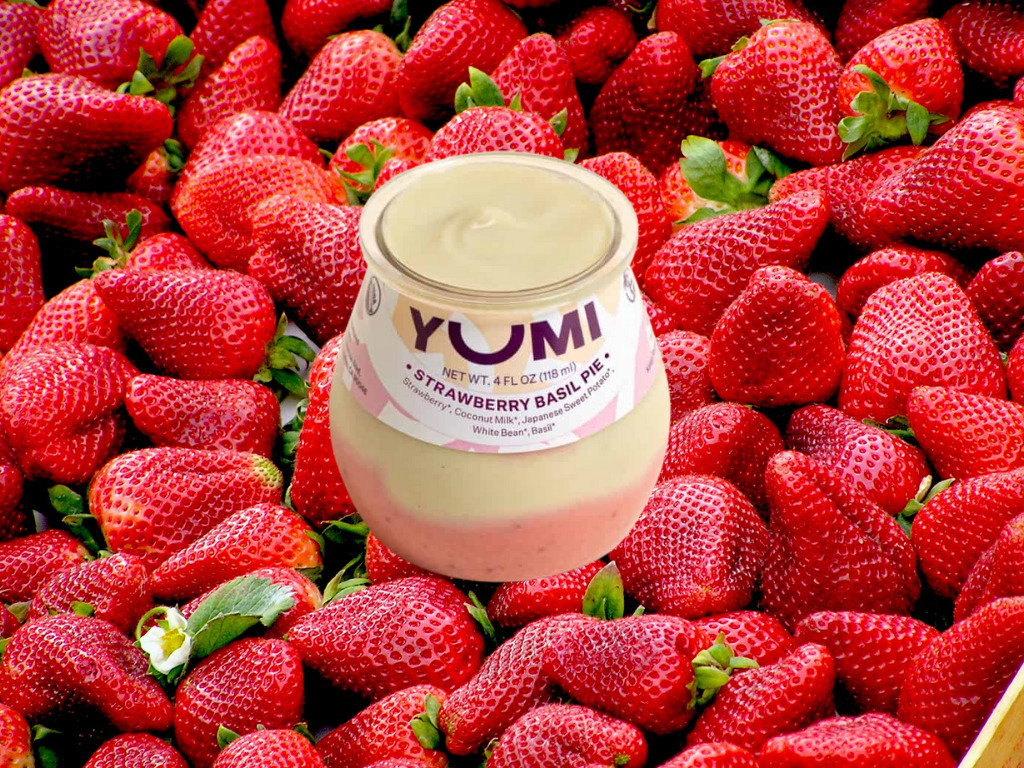
Image created using Yumi product imagery.
Raising baby vegans
Vegan baby food is no longer the niche segment that it once was. Startups, often founded by parents looking for products that didn’t exist, are seeking to offer access to nutritionally balanced and convenient foods that don’t compromise on family ethics. It’s not just plant-based families embracing more ‘natural’ whole food options for their children though. After it was revealed that toxic heavy metals are commonly found in baby food products, parents were advised to scrutinise their food purchases more closely.
Looking to disrupt the conventional baby food market, Los Angeles-based Yumi closed a $67 million Series B funding round at the end of 2021. The vegan brand, which counts Snoop Dogg as a fan, uses a subscription model to provide nutritionist-backed baby and toddler foods on a weekly basis. It is estimated that Yumi feeds an estimated three percent of all U.S. babies, with a view to increasing that number exponentially.
Fellow U.S. vegan brand Tiny Organics expanded its range earlier this year. The startup unveiled its Tiny Beginnings line, which includes finger foods for children as young as four months. Whole ingredients are used, with piquant flavourings, to take advantage of what the company has identified as a key developmental window led by inquisitiveness and openness.
Seafood is a fast-growing niche of the alternative protein sector. With that is a sub-niche of unbelievably realistic plant-based whole-cut products. Made using 100 percent vegan ingredients, these substitutes for fish and seafood claim to be healthier, more sustainable and a solution to the consequences of global overfishing.
The following startups are looking to remove conventional seafood from the food system. Each is developing proprietary technology to perfect the entire eating experience attributed to whole-cut fish in a bid to tempt people to embrace flexitarian or vegan lifestyles.
Most recent funding: $2.3 million grant from the Austrian Research Promotion Agency in May 2022.
Food focus: Vegan salmon.
Available: Early 2023.
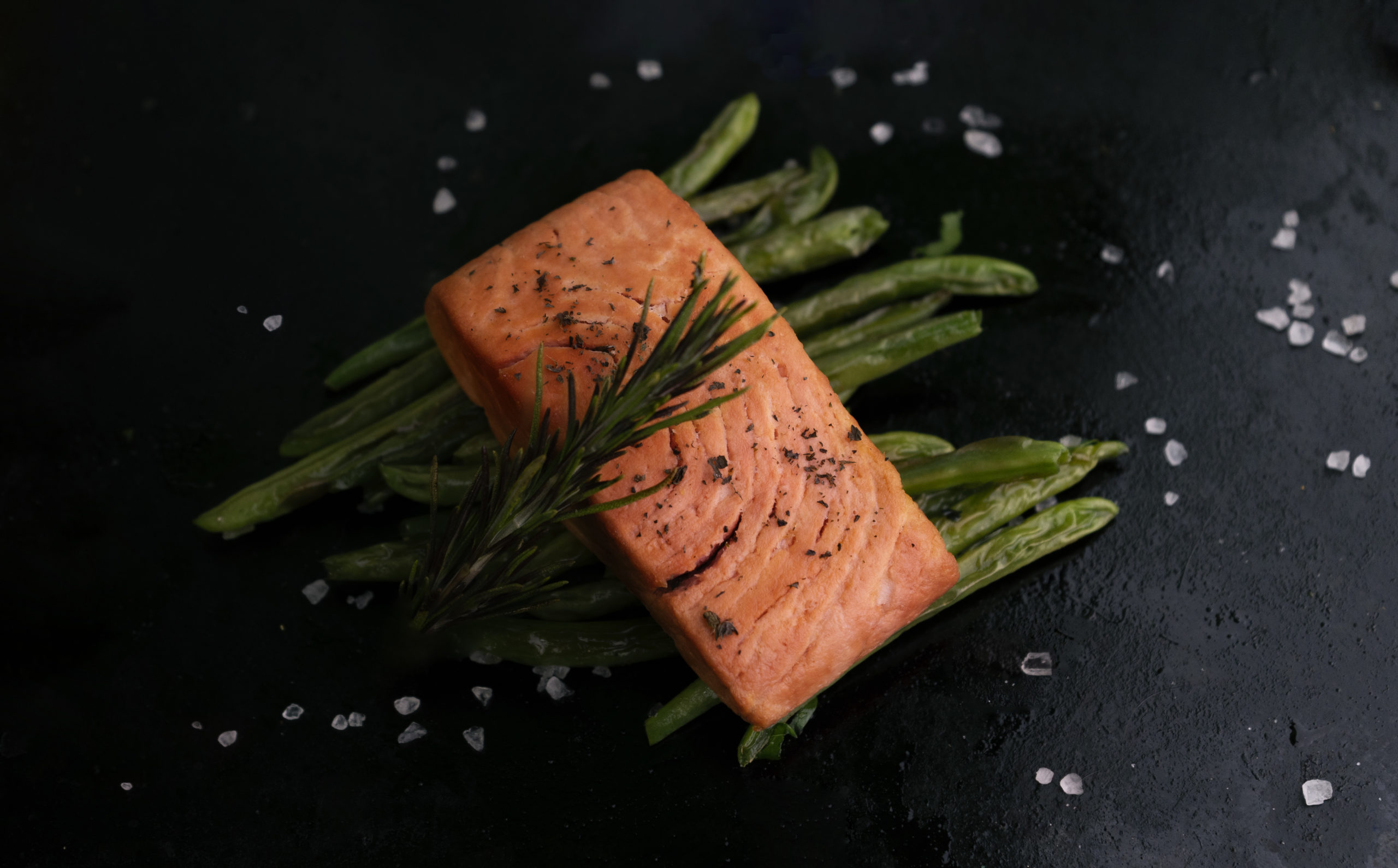
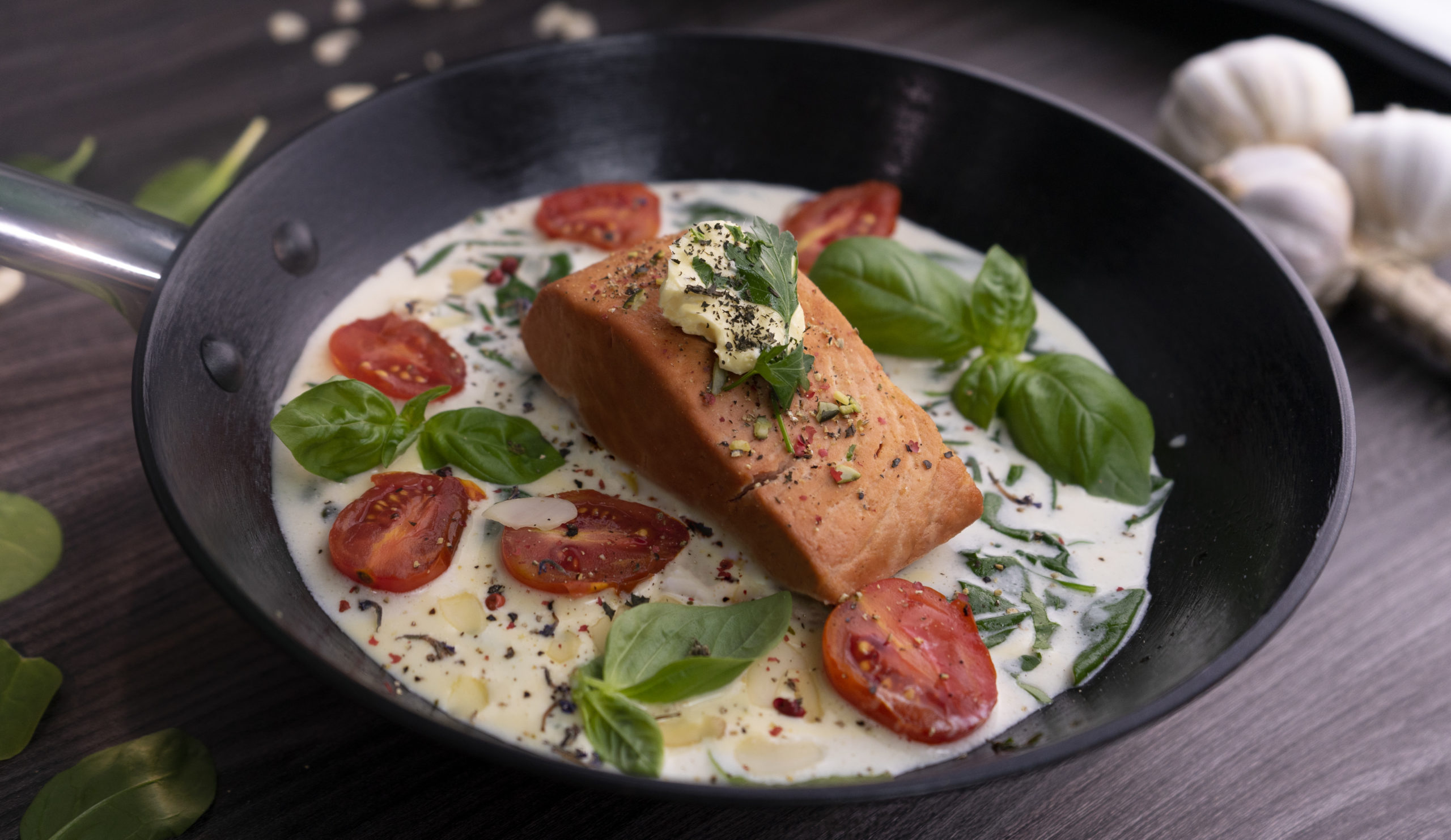
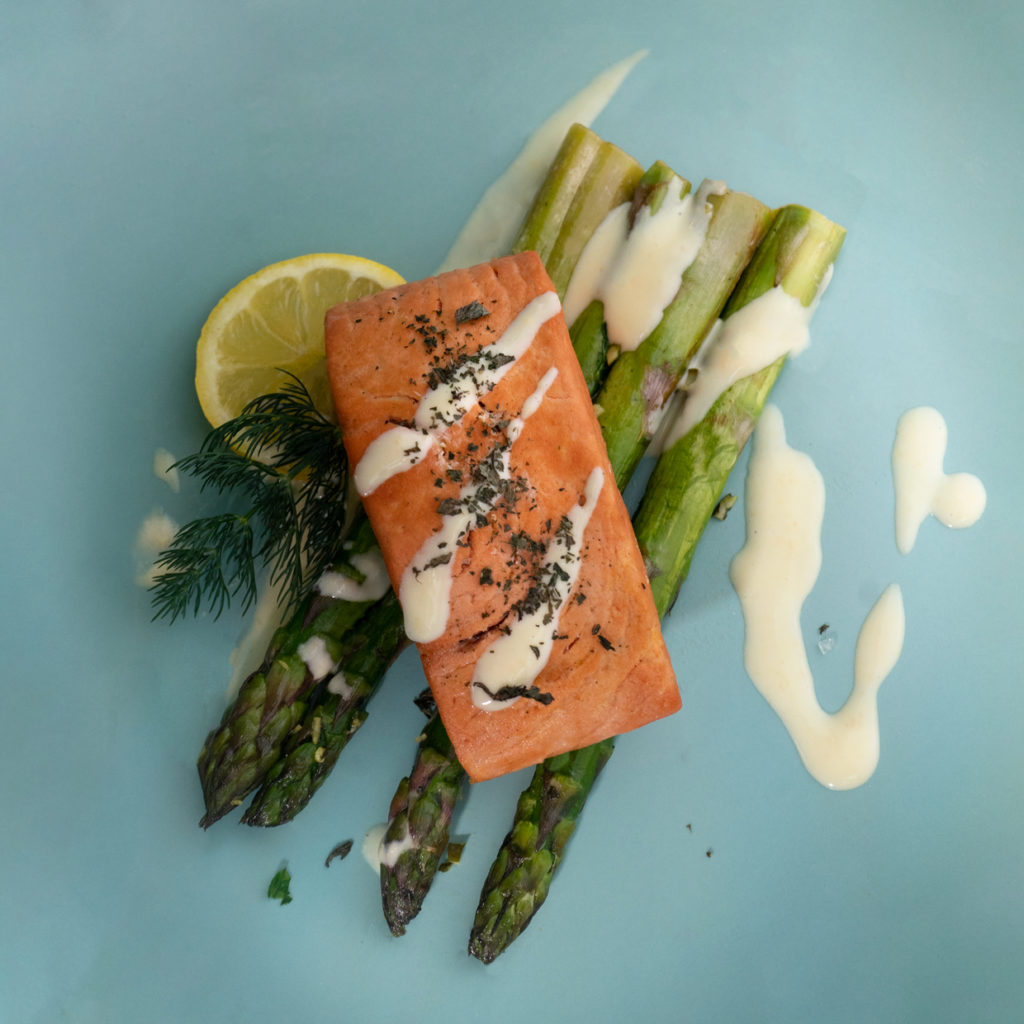
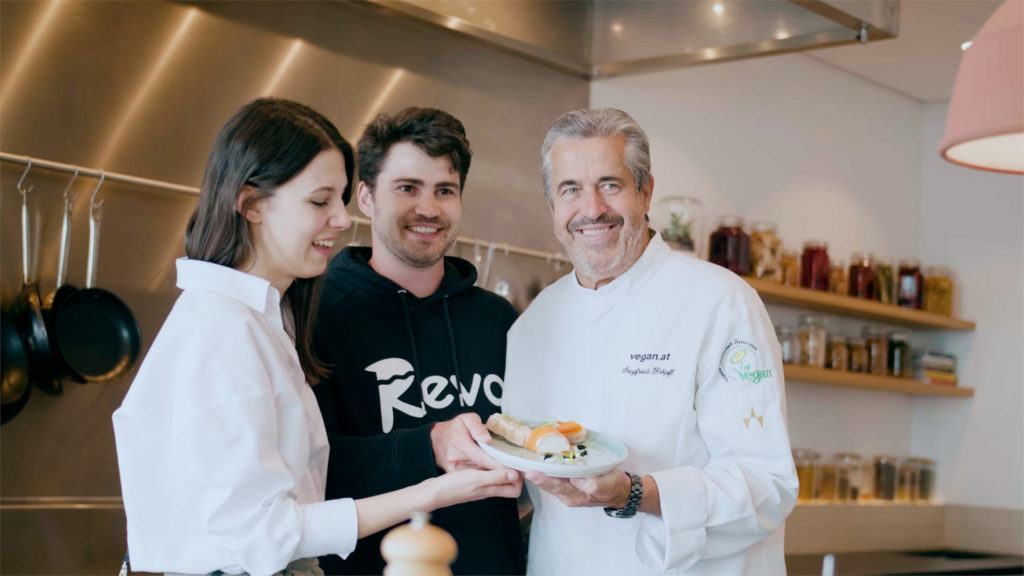
Revo Foods just debuted its ultrarealistic whole-cut salmon fillet. Using 3D printing technology, it has focussed on creating the perfect texture for its analogue. At a recent tasting, the startup reportedly had to confirm the vegan status of its fillet, with tasters finding it too realistic to be true. Revo uses pea and algae protein to capture the mouthfeel and taste of conventional salmon and already has vegan salmon products in the European market.
Most recent funding: £1.25 million seed funding in February 2021.
Food focus: Unbattered jackfruit fish fillets.
Available: Now, through Neat Burger. Future restaurant distribution is in progress.
Jack & Bry recently unveiled what it proclaims is the world’s first unbattered jackfruit fish fillet. Developed in partnership with The Cornish Seaweed company, the product is hailed as the closest plant-based alternative to real fish in terms of taste, appearance and flakiness. The company has sought to develop a fish analogue following success with jackfruit sausages, burgers and pepperoni.
Most recent funding: $12.45 million in a record-breaking seed round in March 2022.
Food focus: Hyperrealistic salmon fillets.
Available: By 2024.
Plantish gained fast recognition by sharing pictures of its vegan whole-cut salmon fillets in January this year, across its social channels. Creating buzz about the confusingly indistinguishable product, it was smooth sailing to a large seed funding round two months later. At the time, it was the world’s first ultrarealistic seafood analogue of its kind, boasting comparable nutrition to conventional salmon. The company uses 3D printing to craft legume and algae proteins into a whole-cut alternative suitable for vegans.
Most recent funding: $2.1 million oversubscribed pre-seed funding round in October 2021. Seed finding is currently in progress.
Food focus: Whole-muscle cut seafood including tuna, shrimp, calamari and scallops.
Available: By 2023.
Aqua Cultured Foods uses biomass fermentation to create realistic alternatives to less replicated seafood varieties. One of its most notable successes to date was the debut of mycoprotein calamari. Gaining approval from seasoned chef Johnny Carino, the product was described as tasting and behaving exactly like real calamari, down to the initial ‘crunch’. The vegan alternative has been slated to be Aqua’s first commercial launch with its seabass and shrimps expected to follow in due course.
Most recent funding: A £3 million raise is in progress.
Food focus: Whole-cut cod analogues.
Available: Unknown.
Sea & Believe has already enjoyed success with a range of seaweed-based burgers and goujons but it is entering the ultrarealistic sphere with its new prototype cod development. The whole-cut fillet has been created using native Irish seaweed that one of the founders used to treat chronic asthma. When fully realised, the cod analogue will contain 25 grams of protein per serving and flake like its conventional counterpart. The startup is currently fundraising to build-out its seaweed supply chain.
Israel’s Brevel has closed a successful seed funding round, scooping $8.4 million during the raise. Participating investors included FoodHack, Good Startup VC, Tet Ventures and Nevateam Ventures, amongst others. Grants were also awarded by the E.U.’s Horizon 2020 programme and Israel’s Innovation Authority. The cash injection will be used to construct a pilot production plant. The location will allow for a scaled build-out of proprietary technology and R&D capabilities.
Brevel is engaged in the development of sustainable plant-based protein. Its efforts are centred around non-GMO microalgae varieties grown cost-effectively and with minimal environmental impact. The startup claims to have developed a protein that is colour and taste-neutral and manufactured at a comparable price to leading alternatives soy and pea.
Photo by Brevel.
Breaking through the price barrier
As a protein source, microalgae is highly sustainable but there are barriers to commercial viability including high production costs and palatable taste. The startup claims to have solved these issues using proprietary technology that utilises sugar-based fermentation of microalgae with extreme light exposure. The result, according to Brevel, is a protein that is nutritionally beneficial and neutral in flavour, making it suitable as an additive to other food sources.
“For the first time, Brevel will be providing a truly sustainable solution which is not only tasty and blends perfectly into different food applications to increase their nutritional value, but is also at an affordable cost which puts it on the path for global-scale mainstream adoption.” Yonatan Golan, CEO and co-founder of Brevel said in a statement. “As early as Q4 2022, Brevel’s first commercial factory will provide a solution that the food industry has been waiting for, for too long”.
Photo by Nina Rumbines at Unsplash.
The science behind the claims
Brevel has developed a fully automated production system. The indoor manufacturing equipment is sterile and lit from within, to a high degree. This allows the microalgae being used to grow more efficiently at a cost reduction of more than 90 percent, compared to traditional algae-based systems.
The varieties of plants chosen by Brevel are able to synthesise useful nutrients and adopt added functionality only captured in the presence of certain light formats. Technology has been developed to exploit these exact illumination types.
With seed funding in place, Brevel is looking to enlarge its manufacturing capacity with a view to proving the viability of its microalgae development, at mass-production levels.
“Seeing Brevel’s achievements over the last few years, we are convinced that Brevel not only has great product-market fit, but that they have what it takes to become a market leader,” Arman Anaturk, CEO and co-founder of FoodHack said in a statement. “Brevel’s scalable solution has the potential to help millions of people around the world eat dairy-free products that have excellent nutritional values at the right price. Our decision to invest in Brevel is an easy one and we are pleased to support Yonatan and his team on the journey.”
Photo by NewFish.
Microalgae as the hot new alt-protein ingredient
Microalgae is being heralded as a serious contender in the increasingly competitive alt-protein space. Its applications are as diverse as the number of varieties grown in the world’s waterways and startups and huge conglomerates alike are seeking to benefit from its superfood status.
In 2021, Canadian startup Smallfood unveiled its new strain of microalgae that it claimed could create a “perfect protein”. Sustainable and able to be grown in seven days, using biomass fermentation, it was designed to be used in alternative meat products to add nutritional value. Last month, the company revealed it has produced a whole food ingredient that can improve the taste and nutrition of alternative seafood, again, using microalgae.
Global food giant Nestlé threw its hat into the algae ring by partnering with Netherlands -based Corbion. The two have announced plans to work together to create microalgae-based ingredients that can be added to plant-based food lines.
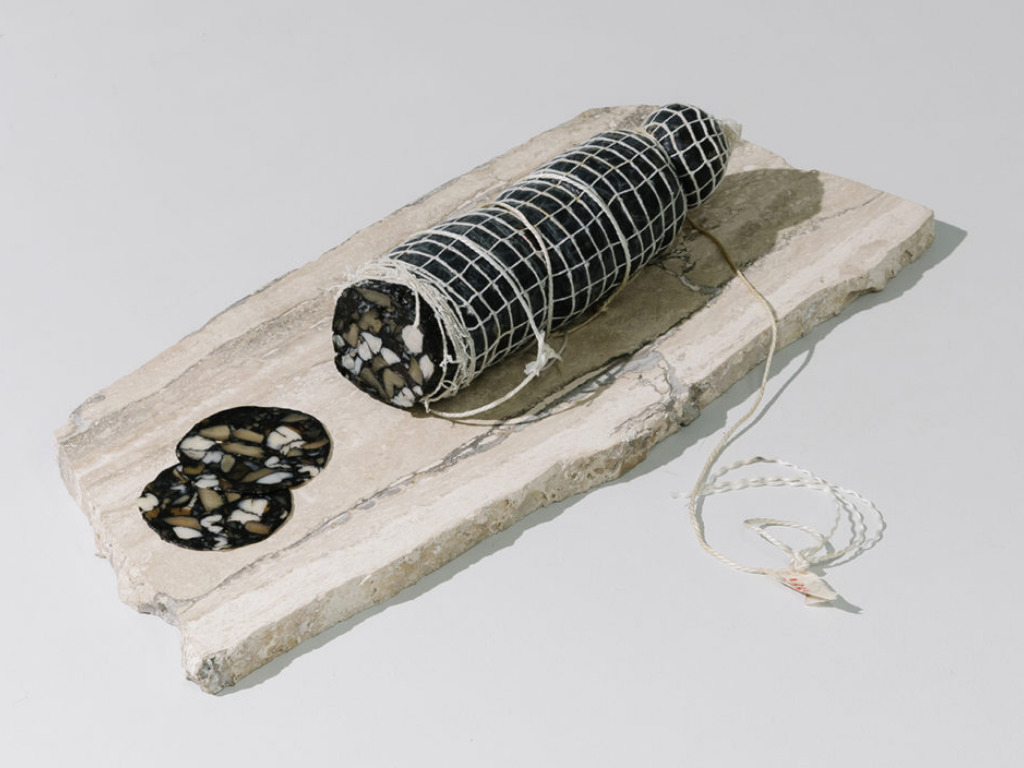
Most recently, New Zealand startup NewFish emerged from stealth with a mortadella analogue, made using microalgae. The company has just closed a pre-seed funding round, raising approximately $816,000 to accelerate the production and launch of its alternative hybrid seafood products.
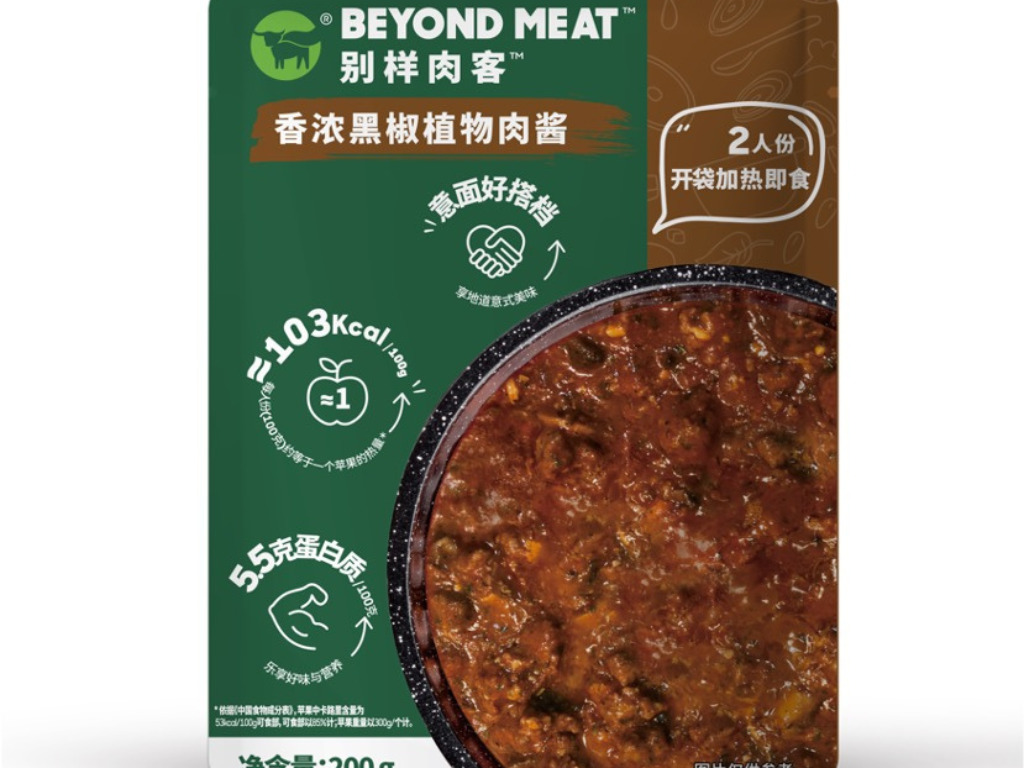
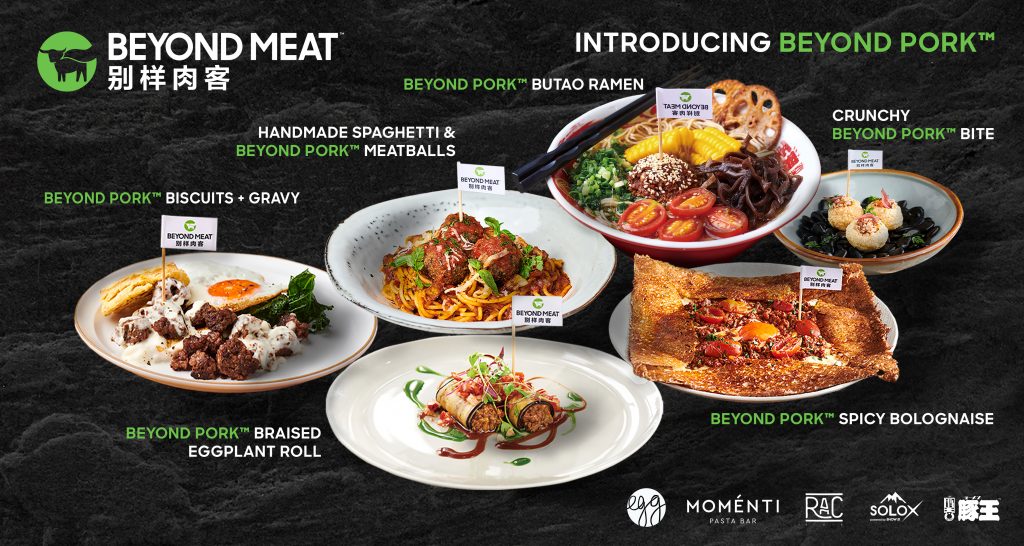
Beyond Meat has announced it has moved into a new-to-it product category. It has launched two Beyond Pork sauces, to gain traction in the meal prep sector. Classic Bolognese and Savory Black Pepper are confirmed and are now available through the company’s online Tmall store.
The sauces have been specifically developed for the Chinese market. Both contain Beyond Pork and have been designed to act as heat-and-serve food items. Each sauce is slated to be suitable for multiple applications while delivering a protein hit.
Image by Beyond Meat.
Classic flavours leading to lots of options
Beyond claims its bolognese sauce can be used in a variety of ways. In addition to pasta, it can be used in soups, pizzas and even seafood stews. It contains 4.8 grams of protein per 100-gram serving. Similarly, the black pepper option is listed as a gravy alternative that can be used in noodle, rice, or vegetable dishes.
Each has been developed to appeal to Chinese tastes while being versatile enough to be used in more than one dish.
“Launching Beyond Meat’s first-ever plant-based meat sauce product under our brand in China reflects our commitment to the market, where we have witnessed significant potential and opportunities in the plant-based protein category, as well as the rising trend of more local consumers incorporating plant-based food into their diet,” Jeremy Yeo, Beyond Meat’s acting general manager in China said in a statement. “The sauce launch will further diversify our portfolio and offerings in China, allowing us to meet consumers’ demand for tasty and convenient ready-to-eat mealtime solution.”
Image by Beyond Meat.
Beyond Meat’s determination to capture the Chinese market
In March, Beyond launched a store on the Chinese agricultural platform Pinduoduo with pork developed specifically for the Chinese market. The distribution partnership represented a step forward for both parties. For Beyond, a bigger footprint on the Chinese market was guaranteed through the partnership. For Pinduoduo, the addition of Beyond represented the first global plant-based brand coming on board.
Prior to working with Pinduoduo, Beyond was already looking to gain a meaningful foothold in Asia. It began with a Starbucks launch back in 2020 and the announcement of a domestic production plant the same year. The facility confirmed Beyond as the first non-local plant-based company to have a significant manufacturing presence in China.
Various distribution opportunities have followed through Alibaba Group and Metro supermarkets, followed by JD.com last year.
In an earnings call in February this year, Beyond’s CEO Ethan Brown alluded to increased investment into the Chinese market as a potential way out of the financial mire. Stakeholder dissatisfaction has followed a large share drop, alongside various legal woes that are ongoing
China’s relationship with plant-based food
Investing in China could prove to be the right move for Beyond, as the country begins to warm up to the alternative protein sector. In January, cultivated meats and future foods were included in China’s five-year agricultural plan, for the first time in history. Acknowledging that these are areas to be involved in, the plan opens up the possibility of a diversified protein industry, both domestic and internationally supplied. This was seemingly supported two months later, by President Xi positively referencing alternative protein in a speech.
It’s not just meat that stands to be supplemented in China, as dairy has just come under fire. Results from a multi-year study have recently been revealed that make connections between dairy and cancer rates within China. Findings included an increase in liver and breast cancer in consumers eating larger amounts of dairy. Participants were studied for an average of 11 years. Though China is not a traditional mass consumer of dairy, demand is on the rise, making the study significant.
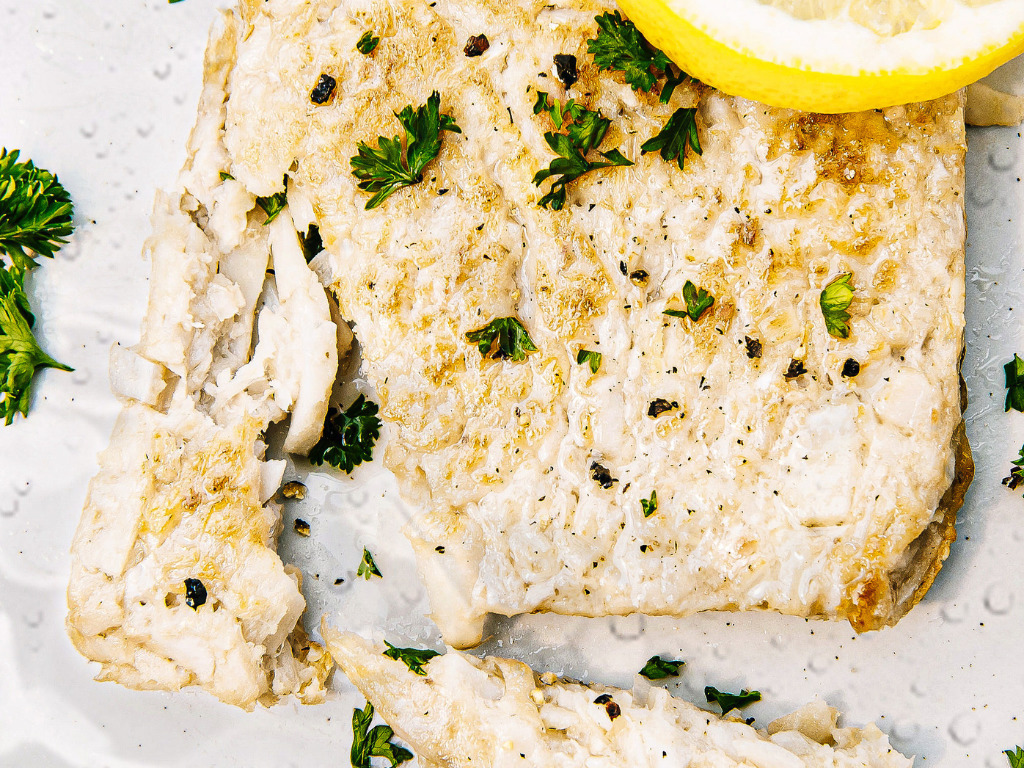
UK plant-based meat startup Jack & Bry has unveiled what they claim is the world’s first unbreaded jackfruit fish fillet, in partnership with The Cornish Seaweed Company. According to the company, all other comparable products use a coating to contain the jackfruit flakes. The development has been hailed as the closest thing to real fish without any animals being used in the process.
Jack & Bry used its proprietary jackfruit flavouring and texture optimisation platform to create a realistic fish fillet. The Cornish Seaweed Company provided the final piece of the flavour puzzle with its award-winning seaweed. The final product is slated as a realistic alternative to fish fillets in terms of seafood taste, flaky composition and appearance.
Photo by Jack & Bry.
Rolling out into UK-wide restaurants
Positive reviews of the fish analogue have included comparisons to haddock and rock in terms of realistic flakiness, but consumers can now make their own assessment. Both Lewis Hamilton’s Neat Burger chain and the Harbour Lights restaurant in Cornwall have signed on to use the jackfruit fish fillets. Early trials at both eateries have proven successful and paved the way for more restaurants to work with the product. Talks are in progress with potential U.K. distributors now.
“We’ve changed the minds of climate-conscious pizza eaters and burger lovers with our jackfruit pepperoni and gourmet jackfruit burgers; we now want to focus our efforts even further, beyond land and into the ocean with our world’s first jackfruit fish fillet,” Bryony Tinn-Disbury, founder and CEO of Jack & Bry said in a statement.
Fish is the latest meat to be replaced with jackfruit
The startup has been consistently looking for opportunities to remove animal meat from the food system. To date it has created mince, burgers, sausages, pepperoni and more, using jackfruit as the central ingredient. Last February, a £1.25 million seed funding round was successfully completed, to support future innovations, such as the new fish fillet.
At the time of the raise, Jack & Bry had a confirmed presence in all 450 U.K. and the Netherlands Papa John’s locations. Alongside, approximately 300 Sainsbury’s stocked items and the Vegan Kind was due to debut the range. Today, the startup can count Zizzi, Prezzo, Pizza Express and Ocado as food service partners. In 2021, it sold more than 50 million jackfruit pepperoni slices.
Photo by Jack & Bry.
Jackfruit as a sustainable meat alternative
Jack & Bry is not alone in identifying the commercial potential of jackfruit. In terms of environmental impact, growing the fruit presents little in the way of problematic consequences. Trees do not require irrigation, nor any pesticides or fertilisers. As a crop, jackfruit can be grown with others, to create a regenerative eco-system, much like squash and legumes. It is considered environmentally superior to other popular meat alternative crops, such as soy.
Jackfruit is versatile. When young and unripe, the flesh takes on a tropical flavour, but when fully developed, is neutral enough to act as a blank canvas for seasoning, while maintaining its shredded texture. In the early days of vegan meat substitutes, it was commonly used in place of pulled pork but now, it is processed to recreate multiple meat products.
In March, Singaporean jackfruit startup Karana announced it was moving into the U.S.market. It follows successful product adoption throughout Singapore and Hong Kong. Three San Francisco restaurants confirmed they were adding the whole food plant-based meat alternative to their menus.
Taking a different tack, Malaysian startup Nanka unveiled its hybrid jackfruit and meat burger patties last year. Alongside its hybrid developments is a 100 percent vegan patty, that the company claims meat eaters will be more likely to try after sampling a blended version.
Austrian foodtech startup Revo Foods has secured a €2.2 million grant from the Austrian Research Promotion Agency. The equity-free award was granted to help Revo continue its 3D printed seafood developments. It comes as the company unveiled its first whole-cut analogue during a public tasting event held in Vienna last month.
Revo’s plant-based salmon fillet was prepared for a panel of 10 tasters by a Michelin-starred chef. Feedback has been described as overwhelmingly positive, with some tasters questioning the vegan status of the dish. The texture was particularly lauded. Current commercial plans have early 2023 earmarked as a lunch date for the fillets.
Revo Foods banking on whole cuts
Revo already has plant-based seafood analogues in the market. Its smoked salmon products are available in 16 European countries, including the U.K., where it launched last month. The smoked developments were created specifically to appeal to those who enjoy the taste of salmon, but not the downsides, including heavy metals ingestion. Now, the startup is hoping to appeal to more meat-eaters and pescatarians than ever before, with a whole salmon fillet.
The plant-based fillet has been created using a blend of plant proteins, including pea and algae. It will be suitable for cooking in the same ways as conventional fish, including steaming, frying, and baking. Using its 3D technology, Revo has sought to recreate the flaky texture and meaty composition of salmon.
“It’s all about structure and creating the perfect bite,” Robin Simsa, CEO of Revo Foods said in a statement.
The startup notes that first-generation plant-based products often fall short when it comes to texture. The next phase of innovations is seeking to faithfully recreate the entire eating experience, down to nutritional benefits. Revo’s fillet is marketed as being high in protein and omega-3 fatty acids.
Meeting market demand
Revo aims to be a go-to for the growing European flexitarian market. With more than 20 percent of the population identifying as flexitarian, demand for new products is all but guaranteed. To move more people towards a meat-free or meat-reduced lifestyle, authentic alternatives to favourite dishes will be essential.
Perceived as a healthy source of protein, Salmon is popular with meat-eaters that want to substitute environmentally heavy alternatives, such as beef. However, an increase in conventional seafood consumption is having a devastating effect on marine ecosystems and putting diners at risk of consuming toxins. Fish meat commonly contains heavy metals, microplastics and antibiotics, leaving a gap open for alternative protein companies to develop plant-based seafood options.
The ebb and flow of vegan seafood alternatives
Plant-based seafood is taking off, with large companies and small startups all looking to get a piece of the action. Earlier this month, Birds Eye announced that it had added a vegan version of its bestselling battered fish fillets to its Green Cuisine range. It comes after a successful launch of fishless fingers in 2021.
In the realistic fillet arena, competition is hotting up. Israel’s Plantish unveiled its hyper-realistic salmon analogue at the start of the year, before going on to scoop $12.45 million to scale and bring it to market. The startup chose to focus on whole-cuts as it has identified that more than 70 percent of all fish eaten globally is consumed in this format. It uses patent-pending technology to create the fillets in layers, with muscle, fat and connective tissue alternatives developed to replicate the mouthfeel of conventional salmon.
Chilean unicorn foodtech NotCo has made its intentions to replicate salmon known. It comes as overfishing in the country has caused enormous environmental damage. Tuna is slated to be developed at the same time, with both anticipated to be released as whole-cut products.
Starbucks India has announced it is partnering with domestic alt-protein producer Imagine Meats on a range of vegan menu items to be served at the coffee chain’s stores. Already confirmed are sausage croissant rolls, hummus kebab wraps and croissant buns. Stores across 10 locations will receive the plant-based options, including Delhi, Mumbai, Bangalore, Jaipur and Goa, amongst others.
The coffee chain, a 50:50 joint venture between Tata Consumer Products and Starbucks, operates 270 stores across India. It is one of the latest to embrace the burgeoning appetite for vegan food within India. Imagine Meats brings a built-in celebrity following with it- the brand was founded and is backed by Bollywood husband and wife duo Ritesh and Genelia Deshmukh.
Photo by Imagine Meats.
Catering to a growing demographic of vegans
Tata Starbucks cites the increasing demand for vegan products as the driving motivation behind its new partnership. CEO Sushant Dash has acquiesced that although still in the nascent stage, the market for plant-based alternatives is predicted to reach between ₹200-300 crore. Seeking to get in on the ground floor, the company aims to cater to the experimental palates of consumers seeking to try veganism.
“It is about giving consumers the choice and about catering to the segment which is growing,” Dash has previously commented.
Hyderabad, Kolkata, Noida, Gurugram and Pune join the likes of Mumbai and Delhi in getting the new menu items.
Photo by Hamza Inayat at Unsplash.
Imagine Meats as the right strategic partner
Domestic alt-protein developer Imagine Meats was originally launched to coincide with the Ganesh Chaturthi festival last year. The celebrity-founded startup was founded to create a diverse selection of vegan meats and ready meals to cater specifically to Indian tastes. As such, keemas and kebabs have been developed alongside more standard offerings such as nuggets and burger patties. Imagine Meats use pea protein as the base ingredient. The founders have previously noted that this is key to satiating meat cravings.
Last September, the startup revealed it was keen to forge partnerships with other companies. The announcement of a working relationship with Tata Starbucks indicates growth plans are being realised. The partnership has been a year in the making.
“That Tata Starbucks is following Starbucks internationally in a show of trust towards a fledgling category and enabling consumer choice for smart protein is hugely important, and will no doubt drive further investment from other Indian business houses,” Varun Deshpande, managing director of the Good Food Institute India said in a LinkedIn post.
Starbucks’ chequered history with vegan consumers
On the face of it, Starbucks has been proactive in embracing vegan consumers, at least with its food options. Last year saw the global coffee chain unveil new plant-based menu items in the Middle East and well as Indonesia. Hong Kong has enjoyed plant-based food options since 2020, when it partnered with Impossible Foods. Since then, the coffee giant has partnered with local leaders OmniFoods on new items.
More recently, the chain’s unwillingness to unilaterally drop its plant milk surcharge has led to celebrity pleas and in-store protests. In April, Sir Paul McCartney made a personal request of the then-outgoing Starbucks CEO Kevin Johnson. In a direct letter, McCartney revealed his shock and disappointment that the surcharge was still in existence, especially given that U.K. and Indian locations had taken the decision to cull it. The request was not fulfilled.
Image by Starbucks.
In May, actor James Cromwell staged a ‘glued-in’ protest at a New York Starbucks location. The vegan activist, noted for turning fully plant-based during the filming of Babe, led the charge to end the plant-milk surcharge by supergluing his hands to the serving counter in a central location. The protest was coordinated by PETA, of which Cromwell is the honorary director.
“My friends at PETA and I are calling on Starbucks to stop punishing kind and environmentally conscious customers for choosing plant milks,” Cromwell said at the time, in a press release from PETA. “We all have a stake in the life-and-death matter of the climate catastrophe, and Starbucks should do its part by ending its vegan upcharge.”
To date, no plans to drop the surcharge have been announced by Starbucks globally.
We need to rethink our food system and secure a better future. Here’s why.
The first shock came just a couple of months ago with disruption of sunflower oil supply. The world’s largest supplier, Ukraine, was cut off due to armed conflict. Suddenly, food companies worldwide were faced with a supply crunch in a widely-used ingredient and being forced to find supplies of alternate oil and re-work their formulations. Packaged food brands bemoan ingredient swaps because they are costly and extremely hard to implement on such short notice. Formula and packaging changes normally take months to flow through the production system, potentially contributing to inventory shortages and business risk.
Sanctions on Russian oil and gas sent energy prices soaring, resulting in higher fuel costs and food prices across every single category in the US, compounding existing inflationary pressures. In developed markets, consumers got hit by price increases, while in developing world the threat of famine is looming large, as food security experts predict that the world has about 10 weeks of wheat supplies left.
As the conflict in Ukraine has shown, our food system is highly dependent on globally integrated supply chains, which can lead to a domino effect of interruption. Shortages of Ukraine-supplied staples are amplified by sanctions that also disrupt sources of wheat, barley, other food commodities and fertilizer from Russia. A conflict in one area of the globe, rapidly rips through the food ecosystem, resulting in shortages, price hikes and supply disconnects beyond its point of origin.
Protectionism and Food Security Concerns on the Rise
Reacting to looming food commodity shortages, several nations instituted restrictions or bans on key exports, looking to shore up domestic supply. Indonesia announced a ban on palm oil exports. India halted wheat, and Malaysia banned poultry exports. Continued shocks are sending commodity prices skyward, creating a looming crisis not only over this year’s crops, but also threatening the following season.
Given the high concentration of supply of key food commodities among a few sources – e.g. Indonesia supplies 60% of global palm-oil – even the smallest interruption sends global food supply chain into chaos, as most players have structured supply chains in a way that keeps suppliers concentrated, inventories low, and continuous operations dependent on timely deliveries via global routes that go through precarious bottlenecks, which are subject to geopolitical risks.
Disease, Contamination and Pandemic Risk Threaten Tightly Knit Systems
Supply chain challenges seem to be rising at once everywhere. Costco, well-known for their epiphanous rotisserie chicken, battled a major shortage due to the sudden onslaught of rapidly spreading avian bird flu this April. The disease quickly wiped out 15 million chickens.
In a recent Forbes article reporting on the bird flu outbreak, “The way Costco and other factory farms raise chickens—in overcrowded and stressed-out environments—makes it easier for bird flu to spread.”
The United Nations reports that four of seven risk factors for pandemic outbreaks are directly linked to the meat industry and rising meat consumption. According to the Center for Disease Control and Prevention, three out of four emerging diseases are animal-born and could transfer to people.
Pandemic related turmoil that unfolded in meat packing plants last year was exasperated by over-crowded working conditions and subjected employees to undue viral exposure. Inevitable plant shutdowns ensued. The pandemic has also wreaked havoc on trucking, ocean shipping and other infrastructure that moves food from abroad to domestic manufacturers and retailers.
The most recent formula shortage crisis in the US, showed just how concentrated and vulnerable our most critical food supply is, when a single plant going offline due to bacterial contamination snowballed into a 40% drop in baby formula supply, leaving babies hungry and parents scrambling to buy the last few cans from price-gougers online.
The Outsized Threat of Climate Risk
Perhaps the largest potential disruptor of all is climate change. Already droughts and storms are lowering crop yields, reducing some cattle herds and setting up entire regions to battle the depletion of fertile soils.
The growing absence of biodiversity demonstrates how vulnerable the entire food system has become to climate impact. Smithsonian Magazine reports more than 75% of the world’s entire food supply draws on just 12 “mono crops” and five animal species.
California’s almond industry, which provides 80% of the world’s almonds, is in peril due to a 1,200-year mega drought. Continued water shortages in Western US are likely to force the conversation around agricultural water use, especially around the most water-intensive commodities such as meat and dairy, mandating that choices be made to ration the now scarce fresh water supply.
The UN confirms that food commodity risks are accelerating from climate change. This helps set in motion future conditions that presage famine, malnutrition and intensified disparity between north and south regions of the earth – a situation that could spur further global conflict (climate wars), mass migration and economic instability.
Rethinking Where Food Comes From
The new climate and geopolitical reality, coupled with increasing demand from the growing global population, mandate a rethinking of our global food system.
We must decentralize, decouple and diversify our food commodities. We must rethink our agricultural practices, focusing on regenerative models. We must consider environmental impacts of our farming methods and dominant commodity choices. We must move down the food chain in our eating habits, which means more whole fruits, veggies and legumes and fewer animal products. We must also incorporate new food technologies from vertical farming to cellular agriculture, which promise to deliver nutrition at a fraction of the environmental footprint.
Precision fermentation technology is an iconic example of what the next generation of food may look like: nutritious, protein-rich foods, crafted without dependence resource intensive animal agriculture.
Imagine our beloved dairy foods like cheese that are no longer connected to raising, feeding and managing cows for consumption. Precision fermentation replaces the macro-sized cow with micro-sized microbes, programmed to produce dairy proteins. The dairy farm of the future could look a lot like a brewery, where fermentation tanks replace thousands of cows, taking up significantly less land, water and feedstock to produce ingredients like dairy proteins.
Because these production facilities can be constructed anywhere, a more regionalized food supply could open up new economic opportunities in areas where increased animal agriculture is not tenable due to shortages of land or water and offer food independence for nations globally.
New food technologies may help usher in a new food future less dependent on a handful of suppliers and commodities and less vulnerable to uncontrollable conditions such as disease, war, extreme weather and other disruptions that are all but certain to continue.
Irina Gerry is the Chief Marketing Officer at Change Foods, a US-Australian food tech company creating animal-free dairy foods by leveraging precision fermentation technology.
Singaporean food tech startup Dynamic Foodco intends to help secure domestic food security and it says it can start doing so by the end of 2022 when it plans to launch its Dynameat brand, with a focus on plant-based chicken initially. The debut will be supported by a recent seed funding round. The amount raised remains undisclosed but is earmarked for team build-out, improved R&D capabilities, and construction of a commercial production facility.
The startup cites Asian hesitancy towards plant-based meat as a motivating factor when developing its Dynameat brand. As a result, products have been created with Asian taste preferences in mind, as opposed to catering to conventional Western proclivities. Eastern palates and cost-efficiency have been central to the meat alternatives that are now close to launching.
Photo by Dynameat.
A solution to Singapore’s food security concerns?
Dynameat is being suggested as a meaningful contributor to Singapore’s 30 by 30 initiative. The project seeks to ensure that at least 30 percent of all food is domestically made, by 2030, to lessen reliance on unreliable imports. This issue has become more pertinent in light of a Malaysian chicken export ban that has seen Singaporean diners worry about their poultry supplies.
Malaysia currently provides one-third of Singapore’s poultry imports. The country is set to block the exporting of more than 3.6 million chickens a month, to stabilise domestic supply and stem inflation. Singapore is expected to experience shortages and price hikes. Dynameat is being portrayed as a future solution to such issues, by maintaining domestic production of realistic chicken analogues.
“With Dynameat, we want to offer a plant-based meat alternative that is delicious, nutritious, affordable, scalable and less susceptible to supply chain shocks like the recent Malaysian chicken export ban,” Dr. Andy Kusumo, founder and CEO of
Dynamic Foodco said in a statement. “Dynamic Foodco will be leveraging technology to address not only the short-term chicken shortage but also Singapore’s long-term food security needs.”
Photo by Egor Myznik at Unsplash.
Developed by meat lovers for meat lovers
Kusumo considers himself an enjoyer of conventional meat but notes that current consumption and production levels are unsustainable. In a statement seen by Green Queen, he acknowledges that Asian consumption of meat and seafood is expected to increase by 78 percent by 2050.
“We need to address it now with the next-generation of plant-based meat alternatives that cater to tastebuds first,” he said.
Dynameat has been developed with Singapore’s chicken-rice aficionados in mind, though nothing has been confirmed as to the composition of the plant-based meat. The startup references its TnT (taste and texture) technology being able to convert “ordinary plant ingredients” into sustainable food solutions but does not divulge more. A move into mycoprotein is a reasonable prediction, however. Kusumo was previously the first scientist and R&D head for Quorn, Asia. Future interests in fermentation have been cited by Dynamic Foodco, laying the groundwork for potential fungi-based developments.
Photo by Green Rebel.
Seeing Singapore through a chicken shortage
Dynameat will not be alone in its mission to fill the dietary gap left by poultry shortages in Singapore. In April, Hoshay Food announced it had released a range of plant-based meals designed to cater to regional tastes. Amongst the dishes is a crispy fried chicken dish. The entire range is claimed to be sustainable and healthier than its conventional meat counterparts.
In March, Indonesia’s Green Rebel revealed it has officially moved into the Singapore market with its beef, pork and chicken alternatives. The brand, known for defining itself as being made by Asians, for Asians, has partnered with multiple restaurants across the country, each using the products in local favourite dishes. Chicken satay and beef rendang are amongst the items confirmed.
The Mycorena Innovation and Development centre has recently undergone an expansion. The enlarged facility, located in Gothenburg, now takes the title of Europe’s largest operational mycoprotein production factory. Recent construction saw Mycorena’s office headquarters, fermentation facilities, development kitchen and pilot production line all brought together under one roof.
Not just the largest, MIND is considered one of the most diverse fermentation locations in Europe. The startup is equipped with multiple custom-designed pieces of equipment spanning desktop to demonstration scale and all capable of manufacturing food-grade mycoprotein. Automation systems have contributed to the facility being regarded as unique within its sector.
Mycorena’s Promyc.
Funding Mycorena’s manufacturing scale-up
In March, Swedish startup Mycorena closed a €24 million Series A funding round. It represented the largest investment into the Nordic alternative protein sector and allowed the startup to fulfil its expansion plans. In addition to increasing the footprint of its existing location, Mycorena revealed that it hopes to build an entirely unique production plant, focussed entirely on its proprietary Promyc protein. MIND has fulfilled its purpose of proving the commercial viability of Promyc, manufacturing suitable demo amounts. Now, full scale-up is needed, with a production plant slated for construction less than one hour away from MIND.
Current production facilities, housed within MIND, include newly enlarged fermentation capacity and custom downstream processes. Manufacturing activities have been analysed and deemed suitable for food-grade production, with the resulting ingredients all vegan, allergen-free and kosher certified.
The future of animal-free protein
MIND has been designed to facilitate the development of future-friendly vegan protein, using fungi as the base. Within the plant, four labs have been created to focus on specific parts of the fermentation process. The more unique element, however, is the inclusion of a pilot production line capable of making finished mycoprotein products suitable for consumers. This has been dubbed Mycorena’s “fermenter to fork” approach, highlighting the comparison to ‘farm to fork’ meat production. The pilot line is slated to have an annual capacity of thousands of tonnes of minced food items.
Sustainability and accessibility have remained driving motivation since the startup’s inception. As a result, it has developed its signature Promyc to be grown using food industry byproducts. When the new plant is built and operational, there will be scope to divert vast amounts of industrial food waste away from conventional garbage.
Mycelium for a more sustainable food system
Mycorena is one of the numerous startups looking to leverage the potential and regenerative nature of mycelium, for new food sources. Most recently, Hyfé Foods, a startup from Chicago, bagged $2 million in pre-seed funding to continue its work into mycelium flour. The female-founded and led company was simultaneously awarded a Department of Energy grant.
Like Mycorena, Hyfé utilises a waste product as its chief feedstock, in this case, waste sugar water. It supports mycelium fermentation, which is processed into a protein-rich flour that can be added to a variety of foods. It is cited as tasting and functioning just like wheat flour but with no allergen risk and improved nutrition. It is a certified carbon neutral product, which can be developed anywhere in the world, with access to Hyfé’s technology.
In May, Berlin-based Bosque Foods confirmed it has raised $3 million to transform mycelium into meaty whole cuts. First on its list are chicken and pork fillets that will replicate the taste, texture and nutrition of conventional meat products. Discussing the raise, Bosque’s lead investor, FoodLabs, stated that investors are looking at the fermentation arm of alternative protein as having the potential to replace standard plant-based meat.
La Fauxmagerie, Britain’s first vegan cheesemonger has announced it has developed a range for supermarket distribution. The range represents a step back from the more artisanal recipes that the London-based cheese startup offers. Waitrose has been confirmed as the exclusive distribution partner for the new line, which includes ‘Shoreditch Smoked’, ‘Brixton Blue’ and ‘Truffle Camemvert’.
Initially, 20 select Waitrose stores are stocking the range with a nationwide rollout expected to gain traction shortly. La Fauxmagerie’s cheeses have been developed using traditional cheesemaking techniques in a bid to create authentic cheese without the dairy.
Photo by La Fauxmagerie.
Vegan cheese but not as we know it
La Fauxmagerie has been developing artisanal cheeses for four years. The new supermarket range represents a shift in consumer buying habits and priorities, as well as mainstream adoption of plant-based diets.
“We’ve spent years crafting and championing delicious, high-quality dairy-free cheeses.” Rachel and Charlotte Stevens, founders of La Fauxmageire said in a statement. “We are ecstatic that our range of cheeses are now on the shelves at Waitrose, providing authentic dairy alternatives using traditional methods, but modern ingredients!”
Waitrose has acknowledged that it is not just vegan shoppers that have shown interest in the new cheeses. The supermarket chain has revealed that a variety of demographics are heading to the vegan aisle to see what dairy alternatives are about. La Fauxmagerie’s range is expected to be a draw for curious consumers.
“We are delighted to bring artisanal vegan cheese brand, La Fauxmagerie to our shelves,” Sarah Miness, Waitrose’s cheese buyer told Vegan Food & Living. “The time, care and attention which is taken by the producers to create these great-tasting alternatives is simply extraordinary and the final product is absolutely delicious.”
Photo by La Fauxmagerie.
Dairy is the final stumbling block
Vegan dairy has long had a reputation for being somewhat lacklustre. Milk options that split in hot drinks are a thing of the past but cheese has remained a hurdle. In 2019 it was revealed that 45 percent of UK citizens would like to go vegan, but couldn’t because they would struggle to give up cheese. The data came from a poll carried out by plant-based dairy company Violife and was shared with Plant Based News. The poll also revealed a general lack of knowledge about vegan cheese, with 24 percent of respondents not knowing that melting vegan cheese existed.
The quest for authentic dairy alternatives has seen vegan cheesemongers get in hot water with conventional producers. The latter have frequently taken umbrage at dairy-related terms being used on animal-free product packaging. Arguably the most infamous case was that of Miyoko’s Creamery, in 2021. The vegan dairy manufacturer wons its first amendment case, against the State of California, thus retaining the right to use terms such as “butter” and “lactose-free”.
Photo by Modern Kitchen.
The changing landscape of vegan cheese
In a bid to make animal-free cheese that tastes good enough to sway conventional dairy fans, producers are experimenting with increasingly innovative methodologies and ingredients.
In November, Singapore-based Sophie’s BioNutrients, working with the U.S.’s Ingredion, created melting cheese using microalgae. The food is cited as being tangy, like regular cheese, while packing a B12 punch as well. The microalgae are grown in bioreactors before being harvested and converted into a high-protein sustainable flour. So far, it has been used to create two cheese varieties: semi-hard cheddar and a spread.
U.S.-based Vertage uses what it calls a “combination of traditional techniques and fresh science” to create its vegan cheeses. The startup uses cashew, soy, oat or almond bases which are fermented to capture a specific flavour note. Mycelium fermentation and microbial bio-design have both been cited as being used to produce sustainable alternative dairy that rivals its counterpart in terms of taste and nutrition.
Precision fermentation has become a focus for many vegan cheesemakers. California’s Perfect Day has secured itself a position as a leading supplier of cow-free dairy proteins, for use in realistic cheese analogues. In October last year, it was revealed at Modern Kitchen’s partner, helping it to create the world’s first animal-free cream cheese made using real dairy proteins.
Birds Eye has expanded its Green Cuisine range to include Battered Fishless Fillets. It comes as the company seeks to replicate its most successful conventional lines. The animal-based Birds Eye Battered Fish Fillet is the most frequently purchased frozen fish line from the entire product portfolio.
The new vegan fillets have been developed using rice protein and are wrapped in the same coating as the conventional fish offering. Key development benchmarks included ensuring high levels of omega-3 and protein were included in the composition.
Photo by Caroline Attwood at Unsplash.
Tempting consumers to plant-based alternatives
The new fillets have gone on sale in the U.K. Currently, they can be found in Tesco stores, with plans for a wider retail rollout later this year. The launch comes as Birds Eye looks to lean on its experience as a CPG giant while using existing products as a template for inclusive new lines.
“[we have a] vision to bring the nation’s most-loved flavours to the flexitarian and meat-free consumer, [as well as capitalising on the] huge opportunity for the fishless category,” a spokesperson for Birds Eye said in a statement.
To date, Fishless Fingers is the only other seafood analogue to have been released under the Green Cusine label. The wider range includes burgers, chicken dippers, and Southern fried chicken reimaginings. The Fishless Fingers feature the same rice protein filling but with a “signature” golden crumb coating. They were released almost one year ago.
“Our Battered Fishless Fillets tap into the consumer demand for products that can help them reduce their meat intake while ensuring flavour, health and convenience remain,” Victoria Westwood, Green Cuisine senior brand manager, told The Grocer. “Following on from the success of Fishless Fingers, Battered Fishless Fillets offer a range of nutritional benefits, such as being a source of omega-3, which plays an important part in maintaining heart health.”
Birds Eye claims that its fish finger analogue generated £630k in sales in its first year and pushed Green Cuisine, as a brand, to 9.8 percent household penetration, up from 9.1 percent, prior to it launching. It hopes to replicate the success with its new fillets.
Photo by BlueNalu.
Embracing all forms of alternative seafood
Alongside its vegan lines, Birds Eye’s parent company, Nomad Foods, is dipping its toe into the cultivated seafood game. Last November it was reported that Nomad had signed a collaborative working agreement with BlueNalu, a U.S.-based food tech engaged in cultivated seafood development. The two were said to be undertaking market research and regulatory approval investigations together, ahead of product development. The aim is to bring Europe’s first cell-based seafood to market.
Plant-based seafood taking on many guises
As demand for animal protein continues to increase, fish stocks are depleting at an unsustainable rate. Because of this, more companies than ever are looking to develop vegan seafood alternatives that can take the place of conventional fish meat. Looking to offer similar nutritional profiles remains a challenge, but startups are looking to leverage unexpected methodologies and ingredients to unlock high protein yields and essential Omega-3.
Better Nature’s mycelium biomass-based fish analogue. Photo by Better Nature.
U.K. tempeh manufacturer Better Nature is one of the latest to announce its plans to develop alternative seafood. Using traditional tempeh fermentation techniques, fuelled by food industry byproducts, the food tech hopes to replace conventional fish in the food system. To develop its idea, it has been awarded a £350k grant from Innovate U.K.
Canadian startup Smallfood hopes to cater to the alternative seafood market with its newest algae-based whole food ingredient. It claims that, when added to a seafood analogue, the additive improves taste, texture and nutrition, while being a sustainably-produced part of the value chain. Full details have not yet been released but the ingredient is said to increase omega-3 and protein yield for fish-free seafood products.
Robyn Almodovar, a chef known for her appearances on Hell’s Kitchen and Chopped, has been working with Florida-based Future Foods since 2020. The two joined forces to launch a new vegan meat brand, dubbed PAOW! Standing for “People And Our World”, the range has been developed to help people shift towards plant-based eating, without sacrificing favourite dishes.
PAOW! taps into two trends in one: plant-based eating and clean label foods. The meat is made using three simple ingredients, including non-GMO soy as the base. Seven varieties have been confirmed for a retail launch this coming autumn. Rotisserie, Korean BBQ and Southwestern style are among the flavour profiles set to debut. Almodovar has been developing recipes that demonstrate the versatility of the meats.
PAOW! retail packs. Photo by Future Foods.
Turning PAOW! into a consumer-facing brand
To date, PAOW! products have only been available through Dot Foods, with foodservice sectors having exclusive access. The vegan meat can be found in healthcare, educational, and hospitality settings, but they will be made available direct to consumers in light of increased demand.
“By developing a full line of premium clean labeled plant-forward, meat alternatives, with zero compromise on taste and texture, we look to lead the plant-based protein shift; we look to provide great products to the consumer, that in return, make a positive impact on our plant and the environment,” Alex Kramarchuk, CEO of PAOW!, said in a prepared statement. “Our brand stands apart from competitors because we are meeting increased consumer demand for a clean-labeled, versatile, premium quality plant protein solution for every meal.”
The retail launch will see products offered via the brand’s website, with nationwide U.S. shipping.
Photo by Future Foods.
Almodovar seeking to educate consumers
As PAOW!’s corporate chef, Almodovar helps to develop new flavours, recipes and relevant industry relationships. She states that her ambition is to teach home cooks how to use the products while getting out of their comfort zones. To date, she has reimagined classic dishes including Tikka Massala, tacos and Asian ginger noodles.
“As plant-based alternatives gain more popularity showing up on dinner plates across the nation, PAOW! brings many flavorful options to your home kitchen without compromising the quality of the ingredients,” Almodovar commented in a statement. “Future Foods is breaking the status quo on the stigma towards plant-based products with revolutionary flavor profiles and premium texture. Our PAOW! Pieces can take any dish to the next level.”
PAOW!’s flavours were heavily influenced by a survey conducted in 2021. Students from the University of Florida were asked to select which varieties they think should be included in a retail launch. The brand has iterated that global flavour profiles were overwhelmingly popular.
Photo by Future Foods.
Is another plant-based boom on the cards?
SPINS data has shown that consumer buying habits are shifting. When the Covid-19 outbreak was at its peak, plant-based food sales increased by 90 percent. It has been widely assumed that disruptions to the meat supply chain and personal health concerns contributed to the phenomenon. Experts are claiming that another plant-based boom could be around the corner if pricing can be improved.
In March, Kearney released a report that suggested plant-based meat will boom if it can reach price parity with conventional animal protein. Adoption of animal-free products was shown to rest on three factors: taste, consumer mindset, and price. The latter has proven to be critical, with consumers appearing unwilling to pay a premium for something that is a ‘fake’ version of a longstanding dietary staple.
Price parity could be reached sooner than initially expected, thanks to plant-based producers reducing their costs and conventional meat rising in price. The meat industry is still recovering from widespread slaughterhouse closures in 2020, which resulted in supply shortages and increased costs. Meat is also subject to inflation rises, which plant-based alternatives are largely unaffected by.
Australian food tech startup Eden Brew has secured $5 million as part of a continuing funding raise. The investment was made by its existing backer Main Sequence, with Mars’ Digitalis Ventures participating for the first time. The cash will be used to scale Eden Brew’s animal-free fermented milk product ahead of diversification into ice cream.
Eden Brew was launched in 2021 as a coming together of CSIRO technology, funding from deep tech venture fund Main Sequence and Norco. The latter is Australia’s largest dairy co-operative, representing a significant acceptance of alternative dairy innovations.
Photo by Annie Spratt on Unsplash.
Recreating milk without any animal agriculture
Eden cites environmental concerns as its primary motivation for developing animal-free milk. It acknowledges that protein demand is predicted to double by 2050, in a bid to feed the 10 billion people that will be on the planet.
“Creating animal-free milk that can meet the doubling protein demand by 2050 sustainably and is just as delicious as cow’s milk, is our North Star,” Eden Brew co-founder and CEO Jim Fader said in a statement. “While there are numerous milk alternatives, they cannot sustainably meet future demand and don’t achieve the sensory or processability properties of cow’s milk. Our natural method of fermentation future-proofs dairy’s place at every kitchen table, in every cafe, and every ice cream cone.”
Conventional dairy is resource-heavy, necessitating a shift to sustainable production methods. Eden claims that its milk requires less than 10 litres of water to make a litre of finished milk product. It compares this to conventional cow’s milk, which uses around 1,000 litres and almond milk, which requires 6,000 litres of water.
Eden states that by using precision fermentation, it has recreated all six dairy proteins found in cow’s milk. This, it claims, has allowed it to recreate the taste, texture, smell and functionality of conventional dairy, in products suitable for vegans. Development is ongoing for the ‘holy grail’ of dairy proteins, four-casein micelle. Once this has been perfected, Eden claims there will be no compromise associated with cow-free dairy anymore.
Photo by Courtney Cook at Unsplash.
Expanding the alternative dairy portfolio
As an existing science, precision fermentation can be quickly scaled for commercialisation, leading Eden to plan new products already. Chief amongst future releases is a retail rollout of ice cream, made using its proprietary milk development. It is slated for debut in summer 2023 at the earliest. No official mention of cheese and yoghurt has been made yet but there is reference to these developments on Eden’s website. It states that almost all conventional dairy products can be reimagined using a cow-free methodology, giving rise to speculation that these might be due to follow.
“We believe science and technology can fill many critical gaps in regards to global nutrition,” Steve Allen, partner of Digitalis Ventures said in a statement. “Eden Brew is focused on new ways of creating food that nourishes our bodies and planet. For this very reason, we are proud to be on Eden Brew’s growth journey.”
Buntine Protein. Photo by Wide Open Agriculture.
Australia shifting into plant-based gear
In recent months, Australia has been showing signs of making a meaningful transition to more plant-based production. Alongside Eden, Wide Open Agriculture has set its sights on offering access to sustainable protein. It was announced, in May, that the domestic food tech is working with Monde Nissin Australia, to supply lupin-based protein. Sold under the Buntine Protein name, the concentrate is created from domestically and regeneratively grown crops and is offered on a non-exclusive basis. This means that other food and beverage manufacturers could enrich their products with homegrown protein.
Back in March, it was revealed that a new AU$378 million project had been initiated, to turn South Australia into a plant protein production hub. Three new manufacturing plants are being constructed to support the growing Antipodean sector. Vegan meats, animal-free dairy and protein powders are all expected to be produced.
Chilean unicorn NotCo has made its meat alternatives debut in Canada. The NotBurger release was timed to coincide with National Burger Day on May 28. The launch comes after a successful rollout of the company’s NotMilk last year.
NotBurger was selected as the first plant-based meat item from the NotCo portfolio to reach Canada after impressive sales in its domestic market. Across Latin America, the product achieved four times more than its initially targeted sales. NotCo says it holds a five percent share of the entire burger category in the region.
Giving Canada what it wants
“At NotCo, our goal is to shift the food system away from animal dependency with delicious plant-based options that satisfy everyone’s cravings,” NotCo CEO and co-founder Matias Muchnick said in a statement. “We’re thrilled to introduce NotBurger into the Canadian market as part of that mission and offer consumers the flavour and juiciness they’re looking for without compromise.”
As the foodtech unveils its second product to the Canadian market, it is looking to boost its local operational expertise. Developing a local team to gain domestic knowledge is considered a priority for leveraging future sales.
NotBurger is currently stocked in the frozen food section of selected retail partners. In the next two months, distribution is expected to ramp up significantly. Walmart, Save on Foods, Georgia Main, Thrifty Foods and more have been slated to be near future stockists.
Canada’s hunger for plant-based foods
2022 has been a year for meat-free food partnerships in Canada, proving there is demand for plant-based options. In January, 7-Eleven partnered with Lightlife to stock its vegan chicken tenders. Offered as hot snacks, they are dispensed straight from the oven in a bid to up the number of grab-and-go vegan and healthier options.
In the same month, Beyond Meat joined the Pizza Hut menu permanently, while KFC and Mary Browns both added Lightlife chicken to their menus. The latter two announcements were made with the caveat that neither would be vegan due to cooking methods and sauces.
Most recently and within the burger arena, Odd Burger announced it is opening 36 new locations within the next seven years. They will be split between Alberta and British Columbia and are being opened in partnership with Sai-Ganesh Enterprises.
Kraft Heinz and NotCo have just signed a joint venture agreement.
Rise of the NotCo Burger
The NotBurger was developed off the back of NotCo’s successful alternative milk launch. Using the same proprietary AI platform, Giuseppe, ingredients were identified that would imitate the taste, texture and juiciness of conventional beef, with no animals involved. Paraguay saw a partnership with Burger King secured in 2021, with NotCo providing patties for its Veggie Whoppers. This followed a Rebel Whopper rollout in Chile, months earlier. The patties also made it to Argentina, where they were used by Mostaza, the third-largest burger chain in the country, after McDonald’s and Burger King.
The distribution of NotBurgers in Canada do not currently involve supply to foodservice partners, but this has not been specifically ruled out.
NotCo going global
Aside from entering Canada’s plant-based meat market, NotCo is making further inroads into various sectors. Its most recent announcement was in mid-May, when its strategic partnership with Shake Shake was confirmed. The two have worked together to create animal-free chocolate custards and milkshakes, which will be sold in selected New York and South Florida restaurants throughout summer. If consumer interest is positive, permanent menu addition will be considered.
In February, NotCo announced it had come together with Kraft Heinz to form an entirely new entity. The Kraft Heinz Not Company is a joint venture aimed at creating a large global portfolio of healthy and sustainable animal-free foods. NotCo brings its AI platform to the agreement, while Kraft Heinz will leverage its vast value chain.
Indian foodtech startup Novolutions has announced its focus is expanding from mocktail drinks to include plant-based protein products. Marketed under the moniker Just Dig In!, a range of alternative meat snacks are currently debuting across New Delhi. Items currently centre around chicken analogues with meatballs, nuggets, kebabs and spicy fingers confirmed as being available.
Just Dig In! has partnered with Modern Bazaar for distribution. Products are available in the latter’s stores and via online commerce platforms from both parties.
India’s interest in smart protein
The global smart protein sector drew $5 million in investments, in 2021. New brands are entering the sector regularly, with India demonstrating a growing penchant for participation. At last count, around 50 domestic startups were in operation. Despite a $2.1 billion development fund made available to support the meat and dairy sectors, the Indian smart protein sector continues to diversify and shape itself into an industry that the global market is watching.
Taste and nutrition expert Kerry revealed that India is a high-growth market for plant-based foods in a study published last December. A key takeaway was a general sense of openness to animal-free foods, with taste, texture, and local adaptability identified as primary considerations for uptake. A separate study, commissioned by the Good Food Institute India, revealed that 63 percent of Indian consumers are very or extremely likely to purchase plant-based meats. The majority were identified as ‘early adopters’ or younger, financially secure customers.
Planned country-wide expansion
Just Dig In! has registered its intent to expand its distribution network outside of Delhi. It claims to be in talks with a number of leading retail food chains that are interested in stocking its Indian-Chinese fusion snack range. In addition, hotel and catering channels are being explored for viability.
“Our core team is comprised of people who have rich experience in channel sales, the foodservice industry (HoReCa), and offshore export markets,” Just Dig In! founder Somesh Behera said in a statement. “Having worked in the dairy, meat, and frozen foods industries in the past, holding key strategic positions for both domestic and international food brands, we spotted gaps in the market. We wanted to develop products that can serve as parallels to animal-derived foods, while being a whole lot more sustainable.
Behera acknowledges that he and much of his team are not vegetarian and claims this gives them an advantage when developing smart protein products. He states that the Just Dig In! product range is aimed at “guilty” vegetarians who want to try and reduce their meat intake, without compromising on the tastes and textures they enjoy.
“We want to be the right alternative – in terms of taste, texture and functionality, and be the brand that helps people transition from one extreme to another when it comes to food choices,” Behera said in a statement. “We feel today’s niche is tomorrow’s mass.”
Photo by BVeg Foods.
Scaling to meet India’s demand for plant-based protein
In April, BVeg announced it is set to become one of the first companies in India to leverage high moisture extrusion technology. It came after the startup signed a strategic partnership with Swiss equipment manufacturer Bühler. Taking possession of the machinery allows BVeg to begin creating a modern production plant that will produce “indistinguishable” vegan meat.
At the start of the year, ITC, one of India’s largest conglomerates, declared its intention to enter the plant-based meat space. Already a household name, thanks to owning multiple favourite domestic brands, it announced an imminent portfolio expansion to include burger patties and chicken-free nuggets.
Chicago’s Hyfé Foods, a developer of mycelium flour, has closed an oversubscribed pre-seed raise, netting $2 million. The round was led by The Engine, a Massachusetts Institute of Technology-offshoot venture firm. Blue Horizon, Caffeinated Capital, Supply Change Capital, and Hack Ventures all participated, alongside others. A Department of Energy grant was awarded by the Chain Reaction Innovations Accelerator.
Female-founded Hyfé is engaged in the development of mycelium flour, using waste sugar water from the food and beverage sector as a feedstock. The end product is cited as being high in protein, low in carbohydrates and effective in preserving water during its production. The new funding will be used to accelerate Hyfé’s endeavours to reach commercialisation stage.
Photo by Hossein Farahani at Unsplash.
Creating access to nutritious food
According to Michelle Ruiz, co-founder and CEO of Hyfé, using mycelium flour as a base ingredient can transform everyday foods. A bowl of pasta could contain as much protein as a chicken breast and be higher in fibre than its conventional wheat-based counterpart, according to the company. It has implications for allergen sufferers as well.
“Hyfé’s mycelium flour tastes and acts just like wheat flour, enabling people to eat the foods they love without negative health impacts,” Ruiz told Food Business News. “We are leveraging biotechnology to produce this ingredient that is carbon neutral, at scale, and at a very low cost.”
Using traditionally discarded sugar water, a byproduct from the food and beverage manufacturing industry, Hyfé has created a low-cost feedstock for mycelium fermentation. Sugar wastewater is produced wherever food is manufactured and Hyfé’s technology is slated as being versatile enough to be used anywhere in the world.
“In the face of supply chain and climate uncertainty, regionalized production of healthy food is vital to a circular economy and more importantly, ensuring global food security,” said Katie Rae, CEO and managing partner at The Engine. “Hyfé stands out because it operates at the intersection of climate and health and uniquely delivers a cost-effective solution.”
Mycelium flour is a climate-conscious answer to food security, according to the company, with the product being easy to manufacture anywhere, using its technology. The implication for global regions with less-than-ideal agricultural conditions is positive, though does hold potential conflicts for farmers of indigenous grains. African farmers, for example, nurturing crops such as fonio and teff, would be unlikely to have the revenue to invest in mycelium flour fermentation technology, but could see their livelihoods affected by those that do.
Photo by Timothy Dykes at Unsplash.
Eco credentials of using food waste as a feedstock
Repurposing food waste is a cost-effective and environmentally attractive methodology. Hyfé claims that its proprietary manufacturing technique prevents gluts of wastewater from entering treatment cycles, which generate vast amounts of methane and contribute to the climate crisis. It is not alone in seeking to upcycle seemingly useless byproducts into stable food sources.
Earlier in May Change Foods revealed it has bagged a $1 million grant from the Australian Commonwealth Government to manage the upcycling of sugarcane waste. The US-Australian food tech is engaged in developing a platform that will allow the byproduct to be used as a low-cost feedstock for animal-free dairy fermentation. It comes as the company seeks to double down on its commitment to developing sustainable food solutions, not dependent on animal agriculture. Change Foods cites this new development as a way to promote the circular economy.
In December, it was announced that Anheuser-Busch InBev is looking to develop alternative protein using spent brewing grains, the largest constituent of beer waste. It had previously partnered with EverGrain and following fresh investment into the sustainable ingredients company, the Belgian brewing giant hopes to accelerate a move into protein production.
Lead image of Hyfé Foods founders Michell Ruiz and Andrea Schoen. Photo by Hyfé Foods.
The Wall Street Journal reports that Jean-Christophe Flatin, a soon-to-be-former Mars executive, is being considered the top candidate to replace Oatly’s outgoing CEO Toni Petersson. Flatin is joining Oatly on June 1 as global president but the company has not confirmed any potential future appointments.
Petersson is looking to move into a business development role for the alternative dairy giant, hence the need to find a successor. The company has been on the hunt for a suitable candidate since last summer, especially as the company has struggled with stock price volatility.
Jean-Christope Flatin. Photo by Mars.
CEOs moving sideways
Petersson has led Oatly for a decade, and wants to focus his attention on strategy and business development to strengthen the company following supply issues and stock value decreases. This is not an unusual move, especially now and within the alternative foods sector.
In March, Impossible Foods announced that Pat Brown is stepping down from his CEO role to, again, focus on strategic operations. Brown, who founded Impossible, will remain on board as chief visionary officer, but cited a desire to get more involved in business development again.
Product imagery by Oatly.
Oatly’s need for stability
Oatly’s rise to the top of the alternative dairy industry did not protect it from sector turbulence. Supply chain issues and production disruptions have led to warnings of price hikes for consumers. A formal warning from the Advertising Standards Authority for misleading adverts further added to the beleaguered company’s woes. Oatly was officially found guilty of greenwashing in February.
A top-tier shake-up is now imminent and though Oatly refuses to confirm a potential transition for Flatin, he is considered a highly suitable candidate for the CEO role. He brings with him a legacy of CPG management and quantifiable global growth for the companies he has worked for. Mars secured him for 30-plus years, with its Royal Canin and global chocolate divisions benefitting from his experience.
Petersson was confirmed by an Oatly spokesperson to have initiated the search for a new executive team and personally led the search for a new global president and COO. Both are set to start next month, with Daniel Ordonez, a Danone and Unilever alumnus, filling the latter position.
Toni Petersson. Photo by Oatly.
Petersson’s Oatly legacy
The face of Oatly’s infamous ‘wow, no cow’ adverts, Petersson became something of a celebrity in his own right whilst leading the company. He took Oatly from less than $30 million in sales, back in 2012, to $643 million in 2021. This year is projected to see $880 million in revenue.
Fresh competition for oat milk brands
Once the darling of the plant milk scene, oat milk is facing new competition in the form of precision fermented dairy. Developed to be the most realistic alternative to conventional cow’s milk, but without the environmental impact or animal derivatives, precision fermented milk aims to become the consumer option of choice. Currently, almond milk remains the most frequently purchased, accounting for 63 percent of the plant milk market. It is followed by oat, which usurped soy from the number two spot in 2020.
California’s Perfect Day has commercialised its animal-free whey protein, allowing fellow alt-dairy manufacturers to power their products with it. Amongst them are betterland foods, which launched its cow-free milk in February this year and Bored Cow. The latter recently unveiled its line of flavoured milk, all developed using Perfect Day whey.
Israel’s Remilk is scaling its precision fermentation operation, following a $120 million Series B raise in January this year. The startup is constructing the world’s largest animal-free dairy factory, after securing a 750,000 square foot plot in Denmark. When complete, the facility is slated to produce the equivalent amount of milk produced by 50,000 cows, per year.