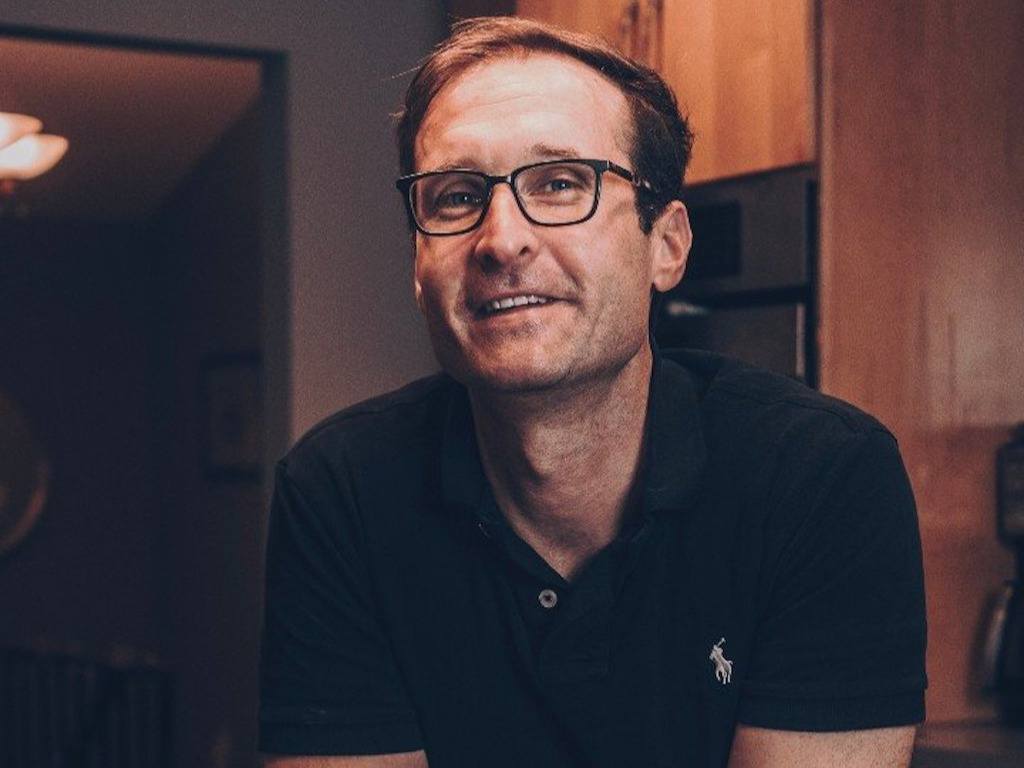
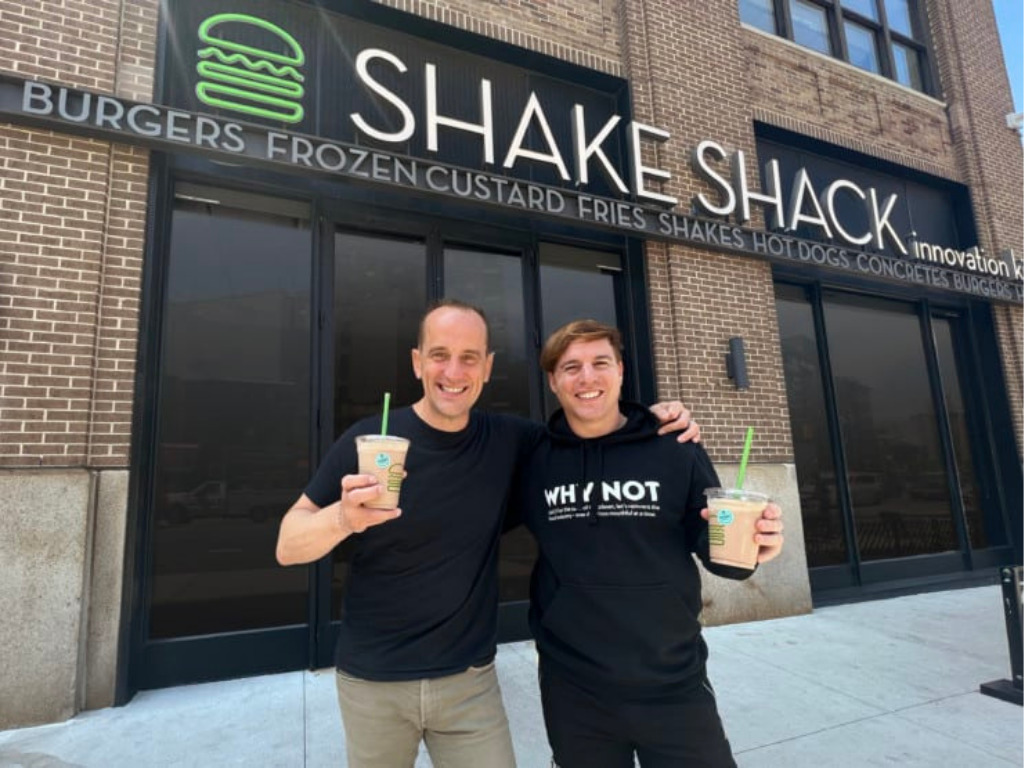
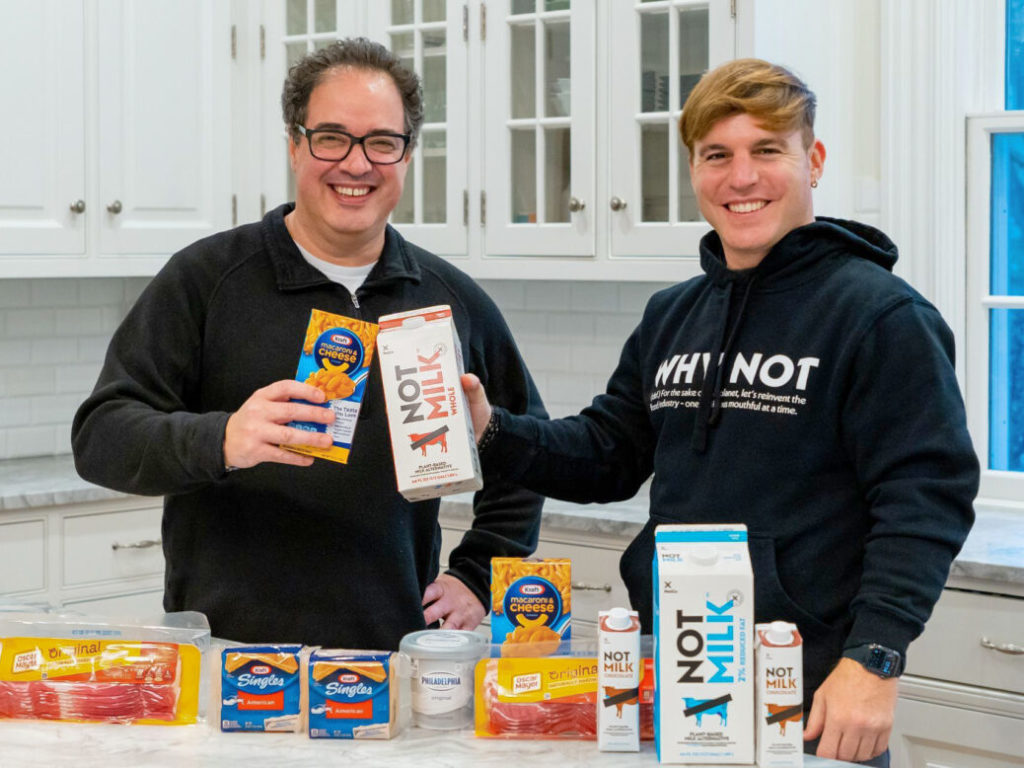
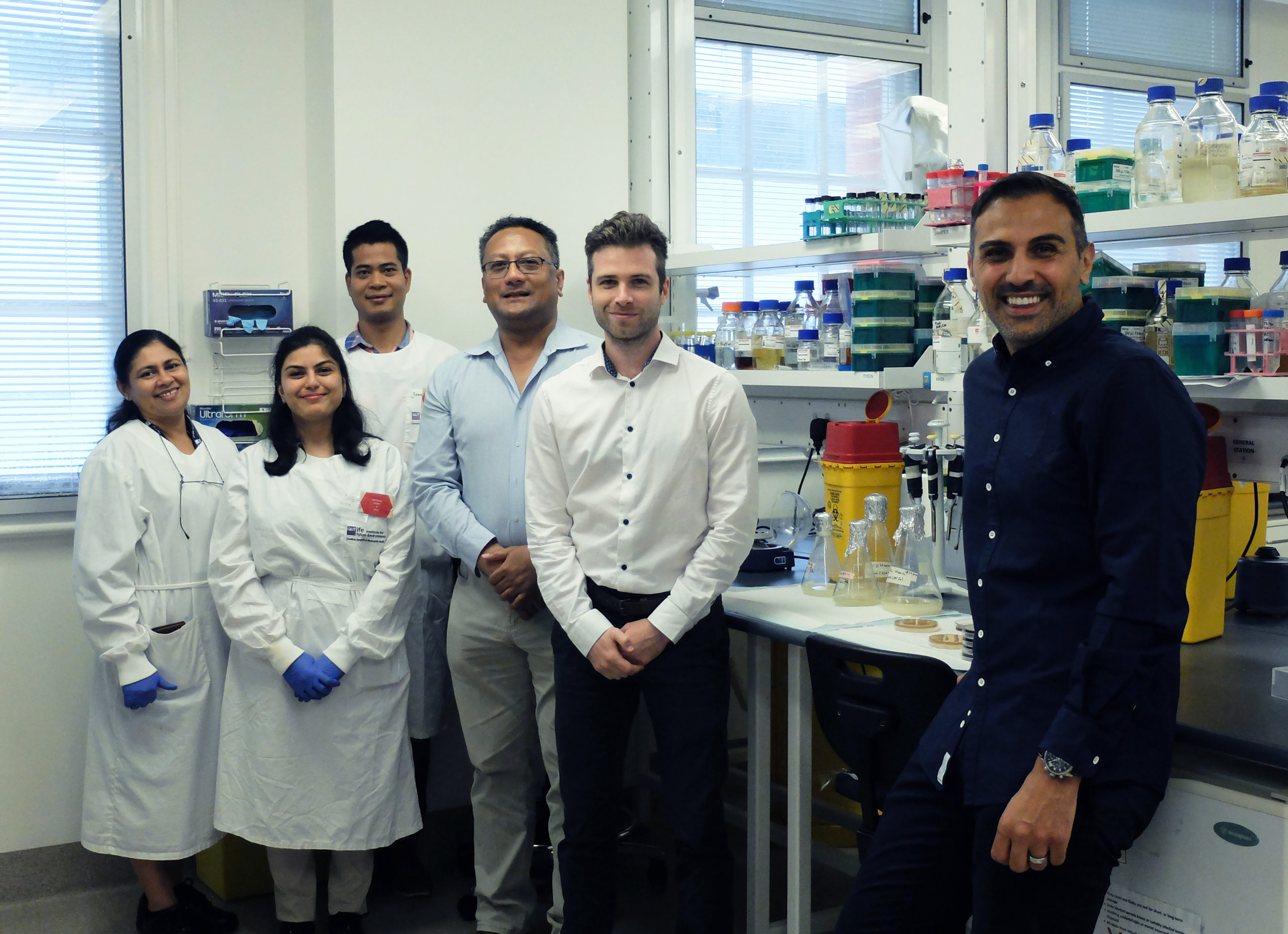
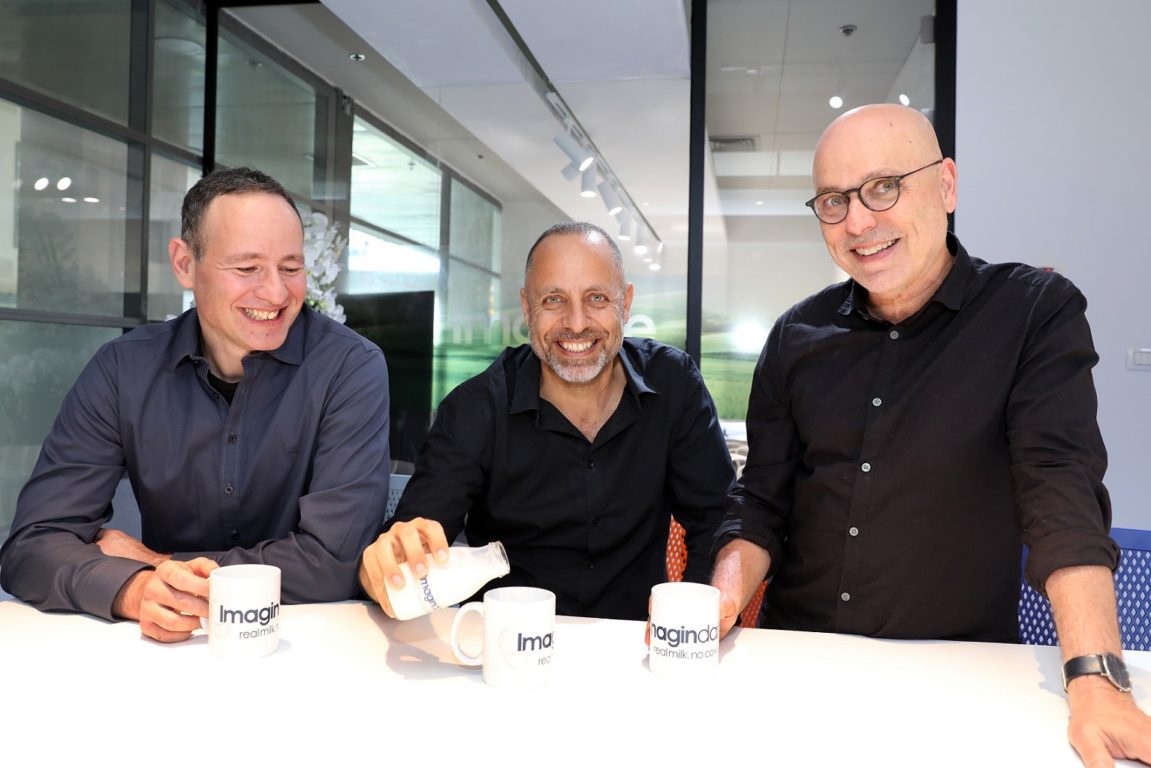
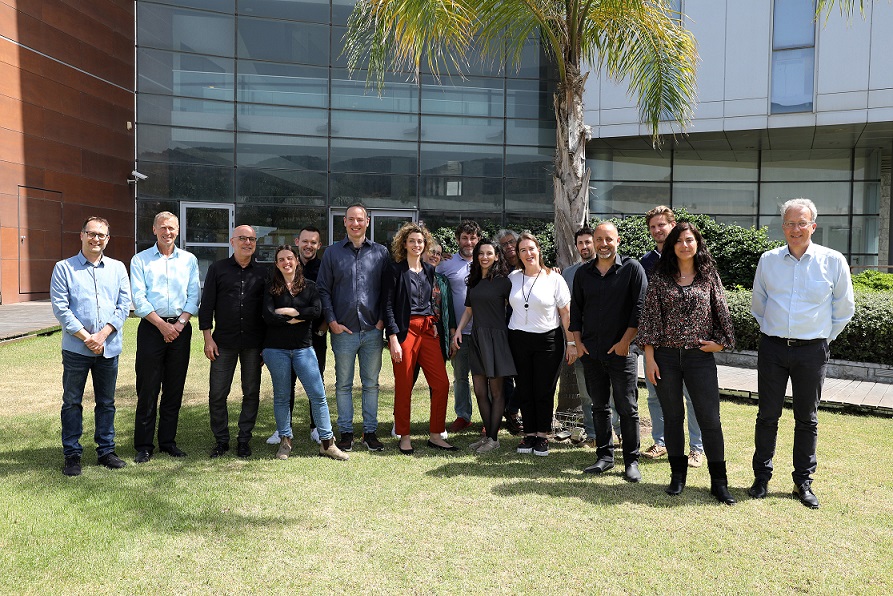
London’s Synthesis Capital has closed its first fund, scooping more than $300 million in capital pledges. According to the company, this is the largest dedicated food tech VC of its kind. The year-old investor, Led by Costa Yiannoulis, Rosie Wardle, and David Welch, the fund is looking to support food techs and alternative protein startups. Yiannoulis and Wardle are experienced investors within the sector while Welch, a biologist, brings a unique technical expertise.
Confirmed fund backers include CPT Capital, Credit Suisse Climate Innovation Fund, Société Familiale d’Investissements, The Nest and Dynamic Loop Capital, amongst others. The fund has earmarked 15 investments, each expected to receive around $15 million in funding.
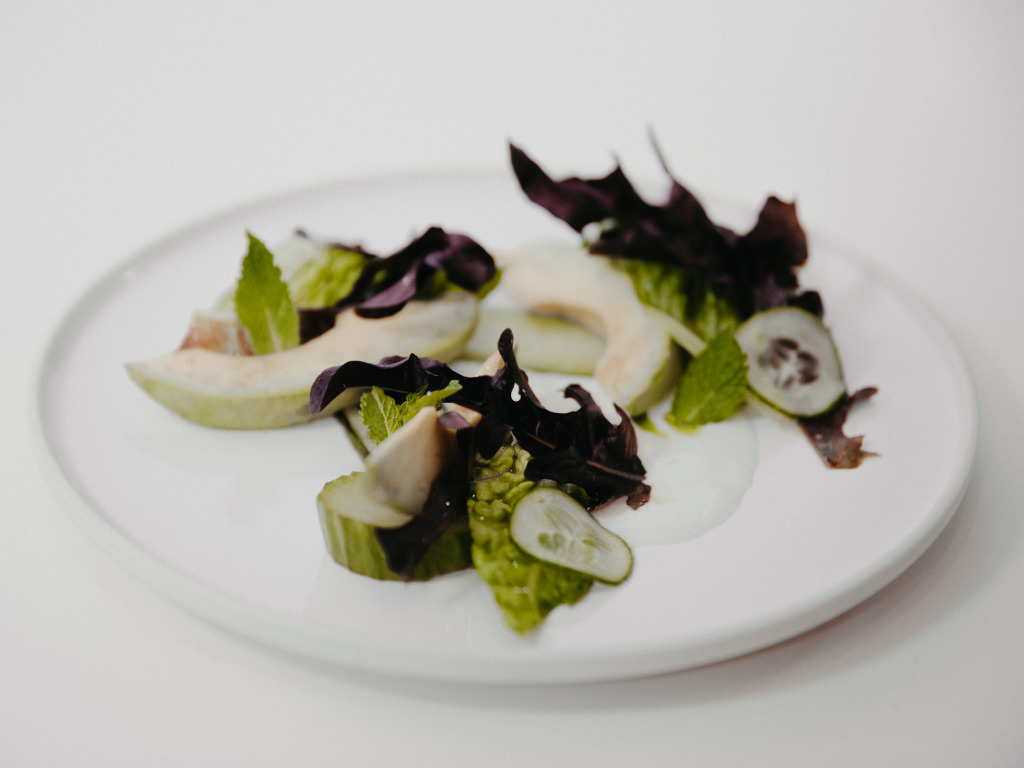
Cultivated chicken salad. Photo by Upside Foods.
Financing the future of food
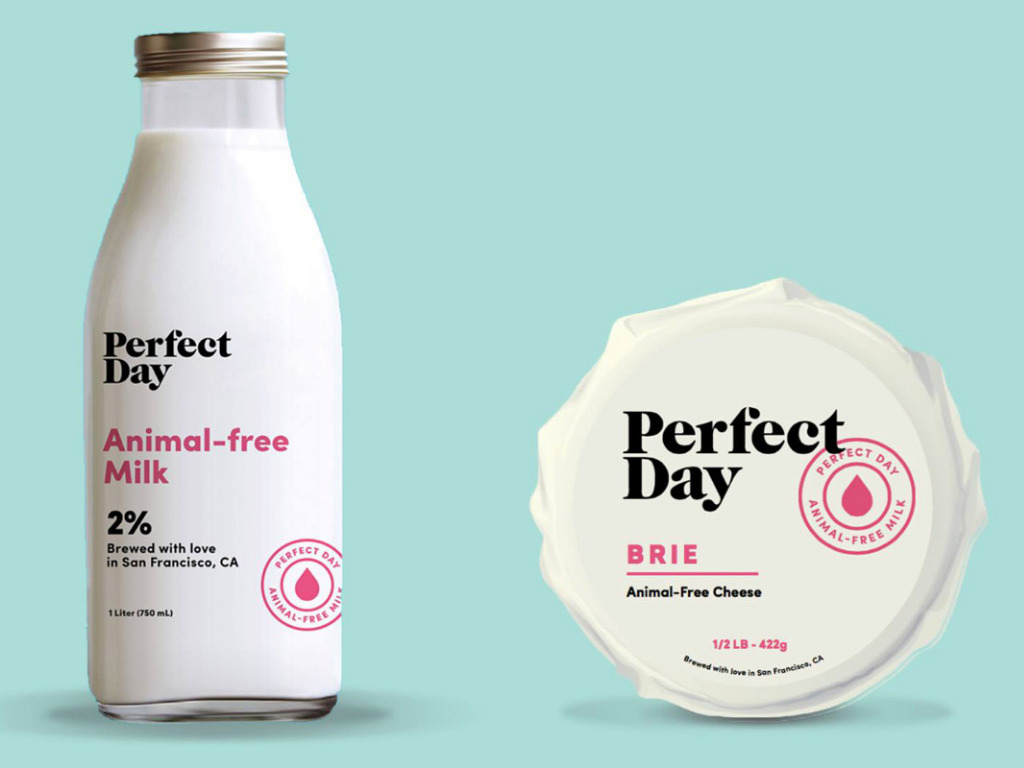
Synthesis has back five companies already. Vienna’s Arkeon is notable, as a gas fermentation specialist and sits alongside Californian alternative dairy giant Perfect Day, cultivated meat pioneer Upside Foods and Israel’s Redefine Meat in the portfolio.
The fund has been initiated to support companies seeking to provide solutions to the current food system’s inherent unsustainability. Yiannoulis and Wardle have stated that since their investment journey with the sector began, back in 2014, the landscape has changed significantly. Today, more investors are looking to support startups focussed on food security and positive climate action. Government and venture capital supporters have both been observed to be participating more, according to Yiannoulis.
Food tech is no longer an unknown entity. Concepts, such as cultivated meat and precision fermented dairy have been proven viable. Now, companies need to get ahead in eth space through investment and the ability to scale.
“How we can scale these things is so important, and the two criteria other than obviously rating, that we look for is protectable and scalability,” Yiannoulis told Tech Crunch. “That’s the difference. This is not a science project anymore. It is now about how to actually scale this.”
An ABEC bioreactor design. Photo by ABEC.
Accounting for infrastructure
Scaling isn’t always as simple as moving to larger premises and buying more equipment. In the cultivated meat sector, installing bioreactors large enough to produce demand-appropriate amounts of protein requires custom infrastructure. This can be seen in practice with GOOD Meat’s recent announcement that it is working with ABEC to design and build the world’s largest bioreactors for a new production facility.
Plant-based and fermentation tech companies commonly fare easier, according to Wardle, as they are usually able to benefit from existing infrastructure and qualified supply chains.
The lion’s share of investment into food techs appears to be going into what Wardle identifies as the consumer-facing element. This presents an opportunity for future investors to look at developments and technology that are closer to the farm than the fork. She calls these the “foundations of science” in an interview with Tech Crunch.
Simon Newstead and Michar Klar. Photo by Better Bite Ventures.
The funds looking to change the world
Synthesis Capital joins a number of other venture capital firms seeking to fund sustainable companies. In February, Better Bite Ventures announced it had secured a $15 million fund for supporting the APAC alternative protein sector. The fund, founded by Michal Klar and Simon Newstead, looks to back early-stage founders seeking to usurp animal-based proteins within the region. The two have backed 10 regional startups to date and demonstrated a keen eye for future sector superstars, with TiNDLE amongst their success stories.
Trellis Road is taking a different tack, as a micro venture capital fund. Started by Anna Ottosson and Erik Byrenius, both former startup founders themselves, the fund offers backing to early-stage food techs with ethical leanings. In January this year it was announced that the fund had reached $18 million, after being initially bootstrapped. It has supported 16 companies across four continents so far.
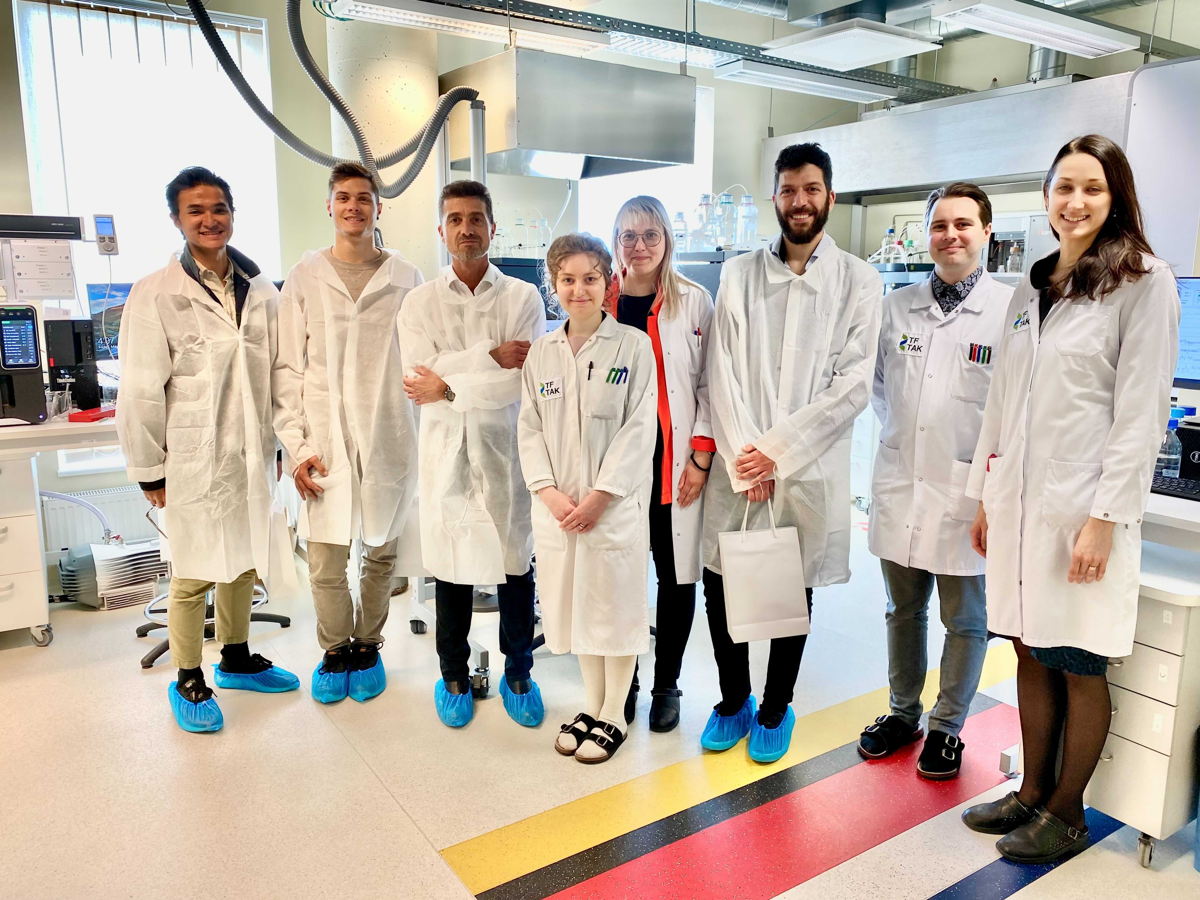
Lead image of Synthesis Capital’s founders. Images by Synthesis Capital.
Future Farm, known as Fazenda Futuro in its home country, has confirmed it has welcomed fellow Brazilian singer sensation Anitta onboard as a partner. One of the most influential Latinx artists in the world, Anitta has a 62 million-strong following on Instagram and a fortune of almost $100 million, according to Forbes.
No financial details have been released to date, with Anitta’s investment amount and stake remaining confidential. It has been confirmed that she will not look to hold any role within the company but will leverage her influencer credentials and cited brand-building expertise to help scale the operation.
Growing a brand she believes in
“I came to add my experience in management and marketing,” Anitta said in a statement. “We are a company that thinks about the future, the environment, and especially about how people eat.”
With Anitta in place to offer non-formal support, Future Farm states it will be looking to develop new products and expand its distribution network. It is currently available in 30 countries, including the U.S., U.K., and mainland Europe.
The popular singer has been following the plant-based sector for a few few years and her relationship with Future Farm is not new. She has been aware and a consumer of the food tech’s developments since its infancy and she uses the company’s products as part of her party menus.
“There is a great synergy between Anitta and Future Farm,” Marcos Leta, founder and CEO at Future Farm said in a statement. “She represents much of what we are: a fun, futuristic, different, honest brand, and together we want to show that it is possible to eat what we like more consciously and tastily. We strongly believe that Anitta’s influence will help us democratize the plant-based meat and develop new products and ideas.”
Anitta’s Future Farm partnership is the latest of many such moves. Alongside being a singer, she is recognised as an entrepreneur and experienced businesswoman. Last June, she joined Nubank’s board of directors. The digital bank targets younger demographics, making her a strategic ‘hire’. She is also listed as the head of creativity and innovation for Ambev’s Beats beer.
Brazilian plant-based pride
Future Farm launched in 2019 with a mission to recreate the taste, texture and juiciness of conventional meat products in vegan formats. It now stands as one of Latin America’s leading meat-free brands.
Back in November, the company scooped $58 million in a Series C funding round. Investment was sought to build out the portfolio with more vegan meat lines while developing a range of plant-based dairy items. Product packaging was cited as another priority, with the startup looking to create 100 percent sustainable and plant-based containers. Existing packaging was already biodegradable.
All products are made in a single production facility in Rio de Janeiro that has a capacity of up to 700 tonnes of products per month. Future Farm has not alluded to moving manufacturing out of its home country.
Photo by Beyond Meat.
The power of celebrity
News of Anitta’s partnership with Future Farm comes after Kim Kardashian was announced as Beyond Meat’s new “chief taste consultant.” The reality television star has not been confirmed as a shareholder or paid ambassador for Beyond Meat but will be lending her image and influence to promote the brand through various channels. Kardashian has already starred in one video, currently being shown across various social media channels, including Instagram, where she has 313 million followers. She is expected to assist with marketing, recipes, and exclusive offers in the future.
In February, it was revealed that Blue Tribe Farms is working with celebrity Indian couple Anushka Sharma and Virat Kohli. The two, having recently converted to a vegan diet, invested in the company and joined as product ambassadors. Combined, the two boast 240 million Instagram followers and reach significant parts of Indian popular culture through their respective specialisms of Bollywood acting and professional cricket.
The world is in the grips of a food-tech revolution. One of the most compelling new developments is cultured meat, also known as clean, cell-based or slaughter-free meat. It’s grown from stem cells taken from a live animal without the need for slaughter.
Proponents hail cultured meat as the long-awaited solution to the factory farming problem. If commercialized successfully, it could solve many of the environmental, animal welfare and public health issues of animal agriculture while giving consumers exactly what they’re used to eating.
As a moral psychologist, my research explores people’s perceptions of cultured meat, both the good and the bad. Below I discuss some of the top reasons people say they don’t want to eat cultured meat, compiled from opinion surveys, focus groups and online comments. But I’m optimistic that champions of this new technology can alleviate the public’s concerns, making a convincing case for consumers to embrace cultured meat.
‘Cultured meat is not necessary’
While there is increasing awareness of the downsides of factory farming, this knowledge has still not spread to all meat consumers, or at least is not reflected in their purchasing behavior. Factory farming supports what many consider cruel and restrictive practices where animals raised in such farms are subjected to extreme suffering, and estimates suggest that over 99 percent of U.S. farmed animals live on factory farms.
Animal agriculture is also inefficient. Growing and feeding an entire animal for only part of its body is inevitably less efficient than growing just the parts that you want to eat.
Some people who believe farmed meat is problematic would prefer a plant-based food system. Despite recent hype around veganism, the number of people who don’t eat animal products remains extremely low. Only 2 to 6 percent of Americans identify as vegetarian or vegan. And only around 1 percent of adults identify as vegetarian and report never eating meat. This figure shows little change since the mid-1990s, despite the ongoing activism of the animal rights and environmental movements.
I’d argue that the plant-based solution to factory farming is not a feasible outcome for the foreseeable future. Cultured meat might be. Individuals can still choose to eat a plant-based diet. But for those who are unwilling to give up meat, they can have their steak and eat it too.
‘I’m worried about the animals and farmers’
Some people express concern about the fate of chickens and cows, imagining them abandoned to die or released into the wild.
The time frame for cultured meat renders this consideration moot. Even by optimistic estimates, large-scale production is likely stillseveral years away. As new processes are adopted, the demand for farm animals will slowly decrease. Fewer animals will be bred, thus the animals at the center of these concerns will never exist.
Many people are also concerned about the negative impact a transition to cultured meat may have on farmers. But this new technology is far from the only threat farmers already face as the industry becomes ever more centralized. Eighty-five percent of beef in the U.S. comes from just four main producers.
Cultivated chicken. Photo by Mogale Meat.
In fact, cultured meat provides a new industry, with opportunities to grow and process products for use in cellular agriculture. The meat industry can learn a lesson from how taxis lost out to Uber and Lyft; they must adapt to new technologies to survive and thrive. And the industry is already taking steps in this direction – Tyson Foods and Cargill Meat Solutions, two of the biggest meat producers in the U.S., have made investments in this new future.
‘Cultured meat is disgusting’
Disgust is a common reaction to cultured meat. It’s difficult to rebut, as it is not an argument per se – disgust is in the eye of the beholder.
So what is disgusting appears to be somewhat determined by what is normal and accepted in your community. With time, and exposure to cultured meat, it’s possible that these feelings of disgust will disappear.
‘Cultured meat is unnatural’
Perhaps the loudest opposition to cultured meat is that it’s unnatural. This argument relies on the premise that natural things are better than unnatural things.
While this outlook is reflected in recent consumer preferences, the argument is fallacious. Some natural things are good. However, there are many things that are unnatural that are fundamental to our society: glasses, motorized transport, the internet. Why single out cultured meat?
Cultivated beef meatballs. Photo by SpaceF.
Perhaps the argument is only applicable to food – natural food is better. But “natural” food is a myth; almost all the food you buy is modified in some way. Moreover, I’d argue the overuse of antibiotics in conventional meat and other practices of modern animal agriculture – including the selective breeding used to produce modern farmed animals – throws it into the same unnatural category.
Of course, naturalness can be a proxy for things that really do matter in food: safety, sustainability, animal welfare. But cultured meat fares far better than conventional meat on those metrics. If we dismiss cultured meat on the grounds of being unnatural then, to be consistent, we must also dismiss a vast number of other products that make modern lives better and easier.
It’s early days, but a number of companies are working to bring cultured meat to the table. As consumers, we have both the right and obligation to be informed about which products we choose to eat. Yes, we should be cautious with any new technology. But in my opinion, the objections to cultured meat can’t hold a candle to the potential benefits for humans, animals and the planet.
Lab-grown, cultured, cell-based – all these terms refer to cultivated meat, whereby animal flesh or byproducts are produced without any animal killing. And no, we aren’t talking about plant-based alternatives such as Beyond Meat or Omnipork. We’re talking about actual animal flesh grown inside bioreactors using cellular agriculture and tissue engineering instead of traditional animal livestock farming methods. For some, this might feel like science fiction, but dozens of companies (including a fair few in Asia) are already working to bring this technology to market within a couple of years so it’s time to get educated about this new sector of food technology. Here’s a rundown of reasons why food scientists and environmentalists are bullish on cultivated meat and its potential to bring about a healthier, safer and more sustainable food system.
1. It’s slaughter-free
Growing meat from cells means that no animal needs to be slaughtered to end up on your plate as a meal. Every year, around 70 billion animals are reared for food, the majority of which are in industrial farms where they live in cramped, dirty and inhumane conditions. Every day, 5 million animals are exposed to cruelty and added risks in transit to new countries via land and sea journeys that can span weeks. Whether they are funnelled into the global live animal trade or slaughtered locally, animals reared for food have to face a violent end to their lives.
Cultivated meat does not require the slaughter of animals, it is instead grown in laboratories using cells taken from an animal, using a small biopsy done under anaesthesia, and does not subject the animal to cruelty or violence, though it does mean that it is not suitable for vegans as it is still an animal-derived product. And cells from a single cow can produce as many as 175 million quarter pounders – far more than the 440,000 cows needed using traditional farming methods to produce the same amount.
2. It’s hormone-free
Given that it is grown in a clean laboratory environment, cultivated meats are also free from any artificial growth hormones that are typically used in the conventional meat industry to make livestock grow and gain weight faster. Synthetic oestrogen and testosterone are the most common hormones used in livestock and in dairy cows, and while industry-funded studies show no risk, there are independent studies that suggest a link between injected hormones and cancer. Since they don’t require any hormones, lab-grown versions are therefore safer for human consumption and do not come at the added hormone-related risks.
3. It’s antibiotic-free
All cultivated meats are produced in a sterile environment, which means that they do not require antibiotics either. Slaughterhouses are the opposite – industrial animal farms pack livestock into cramped, dirty conditions that are hotbeds for contamination. Some cases have led to foodborne illnesses amongst consumers, more serious outbreaks of diseases have created mass chaos such as the recent African swine fever that wiped out pork supplies across Asia and multiple avian influenza outbreaks that have affected chickens and other birds in the past years.
As the demand for meat continues to grow globally, so has the use of antibiotics in the animal meat industry. The overuse of antibiotics to prevent animals from getting sick is so rampant in the industry that to date, over 80% of all produced antibiotics is sold to livestock farms, according to the FDA. Experts have long warned that this is leading to the rise of antibiotic resistant superbugs, with a 2019 study a tripling of the occurrence of antibiotic resistance in disease-causing bacteria in livestock between 2000 and 2018.
Factory farms and slaughterhouses use antibiotics to prevent animals from getting sick in unsanitary conditions (Image Source: Dreamstime)
4. It supports local food production
Because cultivated meat facilities and bioreactors can be built virtually everywhere, it means that meat does not need to be transported from one continent to another. Grown indoors in controlled lab environments, it means that outdoor weather, temperature, land availability are all factors that are unimportant when it comes to this alternative source of protein, providing stable income to local communities and ensuring a resilient supply of protein, not to mention the big savings on transport emissions.
5. It bolsters food security
One major thing that the coronavirus pandemic exposed is the vulnerability of our global food supply chains. With lockdowns, travel bans and export restrictions to curb the spread of the virus came a massive supply shock of many staple foods, from wheat flour to fresh produce and of course, meat.
Food security is top of mind for many countries that are now exposed to the supply chain breakdown from coronavirus and are vulnerable to the climate crisis. Singapore, for instance, launched a SDG 30 million (US$21 million) fund dedicated to bolster local food production to provide a buffer in event of food supply shocks, with a great portion of the money going to support cultivated food techs that can produce local meat and seafood.
In addition to boosting self-sufficiency, locally grown meat will also slash carbon emissions from reducing transportation routes.
6. It requires far fewer carbon emissions (up to 96%)
On the topic of carbon emissions, cultivated protein also contributes a fraction of greenhouse gas emissions compared to conventional meat. According to the United Nations FAO, animal agriculture alone generates 18% of global greenhouse gases – making it one of the leading causes of the climate crisis. It isn’t just the enormous resources that make raising livestock so carbon-hefty, but the methane emissions due to cows and their manure, which is anywhere from 20 to 30 times more potent and heat-trapping than carbon dioxide.
By contrast, cultivated meats can produce up to 96% fewer greenhouse gas emissions. While growing meat in labs will require significant amounts of energy, one study from the University of Oxford found that if facilities were powered by clean energy rather than fossil fuels, there are clear climate benefits to be reaped.
7. It requires a lot less land
Cultivated meat requires less land to produce. The world already uses the majority of arable farmland for livestock rearing – yet meat demand continues to rise due to rapid urbanisation and population growth. By 2050, we could be looking at a global population of 10 million, with demand for protein anywhere from 70% to 100% higher than today’s levels, according to the United Nations FAO.
Farmers are already being pushed to deliberately set forest fires, causing mass deforestation of rainforests, for more land to farm animals. Last year, large parts of the Amazon rainforest – one of the planet’s few remaining carbon-absorption tools against global heating – had been cleared to raise cows. In turn, this has led to mass loss of biodiversity, with estimates saying we could be losing 50,000 plant, animal and insect species every single year.
Performed in a closed system in indoor labs, it is projected that cultured meat production will use up to 99% less land than the current animal agriculture.
8. It’s feed-free
Another reason why animal agriculture uses vast amounts of land is feed cultivation. Cattle pasture is usually replaced by soy cultivation in order to grow enough feed for livestock. Recent deforestation in Brazil was fuelled by a cycle of soy-cattle-pasture-deforestation cycle that stimulated the need for further land clearing. It’s also happening in other neighbouring countries, including northern Bolivia, Argentina and Paraguay. With more and more rainforest being lost, the hope of keeping global heating at manageable levels is becoming less likely – unless we change the way meat is produced. When both livestock feed and grazing is accounted for, traditional meat production takes up almost half (45%) of the world’s total arable land.
Wildfires in the Amazon rainforest in 2019. (Image Source: AFP)
9. It saves a lot of water (compared to traditional ag)
Cultivated meat requires far less water to manufacture. Water scarcity is already a global issue, with the World Resources Institute (WRI) finding that a quarter of the world’s population across 17 countries are already suffering from extreme levels of high water stress due to the climate crisis and water contamination. Scientists doubled down on the warnings of water scarcity in 2020, with experts from the United Nations finding that poor water infrastructure is putting countries at a bigger health risk than the coronavirus pandemic.
In the UN report, the scientists said that water efficiency could be significantly improved if current agricultural farming methods changed. Using conventional animal farming, a single quarter pounder beef patty requires 5900 litres of water to produce – cultivated protein, by comparison, could reduce this by a whopping 96 percent.
To add to the issue of water usage, traditional animal livestock farming pollutes waterways too – runoff from pesticides and fertilisers can also flow into waterways, reaching oceans to harm marine ecosystems.
10. It’s cheaper
While cultured meat companies will still need to overcome a few technological and regulatory hurdles before large-scale production can be achieved, most industry experts do believe that it will reach price parity or even undercut the price of conventionally produced meats. Dutch food tech Mosa Meat, for instance, managed to produce a small scale burger back in 2013 for US$280,000, but believe that within the next two years, as the technology matures and production scales up, the cost of a lab-grown hamburger is projected to be as low as US$10. Upside Foods, another food tech company based in California, is hoping to lower the cost of a single lab-grown burger patty down to US$5 within the next couple of years, while Israel-based Future Meat Technologies believes that they can reduce the cost to an impressive $2.30 to $4.50 by the end of the decade. Once the price becomes accessible and achieves parity with industrially reared meat (whose costs are predicted to rise over the next few years), it’s all systems go the ultimate in cruelty-free animal protein.
Good Meat, the Eat Just division focused on cultivated meat, has partnered with ABEC on a multi-year agreement to boost its production of cell-based protein.
ABEC, which has been making bioreactors since the 1980s, will help Good Meat develop the “largest known” bioreactors for cell culture production of bird and mammal meat, the company said in a statement.
Currently, Good Meat is the only company with cultivated meat on the market. It received regulatory approval in Singapore in 2020 for its cell-based chicken, and has partnered with several food service providers on distribution in the years since.
Scaling cultivated meat
According to Good Meat, the ABEC development will allow it to bring online ten 250,000-liter bioreactors. “When fully operational, the complex will have the capacity to produce up to 30 million pounds of meat without the need to slaughter a single animal,” the company said.
Good Meat says chicken and beef are up first, which it says it can distribute to “millions” of customers across the country once there’s regulatory approval in the U.S., which could be anywhere from 18 to 24 months.
“Our first step was receiving regulatory approval and launching in Singapore. Our second step has been selling to customers through restaurants, street vendors, and delivery platforms. We’ve learned that consumers want this, and we’re ready to take the next step to make this happen at commercial scale. I am very proud to partner with the ABEC team to make this historic facility happen,” said Josh Tetrick, co-founder and CEO of Eat Just.
ABEC is also designing bioreactors for Good Meat’s headquarters in Alameda, California, which is expected to be operational before the end of the year. It’s also working to develop a facility in Singapore early next year to help meet the demand in the region.
Innovating in the protein industry
“We are proud that our capabilities will help enable this exciting new industry. We look forward to continuing our tradition of innovation and supporting Good Meat’s success,” said Scott Pickering, CEO and Chairperson of ABEC.
“I think our grandchildren are going to ask us about why we ate meat from slaughtered animals back in 2022,” Tetrick said.
“Cultivated meat matters because it will enable us to eat meat without all the harm, without bulldozing forests, without the need to slaughter an animal, without the need to use antibiotics, without accelerating zoonotic diseases,” he said.
“The bioreactors will be far and away the largest, not only in the cultivated meat industry, but in the biopharma industry too,” Tetrick said.
“So the design and engineering challenges are significant, the capital investments are significant and the potential to take another step toward shifting society away from slaughtered meat is significant.”
A new study, conducted by Veylinx, has revealed consumer insights critical to the growth of the alternative protein sector. A key takeaway for brands looking to entice new customers is confirmation that price and taste are bigger drivers than animal welfare or the environment. It was also identified that certain foods, namely burgers and hot dogs, are at saturation point but there is demand for other meat-free alternatives, including seafood and jerky. Overall, plant-based protein that mimics meat remains a consumer favourite.
Participants in the U.S.-based study were largely non-vegan and vegetarian. Just five percent aligned with the labels. This did not prevent the majority (77 percent) of respondents saying that they could be persuaded to buy meat alternatives more regularly.
Portein types in order of popularity, according to teh new study. Image by Veylinx.
Young consumers support legislative change
The research was conducted in March 2022 with 3,538 participants all over the age of 18 taking part. The study looked for consumer attitudes surrounding seven proteins, including conventional meat, plant-based alternatives and cultivated developments. It focussed on seven food formats for easy comparison: burger patties, sushi, nuggets, filet mignon, jerky, bacon and lasagna.
Animal-based protein remains the most popular option with 53 percent of purchase interest but plant-based came a close second at 49 percent. One of the bolder findings was that young consumers are supportive of government policies being initiated to force dietary change.
37 percent of all study participants revealed they would support a 10 percent levy on meat, to reduce consumption. Additionally, 51 percent claimed they felt the government should subsidise alternatives to animal protein. Breaking these findings down into age brackets, Gen Z was shown to be pushing for formal change, with 62 percent backing a meat tax. 71 percent agreed with alternative protein subsidies.
A breakdown of popular meat-free terminology. Image by Veylinx.
How products are labelled matters
Food vernacular is identified as playing a critical role in meat-free uptake. Using hotdogs as an example, the study discovered that labelling items as “meatless” instead of “vegan” increased interest by 16 percent. “Vegan” proved to be the least popular term, with “veggie”, “plant-based” and “animal-free” generating more positive responses.
Labelling preferences are connected to underlying reasons for considering meat-free purchases. The study found that 42 percent of consumers choose alternative protein for health reasons, followed by 35 percent, liking the taste. Fewer than 30 percent cited animal welfare or the environment as reasons for buying.
23 percent of all participants said that nothing, labelling included, could persuade them to buy more meat alternatives. Gen Z, again, stepped forward as a driving demographic to reveal that 87 percent could be convinced to buy more leat-free products.
Though welfare and climate change were low on consumers’ priority lists, the negative connotations were shown to reduce demand for conventional meat. In this instance, animal welfare proved the most effective in labelling, demonstrating a 7 percent drop in meat demand.
Enough’s mycoprotein. Photo by Enough.
What the findings mean for the alternative protein sector
“While we may be approaching a saturation point for products like burger patties and hot dogs—making it difficult to win shelf space and market share—our research shows there are still plenty of categories like seafood, jerky, and ready-to-eat meals where consumers are seeking more varied plant-based options,” Anouar El Haji, CEO of Veylinx said in a post-study statement. “Brands can succeed in these categories by launching products that are delicious and priced competitively, even if they don’t duplicate the taste and texture of meat. We also found that consumers are willing to buy unfamiliar protein innovations like mycoprotein, microalgae, and even edible insects—especially when they are incorporated into packaged foods like frozen lasagna and jerky.”
The study appears to confirm that there is space for all protein types and that conventional meat might be usurped from the top spot, by younger generations of consumers.
Photo by Toni Koraza at Unsplash.
Gen Z as the change-makers?
Gen Z are the legislators of the future and as they are now showing support for taxing foods they deem as unhealthy, systemic change is not an unreasonable prediction. It has been claimed before that the young consumers are spending more on food than anything else and pledging their money to brands they deem worthy and increasingly, the demographic is making sustainable moves.
Earlier this year it was revealed that China and India’s Gen Z is more sustainably-minded than those in the U.K. and U.S. This ties in with the alternative protein market neatly, as India has already been identified, By Kerry, as a key driver, at least for plant-based foods. China is increasingly demonstrating interest in growing its domestic alternative protein industry as well.
Burger King France has announced that it is partnering with French vegan pork startup La Vie Foods to add its bacon to menus across the country. The collaboration is slated to be exclusive to the French market for six months. La Vie had teased its partnership with Burger King on its social channels for a week prior to the official announcement.
The announcement comes after Burger King transformed its flagship London Leicester Square restaurant into a fully vegan location for one month. La Vie supplied the bacon for its burgers during the experiment and is now onboarding for half a year.
Photo by La Vie.
France first, wider Europe to follow
La Vie entered 430 Burger King restaurants as of May 24. This represents every location currently operating in France. Its plant-based bacon rashers will be used in the Veggie Steakhouse burger, a vegetarian version of one of its best-selling sandwiches. La Vie actively campaigned for the partnership, creating digitally doctored imagery of Burger King’s formerly bacon-free Steakhouse to show how it could look with its own rashers added. It later took out an advert in Le Parisien, highlighting consumers’ demands for the two to work together. The unconventional approach worked, with Burger King taking notice.
Posting about the partnership on LinkedIn, La Vie joked that it “didn’t spam the Instagram feeds of all our followers for nothing”. The company went on to state that the Burger King partnership was the latest step forward in its mission to bring vegan food to as many people as possible.
Burger King has offered no confirmation, but a wider European rollout is being speculated as possible if La Vie’s bacon proves popular in its home country.
The Plant-Based Whopper. Photo by Burger King.
Burger King catering to the meat-free consumer
In terms of fast-food chains looking to embrace vegan and vegetarian diners, Burger King has a history of stepping up. In the U.S. it has a long-standing agreement with Impossible Foods to supply its meat-free patties. Asia is partnered with Australia’s v2food and in Europe, Unilever-owned The Vegetarian Butcher develops its meat substitutes. Between them, these three suppliers have allowed Burger King to offer a variety of burgers, chicken sandwiches and nuggets, all suitable for animal-free eaters.
The chain hasn’t always gotten it right. Back when it first launched the Plant-Based Whopper, it secured the ire of vegans, who took umbrage at the inclusion of egg-based mayonnaise. The chain redeveloped the recipe and brought it back in a fully veganised format and as a permanent menu option. The burger has since gained vegan certification to reassure diners.
Image created using La Vie product imagery.
La Vie’s rise to the top
La Vie, previously 77 Foods, has been on a steady upward trajectory since being founded in 2019. Engaging in three years of R&D, the company finally released its bacon at the start of this year. It claims that consumers can’t tell the difference between its 100 percent plant-based rashers and conventional bacon.
In a major coup for the startup, La Vie confirmed the closure of a record-breaking €25 million Series A funding round in January. It was the largest single alternative protein raise for a French food tech and was immediately earmarked for supporting an aggressive expansion plan and funding new developments. Vegan activist and Hollywood actor Natalie Portman was amongst the investment participants, alongside Oatly chairman Eric Melloul.
Photo by Burgal.
France bursting with vegan burgers
Burger King is not alone in adding extra flavour to vegan burgers within France. Earlier this month it was announced that 21-time Michelin-starred chef Alain Ducasse has opened a pop-up vegan burger location in Paris. Burgal differs from most vegan burger joints in that it makes no attempt to recreate conventional beef. The burgers, served on plant-based brioche buns, are made from quinoa, lentils and vegetables. The location is due to close on June 30 after which, demand for the burgers will be assessed with them potentially being added to the menus of Ducasse’s 80 plus other restaurants.
Australia’s Wide Open Agriculture (WOA) has confirmed a partnership with food giant Monde Nissin Australia (MNA). The former will supply its proprietary Buntine Protein, a concentrate made from lupin beans that can act as the main ingredient in food and drinks products. The deal is non-exclusive, allowing WOA to supply other interested parties simultaneously.
MNA is slated to take 60 percent of all protein manufactured by WOA, over a period of two years. Manufacturing will take place in WOA’s pilot Buntine plant which is still being constructed, with initial deliveries due in June 2022. Costs and exact amounts due to be supplied remain confidential.
Buntine Protein. Photo by Wide Open Agriculture.
Growing Australia’s alternative protein sector together
MNA owns multiple popular domestic brands including Nudie, Black Swan, and Peckish. It is also the national distributor of Quorn, giving it unique insight into the demand for meat-free protein within Australia. In line with increased consumer interest in plant-based foods, MNA made the decision to purchase Buntine Protein to develop new animal-free lines for its own brands.
“MNA is committed to supporting the uptake of sustainable and regenerative farming practices,” Ian Griffiths, general manager at Monde Nissin Australia said in a statement. “We are rapidly advancing a range of innovative products to utilise Buntine Protein with its exceptional nutritional benefits.”
Buntine Protein has been exclusively developed by WOA. The company was discussing its plans to build a pilot lupin protein factory back in December. Initially, converting sweet lupin into a protein additive was investigated for WOA’s own products, chiefly its OatUp milk line. It was open to commercial release, pending successful R&D, which has presumably been completed.
Photo by Chino Rocha at Unsplash.
Shifting the protein landscape
Agrifood is Australia’s largest manufacturing sector. Heavily reliant on meat and dairy, it is
environmentally unsustainable and liable to reinterpretation as consumers demand animal-free alternatives. Since 2000, global protein consumption has increased by 40 percent. By 2025 the market is expected to reach $373 billion. Though animal protein is anticipated to remain the largest subset by value, plant-based protein is predicted to be the biggest by volume.
Replacing Australia’s beef and dairy manufacturing with regenerative alternatives has become an operational mandate for WOA.
Photo by Wide Open Agriculture.
Sustainability at the forefront of protein development
A USP of the newly confirmed protein is that it is claimed to have no carbon footprint. Developed from lupins that have been grown regeneratively in the Western Australia Wheatbelt, it also creates no water pollution. WOA has stated that it is suitable for use in plant-based meats, dairy, bakery items, noodles and protein supplements. It is hoped that the Buntine will contribute to WOA’s ultimate aim of helping farmers to move away from unsustainable sectors toward regenerative practices.
“WOA is excited to be working with MNA who share our passion to develop the market for regenerative lupin products,” Dr Ben Cole, CEO of Wide Open Agriculture said in a statement. “This agreement has the potential to catalyse farmers to grow more regenerative lupins and offer consumers a range of innovative, delicious plant-based products.”
WOA has a history of looking to improve the impact of popular products. This is seen in its brands Dirty Clean Food and OatUp. The latter was overhauled at the end of last year to be produced in a domestic plant, using locally sourced oats. It resulted in claims of producing the “world’s lowest carbon milk”.
Photo by Get Plant’d.
Australia says yes to plant protein
The plant-based product market in Australia is predicted to reach up to $9 billion by 2030. Consumers are driving demand for animal-free foods, with manufacturers seeking to meet their expectations. In a report, CSIRO stated that Australia needs to concentrate on developing ingredients for foods and final products, both of which could complement not compete with the meat industry.
Coles has taken up the call for final products. Its 800-plus supermarkets are all stocking the Get Plant’d range, designed to cater to flexitarians. Soy-based meat alternatives have been developed to mimic popular conventional protein sources, particularly in terms of taste and texture. As access to such foods has increased, 20 percent of Australian consumers have aligned with the flexitarian moniker, creating a supply and demand cycle of buyers and producers.
Beyond Meat has announced reality television superstar Kim Kardashian as its new “chief taste consultant”. Kardashian has lent her ambassadorship to the somewhat embattled brand, citing that she has used the products at home regularly. In her role, she will help devise creative marketing content for the brand and post about Beyond Meat on her own channels.
Kardashian is currently starring in a promotional video, streaming across social media platforms. She is slated to be in the process of creating other content, recipes, and offers, to be published through the Beyond Meat newsletter. Kardashian joins the ranks of previous celebrity ambassadors for the brand which have included Snoop Dogg, Kevin Hart, Leonardo DiCaprio, and numerous professional athletes.
Bringing Kardashian on board is being lauded as a major coup. On Instagram alone, she has accrued 313 million followers and this is where she will be imploring her fans to follow her example and try Beyond’s meat alternatives.
“I’ve been focusing on going more plant-based and can tell you that Beyond Meat is my absolute favorite—I love how all their products not only taste amazing but are also good for me and my family,” Kardashian said in a statement. “Plus, my kids are obsessed with my Beyond Beef taco recipe, the Beyond Burger for BBQs, and Beyond Chicken Tenders for a quick snack.”
Are the Kardashians vegan?
None of the Kardashian-Jenner family align with the vegan label, but many eat predominantly plant-based. Beyond’s new taste consultant claims to have quit eating animal products while at home, with non-vegan meals allowed when she dines out. In line with her new role, she states that she is looking to eat as plant-based as possible, though she does admit to eating animal products in the new series of Keeping Up with the Kardashians.
Khloé Kardashian reportedly stopped eating meat whilst pregnant with her daughter in 2018, due to it making her nauseous. Last year she embarked on a “sister boot camp” challenge where she ate plant-based for 30 days.
Photo by Beyond Meat.
Kourtney Kardashian-Barker is arguably the most acquainted with vegan food. She embraced plant-based food last year and claims to be “95 percent” vegan now. Her new husband, Blink 182-drummer Travis Barker has been vegan since 2009.
Why has Beyond Meat appointed Kardashian?
The company has been explicit in its desire to replace the current food system with a more sustainable alternative. Getting the message about plant-based meat to the most people possible is key to this mission. In terms of current influencers, not many are ranked higher than Kardashian and celebrity culture remains a driver of consumer behaviour. Current lists show her as the seventh most followed person on Instagram.
Dairy giant Arla conducted a survey earlier this year that revealed one in three consumers make dietary choices based on things they have seen on social media. 49 percent of U.K. adults polled admitted they are willing to make “big changes” to their eating habits, based on information seen on social media.
CEO Ethan Brown. Photo by Beyond meat.
The fluctuating fortunes of Beyond Meat
From being the most searched vegan company on Google in 2021, Beyond Meat has seen its star fade in recent months. Despite tempting two executives away from former investor Tyson Foods in December last year, February 2022 saw CEO Ethan Brown having to explain the company’s massive stock dip. He assured stakeholders that he was confident of a full recovery, in an earnings conference call.
Six weeks after Brown’s big talk of planned brand partnerships and Asia expansion, the company settled an investor lawsuit. The case was connected to ongoing legal woes with former co-manufacturer Don Lee Farms. That case is ongoing.
San Francisco-based startup cultivated meat Orbillion has announced that it projects reaching price parity with conventional meat by 2026, with commodity pricing for beef to follow by 2030. The declaration comes as CE and co-founder Patricia Bubner is due to give a speech at the World Economic Forum, held in Davos, Switzerland. The focus of her presentation will be the democratisation of cultivated meat and increasing access to it.
Orbillion claims that it can work faster and cheaper than other cultivated companies. At its first pre-regulatory approval public tasting event, held last year, three types of meat were presented. Each took four months to develop, leading to estimations that Orbillion is moving 18x faster than most of its peers. This is largely attributed to members of the founding team meeting while already working within bioprocessing, thus having a working knowledge of the cultivated methodology.
Laying the foundations for a cultivated market entry
A Y Combinator alumnus, Orbillion is a female-founded biotech focussed on developing multiple heritage meat lines in parallel. To support its multi-variety approach, the startup secured $5 million in seed funding last year, before joining the Alliance for Meat, Poultry and Seafood Innovation (AMPS Innovation). Together with fellow cultivated big hitters, including Blue Nalu and Upside Foods, the collective seeks to nurture consumer acceptance for future products. It also looks to work with stakeholders, to expedite the path to market.
“We are advocates of a wide range of solutions that can help make our food system more sustainable, nutritious, and reliable, and we see cell-cultured meat and alt proteins as an important “and” solution to regenerative agriculture. We all must work together,” Bubner said in a prepared statement. “Realizing the potential of cell-cultured meat means making it accessible. We know from extensive consumer and foodservice research around the globe, that price is key to making that happen. I’m so proud of the team that in less than one year, we’ve reduced the cost of production by 98%. Very eager for what’s ahead.”
Orbillion has what it refers to as ‘advanced bioprocessing’ capabilities, which allow muscle cells to be isolated, screened and selected faster than other platforms can manage- in other words, they save costs by being more efficient. Choosing the cells most suitable for scaled food production leaves little to no waste and lets the company move from prototype to product more quickly than most competitors.
It should be noted that price parity for Orbillion is significantly simpler to reach, as it focusses on high-end and heritage meats which are, traditionally, expensive. Parity with premium meats is the first target, before bringing costs down as production can be scaled further. To date, Orbillion has raised $9.5 million to support its endeavours.
Strengthening the leadership team
As Orbillion plans to launch products in 2023, it has sought to put key leadership figures in place. The most recent appointment is Greg Hiller, a globally recognised expert within the bioprocessing and cell cultivation fields. Hiller joins as an advisor.
“I saw how the founding team has leveraged their academic and engineering expertise to achieve commercial success in the past and I knew I needed to learn more. I had the opportunity to hear in-depth about Orbillion’s approach to bioprocessing, scale up and manufacturing and was very eager to be involved,” Hiller said in a statement. “There are so many interesting challenges and innovation opportunities here – I’m proud to be a part of the advisory board for this important effort.”
Orbillion has confirmed that its first commercial product will be cultivated Japanese-bred Wagyu beef. It cites its developments as a potential solution to the increased food insecurity being faced by global populations, in line with food price hikes.
Wading into the Wagyu race
Potentially the only startup to be looking at cultivated Wagyu beef, Orbillion is not alone in developing alternatives to the conventional Japanese heritage meat.
Last month, Hong Kong’s Alt Farm revealed its plans to seek launch 3D printed plant-based Wagyu in 2023. The startup, an offshoot of the Hong Kong University of Science and Technology, has earmarked China and Australia as key markets for its growth. A combination of soy, pea and algae protein is currently being tested, with first prototypes anticipated to debut next year.
Canada’s Top Tier Foods has given the world a taste of vegan Wagyu steak, through its Wamamae Foods subsidiary. Last month, attendees of the TED2022 conference were served the beef alternative, ahead of commercial launch. Full rollout is anticipated for spring this year after a trial launch garnered positive responses from consumers.
Auckland-based NewFish has come out of stealth to close a NZ$1.3 million (approx. US$816,000) pre-seed funding round. Outset Ventures led the round with participation from domestic investor Tangaroa Ventures, basketball player Steven Adams and Andrea Lee, chairwoman of Lee Kum Kee’s Family Council, amongst others.
The startup, founded in 2020, will use its fresh investment to accelerate production of its “reimagined” local seafood. Final products will be hybrids, comprising both plant and animal protein sources. NewFish will be using what it describes as New Zealand’s “underutilized” marine sources to power its commercial releases.
The NewFish founding team.
Complementing conventional meat production
NewFish intends to build on the country’s reputation for manufacturing quality meat. The majority comes from livestock, which would be a high mantle to take on. Instead of competing, the startup plans to “complement and build on” the sector, while retaining value in its products locally.
“[The NewFish approach] contrasts nicely with the standard New Zealand primary production model: which is to grow and harvest it here, and then put it in a box or can and send it overseas and let others add value to it,” co-founder and general manager Hamish Howard told AgFunder News.
Hybrid product development has been selected by NewFish for its ability to nurture experimentation and create unique foods. The startup is explicit in its self-identification as a transitional foods developer and rejects the idea of disrupting existing food systems. The company claims that this will give it a broader appeal, which in turn, will expose more consumers to sustainable food alternatives.
“The challenge isn’t as daunting as you might think,” Howard told Ag Funder News. “The reason for that is we are creating world-first products that create interest in and of themselves. We are not looking at them to be meat analogs, or to be something they are not – they’ve very much standalone,” he says.
Lessening New Zeland’s impact
It is estimated that 43.6 percent of New Zealand’s agricultural emissions come from lamb and beef production. As the second and third top exports of the country, claiming $2.57 and $2.1 billion respectively, usurping them entirely is unlikely. NewFish is cognisant of this, hence it has taken its hybrid approach.
The startup is working with the Cawthron Institute. A scientific centre specialising in marine research, it has offered NewFosh access to its comprehensive library of native microalgae strains. Howard and his team want to examine them to find the best options for food applications, with a view to moving into precision fermentation in time. The company has cited plans to convert selected strains of microalgae into both novel proteins and bioactive ingredients.
“What’s promising about microalgae is its GMO-free provenance – and we think that’s what people will really seek as a green and clean protein that won’t cost the Earth,” NewFish co-founder Alex Worker told AgFunder News.
To date, NewFish has launched one product: a naturally fermented pāua saucisson comprising of kurobuta pork, blackfoot abalone and kelp. Another deli-inspired release is due imminently: a 100 percent plant-based mortadella, developed from various microalgae and seaweed varieties. Both were developed by co-founder and chef Vaughan Mabee, who has worked in Michelin-starred restaurant, Noma.
Hybrid protein as an alternative protein niche
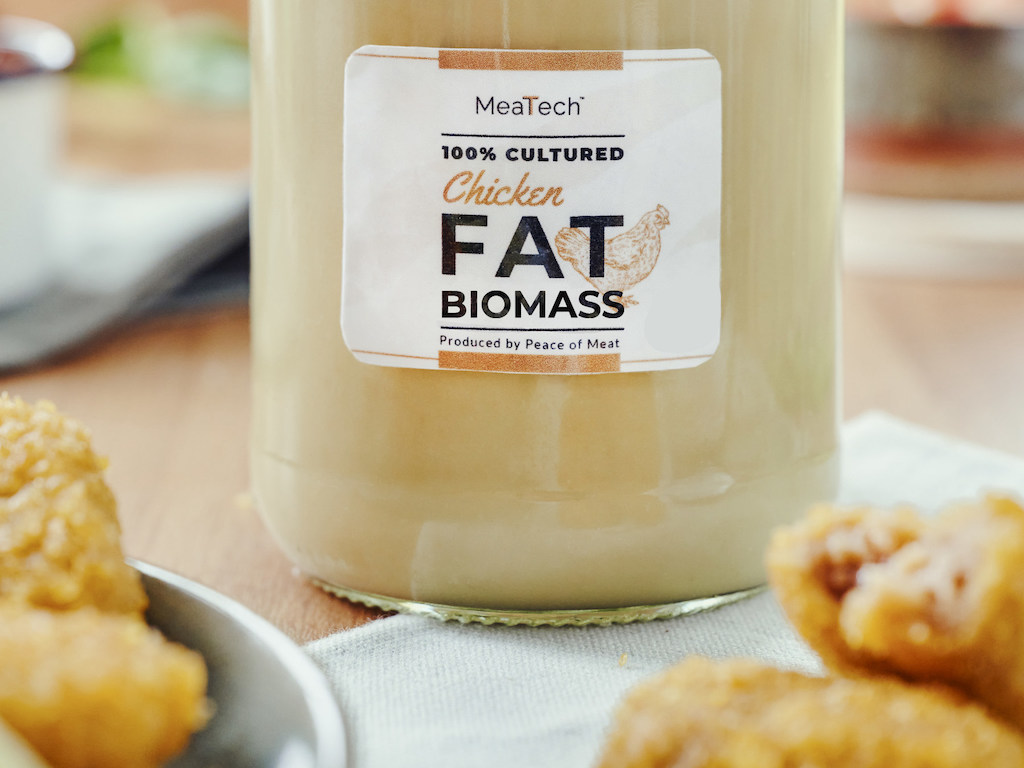
Earlier this month, Israel’s MeaTech announced it is working with Scotland’s Enough to create hybrid meat products. Peace of Meat, a wholly-owned subsidiary of MeaTech is supplying cultivated chicken fat to be added to mycoprotein. The motivation for the collaboration is creating a nutritionally beneficial protein that can claim better environmental credentials than conventional meat.
Hybrid developments have not always proven successful. Last year, Tyson Foods revamped its entire Raised & Rooted line to become a 100 percent plant-based range. Previously, it had combined animal and pea protein but sales were disappointing.
Lead photo of NewFish’s pāua saucisson, All photos by NewFish.
Veggie Grill has announced that one of its offshoot brands, Stand-Up Burgers, is opening a fourth location and its first in Los Angeles. Construction of a Culver City restaurant has begun, with June 15 being slated as the opening date. While Veggie Grill caters to a range of plant-based palates, Stand-Up specialises in traditional American fast-food staples including burgers, hotdogs, and sides including tater tots.
Existing Stand-Up locations include Berkeley and Chicago, with the former opening in March last year. The restaurants are known for their vegan brioche bun and Impossible Foods patty combinations, with seven signature flavours listed at the last count.
Photo by Impossible Foods.
An alternative to mainstream fast-food chains
Veggie Grill was the result of a successful tech company sale and introspection, on the part of founder T.K. Pillan. It launched in 2006 with a mission of helping consumers to avoid illness, by eating better food. Plant-based living was deemed to be a good solution and with no experience in the food trade, Pillan opened his first location. Fast forward to 2022 and his restaurant legacy is vast.
“Today we have 30 Veggie Grills and three Stand-Up Burgers,” Pillan told L.A. Weekly. “We’re going to open five Stand-up Burgers this year across L.A. and New York and start looking for franchise partners. The world wasn’t ready for plant-based burgers in 2006, but it’s ready now.”
Pillan has previously highlighted that the Covid-19 pandemic resulted in a significant uptick in packaged plant-based food sales. He chalked this up to consumers “waking up” to the reality that they need to choose foods that are sustainable and healthy, because our future is not guaranteed. He also acknowledged that the period was temporarily devastating for the restaurant trade.
“We as a restaurant got hit hard during the initial weeks of the pandemic, but we’ve had quite a comeback over the summer and fall months,” he told Green Queen in March last year. “While urban locations are still a challenge because office workers have yet to come back, our suburban locations are positive year-on-year.”
Plans to open five new restaurants this year point to a full recovery.
Photo by McDonald’s.
The path to less meat consumption
Stand-Up states that as a brand, it believes “there shouldn’t be a divide between food, activism and positive change’. As such it promotes the sustainability and cruelty-free nature of vegan food and asks consumers to consider moving away from conventional beef.
Last November it was revealed, by the Mirror, that for every Big Mac it produces, Mcdonald’s creates 2.35 kilograms of CO2. In the U.S. alone, more than 2 million Big Macs are sold every day. This is just one burger variation, from one food brand. The vegan McPlant burger was also calculated and found to create 0.12 kilograms of CO2.
Chains such as Stand-Up have set out to offer vegan alternatives of longstanding favourite burger styles, in a bid to reduce consumption of the emissions-heavy originals. Stand-Up has a fully vegan menu, including oat milk milkshakes, crispy chicken sandwiches, and salads.
Photo by Neat Burger.
Appetites for vegan burgers increasing
Burgers remain a food staple for many vegan consumers, leading to more brands trying to capture the plant-based demographic. The U.S. and U.K. both have their fair share of vegan burger chains with some of the biggest players announcing new partnerships and backers to take their reach to the next level.
Atlanta’s Slutty Vegan just announced that it has closed a $25 million Series A funding round. Shake Shack founder Danny Meyer led the round, which will help open a further 20 restaurants by the end of 2023. Brooklyn and Baltimore have been named as potential destinations.
In the U.K., Lewis Hamilton’s Neat Burger chain is making a play for the U.S. market. A permanent Manhattan restaurant has been confirmed, following a successful pop-up. Alongside the stateside expansion, Leonardo DiCaprio has been named as a new strategic investor. The Hollywood actor participated early in a Series B funding round that was recently launched.
Eat Just’s JUST Egg has attracted a number of celebrity investors. Now, two of the most prominent, Serena Williams and Jake Gyllenhaal, star in satire-rich advertising campaigns to promote the health benefits and taste of the product they have backed.
The tennis legend and actor poke fun at celebrity culture in their respective adverts, referring to the extreme lengths that those in the public eye often go to, to stay in shape. The underlying message is that a swap to JUST Egg is an easier option.
The “Really Good Eggs” campaign emphasises the use of plant-based protein as a source of healthy nutrition. Williams is depicted as a superstar in need of total life management, including having a personal chef and scientist in her kitchen. Gyllenhaal is painted as a fitness fanatic that knows the “sexiest man of the year awards don’t win themselves”. Both are seen eating JUST Egg, while keeping the messaging light and humorous.
Putting their presence where their investment is
“I’m excited to be partnering with JUST Egg,” Gyllenhaal said in a statement. “I’m eating more plant-based for my health, and JUST Egg makes it easy and delicious. I also recognize the impact our food system has on our planet, so JUST Egg’s mission is important to me. And, honestly, who can turn down being narrated by JB Smoove?”
Gyllenhaal is shown refuelling after completing a workout that “only celebrities know about”. Williams is portrayed as a busy celebrity with her time being managed by a plethora of staff. She is presented with a plate of breakfast food, topped with JUST Egg. The insinuation is that one thing she doesn’t have to micromanage or worry about is getting healthy food.
“I’ll let you in on a secret: I don’t actually have a scientist in my kitchen. It’s not that exciting in there. But I do have JUST Egg,” Williams said in a statement. “I eat to live, so JUST Egg helps me feel and perform better. But it’s also delicious – I don’t think my family can even taste the difference between JUST Egg and chicken eggs. I’m also all-in on the mission: how can we make healthy, sustainable options accessible to everyone? JUST Egg is making a real difference, and I’m proud to partner with them and be a shareholder in the company.”
Television ads and billboards are both being used throughout the new campaign. Cities including New York, Chicago, and Los Angeles are being particularly targeted.
Eggs falling foul of environmentalists
The global egg market is predicted to reach $297.47 billion by 2025 at a CAGR of 7 percent. Alongside growing demand, climate change consequences are expected to affect the sector, with global warming thought to contribute to lower quality and smaller eggs. Laying chickens are susceptible to changes in temperature. In hot climates, in farm sheds, birds are less willing to lay and more prone to illness. Despite this, farmers will continue to pack animals into cramped conditions, forcing them to lay.
The egg industry is not just a victim of climate change, it contributes to it. This is a primary reason why Eat Just sought to create JUST Egg. The company claims, in a press statement seen by Green Queen, that its plant-based egg alternatives have, to date, saved the equivalent of 9.1 billion gallons of water, 13,446 acres of land, and reduced greenhouse gas emissions by 43.6 million kilos.
One of JUST Egg’s new billboards.
Egg alternatives ramping up to meet global demand
To remove eggs from the food system, Eat Just has put in motion plans to increase its production capabilities. Back in March, the company revealed it has broken ground on its new production facility in Singapore. The location, when completed, will be the largest-ever plant-based protein factory in the country, capable of producing thousands of tonnes of mung-bean egg products each year. It comes as the E.U. recently granted regulatory approval for the sale of JUST Egg in the European market.
In Israel, Yo! Egg has just announced that it will be launching in restaurants later this year. Poached and sunny-side-up whole-egg analogues will be made available and a U.S. launch is already at the planning stage. The startup deliberately sidestepped liquid egg replacements, honing in on the more technically challenging separate white and yolk developments.
Texas-based Project Pollo was recently represented by founder and CEO Lucas Bradbury in the season finale episode of Shark Tank. He pitched the vegan chicken chain to residents ‘sharks’ Mark Cuban, Lori Greiner, Kevin O’Leary and Barbara Corcoran, alongside guest shark, comedian Kevin Hart, before coming away without a deal.
Bradbury has revealed that it was Cuban who recommended that he apply for the show, sending the startup founder an email, with the show’s casting director copied in. Filming was completed on September 18 last year with the episode just airing on ABC.
Photo by Project Pollo.
Wowing with chicken-free meat
Samples of project Pollo were offered to the sharks as part of Bradbury’s presentation. Nuggets, sandwiches and a side of buffalo macaroni cheese were passed around before O’Leary commented that it was the best “fake” chicken he had ever tasted.
The entire panel agreed that the product was good, however, Bradbury left without any investment. The fast expansion of the chain was given as the reason for unilateral reluctance to back the company, with Bradbury being advised to “slow down”.
After the pitch, it was revealed, on-screen, that Greiner has compared Bradbury to a cyclone.
“I’m from Kansas. Tornadoes are in our backyard every day. We’re going to explode, and we’re going to continue this pattern and go all across the United States opening up Project Pollo [locations],” Bradbury retorted.
Going into filming, Bradbury claims he was adamant that he would be acting in the best interest of Project Pollo only. He has stated that he was open to partnering with a shark but would not be undervaluing his business. As a result, his request for $2.5 million in return for a 5 percent stake was rejected. It has since been reported that a number of investors have come on board after the show aired, all of which are well-versed in the fast-food sector.
Founder Lucas Bradbury. photo by Project Pollo.
Taking on conventional chicken
Project Pollo was founded to fill a gap in the plant-based market. Bradbury observed that most fast-food companies were looking to replace beef, but he decided to create an alternative to the second most widely-eaten meat instead. Chicken follows pork on meat consumption tables.
The take-out fried chicken market is predicted to reach $8.25 billion 2025. The APAC region is driving growth with 39 percent of market share and the U.S. following after. Bradbury has spoken of his desire to tempt consumers over to sustainable plant-based alternatives. He cites taking part in Meat-Free May, in 2020, as the final confirmation that he was on the right track.
Bradbury’s family joined him in his plant-based challenge and acknowledged that it was fun but not viable long-term, due to the costs involved. This observation formed a central part of Project Pollo’s democratic ethos.
Photo by Project Pollo.
Chicken for the people
Project Pollo has become known for its egalitarian approach to food provisions. Bradbury cites watching his mother work multiple jobs as his motivation for never letting a restaurant visitor leave hungry or out of pocket. Guests are offered a pay-what-you-can pricing structure, with regular community food donations being made outside restaurant walls.
The chain aims to have 100 locations fully operational by 2025. It repurposes existing fast-food locations, replacing like for plant-based like. Bradbury is particularly gunning for Chick-fil-A.
“Right now we are on pace to save more than one million chickens this year from being slaughtered and by doing so at scale, we can really challenge the system,” Bradbury said last year. “I’m making it a priority to start shutting down Chick-fil-A’s, one of the largest U.S. chicken fast-food chains because there is an alternative and you do not have to sacrifice quality—we call it ‘challenging chicken.”
Founders knowing their worth
Bradbury is not the only founder to have walked away from Shark Tank without a deal, only to continue growing a successful business. Fellow chicken entrepreneur Deborah Torres turned down a $1 million buy-out offer from Mark Cuban last year. Seeing the offer as a sign that her company had legs, she chose to walk away and later highlighted the misogyny and racism that she encountered in the editing of her pitch. Torres’ brand, Atlas Monroe, is now the largest manufacturer of plant-based chicken in the world.
According to non-profit think tank the Good Food Institute’s State of the Industry 2021 report, over $5 billion was invested into alternative protein startup last year, up from over $3 billion the year before. As huge challenges continue to plague the global food supply chain, alternatives to industrially produced animal proteins derived from industrial agriculture are in high demand. Returning for its second year, Future Food-Tech’s dedicated Alternative Proteins Summit on June 21-22 looks to connect the movers and shakers across the global ecosystem, reuniting entrepreneurs, investors, scientists, corporates and more.
The conference, which will take place in New York City, looks to explore new approaches to scaling novel food technologies via panels, debates and presentations, offer attendees unparalleled networking opportunities and give attendees the chance to taste the future of food.
Below, we roundup our favorite highlights of Future Food-Tech’s sophomore event:
NotCo’s Opening Panel and Keynote
NotCo’s CEO and Founder, Matias Muchnick will give an opening keynote to present ‘Offering Cleaner, Greener, and More Delicious Products for Consumers’ to set the scene over the two days at the summit.
Bloomberg’s Deena Shanker will then moderate the opening panel discussion ‘From R&D to Commercial: Turning the Science Project into a Business’. She will be joined by Thomas Jonas, Co-Founder and CEO at Nature’s Fynd, Lisa Dyson, Founder and CEO at Air Protein, Arturo Elizondo, CEO at The EVERY Company and Stephen Chambers, Managing Director at IndieBio NY. The Founders and CEOs will take the spotlight to share their perspectives on stage to a global audience of food-tech innovators, brands, technology companies and investors.
Source: Future Food-Tech
Experience The Magic: Taste Lab and Food-Tech Experiences
Delegates will be able to join small tasting sessions hosted by Founders to introduce novel foods. Product launches, experiences and tastings include Bee-io’s bee-free cultivated honey, Brevel’s high-functionality and novel microalgae in plant-based cheese, Thimus’ new hardware and software platform for quick evaluation of human response to food experiences and v2food’s plant-based chicken nuggets and sausage rolls.
PIP International will debut its Ultimate Pea Protein (UP.P) at the summit’s first networking coffee break. Meati Foods will host a lunch break to serve Meati Chicken shawarma pita and grilled za’atar Meati Steak and vegetable kabobs and Nowadays will also host a lunch break to serve its plant-based chicken nuggets.
Also on the summit menu: Eclipse Foods plant-based ice cream, Brave Robot cake, ENOUGH chicken, Beyond Meat and Triton Algae Innovations’ algae-based dumplings
Ultimate Pitch Competition: Gone in 60 seconds
Six early stage innovators will reveal their technology’s ground-breaking potential in just 60 seconds. It will then be up to you the audience to vote for three start-ups to present later the same day and take questions from the audience and the judges: Costa Yiannoulis, Co-Founder and Managing Partner, Synthesis Capital and Hadar Sutovsky, VP External Innovation, ICL Planet.
Who will be crowned the winner out of these six pioneering start-ups?
CellaFarms uses breakthrough technologies to transform agricultural crops into complete nutritional products for consumers.
NewSchoolFoods focuses on whole-muscle seafood, made from plants.
SeaSpire is developing fresh, whole-muscle seafood alternatives with clean label plant and synthetic biology biomass coupled with proprietary additive manufacturing technology.
SudhinBiopharma uses high-intensity cell culture and harvesting technologies via BioSettlers to achieve and maintain high cell densities and viabilities.
Vertage combines deep culinary expertise with breakthrough ingredient technologies to create cultured and fermented cheese that delivers excellent taste, superior nutrition, and great value.
WandaFishTechnologies has developed a disruptive platform that produces delicious, nutritious cultivated whole-cut fillets using native fish fat and muscle cells.
Source: Future Food-Tech
Breakfast Briefing: Canadian Innovation
Protein Industries Canada will host a breakfast briefing at the summit (open to all in-person delegates) to spotlighting collaboration with Canada’s innovative ecosystem to create the next generation of products. Protein Industries Canada’s CEO, Bill Greuel will invite the Presidents and Founders of Canadian start-ups Big Mountain Foods, New School Foods, Wamame Foods and by investor Blair Knippel of T Base 4 Investments to showcase the country’s integrated food-tech community.
Designed For Knowledge-Sharing, Networking and Debating the Future of Food
750 of the world’s most influential and renowned decision makers are set to attend the summit in New York (and online). Delegates will be able to meet and network one-to-one with the sector’s changemakers through networking breaks, small group roundtable discussions, dedicated meetings hub, the exhibition and at the summit’s evening cocktail hour.
Delegates will explore how the industry can cultivate new partnerships to achieve scale in plant-based, fermentation and cell-culturing technologies and address investment opportunities, regulatory approval and consumer adoption.
Moderated by Forbes’ Head of Food, Chloe Sorvino, this new interactive session will see on-stage speakers engage directly with the audience of food-tech leaders to debate whether plant-based will still have shelf space once novel foods achieve global scale.
They’ll also hear future focused perspectives as Allyson Fish (ADM) gives a keynote on supporting the next generation of food leaders and the summit will explore the future of protein in 2050 with Elysabeth Alfano, (VegTech Invest), Aylon Steinhart (Eclipse Foods), Matt Gibson, (New Culture), Miller Tran, (Triton Algae Innovations), Lalana Thiranusornkij (CPF Food), Thomas Couteaudier, (Louise Dreyfus Company).
Future Food-Tech takes place June 21-22 2022 in New York City; get tickets.
Israel-based cultivated meat company MeaTech has joined the United Nations Global Compact initiative in a move to support the UN’s Sustainable Development Goals.
One of the companies at the forefront of bringing cultivated meat to market, MeaTech is now also putting itself at the frontlines of the climate fight by joining the UN’s Global Compact—the largest corporate sustainability initiative in the world.
“MeaTech is proud to commit to the principles of the UN Global Compact,” Arik Kaufman, MeaTech’s Chief Executive Officer, said in a statement.
The company says it will submit an annual Communication on Progress describing its efforts to implement the Ten Principles laid out by the UN.
‘Incumbent of all businesses’
“Not only are these principles in line with our own specific business goals as a leading cultured meat company, but we also believe that it is incumbent on all businesses and organizations to act ambitiously as a global community to solve the sustainable development challenges facing our planet,” Kaufman said.
Enough’s mycoprotein | courtesy
The deep-tech company, which launched production in 2019, is now operating in Belgium and Israel, with plans to develop cultivated meat in the U.S. as well. By removing the need to raise animals for meat consumption, the cultivated protein sector is poised to reduce the food industry’s impact on the environment. Livestock production accounts for more than 15 percent of global emissions.
In its most recent report, the IPCC called for urgent and significant drops to greenhouse gas emissions by 2025. It said a 30 percent reduction in methane was critical to keep global temperatures from surpassing the Paris Agreement’s 1.5°C target threshold over pre-industrial levels.
MeaTech’s tech innovations
MeaTech says its aim is to provide “an alternative to industrialized animal farming that dramatically reduces carbon footprint, minimizes water and land usage, and prevents the slaughtering of animals.”
The company is working to develop a variety of beef, chicken, and pork products—both as raw materials and whole cuts— as sustainable solutions to animal protein.
Courtesy MeaTech
The announcement follows news that its Belgium-based subsidiary, Peace of Meat, is beginning work with Scotland’s Enough, which is developing mycoprotein based on renewable crops. The goal is to create hybrid meat products that rely on cell-based fat and fungi-based protein.
“These game-changing, primarily plant-based products promise to offer a meatier taste and mouthfeel that is closer to conventional meat products,” Kaufman said.
Toronto-based Evolved Meats, formerly known as CaroMeats, has secured $2 million in a seed funding round. Investment was led by Maple Leaf Foods, one of Canada’s largest protein companies. Big Idea Ventures, Garage Capital, and Saltagen Ventures also participated, alongside others.
Seed funding was raised to support Evolved as it transitions from prototyping to scaled production of cultivated meat. The Canadian biotech startup has created a non-specific platform for cultivating whole cuts of meat from a variety of animal species, without the need for expensive scaffolding.
Photo by Testalize Me at Unsplash.
Meeting protein demand in a sustainable way
The global demand for meat is expected to double by 2050. Existing food production systems will place this at direct odds with worldwide attempts to meet net-zero emission targets. This means that alternative ways of manufacturing protein need to be commercialised, hence the push from companies around the world to make cultivated meat a scalable and consumer-accepted accepted solution.
“Evolved Meats are working to solve important scale-up challenges to cell-based meats,” Andrew D. Ive, founder and managing general partner of Big Idea Ventures said in a statement. “By removing the need for scaffolding, Evolved Meats technology breaks down not one but several barriers in the cultivated meat production process and makes non-processed meat cuts possible. We are excited to invest and support the company, and as an active board member I look forward to working with the Evolved Meats team.”
Canada consumes more white meat than red, with the average per capita being 75.93 pounds. Chicken is the most popular choice. Beef and pork consumption have both decreased steadily to 39.75 and 31.57 pounds per capita respectively. Meat processing is the largest sector of the domestic food manufacturing industry, employing around 28 percent of all food sector workers.
Canada has pledged to be net-zero by 2050, but meat production accounts for an estimated 15 percent of global greenhouse gas emissions. Reconciling the two is something that Evolved has set out to accomplish.
Photo by Emerson Vieira ay Unsplash.
Biofabricating functional tissue
Evolved claims that it has created a proprietary production platform that creates structural and biochemical replicas of conventional meat using only stem cells. Alongside, it has developed a unique tissue system that allows the startup to lower its costs.
“Our ambition is to recreate meat in a way that is identical to nature by biofabricating functional muscle tissues and capturing the entire muscle to meat transition,” Alireza Shahin, CEO of Evolved Meats said in a statement. “The proprietary technologies underlying our modular system allow us to do exactly that. However, recreating whole cuts of meat is only part of the challenge. Our unique ability to create functional tissues will help us scale out our production while driving towards price parity with conventional meat. This mix of familiar cuts and affordable prices will enable Evolved to lead a massive transformation of the food system, and we are excited to work with Maple Leaf Foods and Big Idea Ventures to usher in that change.”
Shahin is in the process of patenting his innovations. Discovered whilst completing his PhD, key developments include the manufacturing of functional tissue formats that can be physically arranged to mimic the meat from any animal. Shahin claims this will allow Evolved to perfectly replicate the structure, mouthfeel and taste of conventional meat joints. Nutritional equivalency is anticipated by the startup as well.
“Maple Leaf Foods’ vision is to be the most sustainable protein company on earth. We are committed to supporting promising new technologies with the potential to nourish people and protect the planet,” Michael McCain, president and CEO of Maple Leaf Foods said in a statement. “We are excited to invest in Evolved, as they pursue their vision to produce cultivated meat production using their unique technology.”
Lightlife chicken tenders. Photo by 7-Eleven.
Canada’s alternative protein landscape
Cultivated startups are limited within Canada. Alongside Evolved sits Future Fields, a Y Combinator-backed interest looking to develop low-cost fetal bovine serum-free growth media for its cell-based poultry. It secured $2.2 million in a seed round closed last March. Appleton Meats and Seafuture Sustainable Biotech are both reportedly working on cultivated meat with the former focussed on beef and the latter on seafood.
Where Canada does excel is within the plant-based arena. Alongside numerous fast-food partnerships for Lightlife vegan chicken, domestic startups are looking to replace everything animal-based from eggs to bacon and even wagyu beef.
Boston-Based Motif FoodWorks has announced a new range of plant-based meat products. Dubbed Motif MoBeef, MoPork and MoChicken, launches will be staggered from now through to 2023. The products are aimed squarely at foodservice providers, retailers with private label ranges and distributors. MoChicken will be the last release, slated for launch in 2023. MoBeef burger patties kick off distribution and are available now.
Alongside Motif’s big reveal comes the news that Robert Downey Jr.’s Footprint Coalition Ventures has invested in the food tech startup. The amount remains undisclosed, but the two say that collaborative working will form part of the new relationship. FootPrint is expected to participate in the development of future innovations, though this was not qualified.
Photo by Motif FoodWorks.
From ingredients to finished products
Motif has previously focussed on being an ingredients developer. Its proprietary Hemami and Appetex additives have garnered such positive reception that the move to finished plant-based meats was a natural one.
Consumer opinions were gleaned through restaurant and domestic tests of food products infused with Hemami, a heme protein that enhances meaty flavours and Appetex, a texture enhancer. Both were launched in 2021 on a B2B basis and are reported to have performed well.
The move to private label offerings comes at a time when consumers are looking to lessen their grocery spending while improving their health. Branded plant-based meats such as Beyond Meat, still come under fire for high prices. If Motif can produce a comparable alternative that chains can sell as their own lines, there is a chance to sway new customers.
As it stands, the private label sector accounts for 23.5 percent of global meat sales. In comparison, private label plant-based alternatives claim just 7.4 percent. Scope for claiming more market share is clear, especially in the U.S. where the animal-free unbranded products stand at 2.2 percent of sales.
Photo by Motif FoodWorks.
Securing high-profile support
Snaring investment from FootPrint is a coup for Motif. The venture firm has become synonymous with investing in innovative companies seeking to create a new and sustainable food system. Previous recipients of backing include cultivated seafood developer Wildtype and plant-based cheesemaker Nobell.
“If plant-based foods are going to make a real impact on sustainability, we need an approach that’s both delicious and nutritious,” Robert Downey Jr., founder of FootPrint Coalition Ventures, said in a statement. “By focusing on both better tasting and healthier options, Motif is not only making a difference in products today, but reimagining the future of tomorrow’s plant-based foods.”
It has not been revealed how FootPrint intends to participate in the development of new ingredients and finished lines, though it has been suggested that its BetaTasters programme will play a role. This allows consumers to receive free samples of new products still at development stage, in exchange for detailed feedback.
Photos by Impossible Foods and Motif FoodWorks (L-R).
Finding the silver lining
Motif’s move into finished plant-based meat products and fresh investment from FootPrint comes amid ongoing legal troubles with Impossible Foods. Impossible fired the first shot back in March, suing Motif for patent infringement. The case centred around the latter developing burger patties to demonstrate its Hemami and Appetex ingredients. These are the same patties that Motif will now be selling, which will give Impossible pause. It had previously conceded that Motif was not a CPG company and therefore not operating within the same framework as itself.
With the infringement case in full swing, Motif returned fire in April, launching a petition to challenge the validity of Impossible’s original patent. Motif has requested that judges look again at the originality of using heme proteins in plant-based meats. It claims this has been done prior to Impossible and therefore the patent was issued in error.
Both cases continue.
The rise of private label offerings
The similarities between Motif and Impossible continue, as the latter announced in March that it will be supplying private label products to Kroger. The largest supermarket chain in the U.S., Kroger already has a proprietary plant-based meat line called Simple Truth. Partnering with Impossible will allow Kroger to offer more realistic analogues to its consumers. The alternative protein giant, in turn, will be placed in front of a wider audience.
California-based vegan honey maker MeliBio celebrated World Bee Day with Michelin-starred restaurant Eleven Madision Park (EMP) as the two came together in New York City to host an event which included cocktails and a four-course meal. Attendees who managed to snag an exclusive invite to the celebration got to take home MelioBio honey jars too.
EMP chefs used MelioBio’s bee-free fermented honey in their lunch recipes and cocktails. More than two-dozen people attended, including conservation leaders, government officials, and investors.
Sustainability in event planning
MelioBio and EMP ensured the dinner was curated to showcase locals brands and talent with a focus on impact awareness. All floral arrangements were created by Starbright Floral Design, a florist in New York that specialises in sustainable flowers. All arrangements were donated after the event.
EMP was a natural choice for the location of a World Bee Day event. Upon reopening after the Covid-19 pandemic, the restaurant went fully plant-based under the direction of head chef Daniel Humm. What was once a meat-focussed menu became animal-free, in a bid to move towards a more sustainable food system.
Most recently, Humm and his chefs have devised a vegan meal kit subscription service, available in select parts of Manhattan. Meal kits include all ingredients necessary to make favourite dishes fromth restaurant menu, for less tan half the cost. A one-person kit, including one full day of meals and snacks, costs $150.
MeliBio’s Darko Mandich.
The importance of World Bee Day
World Bee Day, designated by the U.N. in 2017, puts the planet’s chief pollinators in the spotlight. As it stands, there are more than 20,000 wild and native bee species in the world and more are becoming endangered, as a result of climate change. The practice of commercially farming bees has a role to play in their reduced numbers as well. The organisers of World Bee Day claim that there has been a 90 percent drop in global bee populations in recent years, which is impacting every ecosystem on earth.
As an offshoot of bee populations dwindling, honey manufacturers are facing increasingly unpredicatble supply chain disruptions. MeliBio was founded to offer an alternative to conventional honey that would allow bees to be free of commercial constraints and consumers to still access the taste they love.
“World Bee Day is the perfect occasion to reflect on the importance of bees for survival of humans and the entire Earth. We at MeliBio think of bees every single day while building the better honey industry that finally gives bees a break and helps restore the bee biodiversity,” Darko Mandich, CEO and co-founder of MeliBio said in a statement. “By showcasing our first-of-its-kind award-winning honey at the three-Michelin star Eleven Madison Park in New York, we prove that animal-free honey delivers on taste, nutrition, and applications in high-end food and beverage formulations.”
The sweet taste of success
Back in March, MeliBio secured $5.7 million in seed funding. The round was led by Astanor Ventures and was launched to help the startup scale its precision fermentation technology. Having unveiled its honey last October, MeliBio reports signing more than 40 letters of intent from around the world, to introduce its bee-free innovation. Tasters are on record as not being able to tell the difference between conventional honey and MeliBio’s precision fermentation-produced alternative.
Climate change affecting more than bees
Alongside bees, other insect populations are demonstrating falling numbers. Climate change caused by human endeavours, notably agriculture, are wiping out creepy crawlies. Among them, vital pollinators which have been shown to be 70 percent less populus farmed areas. Such findings represent a threat to biodivesity and food security, leading scientists to call for more awareness.
Israel-based MeaTech has confirmed its wholly-owned Belgian subsidiary, Peace of Meat, will be working with Scotland’s Enough. The latter is an innovator in the mycoprotein sector, specialising in fungi fermentation using renewable feedstocks. Together, the two have signed a joint development agreement to accelerate MeaTech’s ambitions of launching hybrid meat products.
Peace of Meat will be bringing cultivated chicken developments to the table, in the form of fat biomass. Enough will supply nutritionally rich mycoprotein, complete with essential amino acids, fibre, zinc and iron. The two will be brought together to create hybrid meat products that claim environmental superiority over conventional alternatives.
Photo by MeaTech.
A middle ground between plant-based and cultivated meat
The taste, smell and mouthfeel of conventional chicken meat will, MeaTech claims, come from infusing mycoprotein with its cultivated fats. The theory was tested at a recent tasting event. MeaTech had one of its chefs make hybrid chicken nuggets, using Peace of Meat’s cell-based fat. According to the company, the response was “unanimously positive”.
“We are excited to sign a collaboration agreement with ENOUGH, a global leader in mycoprotein as an ingredient, to accelerate our commercialization of next-generation meat substitutes — hybrid products with cultured fat biomass. These game-changing, primarily plant-based products promise to offer a meatier taste and mouthfeel that is closer to conventional meat products,” Arik Kaufman, CEO of MeaTech said in a prepared release.
Hybrid meat is not a new concept but is still relatively underrepresented, especially when compared to fully plant-based or cultivated interests. Containing animal fat, the products are only suitable for meat-eaters but offer predominantly plant-based protein sources. For those looking to reduce their meat intake or take up a flexitarian lifestyle, they are a happy medium between shunning all animal protein and embracing fully cultivated options.
Enough’s mycoprotein. Photo by Enough.
Last year, Peace of Meat was able to successfully produce 700 grams of pure cultivated chicken fat in an uninterrupted production cycle. With its tech proven, plans have been put in place to scale up the pilot facility to full manufacturing capacity in 2023. Enough’s flagship plant is located in the Netherlands, ensuring the two are within easy distance of each other.
“We believe that the future of sustainable protein will include a mix of plant- fermentation- and cell-based products,” Jim Laird, CEO of Enough said in a statement. “Therefore, we are delighted to combine our fermented biomass with the cultured chicken fat biomass being developed by MeaTech’s subsidiary, Peace of Meat.”
A stepping stone to cultivated acceptance
MeaTech remains engaged in developing its cultivated meat line. In December last year, it unveiled the largest cell-based steak to be produced using bioprinting techniques. Weighing in at 104 grams, it was made entirely from cultivated fat and muscle cells, with no plant-based fillers. Progressing in this arena remains a top priority for MeaTech, but consumer acceptance will remain a hurdle.
A study of the factors affecting acceptance of consumer meat, published in the journal Science Direct, revealed that plant-based meats remain more popular in theory, due to price and sensory appeal. Cultivated options fall foul of ignorance surrounding the technology and concerns about how ‘natural’ the final products are. Bringing together part-cultivated and part-plant-based ingredients offers a bridge to future developments.
Photo by New Age Meats.
Hopping on the hybrid meat trend
Shanghai-based Herotein announced its strategic partnership with the U.S.’s Mission Barns in October last year. The latter is a cell-ag startup producing cultivated animal fat which will be added to Herotein’s plant-based chicken and beef analogues which are sold through foodservice and retail partners in China.
Back in February 202, California’s New Age Meats raised $2 million in a seed extension round to scale production of its hybrid meat analogues. Unlike Peace of Meat and Herotein, it doesn’t add cultivated animal fat to plant-based protein. New Age takes the reverse tack, producing a cultivated meat base and adding plant-based ingredients for enhanced taste, texture and nutrition.
UK-based tempeh manufacturer Better Nature is expanding its product range to include alternative seafood. Using traditional tempeh fermentation techniques with food industry by-products, the company claims it can replace conventional fish. To develop the product, Better Nature has been awarded a £350k grant from Innovate U.K.
Better Nature says that its fish analogue will be equivalent, if not superior, to conventional fish across all metrics, including nutrition. The company will be blending its existing tempeh expertise with new proprietary methods, to upcycle by-products into what it hopes will be the most authentic plant-based fish analogue.
Photo by Richard Bell at Unsplash.
The need for a fish alternative
“While demand for animal protein is increasing, 90% of the world’s marine fish stocks are depleted. The chances of a meaningful transition to more sustainable, plant-based alternatives to fish are hampered by technical barriers in replicating its structure, taste, and nutrition,” Driando Ahnan-Winarno, co-founder and CTO at better Nature said in a statement. “Tempeh fermentation, combined with co-inoculation and natural encapsulation techniques, tackles just this. At Better Nature, we want to address this gap through an appealing and affordable fish analogue, made using all-natural and sustainable sources.”
Now is a prudent time to enter the plant-based seafood market. Estimated to reach $1.3 billion by 2031, it highlights a growing awareness among consumers about conventional production methods and the health drawbacks of eating animal-based seafood. To date, the U.S. has led the charge to accept seafood analogues, with a 100 percent increase in Google searches for ‘vegan seafood’ in the last 12 months. Australia came second with an 83 percent surge.
Much of alternative seafood’s acceptance has been linked to the release of documentaries such as Seaspiracy, which show the unsustainable nature of commercial fishing. Human health is also a factor. More consumers than ever are understanding the risk of ingesting microplastics, toxins and heavy metals when eating fish.
Better nature’s mycelium biomass-based fish analogue. Photo by Better Nature.
One company’s rubbish is another’s treasure
Better Nature has not fully disclosed what type of food by-products it will be transforming through the fermentation process. However, in a photo supplied by the company, whole-muscle alternative fish meat is shown and labelled as mycelial biomass. This leads to a reasonable assumption that the foodtech will be joining the likes of Meati, MyForest Foods and Mycorena in exploring the possibilities of mycelium fermentation.
The current R&D project is slated to continue through to 2024, with commercial launch of Better Nature’s fish analogue expected in 2026. The U.K. food tech acknowledges it is being supported in its work to create plant-based fish by multiple European fermentation companies including Nucaps Nanotechnology, S.L. and Neoalgae Micro Seaweeds Products from Spain and the Centre of Food and Fermentation Technologies in Estonia.
As the alternative seafood sector continues to grow, so too do the funding amounts being secured by companies within it. Last week, Paris-based Seafood Reboot confirmed it had netted $3.3 million in pre-seed funding to continue its R&D efforts. The startup is new to the scene and looking to leverage algae as the main building block for its vegan fish analogues. No specifics have been released yet, such as varieties of fish to be recreated. The company has suggested that it will remain true to its French roots, however, by being extremely selective about what it produces.
Earlier this month, Germany’s Happy Ocean Foods revealed it had scored €300k, following an appearance on Lion’s Den, the German equivalent of Shark Tank. It bagged the investment from two investors, one being Nico Rosberg, for its plant-based ‘Shrymps’.
New York’s Tomorrow Farms is looking to ‘give cows a break’. The food tech is focused on creating animal-free milk and has partnered with Perfect Day. Tomorrow Farms will soon be launching its Bored Cow line of flavoured milk drinks, following a successful fundraising round earlier this month.
Lowercarbon Capital led the recent seed funding round with participation from Maveron, Valor Siren Ventures, Simple Food Ventures and SV Angel. It brought total funding to date to $10.5 million. The money raised has been earmarked for growingthe company, alongside securing food tech partners for future developments.
Photo by Tomorrow Farms/Bored Cow.
Milk without cows
Bored Cow is Tomorrow Farms’ first finalised brand. The range will include chocolate, vanilla and strawberry milk drinks, available to buy from early June. A fourth flavour is being teased for a summer release and is said to be “original”.
In a bid to capture an authentic milk taste and experience, Tomorrow Farms is working with Perfect Day. The Californian precision fermentation specialist has garnered itself a reputation for being the leading supplier of animal-free dairy proteins. Its whey protein is identical to that sourced from cow’s milk but contributes 97 percent fewer carbon emissions during production.
Bored Cow is said to offer consumers the nutritional benefirs of conventional dairy. Eight grams of protein, calcium, B12, vitamin D and potassium are all contained in its flavoured range, but with zero grams of total sugars, no cholesterol and no animal hormones.
Photo by Austin Santaniello at Unsplash.
“We started Tomorrow Farms with a belief that there’s a better way to make our favorite foods,” Ben Berman, Tomorrow Farms CEO, said in a statement. “That’s why we’re so happy to be partnering with Perfect Day to bring animal-free dairy milk right to consumers in their homes. We believe the Bored Cow brand will be synonymous with this exciting new category, offering an alternative to cow’s milk and plant-based milks that doesn’t compromise on taste, nutrition, texture and, most importantly, the future of our planet.”
30 percent of all livestock emissions are attributed to dairy. The global market is predicted to reach $1,128 billion by 2026, representing a catastrophic increase in greenhouse gas emissions to keep up with consumer demand. Precision fermentation is increasingly being eyed as a resource-light and livestock-free solution to milk and dairy production.
Using Perfect Day to make an ideal dairy replacement
Bored Cow uses Perfect Day whey protein inits formulation. It adds its own formulation of ingredients, plus vitamins and minerals to develop flavour and health benefits. All products are lactose, gluten and nut-free. The hormones and antibiotics commonly found in aminal milk are also negated.
“These new flavored milks from the visionary team at Tomorrow Farms extend our impact to consumers looking for a fun, planet positive, and nutritious choice for their families,” Ryan Pandya, Perfect Day co-founder and CEO, said in a statement. “This engaging brand makes the kinder, greener option exciting for the generations who are growing up into the future we are creating.”
Photo by Perfect Day.
Could animal-free dairy become mainstream?
Popular dairy products, including chocolate, milk, cheese and ice cream have all been reimagined, using Perfect Day’s dairy-identical proteins. Now, a number of fellow precision fermentation developers are springing up to help meet demand for cleaner alternatives to conventional dairy.
In Israel, Imagindairy just closed a $28 million seed funding round, following a $15 million extension. The startup views the cash injection as a vote of confidence in the animal-free dairy sector as a whole. Funding has been earmarked for growing the personnel team and accelerating its R&D efforts.
Also hailing from Israel, Remilk has begun construction on the world’s largest animal-free dairy production facility, in Denmark. The project comes after a successful Series B raise that brought in $120 million. It is said that the plant will be able to make the equivalent dairy proteins of 50,000 cows per year.
Delaware-based startup Superbrewed Food has been granted GRAS (generally recognised as safe) status for its postbiotic cultured protein development, marking the first microbiome protein to get approval by the U.S. Food and Drug Administration (FDA), according to the company.
Superbrewed, formerly White Dog Labs, submitted data surrounding its microbiome-derived protein. It was designed to demonstrate the suitability of the ingredients to be added to food and beverage products. An independent panel revied the information and conceded that the protein yielded little or no risk as an allergen.
Superbrewed’s protein. Photo by Superbrewed.
Ready for market launch
Originally, Superbrewed was hoping to unveil a range of alternative dairy products, all powered by its protein, by the end of 2021. Infrastructure-wise, the startup is well equipped, with a Minnesota plant capable of producing 40 million gallons of animal-free milk. Now, with GRAS status in place, there should be little to cause further delays. No products have been released, to date.
“This is a major milestone in our mission to bring many highly nutritious, versatile microbiome-based ingredients to market,” Bryan Tracy, CEO and co-founder of Superbrewed Food said in a statement. “Our protein ingredient performs well in products ranging from alternative dairy to baked goods, due to its neutral taste, natural white color, excellent pH and temperature stability, and good emulsification properties. Also, our production process is low-cost and highly scalable, which renders it as an affordable ingredient for companies to incorporate in a wide range of products.”
Superbrewed’s Minnesota facility. Photo by Superbrewed.
Is fermentation the future of protein?
Plant-based protein is established and cultivated technology is advancing at speed, but fermentation, the third pillar of the alternative protein landscape, is also gaining traction. Within the alternative dairy sector, precision fermentation is increasingly being utilised for the production of animal-free dairy proteins. This is due to the significant reduction in energy needed to create them, compared to animal agriculture. In addition, lower emissions and the removal of animal welfare concerns make it an appealing alternative.
As an industry, dairy is environmentally devastating. Milk production is thought to account for 20 percent of all livestock emissions generated. Widening the context, livestock itself creates more than 14 percent of all human-created greenhouse gas emissions. Using fermentation to recreate conventional dairy proteins removes animals from the system entirely.
Superbrewed is eyeing more than just dairy potential, however. It creates its protein using natural microflora that converts plant starches into protein. It is anaerobically fermented, much like beer or yoghurt, to create a whole food ingredient that can be added to a range of products. The final product is more than 80 percent protein and contains all nine essential amino acids and five b-vitamins. As an additive to a myriad of plant-based foods it is claimed to combine affordability, functionality and enhanced nutrition.
Solar Foods meatballs. Photo by Solar Foods.
Natural protein production taking the spotlight
Superbrewed is not alone in looking to nature for its inspiration. Leaft, a New Zealand startup, recently secured $15 million in a Series A round, to build out its R&D capabilities. The company is looking at ways to access “RuBisCo”, a protein essential for photosynthesis and found in all leaves. Preliminary results show that extracted protein is comparable, nutritionally, to animal alternatives.
One of the most audacious protein developments is the creation of nutritious ingredients from thin air. Finnish food tech Solar Foods is in the process of building a commercial production line for its proprietary ‘air-sourced’ Solein protein. The startup claims it is the world’s most sustainable protein and its new facility will be built with environmental considerations at the forefront.
Lead photo of founder Bryan Tracy by Superbrewed Food.
Chilean food tech NotCo has partnered with U.S. fast casual burger chain Shake Shack. The two have developed a dairy-free chocolate custard and a chocolate shake to be tested in ten restaurant locations. The plant-based offerings will be available in New York and South Florida through the summer months to gauge consumer interest.
The partnership marks the first of its kind for NotCo. Shake Shack is the first U.S. foodservice player to work with the unicorn startup, which creates plant-based versions of existing foods using proprietary AI technology.
Photo by Shake Shack.
Taking on a legacy
Founded in 2004, Shake Shack quickly became a major player in the fast-food sector. It’s known for its frozen custards, decadent shakes and accommodation of vegetarians. Following the partnership with NotCo, vegans will be able to enjoy sweet treats as well.
“We have been looking at the plant-based space for a while and are so excited to be partnering with an innovative food-tech leader such as NotCo,” Jeff Amoscato, SVP of supply chain and menu innovation at Shake Shack told Business Wire. “Non-dairy custard and shakes have been something our guests have wanted and we are looking forward to seeing where this test takes us.”
NotCo tasked its proprietary AI system, Giuseppe, to analyse and mimic Shake Shack’s existing menu items. R&D was carried out to mirror the flavour, creaminess and mouthfeel of custards and shakes, despite removing all dairy and eggs. The process was completed in under four months. The resulting non-dairy custard stands alone as a menu item and is mixed with NotMilk to create the chocolate shake.
“Shake Shack is a brand that I’ve always loved, and grew up enjoying,” Matias Muchnick, CEO and co-founder of NotCo told Business Wire. “Their food is unfussy, consistently delicious, and high quality. In a way, Shake Shack has created the perfect blueprint for what we want to emulate with our plant-based foods, and we’re so excited to be kicking off this journey into Food Service with their team.”
Photo by NotCo.
Appealing to wider audiences
Lactose intolerance is estimated to affect around 36 percent of people living in the U.S. BIPOC individuals are more prone than any other group to adverse effects from dairy consumption.
The nonprofit organization Switch4Good claims that up to 95 percent of BIPOC people are unable to ingest lactose, yet alternatives remain distinctly non-mainstream. It refers to this as ‘dietary racism’, whereby a minority is being penalised for involuntary dietary restrictions and having to either go without or pay a premium for suitable products. Shake Shack offering lactose and dairy-free menu items is a step towards mainstream adoption.
So far no details have been released about pricing or potential rollout, following a successful trial period. If wider distribution did go ahead, it could see NotCo-developed custard and shakes in more than 350 locations in the U.S. Shake Shack also counts more than 100 international restaurants in its portfolio.
Photo by NotCo.
NotCo taking on the entire food sector
One of the fastest-growing food techs globally, NotCo is finding presence in multiple niches of the food industry. First came its milk, mayo, and ice cream analogue, followed by beef and finally, chicken. In the midst of these developments came a partnership with Starbucks and investment from Shake Shack founder Danny Meyer’s own investment fund.
One day after reports of NotCo’s chicken success, the company broke the news that it was looking to branch out into alternative seafood. As part of the company’s 2022 plans, moves into Asia and Oceania were cited, alongside development of products that would appeal specifically to those new markets. Whole-cut salmon and tuna have been specifically named as being in the pipeline.
Most recently, NotCo announced it will be joining forces with Kraft Heinz. The two will be creating a global plant-based portfolio under the name ‘Kraft Heinz Not Company’.
Czech foodtech startup Mewery is developing cultivated pork on microalgae scaffolding. The company claims it is the first in Europe to be doing so. Using the regenerative plant base allows for significant production cost savings, reportedly of 70 percent. Mewery is eyeing 2026 for market entry, pending E.U. regulatory approval for cell-based meat.
The startup has recently received backing from Big Ideas Ventures in an undisclosed private investment round as part of the latter’s accelerator. A subsequent open funding raise is in the planning stage to bring fresh investors on board later this year. Mewery is not rushing to market, as despite other cultivated companies claiming to be ready to sell, the Czech startup has stated that more needs to be done to improve end products.
Image by Mewery.
Meat produced in a different way
“We love meat but hate the way it’s done,” Mewery states. “That’s why we’ve decided to change that. We are a team bringing together business and science experience with one common goal – to cultivate meat without killing a single animal or harming the planet.”
Focussing on pork, Mewery stands to make a big impact on animal agriculture. It is the second most eaten meat in the world, with significant regions, including Asia and Europe, making it their first preference. The environmental impact of keeping up with worldwide demand is taking its toll, however, as are supply chain interruptions within the pig farming sector.
The global pork market is estimated to reach $258 billion by 2027. Asia remains the biggest driver, claiming more than 50 percent of total pork produced. 2022 is expected to see China produce more than 50 million metric tonnes of pig meat, compared to 47.5 million tonnes in 2021.
It is estimated that for every kilo of pork meat that is ready to eat, 6.1 kilos of carbon dioxide equivalent is released into the atmosphere. The footprint of the pork sector is causing concern, alongside other red and processed meats, particularly beef. Cultivated meat manufacturers are looking to offer conventional meat-eaters an alternative to simply switching to plant-based foods.
Image by Mewery.
Taking pigs out of the equation
Mewery has deliberately avoided beef and poultry for its initial developments. The startup states that this is due to three considerations: there is scope to be a leader within porcine cells, the scale of the pork sector globally and competitive edge. Roman Lauš, founder and CEO of Mewery claims that most other cultivated companies are looking to produce beef or chicken, leaving a gap for a pork pioneer.
In an interview with Radio Prague, Lauš indicated that he is catering for meat fans, not vegans or vegetarians. He notes that within the Czech Republic there are existing plant-based meat alternatives, which fail to deliver on taste and texture, but that he is looking to develop real, clean pork. He states that his meat will allow people to make a significant impact on the environment, without having to change their diet. He accepts that education will be vital to consumer uptake, as well as price parity to conventional meat. Mewery is targeting the latter by avoiding the use of fetal bovine serum.
“One really needs to understand that the process of cultivating meat in the lab is just another process by which cells grow. It’s not Frankenstein-meat, it’s not something completely strange – these methods have been used in pharma for many years. The way we get meat now through industrial farming to our table is not sustainable – it cannot survive. So this is one of the options – not the only one, but one – for how to make our world more sustainable and to also get protein to an ever-growing population.”
CellX pork prototype. Photo by CellX.
The cultivated pork innovators
So far, most of the cultivated pork movement has been coming from Asia. In light of food security concerns arising from the African swine fever outbreak in 2019, Asia is looking to control its pork supply more carefully. When the outbreak was at its peak, China’s domestic pig numbers were decimated, leading to increased imports. As a consequence, an openness to domestic cultivated meat developments has been observed in Chinese officials, notably President Xi.
Shanghai-based CellX first debuted cultivated pork in 2021, alongside closing a $4.3 million funding round. Skip ahead to earlier this month and the startup has secured another $10.6 million in a Series A raise. Now the best-funded cultivated meat company in the country, CellX is pressing ahead with scaling for anticipated commercial pork production.
In South Korea, Space F is making progress with its own pork development, having recently unveiled version two. It came as the startup unveiled its new beef and chicken prototypes. Like Mewery, Space F has concentrated on creating serum-free meat, to maintain ethical advances over conventional meat production.
The Australian Commonwealth Government has named Change Foods as a key partner in a new AUD$164 million Trailblazer Universities Food and Beverage Accelerator led by the University of Queensland and Queensland University of Technology (QUT). Change has confirmed it is receiving a grant of $3.1 million to support an existing research partnership between itself and QUT.
U.S.-Australian food tech Change is looking to reach commercialisation stage with its animal-free ingredients. It has collaborated with QUT already, to develop precision fermented microbes that replace conventional dairy proteins. Little over one week ago, Change revealed it was awarded a $1 million grant from the Commonwealth Government to work with QUT again, this time to upcycle sugarcane waste into fermentation feedstock.
Photo by QUT.
Infrastructure meets innovation
QUT is uniquely positioned to offer the infrastructure and research capabilities that the precision fermentation sector needs. It is able to accelerate the R&D of industry partners, including Change Foods, which will remain the focus of the accelerator.
“These two grants recognize the quality of our team and the progress we have achieved in a short space of time. Our ongoing FaBA research collaboration with QUT will further hasten our goal to bring animal-free dairy products to market in the near future,” David Bucca, founder and CEO of Change Foods, said in a statement.
The accelerator counts a collective of 18 partners within it, including Change and QUT. All parties involved are engaged in research, industrial production or commercialisation of alternative food manufacturing.
“We are excited the Commonwealth Government has recognized that Queensland – with its world-leading capabilities and teams of micro-biologist researchers – is uniquely positioned to help drive growth in synthetic biology and future food manufacturing,” Tom Davies, vice president of research and operations (APAC) for Change Foods said in a prepared statement. “We’re excited to work with State and Federal Governments to help Australia support this nascent industry and secure our share of this $700 billion global business.”
Photo by QUT.
The new dairy
Leveraging precision fermentation, Change programmes microbes with existing DNA information, to replicate casein. In conventional dairy, this gives cheese its ability to melt and stretch, plus its moreish umami tang. The startup hopes to improve the landscape of plant-based cheese and other dairy products with its proteins, to lessen the environmental burden stemming from animal products.
Change has previously discussed its desire to disrupt the conventional cheese market. It has made inroads into this already, with strategic partnerships confirmed between itself, Upfield and Sigma. Upfield is currently the world’s largest plant-based food manufacturer with brands such as Violife in its portfolio. Sigma is a conventional dairy leader with significant presence in Europe, the U.S. and Latin America. It is hoped that these giants will allow for a smooth path to market, with guaranteed global scalability.
Photo by Change Foods of its leadership team.
The growing antipodean alternative dairy sector
Australia is developing a taste for animal-free dairy. Back in November, Mcdonald’s added oat milk to its McCafé menus. It was suppled by domestic startup MILKLAB, which took two years of R&D to bring a finished product to market.
Also in the oat milk scene, Wide Open Agriculture laid claim to the ‘world’s lowest carbon milk’, in December 2021. The company raised $20 million to bring all production of its Oat Up brand back within Australia, using regenratively grown oats.
New Zealand, not to be left behind, is seeing the beginnings of a revolt against its large-scale conventional dairy industry. Daisy Lab revealed earlier this year that it had secured NZ$250,000 to continue its development of precision fermented products, with a focus on cheese.
Vegan investor Veg Capital, led by Veganuary and VFC co-founder Matthew Glover, has announced it has led a £200,000 seed round for U.K.-based Jam ‘n’ Vegan, which produces family favourite ready meals infused with world flavours. In addition, Veg Capital will take up the position of a board seat to help grow the startup and bring it to larger audiences. To date, marketing has been limited, with word of mouth acting as the primary channel for founder Kyle Parchment.
All of Jam ‘n’ Vegan meals are fully plant-based and inspired by Parchment’s travels. The capital infusion will allow for new hires to grow the core team, with a marketing manager being the first priority.
Building up a vegan brand
Jam ‘n’ Vegan is currently run as a direct-to-customer meal delivery service. The brand offers a subscription that discounts bulk and regular orders. An initial focus, particularly for the new marketing manager, will be to move into retail and food service channels, to widen the prospective audience.
“Kyle has managed to capture a mood with his range; it is a true celebration of our world of wonderful and diverse cultures. And just as importantly, he is a master of flavour, working his magic to create dishes that are both unique and delicious,” Matthew Glover, Veg Capital’s managing director, said in a statement. “At Veg Capital we have all been inspired by how Kyle has overcome the odds to build his company from his mum’s kitchen to where it is now. We have big visions for the future of Jam ‘n’ Vegan and are thrilled to be joining this journey”.
The Jam ‘n’ Vegan range includes rice and peas with jackfruit mutton, plant-based butter chicken, jollof rice and mac and cheese with a jerk crumb.
“I may not have been dealt the best cards in life, but I was brought up to have the deepest respect for culture, and I want to honour this with my food, and prove that with passion, dedication, and determination, the sky is the limit,” Parchment said in a statement. “I’m so excited to welcome Veg Capital into the Jam Fam and am bursting with ideas to celebrate all the beautiful differences in the world through taste, sound, and vision”.
Veg Capital’s interest in ready meals
In March this year, Veg Capital invested in another vegan ready meal outfit, Shicken. Glover’s team also led the funding round, this time after making an initial investment in 2021. The Indian ready meal startup secured £2 million in the second round, to scale production and begin investigating global expansion opportunities. Initial growth plans include U.K.-wide distribution through the Costco network before U.S. partnerships are sought.
Vegan ready meals as a burgeoning sector
The global ready meals market is expected to top out at $0.51 trillion this year with a predicted CAGR of 6.2 percent. As a specific niche, vegan ready meals are increasingly being heralded as a healthy option and one that is going to trend. As workers begin to return to their offices and life gets busier again, the lure of convenience food is easy to understand. Because of this, a number of brands, including Veg Capital’s investments, are looking to offer people a better option than the traditional frozen meat-based dishes they previously bought.
Last year, London’s Planty completed a £770k raise for its direct-to-customer plant-based meal service. Having made a dent in the U.K. market the startup sought funding to support a European launch cycle, starting with Scandinavia. New product development was cited as a priority, with the company hoping to look at breakfast options, snacks and more deserts.
Most recently, Australian plant-based meat leader v2food has announced it is launching four ready meals into Woolworths. The development comes after the company identified an increase in consumer interest in ready meals, during the Covid-19 pandemic.
Israeli food tech startup Yo! Egg has announced it will be launching into U.S. restaurants later this year. Its sunny-side-up and poached eggs are claimed to be the world’s first, by company CEO Eran Groner. The whole-egg analogues are already served in an Israeli breakfast chain and a U.S. debut is just around the corner.
U.S. restauranteurs will get their first experience of Yo! Egg at the National Restaurant Association trade show, held next week in Chicago. The company anticipates having its whole egg alternatives on Los Angeles menus by the end of the year. Alongside a domestic restaurant chain, Yo! Egg claims that its products are served in Google and Facebook offices, hotels and other foodservice outlets in Israel.
The case for animal-free eggs
The global egg market is expected to reach $297.47 billion by 2025, at a CAGR of seven percent. If this comes about, it will demonstrate increasing demand for laid products that are supporting unsustainable production methods. In contrast, the plant-based egg sector is slated to hit $791.356 million by 2027, with a CAGR of just over 27 percent. Comparing the growth trajectories, there is a clear winner, marking a shift in consumer habits.
Motivation for seeking alternatives to poultry eggs are largely considered to be health-related, due to the increased risk of heart disease that comes from consuming LDL cholesterol and high levels of saturated fat. Environmental issues play an increasingly large role as well. Groner sought to tackle both when he set out to create Yo! Egg, in 2019.
Already working within the food tech sector for 20 years, he identified a gap in the market for plant-based egg and seafood options. Learning about the water consumption required to produce eggs (53 gallons per single unit), he focussed his attention on solving the issue. His starting point was removing animals from the equation altogether.
Yo! Egg chooses whole egg analogues, not liquid substitutes
Together with his co-founders, Yosefa Ben Cohen and Nisim Ben Cohen, Groner sidestepped the usual liquid egg route. The startup looked to solve the more difficult problem of replacing the whole egg experience, with a white and a runny yolk. It did so to take the top spot in the egg sector.
“Our vision is to create the world’s largest egg company, not egg alternative company, and not the largest plant-based egg company, but the largest egg company without using chickens,” Groner told Tech Crunch. “If we want to do that, we have to move as quickly as possible. That was the main reason why we wanted to raise venture capital.”
Yo! Egg confirms that it has secured $5 million in seed funding, in a round led by Stray Dog Capital and NFX. Surround Ventures and Secret Chord Ventures both participated alongside. With products full developed and ready to showcase in Chicago, the funding will be used to ramp up production.
“With over 95 billion eggs consumed every year in the U.S., and each egg requiring 53 gallons of water to produce, we need a better solution,” Stray Dog Capital partner Jonny Ream said in a statement. “After tasting Yo! Egg, we knew that this company could change the world. We are proud to support their work and excited to see their eggs on menus everywhere.”
The company aims to be manufacturing 50,000 plant-based eggs per day, once infrastructure improvements are completed. Alongside, new product developments are slated for near-future R&D activities. These will include vegan hard-boiled eggs, scrambled options and baking ingredients for home kitchens.
Cracking the plant-based egg market
Earlier this month, Indian plant-based egg startup Evo Foods revealed it is working with Gingko Bioworks to improve its products. The latter will be supplying animal-free egg proteins to heighten the overall experience of consuming Evo’s egg analogues. The company recently debuted what it claims is the world’s first heat-stable vegan boiled egg. It was developed after a $1 million pre-seed funding round in 2021, which supported R&D efforts.
Over in Japan, Kewpie, famous for its mayonnaise, unveiled a vegan scrambled egg dish called Hobotama. Created using soy milk, the new line is the company’s first move into the vegan egg sector. It is significant due to Kewpie being the largest processor of conventional eggs in Japan, where each citizen is estimated to eat around 320 a year.
Tel Aviv-based Imagindairy has confirmed the conclusion of its seed extension round. An extra $15 million has been secured, following November 2021’s initial $13 million raise. The total capital represents one of the largest seed rounds in the alternative protein sector to date.
Extension funding was led by Target Global. Existing investors Strauss Group, Emerald Technology Ventures, Green Circle Foodtech Ventures and Collaborative fund, amongst others, participated again. Funding is set to be used for accelerated R&D efforts alongside new personnel hires.
‘Guilt-free dairy solutions’
This is what Imagindairy calls its products. It is alluding to what it deems to be healthier and environmentally superior dairy products that remove cows from the production process.
Industrial dairy production creates significant greenhouse gas emissions. Livestock products, including meat and dairy, are identified as being responsible for more emissions than any other food source. With this in mind, reducing consumption of said products has become a priority recommendation.
Dairy is said to be responsible for 30 percent of all livestock production emissions. In turn, livestock agriculture accounts for 14.5 percent of total anthro[pogenic emissions. The global demand for dairy is predicted to grow up until 2030, which is widely held as a preliminary target for food system emissions reductions.
Alternative ways of producing dairy, including precision fermentation, are being cited as potential solutions to meeting demand without impacting further on the planet.
Imagindairy’s alternative dairy
The Israeli startup is focussed on recreating dairy proteins from microorganisms. No animals are needed during the process. Microbes are precision fermented to produce proteins that work in the same way as conventional cow-sourced ones, to be used in a range of applications. Milk, cheese and other dairy analogues are all possible. Imagindairy claims its alternatives are comparable in taste, texture, functionality and nutrition to regular dairy items, minus the cholesterol.
New funding will be channelled into further developing the food tech’s proprietary platform. It has enabled cost-effective production of dairy proteins already, but more can be done. Appealing to consumer budgets with end-product pricing is a major concern for all within the alternative dairy sector. It is considered one of the last remaining hurdles to mainstream acceptance.
“This extremely successful seed round reflects a strong vote of confidence in Imagindairy and its vision to lead the animal-free dairy industry,” Eyal Afergan, co-founder and CEO of Imagindairy said in a company statement. “This substantial injection of capital will serve to advance our ability to make true dairy alternative products a day-to-day reality.”
More funding on the horizon?
Last year it was revealed that Imagindairy was already eyeing a Series A funding round, despite only just launching its seed raise. At the time, the company noted that it would need to continue scaling to achieve the maximum milk yield possible, ahead of commercial launch. Investors have demonstrated their keenness to participate, via the recently closed seed round.
“We are excited to be able to back the Imagindairy team who have made incredible inroads in creating dairy products that don’t rely on industrialized animal agriculture but offer the same level of functionality and nutrition,” Shmuel Chafets, executive chairman and founder at Target Global said in a statement.
“It is becoming increasingly clear that, given the climate crisis and growing shortage of food, our dietary patterns and habits must change. Animal-free dairy has the potential to become one of the most environmentally impactful industries on the planet. We are strong believers that the Imagindairy team’s vast experience in manufacturing at scale, paired with the cutting-edge technology they have built, will be transformational for this space.”
Precision fermentation scaling up
Fellow Tel Aviv precision fermentation startup Remilk just announced it is building the world’s largest animal-free dairy factory. The news came after a $120 million Series B raise at the start of the year, specifically launched to fund construction. The plant will be built in Denmark, following the acquisition of a 750,000 square foot plot. No deadlines have been released, nor have any projected costs.
Two Impossible Foods products will mark the Bay Area food tech company’s highly anticipated European debut this week.
The Impossible Chicken Nuggets and Impossible Sausage Patties are available starting today at more than 300 locations in the U.K. The company says “thousands” of locations will follow later this year.
“The UK has a unique and unrivalled chicken shop culture that we’re confident our nuggets will compete in because first and foremost they taste better, and they’re also better for you and better for the planet,” said Peter McGuinness, CEO of Impossible Foods. “And there’s more to come — later this year we’ll be expanding to supermarkets and rolling out additional products. We can’t wait for our friends and fans in the UK to finally taste our products.”
Halo Burger x Impossible Foods
Initial locations include Chicken Cottage, Halo Burger, Le Bab, MEATliquor, and Patty&Bun, among others. Later this month, the company says its products will launch at more than 250 Hungry Horse pubs owned by Greene King, the UK’s leading pub company and brewer.
Impossible heme
Missing from the product lineup, however, is the brand’s signature product, the Impossible Burger. It’s been held up over concerns about heme—soy leghemoglobin—protein found in the root nodules of soy plants. Soy is already one of the most common GMO crops, but Impossible’s soy leghemoglobin comes from implanting soy genes into genetically-engineered yeast to create the iron-rich meat-like flavor and color.
While Impossible’s largest competitor, Southern California’s Beyond Meat, has seen wide distribution outside of the U.S., Impossible has struggled to get a foothold due in large part to the technology.
Impossible received the FDA’s GRAS status for heme in 2019, but the E.U. and U.K. have dragged their heels on approving it as genetic modification is more strictly regulated in Europe than in the U.S. Impossible filed with the European Food Safety Authority in 2019. Last October, it said it had also filed with the U.K. Food Standards Agency.
Last year, Christiana Figueres, the former U.N. climate chief, joined Impossible’s board to assist with the company’s growth goals, including European approvals.
Chicken Cottage x Impossible Foods
“We have to change our eating habits,” Figueres told Politico last year. “We have to change our agricultural practices. We have to be able to bring the transformation in that sector to the same speed and scale that we have on the renewable energy side.”
Despite the delays, Impossible has been quickly picking up the pace, opening markets in Australia, New Zealand, and the United Arab Emirates since last fall.
Environmental impacts
Impossible says its new chicken products may help Brits reduce their chicken consumption and its impact on the climate. The company reports that 75 percent of Brits eat chicken weekly and nearly 90 percent monthly. Compared to conventional chicken, Impossible’s nuggets require 55 percent less water, 24 percent less land, and produce 24 percent fewer emissions while delivering 13 grams of protein per 100-gram serving and 25 percent less sodium.
According to company-led surveys, its vegan nuggets are preferred two-to-one by U.K. consumers. U.K.-based VFC has seen success with its vegan chicken nuggets, making its U.S. debut earlier this year. And after several successful vegan launches in the U.S. and Europe, KFC says it’s launching vegan chicken buckets in the U.K made with Quorn mycoprotein.
Impossible’s vegan sausages also boast environmental gains, requiring 88 percent less water, 77 percent less land, and producing 47 percent fewer emissions than pork sausages while delivering 5.6 grams protein, 2.5 grams fiber, and 1.1 milligrams iron per patty.
Impossible says the Impossible Burger will be coming to European restaurants and stores later this year.


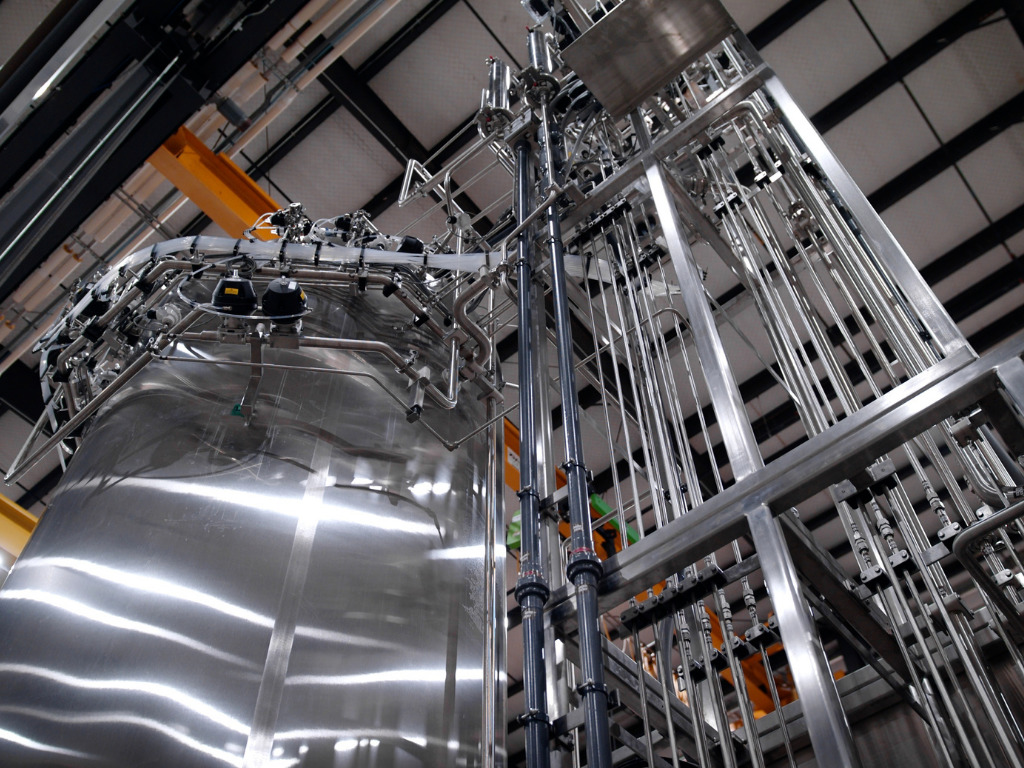
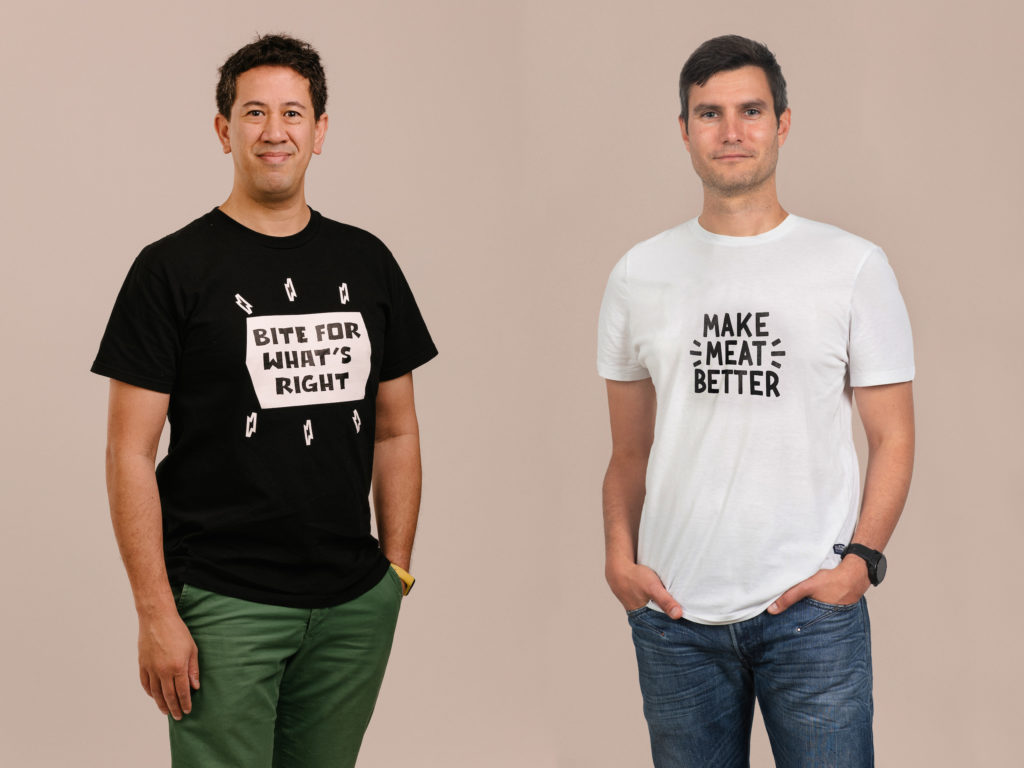




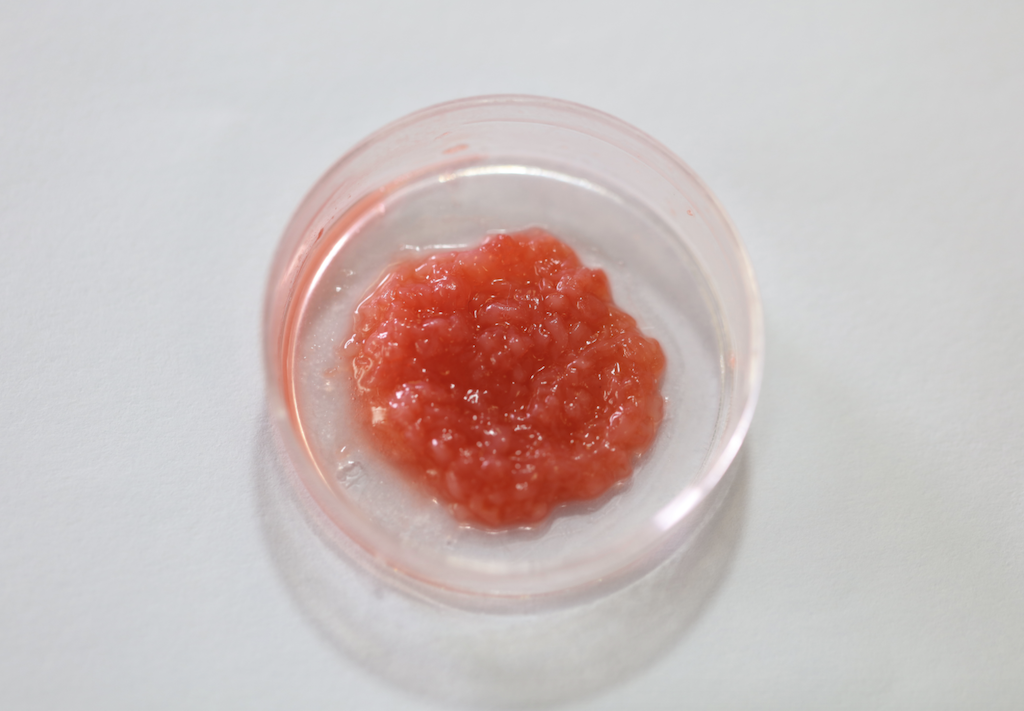
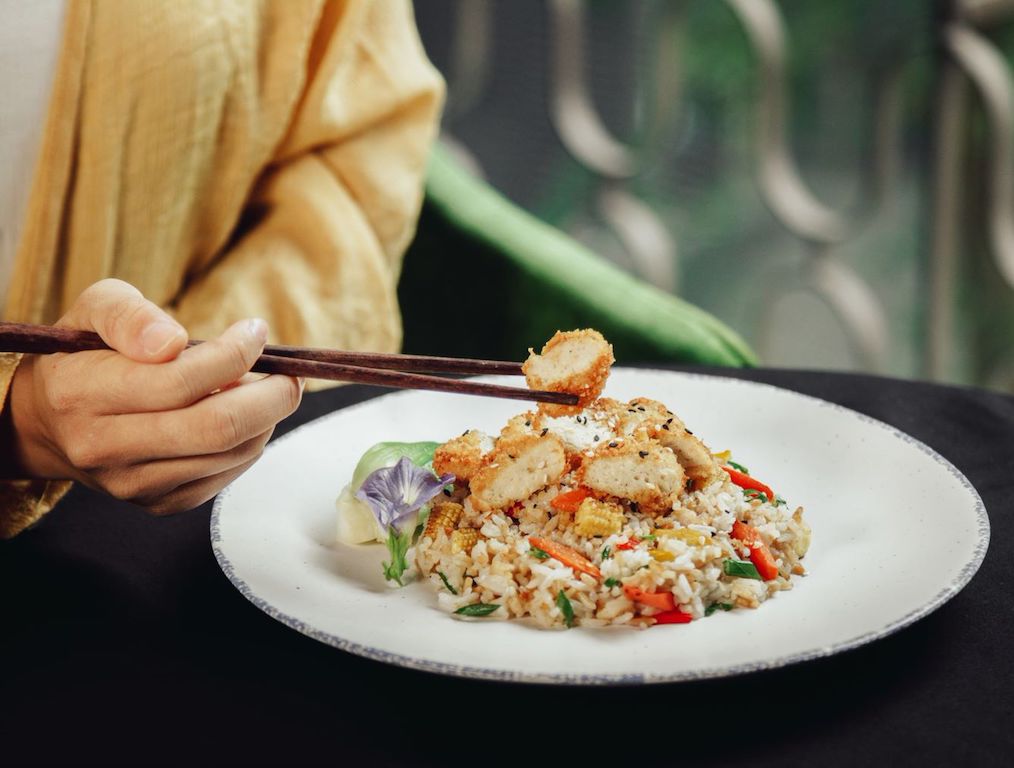
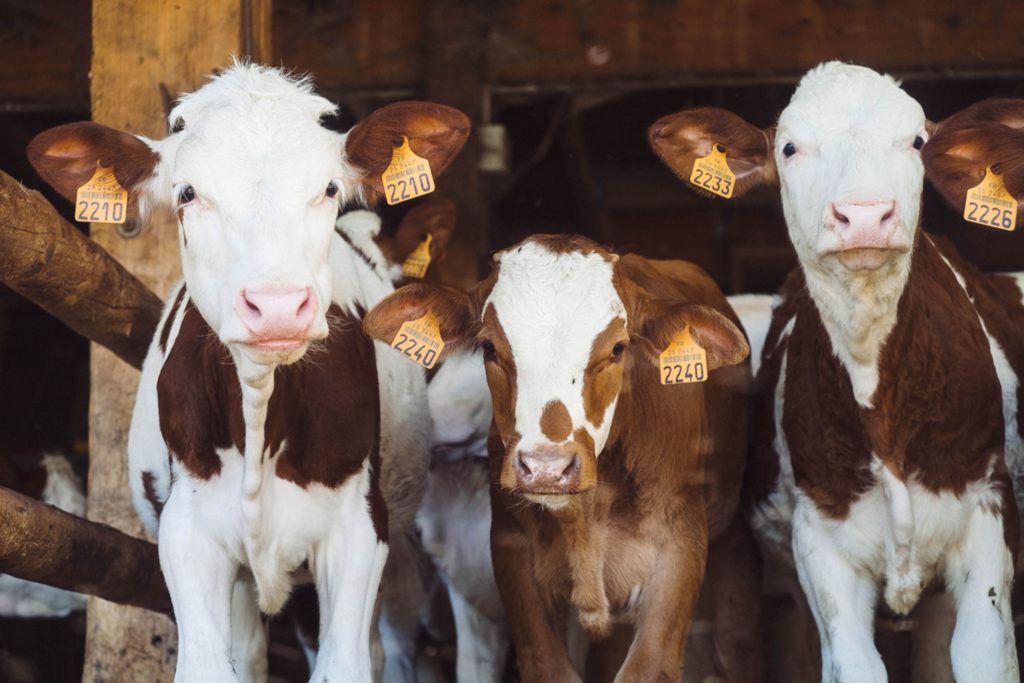
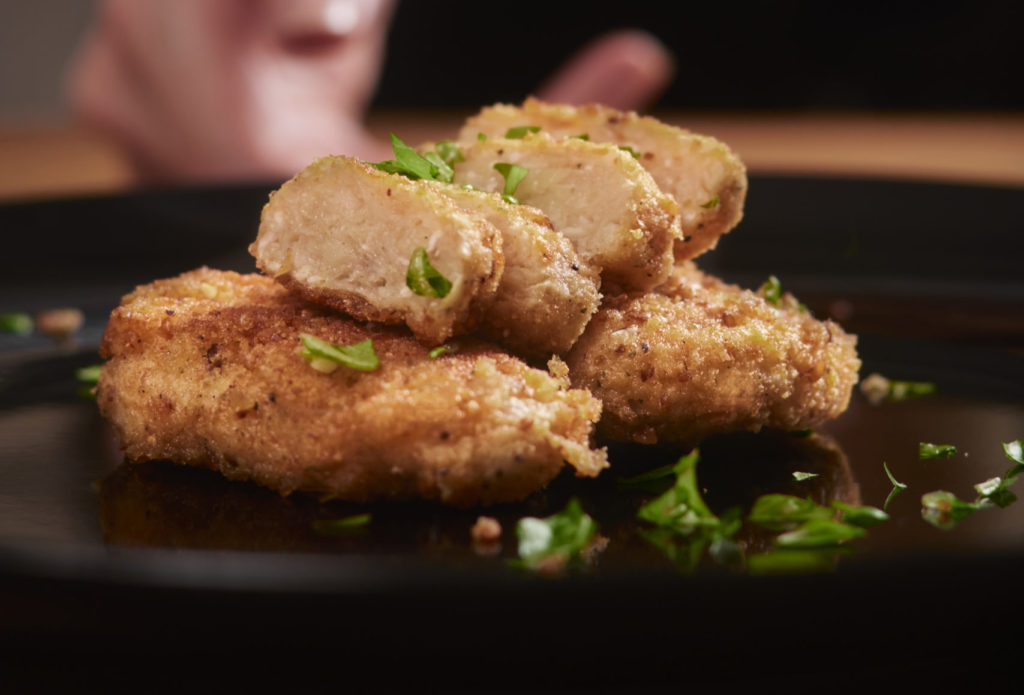
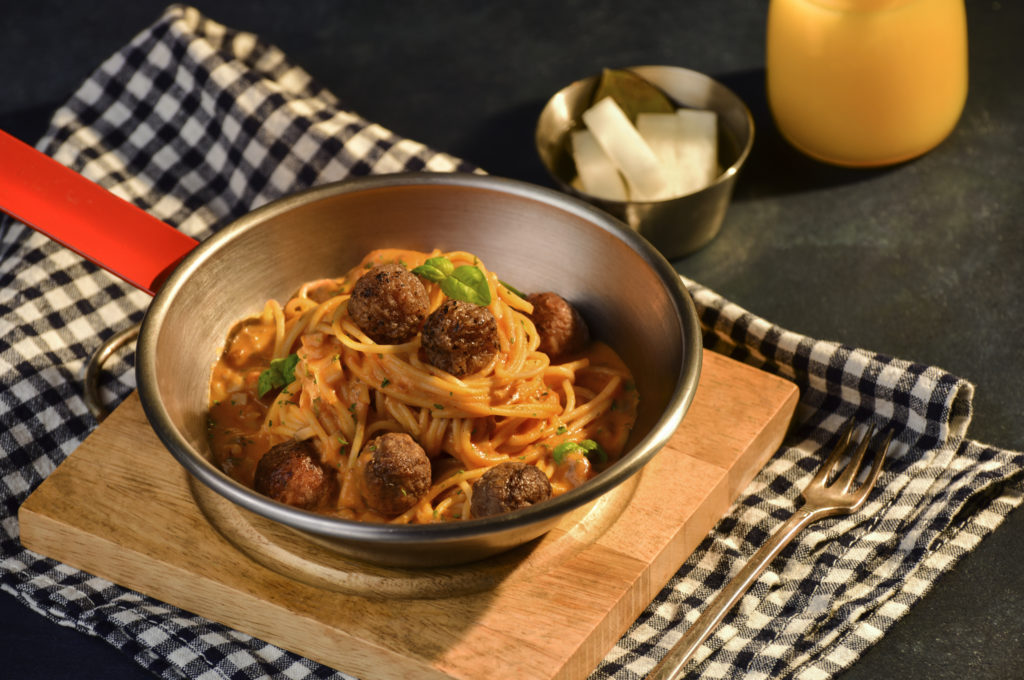
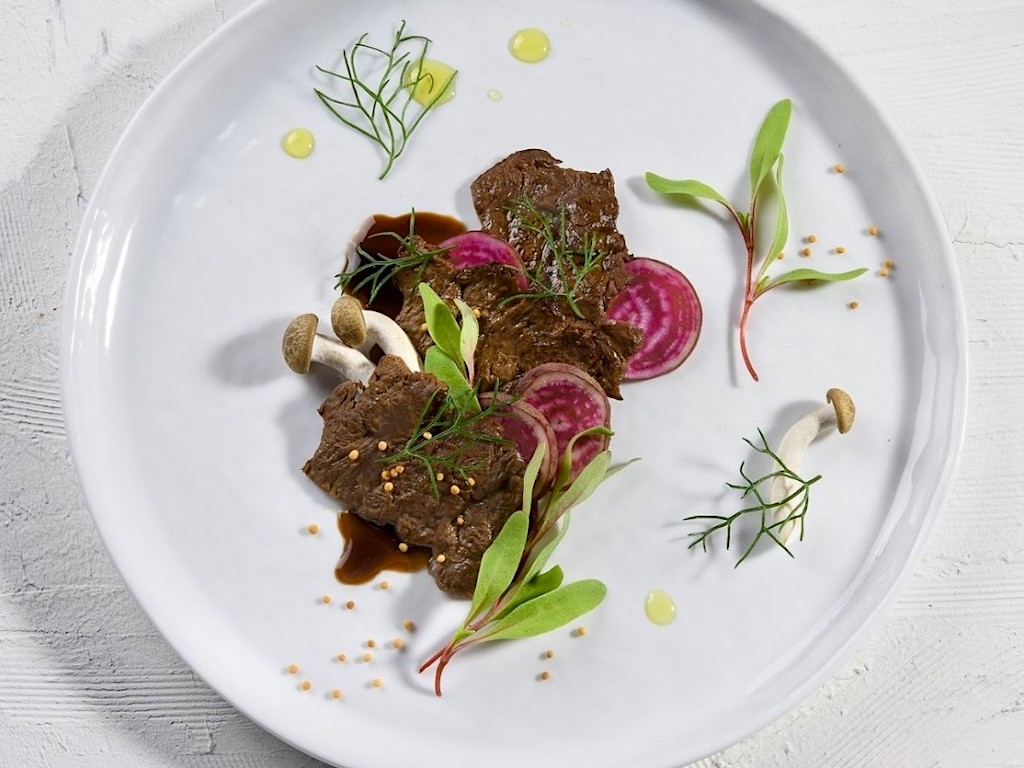
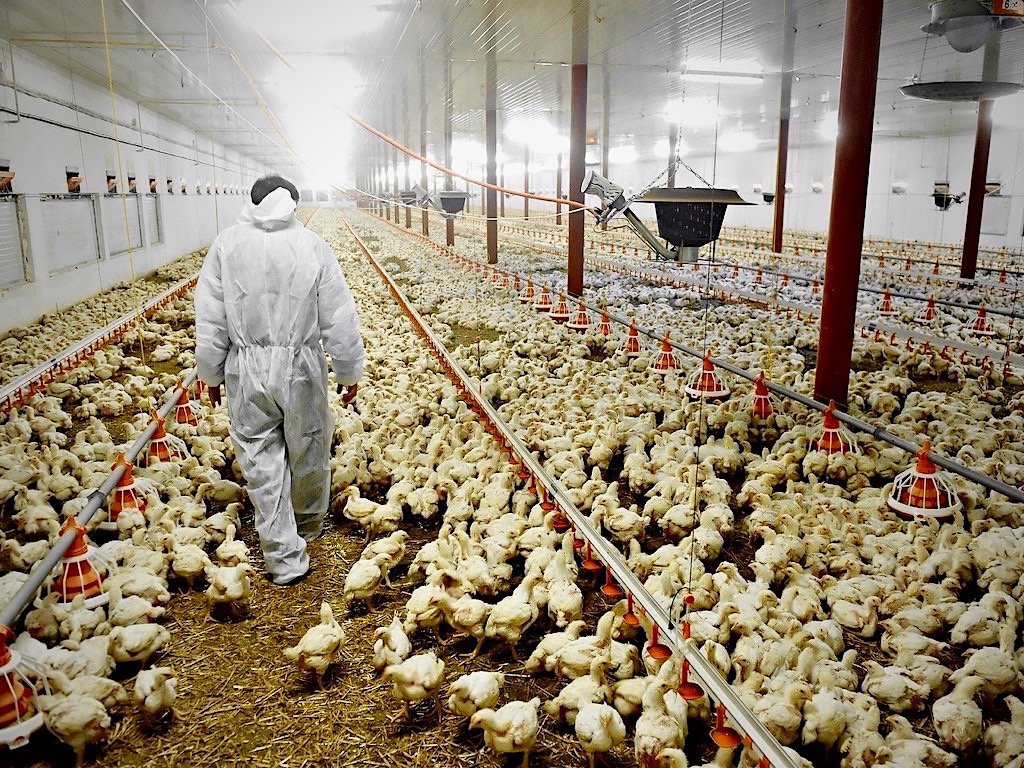
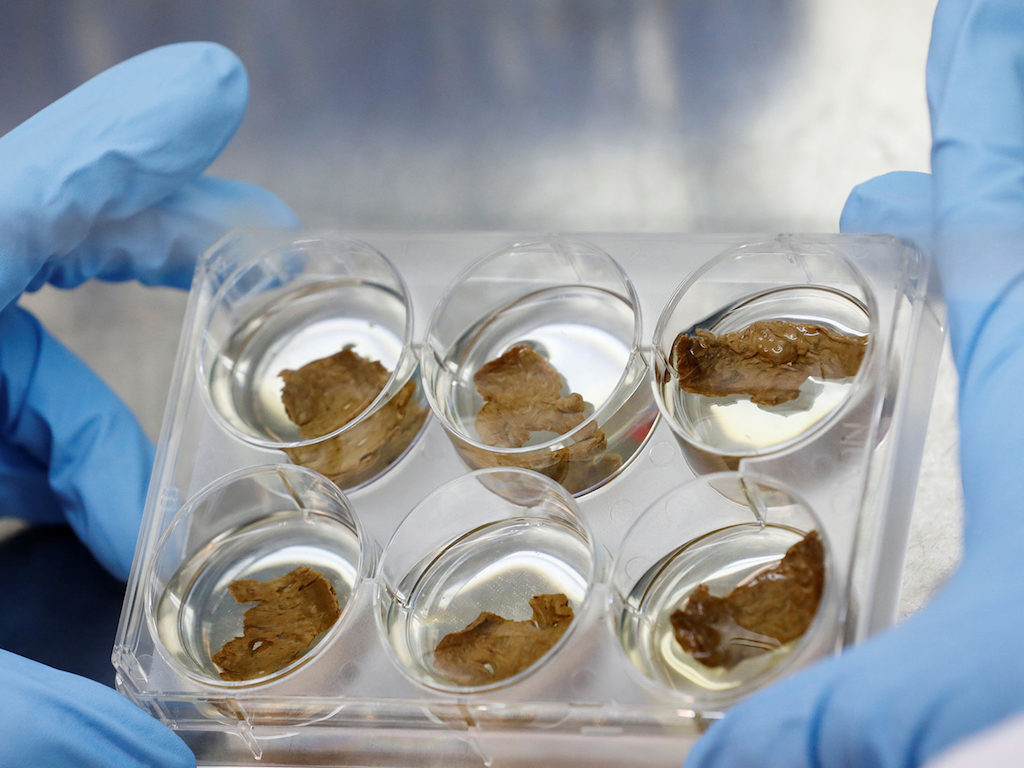

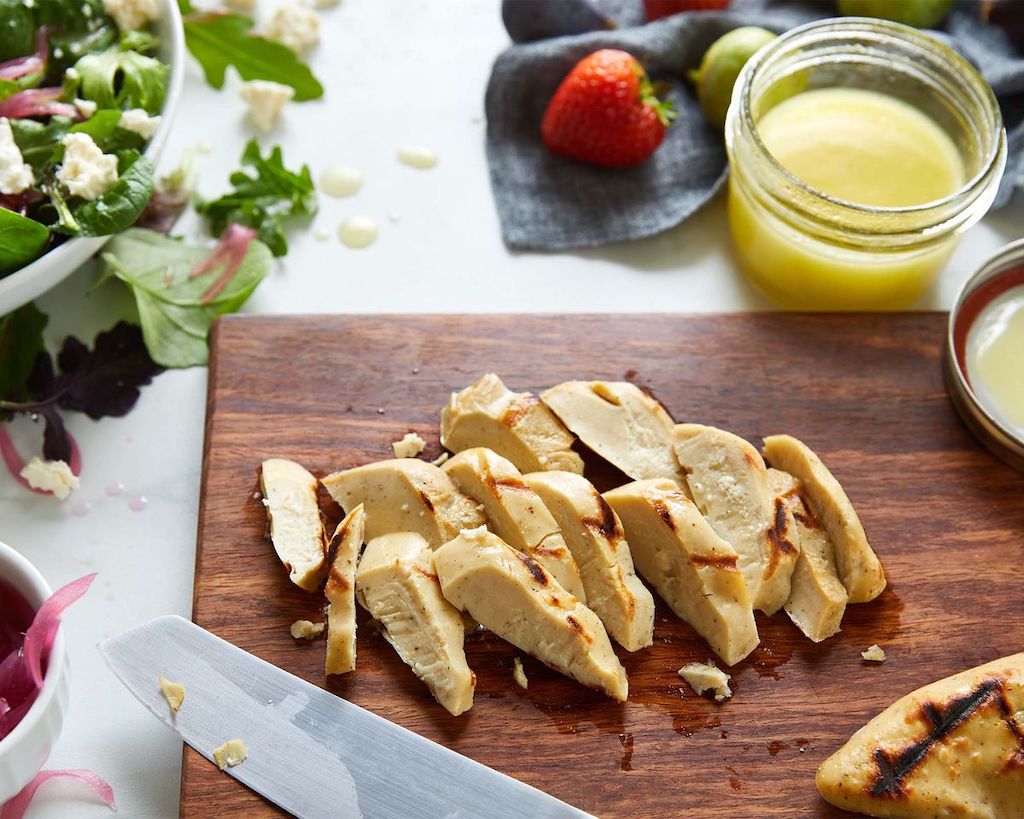
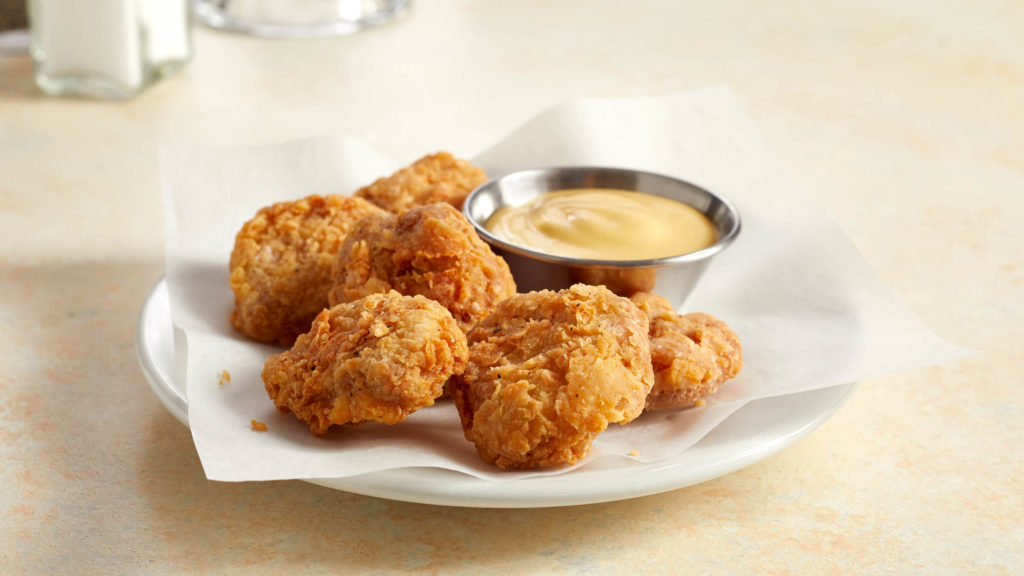

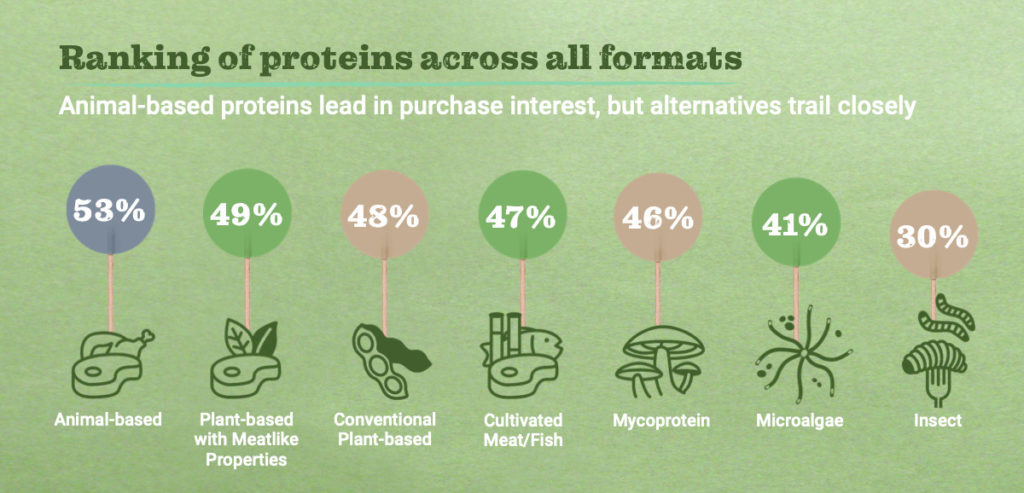
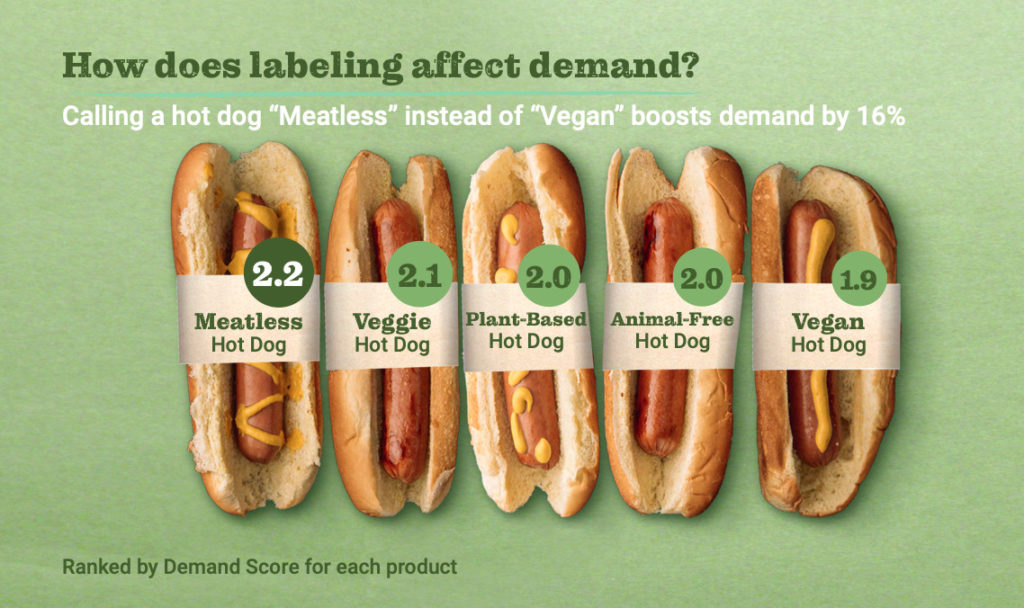
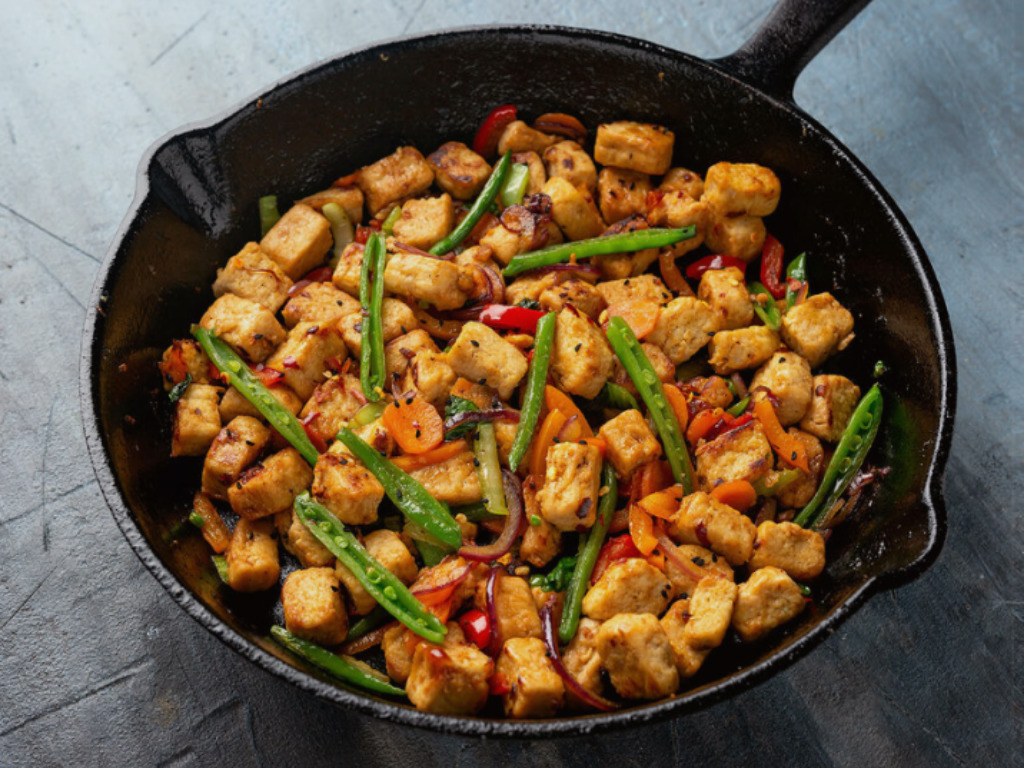
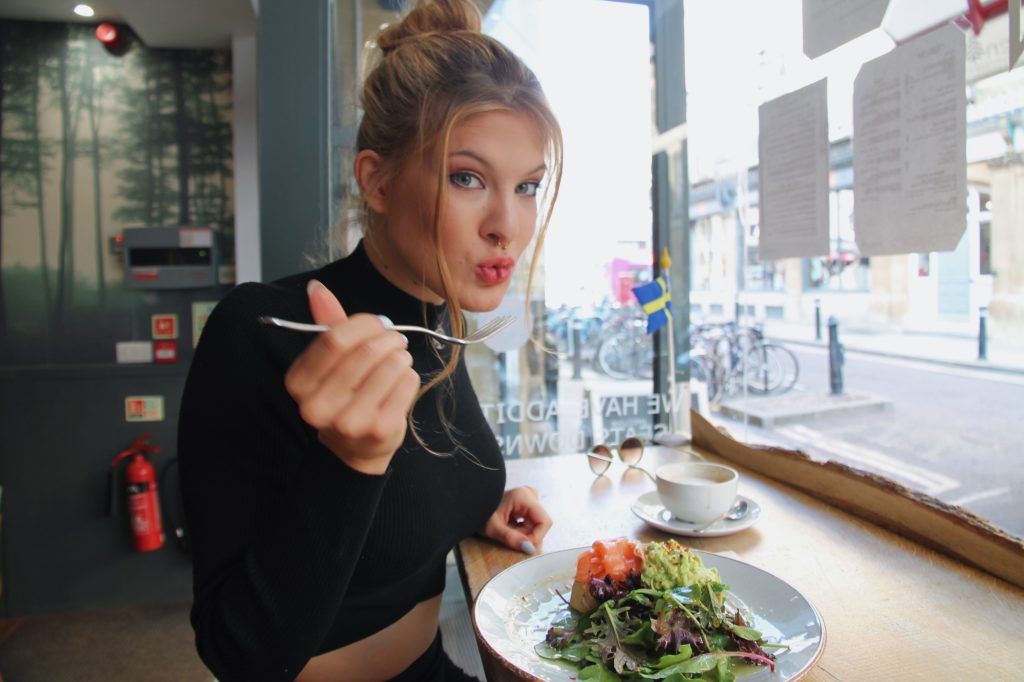
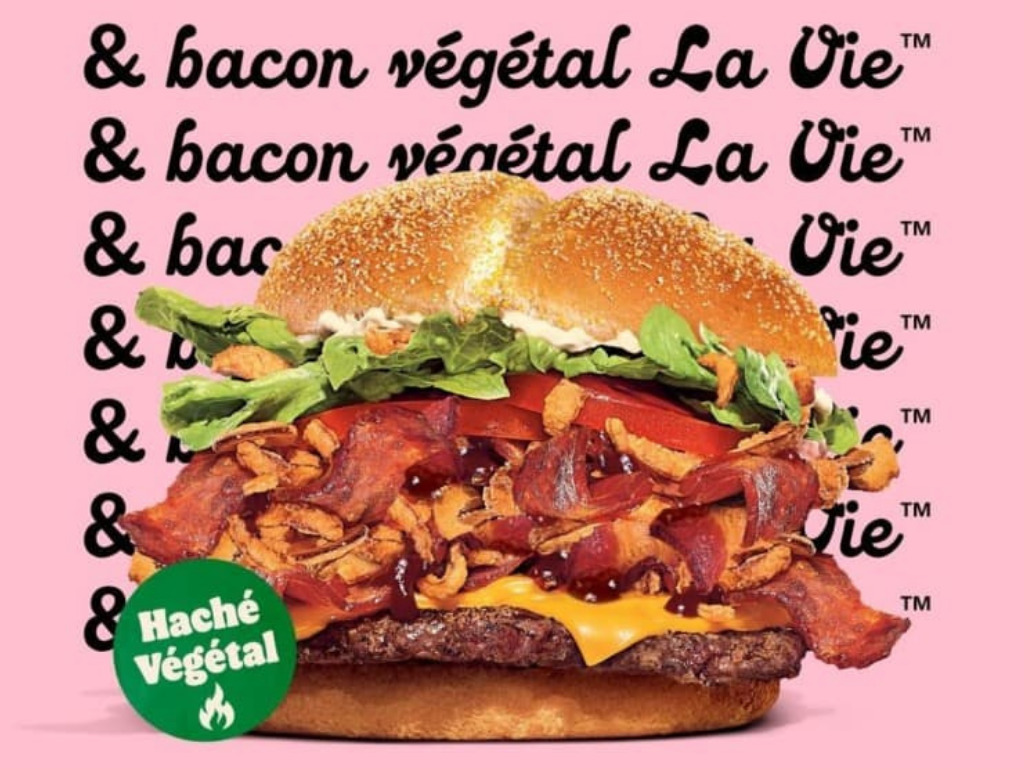

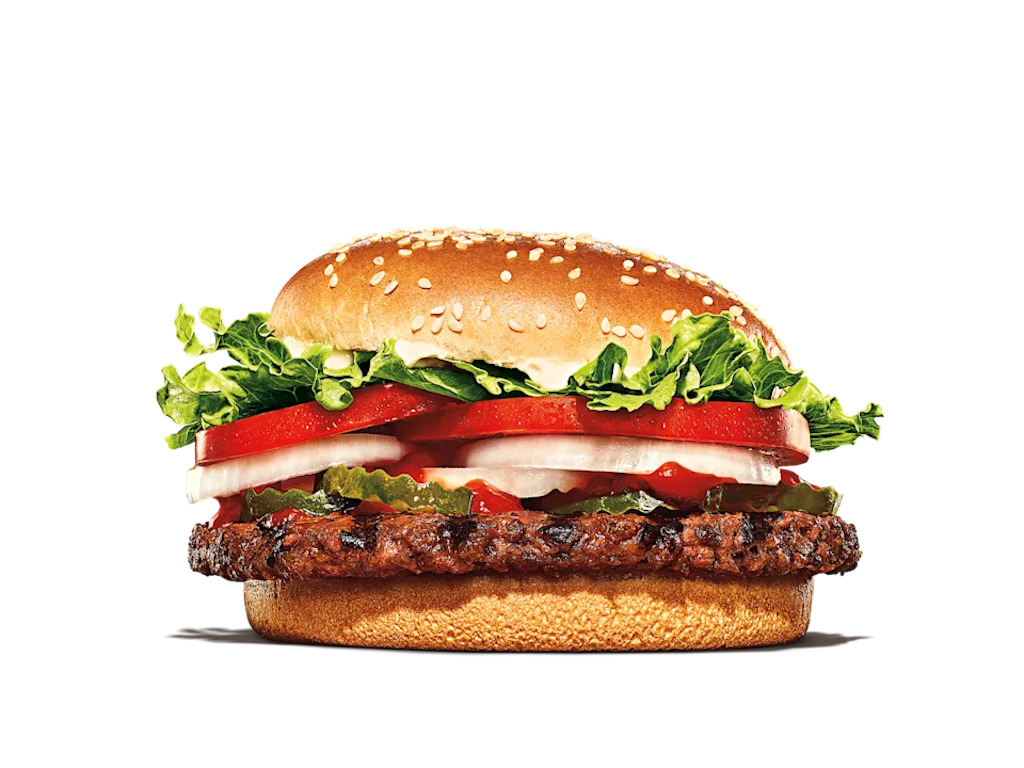

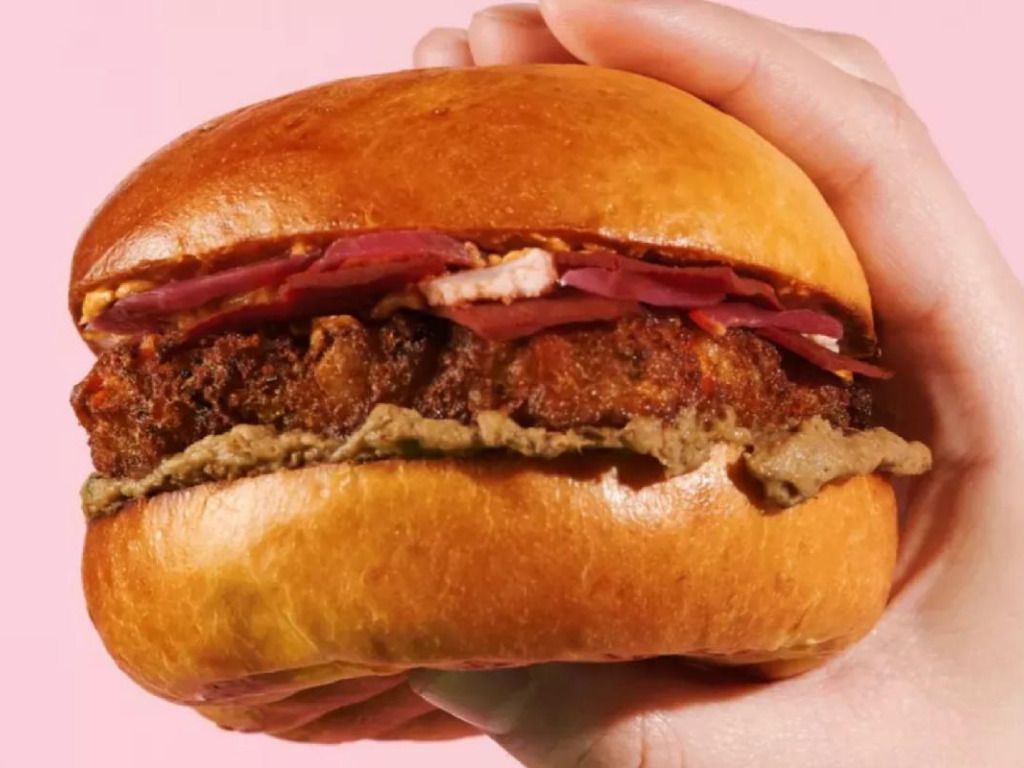
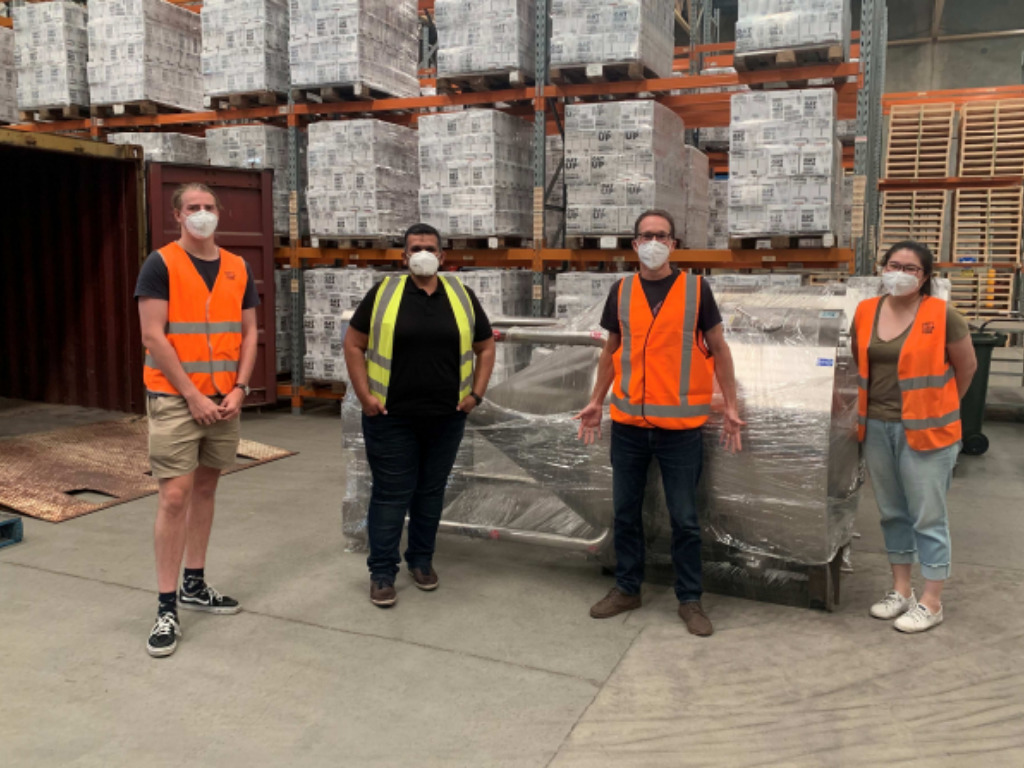

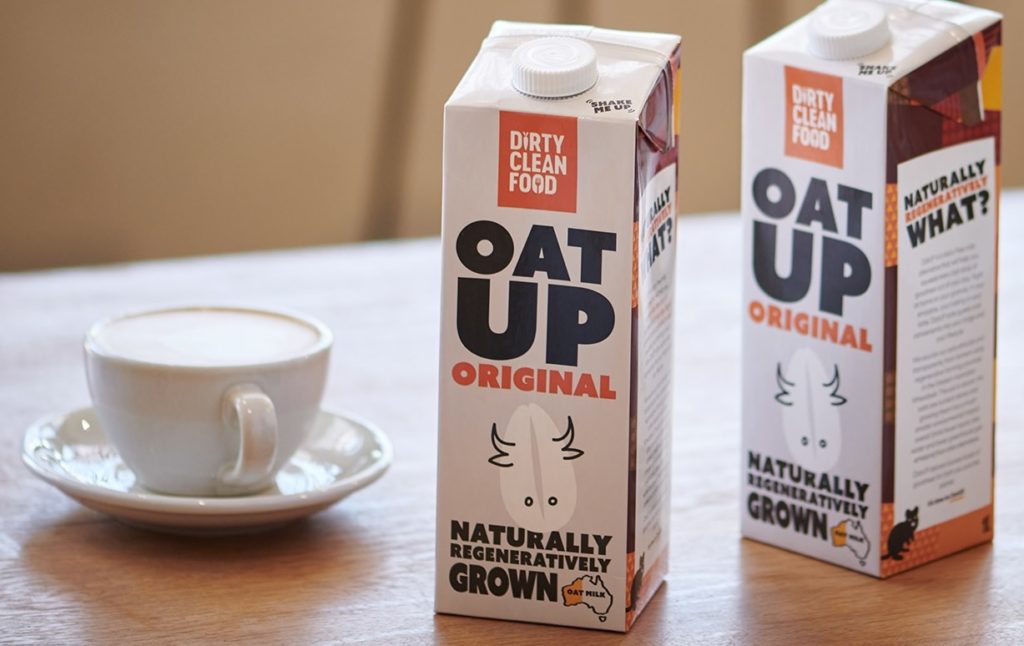
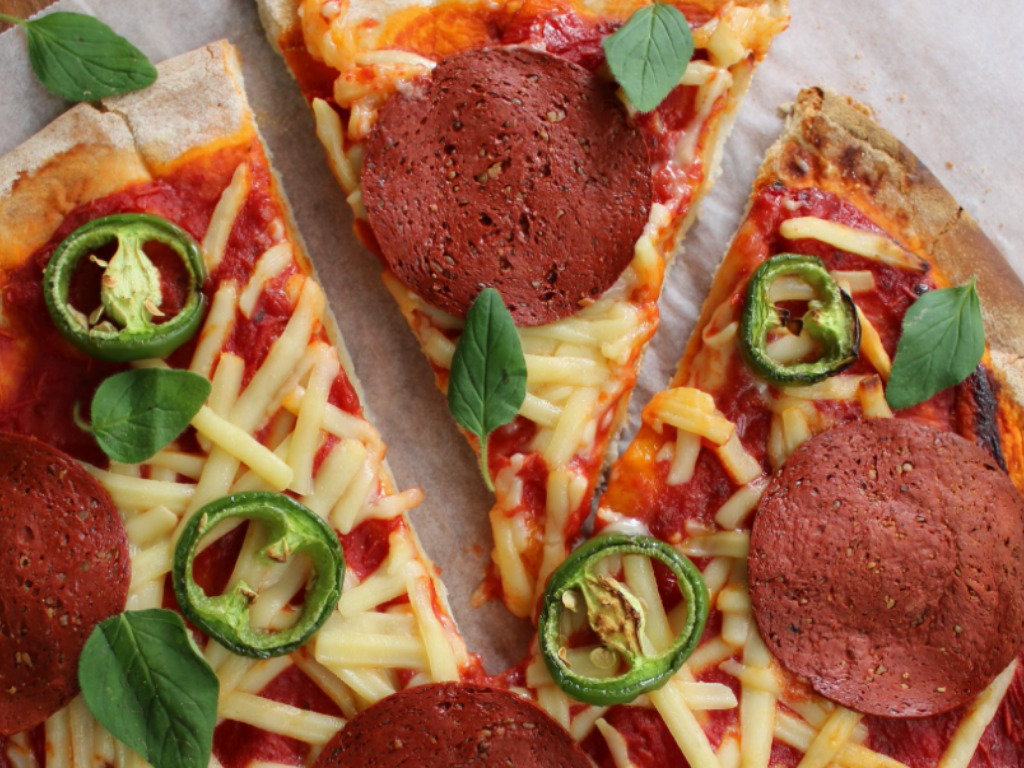
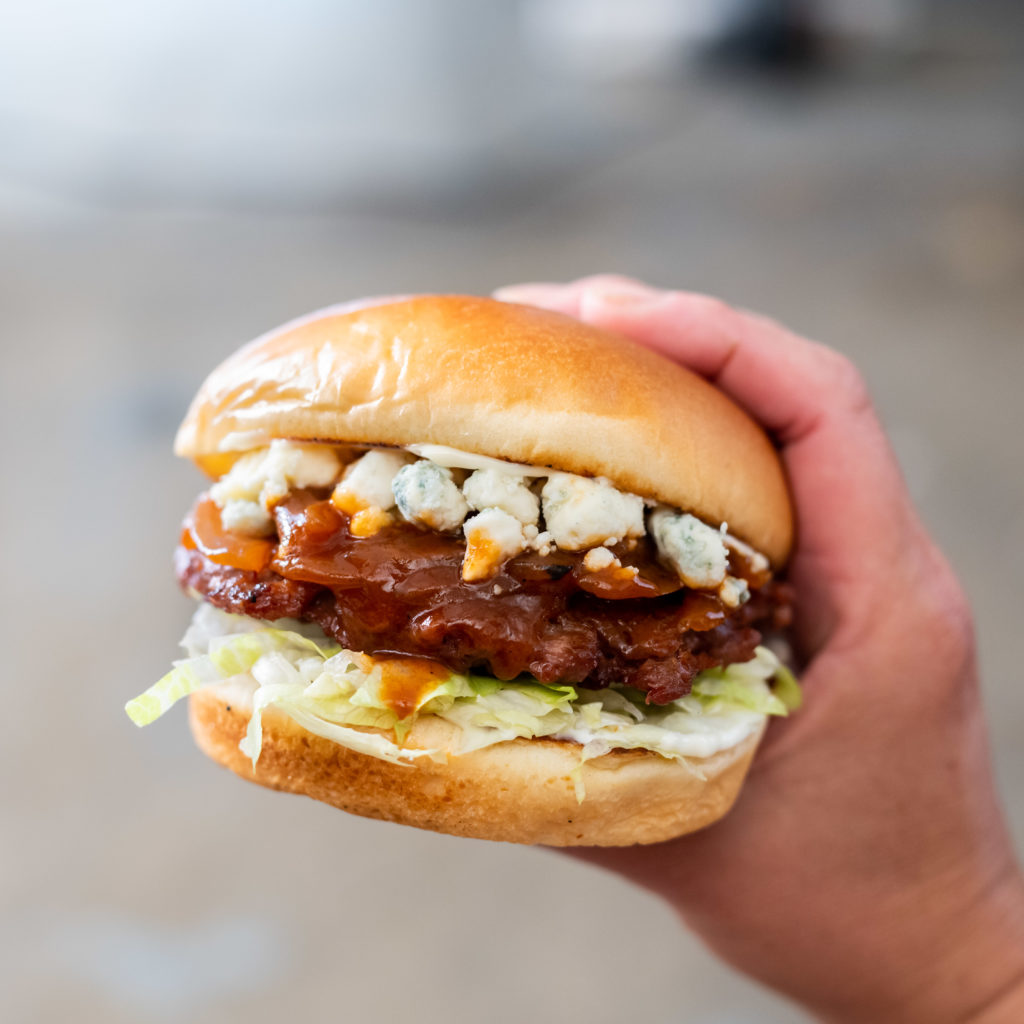
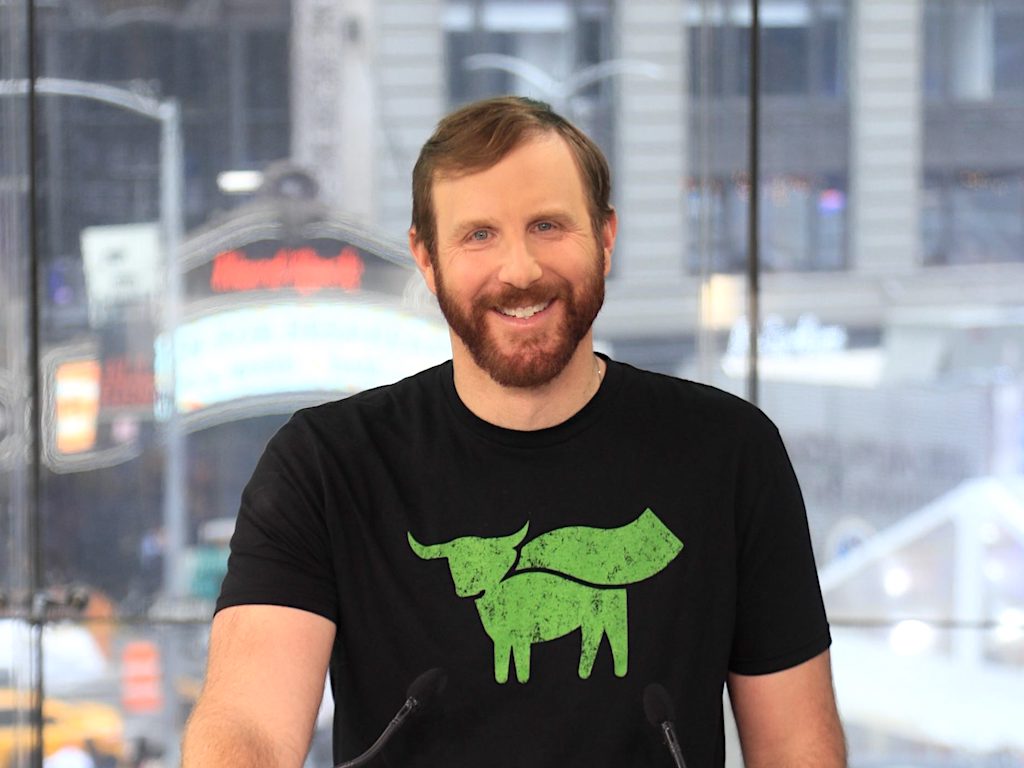
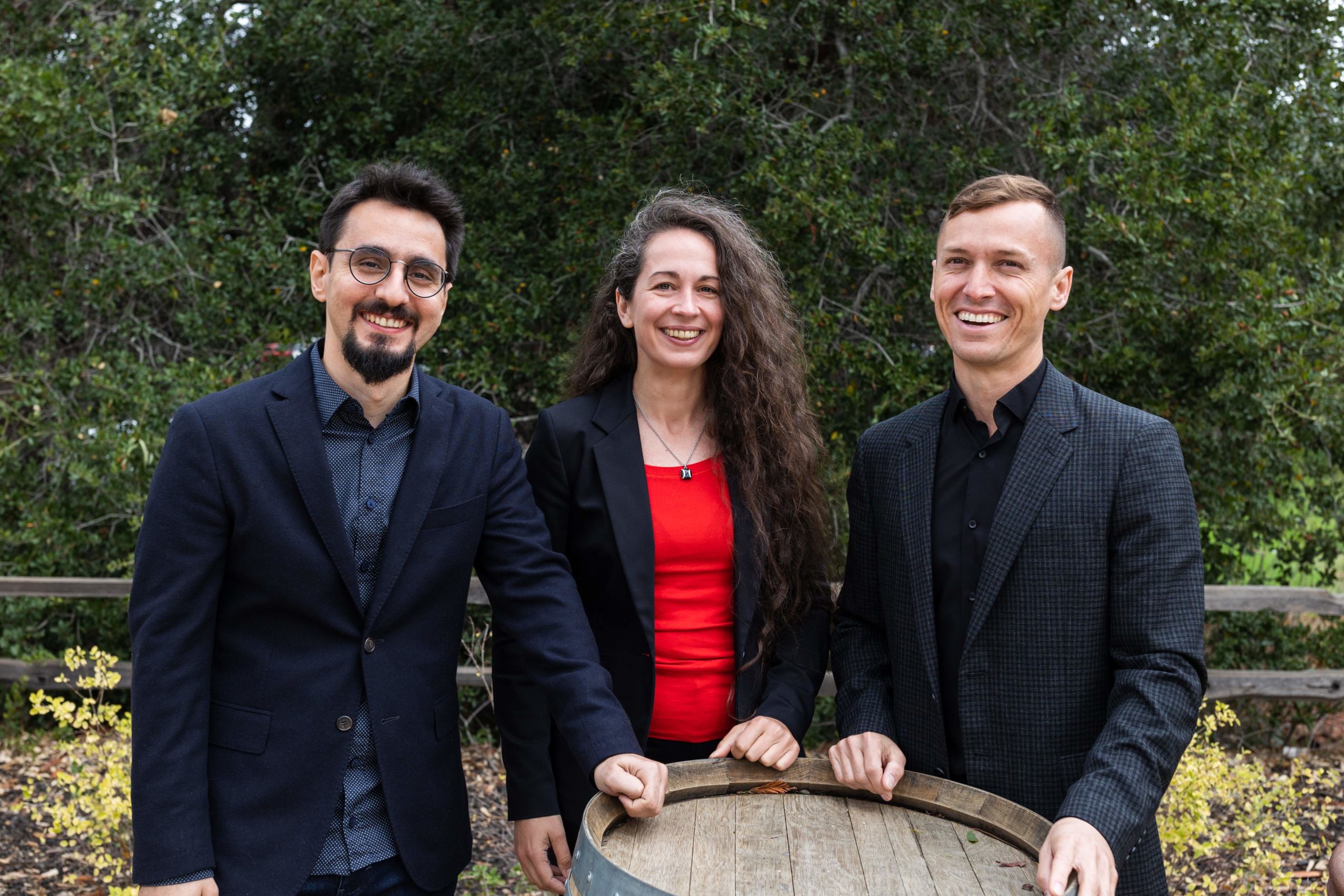
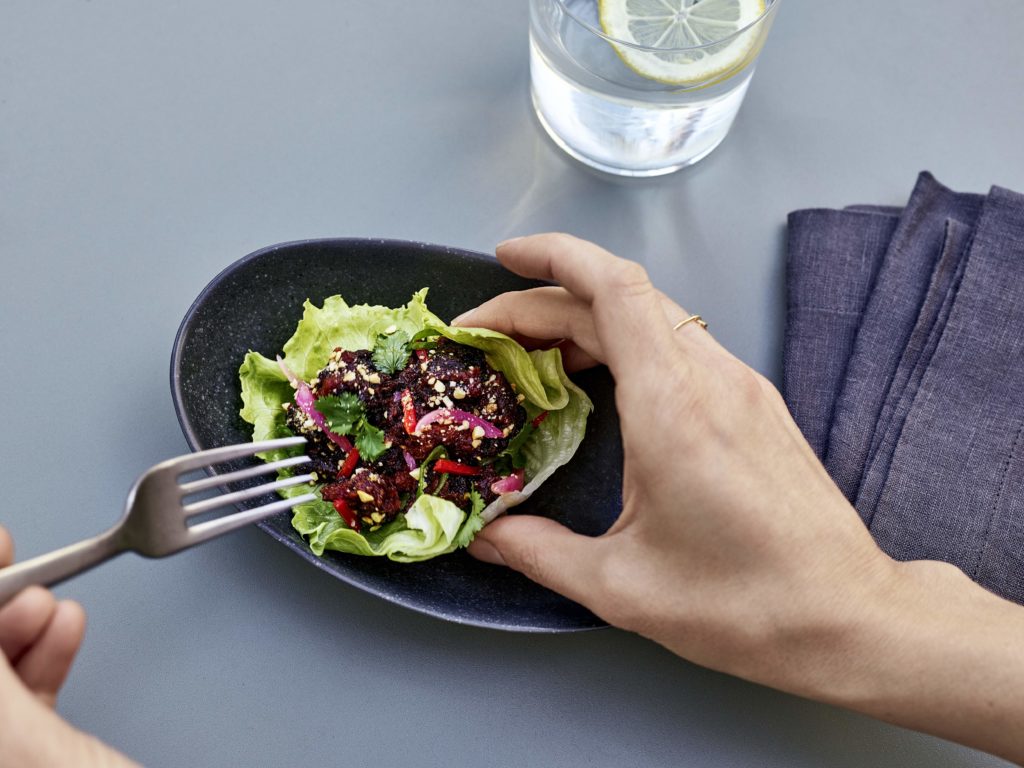
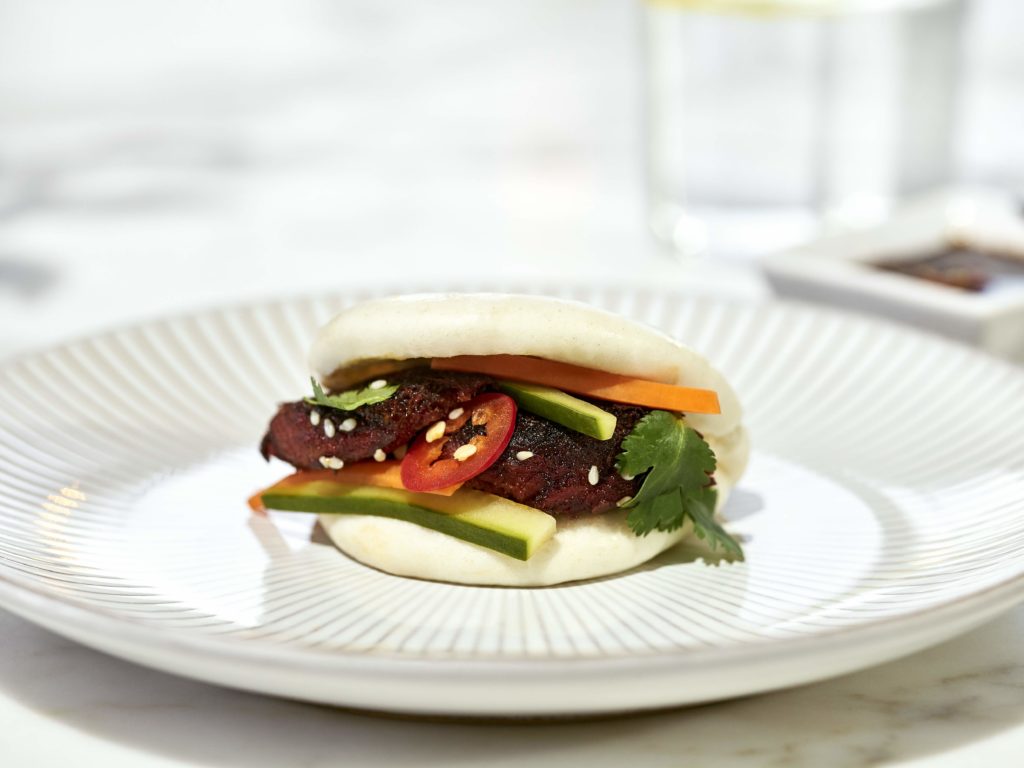
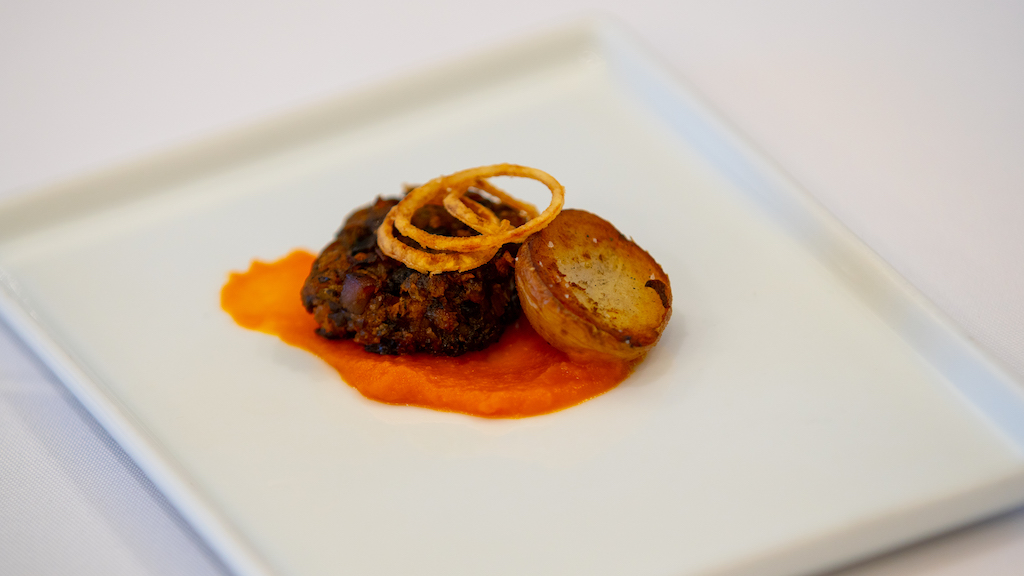
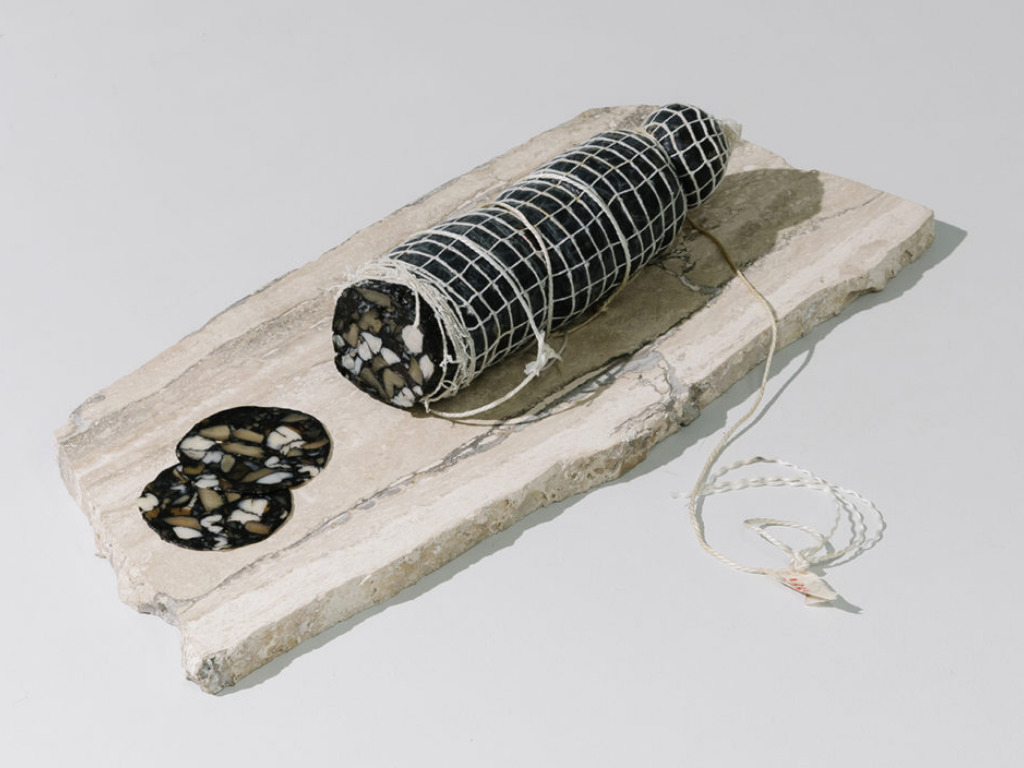
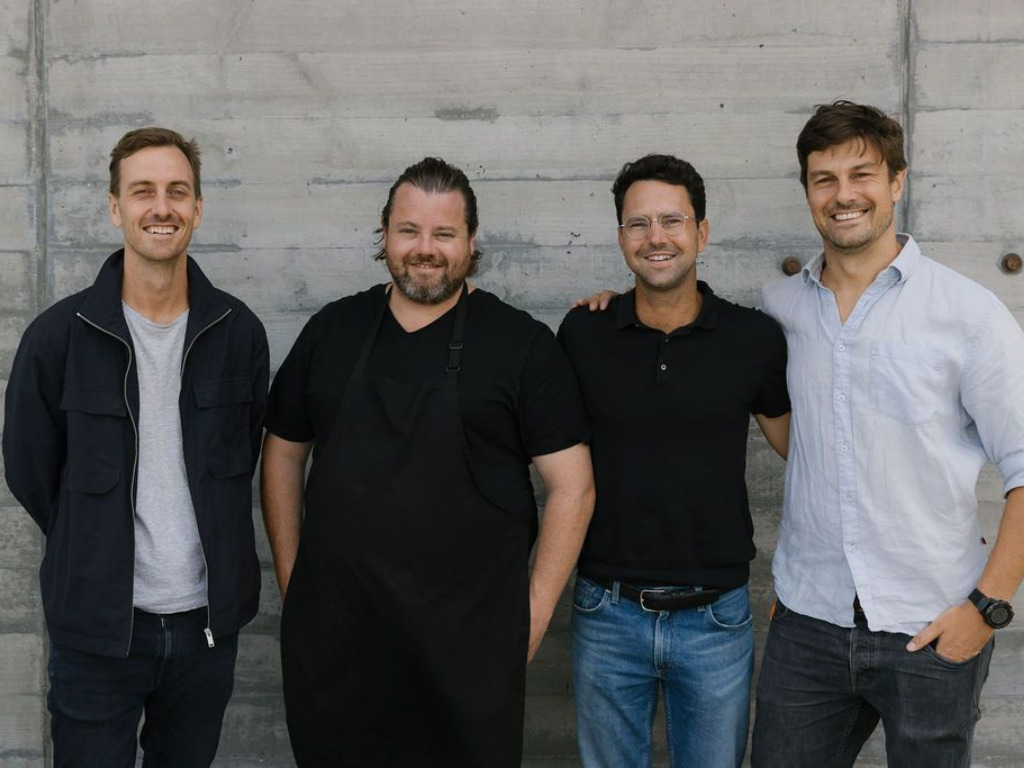

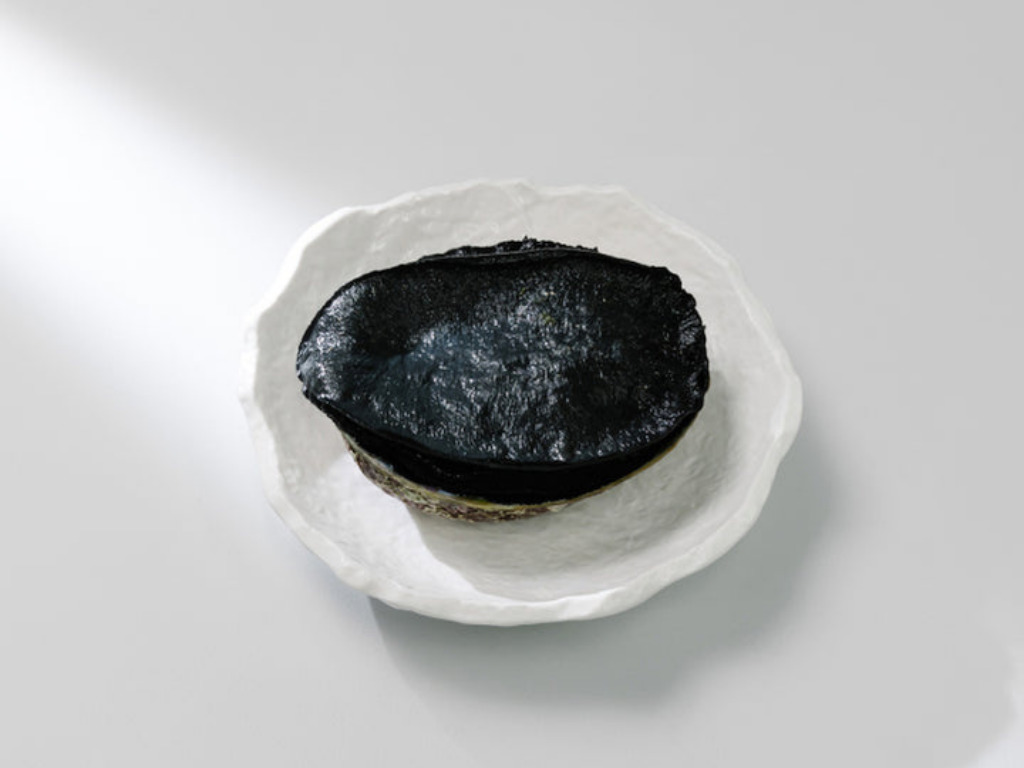

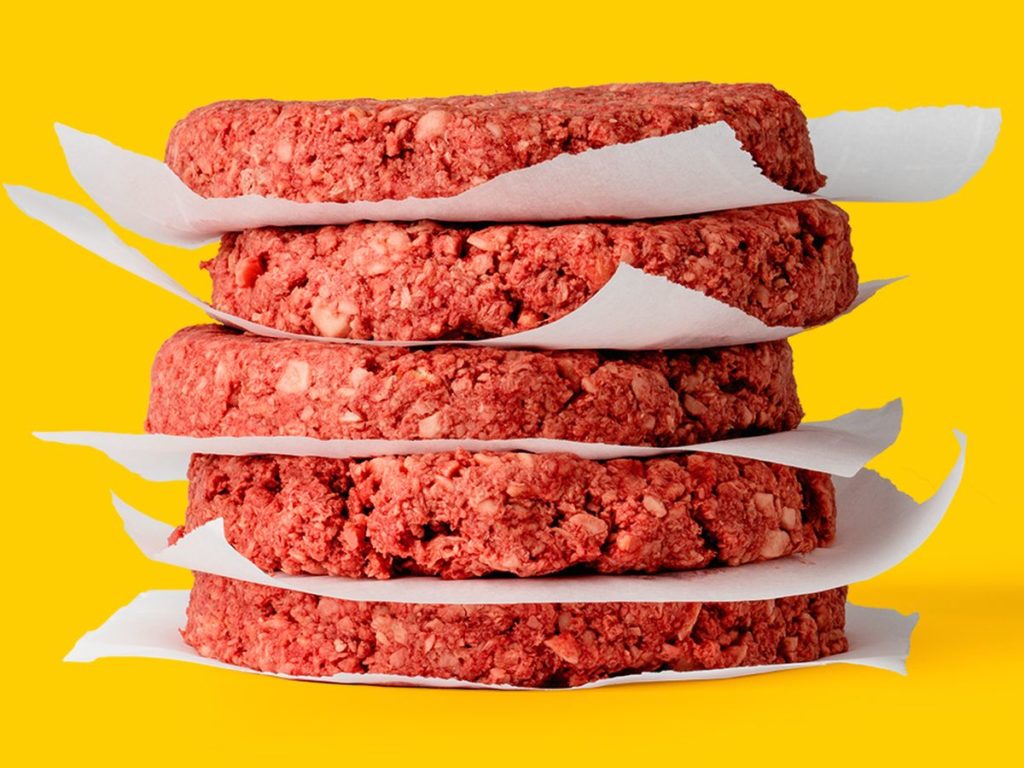

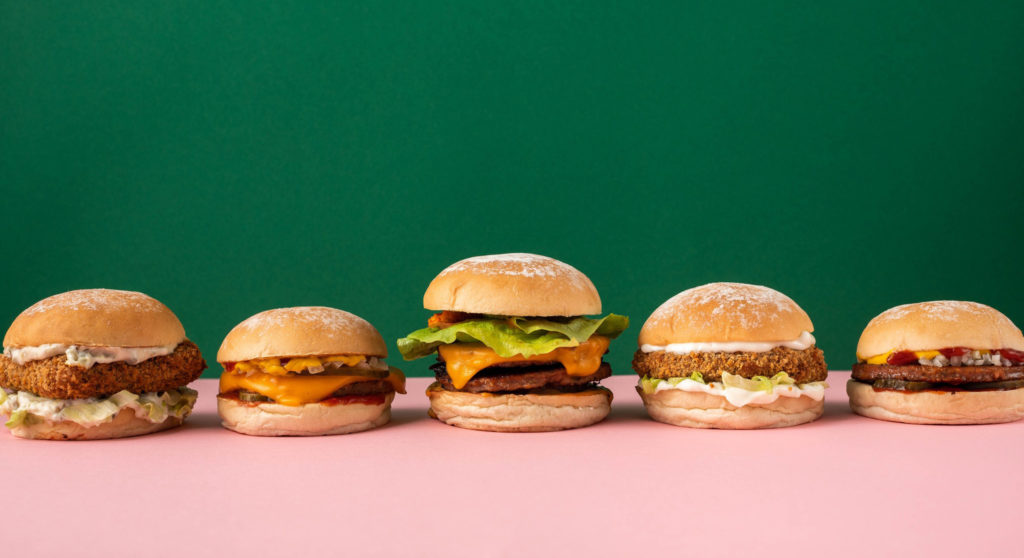



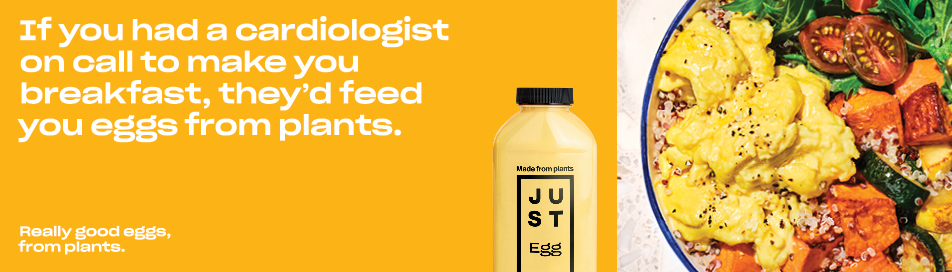
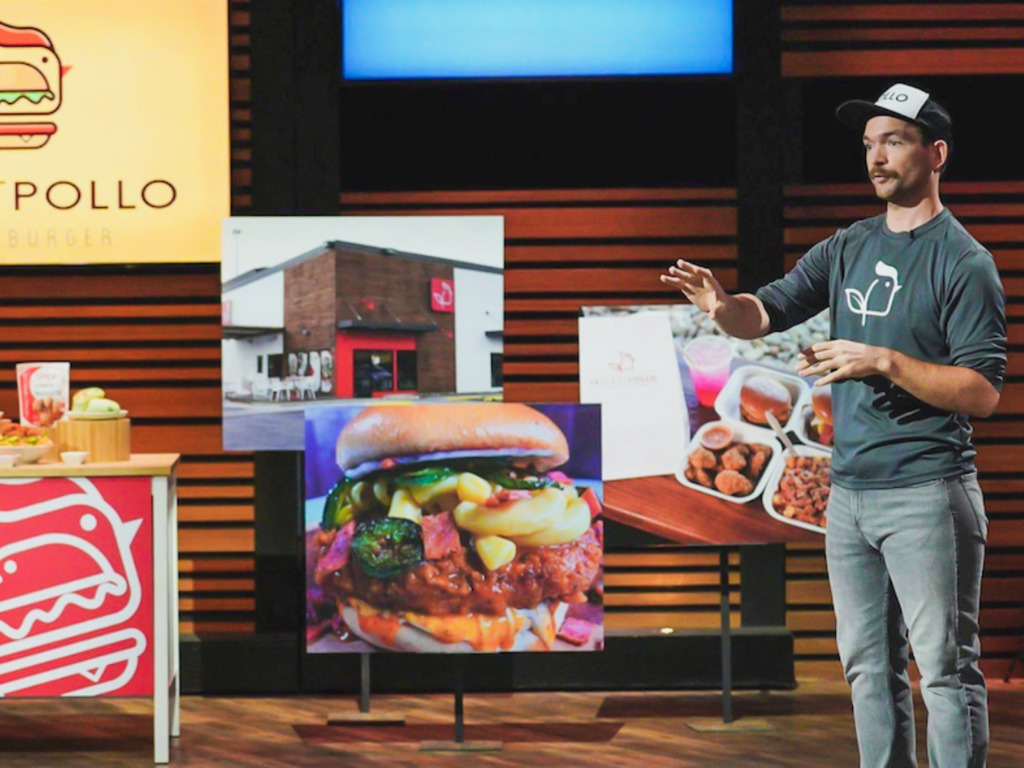
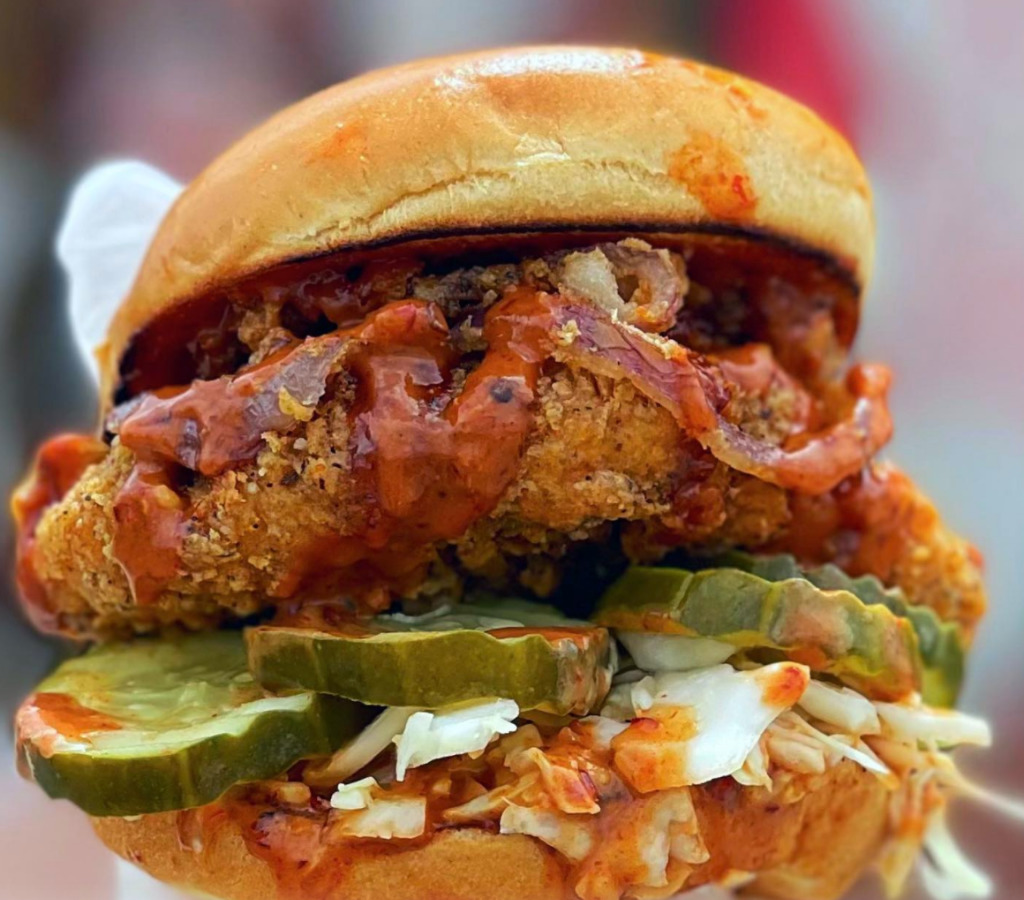
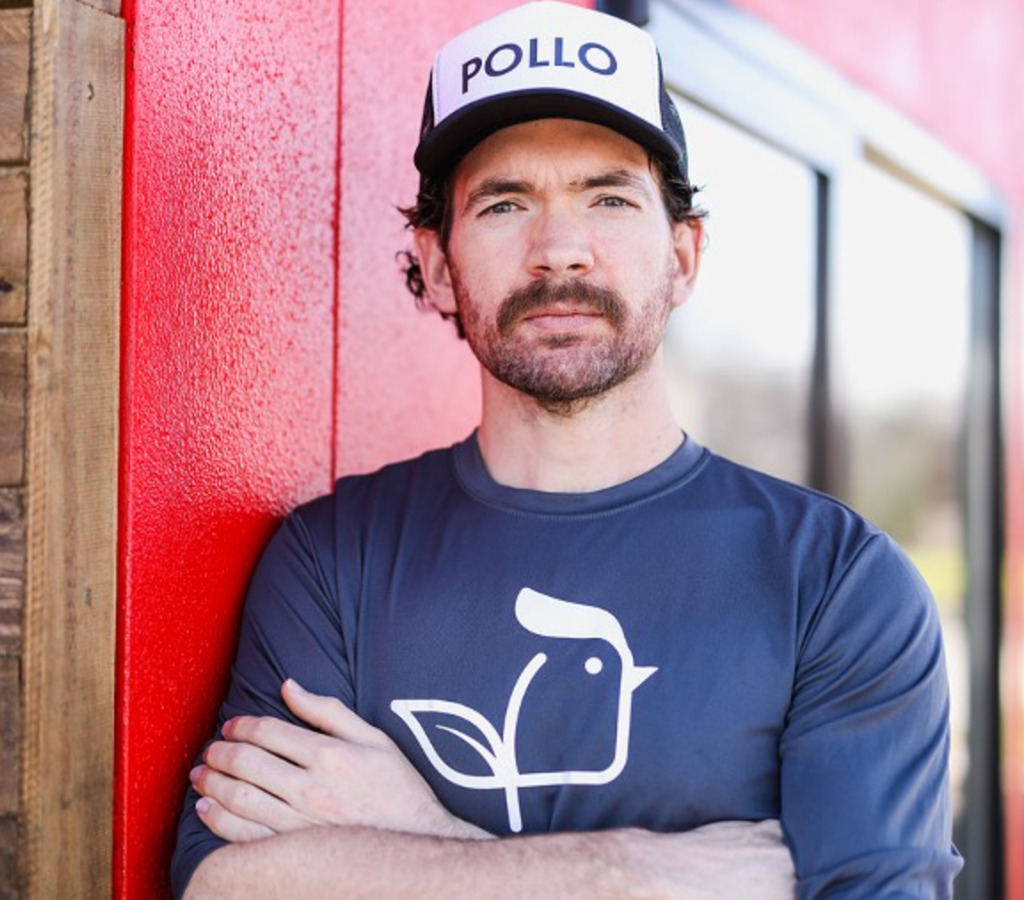
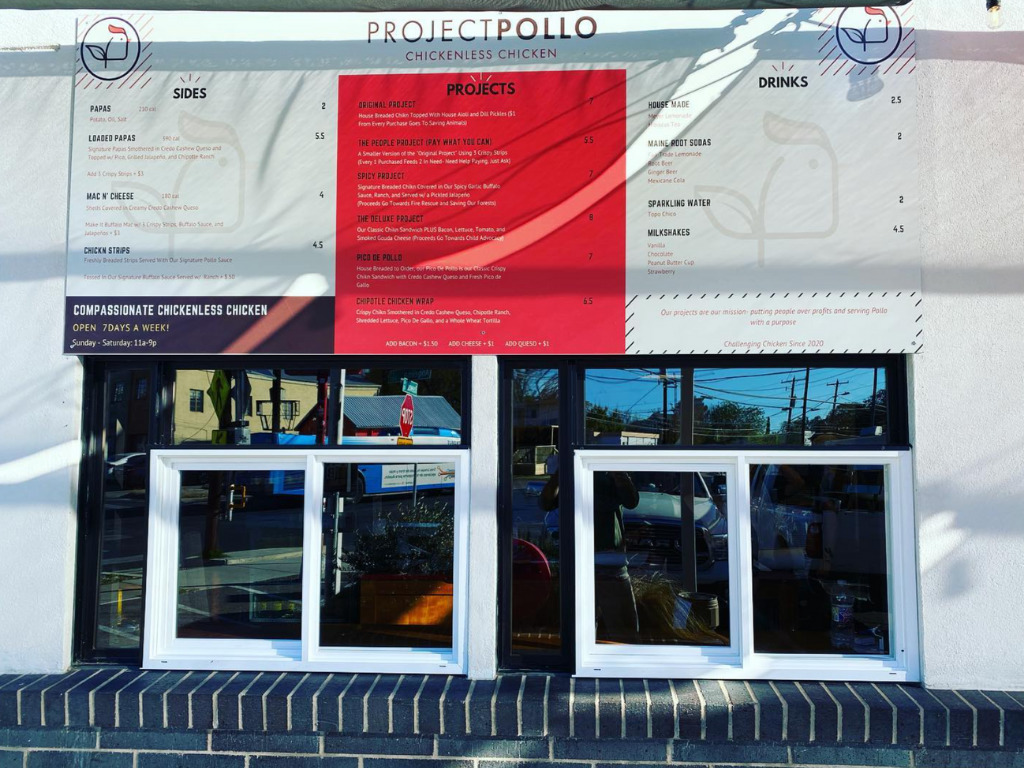

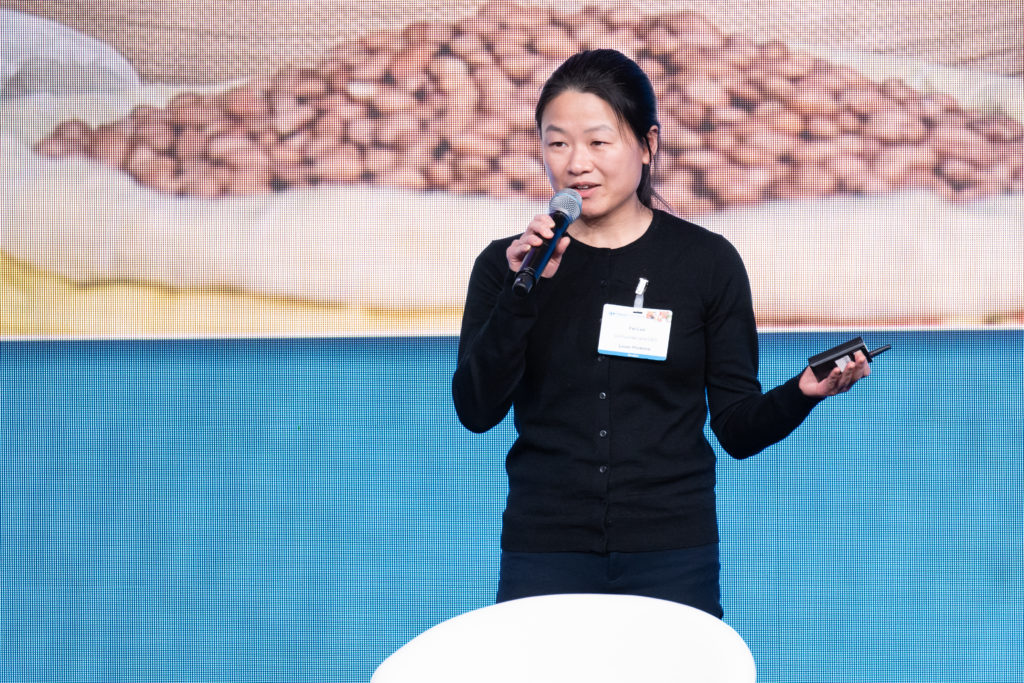
 ) at the summit’s first networking coffee break. Meati Foods will host a lunch break to serve Meati Chicken shawarma pita and grilled za’atar Meati Steak and vegetable kabobs and Nowadays will also host a lunch break to serve its plant-based chicken nuggets.